
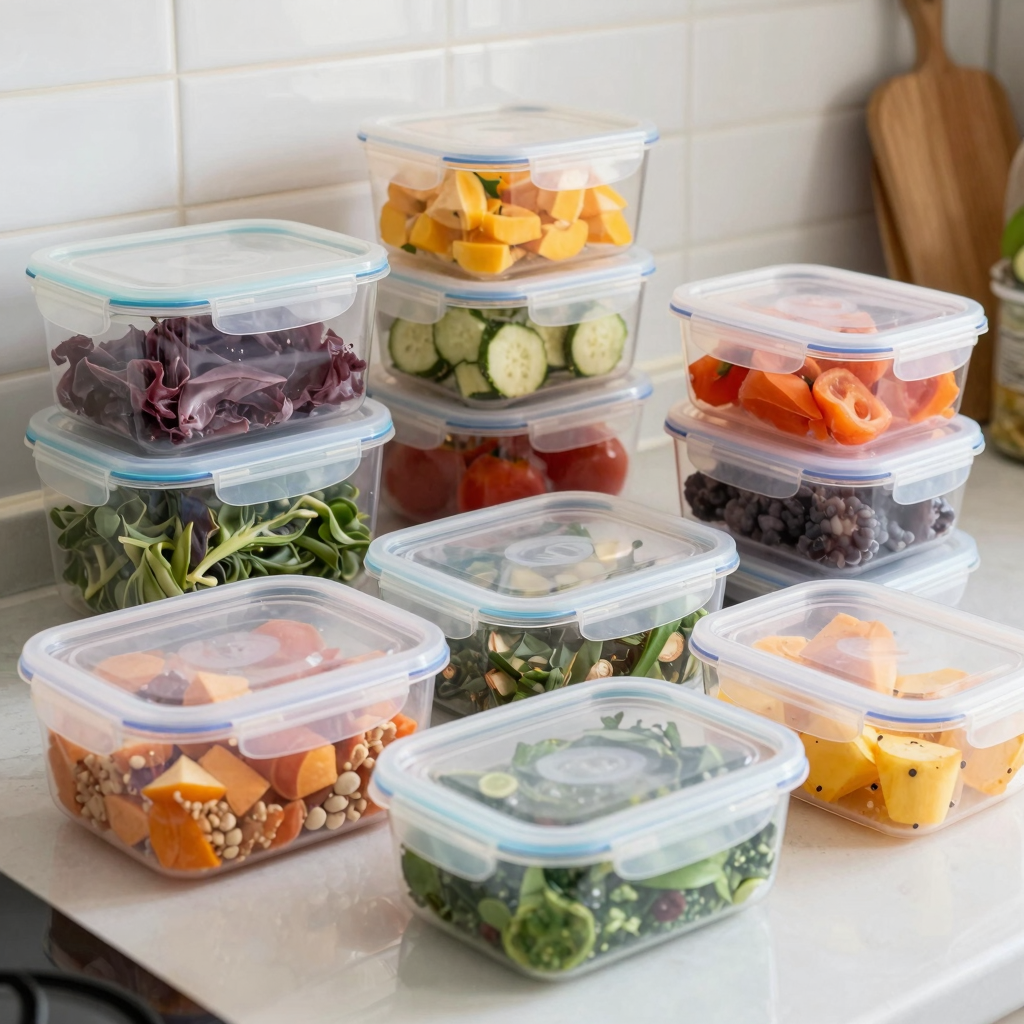
The Benefits of Freezing Food in Plastic Containers
In today’s fast-paced food industry, efficiency and quality are non-negotiable. For businesses like bubble tea shops and catering services, the practice of freezing food offers a lifeline, allowing them to maintain freshness while optimizing storage space. Imagine being able to lock in the vibrant flavors of your ingredients without the risk of spoilage! Freezing food in plastic containers not only preserves quality but also provides a convenient solution for portion control and easy access during peak service times. Moreover, with the rise of meal prep and takeout dining, consumers are increasingly seeking out establishments that can offer quick, fresh, and flavorful options. By utilizing effective freezing methods, you can ensure your offerings remain delightful and appealing to customers, enhancing their overall experience. As we delve deeper into the practical aspects and advantages of freezing food in plastic containers, you’ll discover vital insights tailored to elevate your business operations. Learn more about efficient food storage and how you can harness these strategies for greater success!
Comparing Types of Plastic Containers for Freezing Food
When it comes to freezing food, choosing the right plastic container can make a significant difference in preserving quality and flavor. Below is a comparison table outlining various types of plastic containers suitable for freezing food, including their material type, durability, and best uses.
| Container Type | Material Type | Durability | Best Uses |
|---|---|---|---|
| Freezer-Safe Containers | Polypropylene (PP) | -20°C to -30°C resistant | Soups, sauces, pre-portioned meals |
| High-Density Polyethylene | HDPE | -30°C resistant | Storing meats, liquid foods |
| Low-Density Polyethylene | LDPE | Not recommended below freezing | Short-term storage of non-fatty foods |
| Vacuum-Sealed Bags | Nylon & PE | Excellent seal | Long-term storage of meats and liquids |
| Durable Plastic Tupperware | PP & Tritan | -20°C to -40°C resistant | Leftovers, meal prep |
| Containers with Gaskets | Various grades of PP | High-impact resistant | Preventing freezer burn in delicate foods |
For more detailed insights on selecting containers, check out this guide on freezer-safe containers. For specific recommendations on food-grade materials, visit Good Housekeeping’s insights on plastic containers.
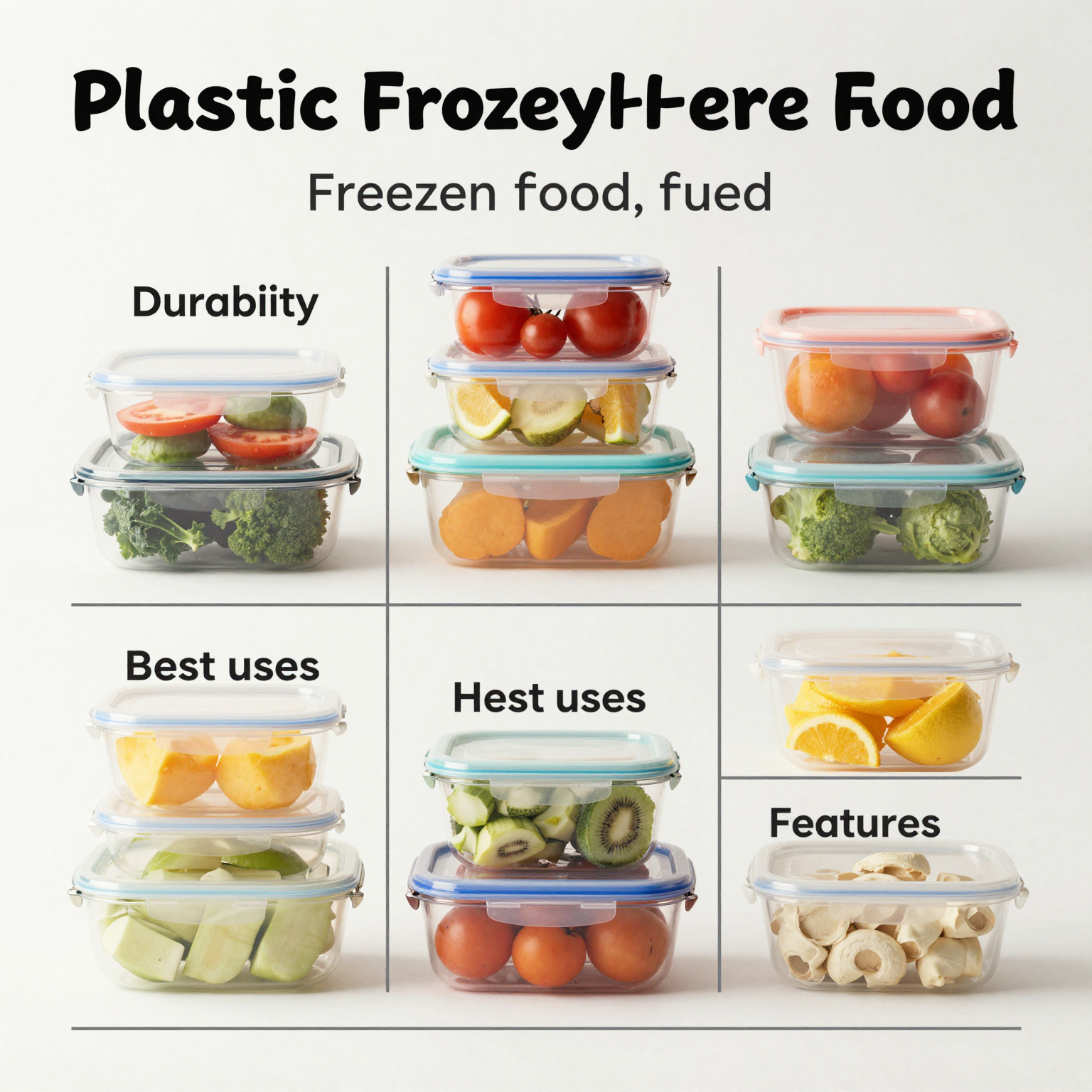
By selecting the right container, you can ensure that your frozen food maintains its freshness and quality, making it a smart choice for restaurants, food trucks, and catering services alike.
Conclusion
Choosing high-quality plastic containers for freezing food is essential for maintaining safety and taste. Whether it’s for short-term storage or long-term preservation, understanding the features of different types of containers will help you make the right choice.
The Benefits of Using Plastic Containers for Freezing Food
In the fast-paced world of restaurants and catering services, efficiency, safety, and cost-effectiveness are paramount. One of the most effective methods to store and preserve food is through freezing, and using plastic containers offers numerous advantages that can enhance operational capabilities.
Cost-Effectiveness
Plastic containers are generally more affordable compared to glass or metal alternatives, allowing restaurants and catering services to save on initial purchase costs. The cost-effectiveness of plastic food containers is particularly evident when buying in bulk. For instance, reports suggest that plastic food storage containers can be purchased for about one-third the price of glass containers, making them a more viable choice for businesses looking to optimize their expenses. Additionally, plastic containers are often lighter, reducing shipping costs as well, thereby contributing to overall savings. Learn more about effective packaging solutions.
Storage Efficiency
Plastic containers offer an excellent solution for efficient storage, particularly in freezer environments. Their lightweight nature means less weight to handle, making it easier for staff to stack and organize items. With a variety of shapes and sizes available, these containers can maximize freezer space, allowing for better organization, which is crucial during high-demand periods. By using containers that are designed specifically for freezing, businesses can avoid the pitfalls of freezer burn and moisture loss, ensuring food remains fresh and ready to serve. The ability to see contents through clear plastic adds to the efficiency, allowing quick access to needed items without having to thaw everything out.
Safety and Quality Standards
When it comes to food safety, plastic containers used for freezing are often made from food-grade materials that meet rigorous safety standards. Many modern plastic containers are BPA-free, ensuring that no harmful chemicals leach into the food even at freezing temperatures. Certain types of plastic, such as polypropylene and polyethylene, are specifically designed to handle cold without becoming brittle or compromising the integrity of the food stored within. According to research published in the Journal of Food Science and Technology, these materials effectively preserve food quality for longer periods compared to some other storage options.
Environmentally Friendly Options
In adding to their benefits, many plastic containers are now being produced with eco-friendly materials, allowing businesses to maintain sustainability goals. Using recyclable plastics can appeal to environmentally-conscious customers and contribute to a positive brand image.
Conclusion
Opting for plastic containers for freezing food not only provides restaurants and catering services with cost-effective solutions but also ensures safety, efficiency, and even environmental compliance. As the industry evolves, having reliable storage solutions is crucial for maintaining service quality while optimizing costs. Embracing the modern benefits of plastic can lead to smoother operations and satisfied customers.
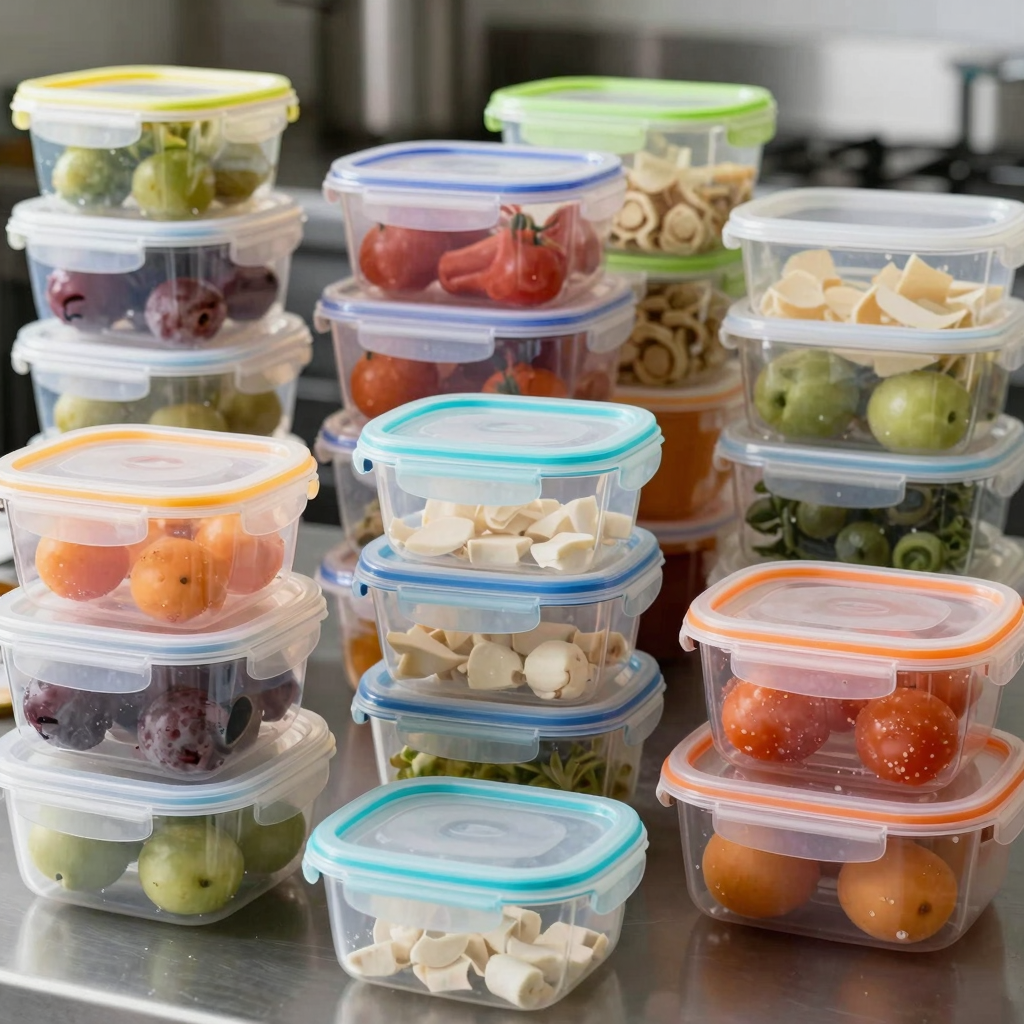
Best Practices for Freezing Food in Plastic Containers
Effectively freezing food in plastic containers is vital for maintaining safety and quality, especially in the food and beverage industry. Here’s a list of best practices to consider:
-
Choose Freezer-Safe Containers: Always use containers specifically labeled as freezer-safe. This ensures that the plastics can withstand low temperatures without cracking or leaching harmful chemicals into food (learn more here).
-
Leave Headspace: When filling containers, leave at least one inch of headspace. This is crucial as food expands when frozen, and giving it room prevents the container from cracking.
-
Cool Food Before Freezing: Avoid placing hot food directly into plastic containers. Let the food cool to room temperature first to prevent warping and reduce the risk of chemical migration from the plastic (source).
-
Seal Tight: Use airtight lids to minimize air exposure, which can prevent freezer burn and preserve food quality. Removing as much air as possible before sealing will extend the shelf life of the food.
-
Label and Date: Clearly label each container with its contents and the date it was frozen. This practice helps ensure food is consumed within its recommended storage time for safety and quality (Harvard Health recommendations).
-
Avoid Old or Non-Compatible Containers: Do not use old takeout containers or those not designed for freezing, as they may warp, leak, or not hold up to the cold temperatures.
-
Stack Efficiently: For optimal space-saving, stack containers efficiently in the freezer. This not only saves space but also allows for easier access to items.
Implementing these best practices will help maintain food quality and safety in your establishment, ensuring you provide the best for your customers.
Common Mistakes to Avoid When Freezing Food in Plastic Containers
When it comes to freezing food, particularly in plastic containers, many establishments like bubble tea shops, restaurants, and food trucks can make critical mistakes that compromise the quality and safety of food. Here are some common pitfalls to avoid and tips to maintain food integrity during freezing:
1. Using Incorrect Types of Plastic Containers
Not all plastic containers are created equal. Many are not designed for freezing, which can lead to cracking or leaching chemicals into food. Always opt for containers labeled as “freezer-safe”. These specifically designed containers can withstand low temperatures without degrading. For instance, high-density polyethylene (HDPE) and polypropylene (PP) are suitable materials for freezing. Learn more about freezer-safe plastic containers here.
2. Overfilling Containers
One crucial mistake is filling containers to the brim, resulting in no room for food expansion. Ice crystals can form, potentially causing the container to burst or leak. For proper freezing, it’s recommended to leave 1-2 inches of headspace. This will allow for expansion and help maintain the quality of the food.
3. Improper Sealing
Using containers with loose or improper seals can lead to freezer burn and flavor loss. When freezing, ensure that the lids are tightly sealed-or consider double-wrapping food in plastic wrap or aluminum foil before placing it in the container. This extra layer of protection can significantly reduce air exposure. Check how to prevent freezer burn here.
4. Not Labeling Containers
Labeling is often overlooked, but it is crucial for maintaining inventory and food safety. Always label containers with their contents and the date they were frozen. This helps ensure food is consumed within safe timeframes and minimizes waste. It’s a good practice to prioritize older items first to maintain freshness and quality.
5. Storing Acidic Foods Incorrectly
Acidic foods like tomato sauces can degrade plastic over time and affect their quality. It’s best to transfer these items into glass or metal containers if they are intended for long-term storage. If you must use plastic, ensure it is specifically designed to withstand acids.
Conclusion
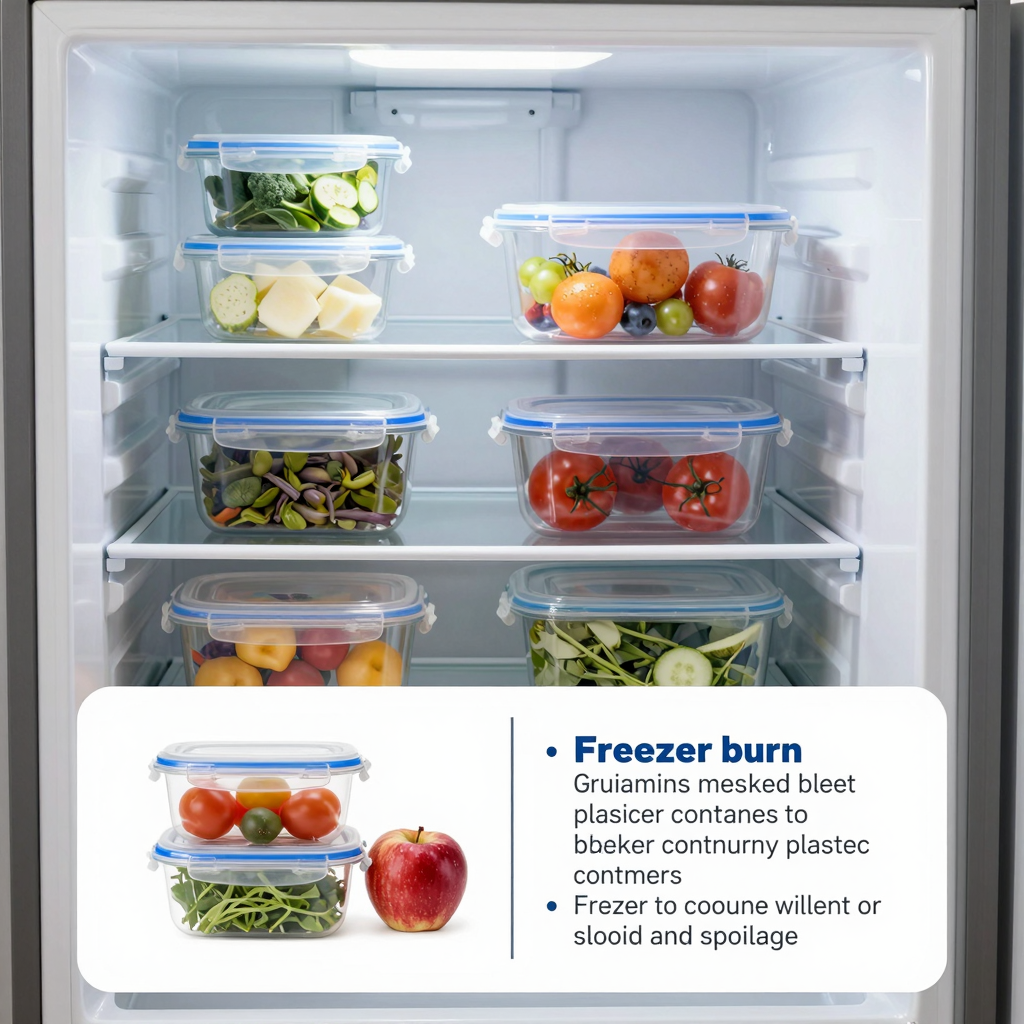
By avoiding these common mistakes, bubble tea shops and restaurants can ensure that their frozen products maintain quality and safety, leading to a better dining experience for customers. For visual guidance, refer to the infographic below:
Understanding Freezing Times for Different Food Types
Properly freezing food is crucial for maintaining quality and safety. The following chart outlines the ideal freezing times for various food types when stored in plastic containers. This information is particularly helpful for businesses such as bubble tea shops, restaurants, and catering services looking to optimize their food storage practices.
| Food Type | Ideal Freezing Time (in Plastic Containers) |
|---|---|
| Chicken (whole) | 6 to 12 months |
| Chicken (parts) | 3 to 6 months |
| Beef (steaks) | 6 to 12 months |
| Beef (roasts) | 4 to 12 months |
| Pork | 4 to 6 months |
| Fish (fatty, like salmon) | 2 to 3 months |
| Fish (lean, like cod) | 6 to 8 months |
| Shrimp | 3 to 6 months |
| Crab | 2 to 4 months |
| Blanched vegetables | 8 to 12 months |
| Fruits (cut) | 3 to 6 months |
| Cooked pasta | 1 to 2 months |
| Baked goods (bread, rolls) | 1 to 3 months |
Note: These recommended storage times are based on quality preservation. Freezing at -18°C (0°F) or below keeps food safe indefinitely, but texture and flavor may degrade over time.
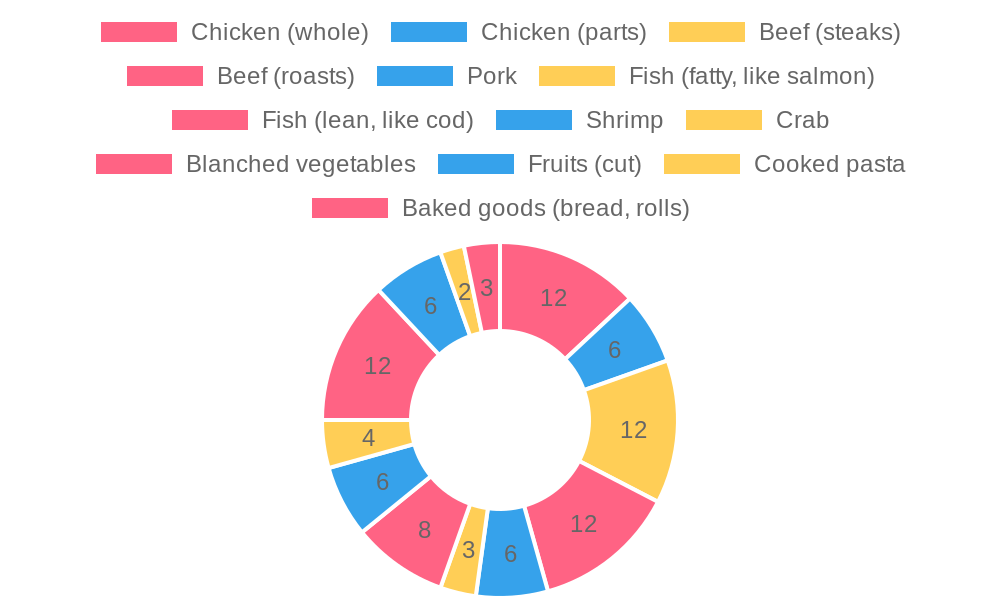
Understanding these ideal freezing times can help businesses reduce waste and ensure their food offerings maintain the highest quality. For more information on proper food storage, consider checking out our guide to plastic food containers.
The Importance of Safe Materials When Freezing Food
Freezing food can be a great way to extend its shelf life, but it’s crucial that we do so using the right materials to maintain safety and quality. As Dr. Emily Chen, a food safety expert from the University of California, Davis, puts it:
“Even brief exposure to inappropriate plastics or containers can result in harmful substances like phthalates or bisphenols migrating into frozen products. Only materials certified as food-safe by regulatory bodies such as the FDA or EU EFSA should be used to prevent contamination and ensure long-term food safety during storage and freezing.”
This insight highlights the need for food service professionals, including those in bubble tea shops, restaurants, and catering services, to choose their storage materials wisely.
Additionally, according to the U.S. Food and Drug Administration (FDA):
“Freezing doesn’t preserve quality alone-it also depends on the integrity of the packaging. Using safe, inert materials ensures that your food remains free from chemical hazards, even after months in the freezer.”
These expert opinions emphasize that using safe, certified materials is not just a recommendation, but a necessity for anyone handling food. By adhering to best practices in food safety, food service operators can ensure better quality and safer options for their customers. For more on safe materials for food storage, you may learn more about FDA guidelines or check our post on food packaging best practices.
Case Study: Bubble Tea Bliss Using Plastic Containers for Freezing Ingredients
In the bustling city of Kuala Lumpur, Bubble Tea Bliss, a trendy bubble tea shop, has transformed its operations by utilizing plastic containers for freezing its ingredients effectively. Faced with the ever-growing demand for fresh and diverse bubble tea options, the shop decided to focus on improving its ingredient storage and preparation methods.
The Challenge
Before the switch to plastic containers, Bubble Tea Bliss struggled with managing ingredient freshness and minimizing waste. The traditional storage methods often led to ingredient spoilage, increasing operational costs. This was particularly critical for their popular toppings-such as tapioca pearls, jellies, and fruits-which required quick access and long-term storage without sacrificing quality.
Implementation of Plastic Containers
Bubble Tea Bliss opted for BPA-free plastic containers with tight-sealing lids, allowing them to store various ingredients in optimum conditions. These containers not only enable freezing but are also microwave and dishwasher safe, making them versatile and easy to use. By categorizing and freezing ingredients, Bubble Tea Bliss enhanced its preparedness for peak business hours.
The shop introduced a range of colors and sizes in their storage containers to facilitate easy identification of ingredients. According to their manager, this helpfully reduced prep time and improved efficiency in serving customers-especially during busy periods.
Real-Life Benefits
- Cost Efficiency: By preventing spoilage and ensuring longer shelf-life for ingredients, the shop witnessed a significant reduction in waste costs. Over four months, they reported at least a 30% decrease in ingredient waste.
- Improved Customer Satisfaction: With fresh and consistently high-quality ingredients readily available, customer satisfaction ratings soared. They began receiving positive feedback about the freshness of their bubble teas, with many customers praising the richness of flavors.
- Sustainability: As consumers become more environmentally conscious, Bubble Tea Bliss’s use of recyclable plastic containers improved its brand image among young, eco-friendly consumers. This has helped attract a dedicated customer base that values sustainability.
Conclusion
The strategic use of plastic containers for freezing has significantly benefited Bubble Tea Bliss, enabling them to operate more efficiently while enhancing product quality and customer satisfaction. This case study demonstrates how innovative storage solutions can play a key role in a food business’s success, ensuring that they not only meet but exceed market demands.
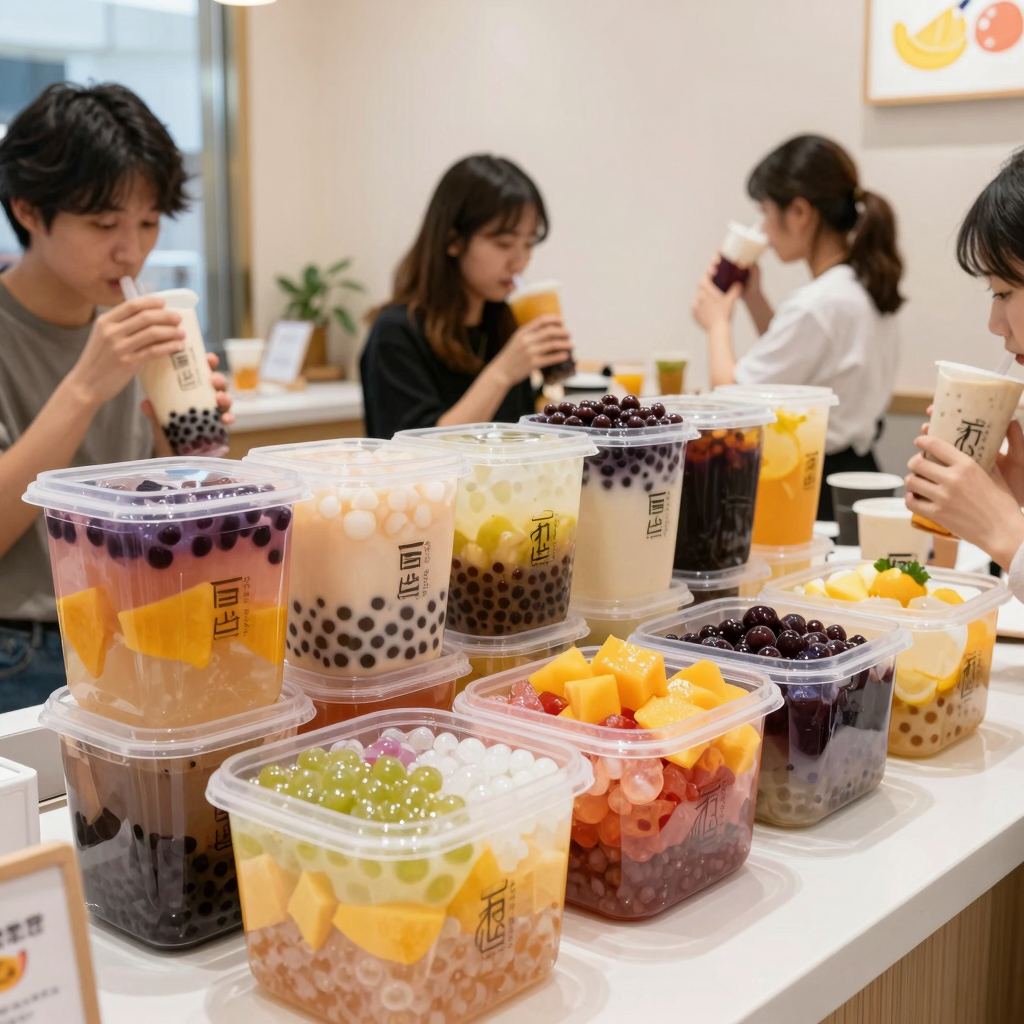
Image of Bubble Tea Bliss showcasing vibrant plastic containers with frozen ingredients
For more insights on the sustainability of plastic in food storage, you can learn more here.
In conclusion, using disposable tableware and packaging solutions is a smart choice for any food-related business-from bubble tea shops to catering services. The convenience of disposables reduces labor costs, prevents cross-contamination, and enhances operational efficiency. As the trend shifts towards sustainability, options made from biodegradable materials not only align with environmentally responsible practices but also appeal to consumers who prioritize eco-friendliness in their purchasing decisions. With our range of disposable solutions at GreenDispoPack, you can ensure that your food service maintains high hygiene standards while also enhancing customer experience through innovative, functional designs.
Don’t miss the opportunity to elevate your food business with our reliable and stylish packaging options that are perfect for all occasions. Choose GreenDispoPack for your disposable tableware and packaging needs. Visit our website today to explore our extensive range of products designed to meet the demands of your clientele while reinforcing your commitment to sustainability!