
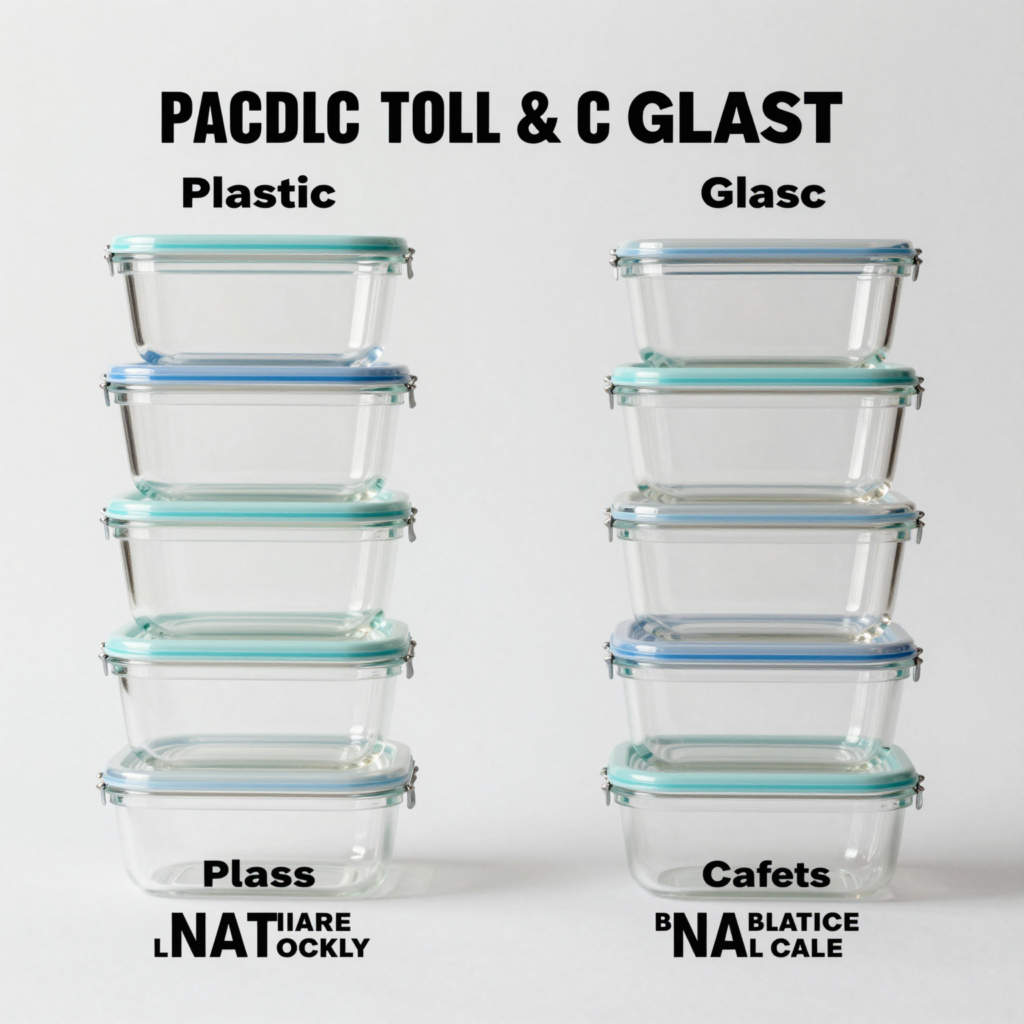
In the fast-paced world of the food and beverage industry, the significance of food storage containers cannot be overstated. These essential items play a crucial role in ensuring food safety, preserving freshness, and maintaining quality, making them invaluable for businesses such as bubble tea shops, restaurants, food trucks, catering services, and event planners. As the demand for versatile storage options grows, so does the ongoing debate between plastic and glass containers. While plastic containers offer convenience, weight, and cost-effectiveness, glass containers promise durability and a perceived health safety advantage due to their inert nature. Each option has compelling benefits and potential drawbacks that can affect operational efficiency and customer satisfaction. In this article, we’ll explore the nuances of plastic and glass food storage containers, helping you make informed choices that align with your business needs. For more insights, you can also learn about the different types of plastic cups and their uses and check the environmental impacts associated with packaging options.
Benefits of Plastic Food Storage Containers
Plastic food storage containers are a popular choice for a variety of settings, such as homes, restaurants, and food trucks. Their numerous advantages make them a practical solution for food storage needs. Here are some key benefits:
1. Durability
- Impact Resistance: Plastic containers are less likely to break or shatter compared to glass, making them safer for outdoor use, especially in busy environments like catering events.
- Long-Lasting: They are designed to withstand everyday wear and tear, which ensures that they can be reused many times, providing excellent value for investment.
2. Versatility
- Various Sizes and Shapes: Plastic containers come in a wide range of sizes and shapes, accommodating different types of food, from soups to salads.
- Microwave and Freezer Safe: Many modern plastic containers are made from food-grade materials like PP (Polypropylene) that can safely be used in the microwave, refrigerator, or freezer without fear of melting or warping.
3. Lightweight Nature
- Easy Handling: Their lightweight design makes them easy to carry, which is essential for food trucks and event planners on the move.
- Space-Saving: Being stacked and stored easily, they help maximize storage space in kitchens and food storage areas.
In conclusion, the combination of durability, versatility, and lightweight nature makes plastic food storage containers a favored option in the food industry. Learn more about the different types of food containers for your needs.
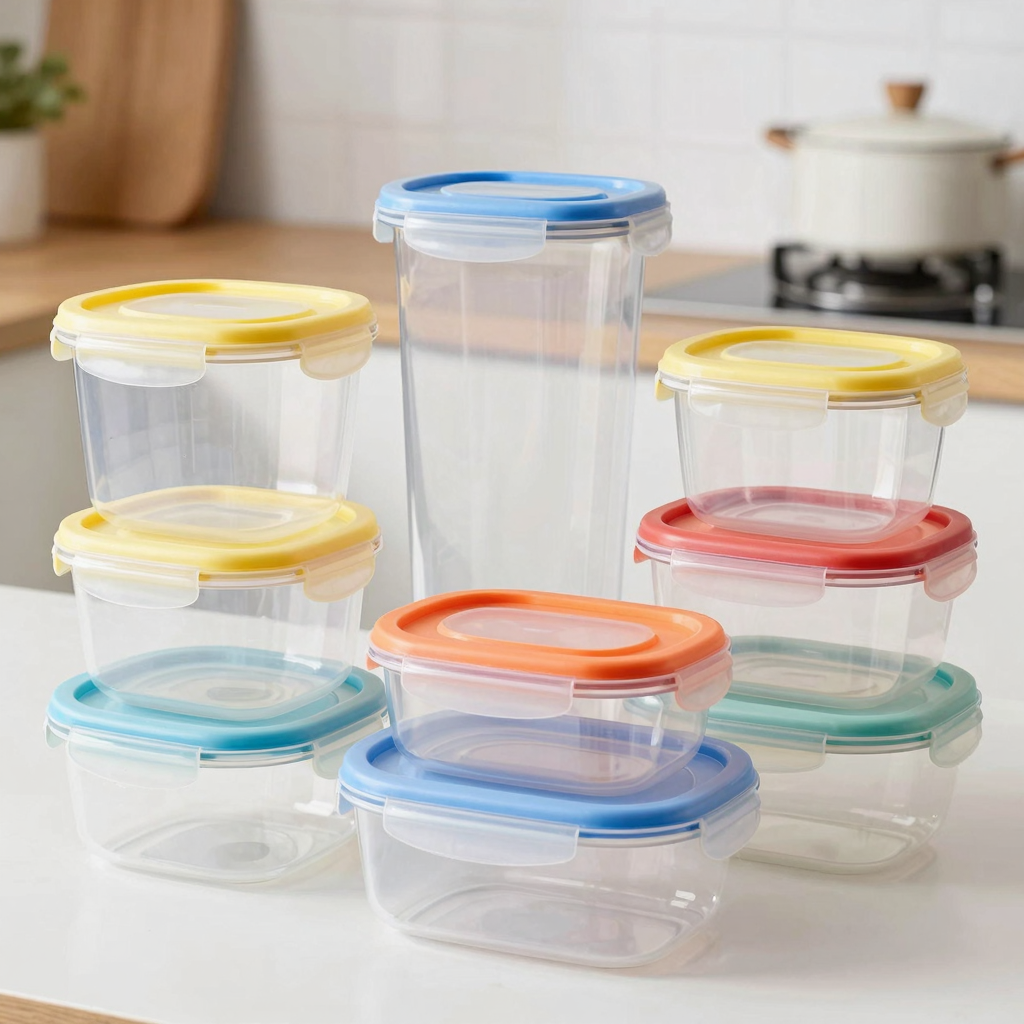
Variety of plastic food storage containers showcasing versatility in a modern kitchen.
Benefits of Glass Food Storage Containers
Glass food storage containers have become a favored choice for both professional kitchens and home users alike due to their numerous advantages. Here are the key benefits that make them stand out:
-
Safety: Glass containers are non-toxic and chemically inert, ensuring that no harmful substances like BPA or phthalates leach into food. This is a significant concern with some plastic containers, especially when heated.
-
Non-reactivity: Being non-reactive, glass containers do not interact with acidic or fatty foods. This quality helps maintain the integrity of the food and prevents any contamination or alteration in taste.
-
Durability: Glass is highly durable and resistant to scratches, cracks, and stains. Unlike plastic that may warp or discolor over time, glass retains its appearance even after repeated use.
-
Versatility: These containers are safe for use in the microwave, oven, refrigerator, and freezer. They can withstand high temperatures, making them suitable for cooking and reheating food without any risk of melting or degrading.
-
Aesthetic Appeal: With their sleek design and transparent nature, glass containers enhance kitchen organization and serving aesthetics. They make it easy to visually inspect contents, which is beneficial for managing food waste.
-
Maintenance of Food Quality: The airtight seals on many glass containers help preserve freshness, keeping food safe longer than plastic counterparts. The ability to see the contents without opening the container promotes better food management.
-
Eco-Friendly: Glass is fully recyclable and reusable, contributing to sustainability practices. Choosing glass over plastic helps reduce environmental waste.
In conclusion, the benefits of glass food storage containers not only improve food safety and quality but also align with eco-conscious practices. For those who prioritize health and sustainability, switching to glass is a wise choice. Learn more about glass vs. plastic to understand which option suits your storage needs best.
Comparison of Plastic vs. Glass Food Storage Containers
Choosing the right food storage container can significantly impact your food preservation, aesthetic presentation, and environmental footprint. Here, we explore the key features of plastic and glass food storage containers to help you make an informed choice.
Key Features Comparison
| Feature | Plastic Food Containers | Glass Food Containers |
|---|---|---|
| Cost | Low to moderate upfront cost; highly cost-effective for bulk purchase and frequent replacement. | Higher initial purchase price compared to plastic, but long-term savings due to reusability. |
| Durability | Lightweight, impact-resistant, and unlikely to break under normal use. However, can warp or scratch over time with repeated heat exposure. | Very durable and resistant to wear; however, fragile and prone to shattering if dropped or exposed to sudden temperature changes. |
| Safety | BPA-free plastics (like PP) are safe for food storage and compatible with microwave, freezer, and dishwasher. Potential risk of chemical leaching when heated excessively. | Non-reactive and chemically inert; safe for all temperatures including oven use. No risk of leaching. |
| Eco-friendliness | Not inherently sustainable; often derived from fossil fuels. Recyclable only if properly processed, but commonly contributes to microplastic pollution. | Highly recyclable and reusable indefinitely. Zero chemical leaching and minimal environmental impact when used long-term. |
Conclusion
Both plastic and glass containers have their advantages and shortcomings, which cater to different users. If affordability and light weight are priorities, plastic might be suitable for your needs. However, for long-term use, safety, and eco-friendliness, glass containers prevail. Make your choice based on your specific requirements, and consider the environmental implications of your purchases.
If you’re looking for eco-friendly options or custom solutions for your business, explore our range of personalized disposable products designed to meet various needs in food storage and service.
Eco-Friendliness of Storage Materials: Plastic vs. Glass
When it comes to food storage containers, the eco-friendliness of the materials used is crucial for businesses focused on sustainability. Let’s explore how plastic and glass align with eco-friendly practices, assessing their recyclability, production impact, and potential for sustainable use.
Plastic Storage Containers
-
Recyclability: Plastic containers made from materials like PET (Polyethylene Terephthalate) can be recycled, yet global recycling rates can be alarmingly low-around 14%. Contamination issues and the complexities of sorting often lead to many plastic products ending up in landfills instead of being recycled properly. Despite these challenges, some businesses have shifted towards using recycled PET to reduce environmental impact.
-
Production Impact: The production of recycled PET requires less energy compared to virgin plastics, lowering greenhouse gas emissions. However, fossil fuel reliance remains a concern, and the shallow recycling landscape negatively affects overall sustainability.
-
Sustainable Use: While designed for repeated use, plastic containers can deteriorate over time and are not ideal for long-term storage if not maintained correctly. They may also leach chemicals when heated, posing health risks.
Glass Storage Containers
-
Recyclability: Glass containers boast a significant advantage with 100% recyclability. They can be recycled without loss of quality, making them a sustainable choice with a higher recycling rate compared to plastics when facilities are available. Their recyclability contributes to reduced raw material demand and energy savings.
-
Production Impact: Glass is energy-intensive to produce, and its heavier weight increases transportation emissions. However, its ability to be reused indefinitely offsets its initial environmental costs.
-
Sustainable Use: With a lifespan of decades when properly cared for, glass containers are resistant to wear, odors, and toxic leaching. They are safe for various temperatures-microwave, oven, freezer-making them a versatile choice for food storage.
Conclusion
In summary, while plastic containers offer some advantages regarding initial weight and manufacturing energy use, glass containers generally provide a better overall eco-friendly solution. They are reusable, infinitely recyclable, and do not pose risks of microplastic contamination. When choosing storage materials, prioritizing glass can significantly enhance sustainability efforts, especially for businesses in food and beverage services engaging in eco-friendly practices.
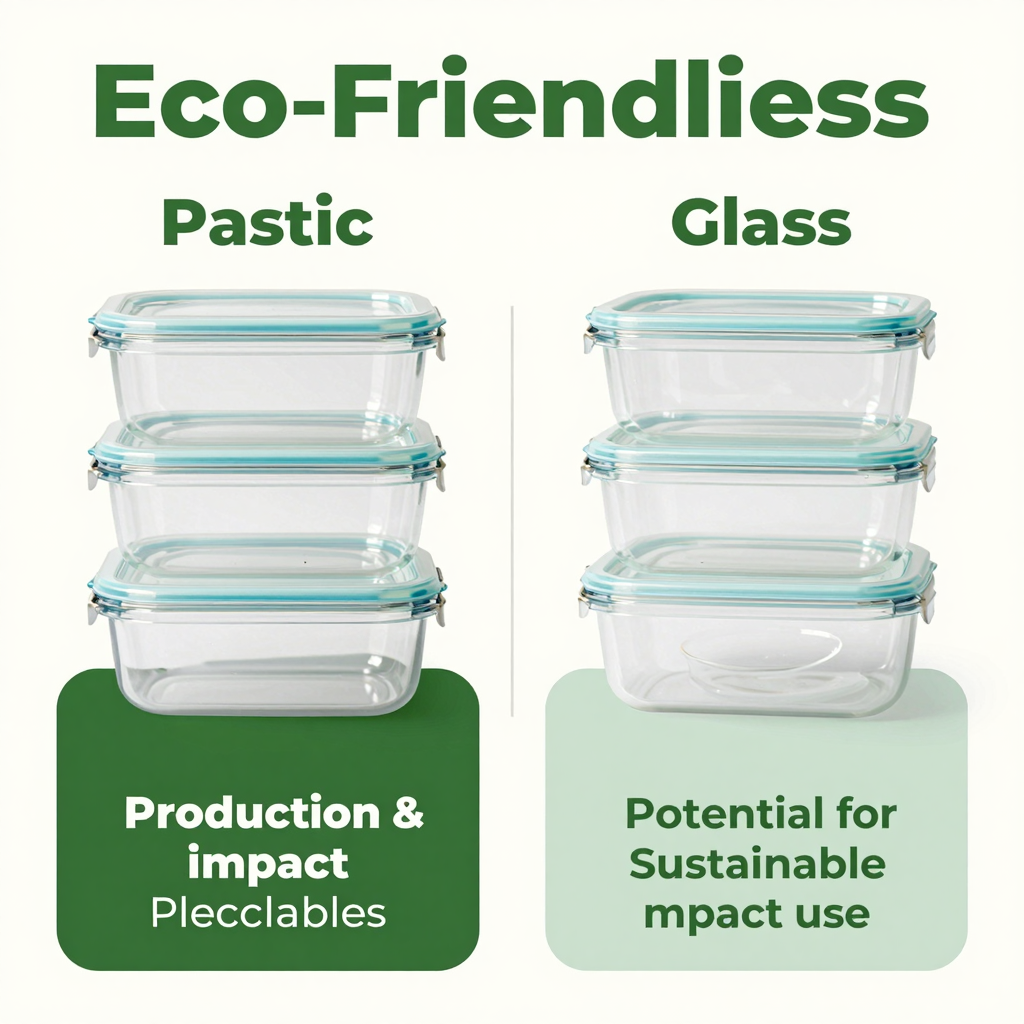
For more insights on options available in eco-friendly packaging, check out these custom plastic containers and educate your team on making sustainable choices.
Market Trends in Food Storage Solutions
As of 2023, the food storage solutions market is experiencing notable growth, particularly in the use of glass containers within the restaurant and catering industries. Several driving forces contribute to this trend:
Consumer Preferences Shift Toward Sustainability
- Health and Sustainability: There is an increasing focus among consumers on health and eco-friendliness. Many are opting for non-toxic, reusable containers like glass over plastic alternatives. This shift is pushing restaurants and catering businesses to adopt glass storage solutions to align with customer expectations for sustainable practices.
- Transparency and Presentation: Glass containers enhance food presentation, making them particularly appealing for both takeout and dining experiences. This trend is being leveraged by many high-end restaurants and catering services to elevate their brand image.
Market Growth Statistics
According to a recent report by Food Business News:
- Market Increase: The global market for glass food containers in the restaurant sector is projected to grow by approximately 12.5% in 2023, with expectations for sustained annual growth of over 8% in the coming years.
- Projected Values: By 2028, the market value of glass food containers is expected to rise from $1.8 billion in 2023 to approximately $2.3 billion, showcasing a continuous upward trajectory.
| Year | Market Value (USD Billion) | Growth Rate (%) |
|---|---|---|
| 2023 | 1.8 | – |
| 2024 | 1.9 | 5.6 |
| 2025 | 2.0 | 5.3 |
| 2026 | 2.1 | 5.0 |
| 2027 | 2.2 | 4.8 |
| 2028 | 2.3 | 4.5 |
This data clearly indicates the strength and viability of glass containers in the modern food storage market, making them an attractive option for businesses looking to maintain high standards of safety and sustainability. To read more about how glass containers stack up against plastic, you can explore this comparison.
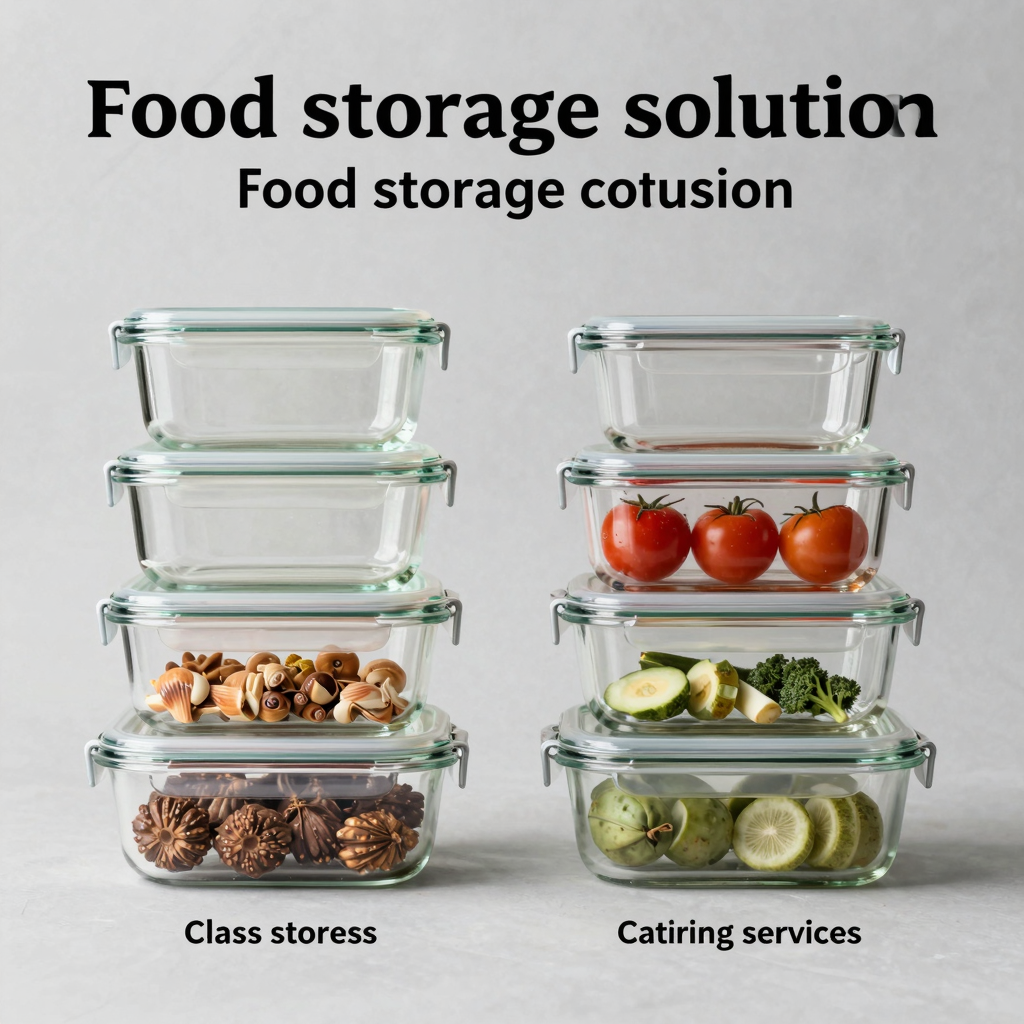
When it comes to food storage containers, the debate between plastic and glass is a hot topic, especially for professionals in the food industry such as bubble tea shops, restaurants, and catering services. Both materials offer unique benefits and drawbacks that cater to different needs.
Physical Characteristics
- Plastic Containers:
- Weight: Lightweight, making them easy to handle and transport.
- Flexibility: Flexible structure, which can be beneficial when storing food that may expand or contract during temperature changes.
- Glass Containers:
- Weight: Heavier, providing a more stable option for storing food.
- Durability: Resistant to scratching and staining, often lasting longer than plastic.
Safety and Health
Glass containers are also generally considered safer for food storage as they do not leach chemicals when heated, unlike some plastics. On the other hand, plastic is often more cost-effective for businesses requiring high-volume storage.
Each option has its place in the kitchen, so consider your specific needs and use cases when choosing. For a deeper dive into the pros and cons of each material, check out this article on plastic food containers!
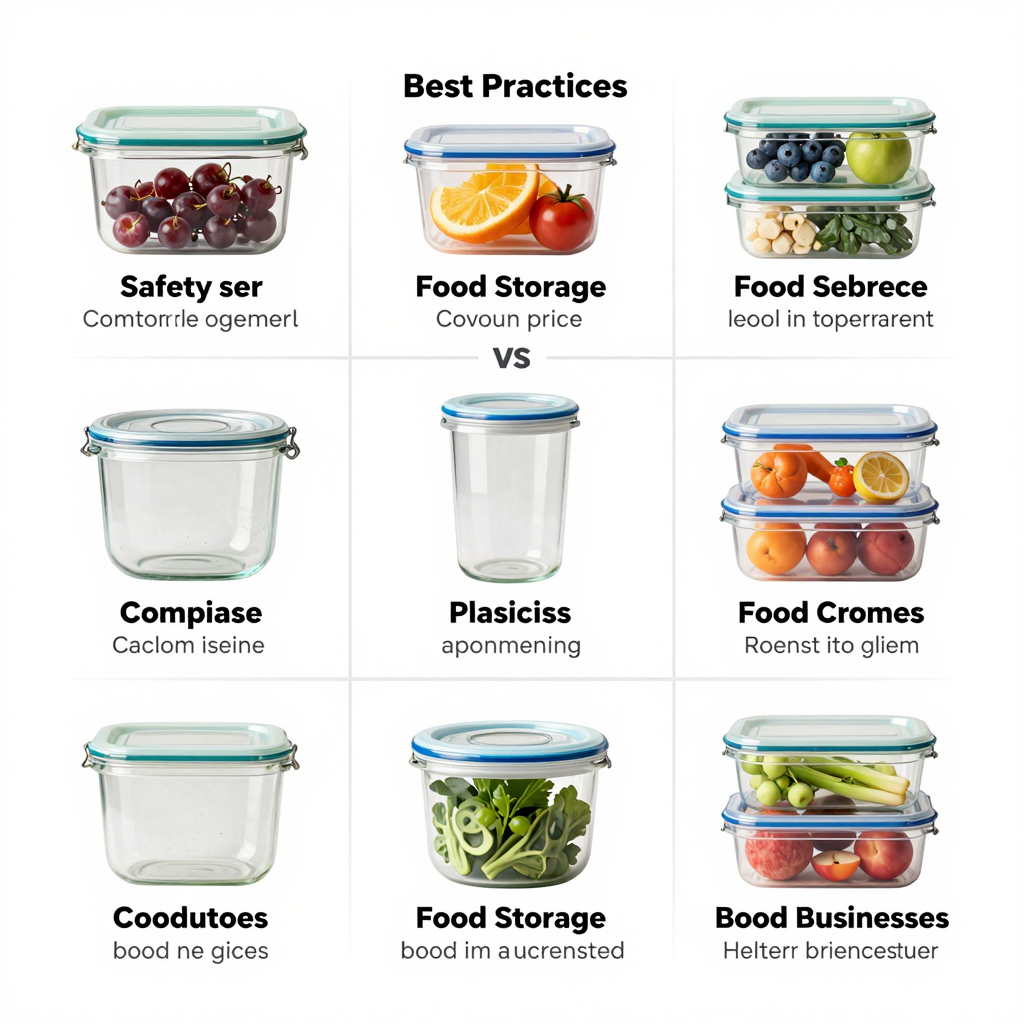
Best Practices for Choosing Food Storage Containers
When selecting food storage containers for your food business, consider the following best practices to ensure safety and efficiency:
-
Safety First: Opt for containers that comply with safety standards, such as FDA regulations. Glass containers are generally safer as they do not leach harmful chemicals into food, especially when exposed to heat or acidic substances. For more on safety comparisons, visit this guideline on food storage safety.
-
Material Matters: Determine whether to choose glass or plastic based on your specific needs. Glass is more durable, eco-friendly, and does not affect food quality. Plastic options can be lighter and more portable, but ensure they are BPA-free and suitable for microwave use.
-
Size Appropriateness: Consider the storage capacity required, taking into account the types of food you’ll be storing. Containers should be appropriately sized to minimize waste from leftovers and ensure a tidy storage area.
-
Usage Scenarios: Evaluate how the containers will be used. For instance, choose airtight containers for items that require long-term storage and microwave-safe options for reheating food. You can read more about this in our comprehensive guide.
-
Easy Maintenance: Opt for containers that can withstand multiple cleaning cycles without losing their integrity. Choose materials that are dishwasher safe and resistant to staining from food items.
Conclusion
In the ongoing debate between plastic and glass food storage containers, both materials present distinct advantages and disadvantages. Glass containers stand out for their safety, as they do not leach harmful chemicals into food and are resistant to stains and odors. They are durable, easy to clean, and environmentally friendly, making them a sustainable choice for long-term food storage. Their transparency allows users to see contents easily, and they offer excellent resistance to temperature variations, which makes them suitable for both the fridge and microwave.
On the other hand, plastic containers are lightweight, versatile, and often more affordable. However, they can pose safety risks, especially when used for hot foods, leading to the potential migration of chemicals into food. Many plastic containers can also retain odors and stains from food, which may affect the quality of future storage. Choosing BPA-free options has become increasingly prevalent among consumers trying to minimize exposure to harmful substances in plastic products. Recent studies have highlighted concerns about microplastics and their impact on both human health and the environment, reinforcing the importance of making informed decisions about food storage solutions.
Ultimately, the choice between plastic and glass food storage containers should consider both safety and quality. The safest option may indeed lean towards glass, particularly for those aiming to reduce their environmental footprint. For everyday convenience and lightweight options, plastic still has its place, especially in settings like food trucks and catering services where durability is a significant factor.
As food businesses like bubble tea shops, restaurants, and catering services, it is essential to keep these insights in mind while selecting food storage solutions. Invest in quality, choose the right containers for your specific needs, and ensure you prioritize health and safety in your food storage practices.
For reliable disposable tableware and packaging solutions, consider exploring our offerings to enhance your service and maintain quality. Learn more about our plastic packaging solutions and how we can assist you in making the best choice for your business!
Food Storage Containers: Plastic vs. Glass
When it comes to storing food safely, the choice of container is crucial. Experts emphasize that using the right materials can significantly affect food quality and safety. For instance, Dr. Elizabeth Klodas, a heart specialist, warns about the risks associated with plastic containers, stating:
“Plastics used for food storage, particularly when heated or reused, can leach harmful chemicals like BPA and phthalates, which may interfere with hormonal systems and enhance risk for cardiovascular issues. I recommend using alternatives like glass or silicone to maintain food integrity and support health.”
Choosing between plastic and glass food storage containers is not just a matter of practicality but also of ensuring the safety of the food being stored. Glass containers are generally safer and more durable, while certain plastics can pose health risks when misused. Learn more about plastic food storage to ensure your food remains safe and fresh.