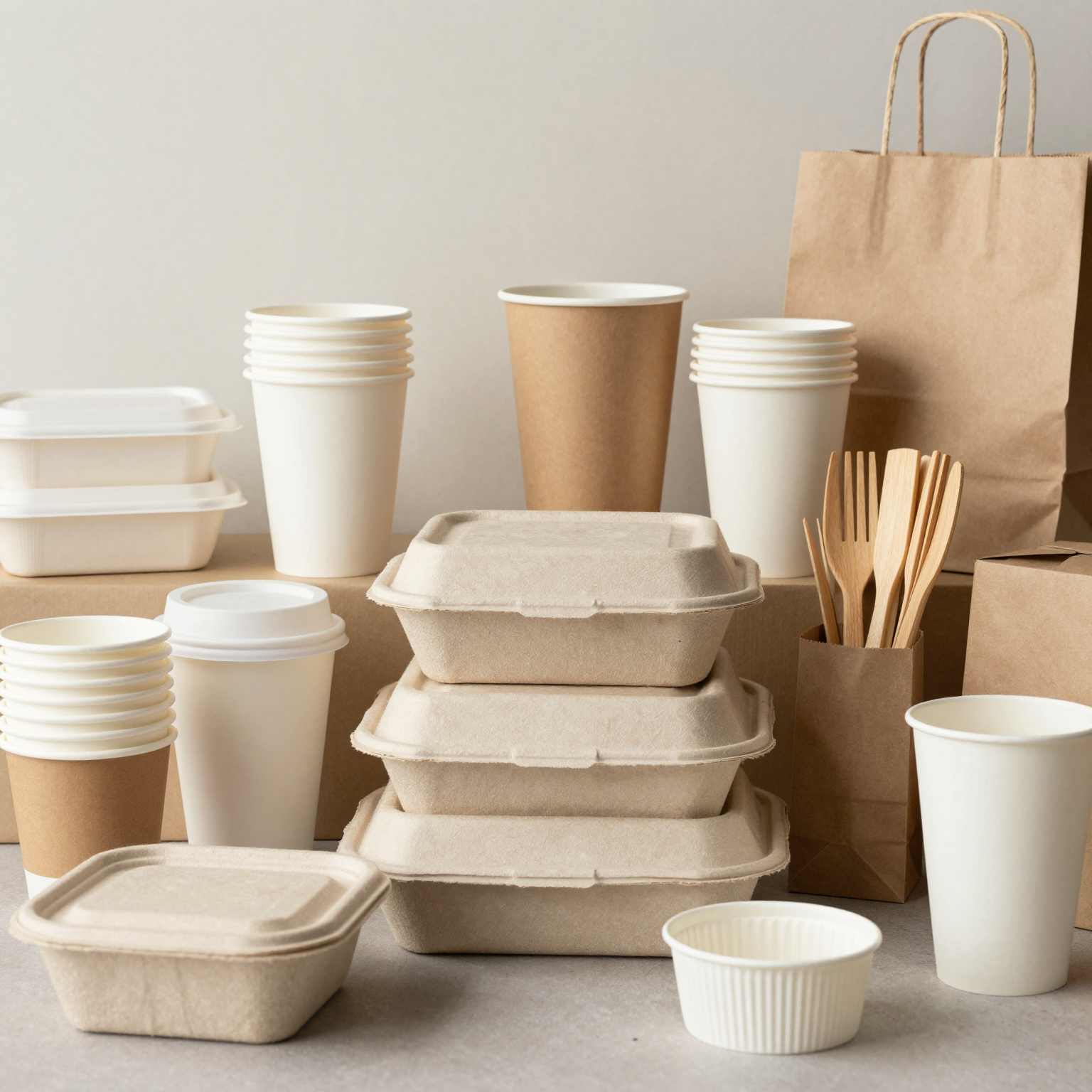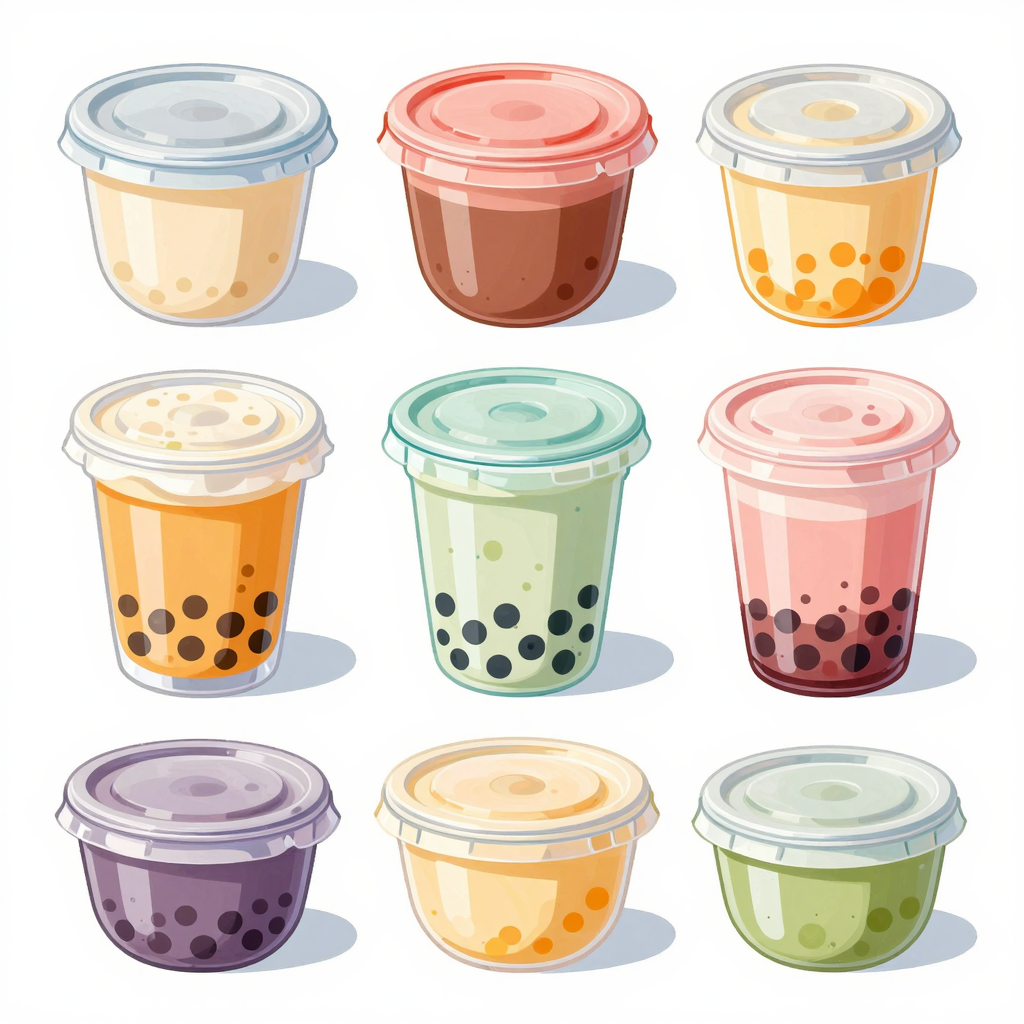
In today’s fast-paced culinary landscape, plastic food containers have become essential tools for businesses ranging from bubble tea shops to bustling restaurants. These versatile containers not only streamline food storage and transport, but they also ensure food freshness and safety, enhancing the overall dining experience for customers. With the growing trend towards takeout and delivery services, particularly in the popular bubble tea sector, the demand for reliable and aesthetically pleasing plastic container solutions is soaring. They cater not just to practicality but also to visual appeal, allowing brands to showcase their unique offerings without compromising on quality or sanitation. As industry players look for cost-effective ways to elevate their service standards, choosing the right plastic food containers can make a significant difference. Implementing eco-friendly options, like those offered through GreenDispoPack’s selection of clear plastic cups, lets businesses align with consumer values while boosting brand reputation. Understanding the pivotal role these containers play is vital for anyone in the food service sector, eager to harness their potential for increased customer satisfaction and operational efficiency.
Benefits of Using Plastics for Food Containers
Plastic food containers have become a staple in many industries, especially for bubble tea shops, restaurants, food trucks, and catering services. Here are some undeniable advantages that make plastics the ideal choice for food storage and packaging:
Lightweight Design
One of the primary benefits of plastic containers is their lightweight nature. This characteristic not only makes them easy to handle and transport but also contributes to reducing overall shipping costs. Businesses can save on fuel and vehicle expenses due to the reduced weight compared to glass and other materials. Lightweight containers also enhance the customer experience by making carrying food or drinks more convenient.
Durability
Plastic food containers are known for their durability. They resist cracks, chips, and breakage, which are common issues with glass or ceramic containers. This resilience is especially important in fast-paced environments like food trucks and restaurants, where products may be subjected to rough handling. Their ability to withstand impact and moisture helps preserve the quality of food, ensuring that it stays fresh until consumed. Furthermore, many plastics are designed to be reusable, which aligns with sustainability goals without compromising on quality.
Affordability
When it comes to cost-effectiveness, plastic food containers take the lead. They are generally less expensive to produce than their glass or metal counterparts, allowing food businesses to save on packaging costs. The efficiency of plastic production processes, combined with the material’s availability, means restaurants and caterers can purchase bulk quantities at a lower price, minimizing overall operational costs. Essentially, this affordability translates into better pricing for consumers and higher profit margins for businesses.
In summary, the lightweight, durable, and affordable characteristics of plastic food containers make them an excellent option for catering and food service professionals. By investing in quality plastic containers, businesses can ensure that they meet customer needs while keeping costs manageable. If you’re interested in exploring more about the different types of plastic food containers available, check out this guide to plastic food storage options.
Moreover, with the right choices, you can enhance your brand’s appeal while providing safe and reliable food storage solutions.
Popular Types of Plastic Food Containers
When it comes to packaging food, particularly in food service environments, plastic food containers come in a variety of forms to suit different needs. Here’s an unordered list of popular types of plastic food containers that appeal to bubble tea shops, restaurants, food trucks, and catering services:
- Clamshell Containers: Versatile and perfect for salads, sandwiches, and bakery items, clamshells provide a secure seal that keeps food fresh.
- Plastic Cups: Ideal for beverages, including bubble tea and smoothies, plastic cups are lightweight and easy to customize with logos for branding. Check out this blog on custom clear plastic cups.
- Bowls: Available in various sizes, plastic bowls are excellent for serving soups, salads, and takeout meals. For specific insights on these, visit our resource on disposable plastic bowls.
- Food Trays: Used often in catering, these trays offer compartments for different food items, making them convenient for buffet-style service.
- Deli Containers: Perfect for storing deli meats, salads, and prepared foods, these containers often come with leak-proof lids.
- Sauce Cups: Small but essential, these cups are perfect for serving dressings, sauces, and condiments.
These types of containers offer the functionality and versatility needed in the fast-paced food service industry, catering to both presentation and convenience.
Understanding Safety Standards for Food-Grade Plastics
When it comes to food-grade plastics, ensuring safety and compliance is paramount, especially for businesses like bubble tea shops, restaurants, and catering services. Here, we’ll explore the key safety standards and regulations that apply to plastic food containers to help you make informed choices for your food packaging needs.
Key Safety Standards
-
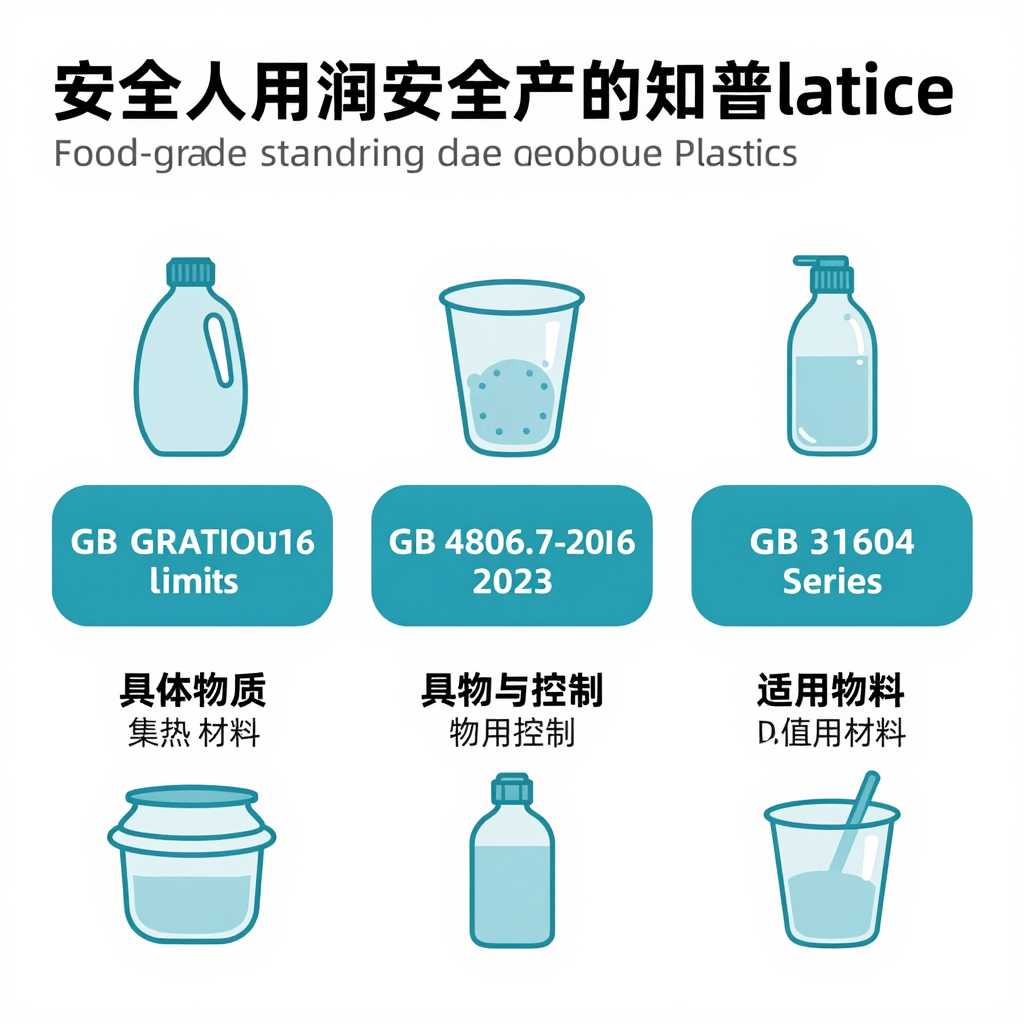
GB 4806.1-2016
This fundamental standard outlines the general safety requirements for all food contact materials and products. It ensures that materials do not transfer harmful substances into food beyond permissible limits under normal or anticipated usage conditions. -
GB 4806.7-2023
This is a mandatory national standard that replaces the older GB 4806.7-2016. It specifies requirements for plastic materials and articles in contact with food, focusing on sensory qualities (no odors or leaching substances), maximum migration limits (OML ≤10 mg/dm² from food simulants), and restrictions on specific substances such as Bisphenol A (BPA ≤0.05 mg/kg) and phthalates (DEHP ≤0.05 mg/kg) that could leach into food. -
GB 31604 Series
These standards provide the detection methods for migration limits, including total migration, specific migration of harmful substances, and heavy metal migration limits, ensuring that safety assessments are rigorous and reliable. -
GB 9685-2016
This standard governs the use of additives in food contact materials. It gives permission on what additives can be safely used and under what conditions, which is essential for maintaining food safety.
Safety Compliance Checking: It’s vital for food-service businesses to ensure their plastic products comply with these standards. Regular audits and product verification against food safety regulations are recommended to maintain consumer trust and product safety.
For additional information on specific products, visit our clear plastic cups guide and learn about their safety and usage in food service environments. Considering the dynamic regulatory landscape, keeping up with the recent changes in food-grade plastic standards is essential to ensure your operations comply with both local and international standards.
Eco-Friendly Options in Plastic Containers
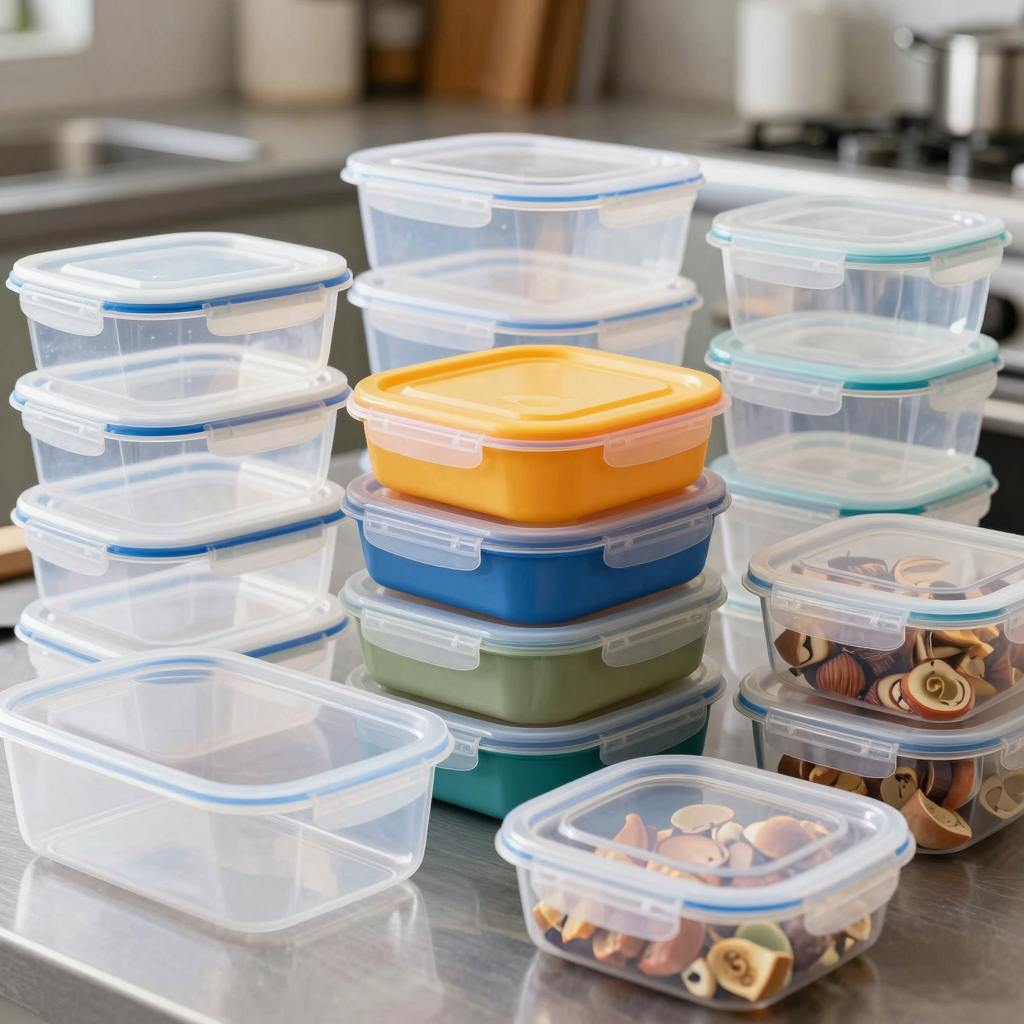
In today’s environmentally conscious market, businesses in the beverage and food industry are increasingly seeking eco-friendly options for plastic containers. The advancements in biodegradable plastics and the rise of reusable containers are paving the way for sustainable practices that align with consumer demand for greener alternatives.
Advancements in Biodegradable Plastics
Recent innovations in biodegradable plastics have significantly improved their performance, making them viable for food packaging. Notable materials such as polylactic acid (PLA) and polyhydroxybutyrate (PHB) are frequently combined to enhance biodegradability and mechanical properties. For example, research highlights that blends of PLA and PHB have shown great promise as environmentally friendly alternatives to traditional plastics by using renewable raw materials (like plant-derived sugars) that can easily break down in natural environments. The development of biodegradable films and coatings made from these materials also provides direct applications for wrapping food items, thus minimizing plastic waste.
Chart: Advancements in Bioplastics and Their Sustainability Metrics
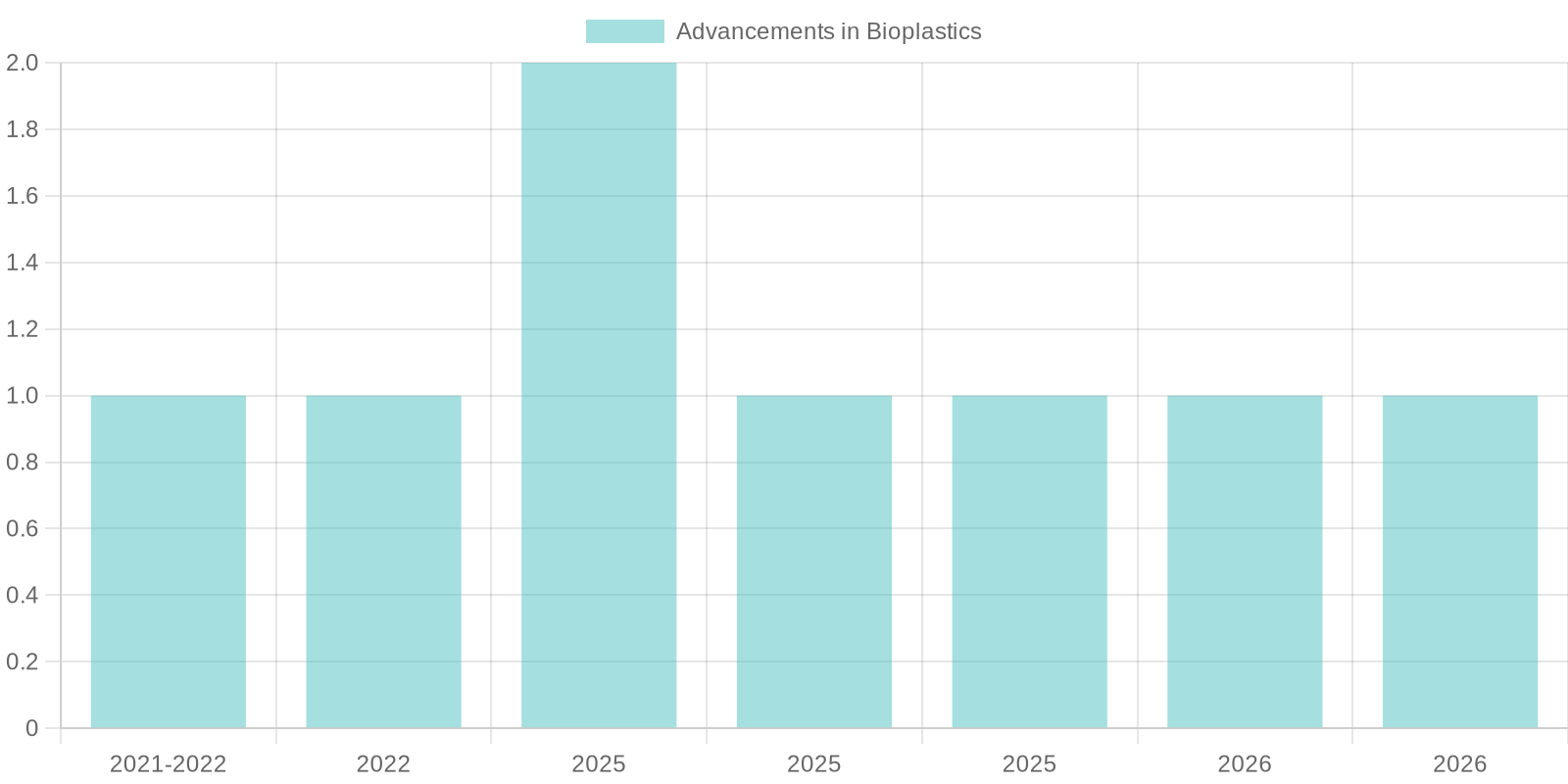
Innovations in bioplastics reflect progress toward sustainable food packaging options.
(Source: Various industry studies)
Reusable Plastic Containers
The market for reusable plastic containers has gained traction as businesses aim to reduce single-use plastic consumption. According to recent reports, the reusable plastic container market is expected to reach $61.5 billion by 2032. These containers are crafted from durable materials, making them suitable for repeated use across various applications, including food preparation and delivery.
Some key benefits of reusable containers include:
- Cost-Effectiveness: Over time, businesses can save significantly on packaging costs by investing in reusable options rather than continually purchasing single-use products.
- Environmental Impact: By reducing waste, companies help decrease the amount of plastic ending up in landfills and oceans, supporting global sustainability efforts.
- Consumer Preference: Increasingly, consumers prefer businesses that take sustainability seriously, making the shift to reusable options a competitive advantage.
Chart: Market Growth of Reusable Plastic Containers
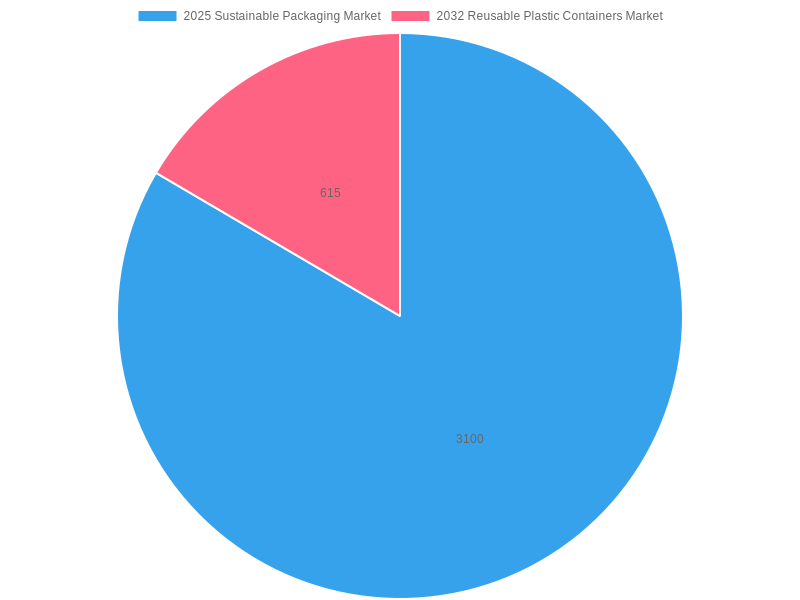
The market for reusable plastic containers is on a steep upward trajectory, driven by demand for sustainable packaging.
(Source: Statista 2026)
For businesses in food service, aligning with these eco-friendly innovations not only meets regulatory demands but also addresses consumer expectations. By choosing biodegradable or reusable options, restaurants, food trucks, and catering services can enhance their appeal while making a positive environmental impact. To explore more about sustainable options, check out our eco-friendly clear plastic cups.
Here’s a blockquote from an industry expert emphasizing the benefits and safety considerations of plastic food containers:
“Experts suggest that food-grade plastic containers, particularly those made from polypropylene (PP) and polyethylene (PE), offer excellent heat resistance and chemical stability. Properly selected and maintained plastic containers can safely store food without posing significant health risks, making them a practical choice for both food service and home use.”
Feel free to use this valuable perspective in your article about plastic food containers. This quote highlights how, when chosen correctly, plastic containers can be both beneficial and safe in modern food service settings to engage your target audience effectively.
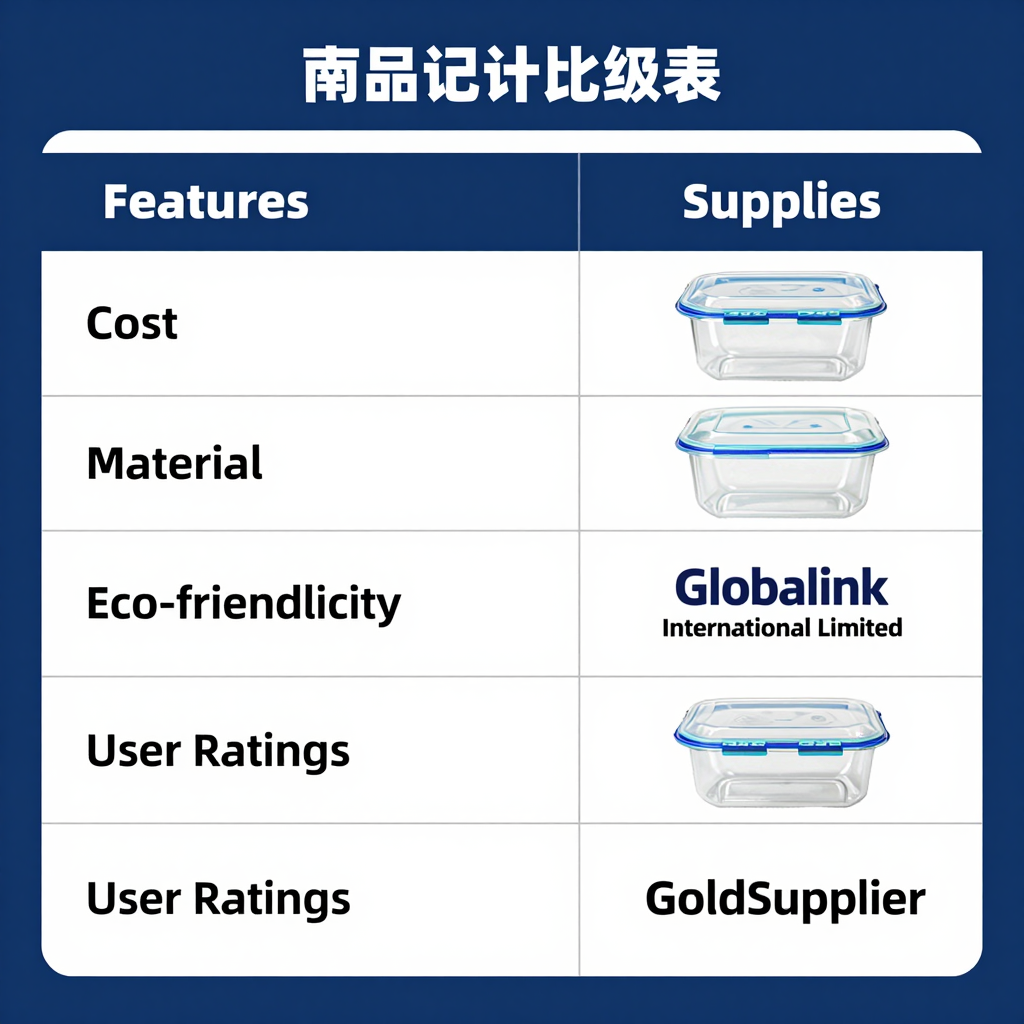
Comparison of Plastic Food Container Suppliers
For food service businesses like bubble tea shops, restaurants, and catering services, choosing the right plastic food container supplier is crucial. Below is a comparison of several leading suppliers to help you make an informed decision.
| Supplier Name | Cost | Material | Eco-friendliness | User Ratings |
|---|---|---|---|---|
| Zhejiang Jieyu Plastic Products Co., Ltd. | Starting at $0.049/set | Food grade PP | Yes, BPA-free | 4.6/5 |
| Globalink International Limited | Starting at $0.145 each | PET | High | 5.0/5 |
| Zhejiang Yaxing Imp. & Exp. Co., Ltd. | $0.29 – $0.33 each | Food grade PP | Yes, designed for child food storage | 4.8/5 |
| GoldSupplier Wholesale Marketplace | $0.5 – $0.9/set | PP | Yes | 4.5/5 |
This table provides a quick overview of what each supplier offers. Depending on your specific needs regarding cost, material, and eco-friendliness, you can select the supplier that fits best for your business.
Key Takeaways
- Cost varies significantly among suppliers, making it important to consider your budget.
- Material also plays a key role in food safety and usage flexibility. Look for BPA-free materials for safer storage.
- Eco-friendliness is a growing concern. Check if the product design ensures sustainability.
- Pay attention to user ratings as they provide valuable insights into the supplier’s reliability and product quality.
For more guidance on food storage options, learn about food storage container plastic or explore compartmentalized plastic food storage containers.
How to Choose the Right Plastic Food Container for Specific Food Applications
Selecting the appropriate plastic food container is crucial for bubble tea shops, restaurants, and catering services. Each type of food and beverage requires specific properties from its container to ensure safety, quality, and convenience. Here are some practical tips tailored to your business needs:
1. Understand Container Materials
Choosing the right material is fundamental when looking for food containers. Here are the most common options:
- Polypropylene (PP): Ideal for hot and cold food applications, with a maximum heat resistance of 130°C. It’s suitable for items like bubble tea and creamy sauces, as it can withstand microwaving and dishwashing.
- High-Density Polyethylene (HDPE): This material is perfect for condiment bottles and bulk storage bins due to its durability and chemical resistance. It’s used for dry goods and is less likely to warp under heat.
- Polyethylene Terephthalate (PET): Generally utilized for single-use applications, such as beverage bottles. While it is not recommended for microwaving, it works well for cold beverages.
For more detailed insights on materials, check out Food-Grade Plastic Containers for Restaurants and Catering.
2. Consider the Type of Food and Its Characteristics
Different foods have varying storage needs:
- For Bubble Tea: Opt for clear and sturdy containers that can showcase your drinks. Look for containers that come with secure lids to prevent spills. PP containers are a great choice as they retain freshness and can be visually appealing.
- For Hot Meals: Ensure to use containers compatible with high temperatures. PP is the preferred choice for hot meals, while HDPE is excellent for holding dry components.
- For Cold Foods: Containers made of PET are suitable for salads and desserts, allowing for a transparent view of your delicious offerings while preventing moisture accumulation.
3. Ensure Compliance with Food Safety Standards
Make sure the containers you choose are labeled as ‘food-safe’ and are free from hazardous materials like BPA. All containers should comply with FDA regulations. Regularly check for label indicators that assure the quality and safety of what you are serving.
4. Choose the Right Size and Shape
Contour sizes and shapes can dramatically affect customer experience. For certain meals, such as stir-fries or boba tea, a compartmentalized approach (like multi-section containers) can enhance presentation and allow for better portability.
You can find ideas for custom plastic options in our Custom Plastic Forming Machines.
5. Economical and Environmental Considerations
While it’s important to maintain quality, considering the economics of your container choice is also crucial. Look for bulk purchasing options or biodegradable products to reduce overall costs and environmental impact. The industry is moving towards more sustainable options, so keeping up with these trends will benefit your business in the long run.
By keeping these factors in mind when selecting plastic food containers, you can ensure that your bubble tea shop, restaurant, or catering service is well-equipped to meet the needs of your customers, highlighting the quality and presentation of your offerings.
Conclusion: The Importance of Reliable Disposable Tableware and Packaging Solutions
In the competitive landscape of food service, having dependable disposable tableware and packaging solutions is not just advantageous; it’s essential. As we’ve explored, high-quality packaging plays a pivotal role in enhancing customer satisfaction, maintaining food safety, and protecting your brand’s reputation. With the rise of eco-conscious consumers, opting for sustainable materials not only helps businesses comply with regulations but also appeals to a growing market segment that values environmental responsibility.
When you partner with us for tailored solutions, you gain access to a wide range of customizable products designed to meet your specific needs. From durable cups and containers to functional and sustainable packaging, we are dedicated to providing solutions that ensure your offerings arrive in optimal condition while reducing waste and operational costs. As emphasized in industry insights, businesses that prioritize reliable and innovative packaging can significantly enhance their operational performance, set themselves apart from competitors, and foster lasting customer loyalty.
By choosing Green Dispo Pack, you are investing in quality solutions that not only serve your immediate needs but also support a sustainable future. Let’s work together to craft packaging solutions that resonate with your brand and your customers. Reach out today to explore how we can tailor our offerings to enhance your business success!