
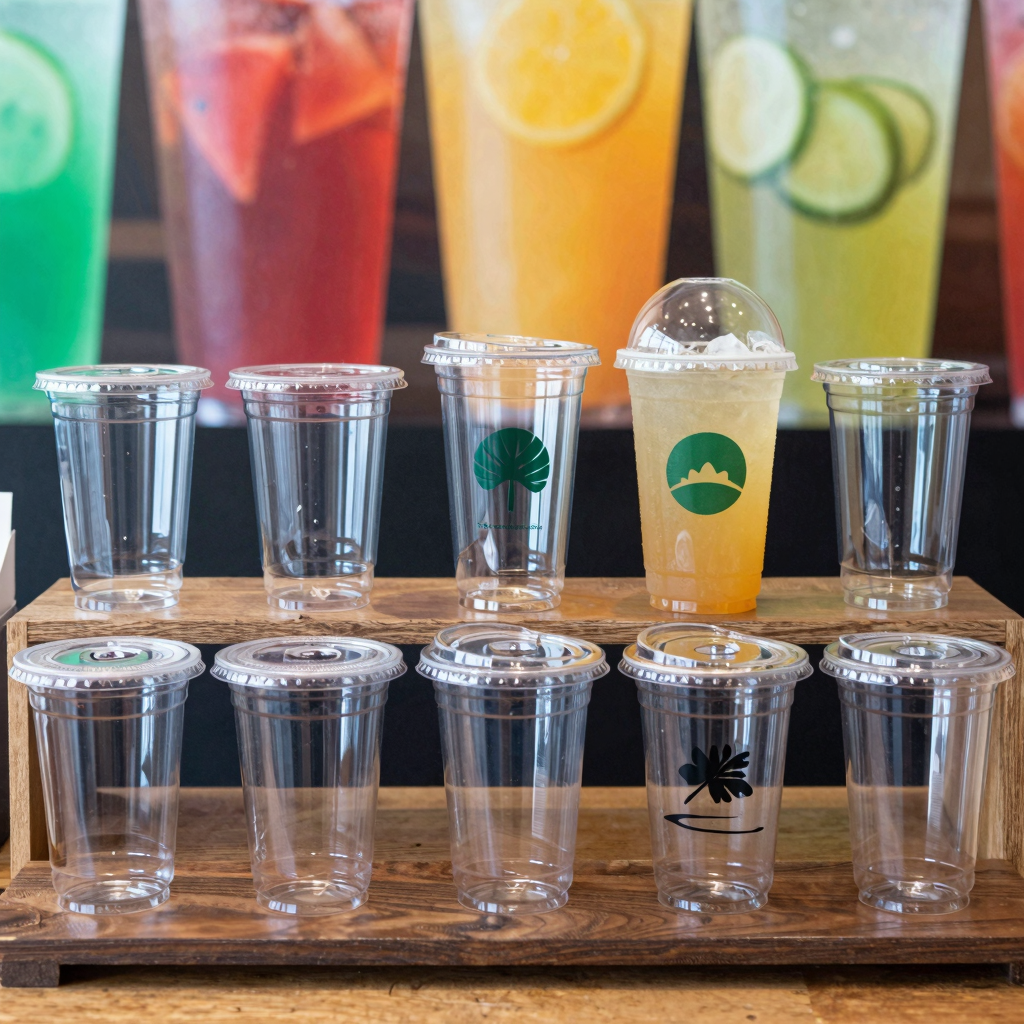
Introduction to Clear Plastic Cups
In the dynamic world of the beverage industry, clear plastic cups have emerged as essential tools for businesses, particularly in the booming bubble tea market. As the popularity of bubble tea shops grows worldwide, so does the demand for versatile, visually appealing, and practical serving solutions. Clear plastic cups not only enhance the presentation of colorful drink mixes but also allow customers to see their tasty creations, enhancing their overall experience. These cups have become the go-to choice for many events, ranging from casual gatherings to formal celebrations, thanks to their lightweight nature and convenience.
The rise of clear plastic cups can be attributed to various factors, including sustainability trends and consumer preference for user-friendly packaging. With the increasing awareness of environmentally responsible choices, many brands have started to offer eco-friendly options, catering to a market that values both convenience and environmental consciousness. As we delve deeper into the history and significance of clear plastic cups, we will explore their invention, evolution, and the pivotal role they play in enhancing customer satisfaction across the beverage industry. From bubble tea shops to food trucks, knowing when clear plastic cups came into being and how they’ve transformed over the years is critical for understanding their importance in today’s market.
For businesses looking to stand out, investing in clear plastic cups with customization options is a winning strategy. For more insights on this, check out our guide on custom plastic cups. Whether at a bustling restaurant or an outdoor event, the versatility of clear plastic cups continues to be a driving force in modern beverage service.
Historical Timeline of Clear Plastic Cups
The journey of clear plastic cups is a fascinating one, showcasing innovations that have shaped their design and functionality. Below is a detailed timeline tracing the key milestones in the invention and evolution of clear plastic cups.
- 1869: John Wesley Hyatt invents celluloid, one of the first synthetic plastics, which laid the groundwork for future plastic materials.
- 1909: Leo Baekeland patents Bakelite, the first fully synthetic thermosetting plastic. This milestone marks a significant advancement in the polymer industry and the beginning of modern plastic manufacturing.
- 1930s: The introduction of polystyrene (PS) results in more versatile applications for plastic, paving the way for clear plastic products. Companies began experimenting with PS for disposable cups.
- 1960s: With rising consumer demand, clear plastic cups become prevalent in food service settings. This decade marks the transition towards single-use disposables, including cups and containers.
- 1970s: The development of polyvinyl chloride (PVC) and other plastic types leads to improvements in the clarity and strength of plastic cups, contributing to their popularity in restaurants and events.
- 1980s: Clear plastic cups become a staple in the catering industry. They are embraced for their lightweight, unbreakable nature, and affordability, especially in large event settings. In this era, innovations in industrial manufacturing processes enhance the efficiency and affordability of producing these cups. Explore more about modern clear plastic cups
- 2000s: The emergence of eco-friendly alternatives begins to influence the market. Manufacturers commence developing biodegradable and recyclable options to cater to environmentally conscious consumers.
- 2010s and Beyond: Continuous advancement in materials science leads to the production of cups made from compostable materials (like PLA). Innovations focus on sustainability, and the trend toward eliminating single-use plastics becomes more pronounced in the plastic manufacturing industry.
Clear plastic cups have now become essential items in various sectors, including food trucks, catering services, and beverage chains. Their evolution demonstrates a balance between functionality, cost-effectiveness, and increasing environmental awareness.
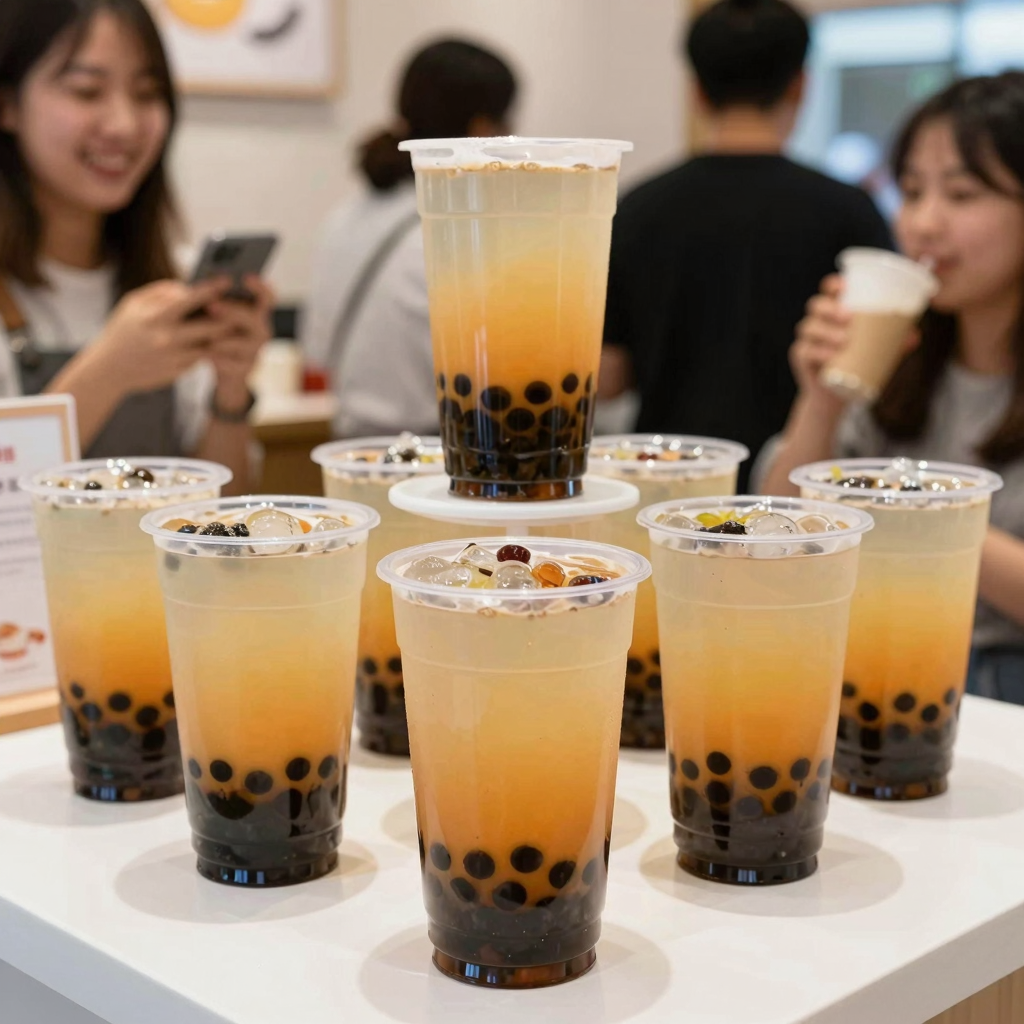
This image showcases clear plastic cups filled with colorful bubble tea in a lively bubble tea shop, creating an appealing visual context for the topic of clear plastic cups.
The Rising Popularity of Clear Plastic Cups
Clear plastic cups have surged in popularity across various sectors, primarily due to their versatility, convenience, and aesthetic appeal. As we delve into the adoption of these cups in the beverage industry and event planning, the statistics reveal a significant upward trend in usage.
Adoption Trends in the Beverage Industry and Event Planning
According to recent reports, clear plastic cups have solidified their position as a preferred choice among beverage chains and event planners. Here are some key insights:
-
Beverage Chains: In 2026, 78% of beverage chains are reported to prefer clear plastic cups. This reflects a growth of 14.3% compared to the previous year. Brands are embracing clear plastic cups for their ability to enhance product visibility and showcase colorful beverages, which is particularly appealing on platforms like Instagram. Viral trends on social media are increasingly driving consumer choices, making these cups a staple in places like bubble tea shops.
-
Event Planning: Clear cups are expected to reach an 85% adoption rate in event planning by the end of 2026, marking a 19.6% increase year-on-year. This rise is linked to their vibrant aesthetic and the ability to customize them with logos or themes for events like weddings and corporate gatherings. Planners appreciate the way these cups can enhance the visual presentation of beverages, leading to higher satisfaction rates among guests.
-
Retail Sales: In retail settings, clear plastic cups are adopted by 67% of brands, experiencing an 11.2% growth. Consumers are increasingly seeking transparent, BPA-free options, boosting demand for products that ensure safety and sustainability.
Supporting Statistics
The following table summarizes the adoption rates and growth statistics for clear plastic cups across these sectors in 2026:
| Sector | Adoption Rate (2026) | % Growth (2025-2026) | Notable Insight |
|---|---|---|---|
| Beverage Chains | 78% | +14.3% | Clear plastic cups enhance brand visibility and premium perception in cold drinks; driven by viral trends in North America. |
| Event Planning | 85% | +19.6% | Brightly colored and clear cups dominate event culture; sustainability features are key differentiators. |
| Retail (Consumer Sales) | 67% | +11.2% | Increased demand for transparent, BPA-free options boosts consumer trust. |
Conclusion
The increasing adoption of clear plastic cups is not just a fleeting trend; it’s reshaping how beverages are served and presented in various settings. For businesses in the beverage industry and event planning, embracing this shift can lead to enhanced customer engagement and satisfaction. Brands should leverage the versatility and appeal of clear plastic cups to captivate their audience and stand out in a competitive market. To explore more about custom clear plastic cups and their advantages for your business, continue reading our blog.
Manufacturing Processes of Clear Plastic Cups
The manufacturing of clear plastic cups requires a blend of advanced technology, high-quality materials, and a commitment to safety and eco-friendliness. These essentials not only ensure the production of reliable and quality products but also align with the growing demand for sustainable practices in the industry, especially for corporate procurement teams aiming to source responsible supplies.
Materials Used
The primary materials in the production of clear plastic cups are:
- Polystyrene (PS): Commonly used for disposable cups, it is lightweight, easily molded, and cost-effective.
- Polypropylene (PP): Known for its durability and resistance to high temperatures, making it suitable for hot beverages.
- Polyethylene Terephthalate (PET): Ideal for its clarity and strength, often used in high-end applications. Recent trends have seen an increased adoption of Tritan™, a BPA-free copolyester that combines clarity with toughness, also promoting safety in food contact applications.
The move towards environmentally friendly materials is considerable, with many manufacturers now incorporating materials that are recyclable or made from renewable resources, such as plant-based plastics like PLA. This shift is not merely a trend but a response to consumer demand for sustainable products. The full lifecycle of these materials-from production to decomposition-is carefully analyzed to ensure minimized environmental impact.
Manufacturing Process
The process begins with the selection of high-quality raw materials that meet stringent safety standards. Key steps in the clear plastic cup production process include:
- Material Preparation: The chosen raw materials are prepped and conditioned to ensure optimal molding.
- Molding: Using methods such as injection molding or thermoforming, the prepared materials are shaped into cups. High-precision molds ensure consistency in size and quality.
- Cooling and Finishing: Once molded, cups are cooled effectively and undergo trimming to remove excess material and ensure a smooth finish.
- Quality Control: Rigorous testing is conducted throughout production, including checks for clarity, strength, and safety compliance with regulations such as the FDA and European standards.
- Packaging: After passing quality inspections, the cups are carefully packaged for distribution.
Each stage of this process is optimized to reduce energy consumption and waste, aligning production with sustainable practices.
Safety and Eco-Friendliness
In today’s manufacturing landscape, safety and eco-friendliness are paramount. Manufacturers implement various safety protocols to minimize contamination and ensure product integrity. For example:
- BPA-Free Materials: Using BPA-free options like Tritan™ ensures that plastic cups are safe for food and drink contact.
- Controlled Environments: Production facilities maintain strict hygiene and cleanliness standards to prevent contamination during manufacturing.
- Sustainable Methods: The design and processes employed aim to reduce carbon footprints, involve recycling measures, and utilize eco-friendly packaging.
Eco-awareness continues to drive innovation in the field. For instance, many companies are now transitioning to using post-consumer recycled (PCR) materials, enabling a circular economy where plastic cups can be made from previously used products, significantly reducing landfill waste.
Conclusion
Overall, the manufacturing processes of clear plastic cups embody a blend of technology, quality assurance, and eco-conscious practices. As procurement teams seek reliable supplies, it’s crucial to partner with manufacturers that prioritize sustainable materials and methodologies, ensuring a responsible choice for beverage service. Investing in these products not only meets immediate business needs but also contributes towards a sustainable future.
For more details on the importance of eco-friendly materials in plastic manufacturing, check out our article on eco-friendly clear plastic cups. Additionally, learn about the benefits of using Tritan™ materials.
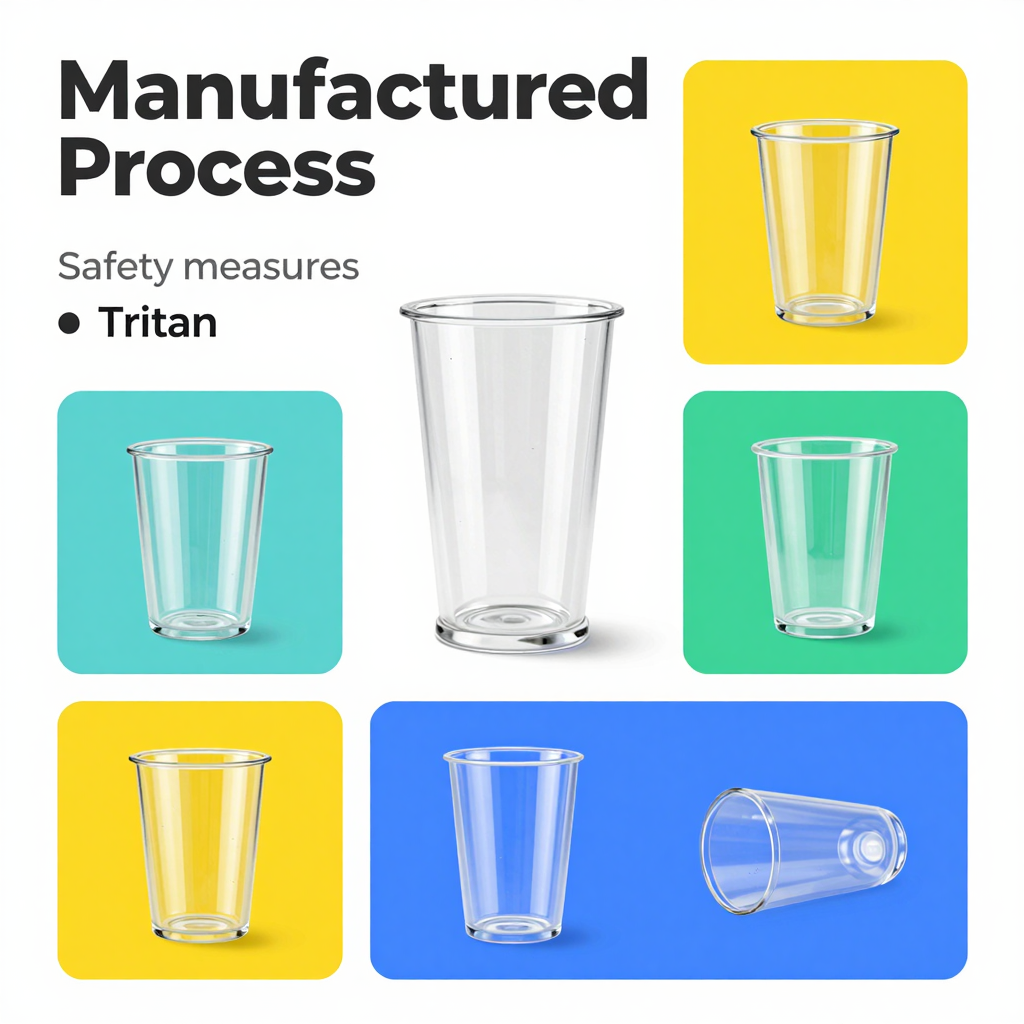
Comparison of Clear Cup Materials: PET vs PLA
Here’s a quick reference table comparing two of the most common plastics used for clear cups: PET (Polyethylene Terephthalate) and PLA (Polylactic Acid).
| Property | PET | PLA |
|---|---|---|
| Source | Synthetic petrochemical | Biodegradable (from corn starch) |
| Clarity | Highly transparent | Good clarity but less than PET |
| Strength | High strength (Tensile strength: 55-75 MPa) | Lower strength (around 40 MPa) |
| Temperature Stability | Retains shape up to 60°C (short term: 150°C) | Deforms around 55-60°C |
| Environmental Impact | 100% recyclable; significant fossil fuel use in production and major contributor to ocean plastics | Biodegradable under commercial composting conditions, but requires specific conditions to degrade efficiently |
| Suitability | Best for cold beverages and snacks; strong and durable | Suitable for short-term use, like cold beverages, and social events (e.g., parties) |
| Recycling Rate | High recycling rates globally | Less than 10% in the market |
| Usage Examples | Beverage bottles, food containers | Food service disposables, plates, cups |
Conclusion
Both PET and PLA have their unique properties and suitability for different applications. PET is a superior choice for high-strength and temperature-resilient applications, while PLA is gaining traction for environmentally-conscious alternatives in short-lived consumable products. For beverage chains and restaurants, it’s beneficial to choose materials based on the product’s restraint to temperature and importance of environmental impact. To learn more about eco-friendly options, consider checking out our insights on eco-friendly clear plastic cups and clear plastic cup options.
The Innovation of Clear Plastic Cups
Clear plastic cups have revolutionized the beverage industry since their invention. Initially designed for convenience and functionality, these cups have become essential for enhancing customer experiences in bubble tea shops, restaurants, and events. By allowing customers to view the vibrant colors and layers of their drinks, clear cups not only boost aesthetic appeal but also increase perceived value.
“The transparency of clear cups allows customers to see the quality and craftsmanship of their drink-whether it’s a vibrant smoothie, layered cocktail, or artisanal cold brew. This visual appeal significantly increases perceived value and satisfaction.”
- Sarah Lin, Senior Packaging Strategist at Beverage Innovations Group
Source
In addition to aesthetics, clear cups are durable, compatible with standard lids and straws, making them ideal for various beverages. They provide businesses with a consistent presentation that reinforces branding efforts, especially in competitive environments like food trucks and catering services. Clear plastic cups thus serve as a multifaceted tool for both beautifying beverages and enhancing customer engagement across the market.
In conclusion, clear plastic cups have emerged as a quintessential choice for various businesses such as bubble tea shops, restaurants, food trucks, and catering services. Their invention not only revolutionized beverage service but also addressed practical needs with style and convenience. These versatile cups enhance the visual appeal of drinks, allowing colorful beverages to truly shine, which is a vital advantage in creating an enticing presentation for customers. Beyond aesthetics, they are also economically beneficial and environmentally friendly, providing a sustainable solution that resonates with today’s conscious consumers.
Businesses can leverage the branding potential these cups offer. Clear plastic cups serve as a blank canvas for logos and custom designs, transforming mundane serviceware into powerful marketing tools. They effortlessly bridge the gap between casual and formal events, making them suitable for everything from corporate gatherings to weddings.
As highlighted in our article, the durability and cost-effectiveness of these cups make them suitable for both indoor and outdoor settings. Their ability to hold hot and cold beverages, along with their widespread acceptance across different venues, underscores the practicality of choosing clear plastic cups for any occasion.
For those looking to elevate their beverage presentation while ensuring cost efficiency, we invite you to explore Eco-Friendly Clear Plastic Cups offered by Green Dispo Pack. Consider incorporating our high-quality products into your offerings for a refined service experience that your customers will appreciate. Don’t miss out on the opportunity to enhance your business’s appeal and efficiency with clear plastic cups!
Trends in Consumption of Clear Plastic Cups
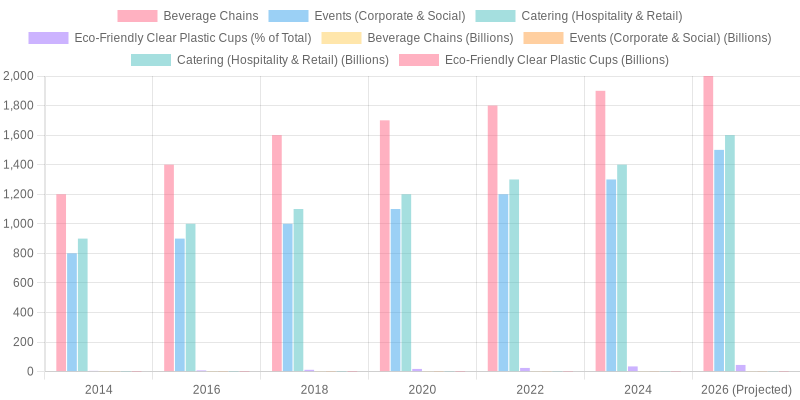
The consumption of clear plastic cups has seen remarkable growth across various sectors over the last decade. The chart below illustrates these trends, showcasing the rising popularity among beverage chains, events, and catering services.
Key Insights
- Beverage Chains have significantly increased their use of clear plastic cups, with consumption projected to reach 2 billion cups by 2026.
- Events, including corporate and social gatherings, are also experiencing a substantial demand for clear plastic cups, expected to reach 1.5 billion cups.
- The Catering Sector shows a similar upward trend, with a forecast of 1.6 billion cups in the same timeframe.
- Interest in Eco-Friendly Clear Plastic Cups is growing, now accounting for 45% of total consumption as manufacturers innovate with biodegradable and recyclable materials to meet sustainability expectations.
This visual representation provides insights into how the market is evolving and the increasing importance of sustainable options. For beverage chains and event planners, adapting to these trends can improve customer satisfaction and brand loyalty. If you want to delve deeper into clear plastic cup options available on the market, check out our guide on clear plastic cups.
For businesses looking to switch to eco-friendly options, refer to our post on custom plastic forming machines for disposable bowls.
The Invention of Clear Plastic Cups
Clear plastic cups, which are known today for their convenience and versatility, were primarily invented in the mid-20th century. Their development was driven by a need for a durable, hygienic, and lightweight alternative to traditional glassware and paper cups.
Key Milestones in the History of Clear Plastic Cups
-
1950s: Invention of Modern Plastic Cups
The first modern disposable plastic cups were introduced, largely made from polyethylene and polystyrene, offering unmatched convenience for mass beverage service. -
1960s-1970s: Widespread Adoption in Food Service
Fast food chains and diners began utilizing these cups due to their low cost and resistance to breakage, making them a staple in food service. -
1980s: Introduction of Rigid & Flexible Designs
Further innovation led to the development of both rigid and flexible plastic cups, meeting a variety of consumer needs. -
1990s: Rise of Branded and Customizable Cups
Companies began using these cups for branding purposes, printing logos and slogans to enhance marketing efforts at events. -
2000s: Expansion into Hospitality and Events
As clear plastic cups gained popularity, they became the preferred choice at weddings and large gatherings due to their aesthetic appeal. -
2010s: Environmental Concerns Emerge
Increased scrutiny on plastic products stirred discussions around sustainability, prompting manufacturers to consider alternatives. -
2020s: Shift Toward Sustainable Materials
Trends began shifting towards biodegradable materials like PLA to create eco-friendly versions of clear cups without sacrificing clarity or durability.
Visual Representation of Milestones
- Current Trend: The demand for eco-conscious designs and materials continues to grow as consumers and regulations push for more sustainable production practices.
For more insights into clear plastic products, check out our article on custom clear plastic cups.
Also, explore the latest options with our 16 oz clear plastic cups.
Conclusion
Clear plastic cups have evolved significantly since their inception, adapting to consumer needs and environmental concerns. Their role in the beverage industry is pivotal, serving as both functional and marketing tools for various businesses.