
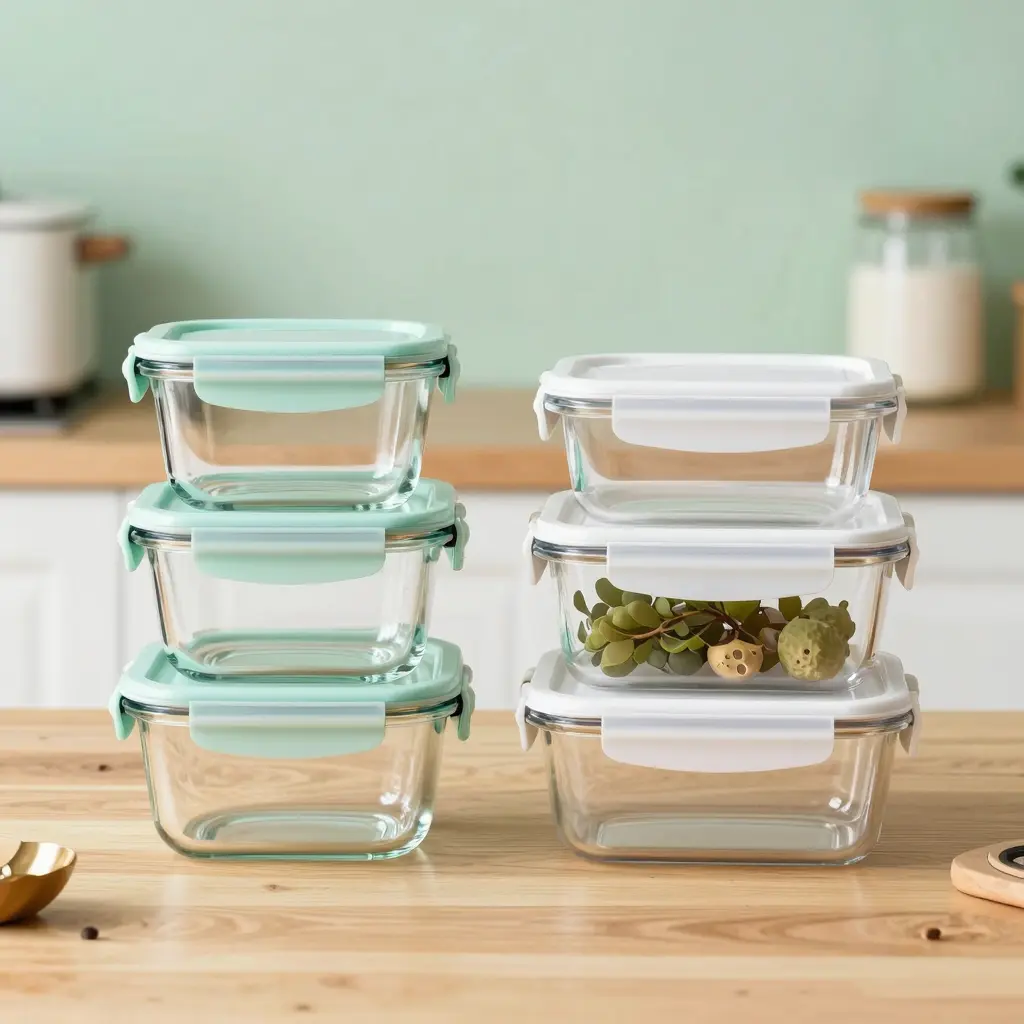
In the fast-paced world of the food industry, good food storage practices are not just a matter of convenience-they are vital for ensuring safety, quality, and efficiency. Whether you’re running a bustling bubble tea shop, a craft restaurant, or a food truck serving delicious morsels on-the-go, the choice of food storage containers directly impacts your operation. Among the most debated topics within this realm is the comparison between glass and plastic containers. Each material boasts its own set of advantages and disadvantages, influencing both the flavor integrity of your products and the sustainability of your practices.
With an increasing focus on health consciousness and environmental impact, businesses face a fundamental decision: should they opt for the sleek, reusable nature of glass containers or the lightweight, versatile option of plastic? This debate is especially relevant as food service establishments seek to balance cost, efficiency, and eco-friendliness in their packaging solutions. As consumer preferences evolve, understanding the implications of food storage choices becomes essential for bubble tea shops, restaurants, food trucks, and catering services aiming to maintain a competitive edge.
By exploring the nuances of glass versus plastic storage options, we can better appreciate their relevance not only to food safety but also to operational effectiveness within the wider food industry. For instance, the quality retention and chemical resistance of glass can enhance customer experience, while the cost-effectiveness and ease of handling of plastic may appeal to service speed and functionality. This article delves deeper into these considerations, offering insights that cater directly to those at the forefront of the culinary sector.
If you’d like to learn more about sustainable packaging solutions, consider exploring our sugarcane tableware options that align with eco-friendly practices.
Comparing Glass and Plastic Food Storage Containers
When it comes to food storage, choosing the right container is crucial. Glass and plastic containers each have unique features that might suit different storage needs and operational environments. Below is a summary table comparing the key differences between glass and plastic food storage containers.
| Category | Glass Containers | Plastic Containers |
|---|---|---|
| Durability | More durable, resistant to stains and odors; can break easily if dropped | Less durable, prone to warping and scratching; lightweight |
| Cost | Generally more expensive to produce and purchase | Typically cheaper and more affordable |
| Safety | Non-toxic, free from harmful chemicals like BPA; no leaching into food | Some plastics contain BPA and harmful chemicals; low-quality can leach chemicals |
| Environmental Impact | Recyclable and environmentally friendly; made from natural resources | Non-biodegradable; contributes to plastic waste |
| Usability for Food Businesses | Great for food presentation; enhances aesthetics; can be used in microwaves and ovens | Lightweight and easy to handle; may not withstand high temperatures |
This table should help food businesses assess their options. Whether you’re running a bubble tea shop or a catering service, making informed decisions about your storage containers is crucial in ensuring food safety and quality.
For more sustainable options, consider our range of eco-friendly packaging solutions.
Embrace the future of food storage by choosing what’s best for your needs, while also caring for our environment!
Durability and Safety of Glass Containers
When it comes to food storage, glass containers offer a range of durable and safe options that cater perfectly to the needs of businesses like bubble tea shops, restaurants, and catering services. Below, we’ll delve into the top durability and safety features of glass food storage containers, breaking down their advantages and disadvantages.
Advantages of Glass Food Storage Containers
- Material Safety: Glass is non-porous and does not leach chemicals into food, making it safe for storing a variety of items, including acidic ingredients. This is crucial for maintaining food integrity and safety.
- Durability: Glass containers withstand temperature changes better than plastic, particularly borosilicate glass, which is famous for its heat-resistance capabilities.
- Environmental Friendliness: Glass is recyclable and does not degrade in quality over time, making it a more sustainable option compared to plastic.
- Longevity: They can last for years without suffering from discoloration, warping, or scratches, unlike plastic containers which often require replacement.
- Leak Resistance: Many glass containers come with airtight lids that minimize spills and keep contents fresher for longer, offering convenience for on-the-go usage.
- Ease of Cleaning: Glass is easy to clean and does not hold onto odors or stains like plastic, making it a hygienic option for food storage.
Disadvantages of Glass Food Storage Containers
- Weight: Glass containers can be heavier than plastic, which may be a consideration for transport and handling, especially in busy restaurant settings.
- Breakability: Although durable, glass can break when dropped, which may pose a safety hazard if not handled properly.
- Cost: Generally, glass food storage containers are more expensive than their plastic counterparts, which could be a consideration for budget-conscious businesses.
In conclusion, glass food storage containers provide a reliable option for food storage, balancing durability with safety. Their long-lasting nature and sustainability make them an appealing choice for restaurants and catering professionals aiming to uphold quality and safety in food service. For more related products, you can explore our paper packaging options or check our range of sugarcane tableware.
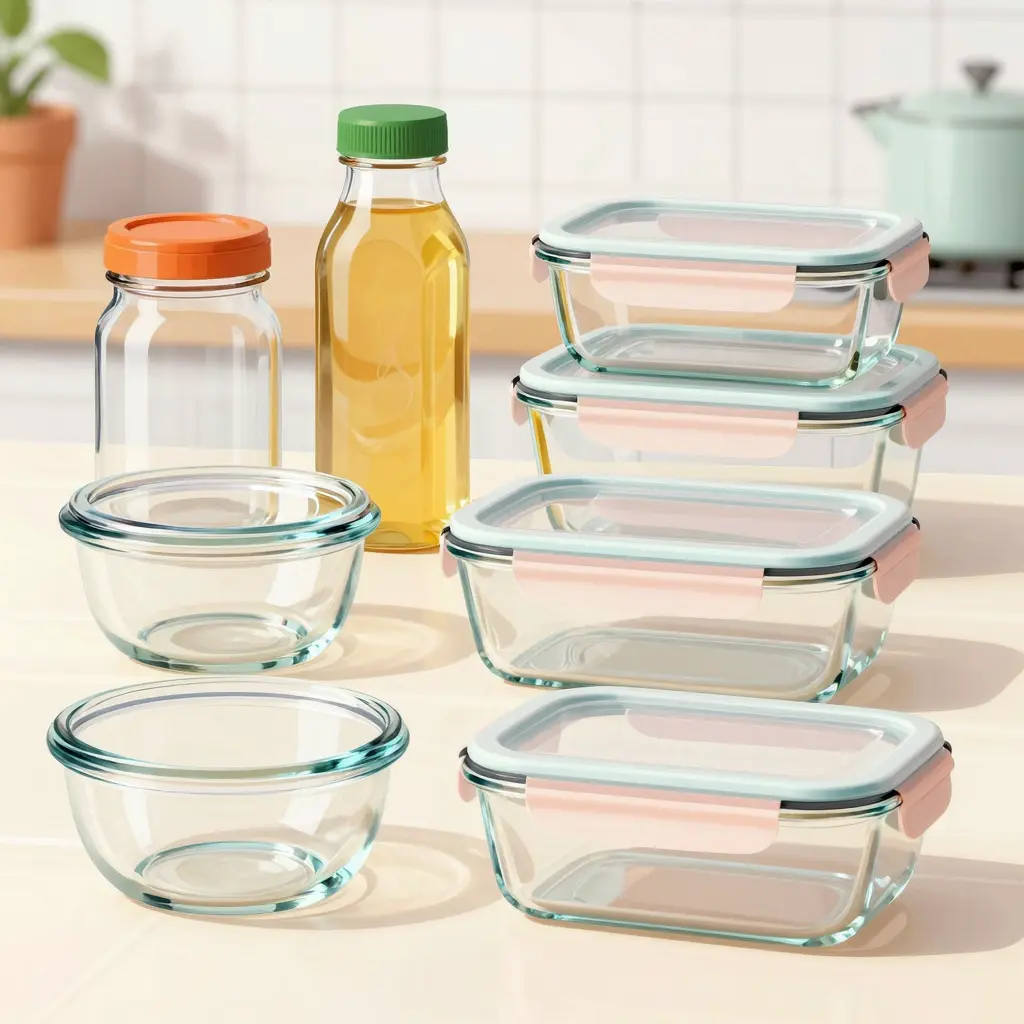
This image visually represents the appeal and functionality of glass food storage containers. It’s designed to engage bubble tea shops, restaurants, food trucks, and event planners by showcasing how these containers can enhance food presentation and storage.
Explore our range of food storage solutions, including sugarcane bowls and paper packaging options.
Durability and Safety of Plastic Containers
When it comes to food storage solutions, plastic containers have become increasingly popular due to their practicality and versatility. However, it’s essential to consider not just their usability but also their durability and safety, especially in the food industry.
Durability
Plastic food storage containers are designed to withstand various conditions, making them suitable for everyday use in restaurants, food trucks, and catering services. Their lightweight nature facilitates transportation and storage while being resistant to breaking under pressure. Unlike glass containers, plastic options are less likely to shatter, thus ensuring safety in a fast-paced environment where accidents can happen. Moreover, high-quality plastics like polyethylene and polypropylene are often used in food storage, providing a robust structure that can endure frequent washing and repeated use.
Safety Concerns
Despite their advantages, there are potential risks associated with the materials used in plastic containers. Many plastic products have been scrutinized for containing harmful chemicals, such as Bisphenol A (BPA), which can leach into food, particularly when exposed to high temperatures or used for prolonged storage. According to PMC, styrene, another substance commonly found in plastics, can also migrate into food under certain conditions, raising health concerns.
To mitigate these risks, it’s crucial to select containers labeled as food-safe and, if possible, BPA-free. Many manufacturers are now producing containers that meet safety standards set by regulatory bodies like the FDA and adhere to guidelines promoting public health. These organizations ensure that food containers are thoroughly tested before they reach the market, providing peace of mind to businesses focusing on food safety.
Practicality in the Food Industry
Plastic containers are practical for various serving and storage needs in food service, from storing ingredients to packaging ready-to-eat meals. Their lightweight and stackable nature enhances efficiency in storage solutions, allowing businesses to make the most of their kitchen spaces. With the right containers, food can be kept fresh for long periods, which is vital for maintaining quality and reducing waste.
In conclusion, while plastic food storage containers present durability and practicality benefits for everyday use in the food industry, it’s crucial to remain vigilant about safety concerns. By choosing the right products and following guidelines regarding safe usage, businesses can effectively leverage the advantages of plastic containers without compromising on food safety.
“Food safety is a shared responsibility. It requires the participation of everyone in the food chain, from farm to fork.” – Margaret Hamburg, former Commissioner of the U.S. Food and Drug Administration.
Exploring the Environmental Impact of Glass versus Plastic Containers
In the realm of food storage, the choice between glass and plastic containers significantly impacts both the environment and our health. Understanding these differences is crucial, especially for businesses like bubble tea shops, restaurants, and catering services that are increasingly prioritizing sustainability.
Recyclability
When comparing the recyclability of glass and plastic containers, glass emerges as the superior choice:
- Glass: Approximately 90% of glass containers are recyclable. They can be recycled infinitely without loss of quality, making them a sustainable option for long-term use.
- Plastic: In contrast, only about 30% of plastic containers are recycled globally. The recycling process for plastic often leads to a degradation in quality, making it less viable for repeated use. Moreover, many types of plastics are not recyclable at all.
Pollution Impact
The pollution effects of glass and plastic are starkly different:
- Glass: Being inert, glass containers do not leach harmful chemicals into the environment when disposed of. This leads to a lower pollution level associated with glass, contributing to cleaner ecosystems.
- Plastic: On the other hand, plastic pollution is a prevalent issue. Plastics often end up in oceans and wildlife habitats, posing a severe risk to marine life and ecosystems. The breakdown of plastic into microplastics further exacerbates the pollution problem.
Sustainability Choices
The choice between glass and plastic extends beyond eco-friendliness to lifestyle and business strategies:
- Sustainable Business Practices: Adopting glass containers reflects a brand’s commitment to environmental stewardship. This is particularly attractive to today’s consumers who prefer to support businesses prioritizing sustainability. Restaurants and food trucks can differentiate themselves by opting for eco-friendly packaging solutions.
- Consumer Preferences: As consumer awareness around environmental issues grows, preferences shift towards sustainable materials. Business owners are encouraged to educate their customers about the benefits of choosing glass and demonstrate their commitment to reducing plastic waste.
Conclusion
In conclusion, while both glass and plastic have their roles in food storage, the environmental benefits of glass containers-stemming from their recyclability and lower pollution potential-make them the more sustainable choice. Businesses in the food and beverage industry can enhance their sustainability efforts by opting for glass packaging over plastic, significantly reducing their environmental footprint.
For those interested in exploring a range of eco-friendly packaging options, check out these sustainable products available for various needs.
Consumer Preferences: Glass vs. Plastic Food Storage Containers
In 2023, consumer preferences have shown a growing inclination toward glass food storage containers compared to plastic. Key trends observed include:
- Health and Safety: Many consumers prioritize safety, opting for glass containers that do not leach harmful chemicals into food.
- Sustainability: With increasing environmental awareness, glass is seen as a more eco-friendly option due to its recyclability.
- Aesthetic Appeal: Glass containers are often perceived as more visually appealing and durable than their plastic counterparts.
Consumer Preference Chart
To illustrate consumer preferences, the following chart compares the percentage of individuals who prefer glass storage containers to those who prefer plastic:
This chart highlights the increasing popularity of glass among consumers, driven by health, sustainability, and aesthetic considerations.
To explore more about eco-friendly packaging solutions, you can check out our selection of paper packaging options.
For businesses looking to adopt sustainable practices, consider the benefits of sugarcane tableware.
Actionable Tips for Choosing Food Storage Containers
Selecting the right food storage containers is critical for businesses like bubble tea shops, restaurants, and catering services. Here are some actionable tips to help you make the best choice:
1. Consider Material Durability
- Glass vs. Plastic: Glass containers are more durable and better for food safety as they do not absorb odors or colors. They are perfect for hot items but may be heavier and more fragile than plastic. On the other hand, plastic containers are lightweight and can be more affordable but ensure they are BPA-free to avoid health risks. Learn more about different materials here.
2. Assess Food Safety Features
- Look for containers that are airtight and moisture-resistant to prolong the freshness of your food. Labels on containers are essential, ensuring you know what’s inside and the expiration dates to prevent food waste. For more safety guidelines, check out the CDC’s food storage recommendations.
3. Evaluate Size and Stackability
- Choose containers that fit your storage space and are stackable for efficient use. Consider various sizes that accommodate different food types. Smaller containers are great for snacks or toppings, while larger ones can hold bulk items.
4. Factor in Cost and Ease of Use
- While it’s tempting to choose the cheapest option, consider the long-term investment. Higher-quality containers may cost more upfront but can last longer and are often dishwasher safe for easy cleaning. Remember, investing in airtight containers is crucial for maintaining food safety and flavor over time.
5. Check Compatibility with Your Equipment
- Ensure the containers are suitable for your operational needs-microwave-safe for reheating and freezer-safe for long-term storage can make a significant difference in service efficiency, especially in fast-paced environments like food trucks.
In Conclusion
Choosing the right food storage containers involves balancing cost, safety, and practical use. Make informed decisions to enhance your business operations and maintain food quality.
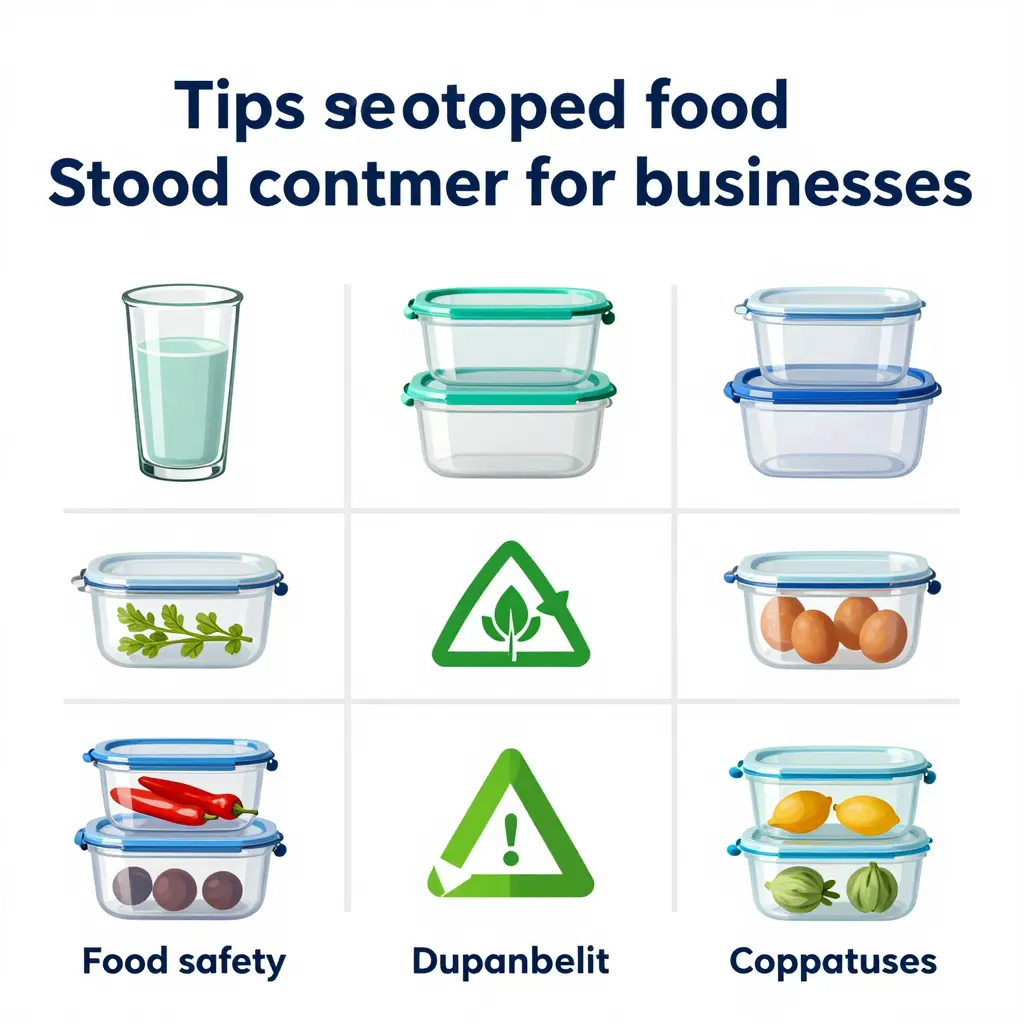
Implementing these tips can ensure that you meet consumer demand while prioritizing food safety. For eco-friendly options, check out our selection of sugarcane tableware.
In conclusion, when it comes to food storage, the debate between glass and plastic containers is more relevant than ever. Both options have their unique benefits and drawbacks. Glass containers are known for their durability, resistance to staining, and eco-friendliness, making them a popular choice for health-conscious consumers. They don’t leach harmful chemicals and can safely be used in microwaves and ovens. On the other hand, plastic containers are lightweight and less fragile, providing a convenient alternative for on-the-go use. However, they can contain materials like BPA and may retain odors or stains over time.
Given these considerations, food establishments must choose packaging solutions that align with their values, customer preferences, and sustainability goals. At Green Dispo Pack, we offer a variety of reliable packaging options that cater specifically to your business needs, whether you’re running a bubble tea shop, a restaurant, or a catering service. Our products combine functionality with environmental responsibility, ensuring you can store and serve food safely and effectively.
If you’re interested in exploring our range of packaging solutions or would like a tailored quote, don’t hesitate to contact our team today! Let’s work together to choose the best options for your brand and customers.