
Introduction
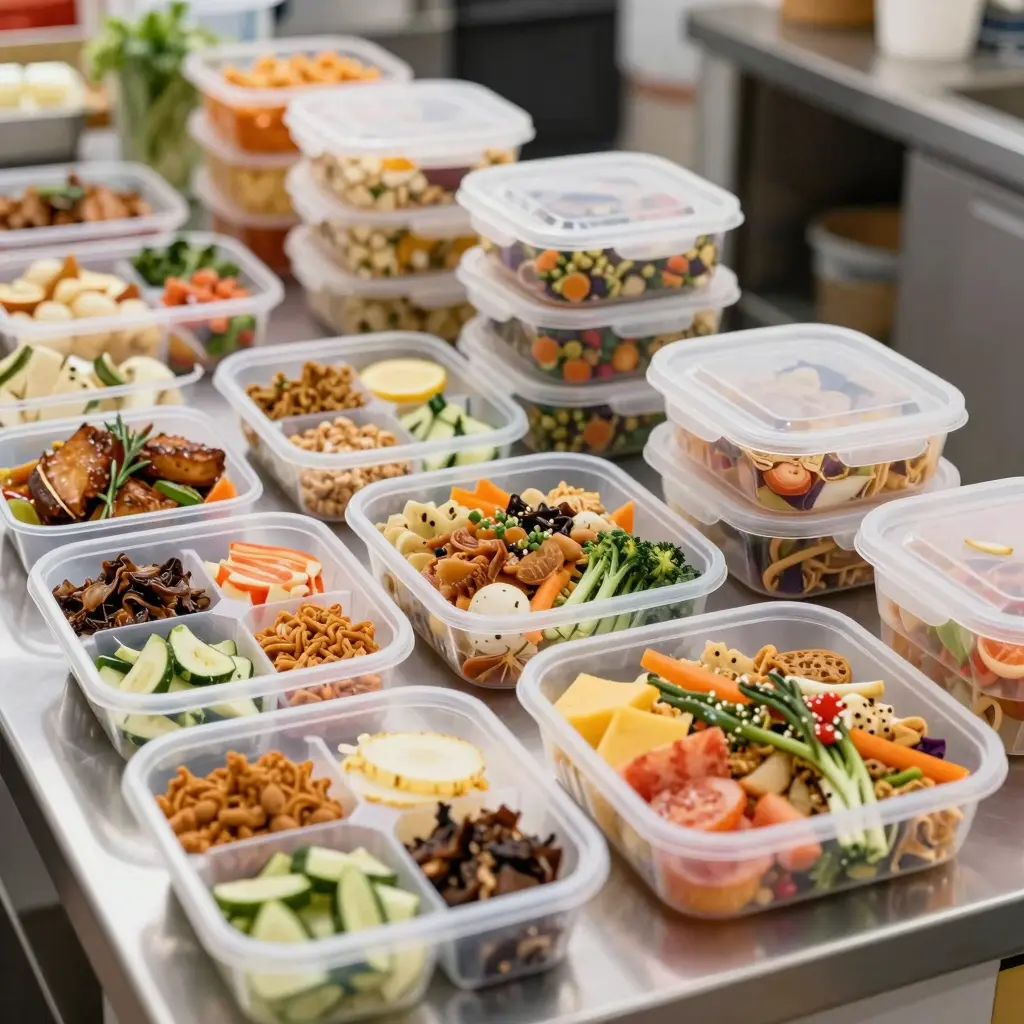
In the fast-paced world of food service, where presentation and convenience are key, plastic divided food containers have emerged as a game-changer. Whether you’re running a bustling bubble tea shop, a gourmet restaurant, or a mobile food truck, these versatile containers offer incredible efficiency and organization for your offerings. Have you ever struggled to maintain the integrity of your signature items during transport or service? With compartments designed to keep different components separate, these containers not only enhance food presentation but also ensure a delightful experience for your customers.
Targeting businesses from breweries to catering services, these divided containers meet the demands of busy environments. They allow you to showcase your culinary creations elegantly while maintaining portion control, thus optimizing both customer satisfaction and profitability. Plus, their convenience extends beyond aesthetics-they’re easy to stack, store, and transport, making your workflow even smoother.
In this article, we will delve into the myriad benefits of using plastic divided food containers in various food service settings. From reducing food waste to enhancing flavor preservation, you’ll discover how these practical solutions can elevate your food service business. Let’s explore how incorporating these innovative containers can not only streamline operations but also please your patrons-keeping them coming back for more! Learn more about our diverse range of food containers.
| Container Type | Size Options | Material | Durability | Best Use Cases |
|---|---|---|---|---|
| Standard Divided Container | 16 oz, 32 oz | Polypropylene | Medium | Meal prep, snacks |
| Heavy-Duty Divided Container | 24 oz, 48 oz | High-Density Polyethylene | High | Takeout, catering |
| Microwave-Safe Container | 10 oz, 20 oz | BPA-free plastic | Medium | Leftovers, reheating food |
| Compartmentalized Bento Box | 14 oz, 28 oz | Tritan plastic | Medium-High | School lunches, portion control |
Customer Testimonials
Testimonial 1: Bella’s Bistro
“Since we started using plastic divided food containers from Green Dispopack, our takeout orders have become much more organized. The compartments keep different meal components separate, which not only preserves the flavors but also enhances the presentation for our customers. We’ve received positive feedback and noticed a significant drop in the number of complaints related to food mixing during delivery.”
- Laura, Owner
Testimonial 2: Tasty Treats Catering
“Our catering operations have improved incredibly with the use of plastic divided food containers. They allow us to serve elaborate dishes without compromising on portion control or presentation. Clients love the convenience, and we appreciate the ease of packing them for events. It’s been a game-changer!”
- Mark, Head Chef
Testimonial 3: Bubble Bliss Tea Shop
“The divided containers are perfect for our bubble tea and dessert pairings. They keep the toppings and drinks visually appealing and separate. Cleanup is a breeze, which saves us precious time during busy hours. Thanks to Green Dispopack, we can focus more on our drinks than on packaging!”
- Jenny, Manager
Best Practices for Using Plastic Divided Food Containers in Food Service Operations
Plastic divided food containers are an essential tool in the food service industry, particularly for businesses like bubble tea shops, restaurants, food trucks, and event catering services. Implementing best practices for their use can enhance food safety, efficiency, and container longevity. Here are some practical tips:
1. Storage
- Organize: Keep containers in a designated storage area that is clean and organized. Stack containers to save space but ensure that lids are not warped, making them hard to remove.
- Temperature Control: Store containers in a temperature-controlled environment to avoid food spoilage. Use divided containers that are safe for both freezer and microwave to enhance versatility.
2. Handling
- Use Clean Hands: Always handle food with clean hands or using gloves. This helps prevent contamination.
- Labeling: Clearly label containers with food type and date. This aids in inventory management and reduces the risk of serving expired products. Consider using paper packaging labels for easy identification.
3. Sanitation
-
Regular Cleaning: Wash containers regularly with hot, soapy water after each use. For stubborn stains or odors, consider using baking soda as a natural cleaner.
-
Sanitize: After washing, thoroughly sanitize containers with a mixture of 1 tablespoon of unscented liquid chlorine bleach per gallon of water. Rinse well and allow to air dry.
-
Inspect for Wear: Regularly inspect containers for signs of wear and tear. Cracks or deep scratches can harbor bacteria, so replace damaged containers immediately to ensure food safety.
4. Food Safety
- Avoid BPA: Choose BPA-free containers to avoid potential health risks associated with certain plastics. This is particularly important for hot foods and beverages that may interact with container materials.
- Proper Cooling: Make sure that hot foods cool before placing them in containers to prevent condensation, which can lead to bacterial growth.
Conclusion
By incorporating these best practices in storage, handling, and sanitation, food service operations can efficiently use plastic divided food containers while ensuring food safety and extending container longevity. Proper practices contribute not only to food quality but also to the overall success of the business.
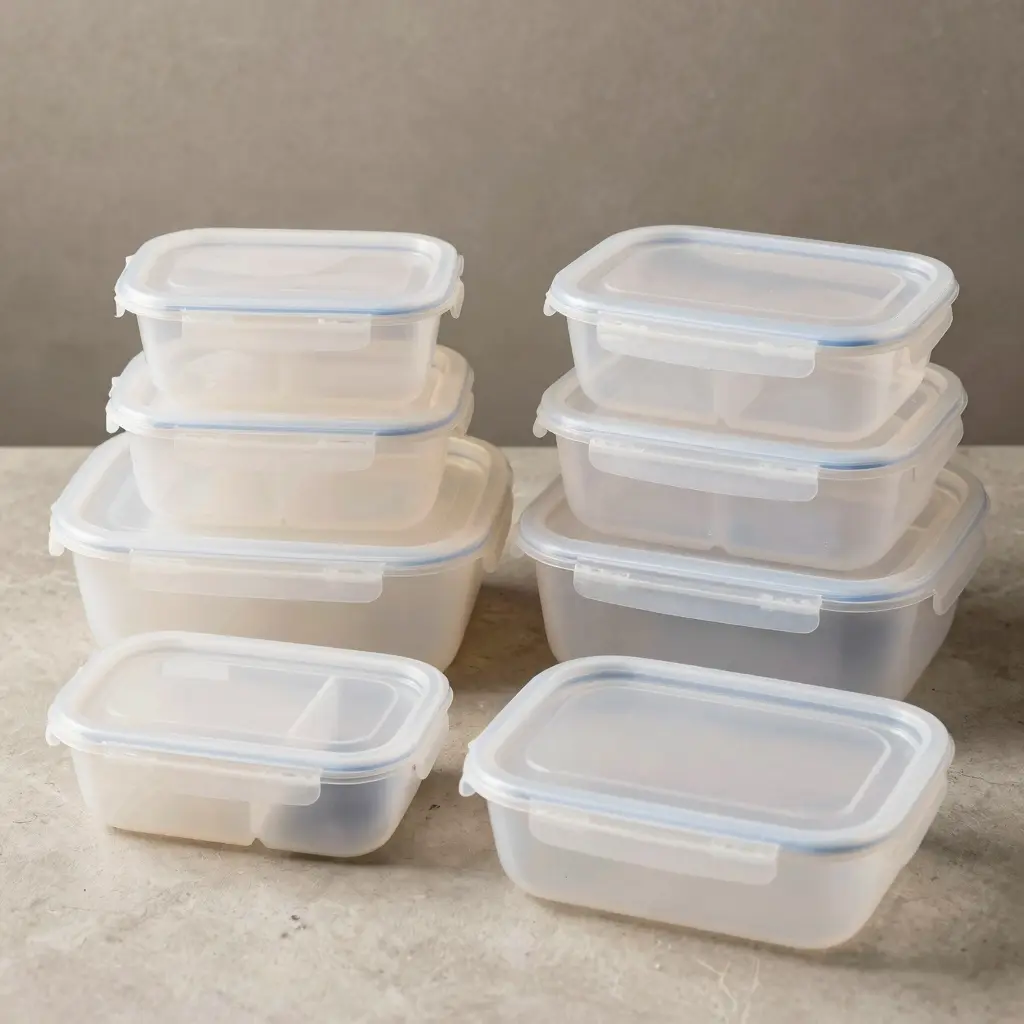
“Packaging is not just about filling a container; it’s about providing a first impression, ensuring quality, and enhancing customer experience.” – Unknown
This quote highlights the essential role that packaging plays in the food service industry. It underscores the need for reliable packaging solutions to maintain food quality and enhance customer satisfaction.