
The Rise of Eco-Friendly Food Packaging in Today’s Market
In a rapidly evolving market, the focus on sustainability is more critical than ever. Eco-friendly food packaging is not just a trend; it has become an essential strategy for businesses aiming to reduce their environmental footprint while maintaining a commitment to quality service. As consumers increasingly gravitate toward brands that prioritize sustainability, companies within the food and beverage sector are under pressure to adopt environmentally responsible packaging solutions. For bubble tea shops, restaurants, food trucks, and catering services, this offers a unique opportunity to stand out in a competitive landscape, while still delivering excellent customer experiences. By incorporating sustainable options like paper bowls and other biodegradable materials, businesses can resonate with eco-conscious consumers and enhance their brand image, all without compromising on quality or performance. In this article, we explore innovative eco-friendly packaging ideas that can help you lead the charge toward a more sustainable future in food service.
Eco-Friendly Food Packaging Options for Bubble Tea Shops and Restaurants
As bubble tea shops and restaurants strive to be more sustainable, choosing eco-friendly food packaging options is essential. Here are eight specific ideas to consider, which can help minimize environmental impact while maintaining quality and aesthetics in food service:
-
Biodegradable Bowls: Opt for bowls made from materials like sugarcane (bagasse) that decompose naturally, making them ideal for serving bubble tea along with snacks or desserts. You can find a variety of these options at Green Dispo Pack.
-
Compostable Bags: Use bags made from compostable materials for takeaway orders. These bags break down into organic material, reducing waste in landfills.
-
Reusable Straws: Introduce reusable straws made from metal, bamboo, or silicone. These can be washed and reused multiple times, significantly decreasing plastic waste. Consider offering discounts to customers who bring their own straws!
-
Plant-Based Cutlery: Provide cutlery made from plant-based materials like cornstarch or sugarcane. These are sturdier than traditional plastic and are completely compostable.
-
Paper Cups with Biodegradable Coatings: Choose paper cups lined with plant-based materials instead of plastic. This ensures they are compostable while maintaining the cup’s durability for hot beverages like bubble tea.
-
Kraft Paper Sandwich Boxes: Utilize sustainable kraft paper boxes for serving food items. They are sturdy, biodegradable, and can be sealed easily, making them perfect for takeaways.
-
Sugarcane Food Containers: These versatile containers are made from sugarcane byproducts and can be used for both hot and cold foods. They are also compostable and environmentally friendly. Check out various sizes at Green Dispo Pack.
-
Biodegradable Bagasse Plates: Offer disposable plates made from bagasse for serving snacks. They can be composted after use, contributing to a circular economy.
Choosing these eco-friendly packaging options can not only reduce environmental harm but also improve your brand image and meet the growing consumer demand for sustainability. For more ideas and products that fit into sustainable packaging, visit Green Dispo Pack.
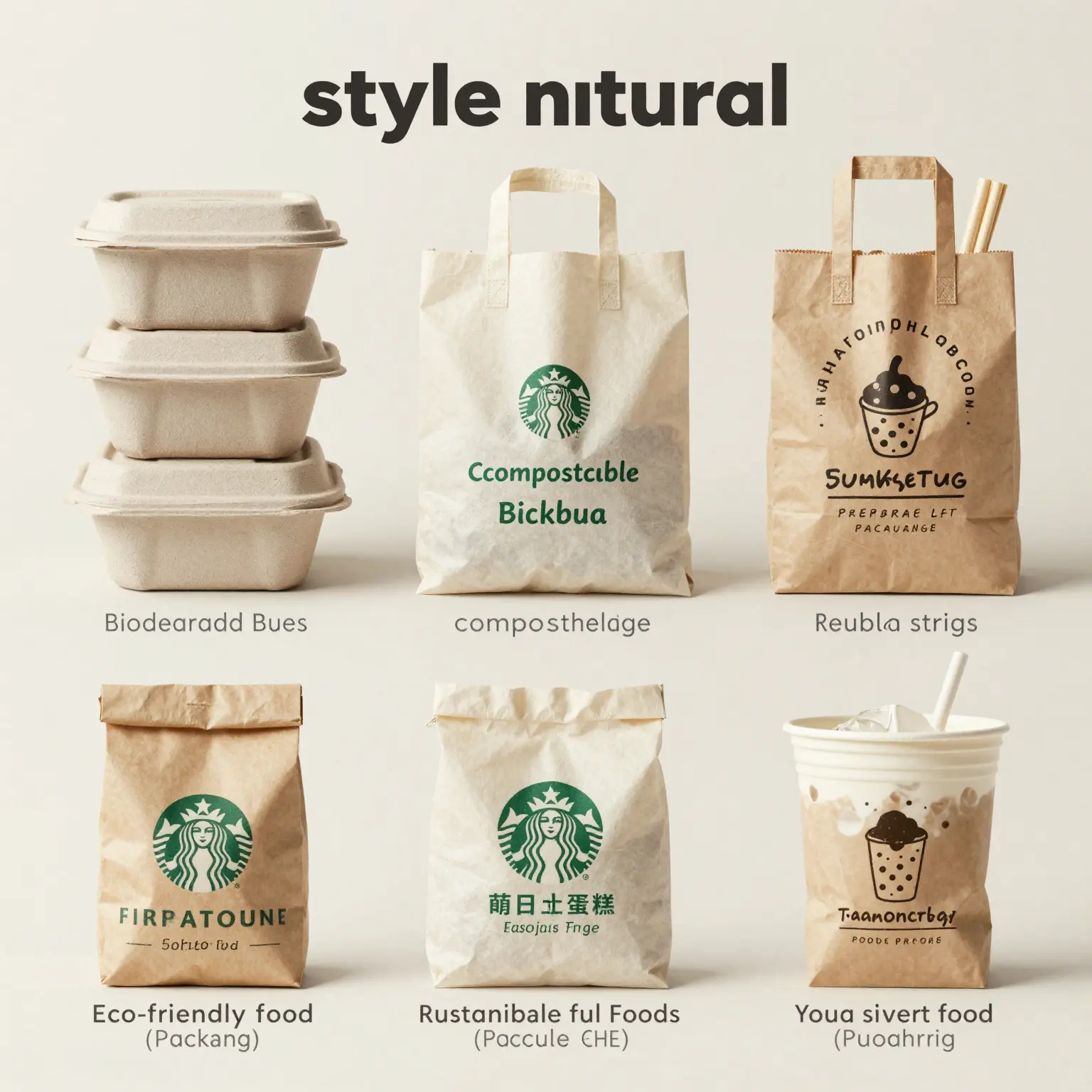
An infographic illustrating various eco-friendly food packaging options suitable for bubble tea shops and restaurants.
Customer Testimonials
“Switching to eco-friendly packaging from Green Dispo Pack has been a game changer for our bubble tea shop! Not only do our customers love the environmentally friendly approach, but we’ve also seen an increase in sales since showcasing our commitment to sustainability. The quality of the paper bowls and cups is outstanding, and they hold up perfectly during service. Highly recommend!”
- Mei Lin, Owner of Sweet Sips Bubble Tea
For restaurants wishing to enhance their sustainability efforts, explore our paper bowls and paper packaging solutions!
The Benefits of Eco-Friendly Food Packaging
As businesses increasingly prioritize sustainability, eco-friendly food packaging has emerged as a vital element in branding and operational strategies. Here’s how utilizing eco-friendly materials can greatly benefit your restaurant, food truck, or catering service:
Sustainability
Eco-friendly packaging minimizes the environmental impact associated with traditional materials. By opting for biodegradable or compostable packaging, such as those made from sugarcane or recycled paper, businesses contribute significantly to waste reduction. According to research, the global sustainable packaging market is projected to grow from USD 258 billion to USD 385 billion by 2028, reflecting a strong consumer demand for responsible packaging solutions. In fact, 72% of consumers expressed a willingness to pay extra for sustainable packaging, highlighting that eco-friendly practices resonate with modern values.
Enhanced Brand Image
Today’s consumers are more conscious than ever about their purchasing decisions. Businesses that implement eco-friendly packaging not only enhance their brand image but also forge a deeper connection with their customers. Brands perceived to be environmentally responsible enjoy heightened trust and loyalty. In a recent survey, nearly 85% of consumers said sustainable packaging influences their purchasing decisions. Using visually appealing, compostable packaging can create an Instagram-worthy experience that attracts both attention and positive reviews. Customers are not just purchasing a meal; they are investing in a brand that shares their ecological values. To explore innovative solutions, check out our eco-friendly paper bowls and sugarcane tableware.
Regulatory Compliance
With increasing pressure from regulations, adopting eco-friendly packaging is not just a trend but a necessity. Governments worldwide are implementing stricter laws to reduce plastic waste; for example, the European Union aims for all packaging to be recyclable by 2030. By transitioning to eco-friendly alternatives now, businesses can avoid future compliance issues and fines, positioning themselves as leaders in sustainability within their market. Additionally, early adopters can capitalize on the growing segment of eco-conscious customers, ensuring long-term market resilience.
In conclusion, embracing eco-friendly food packaging is essential for contemporary businesses wishing to thrive. Its advantages span sustainability, enhanced brand image, and regulatory readiness. As market demand grows, so does the opportunity for restaurants and food services to align profitability with responsibility. Now is the time to make the switch and lead the way in sustainable practices!
Comparison of Traditional vs. Eco-Friendly Packaging
In today’s environmentally conscious marketplace, businesses face the challenge of choosing the right type of packaging. Here’s a detailed comparison of traditional and eco-friendly packaging options across several important criteria:
| Criteria | Traditional Packaging | Eco-Friendly Packaging |
|---|---|---|
| Cost | Lower initial cost; average price range: $0.30-$0.80 per unit (2026 estimates). Economies of scale and mature supply chains support affordability. | Higher upfront cost; average price range: $0.75-$1.50 per unit (2026 estimates). However, long-term cost competitiveness is improving due to material innovation and policy-driven demand. [Sustainable Packaging Coalition, 2026] |
| Environmental Impact | High carbon footprint; non-biodegradable materials contribute to plastic pollution and landfill waste. Estimated 45% of global packaging waste is derived from traditional materials (2026 data). | Low environmental impact: biodegradable, compostable, or recyclable materials reduce landfill burden. Coconut shell-based packaging decomposes within 90 days under industrial composting conditions (2026 study by Global Environmental Research Institute). [Global Environmental Research Institute, 2026; UNEP Waste Report, 2026] |
| Consumer Perception | Declining preference: 62% of consumers in North America and Europe now avoid products with traditional plastic packaging (2026 NielsenIQ survey). Brands using such packaging face reputational risks. | Strongly positive: 78% of consumers are willing to pay a premium for eco-friendly packaging (2026 Deloitte Sustainability Survey). Companies using sustainable packaging report up to 25% higher brand trust scores. [NielsenIQ, 2026; Deloitte, 2026] |
Visual Representation
To provide a visual representation of the comparison between traditional and eco-friendly packaging, refer to the chart below:
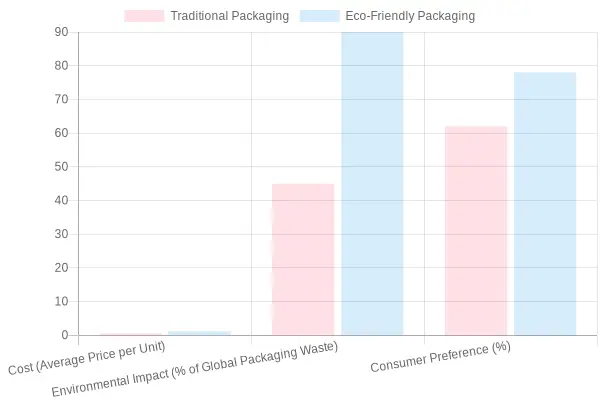
The chart above summarizes the cost, environmental impact, and consumer perception of traditional versus eco-friendly packaging options.
This comparison table helps businesses, especially bubble tea shops, restaurants, food trucks, and event planners, make informed decisions about their packaging choices. Adopting eco-friendly practices can lead to a better brand image and contribute positively to environmental sustainability. To explore various eco-friendly packaging options, check out our paper packaging products and sugarcane tableware.
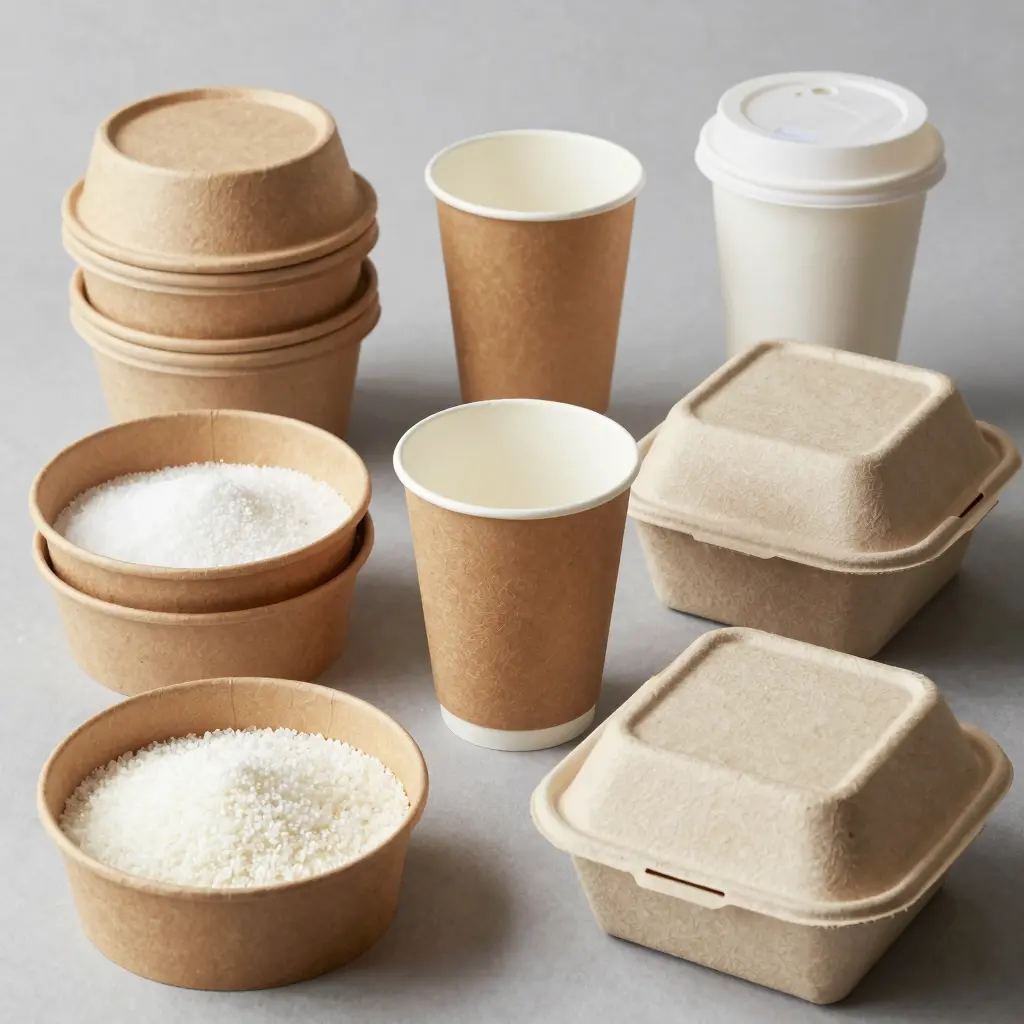
This image showcases different types of eco-friendly food packaging, emphasizing sustainable options such as containers made from cornstarch, recycled paper, and sugarcane. It will help visualize the ideas discussed in your article.
Case Studies of Successful Eco-Friendly Packaging in Food Businesses
Adopting eco-friendly packaging has rapidly evolved from a niche to a mainstream practice among food businesses. Below are inspiring case studies highlighting companies that have successfully integrated sustainable packaging solutions, demonstrating both their environmental impact and enhanced business outcomes.
Nestlé’s KitKat: Compostable Cellulose Film
Nestlé’s KitKat brand made headlines with its innovative switch to a compostable cellulose film wrapper, replacing traditional plastic materials. This change, estimated to reduce plastic usage by 80% globally, marks a significant step in enhancing sustainability. The new packaging not only aligns with environmental goals but also garnered positive consumer feedback. Customers have reported a deeper connection with the brand, with increased loyalty observed, thanks to the brand’s commitment to reducing its environmental footprint. Learn more about sustainable packaging solutions here.
Starbucks: Plant-Based, Compostable Cups
Starbucks has made strides towards sustainability through a pilot program involving plant-based, compostable cups rolled out across 100 stores in the U.S. This initiative has successfully reduced carbon emissions by approximately 45% per cup compared to conventional materials. The effort aligns with the company’s commitments to environmental stewardship and has been well-received by customers, emphasizing their desire for sustainable practices in their favorite brands. Improved brand perception and customer approval have been significant outcomes of this sustainable initiative.
Unilever’s Ben & Jerry’s: 100% Recycled PET Tubes
In a bold move, Unilever’s Ben & Jerry’s introduced ice cream tubs made from 100% recycled PET, coupled with fully recyclable lids. This innovative packaging solution cut down on virgin plastic usage by 60%, significantly minimizing environmental impact. Customers reacted positively, expressing appreciation for the brand’s commitment to sustainability, which has strengthened customer loyalty and engagement. The dual approach of using recycled materials while ensuring recyclability sets a benchmark for future packaging initiatives in the food industry.
GreenBite: Mushroom-Based Packaging
GreenBite, an organic meal kit company based in California, has made waves by transitioning from plastic-lined boxes to a home-compostable, mushroom-based packaging material. This change has led to a remarkable 90% reduction in landfill waste and has earned GreenBite a ‘Certified Climate Neutral’ label. The new eco-friendly packaging correlates with a rise in customer trust and loyalty, indicating that purposeful packaging can drive repeat business effectively.
TasteRoot: Sustainable Snack Packaging
Transitioning to biodegradable cellulose wraps sourced from sustainably managed forests, the UK-based snack brand TasteRoot has redefined its packaging strategy. Following the switch from plastic pouches, the brand reported a 30% increase in repeat purchases, attributed to enhanced customer confidence in their environmental commitments.
McDonald’s: Global Pilot Program
In a significant sustainability effort, McDonald’s has pioneered a global pilot program replacing polystyrene foam containers with paper-based alternatives made from certified recycled fibers and plant-based coatings. The trial conducted in 25 countries unveiled a staggering 75% reduction in non-recyclable waste at participating locations. With 87% of customers expressing approval of the new packaging, the initiative has improved brand image, decreased logistics costs, and indicated a favorable trend towards full-scale adoption across all locations by 2025.
These case studies illustrate that companies, whether giant fast-food chains or innovative small businesses, can implement eco-friendly packaging solutions that not only benefit the environment but also enhance brand loyalty and consumer trust. Through thoughtful packaging strategies, food businesses can lead the way in sustainable initiatives that drive positive change while remaining competitive in the market.
Eco-Friendly Packaging Suppliers Comparison
When it comes to selecting eco-friendly packaging, it’s essential for businesses like bubble tea shops, restaurants, and food trucks to choose suppliers wisely. Below is a detailed comparison chart of leading eco-friendly packaging suppliers, outlining their key features, price ranges, and customer reviews to facilitate informed decisions.
| Supplier | Key Features | Material Sustainability | Price Range (per unit) | Delivery Reliability | Customer Satisfaction Rating (Avg.) |
|---|---|---|---|---|---|
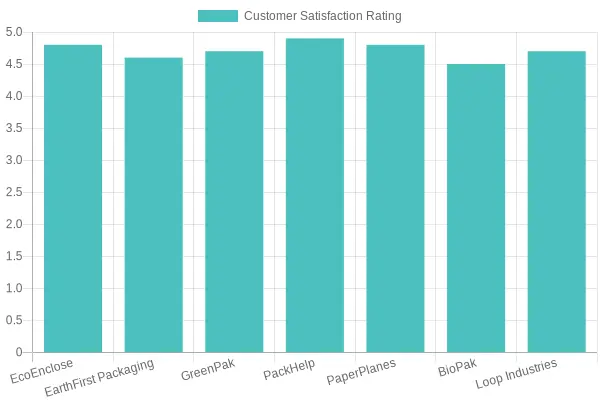
| EcoEnclose | Customizable eco-friendly packaging, carbon-neutral shipping, extensive product range (bags, boxes, mailers), online design tool | Recycled and compostable materials; FSC-certified paper; 100% recyclable or compostable options | $0.15 – $1.20 | High (US-focused, 3-7 day delivery standard) | 4.8/5 (Trustpilot, G2) |
| EarthFirst Packaging | Focus on biodegradable and compostable materials, minimal plastic use, supports regenerative agriculture | Certified compostable PLA & cellulose films, plant-based inks, 100% plastic-free packaging | $0.08 – $0.95 | Moderate (varies by region; longer lead times for custom orders) | 4.6/5 (Google Reviews, Trustpilot) |
| GreenPak | Offers recycled, recyclable, and compostable solutions with a strong emphasis on reducing environmental impact | Recycled content (up to 100%), recyclable & compostable materials, low-waste manufacturing | $0.10 – $1.50 | High (domestic US shipping, reliable tracking) | 4.7/5 (G2, Capterra) |
| PackHelp | Wide selection of sustainable packaging, fast prototyping, dedicated customer service, customizable branding | Recycled cardboard, compostable films, recyclable plastics (where applicable), FSC-certified paper | $0.12 – $1.80 | High (US and international options, tracked shipping) | 4.9/5 (G2, Capterra) |
| PaperPlanes | Specializes in premium recycled paper packaging with elegant designs, eco-conscious brand ethos | 100% recycled paper, water-based inks, FSC-certified, plastic-free | $0.20 – $1.00 | High (efficient domestic US logistics) | 4.8/5 (Trustpilot, Google Reviews) |
| BioPak | Global leader in compostable packaging, uses innovative plant-based materials (PLA, sugarcane bagasse), widely used in food service | Certified compostable (BPI, TÜV OK Compost), made from renewable resources like sugarcane and bamboo | $0.15 – $1.30 | Moderate to High (global supply chain; delivery times vary by region) | 4.5/5 (Trustpilot, LinkedIn) |
| Loop Industries | Focuses on advanced recycling technology (rPET), offers reusable packaging systems, circular economy model | Recycled PET (rPET) with high post-consumer recycled content, reusable packaging systems | $0.30 – $1.80 | High (established logistics network, especially in North America) | 4.7/5 (G2, LinkedIn) |
Sources:
- EcoEnclose: EcoEnclose
- EarthFirst Packaging: EarthFirst Packaging
- GreenPak: GreenPak
- PackHelp: PackHelp
- PaperPlanes: PaperPlanes
- BioPak: BioPak
- Loop Industries: Loop Industries
Customer Satisfaction Ratings
The following bar chart visualizes the customer satisfaction ratings received by these suppliers:
For more eco-friendly packaging options, you can explore products from Green Dispo Pack and learn about various sustainable packaging solutions.
Conclusion: Embrace Eco-Friendly Packaging Solutions
As we have explored throughout this article, the shift toward eco-friendly food packaging is not just a trend but a necessity for modern businesses. Whether you’re a bubble tea shop, restaurant, food truck, or catering service, adopting sustainable packaging can bring numerous benefits that resonate with today’s environmentally conscious consumers.
Key Takeaways:
- Consumer Expectation: A staggering 85% of consumers say sustainable packaging influences their purchasing decisions, highlighting its importance in today’s market.
- Brand Loyalty: By choosing eco-friendly options, businesses can enhance their brand image, fostering loyalty and retention among customers who value sustainability.
- Regulatory Compliance: As regulations around packaging continue to evolve, proactive adaptation to eco-friendly materials will ensure your business remains compliant and competitive.
- Economic Benefits: The global sustainable packaging market is expected to reach USD 418.6 billion by 2027, suggesting significant revenue potential for businesses adopting these practices.
With trends pointing towards using compostable and biodegradable materials, companies that lead in this space will undoubtedly have a strategic advantage over competitors who hesitate to innovate.
Call to Action
Don’t wait for others to lead the way in sustainability. Now is the time to transition to eco-friendly packaging solutions that reflect your commitment to the environment. At Green Dispo Pack, we offer a wide range of packaging products that are not only sustainable but also stylish and functional. From paper bowls to sugarcane cutlery, we have everything you need to make the green switch.
Contact us today to learn more about our eco-friendly packaging options and how they can benefit your business while contributing positively to our planet!
Market Trends in Eco-Friendly Food Packaging
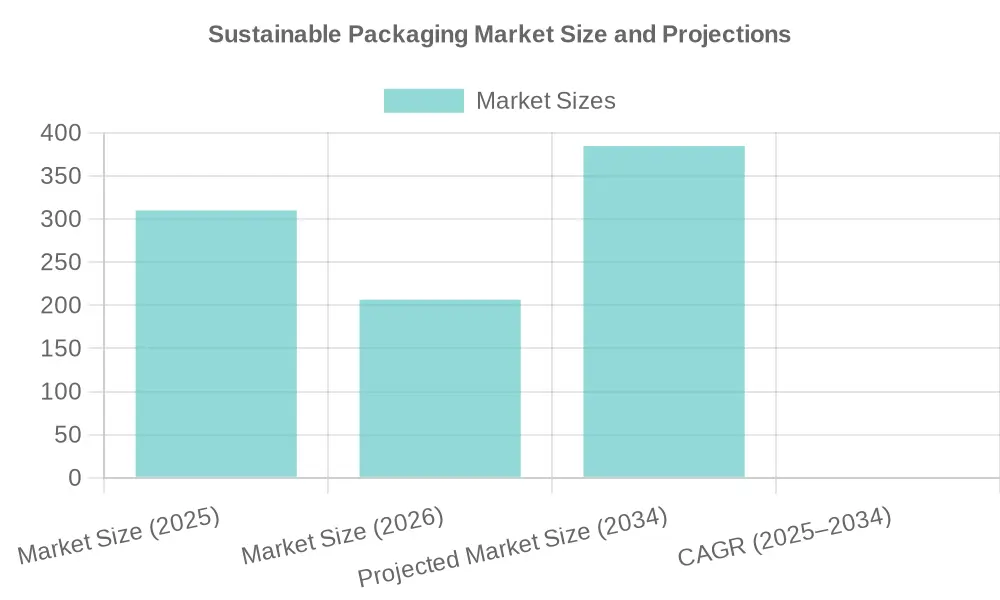
As businesses are increasingly prioritizing sustainability, the eco-friendly food packaging market is experiencing significant growth. Recent studies indicate that the global eco-friendly food packaging market was valued at approximately USD 310 billion in 2025 and is expected to continue this upward trajectory, reaching around USD 191.54 billion to USD 211.78 billion by 2026. Projections suggest the market could surpass USD 351.70 billion by 2034, growing at a compound annual growth rate (CAGR) of 7.63% to 7.89% from 2025 to 2034.
Key Growth Drivers
- Consumer Demand: Over 70% of young consumers aged 18 to 34 report that they have chosen products based on sustainable packaging. This demographic is significantly influencing market trends, prompting brands to adopt eco-friendly solutions.
- Regulatory Pressures: Stricter regulations on single-use plastics are pressing businesses to find sustainable alternatives, driving the adoption of biodegradable and compostable materials in food packaging.
- Corporate Responsibility: Companies are increasingly committing to corporate sustainability, which includes adopting eco-friendly packaging as part of their overall strategy to reduce environmental impact.
The trend is not merely about compliance or consumer demand; it reflects an impending shift towards a circular economy where businesses will invest in reusable packaging and closed-loop recycling systems to mitigate plastic pollution. 2023 has already seen a notable rise in bio-based packaging materials in the food sector, highlighting both innovation and a growing reliance on materials such as biodegradable plastics within the industry.
Chart of Sustainable Packaging Market Projections
With such robust growth and trend direction, businesses ranging from bubble tea shops to restaurants and food trucks are wise to consider eco-friendly packaging solutions as they can meet consumer expectations while also positioning themselves as leaders in sustainability.
For products suited towards sustainable food packaging, explore our range of paper bowls and paper packaging options.