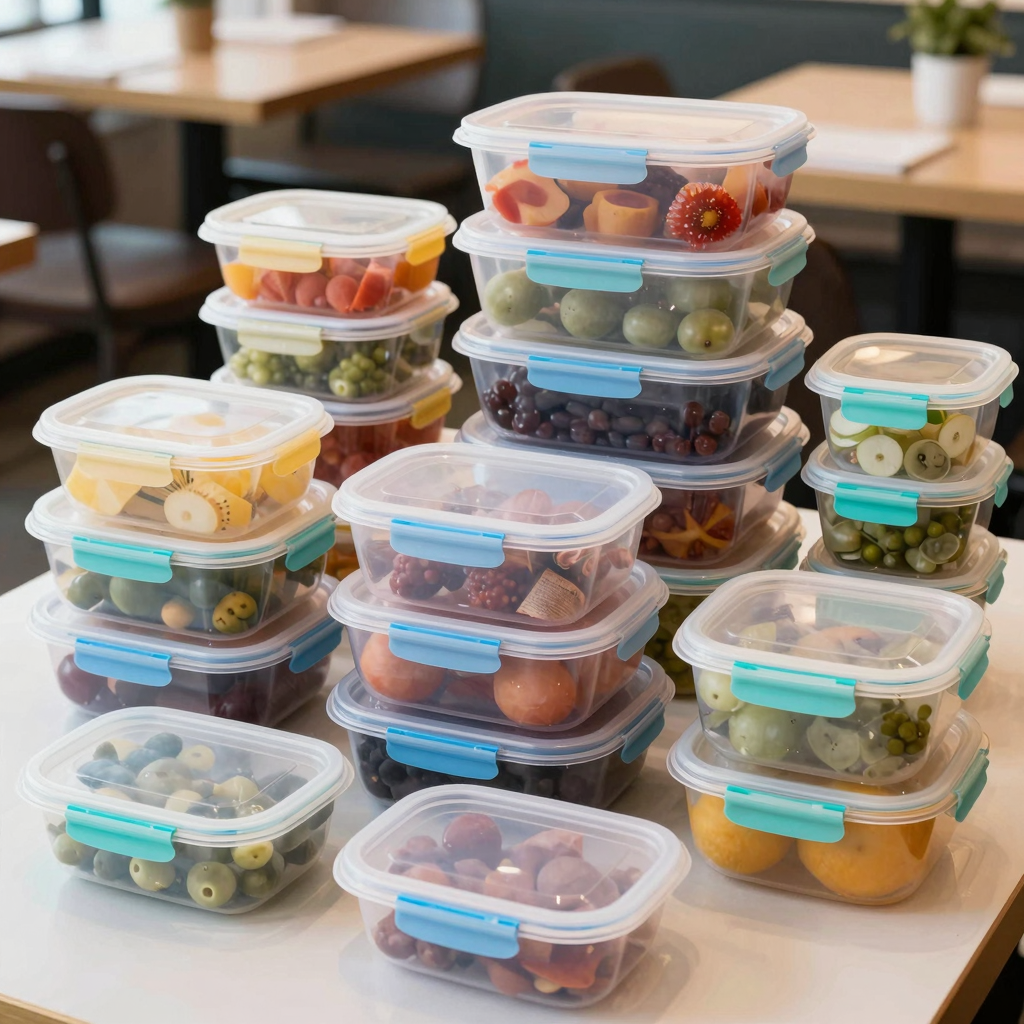
In the bustling world of food service, especially within bubble tea shops, restaurants, and catering services, the choice of packaging is pivotal. Plastic containers for hot food are not just simple vessels; they play a crucial role in ensuring safety, freshness, and customer satisfaction. Designed to withstand high temperatures, these containers protect the integrity of hot dishes and beverages while making them easily transportable. Moreover, they cater to the needs of time-strapped customers who value convenience alongside quality. Food service professionals recognize that premium packaging reflects the quality of their offerings. By utilizing innovative plastic solutions tailored for hot food, businesses can enhance customer experiences while also prioritizing safety and sustainability. It’s an essential investment in the journey from kitchen to customer, symbolizing not just food storage, but a commitment to excellence.
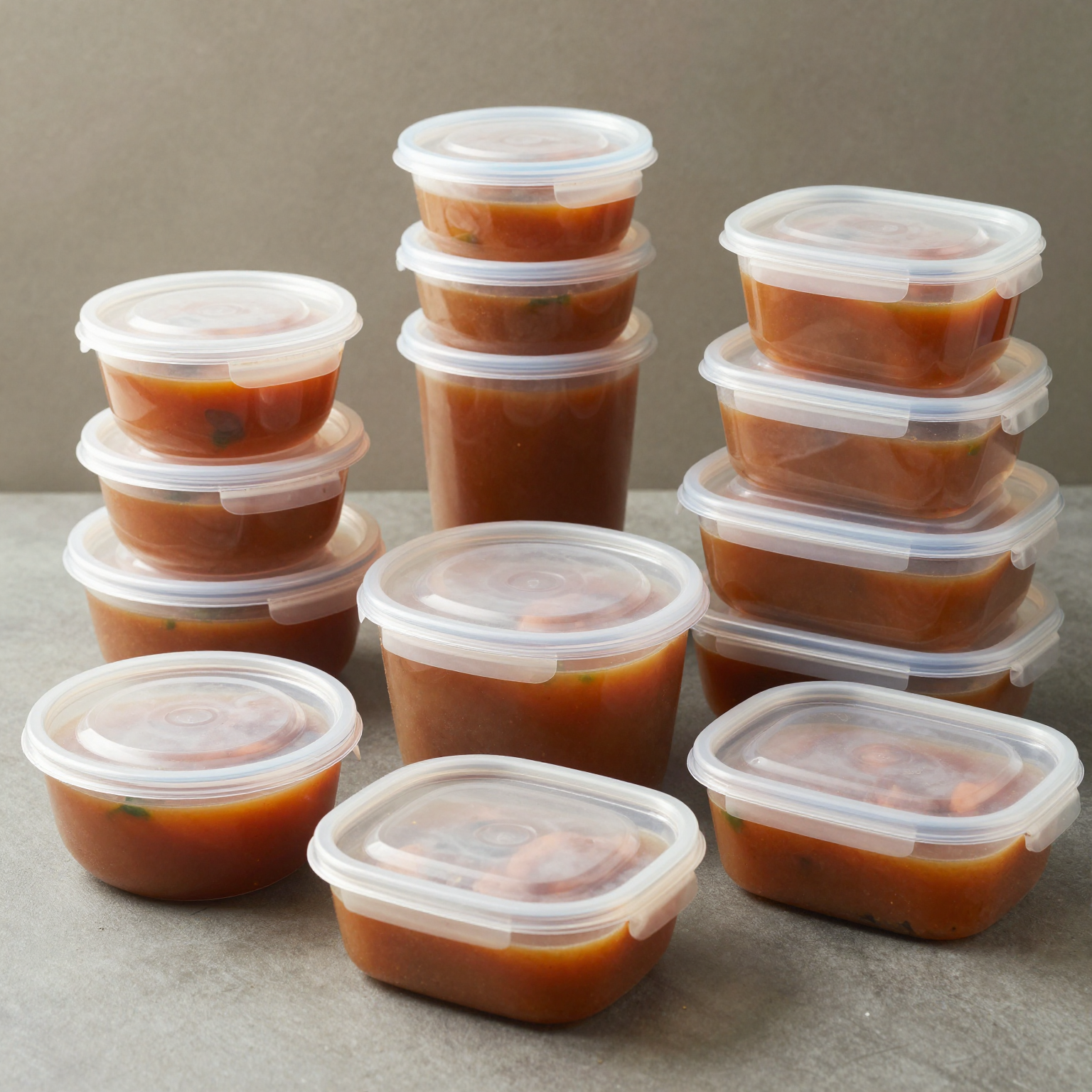
Benefits of Using Plastic Containers for Hot Food
Plastic containers are a versatile option for serving hot food in various settings-ranging from restaurants to food trucks. Below are some distinct advantages of using these containers:
-
Safety: Many plastic containers are designed from heat-resistant materials such as polypropylene, which can easily handle hot soups, stews, and other high-temperature foods without warping or releasing harmful chemicals. This ensures that the food remains safe for consumption. For more insights on safety, check out this article.
-
Durability: Plastic containers are lightweight yet robust, making them ideal for both takeout and dine-in services. Their resilience means they can often be reused, have a longer lifecycle, and resist damage during transportation.
-
Ease of Use: These containers are typically designed for user-friendliness, allowing for quick filling and sealing. Many feature snap-on lids that prevent spills while making it easy for customers to open and close them.
-
Eco-Friendliness: There are numerous options for eco-friendly plastic containers that are fully recyclable or made from biodegradable materials, which cater to health-conscious consumers who are concerned about environmental impact. For a deeper look at sustainable solutions, check out this guide.
-
Versatility: Plastic containers come in various shapes and sizes, making them suitable for soups, salads, sides, and main courses. This versatility allows businesses to simplify their inventory while catering to different types of meals.
-
Cost-Effectiveness: Compared to glass or metal options, plastic containers typically offer a more economical choice, allowing food service businesses to save money without compromising quality.
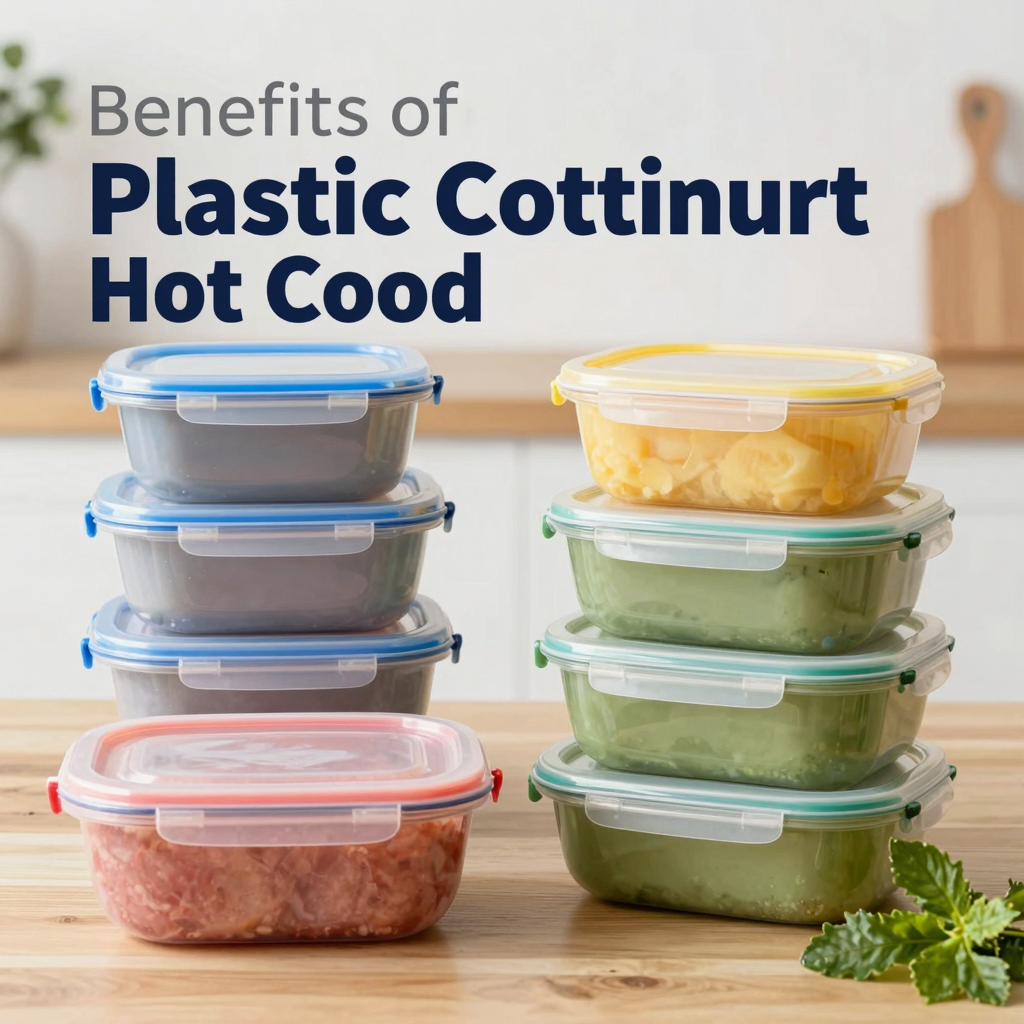
In summary, using plastic containers for hot food not only enhances the food serving experience but also addresses safety and environmental concerns, making them a preferred choice for businesses in the food industry.
Comparison of Plastic Containers for Hot Food
| Type of Container | Material | Sizes Available | Average Cost | Safety Features |
|---|---|---|---|---|
| Microwave-Safe Bowl | PP (Polypropylene) | 8 oz, 16 oz, 32 oz | $0.30 – $1.50 | FDA-approved, withstands high temperatures, no leaching |
| Hot Food Tray | C-PET | 12 x 9 inch, 8 x 6 inch | $0.50 – $2.00 | Microwave and oven-safe, great for meals |
| Take-out Container | HDPE | 16 oz, 24 oz, 48 oz | $0.20 – $1.00 | Durable, resistant to high heat, leak-resistant |
| Insulated Food Jar | Stainless Steel with Plastic Liner | 12 oz, 16 oz | $15.00 – $30.00 | Excellent heat retention, BPA-free, safe for hot contents |
| Food Thermos | PP (Polypropylene) | 10 oz, 20 oz | $10.00 – $25.00 | Designed for hot food, double-walled insulation for heat retention |
Summary and Recommendations
- When choosing plastic containers for hot food, look for high-heat resistant options like PP and C-PET.
- Consider sizes and costs that fit your specific needs, ensuring that containers can withstand the temperatures of the foods you serve.
- Look for FDA-approved and BPA-free options to ensure safety and compliance.
- For best practices, check out this guide on choosing plastic containers.
This comparison provides a clear overview to help you select the best plastic containers for your hot food offerings while maintaining quality and safety.
When it comes to serving hot food, safety is paramount, particularly regarding the containers used. Various standards and regulations are in place to ensure that plastic containers can safely hold hot foods without compromising health or quality. Here are some of the critical safety standards and regulations that caterers and food services should be aware of.
1. FDA Regulations
In the United States, the Food and Drug Administration (FDA) oversees food safety and implements stringent regulations that plastic containers must adhere to, especially those intended for hot food. According to FDA guidelines, all food contact substances, including plastic containers, must not contain harmful chemicals that could migrate into food. The relevant regulation here is FDA 21 CFR 177, which details the suitability of different plastics for food use. Containers made from polypropylene (PP #5) and high-density polyethylene (HDPE #2) are common choices for hot food due to their durability and heat-resistance (Packify Me).
2. EU Standards
For food service operations in Europe, adherence to European Union (EU) regulations is essential. These regulations are designed to protect consumer health by ensuring that all materials in contact with food are safe. Specifically, the EU has set migration limits for certain substances that might leach from packaging into food. Hot food containers must comply with these limits, meaning they should use materials tested and approved for high-temperature applications (Luzhou Pack).
3. Guidelines for Catered Meals
Catering services must consider not just the containers themselves but also their handling and transportation. Guidelines from the National Environmental Agency (NEA) emphasize the importance of using insulated containers to retain heat when delivering hot food. This practice is crucial for maintaining food safety and preventing bacterial growth (NEA Guidelines).
4. Best Practices for Choosing the Right Container
When selecting plastic containers for hot food, consider the following best practices:
- Material Compliance: Ensure the container is made from FDA-approved materials suitable for hot food use.
- Temperature Limits: Be aware of the temperature limits stated by the manufacturer; some materials can warp or release toxins if exposed to high heat.
- Insulation Features: Opt for containers designed to retain heat effectively, which is especially important in a catering context.
- Reusable vs. Disposable: Depending on your business model, consider the implications of reusability versus disposability, including environmental impacts and cost-efficiency.
Conclusion
In summary, understanding the safety standards and regulations surrounding plastic containers for hot food is crucial for ensuring food safety and compliance in catering and food service operations. By adhering to FDA and EU guidelines, as well as implementing best practices for container selection and food handling, businesses can prepare and serve food confidently.
For valuable insights into food-grade containers and more, explore our full blog on plastic food containers.
By fostering awareness of these safety considerations, businesses can enhance their operational efficiency while ensuring the safety and satisfaction of their customers.
Understanding User Preferences for Hot Food Containers
In recent studies, user preferences for hot food containers have shown significant trends that cater to both functionality and safety. One of the key aspects that consumers focus on is temperature retention. A study published in the Journal of Thermal Analysis validated that isothermal containers are capable of maintaining food temperatures above 65°C, which is crucial for ready-to-eat meals. This capability highlights the increasing demand for products that ensure food stays warm longer, making them ideal for restaurants, food trucks, and catering services learn more.
Additionally, it has been revealed through various surveys that consumer safety is at the forefront of decision-making. Approximately 82% of respondents in a recent survey stated that the material safety of food containers is their top priority. Furthermore, features like leak-proof design are essential to consumer satisfaction. Containers that prevent spills and maintain food quality are favored by users, particularly in fast-paced environments such as food trucks and event catering read more about consumer preferences.
The importance of leak-proof capabilities cannot be overstated, with many users expressing strong preferences for containers designed with silicone seals, which reportedly perform better in leak-proof evaluations. In fact, around 85% of consumers reported high satisfaction levels regarding leakage performance from such designs. This indicates a growing trend towards containers that offer reliable seals, catering to the demands of those who prioritize both convenience and safety in their food storage solutions.
When choosing hot food containers, considerations such as thermal performance and leak prevention not only influence consumer satisfaction but also play a critical role in food safety and quality, particularly in the food service industry.
Eco-Friendly Practices in Plastic Containers for Hot Food
As the demand for convenience in the food service industry rises, ensuring that this convenience doesn’t come at the expense of our planet is crucial. At Green Dispo Pack, we are committed to embracing eco-friendly practices in both the manufacturing and use of plastic containers for hot food.
Sustainable Manufacturing
Our manufacturing processes prioritize sustainability through:
- Recycled Materials: We utilize recycled plastic (RPET) in our containers, which not only minimizes waste but also reduces energy consumption during production. According to studies, using RPET can lead to less environmental impact compared to new plastic production. Green Paper Products highlights that recycled materials often outperform traditional plastics in strength and heat resistance, making them ideal for hot food.
- Energy Efficiency: Our operations employ energy-efficient technology and processes. This not only lowers carbon emissions but also conserves valuable resources in the manufacturing process.
Commitment to Sustainability
We advocate for practices that support a circular economy. Our containers are designed to be 100% recyclable, encouraging our customers to participate in recycling initiatives. Additionally, they are produced using less plastic than traditional options, significantly reducing waste.
For those looking to make a lasting impression with their eco-friendly choices, our products represent a commitment to both quality and sustainability.
We believe that together we can create a sustainable future, ensuring that our food packaging solutions do their part to protect the environment.
Lifespan of Various Container Materials
Understanding the lifespan and recyclability of materials used for hot food containers is crucial for making eco-friendly choices. Here’s an overview of the lifespans of different materials and their recyclability:
| Material | Lifespan When Used for Hot Food | Recyclability |
|---|---|---|
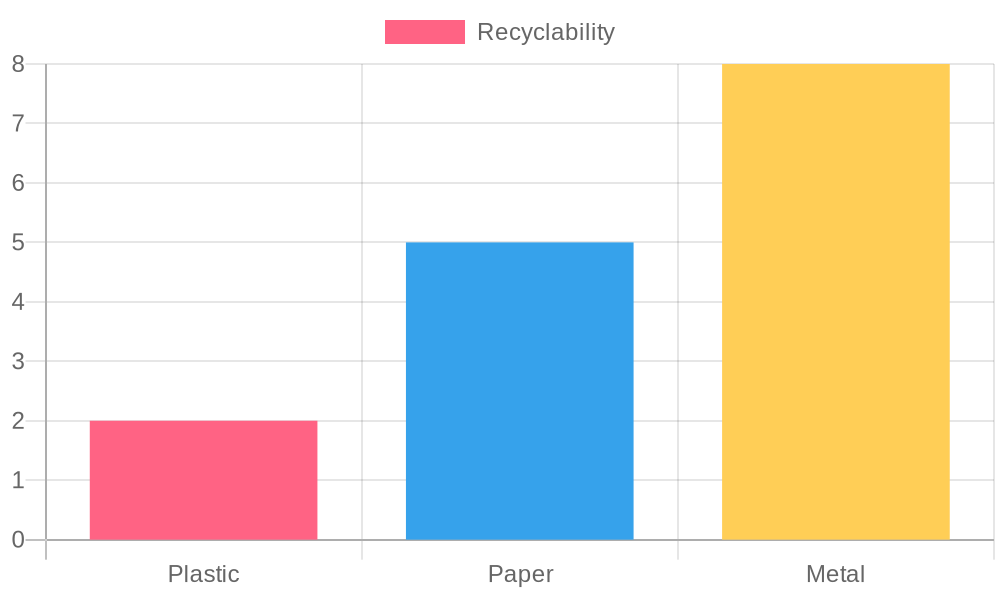
| Plastic | Up to 450 years (non-biodegradable) | Low – limited recycling rates; often ends up in landfills or oceans; some types (e.g., PET, HDPE) are recyclable but require proper sorting |
| Paper | 2-6 months (biodegradable under ideal conditions) | High – widely recyclable and compostable if not contaminated with grease or food residue |
| Metal | 100-500 years (durable and corrosion-resistant) | Very High – highly recyclable (e.g., aluminum and steel); can be recycled indefinitely without loss of quality |
Illustrated below is a chart showcasing the recyclability of these materials:
For more details about eco-friendly packaging options, check out our blog on plastic food containers or learn about compostable paper cups.
Conclusion and Call to Action
Choosing the right plastic containers for hot food is more than just a matter of convenience; it’s crucial for ensuring food safety, maintaining flavor, and enhancing the overall dining experience. With materials like polypropylene (PP), which resists melting under high temperatures, you can confidently serve hot meals without compromising quality. As highlighted in various articles, including the importance of choosing the right soup container and the benefits of disposable food containers, using appropriate plastic containers helps preserve the integrity of your dishes.
At Green Dispo Pack, we specialize in providing tailored solutions for your container needs. Our products are designed with durability and heat resistance in mind, ensuring that your hot food stays safe and delightful for your customers. Don’t leave the quality of your food storage to chance-contact us today for customized options that fit your business needs!
Your success in the food service industry starts with the right choices!
Customer Testimonial
“Switching to GreenDispoPack’s plastic containers for our hot food service has transformed our operations. Our customers love how fresh and warm their meals arrive, and we’ve noticed a significant drop in spills and leaks during delivery. It’s a win-win situation!”
- Maria, Owner of Happy Bites Catering
Plastic containers designed for hot foods not only enhance the overall service experience but also ensure that food stays warm and intact during transport. This testimonial highlights the importance of reliable packaging, helping businesses like restaurants, food trucks, and catering services elevate their service standards. Learn more about plastic containers for hot food.