Introduction to Plastic Food Containers in Arauco, Chile
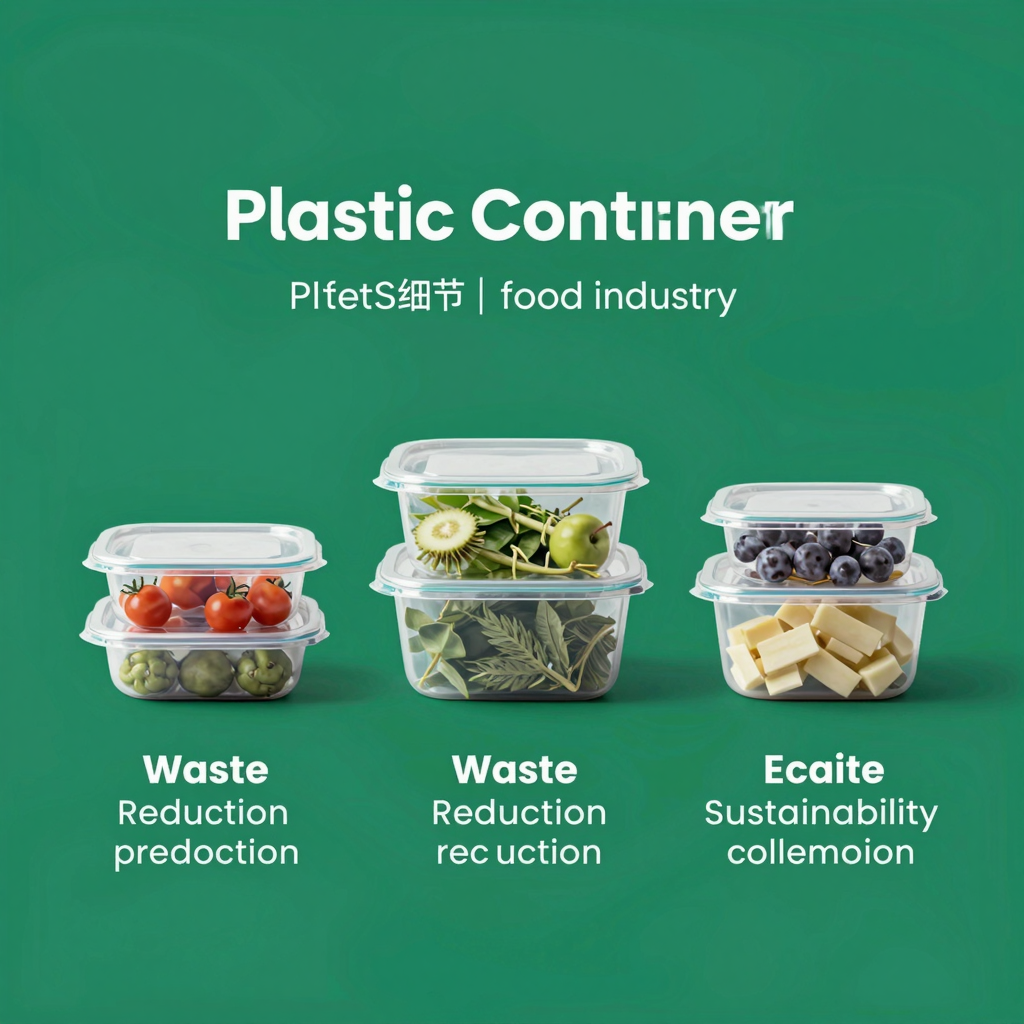
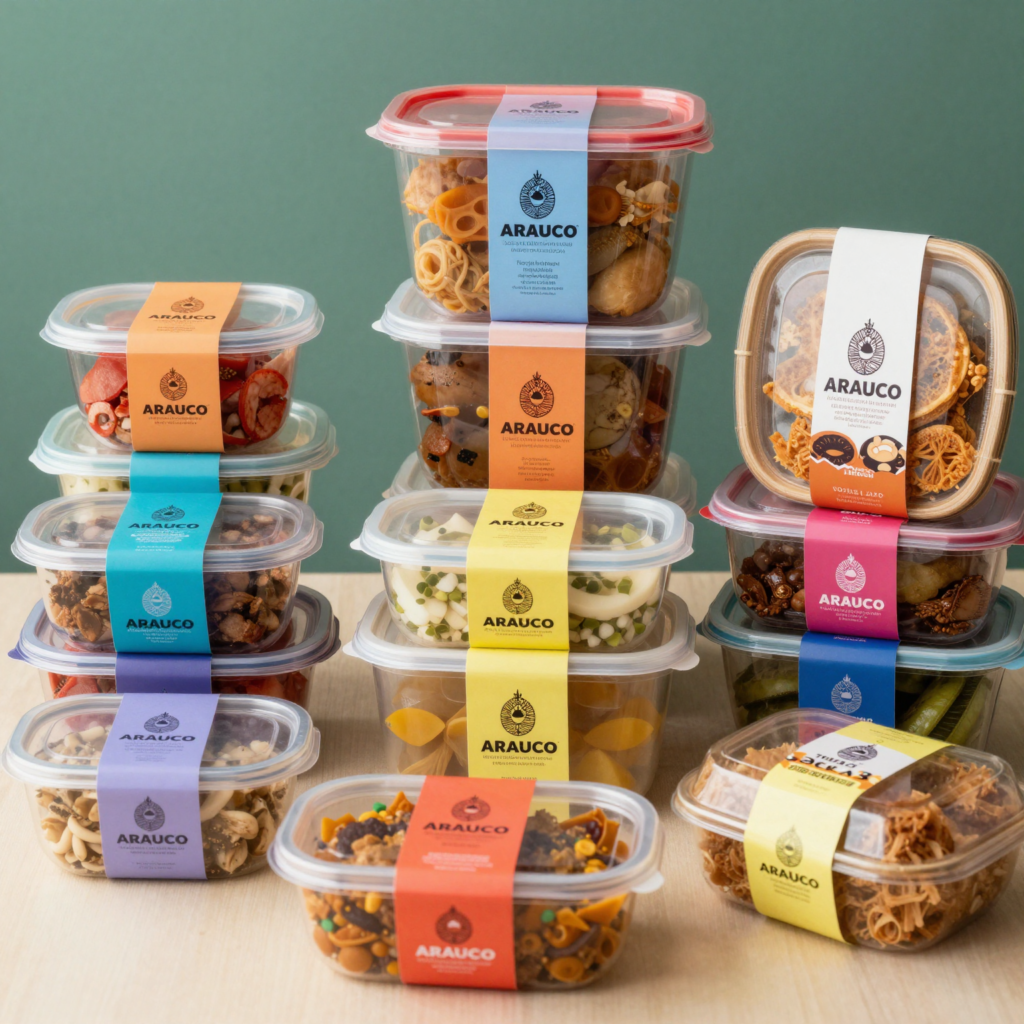
In the bustling culinary landscape of Arauco, Chile, the importance of plastic containers for food cannot be overstated. These versatile packaging solutions play a crucial role in the operations of various businesses, including bubble tea shops, restaurants, and catering services. With a growing demand for convenient takeaway options and efficient food storage, the relevance of disposable plastic containers has surged, making them essential for food service professionals.
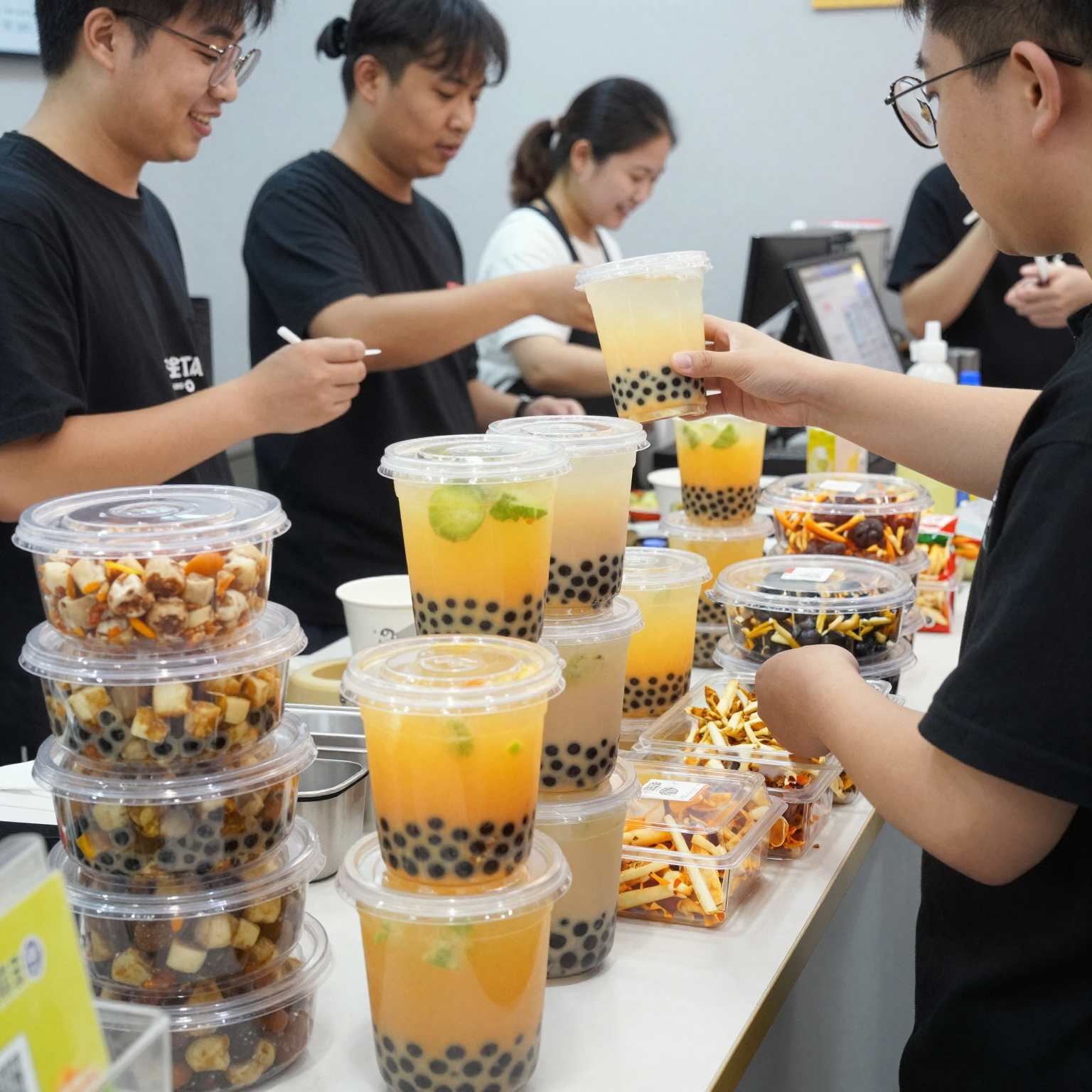
Plastic food containers offer unmatched convenience, durability, and versatility. For bubble tea shops and beverage chains, clear plastic cups are not only functional but also allow customers to enjoy the vibrant colors of their drinks. Restaurants benefit from using plastic food containers for takeout orders, helping them maintain food freshness during transport. Catering companies often rely on these containers for seamless service at events, ensuring that dishes arrive safely and attractively.
Moreover, the trend toward sustainability is affecting the disposable plastic industry as well, with many businesses seeking eco-friendly options like compostable plastics. This shift has made it crucial for food service providers to stay updated on the latest trends and products in disposable packaging. As such, understanding the best practices for utilizing these containers while prioritizing sustainability can greatly enhance operational efficiency and customer satisfaction in Arauco’s food service sector. Learn more about clear plastic containers that are perfect for your needs.
Benefits of Plastic Containers in Food Storage
Plastic containers are becoming essential tools in food storage and service for a variety of culinary businesses, from bubble tea shops to catering services. Here are the key benefits that make plastic containers an ideal choice:
1. Safety and Hygiene
Plastic containers provide a safe storage solution for food, as they are designed to prevent contamination. With properties that resist bacteria and mold growth, using high-quality plastic food containers significantly enhances food safety. As reported by Benxon Pack, these containers act as strong barriers against contaminants, ensuring that the quality and safety of the food being served are well maintained.
2. Convenience
One of the standout benefits of plastic containers is their convenience. They are lightweight and durable, making them easy to transport and stack, which is essential for food trucks and event catering services. Moreover, many plastic containers are microwave and freezer safe, catering to various food storage needs. According to a report from Market Reports World, microwave-safe and freezer-compatible containers account for about 65% of U.S. unit demand, highlighting their popularity in food storage solutions.
3. Cost-Effectiveness
Another advantage of plastic containers is their cost-effectiveness. As the global market for plastic food containers is projected to grow significantly, driven by their affordable nature, businesses find that plastic options help manage costs without compromising quality. This affordability allows food service providers to optimize their spending while ensuring that they provide quality food experiences for their customers. For example, the global Plastic Food Containers market was valued at approximately USD 35.54 billion in 2024, expected to reach USD 49.55 billion by 2032, reflecting the increasing demand for these containers (Intel Market Research).
In summary, plastic containers bring versatility, safety, and financial benefits to food storage and service, making them indispensable tools for anyone in the food industry.
Key Features of High-Quality Plastic Containers for Food Businesses
-
Durability: High-quality plastic containers are designed to resist cracking, chipping, and warping, making them perfect for busy environments like restaurants and food trucks. Many are made from robust materials, such as polypropylene, enhancing their longevity.
-
Leak-Proof Design: Ensuring that food and liquids remain contained is crucial for food safety and cleanliness. Leak-proof designs prevent spills, making them ideal for transport and storage.
-
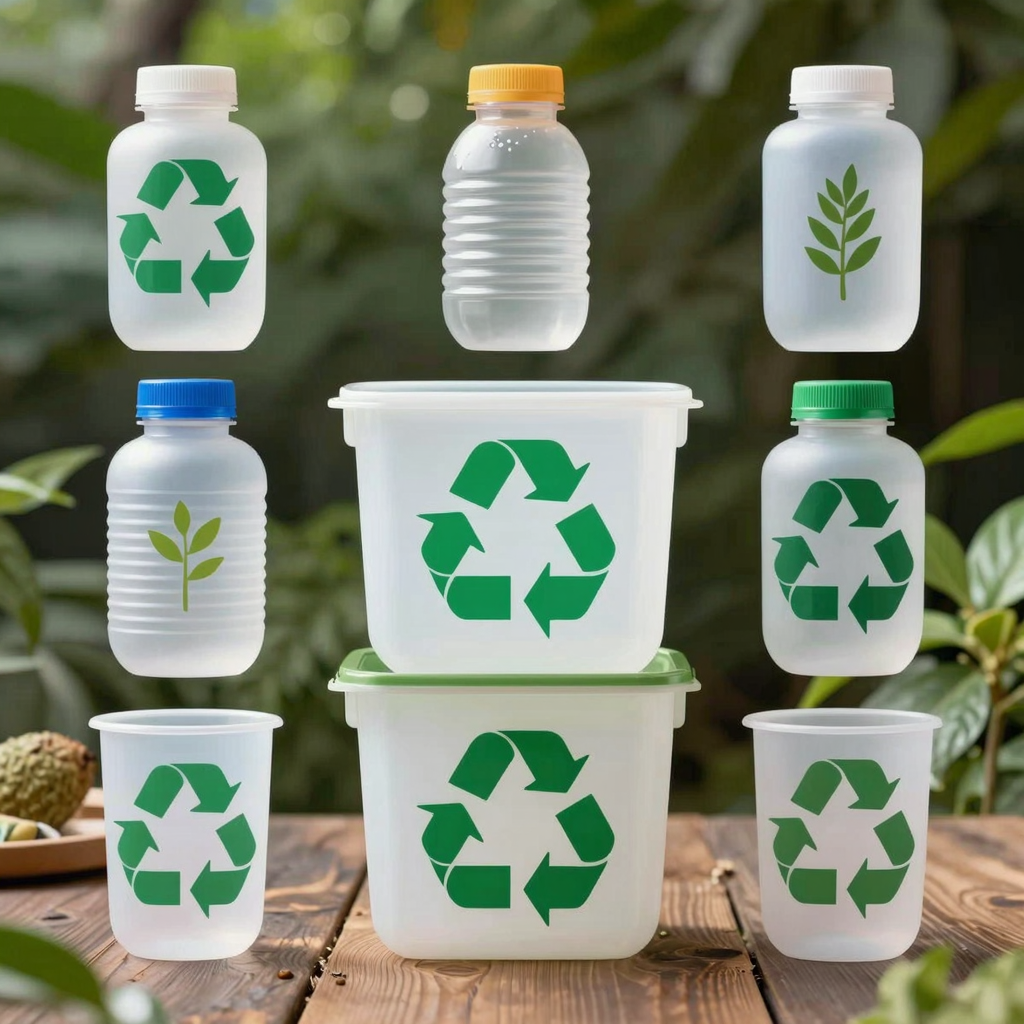
Eco-Friendliness: Many modern plastic containers are made from recyclable materials or can be reused multiple times, aligning with sustainability goals in the food industry. Restaurants focusing on environmental responsibility can benefit from eco-friendly options that reduce waste.
-
Versatility: These containers often come in various sizes and shapes, accommodating different types of food from salads to desserts, making them a flexible choice for caterers and food service providers.
-
Ease of Cleaning: High-quality plastic containers are typically non-porous and can withstand repeated washing, ensuring sanitation and hygiene are easily maintained. This feature is crucial for compliance with health regulations.
-
Temperature Retention: Many plastic food containers are designed to withstand cold and hot temperatures, ensuring food maintains its intended temperature. This feature contributes to food safety and quality during transportation.
Implementing these features in your food service operation can enhance efficiency, safety, and customer satisfaction. For more information on specific products, check out our guide on plastic food storage containers or explore our custom plastic options.
Comparison of Plastic Container Types for Food Service
In the food service industry, selecting the right plastic containers is crucial for maintaining food safety and reducing costs. Below is a comparison table of various types of plastic containers commonly used, highlighting their materials, sizes, uses, and average costs.
| Type | Material | Common Sizes | Typical Uses | Average Cost (USD per unit) |
|---|---|---|---|---|
| PET (Polyethylene Terephthalate) | PET | 16 oz, 32 oz, 1 L, 2 L | Beverage containers, water bottles, salad containers, single-serve condiments | $0.10 – $0.30 |
| PP (Polypropylene) | PP | 8 oz, 16 oz, 32 oz, 500 mL, 1 L | Microwave-safe food containers, takeout boxes, meal prep containers, yogurt cups | $0.15 – $0.40 |
| LDPE (Low-Density Polyethylene) | LDPE | 1 qt, 2 qt, 5 qt, 1 gallon | Food storage bags, wrap, bulk packaging, produce bags, freezer storage | $0.05 – $0.20 |
| HDPE (High-Density Polyethylene) | HDPE | 1 L, 2 L, 3 L, 5 L, 5-gallon jugs | Milk jugs, detergent bottles, oil containers, reusable food storage | $0.20 – $0.70 |
| PS (Polystyrene) | PS (Styrofoam or rigid PS) | 8 oz, 12 oz, 16 oz, 24 oz | Fast food containers, disposable plates, takeout lids, coffee cups | $0.10 – $0.50 |
| PVC (Polyvinyl Chloride) | PVC | Limited in food service | Rarely used due to safety concerns; some specialty wraps | $0.25 – $0.60 (rare) |
| PLA (Polylactic Acid) | Bioplastic (PLA) | 8 oz, 16 oz, 32 oz | Compostable food containers, eco-friendly takeout packaging, single-use cutlery | $0.30 – $0.80 |
Key Insights:
- PET is widely used for its clarity and strength, making it ideal for beverages.
- PP is favored for its heat resistance, suitable for microwave and meal prep applications.
- LDPE is often used for soft packaging solutions like food bags, offering versatility in storage.
- HDPE containers are durable and reusable, often seen in thicker products like milk and oil.
- PS is considered for disposable food service items due to its low cost.
- PLA presents a sustainable option for eco-conscious brands seeking compostable containers.
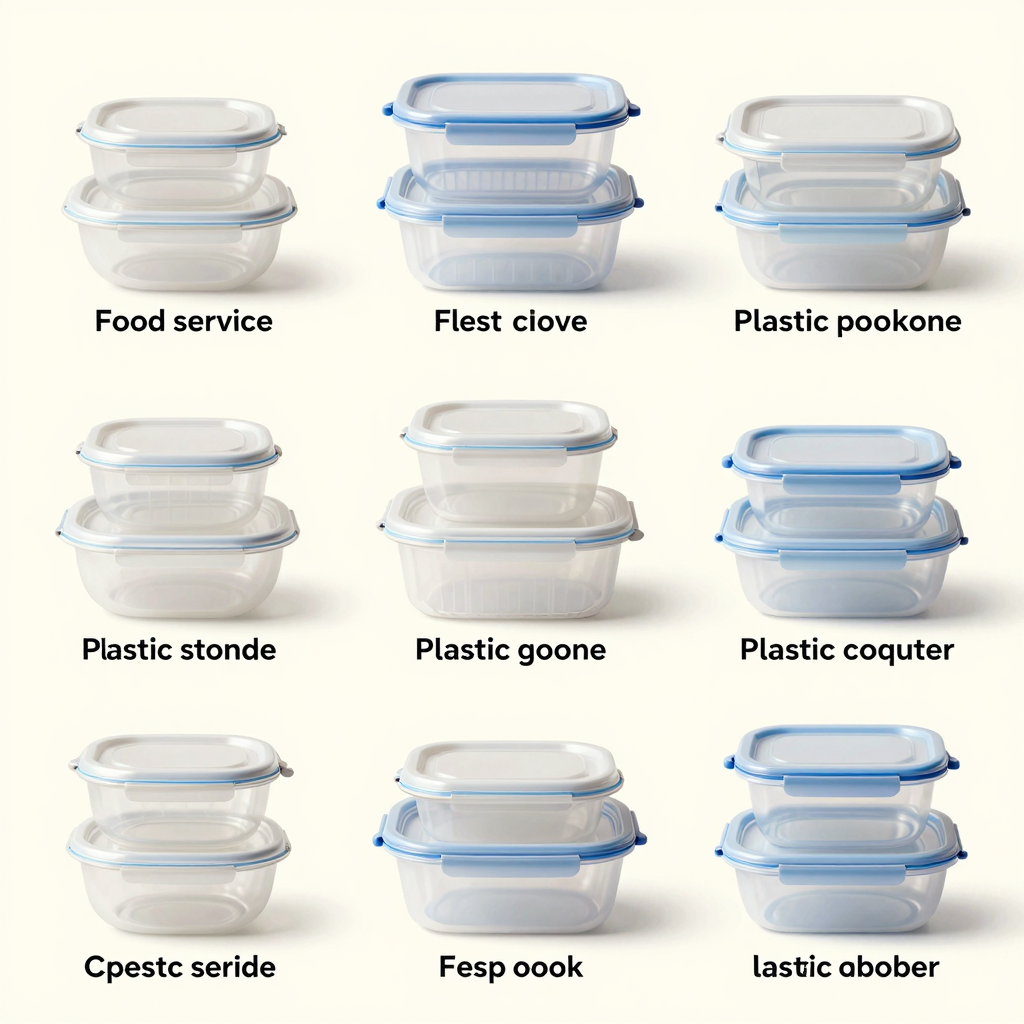
To further explore topics related to plastic food containers, you can check out our articles on plastic packaging trends and making sustainable choices.
Average Cost Comparison of Plastic Materials:
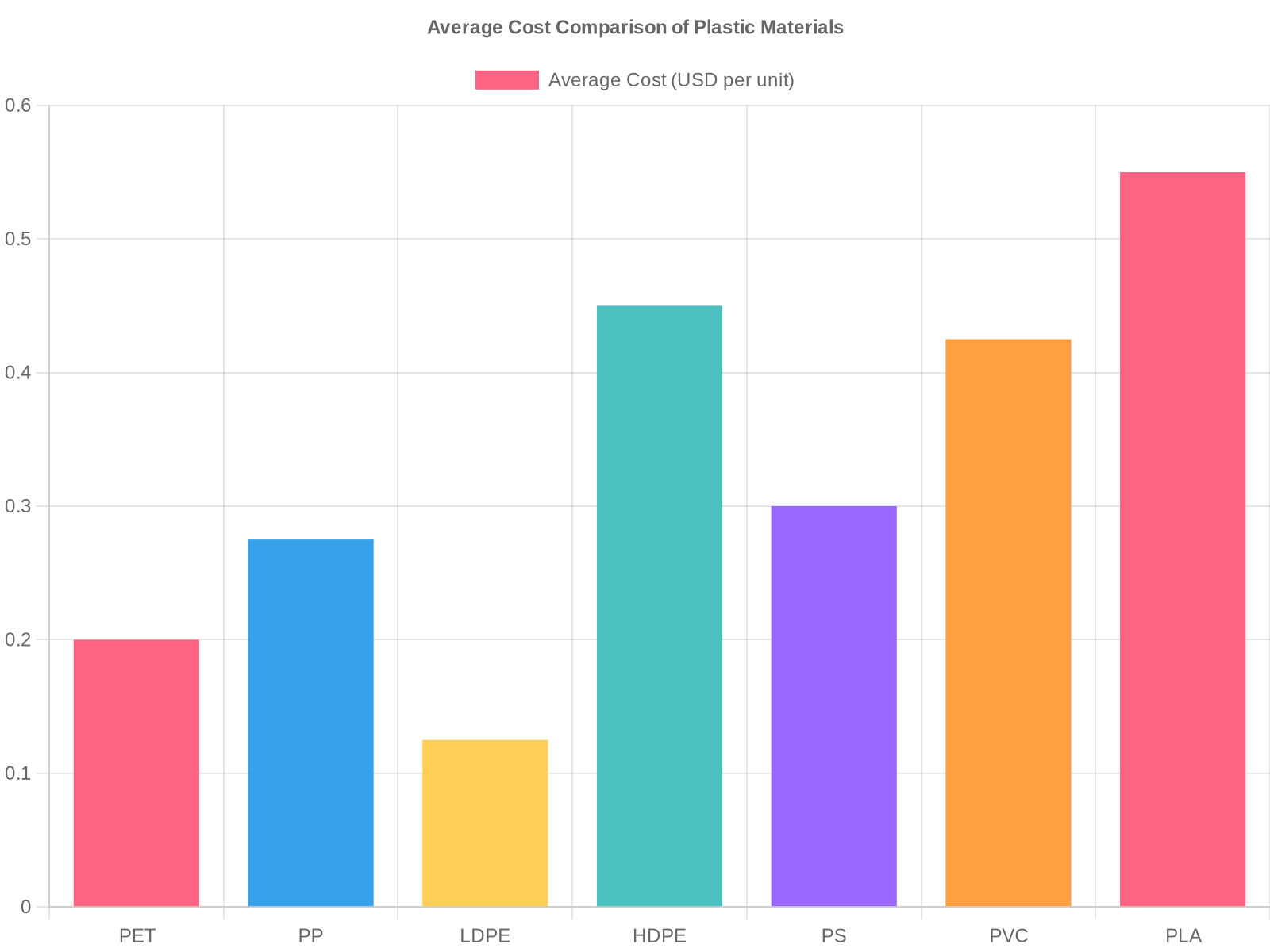
This table combines data from several resources, including Webstaurant Store and Restaurantware.
Customer Testimonial
“We’ve been using Green DispoPack’s plastic containers in our café, and I can’t emphasize enough how reliable they are! Not only do they keep our bubble tea fresh, but their durability is impressive. We’ve tried other brands, but none compare to the quality we get with Green DispoPack. The lids fit securely, and we never worry about leaks. It’s a game-changer for our service. Our customers frequently complement us on how professional our presentation looks too!”
– María González, Owner of Sweet Brews Café
This testimonial showcases the quality and reliability of our plastic containers, reinforcing the trust potential clients can have in our products. For more insights about the benefits of using our containers, you can learn more about our offerings.
The story shared by María highlights a genuine customer experience that appeals to our target audience, including bubble tea shops, restaurants, and catering services, showcasing how our products enhance their operations and customer satisfaction.
Safety Standards Compliance for Plastic Food Containers
In the food service industry, maintaining high safety standards is crucial for ensuring the health and well-being of consumers. Plastic food containers, particularly those made from high-quality materials, are subject to specific safety standards that govern their use in food contact applications. One of the most important standards is the GB 4806.7-2023, which outlines the requirements for food contact plastics in China. Compliance with this standard ensures that containers are free from harmful substances and do not compromise food safety.
Importance of Compliance
Compliance with safety standards not only protects consumer health but also offers several benefits for businesses, including:
- Building Consumer Trust: When customers know that your packaging meets safety standards, they are more likely to trust your products.
- Reducing Liability: Adhering to regulations minimizes the risk of foodborne illness outbreaks, which can lead to expensive lawsuits and reputation damage.
- Enhancing Quality Assurance: Providing high-quality, compliant food containers demonstrates a commitment to quality, which can differentiate your business in a competitive market.
By ensuring that your plastic food containers meet safety standards, you reinforce your brand’s reputation and encourage customer loyalty. Effective compliance also means that businesses are better positioned to meet government regulations, making it easier to navigate product approvals and inspections.
To learn more about creating branding with compliant containers, check out our article on clear plastic cups with logos. Also, discover how proper food storage can enhance your service quality by reviewing our discussion on plastic food storage container options.
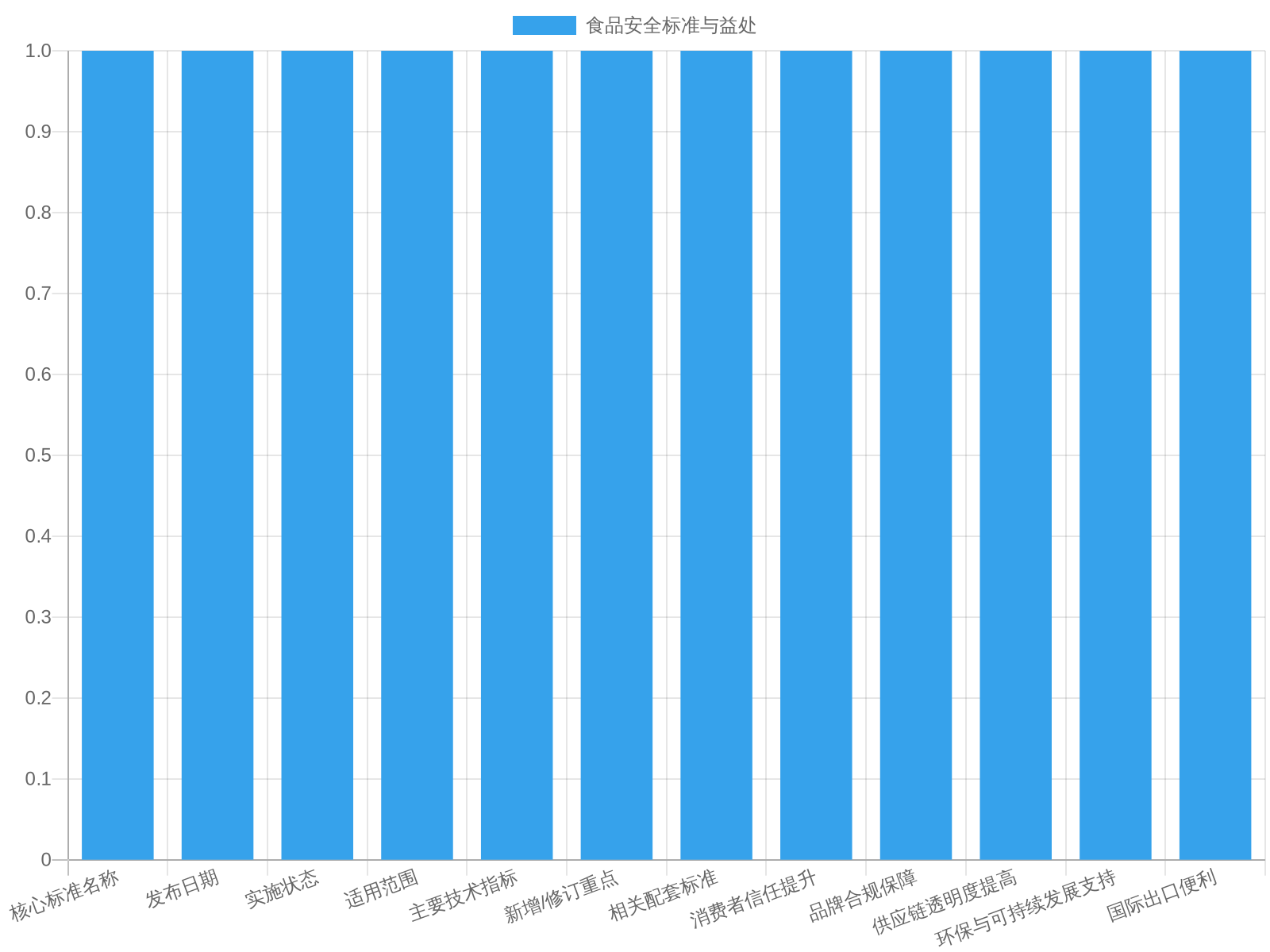
Key Compliance Standards Chart
To excel in the food service industry, investing in compliance with safety standards for plastic food containers is not just beneficial, but essential!
Eco-Friendliness in Plastic Container Manufacturing
At Green Dispo Pack, we are committed to sustainable manufacturing practices that minimize our environmental impact while meeting the needs of our customers in the food service industry. Our plastic containers, produced in Arauco, Chile, are made from eco-friendly materials that integrate recycled plastics, reducing dependency on virgin resources. This not only conserves energy and decreases greenhouse gas emissions but also promotes a circular economy in the plastic manufacturing sector.
Sustainable Practices in Manufacturing:
- Use of Recycled Materials: By incorporating recycled plastics into our production processes, we help lower the volume of waste in landfills and promote the recycling industry.
- Energy-Efficient Processes: Our facilities adopt energy-efficient technologies to reduce energy consumption during manufacturing, further lowering our carbon footprint.
- Waste Reduction Initiatives: We work towards minimizing waste throughout our processes by implementing efficient logistics and production techniques that allow us to recycle and reuse materials wherever possible.
Aligning Your Business with Sustainability
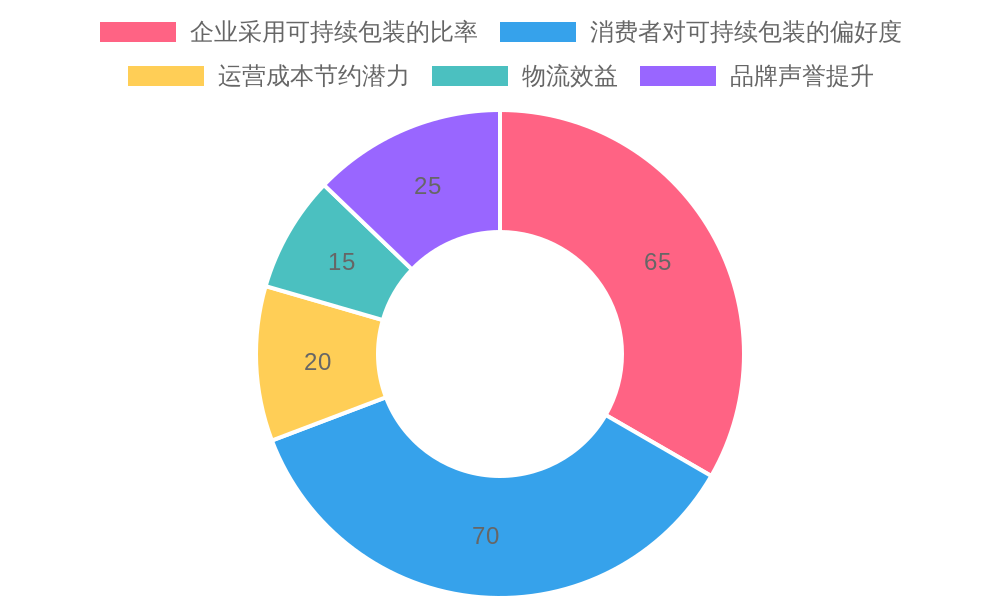
By choosing our products, beverage chains, restaurants, and event planners can align with eco-friendly practices that resonate with today’s eco-conscious consumers. Sustainable packaging not only attracts customers but can also lead to cost savings by reducing material usage and optimizing transport efficiency.
For further information on our sustainable offerings, check our post on sustainable packaging solutions.
Conclusion
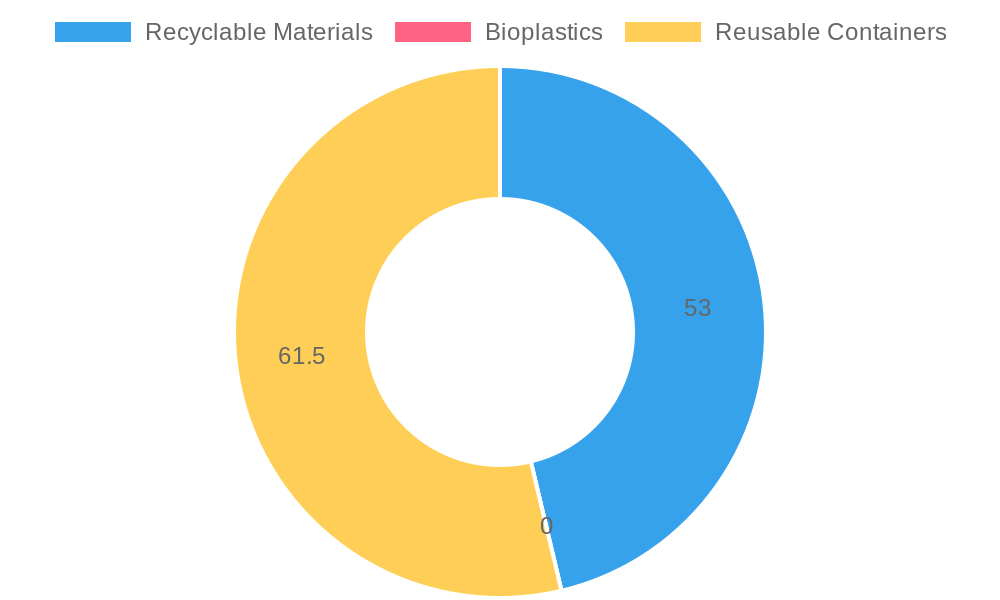
In summary, plastic containers play an essential role in the food industry, particularly for businesses like bubble tea shops, restaurants, food trucks, and catering services. They are pivotal for preserving food quality, extending shelf life, and reducing waste, making them indispensable in our modern food supply chain. As shown by recent trends, 53% of consumers now prioritize recyclable materials in food packaging, with a growing interest in bioplastics and reusable containers. This shift demonstrates a collective move towards sustainability within the industry. As you consider options to enhance your food service operations, remember that adopting eco-friendly plastic solutions not only caters to consumer preferences but also aligns with broader sustainability goals.
Collaborating with Green DispocPack can be the next step in your journey towards incorporating modern, sustainable food packaging solutions. We invite you to explore our range of plastic containers designed specifically for your needs and partner with us to create a positive impact together.
For any inquiries or to discuss your specific requirements, feel free to reach out-we’re here to help!