Introduction
In the ever-evolving landscape of the food service industry, the importance of disposable baby food containers has surged dramatically. These containers are no longer just for feeding toddlers-they’ve become essential tools for bubble tea shops, restaurants, food trucks, and catering services looking to enhance their operational efficiency. Not only do disposable baby food containers offer convenient packaging that streamlines service and reduces cleanup time, but they also cater to the growing demand for eco-friendly solutions in a world increasingly concerned with sustainability. As consumers lean toward businesses that prioritize environmentally conscious practices, adopting cost-effective solutions such as these containers can set establishments apart in a competitive market. This article explores why food service professionals should consider integrating disposable baby food containers into their offerings, ensuring they meet customer expectations while also simplifying their operations.
Whether you’re a food truck owner serving up delightful meals on-the-go or a restaurant looking for effective portion control without sacrificing quality, these versatile containers present a compelling option. After all, in today’s fast-paced world, providing food options that are not only convenient but also eco-friendly can significantly contribute to customer satisfaction and loyalty. By choosing the right disposable baby food containers, you’ll be setting your establishment on a path toward success while also promoting a more sustainable future.
Benefits of Using Disposable Baby Food Containers for Food Businesses
Utilizing disposable baby food containers can provide a multitude of benefits for food businesses. Here’s a concise list of some of the key advantages:
-
Convenience: Disposable containers streamline the food serving process. They reduce the need for washing and sanitizing, allowing businesses to focus more on preparation and service. This is especially beneficial in fast-paced environments such as food trucks and catering services.
-
Hygiene: These single-use containers offer superior hygiene compared to reusable options. They minimize the risk of cross-contamination, ensuring that food is served fresh and safe for babies and children, which is paramount in this market.
-
Safety Standards: Many disposable baby food containers are made from materials that meet strict safety regulations, such as FDA approval. This compliance helps businesses uphold high safety standards, increasing consumer trust in their products.
-
Eco-Friendliness: With a rise in environmentally-conscious consumerism, businesses can opt for eco-friendly disposable options. Containers made from biodegradable materials appeal to parents looking to reduce their environmental impact, thereby enhancing brand image.
-
Customer Satisfaction: By offering practical and safe packaging, businesses can boost customer satisfaction. Parents appreciate the convenience of ready-to-eat meals, which can lead to repeat business and positive word-of-mouth referrals.
These advantages illustrate why disposable baby food containers can be a game-changer for food businesses aiming to cater to a family-friendly audience. For those interested in eco-friendly options, check out our blog on compostable containers.
By leveraging these benefits, businesses can enhance their service offerings and align with the needs of modern consumers.
Comparison of Disposable Baby Food Containers
When selecting disposable baby food containers, it’s essential to consider various factors such as material, size options, cost, and suitable uses. Here’s a detailed comparison that can help you make informed decisions for your restaurant, food truck, or catering service.
| Material | Size Options (ml) | Cost per Unit (USD) | Suitable Uses for Restaurants and Food Services |
|---|---|---|---|
| Plastic (PET) | 200, 300, 500, 750, 1000 | $0.07 | Food trucks, catering events, quick-service restaurants (QSRs), takeout orders |
| Biodegradable (PLA – Plant-based) | 200, 300, 500, 750, 1000 | $0.12 – $0.15 | Eco-conscious restaurants, upscale catering, health food cafes, events with sustainability goals |
| Paper (with biodegradable lining) | 200, 300, 500, 750 | $0.09 – $0.13 | Cafes, school lunch programs, short-duration events, disposable service in environmentally sensitive areas |
Visual Representation of Costs
Below is a bar chart that visually represents the cost per unit of different disposable baby food container materials:
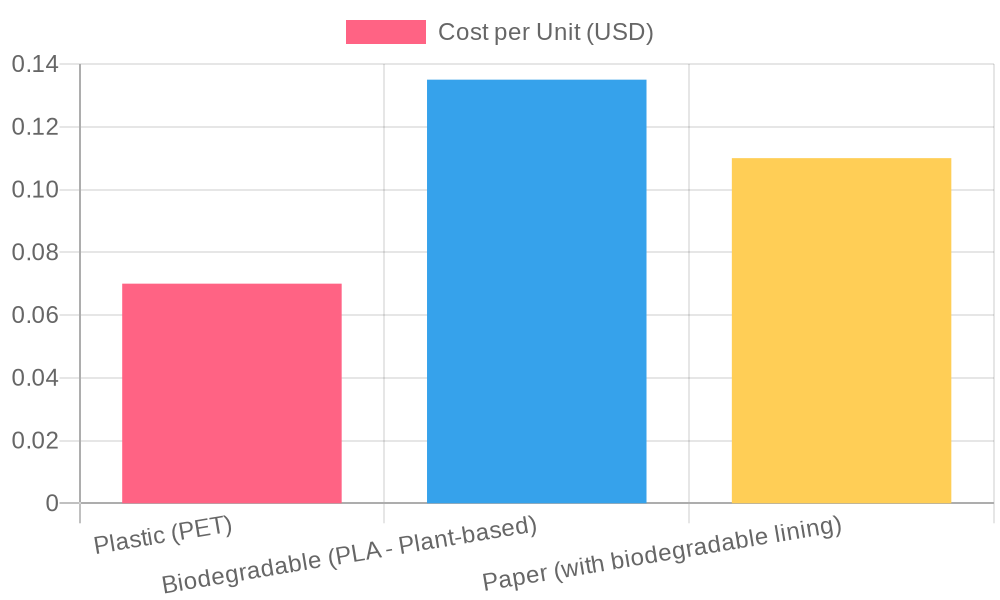
This comparison is vital for making purchases that will not only serve your immediate business needs but also align with your environmental goals. For instance, using biodegradable containers can enhance your brand’s reputation while catering to eco-conscious consumers.
For further insights into disposable containers, check out custom plastic forming machines for disposable bowls or explore our range of dishware suitable for baby food.
Eco-Friendly Options in Disposable Baby Food Containers
In today’s environmentally-conscious market, the importance of eco-friendly disposable baby food containers cannot be overstated. As consumers become increasingly aware of the environmental impacts of packaging, businesses in the food industry, including bubble tea shops, restaurants, and catering services, are faced with the challenge to adopt sustainable practices.
The shift towards eco-friendly packaging must focus on products that are biodegradable or made from recycled materials. Biodegradable containers, such as those made from cornstarch or bagasse, offer the advantage of breaking down naturally without leaving harmful residues. This contrasts sharply with traditional plastic containers, which can take hundreds of years to decompose, contributing significantly to landfill waste.
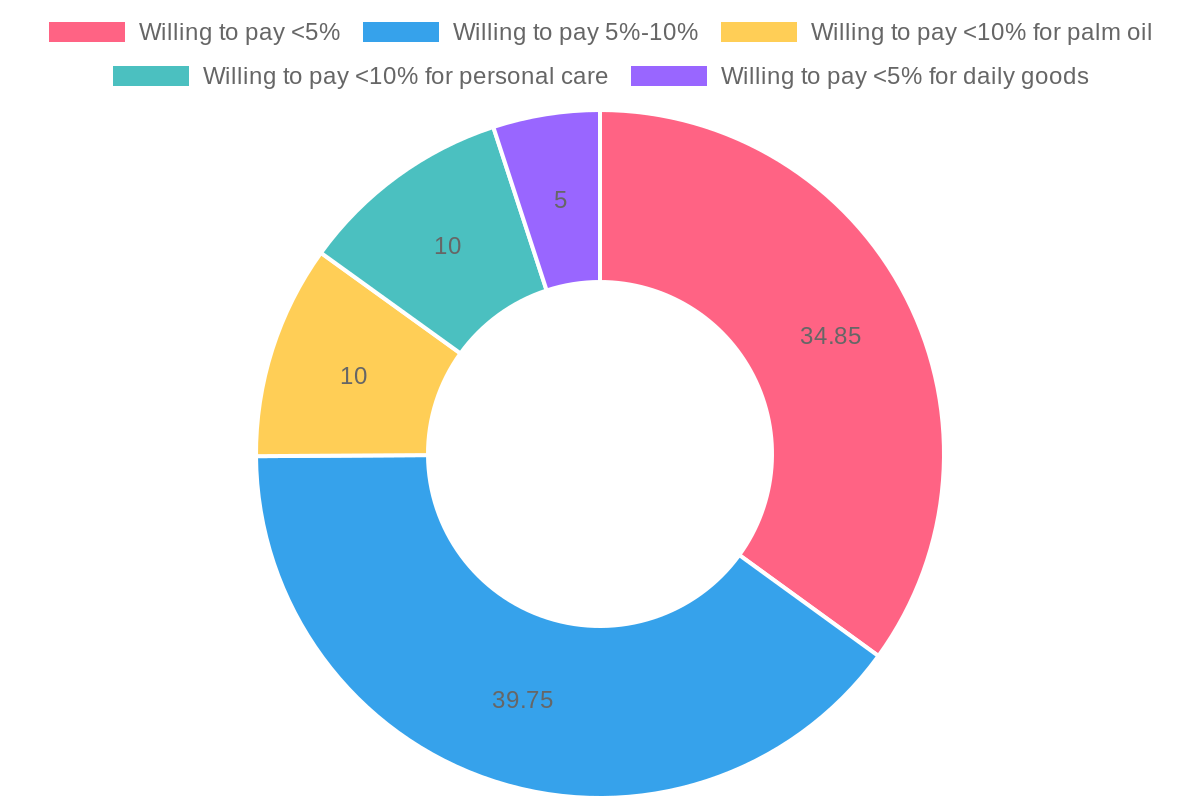
Furthermore, eco-friendly packaging not only supports the planet but also aligns with consumer preferences. According to recent statistics, 46% of consumers in 2023 reported purchasing at least one sustainable product every month. Additionally, a significant 61.6% of consumers are inclined to choose eco-friendly products, citing quality assurance and traceability as primary motivators.
| Consumer Preference Category | Data & Insights |
|---|---|
| Willing to pay for sustainable products | 34.85% willing to pay <5%, 39.75% willing to pay 5%-10% for certified products. |
| Attributes liked in disposable dinnerware | ‘Plastic-free’ and ‘recyclable’ are the most desirable features. |
| Core motivations | 61.6% select eco-friendly products for quality assurance and traceability. |
Eco-friendly products are not merely a trend; they represent a profound shift in consumer behavior. A notable 77.53% of consumers are likely to share their positive experiences with eco-friendly packaging, further enhancing its appeal as a buying choice. To respond to these preferences, businesses can source products from suppliers who prioritize sustainability in their manufacturing processes.
By opting for biodegradable or recycled materials, businesses not only comply with emerging regulations but also enhance their brand image among environmentally-conscious consumers. The growing demand for eco-friendly disposable baby food containers highlights a significant opportunity for businesses to contribute positively to the environment while meeting customer expectations.
For more insights on eco-friendly supplies, check out our articles on custom plastic forming machines and enterprise recycling initiatives.
Safety Standards for Disposable Baby Food Containers
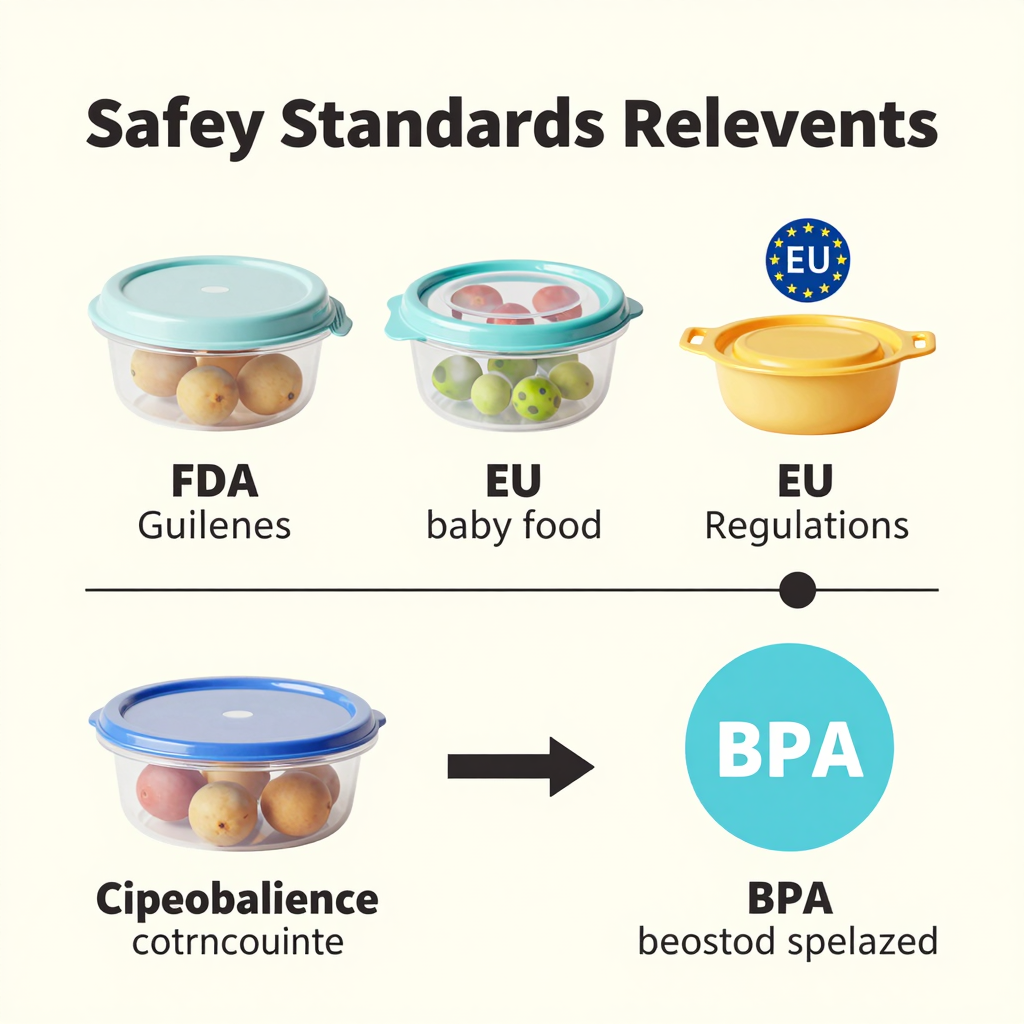
The safety of disposable baby food containers is crucial for ensuring the health and well-being of infants. Various regulations govern the manufacture and use of these containers, with primary agencies including the U.S. Food and Drug Administration (FDA) and the European Commission (EC). Below is a summary of key safety standards applicable to disposable baby food containers.
U.S. Regulations
- FDA Guidelines: In the U.S., food contact materials are regulated under the Federal Food, Drug, and Cosmetic Act. The FDA has established that all substances used in food contact applications must not transfer harmful substances that can endanger health. This includes:
- BPA Restrictions: It is prohibited to use containers that contain bisphenol A (BPA) in baby food packaging. From 2013 onwards, products must meet specific migration limits for hazardous substances (learn more about FDA regulations).
- Testing Requirements: Disposable containers must undergo rigorous testing to assess migration levels of harmful substances into food, ensuring compliance with specific migration limits (SML).
- CPSC Certification: Under the Consumer Product Safety Commission (CPSC) regulations, manufacturers of infant feeding products, including baby food containers, must obtain a Children’s Product Certificate (CPC) to ensure safety compliance (check out CPSC requirements).
European Regulations
- EU Regulations: Safety standards in Europe for baby food containers are largely governed by Regulation (EC) No 1935/2004 and Regulation (EU) No 10/2011. Key aspects include:
- Material Safety Standards: Containers must not transfer harmful chemical substances into food. Prohibited substances, such as certain phthalates (like DEHP), are strictly regulated, especially in materials intended for long-term contact with food (explore more about EU standards).
- Testing Protocols: Similar to the U.S., articles must undergo migration testing to ensure they meet established safety criteria.
Highlighted Materials
- BPA (Bisphenol A): Both FDA and EU have strict limits on BPA in baby food packaging due to its potential harmful effects on infant health, necessitating careful material selection by manufacturers.
- Recycled Plastics: The FDA encourages a voluntary Food Contact Notification (FCN) process for recycled plastics, allowing manufacturers to validate their decontamination processes.
Conclusion
Understanding and complying with these regulations ensures that manufacturers of disposable baby food containers prioritize the safety of infants. Adhering to stringent testing and material restrictions helps in delivering safe and compliant products to consumers.
Customer Testimonial
“Since we switched to using disposable baby food containers from GreenDipoPack, our business has seen a significant increase in customer satisfaction. Parents love the convenience and safety of the BPA-free materials, and the leak-proof design makes it easy for on-the-go meals. We’ve even noticed more repeat orders, especially around baby showers and holidays! The positive feedback on social media has been overwhelming. Thank you, GreenDipoPack, for providing products that really work for our needs!”
- Owner of a local baby food delivery service
Click here to learn more about effective food packaging solutions.
Customizable Packaging Options for Disposable Baby Food Containers
In the ever-evolving world of food service, customizable packaging has become an essential part of branding and customer engagement, particularly for disposable baby food containers. For businesses, including bubble tea shops, restaurants, food trucks, and catering services, having the option to tailor packaging is not just an aesthetic choice; it’s a strategy to enhance brand recognition and foster customer loyalty.
What Customization Options are Available?
-
Custom Sizes and Shapes: Adjusting the size and shape of containers can cater to specific needs-whether it’s perfecting a single serving or a family pack. For instance, containers like the 300ml disposable PP plastic margarine butter container offer various sizes suited for baby food, allowing flexibility in offerings.
-
Material Choices: Sustainable materials such as biodegradable sugarcane bagasse or recyclable plastic provide eco-friendly options that appeal to environmentally conscious consumers. These materials maintain the quality and freshness of food items while supporting eco-responsibility.
-
Design Options: Businesses can opt for printed logos, color designs, or specific branding elements. This personalization allows food brands to stand out on the shelf or during deliveries. Technology-enabled features such as color stickers, embossed logos, or UV printing can elevate the packaging appeal.
-
Compartmentalized Containers: These are especially beneficial for baby food, allowing for separation of different flavors or textures within a single container. Custom compartment designs enhance usability while appealing visually to parents.
-
Interactive Packaging: Adding QR codes or augmented reality elements can engage customers emotionally, providing them with information about the products, food sources, or even parenting tips.
Benefits of Customizable Packaging
-
Brand Recognition: Completely branded packaging enhances visibility and helps build a cohesive brand image. The unique presentation can attract customers and make a lasting impression, encouraging repeat purchases.
-
Customer Engagement: Providing customers with a customized experience can foster a sense of loyalty. Engaging packaging that tells a story or offers a personal touch can enhance the customer experience significantly. Companies that offer such tailored solutions are more likely to maintain loyal clientele.
-
Competitive Edge: In a crowded market, unique packaging can serve as a differentiator. It can elevate the product’s perceived value and quality, making it more appealing than generic options. This differentiation is crucial in the competitive food industry.
-
Sustainability Message: With an increasing demand for eco-friendly options, customizable packaging can incorporate sustainable practices. This not only responds to market trends but also strengthens brand image as socially responsible.
-
Customer Convenience: Thoughtfully designed packaging improves the usability of disposable containers, making them easier to handle, store, and transport. This usability translates into higher customer satisfaction and potentially more sales.
Conclusion
Opting for customizable packaging can dramatically impact how businesses in the food service industry connect with their customers and enhance their brand identity. If you’re interested in tailored solutions to elevate your packaging strategy, consider exploring more on how customization can benefit your business.
For more information about custom packaging options, feel free to learn about tailored solutions.
In today’s competitive landscape, it’s essential to stand out-custom packaging can help you do just that!
Market Growth Trends for Disposable Food Containers
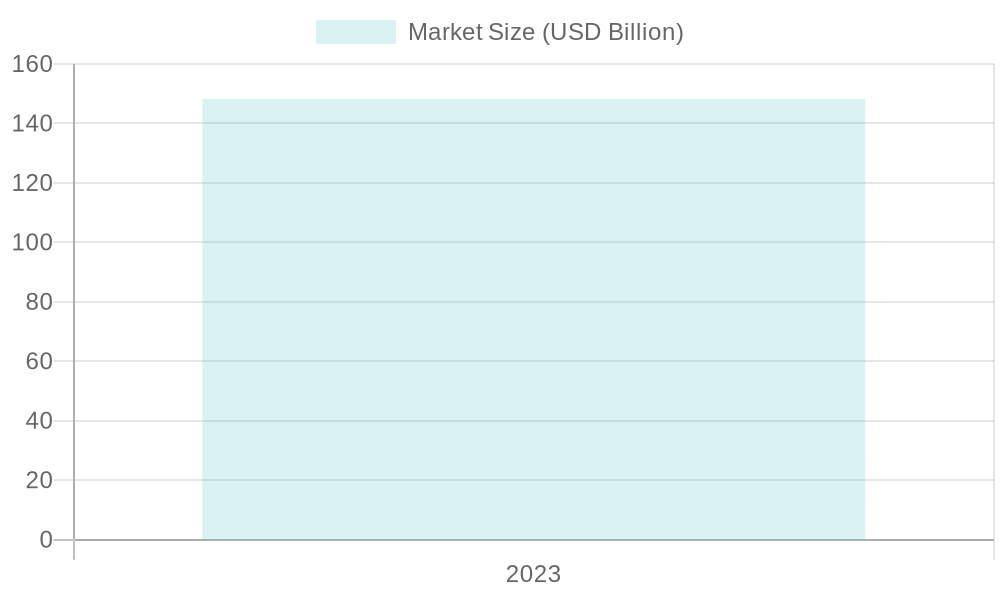
The market for disposable food containers is on a significant growth trajectory, driven primarily by the expansion in food service sectors such as restaurants, food trucks, catering services, and more. A recent report highlights that the global disposable food container market size was approximately $148.3 billion in 2023 and is expected to grow at a compound annual growth rate (CAGR) of 4.5% from 2024 to 2032.
Key Drivers of Demand
- Food service companies: With the rise of convenience-oriented dining experiences, the demand for effective and practical packaging solutions has surged.
- Restaurants: More establishments are opting for disposable containers to manage takeout and delivery efficiently.
- Food Trucks & Catering Services: These sectors benefit from the flexibility and lightweight nature of disposable containers, enhancing their service capabilities.
Market Trends Overview
The chart below illustrates the current market size and projected growth for disposable food containers, providing a visual representation of the increasing demand by various sectors.
| Year | Market Size (USD Billion) | CAGR (2024-2032) | Key Sectors Driving Demand |
|---|---|---|---|
| 2023 | 148.3 | 4.5% | Food service companies, restaurants, food trucks, catering services |
Source: Fortune Business Insights (as of 2026-05-11).
For those looking to explore more about how to optimize their usage of disposable containers, check out this guide for further insights.
Conclusion and Call to Action
In summary, choosing quality disposable baby food containers is crucial for businesses in the food service industry, especially for those catering to the health-conscious parents and families. High-quality containers not only ensure the safety and freshness of baby food but also enhance the brand image and customer loyalty. As we discussed, the right choice can significantly impact your business’s success by reducing waste, improving operational efficiency, and aligning with consumer preferences for sustainable and safe packaging solutions.
Moreover, with the growing demand for eco-friendly and BPA-free products, it’s essential for businesses like bubble tea shops, restaurants, food trucks, catering services, and event planners to stand out with superior disposable solutions that meet these needs. This not only reflects your commitment to quality and safety but also positions your brand effectively in a competitive landscape.
For tailored solutions in disposable baby food containers, we invite you to contact us today and explore how we can assist your business in making informed choices that align with both market demands and responsible practices. Let’s help you create memorable experiences for your customers while ensuring their little ones are fed safely and healthily! Don’t hesitate – reach out today!