Introduction
In the fast-paced world of the food service industry, throw-away plastic food containers have become a ubiquitous sight. While they offer convenience and practicality, their widespread use has catastrophic implications for our environment. According to recent studies, plastic waste from food packaging accounts for a significant portion of the global plastic pollution crisis. These materials take hundreds of years to decompose, leaching toxins into our soil and waterways, and posing serious threats to wildlife and marine ecosystems. Studies show that takeaway containers and plastic wraps often contribute to over 30% of food service waste, straining waste management systems and exacerbating climate change issues.
The environmental impact is alarming. With millions of food establishments relying on single-use plastic items daily, the extent of plastic waste generated is staggering. Approximately 60% of disposable food containers end up in landfill or the ocean, contributing to pollution and endangering marine life. Furthermore, as awareness of environmental issues grows, consumers are increasingly seeking eco-friendly alternatives, prompting businesses to reconsider their packaging strategies.
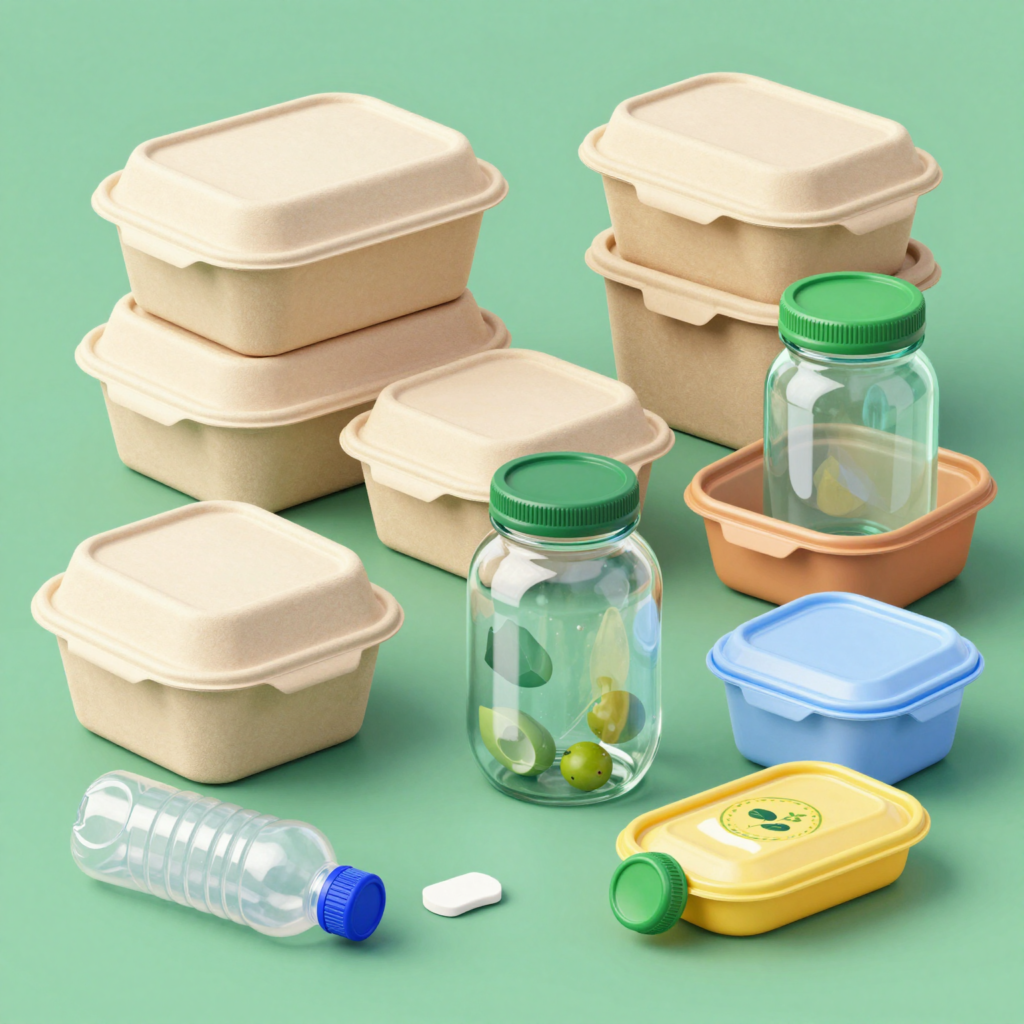
Transitioning to eco-friendly alternatives is not just a trend; it’s a necessity. Innovations in sustainable materials-such as compostable containers and biodegradable packaging-offer viable solutions, reducing the carbon footprint and promoting a healthier planet. By adopting these alternatives, food businesses can not only enhance their brand reputation but also align themselves with the growing demand for sustainability in consumer choices. In this article, we will explore the need for alternatives to plastic food containers and how companies can take actionable steps towards a greener future. For more insight into sustainable container options, you can learn more here.
Eco-Friendly Alternatives to Plastic Food Containers
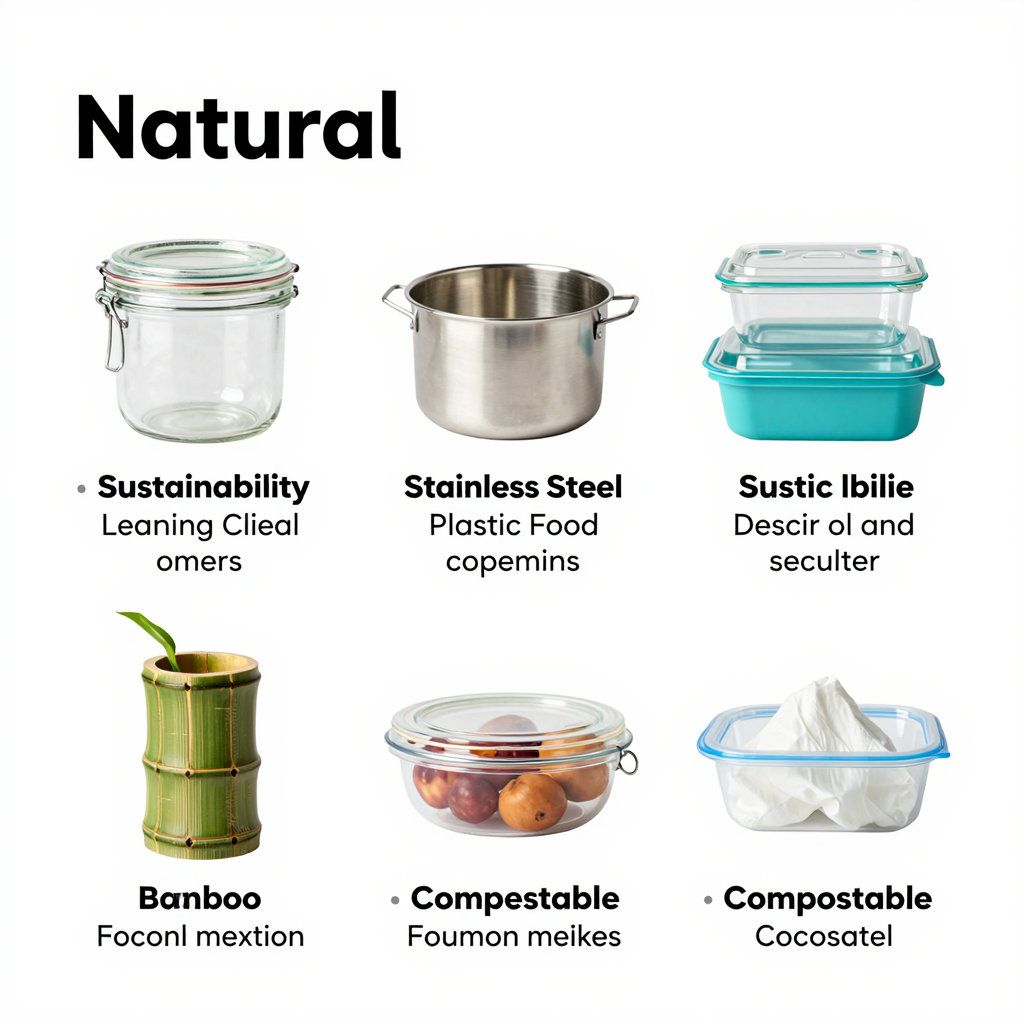
As awareness of environmental issues increases, many businesses, including bubble tea shops, restaurants, and catering services, are exploring eco-friendly alternatives to plastic food containers. Switching to sustainable options not only helps the environment but also ensures safe food storage. Here are some excellent alternatives:
-
Glass Containers
Glass is one of the safest materials for food storage, as it doesn’t leach harmful chemicals like BPA. It’s reusable, recyclable, and keeps food fresh for longer, making it a cost-effective option over time. -
Stainless Steel
Durable and resistant to stains, stainless steel containers are perfect for both hot and cold foods. They’re lightweight, easy to clean, and do not absorb food odors, making them a sustainable choice for food service businesses. -
Silicone Food Bags and Containers
Silicone is flexible, durable, and heat-resistant. Silicone containers can be reused many times and are often microwave and dishwasher safe. They are a great alternative to single-use plastic bags and come in a variety of sizes. -
Bamboo Containers
Made from rapidly renewable bamboo, these containers are not only biodegradable but also lightweight and stylish. They offer a unique aesthetic while being strong and naturally antimicrobial, ensuring food safety. -
Compostable Containers
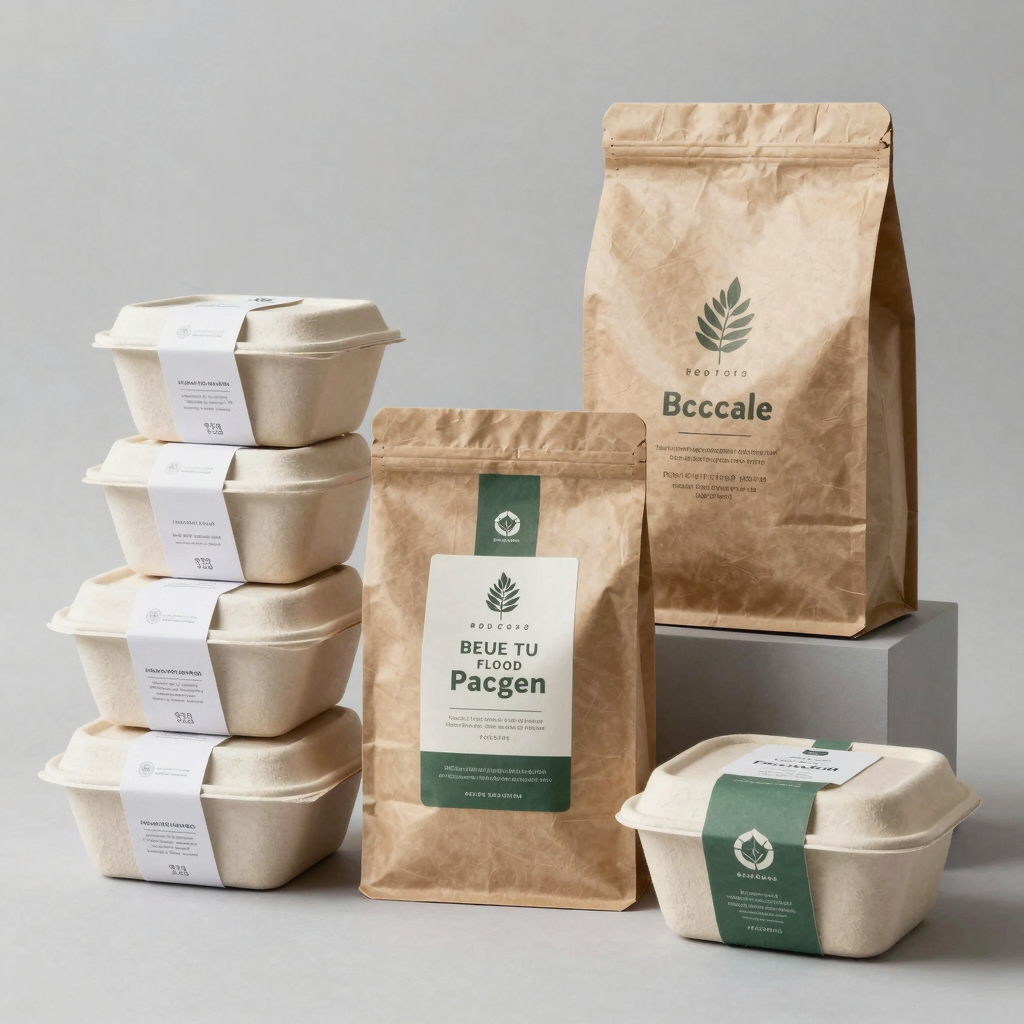
Made from materials like sugarcane fibers or cornstarch, compostable containers break down naturally in composting environments. They are perfect for takeaway and on-the-go meals, providing an environmentally friendly option while keeping the focus on sustainability.
Choosing these eco-friendly alternatives can significantly reduce plastic waste while promoting a green image for your business. To learn more about eco-friendly packaging solutions, check out our article on compostable paper cups made in China and explore the benefits of glass vs plastic food containers.
Environmental Impact of Throw-Away Plastic Food Containers
The use of throw-away plastic food containers has significant negative impacts on the environment, primarily through plastic pollution. This phenomenon poses a grave threat to wildlife and ecosystems worldwide, prompting regulatory changes aimed at reducing plastic waste.
Plastic Pollution Statistics
According to recent data, over 300 million tons of plastic are produced globally each year, with a substantial portion becoming waste. In 2023, it’s estimated that around 65% of this waste ends up in landfills or the natural environment, contributing to a total of approximately 800 million tons of plastic in marine environments alone. This vast quantity of waste leads to the death of 1 million seabirds and 100,000 marine mammals each year, highlighting an urgent environmental crisis.
Impact on Wildlife
The impact of plastic pollution on wildlife is devastating. Plastic debris, including disposable food containers, is consumed by marine life, leading to physical harm and chemical contamination. Fish and seabirds often mistake plastic for food, causing internal injuries or ingestion of toxic substances. A report indicates that over 100,000 different animal species are adversely affected by plastic pollution, ranging from marine reptiles to terrestrial birds. The poisonous chemicals released from plastic can contaminate the food chain, posing health risks not only to wildlife but also to humans who consume seafood.
A study from Research in Ecology explains that plastic waste has infiltrated even the deepest oceanic trenches, indicating no corner of the world is untouched. Furthermore, microplastics have been found in the food supplies of both terrestrial and aquatic organisms, representing a considerable risk to biodiversity and human health.
Regulatory Changes Affecting the Food Industry
The growing awareness of plastic pollution has triggered regulatory shifts. In 2025, the European Union will implement stricter regulations on plastic food-contact materials, focusing on safety and sustainability. New compliance measures will include banning certain harmful chemicals often found in plastics, promoting biodegradable materials, and enhancing recycling protocols.
Countries worldwide, including the United States and various nations within Asia and Africa, are also introducing bans on single-use plastics. These changes are aimed at significantly reducing plastic waste by encouraging industries to transition to more environmentally friendly alternatives. This shift not only impacts packaging but also calls for innovative solutions in food service sectors to reduce reliance on disposable plastics.
As we see a growing trend towards adopting sustainable practices, companies in the food industry should proactively explore alternatives to plastic containers, such as compostable materials or reusable containers, to meet regulatory standards and cater to eco-conscious consumers.
In conclusion, while throw-away plastic food containers offer convenience, their environmental impact is profound. The statistics on plastic pollution and its effects on wildlife underline the urgent need for change. With evolving regulations, it’s crucial for businesses to adapt and consider more sustainable options that align with consumer values and environmental responsibilities.
Comparison of Disposable Food Containers
Selecting the appropriate disposable food containers can be crucial for food businesses aiming for sustainability without compromising on quality. Here’s a handy comparison of different types of disposable food containers, including their material, cost, biodegradability, and sourcing options:
| Type | Material | Cost per Unit (USD) | Biodegradability | Where to Source |
|---|---|---|---|---|
| Plastic Food Container | Polypropylene (PP), PET, PS | $0.10 – $0.30 | Not biodegradable; limited recyclability | Alibaba.com, Uline.com, Amazon Business |
| PLA (Polylactic Acid) | Cornstarch-based bioplastic | $0.25 – $0.60 | Yes (industrial composting required) | EcoEnclose.com, WorldCentric.com |
| Paperboard Food Container | Recycled paperboard with food-safe coating | $0.15 – $0.40 | Yes (if uncoated or PLA-lined); compostable under industrial conditions | Uline.com, WebstaurantStore.com |
| Bagasse Food Container | Sugarcane fiber pulp | $0.20 – $0.50 | Yes (composts in 90-180 days under industrial composting) | GreenerGredients.com, BioPak.com |
| Bamboo Food Container | Bamboo fiber with resin or food-grade binder | $0.35 – $0.80 | Yes (biodegradable and compostable, but may require specific facilities) | PackageSaver.com, EcoCart.com |
Note: Prices are approximate and based on bulk purchasing (1,000+ units) as of Q2 2026. Biodegradability depends on proper disposal conditions (e.g., industrial composting). Some materials labeled “compostable” may not break down efficiently in home compost systems.
For more detailed insights into specific materials and options, check out our resources on disposable plastic cups and eco-friendly containers.
Conclusion
When it comes to choosing disposable food containers for your business, consider the balance between cost, environmental impact, and biodegradability. Opting for sustainable options not only meets customer expectations but also contributes to a more eco-friendly operation.
Benefits of Partnering with Eco-Friendly Suppliers
In the food industry, the shift towards sustainability is not merely a trend; it is becoming a necessity for businesses aiming to thrive in a competitive market. Partnering with eco-friendly suppliers offers a myriad of advantages that resonate well with customers, enhance the brand image, and ensure compliance with evolving regulations.
Customer Satisfaction
Today’s consumers are increasingly conscious of their environmental footprint. By choosing eco-friendly packaging suppliers, food businesses can satisfy the growing demand for sustainable options. Studies show that 77% of consumers are more likely to purchase from brands that are environmentally responsible. When customers see that a business is committed to sustainability, they often feel better about their choices and tend to be repeat customers. Additionally, using eco-friendly materials can improve the overall dining experience, as many sustainable packaging options enhance food presentation while being functional.
Enhanced Brand Image
A strong commitment to sustainability can significantly boost a brand’s image. Companies that use eco-friendly packaging are often viewed as innovative and socially responsible, which can set them apart from competitors. This differentiation is critical in today’s market, where consumers favor brands that align with their values. As demonstrated by a recent survey, 60% of consumers indicate that they are willing to pay more for products from companies committed to positive social and environmental impact. This not only increases customer loyalty but also enhances word-of-mouth marketing as satisfied customers share their positive experiences.
Compliance with Regulations
With increasing regulations surrounding single-use plastics and environmental protection, food businesses must stay ahead of the compliance curve. By opting for eco-friendly suppliers, businesses can ensure that their packaging meets current and future regulations, mitigating the risk of penalties and fines. Many countries are implementing stricter laws regarding packaging waste, and aligning with eco-friendly suppliers ensures that businesses remain compliant while contributing positively to the environment. Furthermore, being proactive about sustainability can strengthen a company’s position in the market as regulations become more stringent.
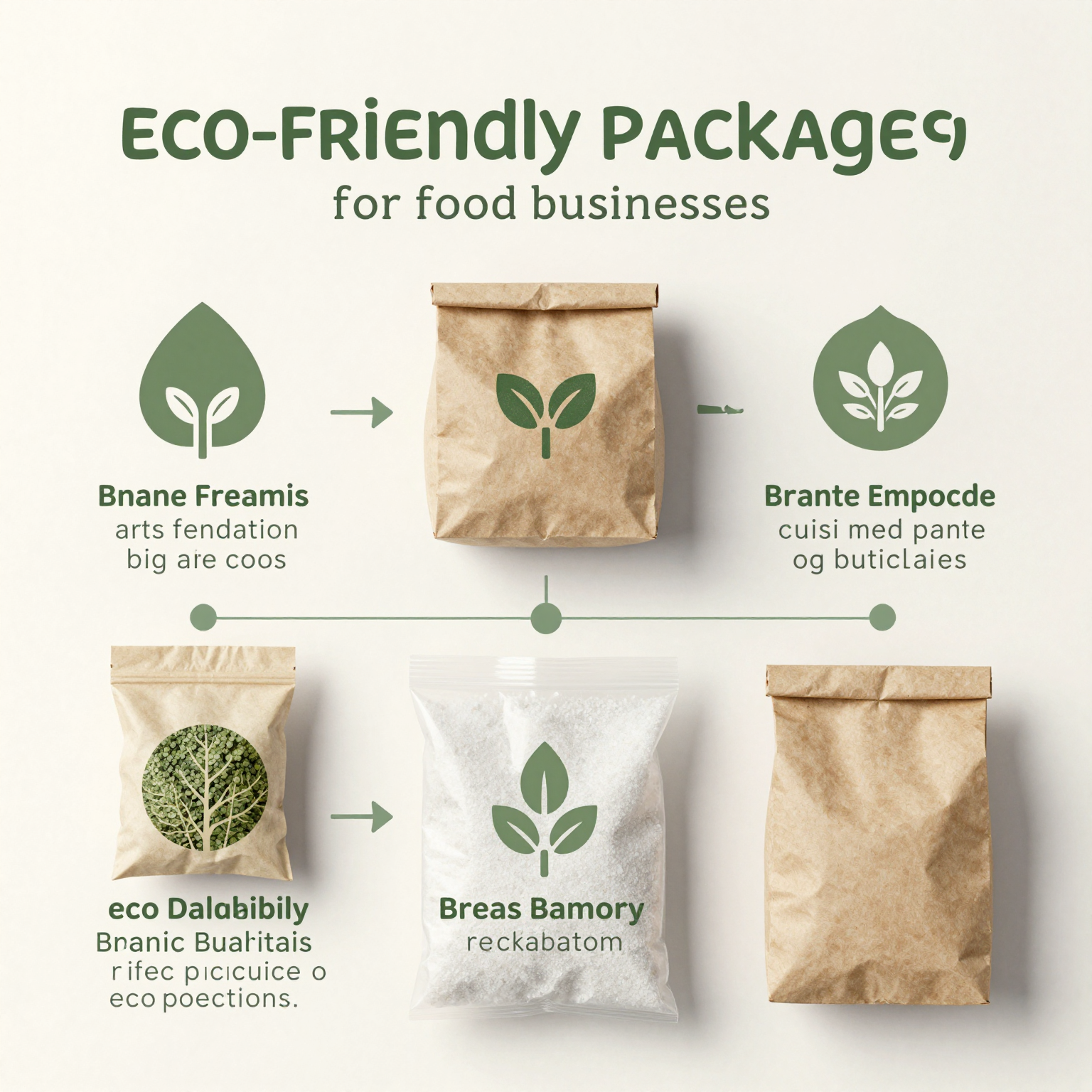
In conclusion, partnering with eco-friendly packaging suppliers provides food businesses with numerous benefits, including higher customer satisfaction, a stronger brand image, and compliance with regulations. These advantages are crucial for anyone in the food industry, whether you run a bubble tea shop, restaurant, or a catering business. Investing in eco-friendly practices is not just beneficial for the planet; it is also a strategic business decision that can lead to financial rewards and a committed customer base.
⭐ Click to see our eco-friendly packaging options.
External Resources
- For more insights about the impact of eco-friendly packaging on brand image, check out this article on sustainable food packaging.
Conclusion
With a commitment to sustainability, food businesses can not only contribute to a healthier planet but also foster a positive relationship with their customers.
Case Studies: Restaurants Transitioning to Eco-Friendly Disposable Containers
In today’s environmentally conscious market, many restaurants are making the transition from traditional plastic disposable containers to eco-friendly alternatives. Here are two noteworthy case studies that highlight the reasons for their switch and the positive outcomes they experienced.
1. Eco-Friendly Takeout Containers: A National Restaurant Chain
- Source: Green Restaurant Association
- Summary:
This case study examines a national restaurant chain that transitioned from plastic takeout containers to FSC-certified compostable kraft paper containers. The motivation behind this transition was twofold: a desire to reduce their carbon footprint and to align with customer preferences for sustainable practices.
The results of this switch were impressive: - 40% Reduction in carbon footprint.
- 25% Improvement in customer satisfaction scores.
- 30% Increase in repeat customers, with many citing sustainability as a key factor in their decision to return.
The containers are fully recyclable and biodegradable, which not only supports environmental goals but also enhances the brand’s image and ensures compliance with local plastic bans.
2. Local Eateries Embracing Eco-Friendly Packaging
- Source: Forbes – Food & Beverage
- Summary:
A small café in Portland, Oregon, replaced its single-use plastic containers with attractive, double-wall kraft paper boxes featuring transparent lids. The motivation for this switch was primarily to appeal to environmentally conscious consumers and enhance their market presence. Effects included: - 35% Increase in social media engagement due to visually appealing packaging.
- 20% Reduction in waste disposal costs.
- Enhanced local visibility from positive media coverage.
The new packaging maintained food quality during delivery, showcasing both aesthetic and functional benefits.
Conclusion
These case studies illustrate the significant benefits of transitioning to eco-friendly disposable containers in the restaurant industry. By embracing sustainable practices, restaurants can not only reduce their environmental impact but also enhance their brand image and customer loyalty. To explore more about eco-friendly packaging options, learn about sustainable packaging benefits for restaurants.
Choose Eco-Friendly Solutions Today!
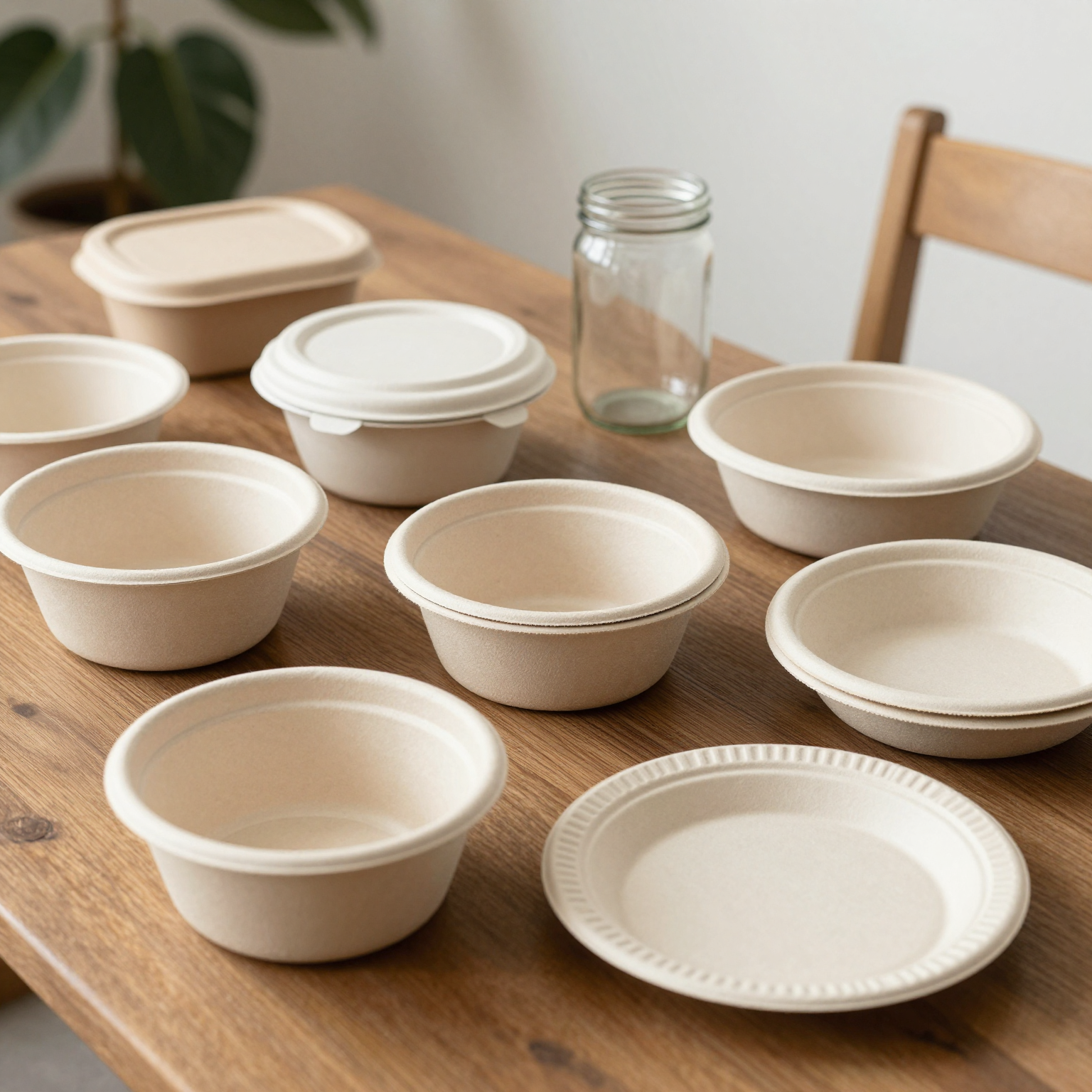
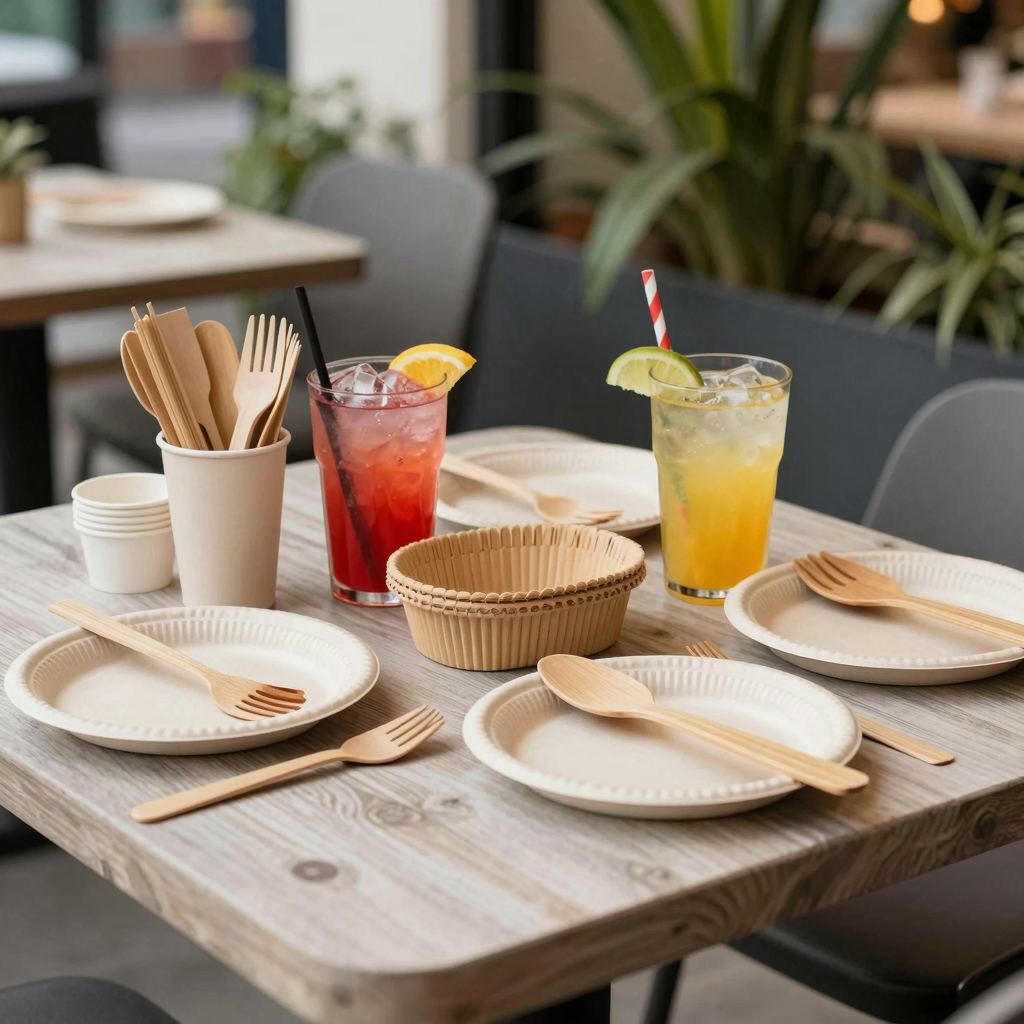
Imagine a future where your disposable tableware not only looks good but is also kind to the planet. At Green Dispo Pack, we provide eco-friendly disposable tableware and packaging solutions tailored for bubble tea shops, restaurants, food trucks, catering services, and corporate procurement teams.
Switching to our sustainable options-such as compostable bowls and biodegradable cups-reduces waste and environmental impact while also enhancing your brand’s image. Eco-friendly products offer the following benefits:
- Reduction of Pollution: Biodegradable materials significantly lower waste in landfills and oceans.
- Consumer Appeal: More customers are looking for sustainable options, and showcasing your commitment to the environment can boost your sales.
- Health-Friendly: Our products are free from harmful chemicals, ensuring the safety of your customers.
- Cost-Effective: Sustainable materials can lead to lower disposal costs and may even improve your bottom line in the long run.
Ready to make a change? Contact us at [email protected] or call us at 1-800-555-0199 today! Our team is ready to help you find the perfect solution for your business needs. Let’s work together for a cleaner, greener future!
Consumer Preference Trends Towards Eco-Friendly Packaging
In the food service industry, there’s a noticeable shift in consumer preferences toward eco-friendly packaging. Recent studies highlight key statistics that demonstrate this trend:
- 73% of consumers consider sustainable packaging an important factor when making purchasing decisions.
- 85% of consumers report that eco-friendly packaging influences their buying behavior, especially in food and beverage sectors.
- Younger generations, especially Gen Z and Millennials, show even higher preferences for sustainable packaging-78% and 75% respectively, compared to 62% for Gen X and 58% for Baby Boomers.
Here’s a visual representation of these trends:
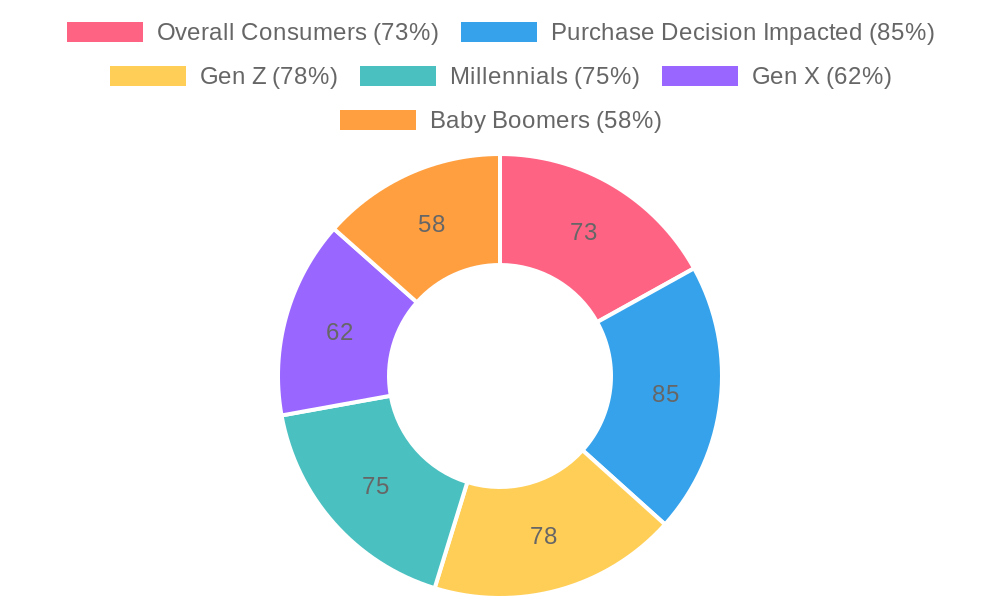
This chart clearly illustrates that as awareness of environmental issues grows, businesses in the food service industry, including bubble tea shops and restaurants, should consider adopting eco-friendly packaging options to meet customer demands and stay competitive in the market. For more insights on sustainable packaging solutions, learn more here and explore compostable options.
Expert Insights on Sustainable Packaging
“This packaging not only reduces environmental footprints but directly enhances food safety, making it an indispensable technology for the future food industry.” – Expert from a 2025 review in the Journal of Food Engineering, discussing the role of antimicrobial nano-based edible packaging in addressing food safety and waste issues.
The shift towards sustainable packaging in the food industry is not just a trend; it’s a necessity. As we look to the future, experts predict that by 2030, over 60% of food packaging will adopt renewable or recyclable materials. This transition aims to reduce plastic pollution while promoting food safety and extending shelf life.
To learn more about eco-friendly packaging solutions, check out our blog on compostable paper cups and recycled Kraft paper packaging.