
Introduction
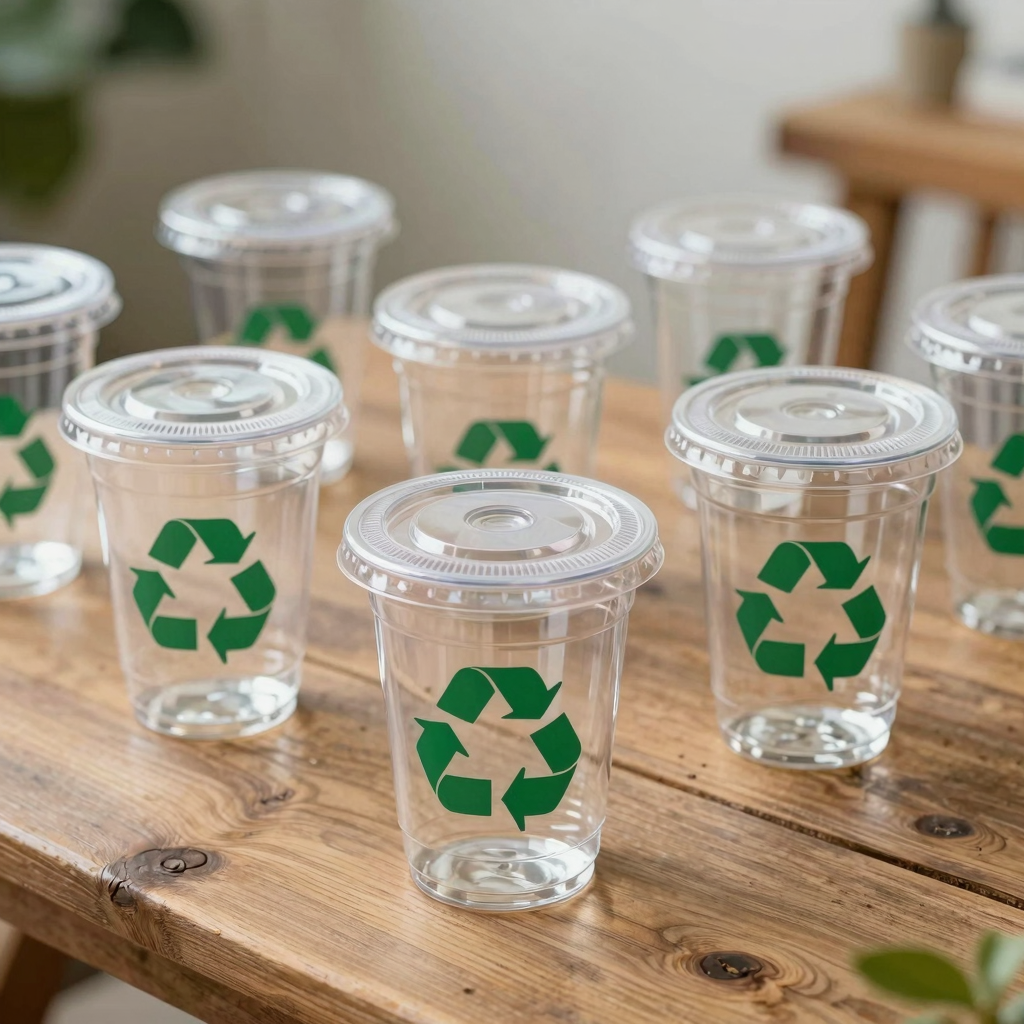
In today’s world, sustainability is more than just a buzzword; it’s an essential practice, especially in the beverage industry. Bubble tea shops, catering services, and restaurants frequently rely on clear plastic cups with lids for serving drinks on-the-go. These cups, while convenient, pose a significant environmental challenge when it comes to their disposal. Understanding the recycling potential of these popular items is crucial for business owners who wish to lessen their ecological footprint.
The rise of plastic waste has led to a pressing need for responsible disposal methods that not only align with regulatory standards but also resonate with environmentally-conscious consumers. As customer expectations shift towards sustainable practices, businesses are encouraged to adopt solutions that incorporate eco-friendly materials and efficient recycling systems.
By harnessing the recycling capabilities of clear plastic cups, companies can minimize their impact on landfills and contribute to a circular economy where materials are reused and repurposed. This shift to responsible recycling is not just beneficial for the planet; it also supports a positive brand image, attracting customers eager to support sustainable practices. Learn more about eco-friendly options and dive deeper into making responsible choices for your business today.
Are Solo Clear Plastic Cups with Lids Recyclable?
Materials and Types of Clear Plastic Cups
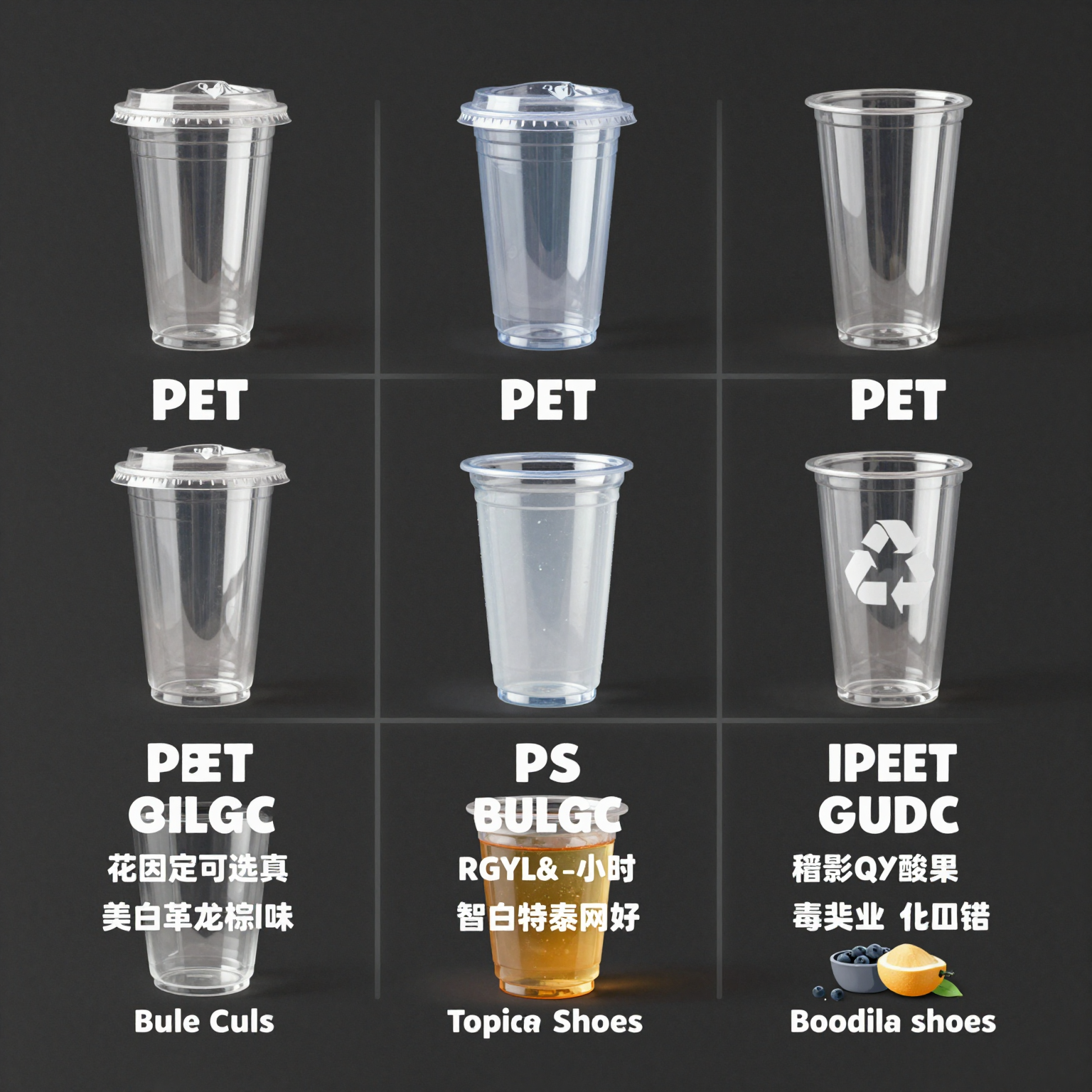
Clear plastic cups are widely used in beverage service, especially in shops, restaurants, and events. Two primary materials are commonly used to manufacture these cups: Polyethylene Terephthalate (PET) and Polystyrene (PS). Understanding the properties of these materials and their impact on recyclability is crucial for eco-conscious businesses.
Polyethylene Terephthalate (PET)
- Recyclability: Highly recyclable and often accepted in most curbside recycling programs. PET can be reused multiple times, reducing waste in landfills.
- Properties:
- Strong and shatter-resistant, ideal for beverages.
- Clear and lightweight, enhancing visual appeal.
- Certified food-grade, ensuring safety for direct contact with drinks.
- Many PET products are BPI-certified, indicating they can be composted in industrial environments.
- Environmental Impact: Considered the eco-friendlier option compared to PS, as it has a lower carbon footprint and is less likely to contribute to microplastic pollution.
Polystyrene (PS)
- Recyclability: Generally low; often not accepted in curbside recycling due to economic factors in recycling processes.
- Properties:
- Clear and rigid, provides a good aesthetic for cold beverages.
- Less durable than PET, making it prone to brittleness under stress.
- Not typically food-grade safe when used for hot beverages or under high temperatures.
- Environmental Impact: Less favorable than PET due to its potential to break down into microplastics when improperly disposed of, posing risks to aquatic life.
Conclusion
Choosing cups made from PET can significantly contribute to sustainability efforts in the food service industry. For businesses looking to make eco-friendly choices, adopting eco-friendly clear plastic cups made from PET is a wise decision.
Comparing Recyclability of Plastic Types
In the food industry, particularly for clear cups used in bubble tea shops and catering services, understanding the recyclability of various plastic types is crucial. Here’s a comparison of PET (Polyethylene Terephthalate), PS (Polystyrene), and other plastics commonly used:
| Plastic Type | Recyclability | Environmental Impact | Common Uses in Food Industry |
|---|---|---|---|
| PET | Widely recyclable; approx. 30% recycling rate in Europe and North America | Low impact due to established recycling systems | Beverage bottles, clear cups, food containers |
| PS | Low recyclability; often downcycled | High impact due to landfill issues and single-use restrictions | Disposable cutlery, plates, food packaging |
| Other Plastics | Varies, generally lower than PET | Higher impact with significant waste | Various food containers depending on type |
Conclusion
The recyclability of PET surpasses that of PS, making it a better option for restaurants and event planners looking to minimize environmental impact. To learn more about eco-friendly options, check out our guide on clear plastic cups and explore custom plastic forming machines.
Understanding the Recycling Process for Clear Plastic Cups
Clear plastic cups, often made from PET (Polyethylene Terephthalate), are widely used in restaurants and beverage shops. Understanding their recycling process is essential to maximizing their sustainability.
Collection and Sorting
When clear plastic cups are disposed of, they enter the recycling stream either through municipal programs or specialized drop-off centers. Upon arrival at recycling facilities, the first step is sorting. Cups must be separated from other materials to ensure effective processing. This sorting phase is imperative; contamination from improper items can lead to entire batches being rejected.
Cleaning and Shredding
Once sorted, the cups are cleaned meticulously to remove any food or liquid residues. Residues can significantly affect the recycling process, making it less efficient and potentially producing inferior recycled materials. Following cleaning, the cups are shredded into small flakes, making them easier to process in subsequent steps.
Washing and Melting
The shredded flakes are then thoroughly washed again to remove impurities before they undergo a melting process. In this phase, the clean flakes are melted down, facilitating the creation of small pellets. This process transforms waste into a resource that can be used to create new products, such as fabric fibers and new containers.
Importance of Proper Disposal
Proper disposal by customers and businesses is crucial. When plastic cups are disposed of incorrectly, such as being placed in trash instead of recycling, they often end up in landfills where they can take hundreds of years to decompose.
As highlighted by UNEP, approximately 14 million tons of plastic enter aquatic ecosystems annually due to improper disposal. This not only harms marine life but also poses serious health risks due to microplastics entering the food chain.
To improve the recycling rates of clear plastic cups, effective education about proper disposal methods is essential. By simply rinsing and placing their cups in the correct bins, businesses and consumers can contribute significantly to reducing plastic waste in our environment.
In conclusion, the recycling process for clear plastic cups is straightforward but highly dependent on consumer and business participation. Proper disposal practices ensure that these cups can be transformed into new products, significantly benefiting the environment.
User Adoption Data on Recycled Cups in the Beverage Industry
As the beverage industry addresses sustainability challenges, the adoption of recycled materials, particularly in cup packaging, is gaining traction. Statistics indicate that more brands and businesses are shifting towards more environmentally-friendly practices. Key trends in the use of recyclable cups among bubble tea shops, catering services, and restaurants highlight changing consumer behavior and regulatory pressures that are shaping the market.
Adoption Rates of Recycled Materials
According to recent data:
-
Germany leads the world with an impressive 97.6% PET bottle recycling rate, and in 2023, 51.2% of the PET produced is made from recycled PET (rPET). This shift showcases the beverage industry’s commitment to utilizing recycled materials, especially in Europe where regulations are driving significant changes. (source) (source)
-
The bubble tea industry is also responding to consumer demand for sustainable options, with a growing trend towards reusable and biodegradable cups. The transition is enhanced by regional differences, with East Asia and Europe leading the way in adopting eco-friendly packaging. Many bubble tea shops are now offering cups made from recycled materials, reducing their carbon footprint. (source)
Trends in Catering Services and Restaurants
Restaurants and catering services are witnessing a similar pivot:
- A surge in using recycled plastic containers, paper-based packaging, and innovations like returnable cups is occurring. In the European Union, regulations mandating reductions in plastic waste have further accelerated these practices. Many establishments are now committed to sustainability, opting for packaging that is not only recyclable but also biodegradable. (source)
Changing Consumer Behavior
Recent surveys show:
- More consumers are prioritizing sustainable options when patronizing food and beverage businesses. A report in Shanghai highlights that brands embracing green strategies are more likely to attract environmentally-conscious customers, thereby influencing the market dynamics. The movement towards sustainability is being reinforced by consumer willingness to pay a premium for eco-friendly products.
- Furthermore, a report by Yum China indicated an increase in engagements with companies practicing sustainability. As consumers become more aware of their environmental impact, companies are shifting strategies to utilize recycled materials more effectively.
Conclusion
The shift towards adopting recycled cups and sustainable practices within the beverage industry-especially among bubble tea shops and restaurants-is not only favorable for the environment but is also aligned with evolving consumer preferences. As regulations encourage businesses to adopt more sustainable packaging, the future of the beverage industry looks promising, complementing the global movement towards a circular economy.
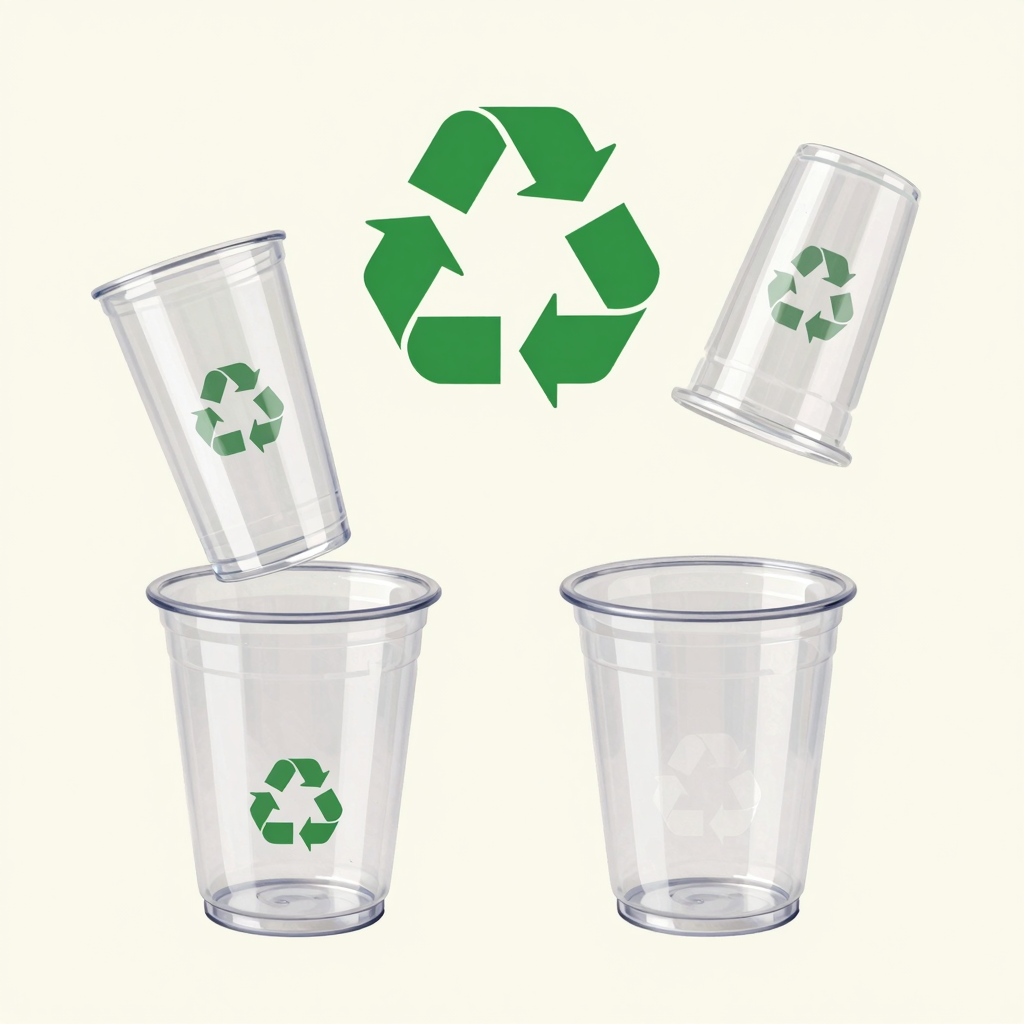
In conclusion, the recyclability of clear plastic cups with lids plays a crucial role in promoting sustainable practices in the food and beverage industry. As highlighted, these cups are often made from PET (Polyethylene Terephthalate), which is recyclable and can even be industrially composted when designed with eco-friendly focus in mind. This attribute is essential for businesses seeking to reduce their environmental footprint while delivering convenient options for customers.
Moreover, incorporating eco-conscious materials in packaging and disposable tableware reflects a commitment to sustainability. Companies that prioritize such practices not only help mitigate plastic waste but also cater to the growing consumer demand for environmentally responsible products. This trend indicates that selecting appropriate materials isn’t just a choice but a responsibility towards the planet’s health.
As businesses, it is imperative to stay informed about sustainable packaging solutions for a competitive edge. For those interested in reliable disposable tableware and packaging solutions that align with these values, explore our eco-friendly clear plastic cups for future events and everyday use. Together, we can make a positive impact on the environment while satisfying our customers!
“Recycling is not a solution in itself; it’s part of a much larger system. True sustainability requires us to redesign products and processes so that waste is eliminated at the source.” – Dr. Jane Goodall, environmental scientist and advocate for sustainability. Learn more about Dr. Goodall’s insights.
Best Practices for Recycling Clear Plastic Cups with Lids
Recycling clear plastic cups and lids can be challenging, but with the right practices, businesses can enhance their sustainability efforts. Here’s a list of actionable tips for bubble tea shops, restaurants, and other establishments:
- Select Recyclable Cups: Opt for clear plastic cups made from PET (#1) or HDPE (#2), as these are widely accepted in recycling programs. Verify your local municipal guidelines for specific recycling codes.
- Remove Lids Before Recycling: Lids are often made from a different type of plastic, which can contaminate the recycling stream. Always take the lid off the cup before placing it into the recycling bin for proper processing.
- Rinse Cups to Prevent Contamination: Ensure that cups are empty and rinsed out to eliminate food residues, which can significantly impact the recycling efficiency. Clean, dry containers are more likely to be accepted by recycling facilities.
- Educate Staff and Customers: Share recycling guidelines through signage in your establishment and training for employees. Encourage patrons to return their used cups to designated recycling bins.
- Use Centralized Collection Points for Events: For bigger gatherings, create a centralized collection area for clear cups and lids to make recycling easier and reduce contamination. This can help improve collection rates significantly.
For more detailed insights and additional resources, read about clear plastic cups with lids and how they fit into sustainable practices for businesses.