
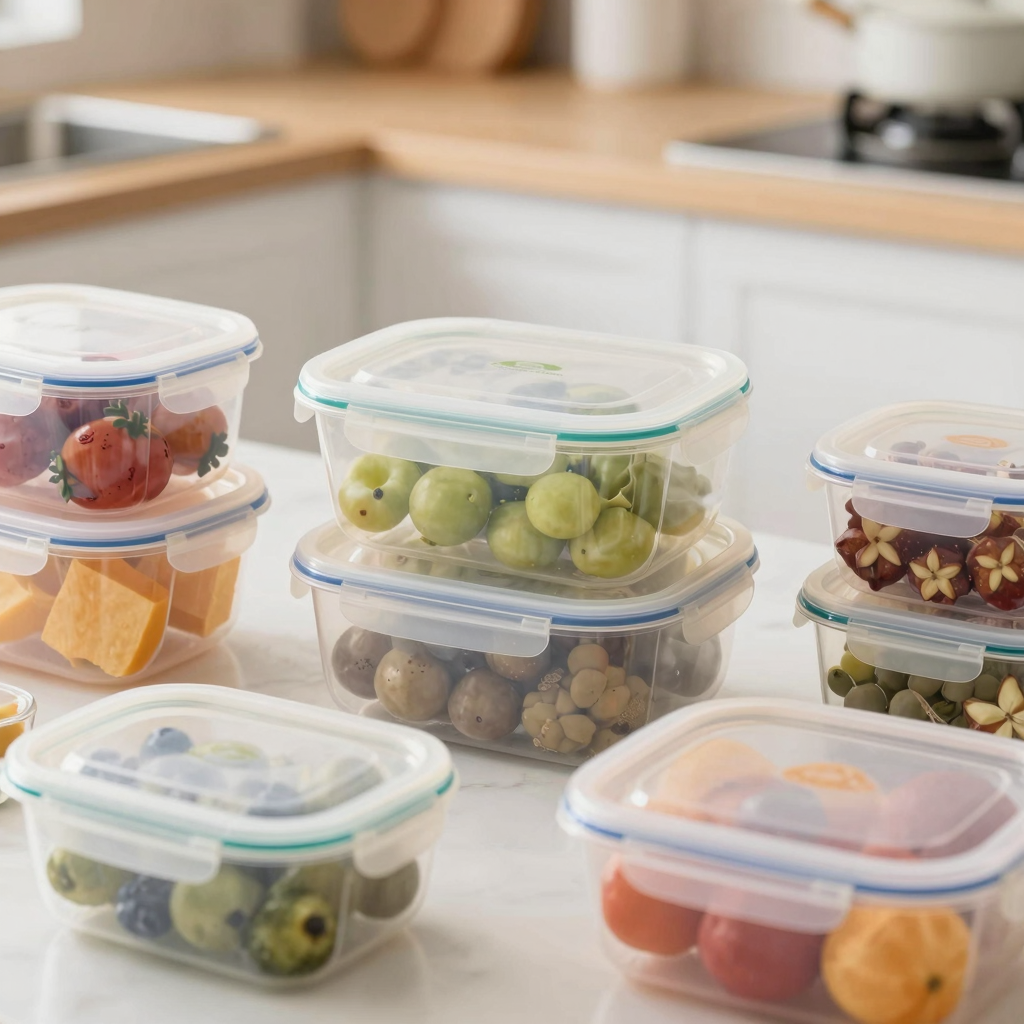
In today’s fast-paced culinary landscape, the importance of selecting the right commercial plastic food containers cannot be overstated. For businesses in the food service industry, these containers play a pivotal role not only in ensuring food safety but also in enhancing the overall presentation of dishes. High-quality containers maintain the integrity of food by preventing spoilage, thus supporting cleanliness and compliance with health regulations. Moreover, as more businesses prioritize sustainability, investing in eco-friendly commercial plastic food containers aligns perfectly with these goals. These durable, reusable options reduce reliance on single-use products, aiding in reducing waste and minimizing environmental impact. With advancements in materials such as multi-color microwave-safe plastics and certified BPA-free options, the market provides a plethora of choices that cater to both functionality and aesthetic appeal. Whether you’re running a restaurant, a food truck, or planning an event, the right containers are essential to elevate your service while keeping food safe and sustainable. For further insights, learn more about eco-friendly options with our detailed guides.
Benefits of Using Commercial Plastic Food Containers
Using commercial plastic food containers can bring a myriad of advantages for bubble tea shops, restaurants, and catering services. Here are some key benefits to consider:
- Durability: Plastic containers are resistant to breakage, ensuring your food remains safe during transport and service.
- Versatility: These containers come in a variety of shapes and sizes, accommodating different food types and presentation needs.
- Cost-Effectiveness: Compared to glass or metal alternatives, plastic containers are typically more affordable, making them a budget-friendly choice for businesses.
- Safety Standards Compliance: Modern commercial plastic food containers are manufactured to meet stringent safety regulations, ensuring they are safe for food contact. Learn more about food packaging compliance.
- Eco-Friendliness: Many manufacturers now produce eco-friendly plastic options, helping businesses reduce their environmental impact. Explore eco-friendly options here.
With these benefits, commercial plastic food containers are an excellent choice for food service operations, enhancing both efficiency and customer satisfaction.
Comparison of Commercial Plastic Food Containers
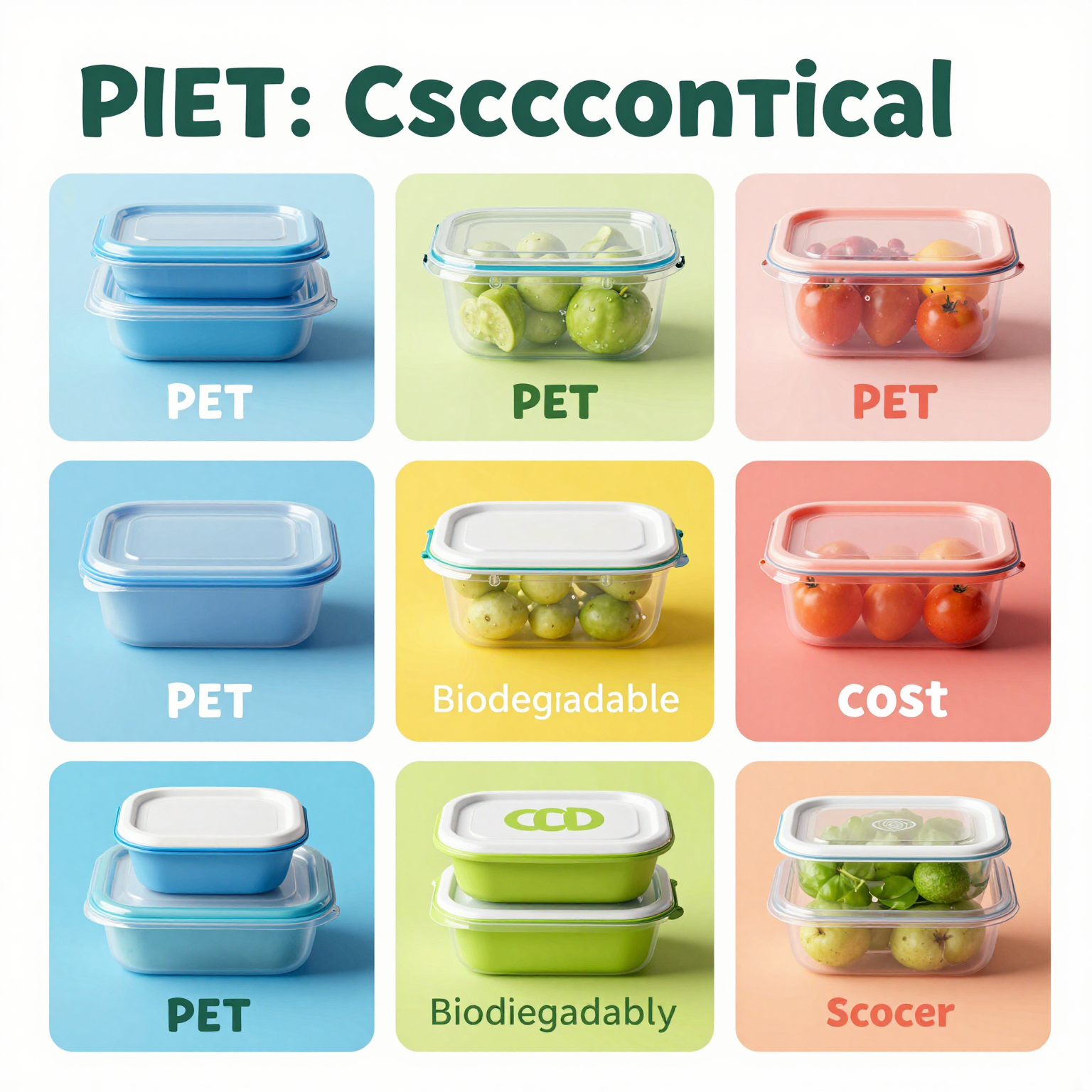
When selecting the right kind of commercial plastic food containers, businesses need to understand the various options available. Below is a table comparing the characteristics of three popular types: PET (Polyethylene Terephthalate), PP (Polypropylene), and biodegradable options.
| Container Type | Safety | Durability | Cost (Approx.) | Eco-Friendliness |
|---|---|---|---|---|
| PET | Food-grade, FDA & EU certified | Moderate; good clarity but less heat resistant | $0.018/unit (bulk) | Recyclable, but may contribute to landfill if not recycled |
| PP | Also food-grade, BPA-free | High; excellent heat resistance (up to 160°C) | $0.049/unit (bulk) | Recyclable but varies by area availability |
| Biodegradable | Made from PLA, suitable for low-heat items | Lower; can deform with high heat | $$$ (Higher than both) | Most eco-friendly, requires industrial composting |
Key Points
- PET containers are popular for beverages and dry goods due to their clarity and recyclability. However, they should not be used for high-heat items. For more on how PET containers are utilized, learn more about plastic cups.
- PP containers excel in durability and heat resistance, ideal for warm food and microwavable items. For insights on how to effectively use PP, check out custom plastic forming machines.
- Biodegradable options offer sustainable advantages but require proper composting facilities to truly minimize their ecological impact. They are suited for environmentally focused brands despite being pricier.
For more details, visually engaging graphics summarizing these comparisons can be helpful. Here’s an infographic that succinctly illustrates these differences:
Safety Standards and Regulations for Commercial Plastic Food Containers
In the highly regulated food industry, safety standards for food containers are crucial to ensuring consumer safety and business compliance. Commercial plastic food containers must meet several stringent safety regulations that vary by region but share a common goal: to protect public health by preventing harmful substances from contaminating food.
Key Regulations and Certifications
- United States (FDA Regulations)
In the U.S., the Food and Drug Administration (FDA) governs the safety of food contact materials under Title 21 of the Code of Federal Regulations (CFR). This includes:
-
Composition guidelines, ensuring materials used are safe under intended uses.
-
Specific migration limits, to control the amount of substances that can leach into food.
-
Products must bear FDA compliance labels which assure consumers of their safety.
- China (National Standards)
China’s National Health Commission has implemented the “Food Safety National Standard: Plastic Materials and Articles in Contact with Food” (GB 4806.7-2023). Key requirements include:
-
Limits on total migration to reduce chemical transfer from containers to food.
-
Pharmacopeia guideline certifications, ensuring materials specified are free from harmful additives.
-
Clear labeling of materials and safety certifications to enhance traceability.
- United Kingdom (Food Standards Agency)
The UK regulations follow the European Union standards which enforce the EU Regulation (EC) No 1935/2004, ensuring all food contact materials meet specific health and safety criteria. Recent regulations have also included provisions against harmful composite materials that might interact with food products.
Importance of Compliance
Adhering to these safety standards is not just about legal compliance; it builds consumer trust. Research shows that over 70% of consumers prefer certified products, indicating a strong preference for safety assurance in food packaging. Additionally, compliance with these standards can:
- Reduce risks of contamination and recalls.
- Enhance brand reputation, allowing businesses to enter new markets with confidence.
- Support community health objectives through sustainable material choice and responsible disposal practices.
Conclusion
In conclusion, commercial plastic food containers must adhere to strict safety standards and certifications to protect consumers and businesses alike. Understanding these regulations is essential for food businesses, especially catering services, food trucks, and restaurant chains that aim to offer safe, compliant, and high-quality food packaging solutions. As the demand for cleaner and safer food service options rises, the significance of these certifications continues to grow.
For those in the food industry, staying updated on changing regulations and ensuring compliance can significantly affect your service quality and customer trust.
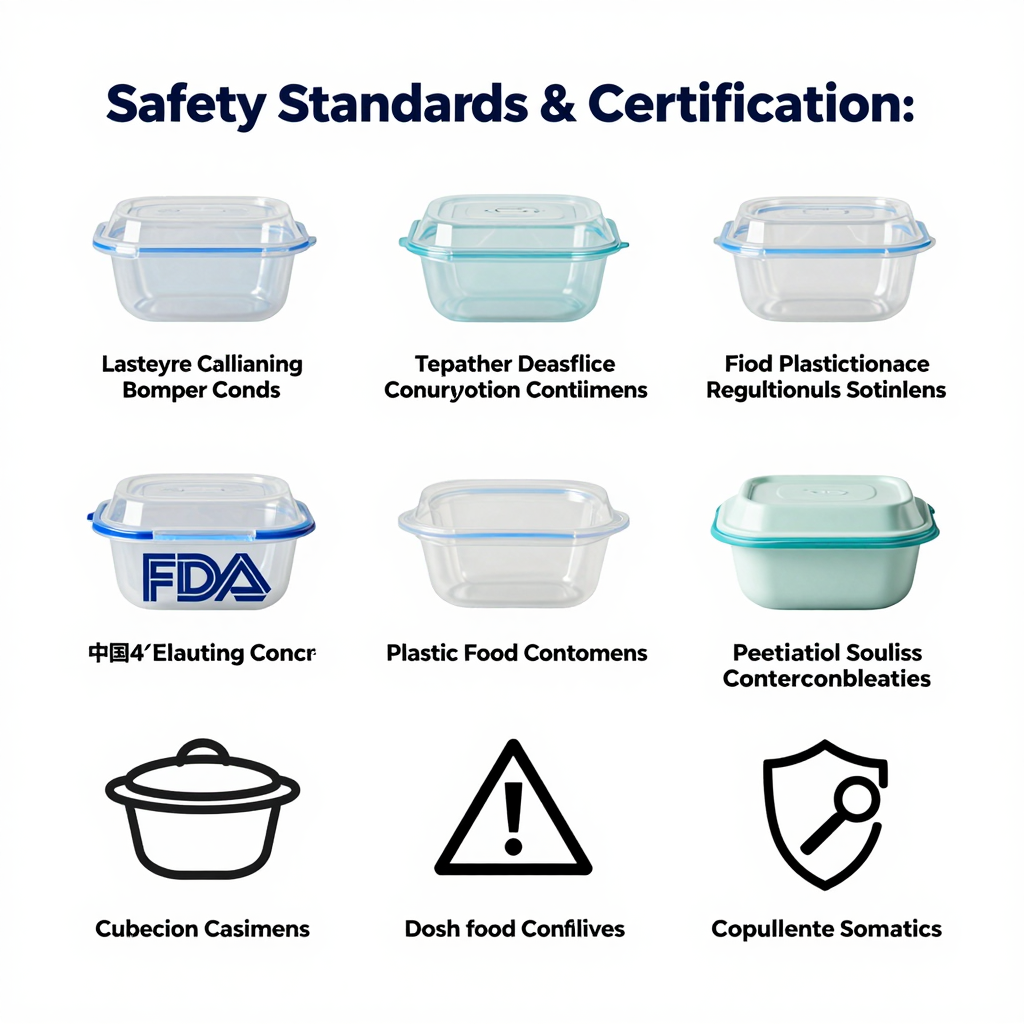
Chart Summary:
The chart below illustrates the comparison of food contact materials regulations across various countries, highlighting essential standards and requirements.
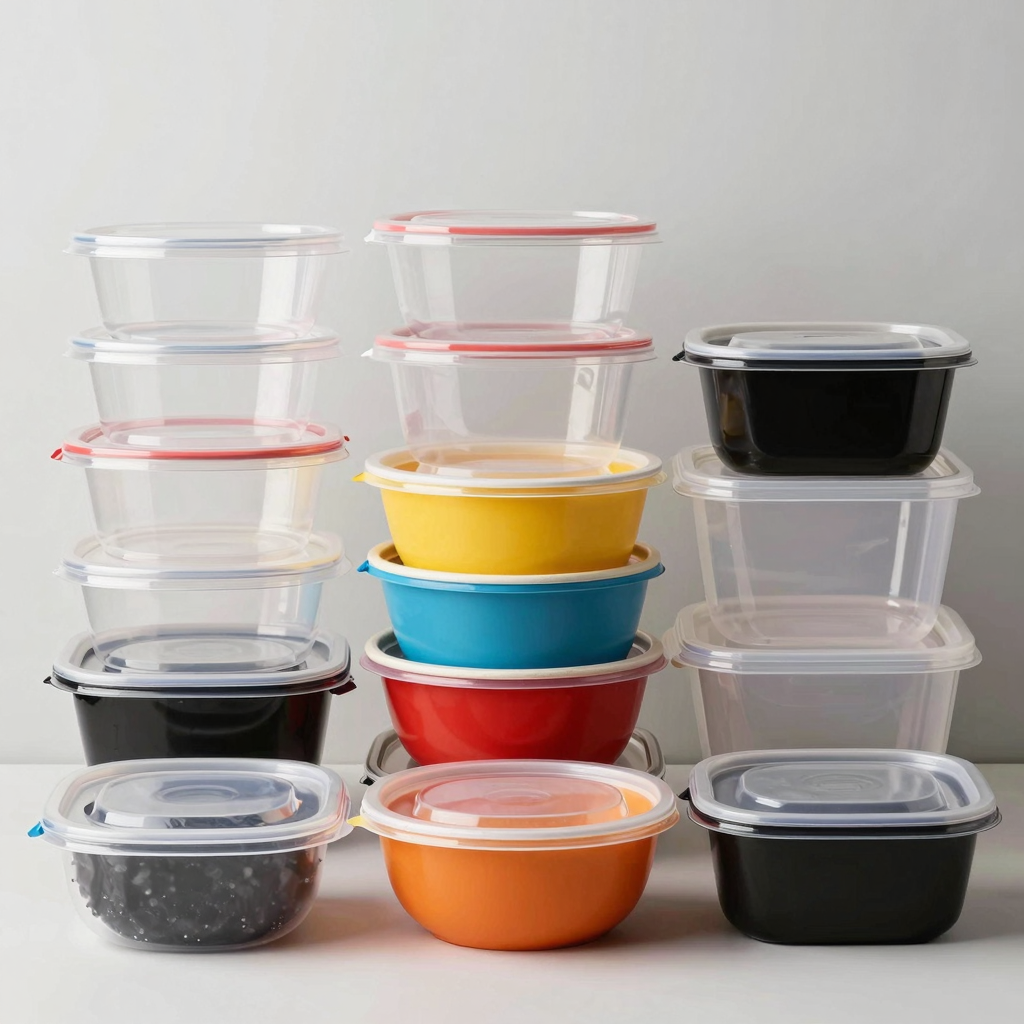
“These containers have reduced our waste by over 30% since switching to reusable plastic ones. Their durability and leak-proof designs make them essential for our food service operations.”
- Restaurant Manager, FoodServiceWarehouse.com
Environmental Impact of Plastic Containers and Eco-Friendly Alternatives
Plastic food containers, widely used across the food industry, contribute significantly to environmental degradation. In 2023, global plastic production reached 460 million metric tons, with over 140 million tons discarded as waste annually (United Nations Environment Programme). Among the various sources of plastic waste, single-use food containers are particularly notorious. Each year, approximately 11 million metric tons of plastic enter the oceans, exacerbating marine pollution and microplastic accumulation. A notable study from 2023 revealed that heating polypropylene containers can release up to 4.22 million microplastic particles per heated volume (Environmental Science & Technology). This alarming statistic emphasizes the health risks associated with plastics, highlighting a need for effective alternatives.
Eco-Friendly Alternatives to Plastic Containers
To combat the environmental impact of traditional plastic food containers, businesses can consider several eco-friendly alternatives:
-
Biodegradable Containers: These containers are designed to break down more quickly than conventional plastics. They are often made from plant materials such as corn starch or sugarcane, providing a more sustainable option. Research highlights materials like PHA (Polyhydroxyalkanoate) that decompose in marine environments without leaving harmful residues (Environmental Science & Technology Journal).
-
Recyclable Options: Containers made from materials like recycled paper or certain types of plastics (like PET) can significantly reduce environmental footprints. Recycling can divert waste from landfills and lower the demand for new plastic production.
-
Pulp Molding Products: These products, made from recycled paper pulp, are excellent for packaging food items. They’re fully biodegradable and can be composted after use, ensuring that they reinforce the circular economy within the food service industry (Pulp Molding World).
Incorporating these eco-friendly food containers not only helps in reducing waste but also aligns with growing consumer preferences for sustainable practices. Businesses looking to transition to environmentally friendly packaging solutions can find comprehensive options and insights here and here.
By adopting these alternatives, restaurants, food trucks, and caterers can effectively diminish their ecological footprint while supporting a sustainable future.
Market Trends for Plastic Food Containers
The market for plastic food containers continues to showcase robust growth, reflecting changing consumer behaviors and industry dynamics. Since 2021, the compound annual growth rate (CAGR) has been about 3.8%, driven primarily by increased demand in the takeaway and ready-to-eat food sectors.
As businesses in the food and beverage industry, such as bubble tea shops, restaurants, and catering services, adapt to evolving market trends, understanding these dynamics is essential.
Growth Overview
Here’s a quick glance at the market size for plastic food containers over the past few years:
| Year | Market Size (USD Billion) | Growth Rate (%) | Popular Types |
|---|---|---|---|
| 2021 | 235.4 | 3.8 | LDPE, HDPE storage bags, boxes, containers, takeaway containers, cups, bottles |
| 2022 | 243.6 | 3.8 | LDPE, HDPE storage bags, boxes, containers, takeaway containers, cups, bottles |
| 2023 | 252.7 | 3.8 | LDPE, HDPE storage bags, boxes, containers, takeaway containers, cups, bottles |
Popular Types of Containers
The most favored types in the market include:
- Low-Density Polyethylene (LDPE): Known for its versatility in different shapes and sizes.
- High-Density Polyethylene (HDPE): Commonly used in storage bags, boxes, and containers due to its chemical stability.
- Takeaway Containers: This type has seen a surge due to the rise in food delivery services.
- Cups and Bottles: Frequently used in beverage industries; lightweight and cost-effective.
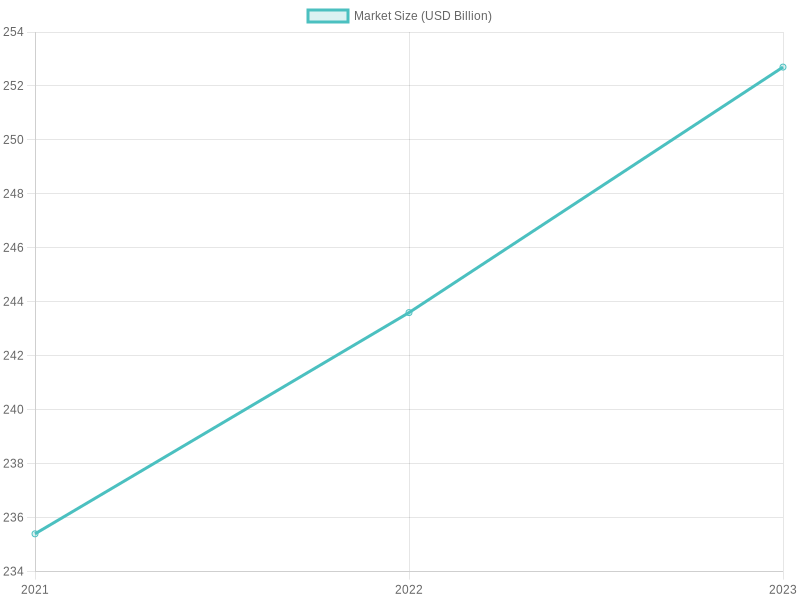
This chart illustrates the steady growth trajectory of the plastic containers market from 2021 to 2023, underscoring the ongoing trends that could benefit your business.
For further insights into specific products, refer to our guide on plastic food containers and explore our range of custom plastic forming machinery for your needs.
In conclusion, choosing the right disposable tableware and packaging solutions is paramount for your business’s reputation and customer satisfaction. High-quality products not only prevent leaks and contamination but also enhance the overall dining experience, reflecting positively on your brand. With a focus on safety, it’s crucial to invest in reliable solutions that adhere to health regulations and sustainable practices. At Green Dispo Pack, we pride ourselves on offering top-notch disposable packaging that meets the diverse needs of professionals from bubble tea shops to catering services. With our exceptional customer support and commitment to quality, we stand ready to help you succeed. Don’t compromise on safety and aesthetics; explore our extensive range of products today to find the perfect packaging solutions for your business’s needs!
FAQs about Commercial Plastic Food Containers
1. Are plastic food containers safe for food storage?
Yes, most commercial plastic food containers are made from food-grade materials and are safe for food storage. It’s important to choose containers labeled as BPA-free, as they do not contain harmful chemicals that can leach into food. Learn more about the safety of different materials.
2. How should I dispose of plastic food containers?
Disposal options vary by location. Many containers made from polypropylene (PP) and polyethylene terephthalate (PET) are recyclable, but you should check local regulations. Clean and dry containers can typically be placed in recycling bins. Composting is not suitable unless containers are certified compostable. For eco-friendly disposal tips, visit this resource.
3. Can I customize my plastic food containers?
Absolutely! Many suppliers offer customization options such as colors, sizes, and branding. Custom containers can enhance your business’s branding while providing practical storage solutions. Check out customization options here.