
The Importance of Choosing the Right Food Containers
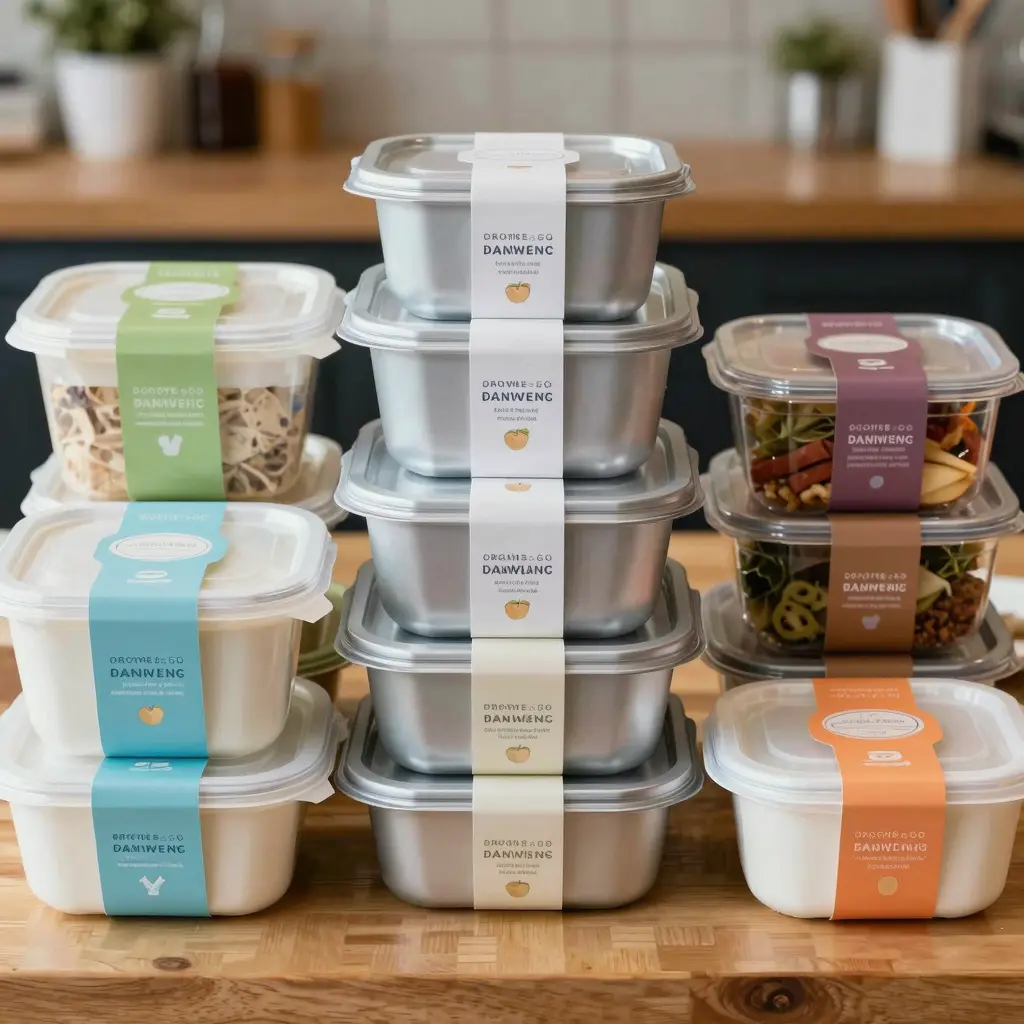
When it comes to preserving the quality and safety of food, choosing the right containers is essential for any food service business, whether it be a bustling bubble tea shop, a food truck, or a restaurant. The right containers not only protect the food but also enhance the overall dining experience for customers. Among the most popular choices, aluminum and plastic food containers each offer unique advantages. Aluminum containers are lightweight, non-toxic, and recyclable, providing excellent protection against moisture and keeping food fresh longer. They are perfect for various food types and can withstand high temperatures, making them suitable for both cooking and storage (source: Urban Box Co). On the other hand, plastic containers are versatile and often more affordable, making them a practical option for daily use in food service environments. However, it’s crucial to select BPA-free plastics to ensure safety and reduce potential health risks. With the right choice of containers, businesses can improve their efficiency while aligning with sustainability goals, ultimately leading to happier customers. For more options, check our selection of paper bowls that complement both aluminum and plastic solutions.
Comparison of Aluminum and Plastic Food Containers
| Feature | Aluminum | Plastic |
|---|---|---|
| Durability | Highly durable; resistant to rust and bending. | Less durable; may crack or break easily. |
| Cost | Generally higher upfront cost but can be more economical in the long run. | Typically lower initial cost. |
| Environmental Impact | Recyclable and environmentally friendly. | Contributes to plastic pollution unless recycled properly. |
| Convenience | Lightweight and easy to store; can be recycled after use. | Lightweight; may not withstand high temperatures. Portable but can deform. |
| Heat Resistance | Can withstand higher temperatures, suitable for hot foods. | May warp at high temperatures, not ideal for heating. |
| Food Preservation | Excellent barrier to moisture and light. | Good for many applications but less efficient than aluminum for sensitive items. |
Conclusion
Choosing between aluminum and plastic food containers largely depends on your specific needs and values. For greener options, aluminum containers are preferable. However, for cost-effective and lightweight selections, plastic containers are widely used. Interested in our paper packaging products? Explore our collection today!
Aluminum Food Containers
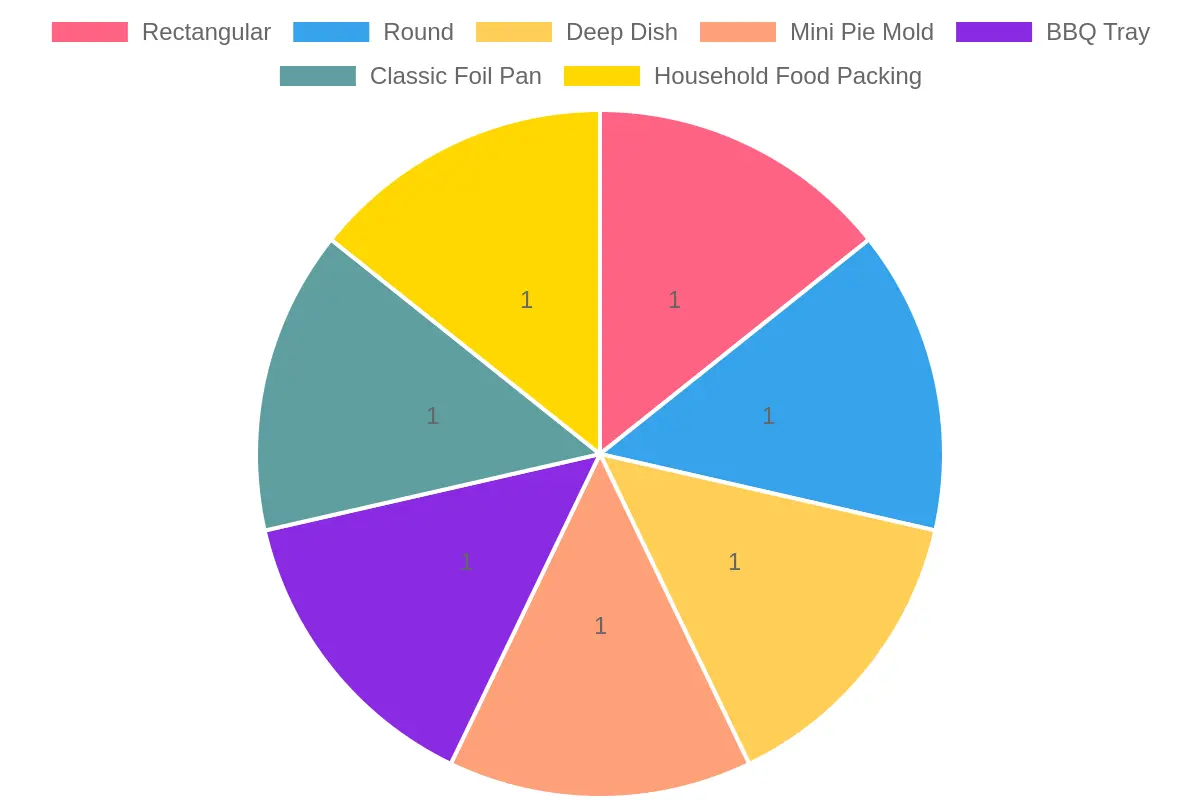
Aluminum food containers come in various shapes and sizes, catering to different food storage needs. Here’s an overview of some common types:
| Shape/Size | Description | Source URL |
|---|---|---|
| Rectangular | Disposable aluminum food container for storage | Hotpack Global |
| Round | Aluminum takeout food container | C&B Disposable |
| Deep Dish | 1200ml aluminum takeaway container | Foil Container Machine |
| Mini Pie Mold | Aluminum foil container ideal for baking mini pies | Food Container Manufacturer |
| BBQ Tray | Aluminum trays for BBQ meals | Alibaba |
| Classic Foil Pan | Standard aluminum foil pan for various meals | Amazon |
| Household Food Packing | Various shapes and sizes for household food storage | Y.S Aluminum |
Plastic Food Containers
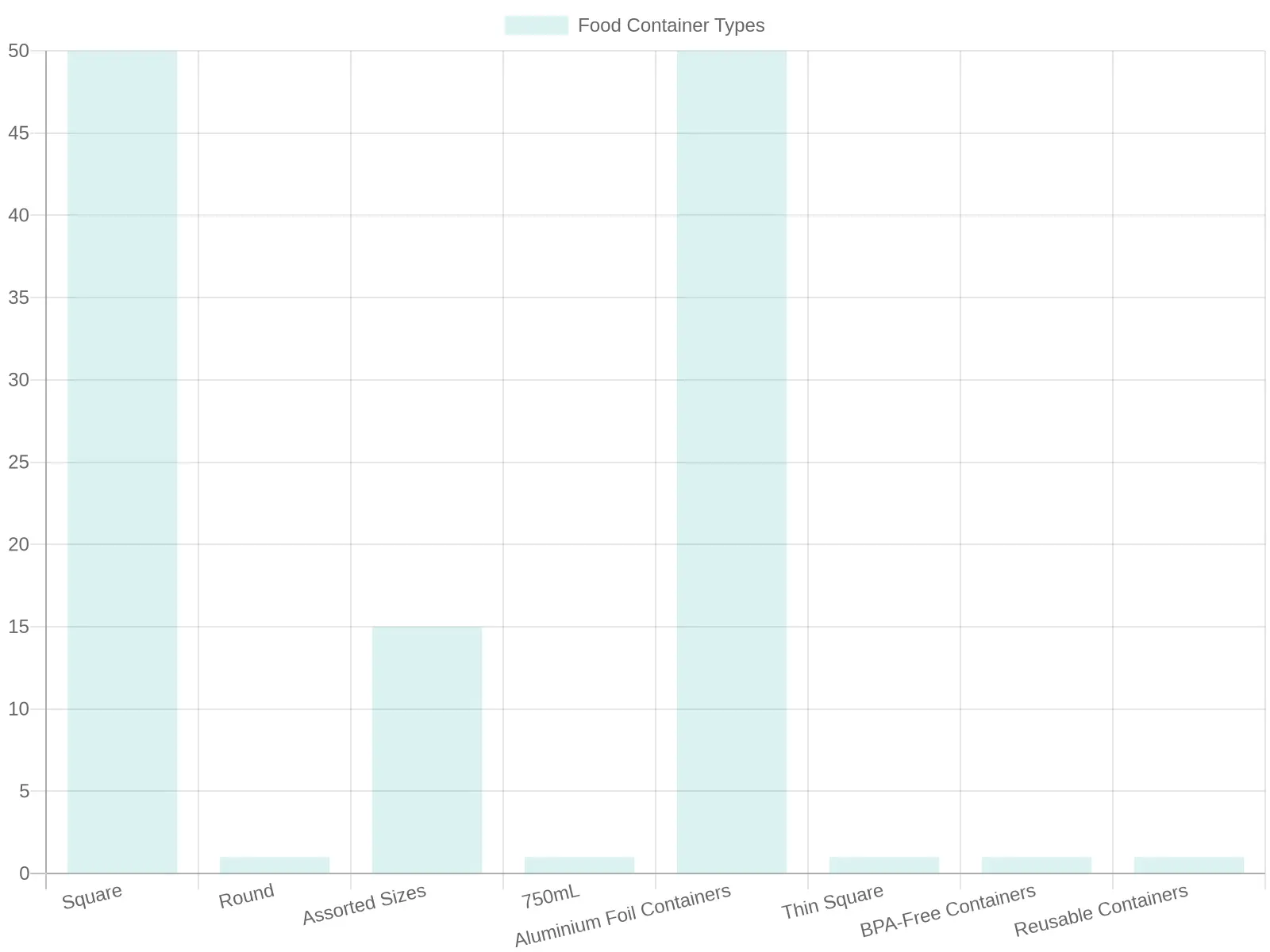
Plastic containers also offer versatility and convenience for food storage:
| Shape/Functionality | Description | Source URL |
|---|---|---|
| Square | Clear plastic food container with hinged lid, pack of 50. | Bakeyy |
| Round | Disposable plastic sushi trays with PET lids for take-away food. | Alibaba |
| Assorted Sizes | Bumper set of assorted reusable plastic food storage containers. | Quickdraw Supplies |
| 750mL | Plastic food containers suitable for takeaway. | OzGalore |
| Aluminium Foil Containers | Pack of 50 aluminum foil food containers with lids for storage. | Amazon UK |
| Thin Square | Tamper storage takeaway boxes in various sizes, suitable for seasonings and snacks. | Plastic Pallet |
| BPA-Free Containers | Food-grade plastic containers designed for food preparation and takeaway. | |
| Reusable Containers | Set of reusable plastic food box containers for lunchboxes and storage. | Tesco |
Safety and Environmental Impact of Materials in Food Containers
When it comes to food containers, safety standards are paramount, especially for widely used materials like aluminum and plastic. Ensuring that food is stored and served in safe containers is crucial for health and regulatory compliance, particularly for businesses in the food sector such as bubble tea shops, restaurants, and catering services.
Safety Standards and Regulations
Both aluminum and plastic food containers are subjected to stringent safety regulations to guarantee that they are safe for food contact. In the European Union, for example, Regulation (EC) No 1935/2004 is a key legislation that sets forth essential safety requirements for food contact materials. This includes ensuring that materials do not transfer constituents to food in quantities that could endanger human health; moreover, manufacturers must comply with Good Manufacturing Practices as stated in Regulation (EC) No 2023/2006 (learn more about food safety regulations).
For aluminum, regulations limit the migration of metals into food, addressing health concerns related to aluminum consumption. On the other hand, recent updates in plastic regulations intensively regulate what substances can be included in food contact materials, underscoring the importance of safe production methods (EU Tightens Regulations on Food-Contact Plastics).
Eco-Friendly Practices
From an environmental standpoint, the sustainability of food containers is increasingly relevant to both consumers and businesses. Aluminum is notably one of the most recyclable materials with a lower overall environmental impact compared to many plastics. Its recycling process is not only efficient but less harmful to the environment; recycling aluminum saves significant energy and reduces waste (The Rise of Aluminum Foil Food Containers: A Safer and Greener Choice). Conversely, while plastics are also recyclable, they typically involve less efficient and more polluted processes, which contributes to larger adverse environmental effects.
In light of this, many companies are opting for aluminum food containers over traditional plastic options due to their recyclability and lower carbon footprint. It’s essential for businesses, from food trucks to large catering companies, to consider these aspects not only for compliance but also for aligning with increasingly eco-conscious consumer behavior (Aluminum vs. Plastic: Which One is the Most Sustainable Option?).
Conclusion
In summary, both aluminum and plastic food containers must adhere to rigorous safety standards to ensure food safety. However, when considering environmental impacts, aluminum emerges as the more sustainable option, encouraging businesses to make informed choices about packaging materials. By understanding and applying eco-friendly practices, food service providers can enhance their sustainability efforts while ensuring compliance with safety regulations.
Benefits of Choosing Aluminum Containers for Your Business
Using aluminum food containers can significantly enhance the efficiency and sustainability of operations in businesses like bubble tea shops, restaurants, and event planning. Here are some compelling advantages of opting for aluminum containers:
- Exceptional Durability: Aluminum containers are sturdy and reliable, resistant to cracking or breaking. This quality is essential for businesses that require safe transport and storage of food items.
- Excellent Heat Conductivity: They offer superior thermal conductivity, ensuring even heating and keeping food warm longer. This is particularly beneficial for restaurants and catering services that serve hot meals.
- Lightweight Design: Despite their strength, aluminum containers are lightweight, which helps reduce shipping costs and makes them easier to handle.
- Eco-Friendly Option: Aluminum is 100% recyclable and has a lower environmental impact compared to plastic. Using aluminum can enhance your brand’s eco-friendly reputation and contribute to sustainability efforts. Learn more about sustainable packaging options.
- Versatile Applications: These containers can be used for various food types, from appetizers to desserts, making them a versatile addition to your packaging options.
- Space Efficiency: Designed for stackability, aluminum containers save valuable storage space and streamline operational efficiency in busy kitchens. This is crucial for event planners who need to manage various food items simultaneously.
- Safe and Non-Toxic: Unlike some plastic containers, aluminum does not leach harmful chemicals, making it a safer choice for food storage.
- Cost-Effective: Over time, aluminum containers provide excellent value due to their reusability and recyclability, helping businesses cut down on waste and costs associated with single-use plastics.
In conclusion, choosing aluminum containers can provide a range of benefits from operational efficiency to environmental sustainability for any food service business.
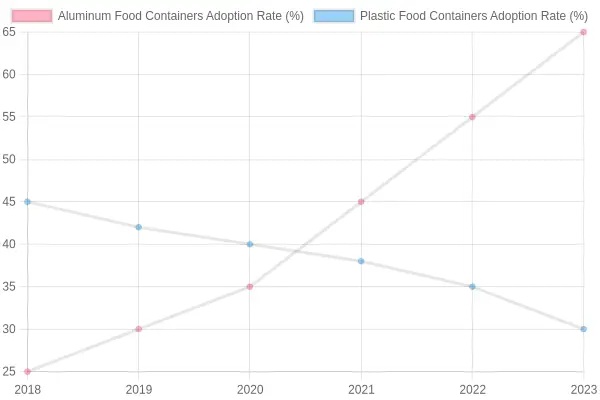
This chart illustrates the user adoption rates of aluminum versus plastic food containers from 2018 to 2023. As shown, aluminum food container adoption rates have steadily increased over the years, rising from 25% in 2018 to 65% in 2023. Conversely, plastic food container adoption rates have gradually declined, dropping from 45% in 2018 to 30% in 2023.
This trend reflects a growing preference for aluminum containers, likely driven by factors such as sustainability and performance advantages. For businesses in the food service industry, such as bubble tea shops, restaurants, catering services, and event planners, understanding these shifting preferences can inform their packaging choices.
For more sustainable packaging options, explore our range of paper packaging solutions or learn about eco-friendly containers like sugarcane food containers, which offer biodegradable alternatives to traditional plastics and aluminum.
Conclusion
In a rapidly evolving food service industry, the choice of disposable tableware and packaging solutions plays a critical role in enhancing both customer experience and operational efficiency. Our range of products is not only designed with functionality and aesthetics in mind but is also eco-friendly, making them an ideal choice for businesses committed to sustainability. Recent trends indicate a significant shift towards materials like bioplastics and bamboo, reflecting consumer demand for healthier and more environmentally responsible choices.
Using reliable disposable food containers ensures that your dishes remain fresh and safe during transport, which is particularly essential for bubble tea shops and restaurants focused on takeout and delivery. Additionally, high-quality disposable tableware minimizes breakage and cleanup time, allowing your staff to focus on what they do best: serving delicious food. As our world increasingly recognizes the need to cut waste and reduce carbon footprints, choosing eco-friendly options in disposable tableware ensures you are part of this crucial movement.
We encourage you to explore our product offerings. Check out our wide selection of paper bowls and discover eco-friendly packaging options that meet your business’s needs while making a positive impact on the environment. Don’t underestimate the importance of your tableware choices; they reflect the quality and values of your brand.
Choose our reliable disposable tableware and packaging solutions for your business. Together, we can enhance the dining experience while contributing to a more sustainable future.
Common Use Cases of Aluminum and Plastic Food Containers in Food Service and Event Planning
In the world of food service and event planning, choosing the right container is essential for maintaining food quality, ensuring safety, and providing convenience. Both aluminum and plastic containers have their unique benefits and applications, depending on the specific use case. Here’s a breakdown of their common scenarios:
Aluminum Food Containers
Aluminum food containers are celebrated for their thermal properties and eco-friendliness. Their common use cases include:
- Hot Food Delivery: Aluminum containers are excellent for maintaining food temperature, making them ideal for hot food delivery services. Their ability to withstand high temperatures without compromising structural integrity is crucial for food safety during transportation (Food For Think).
- Catering and Events: These containers are perfect for catering events where food must be kept fresh and presentable. Their sturdy design helps in packaging oily or greasy foods without leaking, ensuring an appealing display for any event (FreshPack).
- Takeout Services: Aluminum containers provide a clean presentation, enhancing the takeaway experience for customers. They are also lightweight yet robust, making them easy to stack and store (Disposable Bazaar).
Plastic Food Containers
Plastic containers are favored for their lightweight nature and versatility. Here are some common scenarios for their use:
- Meal Prepping and Snacking: Plastic containers, particularly jars and tubes, are often used for meal prep in restaurants as they facilitate easy grab-and-go service. They are particularly reliable for dry items and cold food catering (Pinterest).
- Buffet Displays and Events: They are ideal for organizing food during buffet setups, allowing easy access for guests while keeping food protected. Their visibility and lightweight nature make them practical for any well-organized event (Katom).
- Cold Foods: Plastic containers excel in packaging cold foods like salads and desserts. Many are designed to be sturdy yet flexible, accommodating varying types of cuisine. They are also more cost-effective than aluminum containers (Damati).
Comparison of Aluminum and Plastic Containers
To balance your options, consider the following table comparing key features of aluminum and plastic containers:
| Feature | Aluminum Containers | Plastic Containers |
|---|---|---|
| Food Safety | No chemical migration, FDA approved | May leach microplastics under certain conditions |
| Thermal Properties | Excellent heat retention | Limited heat resistance |
| Eco-friendliness | 100% recyclable | Often non-recyclable, contributing to plastic waste |
| Storage Capabilities | Best for oily and hot foods | Best for cold and light foods |
Conclusion
For businesses like bubble tea shops, restaurants, food trucks, catering services, and event planners, choosing between aluminum and plastic food containers can impact food presentation, safety, and customer satisfaction. Understanding the specific use cases of each type of container allows for better planning and procurement, ensuring that the best product aligns with your service’s needs. For eco-friendly packaging options, check out product categories such as sugarcane tableware for sustainable choices in your food service operations.
“The food containers from Green Dispo Pack have revolutionized my business. They keep my products fresh and secure, which is crucial for my Bubble Tea shop. I’ve noticed a significant improvement in customer satisfaction since I switched!”
- Happy Customer
For reliable food packaging solutions, check out our sugarcane food containers and paper bowls.
Aluminum and Plastic Food Containers: The Best Choices for Your Catering Needs
In today’s fast-paced food service industry, the selection of food containers is crucial for maintaining quality and convenience. Aluminum and plastic food containers are two popular options that cater to various needs of businesses such as bubble tea shops, restaurants, and food trucks. Both materials offer unique advantages that can help enhance food presentation and efficiency while also aligning with sustainability goals.
Benefits of Aluminum Food Containers
-
Durability and Resistance: Aluminum food containers are known for their robustness. They provide excellent protection against air and light, significantly extending the shelf life of food. According to Planetize Packaging, aluminum containers can preserve food quality effectively due to their resistance to external elements.
-
Eco-Friendly: They are fully recyclable, making them a preferred choice for businesses focused on sustainability. As highlighted on Gloria Aluminium, using aluminum helps reduce environmental impacts and promotes eco-friendly practices.
-
Aesthetic Appeal: Aluminum containers can be lacqued or printed for branding purposes, enhancing the visual appeal of food presentations, particularly for catered events and take-out services.
Advantages of Plastic Food Containers
Plastic food containers are often favored for their lightweight design and cost-effectiveness. Key benefits include:
-
Flexibility and Convenience: Plastic containers come in various shapes and sizes which are perfect for storing different types of food. They are lightweight and easy to transport, making them ideal for food trucks and catering services.
-
Good Sealing: Plastic offers excellent sealing capabilities, preventing spills and maintaining freshness, which is critical for event planners and corporate procurement teams.
Current Trends in Food Packaging
The food packaging landscape is evolving, showcasing trends that aim to enhance aesthetic appeal while focusing on sustainability:
-
Dopamine Design: A vibrant approach to packaging that emphasizes colors and patterns aimed at evoking happiness, as discussed in an article from Taste Tomorrow.
-
Eco-Friendly Innovations: Companies like OSQ Group are advancing sustainable packaging solutions that cater specifically to the food industry, targeting restaurants and food trucks with eco-conscious materials (OSQ Group).
In conclusion, whether you choose aluminum or plastic food containers, understanding their benefits and current industry trends can greatly improve your food service operations. Explore our extensive range of containers and packaging options at GreenDispoPack.