
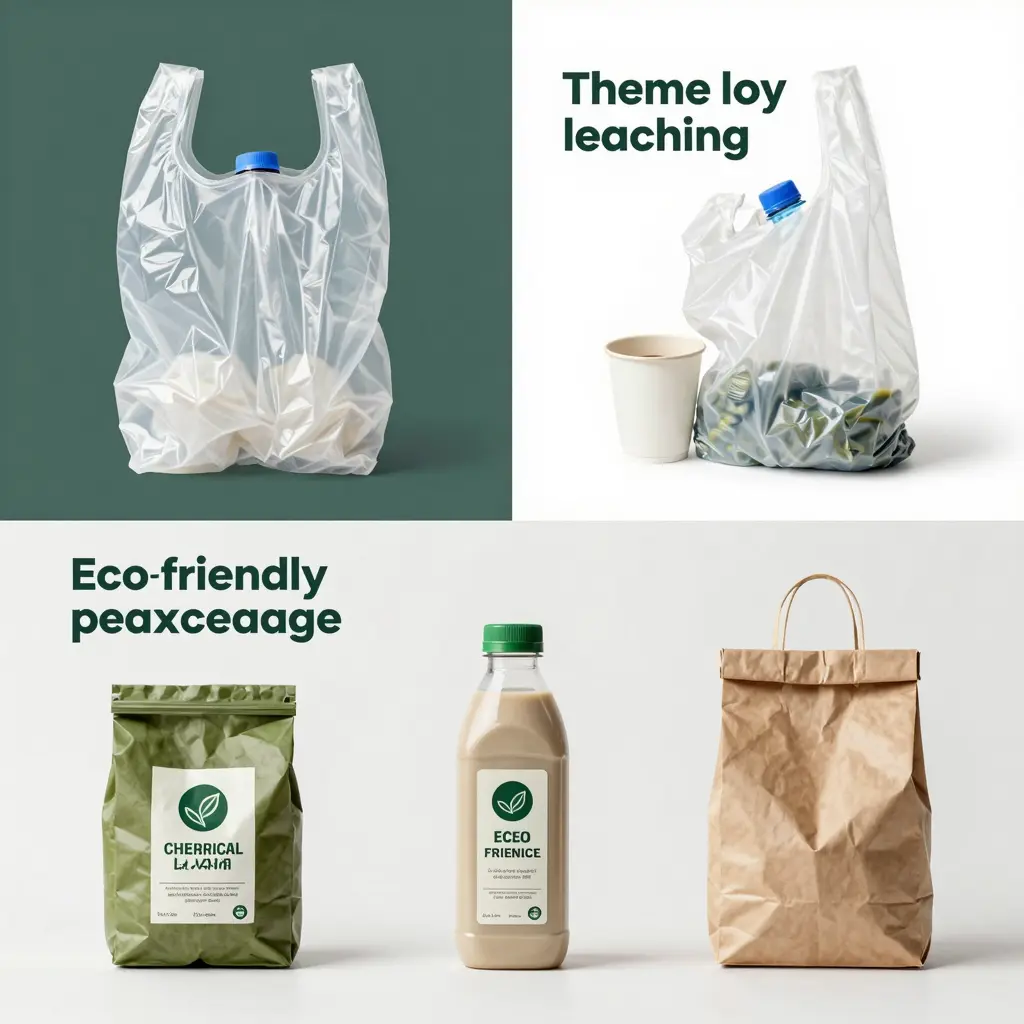
In today’s fast-paced food industry, plastic bags have become a staple in food service businesses ranging from bubble tea shops to catering services. Often seen as a convenient option for packaging and transporting food, these bags can easily be found lining the shelves of restaurants and food trucks alike. However, while their popularity is undeniable, it is crucial to shed light on the potential dangers linked to their use as food containers. Many consumers might be unaware that these plastic carriers can leach harmful chemicals into food, particularly when exposed to heat. This not only poses risks to health but also contributes to environmental pollution, a matter of growing concern. As we explore the implications of using plastic bags in food-related businesses, we will discuss sustainable alternatives that prioritize both safety and environmental stewardship. For those interested in transitioning to safer packaging solutions, consider exploring options like eco-friendly paper packaging and sugarcane tableware.
With an eye towards a greener future, understanding the impact of our packaging choices is essential for both consumer safety and environmental preservation.
Key Dangers Associated with Plastic Bags as Food Containers
Using plastic bags as food containers may seem convenient, but several key dangers should raise concerns, especially for businesses in the food industry like bubble tea shops, restaurants, and food trucks. Here’s a look at some of the most pressing issues:
-
Chemical Leaching: Plastic bags can release harmful chemicals, especially when heated or in contact with greasy and acidic foods. Harmful substances like bisphenol A (BPA) and phthalates can leach into food, posing serious health hazards.
-
Health Risks: Regular exposure to chemicals from plastic containers has been linked to various health issues, including an increased risk of hormone-related cancers and metabolic disorders. Studies suggest that consuming food from plastic can be detrimental to heart health, highlighting the need for safer alternatives (source).
-
Environmental Impact: The use of plastic bags significantly contributes to environmental pollution. They are often discarded improperly, leading to blockages in waterways and harming wildlife. The persistence of plastic in the environment poses serious ecological threats and disrupts habitats (source).
-
Waste Management Challenges: Plastic bags are non-biodegradable, making them a persistent waste problem. They can take hundreds of years to decompose, leading to overwhelming amounts of waste in landfills and natural settings.
-
Health Concerns from Burning: When incinerated, plastic bags release toxic fumes that contribute to air pollution, posing health risks to communities and wildlife. This adds another layer of concern regarding their disposal and the need for more environmentally friendly practices in the food industry.
It is essential for businesses to consider alternatives to plastic bags as food containers, such as biodegradable options or paper packaging, to mitigate these health and environmental risks. For more sustainable packaging solutions, check out our range of paper packaging products.
Health Risks of Using Plastic Bags for Food Containers
The rising concern over plastic pollution has drawn attention to the potential health risks associated with using plastic bags as food containers, particularly due to chemical leaching. When plastic is manipulated, such as heating or prolonged contact with food, harmful substances may leach into the food we consume, resulting in health risks that should not be overlooked.
Chemical Leaching and Its Implications
Chemicals commonly found in plastic, such as bisphenol A (BPA) and phthalates, are known endocrine disruptors. These substances can mimic hormones in the body, leading to various health issues. Research indicates that the migration of these chemicals into food is influenced by factors such as temperature, type of food, and even the duration of storage. For instance, studies reveal that heating food in plastic containers can significantly increase the rate of chemical leaching, raising alarms about health implications, including the risk of heart failure and inflammation related to chronic exposure.
A study reported by Macao News suggests that consuming food from plastic takeout containers might be linked to an increased risk of congestive heart failure, attributed to the inflammatory effects of leached substances. Thus, relying on plastic bags and containers for food may have unexpected consequences for health.
Another critical area of concern is the microwaving of plastics. Medical professionals warn against this practice, indicating that it can lead to the release of harmful chemicals. According to an article from Wales Online, microwaving plastic containers raises the risk of disruptions to endocrine functions, which could lead to serious health complications.
In addition, research from Zero Plastic Hub mentions that heating food in plastic containers can lead to exposure to microplastics, which might accumulate in the body over time and contribute to long-term health risks. Therefore, it is advisable for businesses engaged in food preparation and distribution, such as bubble tea shops, restaurants, and catering services, to consider safer alternatives for food containers.
Conclusion
In conclusion, the health risks associated with using plastic bags and containers for food are significant and warrant serious consideration. To protect consumer health, industries should be proactive in adopting safer materials for food packaging. By transitioning to options such as paper or sugarcane containers, food businesses can help mitigate these health risks while also contributing to a more sustainable environment. For safer, environmentally-friendly packaging options, check out our range of sugarcane food containers.
| Eco-Friendly Option | Material | Cost per Unit (Approx) | Benefits |
|---|---|---|---|
| Biodegradable Bags | PLA (Polylactic Acid) | $0.20 | Compostable, made from renewable resources, reduces carbon footprint. |
| Paper Bags | Recycled paper | $0.10 | Biodegradable, recyclable, customizable, easily available. |
| Sugarcane Containers | Bagasse | $0.30 | Compostable, requires less energy to produce, strong and durable. |
| Reusable Cloth Bags | Cotton or recycled materials | $1.00 | Long-lasting, reduces single-use plastic waste, many uses beyond groceries. |
| Plant-Based Plastic Bags | Made from cornstarch or sugarcane | $0.25 | Biodegradable, maintains properties similar to traditional plastic. |
| Compostable Takeaway Boxes | Kraft Paper, Bio-Laminates | $0.75 | Strong, keeps food fresh, compostable, appeals to green consumers. |
The Environmental Consequences of Plastic Waste
Plastic bags, particularly single-use ones, have become ubiquitous in our daily lives, yet their environmental impact is profound and alarming. When discarded, plastic bags contribute significantly to pollution, harming wildlife and disrupting ecosystems.
The Scale of Plastic Pollution
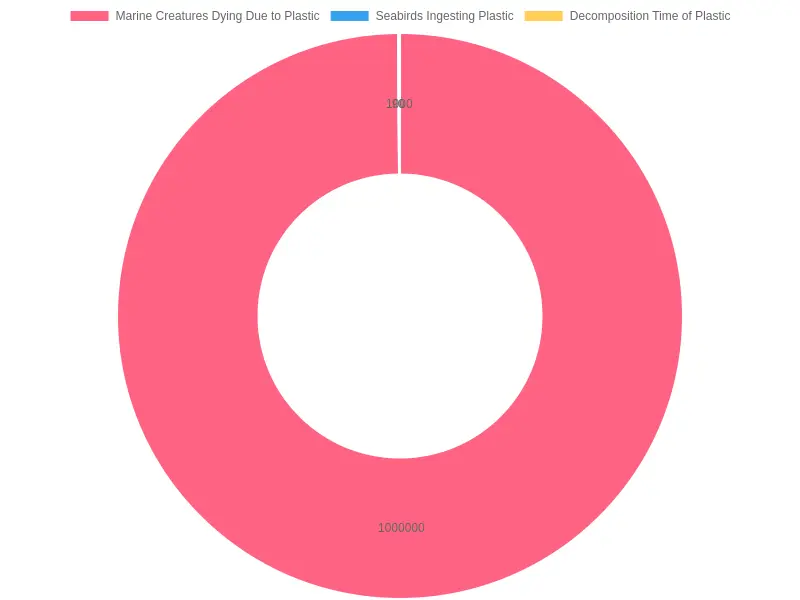
Every year, over 1 million marine creatures lose their lives due to plastic waste, a staggering statistic that highlights the dire consequences of plastic pollution (source: EcoPure). In addition, 90% of seabirds have been found to have ingested plastic, leading to detrimental health effects and increased mortality (source: National Geographic). Remarkably, a single plastic bag can take up to 1,000 years to decompose, a timeline that underscores the long-lasting impact of our plastic consumption (source: Earth.Org).
Effects on Wildlife and Ecosystems
The effects of plastic on wildlife are profound. Marine animals often mistake plastic for food, leading to ingestion that can result in malnutrition, intestinal blockage, and death. For instance, the ingestion of plastic by sea turtles can prevent them from eating natural foods, resulting in starvation.
Furthermore, plastic bags can entangle marine life, hindering movement, feeding, and reproduction. This entanglement not only affects individual animals but can also disrupt entire ecosystems, as predators and prey become unbalanced.
In addition to harming individual species, plastic pollution also damages ecosystems such as coral reefs. The accumulation of plastic debris can smother coral, block sunlight, and introduce toxins into the environment, which can lead to coral bleaching and eventual die-offs.
Statistic Summary
Here’s a summary of key statistics that encapsulate the effect of plastic pollution:
| Statistic | Source |
|---|---|
| Over 1 million marine creatures die each year due to plastic waste. | source |
| 90% of seabirds have ingested plastic. | source |
| A single plastic bag takes about 1,000 years to decompose. | source |
Conclusion
The consequences of plastic waste are not just environmental; they are a call to action. Businesses such as bubble tea shops, restaurants, and catering services can lead the charge by reducing plastic use and opting for eco-friendly alternatives. Transitioning to biodegradable options can help mitigate the harmful effects plastic has on our planet. For more sustainable packaging options, explore our paper packaging products.
In this critical era of climate awareness, each small step taken towards reducing plastic waste can contribute significantly to protecting wildlife and preserving our ecosystems for future generations.
Trends in Plastic Consumption in the Food Industry
The plastic consumption trends within the food industry have seen significant changes over the last few years. Notably, there has been an observable increase in biodegradable plastics, driven by growing consumer awareness and demand for more sustainable packaging solutions.
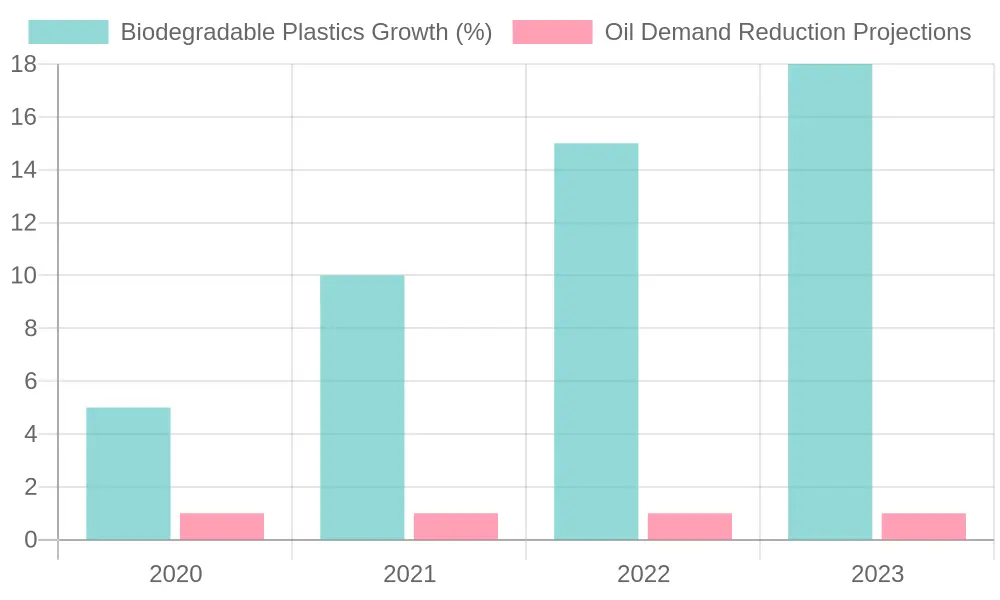
According to recent data, biodegradable plastics in food packaging grew by 18% from 2020 to 2023. This trend is expected to continue as businesses and consumers alike shift towards sustainable alternatives.
The following chart illustrates these trends in plastic consumption and the growth of biodegradable options over the years:
- Key Insights from the Chart:
- Growth rate of biodegradable plastics has steadily increased:
- 2020: 5%
- 2021: 10%
- 2022: 15%
- 2023: 18%
- Projections indicate that the shift towards plant-based alternatives could potentially reduce global oil demand by 2 million barrels per day by 2030.
This visual representation emphasizes the urgent need for food businesses to reconsider their packaging choices. The increasing consumer preference for environmentally friendly options not only helps in reducing plastic waste but also aligns with growing regulatory pressures for sustainable practices in the food industry.
For more eco-friendly packaging solutions, consider exploring Green Dispo Pack’s paper bowl options or sugarcane tableware.
“Reducing single-use plastics is not just an environmental necessity; it is crucial for human health and well-being. Companies must step up and innovate sustainable packaging solutions that eliminate plastic waste, as consumers are becoming increasingly conscious about the impact of their choices.” – Industry Expert, Source
This quote emphasizes the urgent need for businesses, including bubble tea shops, restaurants, and food trucks, to adopt sustainable practices, promoting healthier options for both the environment and customers. By transitioning away from plastic packaging, these businesses not only help in mitigating environmental damage but also cater to a growing consumer demand for responsible products. For more eco-friendly solutions, consider exploring paper packaging options that align with these sustainable goals.
Switching to eco-friendly packaging offers numerous benefits for businesses, especially in the food and beverage industry. Firstly, it significantly enhances brand image; consumers today are increasingly aware of environmental issues and often prefer brands that illustrate a commitment to sustainability. A recent survey revealed that 86% of consumers aged 18-34 are willing to pay more for sustainable packaging, indicating that this choice can directly impact customer satisfaction. Moreover, eco-friendly options can foster customer loyalty as they align with consumers’ values, promoting a sense of responsibility among buyers.
Not only does eco-friendly packaging benefit your brand, but it also encourages sustainable practices within the community. By promoting proper disposal and recycling methods, businesses can educate their customers on how to responsibly handle packaging waste. Providing clear instructions for disposal, highlighting recyclable materials, or collaborating with local recycling programs reinforces the message of environmental stewardship. For example, options like paper bowls and sugarcane cups not only serve the immediate needs for food service but also help reduce plastic waste in landfills. Ultimately, switching to eco-friendly packaging not only elevates a brand’s image but is vital for fostering a loyal customer base and contributing to a sustainable future.
Conclusion: A Call to Action for Sustainability
As we navigate the implications of using plastic bags as food containers, it’s clear that the dangers they pose are significant and warrant immediate action. The threat of harmful chemicals leaching into food, particularly when plastic is heated, cannot be ignored. Studies reveal that these substances can lead to various health risks, affecting your customers’ well-being and your business’s reputation. The way we package and serve food should reflect not only quality but also a commitment to health and safety.
It’s time for businesses like bubble tea shops, restaurants, and catering services to consider more reliable and eco-friendly disposable tableware and packaging solutions. With numerous alternatives available, such as biodegradable paper packaging, you can make a positive impact on the environment and assure your customers that you prioritize their health.
Let’s work together to phase out harmful plastics and adopt sustainable practices that benefit our communities and the planet. Explore our range of eco-friendly packaging options today and make the switch for a healthier tomorrow!