
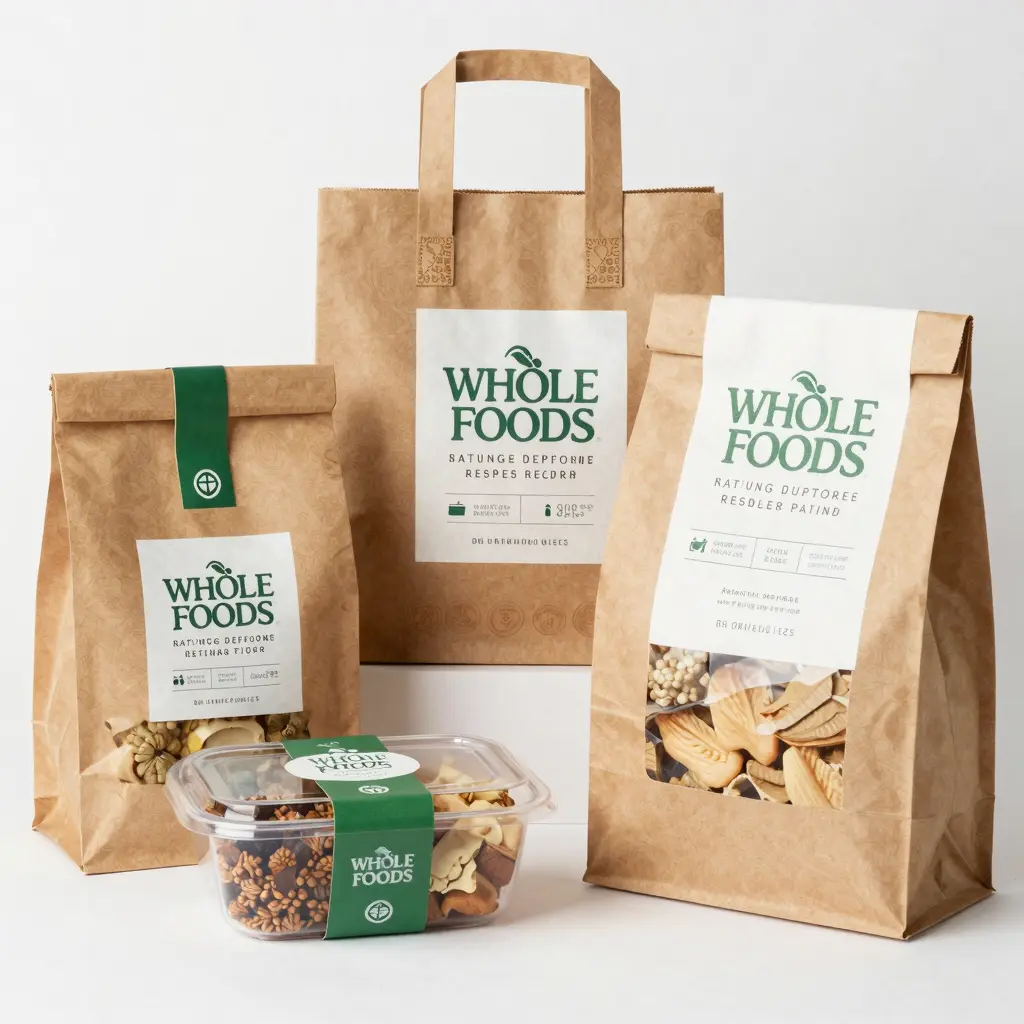
Introduction to Whole Foods Delivery Packaging
In today’s bustling market, businesses that prioritize quality and safety must pay special attention to their delivery packaging, especially in the food sector. For bubble tea shops and other food service providers, the packaging acts as more than just a protective layer; it’s a critical component of their brand’s image and customer experience. Whole Foods delivery packaging exemplifies this concept by combining sustainability with functionality, ensuring that food arrives fresh and safe while also appealing to eco-conscious consumers. As the demand for high-quality and environmentally friendly packaging continues to grow, understanding the nuances of delivery packaging becomes essential for bubble tea shops and catering services aiming to stand out in a competitive landscape. They can explore various options such as paper bowls or sugarcane cups that not only secure their products but also resonate with customers looking for environmentally responsible choices. This article will delve into the importance of thoughtful delivery packaging, providing insights that can help businesses make informed decisions that align with their values and operational goals.
Benefits of Using Whole Foods Delivery Packaging
In today’s world, where environmental considerations are paramount, opting for eco-friendly delivery packaging is not just a trend but a necessity. Whole Foods delivery packaging offers numerous benefits that resonate with businesses in the food service industry, especially for bubble tea shops, beverage chains, restaurants, food trucks, catering services, and event planners. Here are some key benefits to consider:
1. Eco-Friendliness
The most apparent advantage of Whole Foods delivery packaging is its eco-friendly nature. Many businesses and consumers are increasingly prioritizing sustainability. By utilizing biodegradable and recyclable materials, Whole Foods packaging not only reduces environmental impact but also aligns with the sustainability goals of many businesses in the food service sector. This commitment to promoting a greener planet can enhance brand loyalty and customer satisfaction, as consumers are more likely to support businesses that share their values. For more on eco-friendly options, check our range of paper packaging.
2. Durability
Durability is a crucial factor in food delivery. Whole Foods packaging is designed to withstand various conditions, ensuring your food products reach customers in perfect condition. Whether it’s hot beverages or fresh produce, high-quality materials used in Whole Foods packaging prevent leaks, spills, and contamination, which can occur with subpar packaging. For instance, bagasse materials maintain strength and structure within a wide range of temperatures, making them ideal for hot and cold foods alike. You can learn more about durable options in our collection of paper bowls.
3. Enhancing Business Values
Utilizing Whole Foods delivery packaging shows a commitment to quality and environmental responsibility. This choice reflects well on your brand’s image, attracting customers who value sustainability. Businesses that promote eco-friendly practices may also benefit from positive media coverage, helping to increase visibility and credibility. Having strong packaging that aligns with these values contributes to operational efficiencies and can even lead to cost savings in the long run through reduced waste and disposal costs.
In conclusion, Whole Foods delivery packaging embodies eco-friendliness and durability while aligning perfectly with the values held by many businesses within the food service industry. By making thoughtful choices in your packaging solutions, you not only enhance your brand image but also contribute to a more sustainable future. Embrace the benefits today!
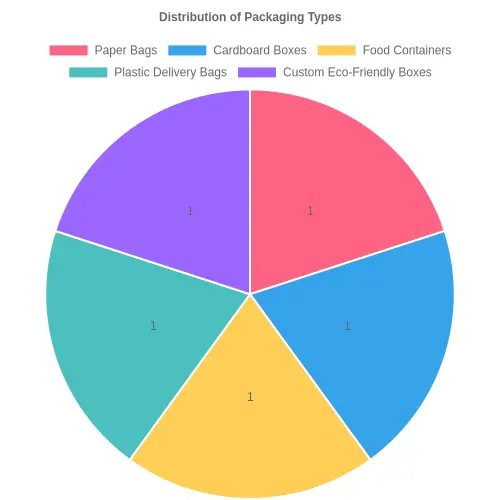
Comparing Different Types of Packaging Used by Whole Foods Delivery
As sustainability becomes a key priority for consumers and businesses alike, Whole Foods takes the lead in offering various eco-friendly packaging options. Understanding the types of packaging available, including recyclable containers, compostable bags, and biodegradable options, allows restaurants and food service providers to make informed choices tailored to their needs.
1. Recyclable Containers
Recyclable containers are widely embraced for their straightforward disposal process and support of recycling initiatives. Whole Foods utilizes containers made from materials like PET and HDPE, which are recognized for their ease of recycling. Here are some key benefits and use cases:
- Benefits:
- Sustainability: Recyclable containers can significantly reduce landfill waste, extending the lifecycle of materials.
- Environmental Impact: They support existing recycling systems and minimize resource depletion by reintroducing materials into the supply chain.
- Use Cases:
- Ideal for grocery bags and diverse product packaging, enabling consumers to shop sustainably.
2. Compostable Bags
Positioned as a more environmentally friendly option, compostable bags serve to reduce plastics in circulation. Made from renewable resources, like cornstarch, these bags decompose within months in industrial composting facilities. Their benefits include:
- Benefits:
- Moderate Sustainability: They can break down into nutrient-rich compost, improving soil health and reducing the environmental impact considerably compared to traditional plastics.
- Low Environmental Impact: When disposed of correctly, compostable bags have a minimal footprint in landfills.
- Use Cases:
- Primarily used in takeout and delivery services, they encapsulate food items while remaining compliant with eco-friendly principles.
3. Biodegradable Options
A major step toward reducing plastic pollution, biodegradable options are crafted from organic materials and designed to decompose naturally, often within the same time span as food waste. Here are their highlights:
- Benefits:
- High Sustainability: These options significantly lessen long-term waste, as they are derived from renewable resources and break down in a variety of environments.
- Diversity in Use: They fit a range of applications from food packages to personal care items, ensuring consistency in sustainable practices across product categories.
- Use Cases:
- Excellent for food packaging and personal care products, they align with the strong consumer demand for sustainable solutions.
Conclusion
Choosing the appropriate packaging is paramount for optimizing delivery services while promoting environmental responsibility. Whole Foods not only addresses consumer preferences through appealing, sustainable options but also demonstrates a commitment to broader eco-friendly initiatives. For beverage chains, restaurants, and food markets aiming to enhance their sustainable practices, opting for recyclable, compostable, or biodegradable options can be a significant step in reducing their ecological footprint.
Best Practices for Using Delivery Packaging
Using the right delivery packaging is essential for businesses in food and beverage sectors to ensure product quality, customer satisfaction, and brand integrity. Here are some best practices:
- Choose Quality Materials: Always opt for high-quality materials that will protect the contents during transit. Consider using eco-friendly packaging options to appeal to environmentally conscious customers.
- Ensure Proper Sealing: Use effective sealing techniques to prevent leaks and spills. This is particularly important for liquid items like bubble tea or sauces.
- Optimize Storage: Store packaging materials in a clean, dry environment to avoid any contamination or deterioration. Products like paper bowls are sensitive to moisture.
- Design for Branding: Leverage packaging design to reinforce your brand identity. Attractive packaging can enhance customer perception and loyalty.
- Consider Temperature Control: Use insulated packaging for items that require temperature maintenance to ensure they are delivered fresh. This is crucial for food items that spoil easily.
- Simplify Opening: Make packages easy to open to improve customer experience. Ensure food items can be accessed conveniently without causing mess.
- Communicate Handling Instructions: Provide clear instructions on how to handle packaged products, especially fragile items. This can help reduce damages during delivery.
- Be Mindful of Size and Weight: Utilize appropriately sized packaging to minimize the weight and volume, which can decrease shipping costs and optimize space.
- Get Customer Feedback: Engage with your customers post-delivery to understand their perception of your packaging. Use this feedback to refine your approach.
By implementing these best practices, you’ll ensure that your delivery packaging is effective, safe, and contributes positively to customer perceptions. For more options, explore our range of packaging like paper cups and takeaway boxes.
The Positive Environmental Impact of Eco-Friendly Delivery Packaging
As the food industry pivots towards sustainability, the adoption of eco-friendly delivery packaging has risen significantly. A recent analysis of packaging strategies indicates a growing trend among food businesses to reduce their environmental impact.
Increasing Adoption of Eco-Friendly Packaging
According to data collected over the past five years, the percentage of companies in the food industry using eco-friendly packaging materials has notably increased. Here’s a summary of the findings:
| Year | Country/Region | Percentage of Companies Using Eco-Friendly Packaging | Impact on Waste Reduction |
|---|---|---|---|
| 2019 | United States | 30% | 15% reduction in single-use plastic |
| 2020 | United States | 40% | 20% reduction in overall waste |
| 2021 | United States | 50% | 25% reduction in food waste |
| 2022 | Taiwan | 30% | 12% reduction in landfill waste |
| 2023 | Taiwan | 40% | 15% reduction in landfill waste |
| 2023 | New York | 60% | 30% reduction in food packaging waste |
| 2023 | Global Average | 45% | 20% reduction in overall packaging waste |
The above table illustrates a clear trajectory towards environmentally friendly practices. Notably, in 2023, New York reported up to 60% of companies adopting eco-friendly packaging.
The Role of Compostable Packaging
Compostable packaging options are emerging as the frontrunners in terms of sustainability. Here’s how different packaging types compare in terms of environmental benefits:
| Packaging Type | Carbon Emissions Reduction | Waste Reduction Benefits |
|---|---|---|
| Compostable Plastics | 30-50% lower than traditional plastics | Fully biodegradable, reduces landfill waste |
| Biodegradable Bags | Up to 70% reduction | Breaks down in organic waste, suitable for composting |
| Plant-based Containers | Approximately 50% lower | Can be composted at home or industrially |
| Paper Packaging | 60% reduction | Recyclable, lower environmental impact compared to plastic |
| Mycelium Packaging | Near zero emissions during production | Compostable and non-toxic, returns nutrients to soil |
These findings reflect a significant commitment to reducing carbon emissions and waste in the food industry. Learn more about our sustainable packaging options.
Conclusion
The transition towards eco-friendly delivery packaging in the food industry not only benefits businesses by aligning with sustainable practices but also contributes to a marked reduction in environmental degradation. As consumers increasingly prefer eco-conscious options, businesses that adopt these practices position themselves as leaders in sustainability, tapping into a growing market demand for green solutions.
| Packaging Option | Key Features | Materials Used | Suitability |
|---|---|---|---|
| Compostable Containers | Eco-friendly, biodegradable, reduces landfill waste | Plant-based fibers, sugarcane | Suitable for hot and cold foods, salads, snacks |
| Recycled Plastic Clamshells | Durable, recyclable, clear visibility | Post-consumer recycled plastics | Ideal for ready-to-eat meals, fresh produce |
| Glass Jars and Bottles | Reusable, recyclable, preserves freshness | Glass | Best for beverages, sauces, and spreads |
| Paper Bowls and Boxes | Lightweight, recyclable, grease-resistant coatings | Paper with eco-friendly coatings | Great for soups, fast food, and dry snacks |
| Molded Fiber Packaging | Protective, compostable, cushioned for fragile items | Molded pulp, recycled fibers | Perfect for eggs, fragile produce, and bakery |
Whole Foods focuses on sustainable packaging options emphasizing compostable and recycled materials that are safe and practical for various food and beverage needs. For businesses interested in eco-friendly paper bowl solutions, explore our paper bowl options. Also, discover a variety of sustainable paper packaging materials perfect for diverse foodservice applications.
Regulatory Considerations for Food and Beverage Delivery Packaging
In the bustling world of food and beverage delivery, adherence to safety regulations and standards is crucial for maintaining customer trust and ensuring long-term success. Businesses must navigate a complex landscape of regulatory considerations that govern packaging to ensure both safety and compliance. Here, we explore some of the key regulations and why they matter.
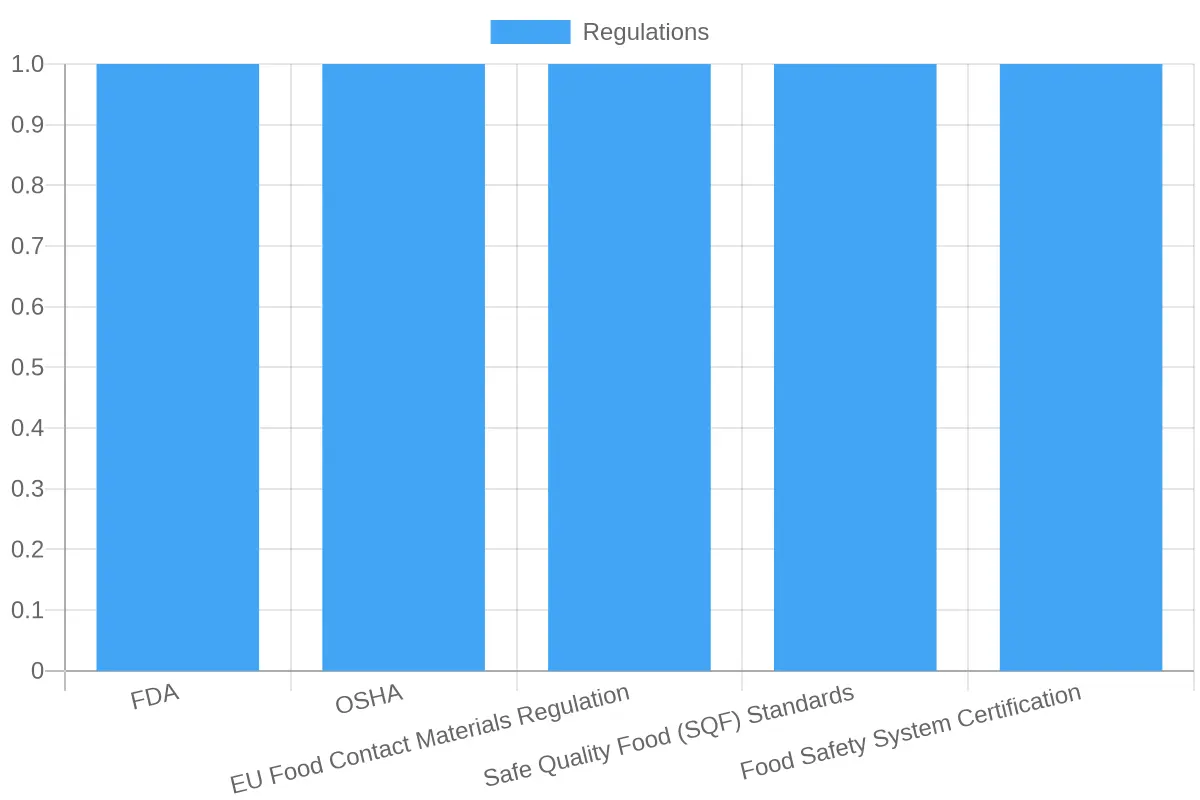
Key Regulatory Standards
-
FDA Guidelines (U.S.): The Food and Drug Administration (FDA) provides stringent guidelines aimed at ensuring that packaging materials are safe for food contact. These regulations cover everything from materials used to create packaging to labeling requirements that inform consumers of the product’s contents and potential allergens. Compliance with FDA guidelines not only safeguards public health but also protects businesses from liabilities related to unsafe practices.
-
EU Food Contact Materials Regulation: In the European Union, the safety of materials intended for food contact is regulated under specific guidelines. This ensures that packaging does not transfer harmful substances to food. Understanding and implementation of the EU regulations are vital for businesses operating in European markets, as non-compliance can lead to severe penalties and damage to reputation.
-
OSHA Safety Regulations: The Occupational Safety and Health Administration (OSHA) focuses on workplace safety with regulations that apply to the packaging industry. Ensuring a safe workplace is essential to maintain operational efficiency and protect employees, which ultimately reflects on product quality and business reputation.
-
Safe Quality Food (SQF) Standards: This certification embodies a rigorous framework for managing food safety and quality through the entire supply chain. Adhering to SQF standards can elevate a brand’s reputation, enhance customer confidence, and lead to better market opportunities.
-
Food Safety System Certification (FSSC 22000): FSSC 22000 is an internationally recognized certification that integrates the principles of ISO 22000, focusing on food safety management. Compliance with this certification helps businesses align with global best practices, catering to an increasing demand for safe, high-quality packaging materials.
The Importance of Compliance
Why is compliance with these regulations so crucial? Here are a few compelling reasons:
- Consumer Trust: Customers today are more informed than ever regarding food safety. Ensuring compliance with regulations fosters trust and loyalty in your brand.
- Risk Mitigation: Non-compliance can lead to product recalls, legal issues, and financial losses. By adhering to regulatory standards, companies can minimize these risks.
- Market Access: Many retailers and distributors require compliance with specific safety standards as a condition for doing business. Non-compliance may limit market opportunities.
- Sustainability: Regulations often reflect the changing landscape towards sustainability, requiring businesses to adopt environmentally friendly practices. This not only aligns with public expectations but also enhances your brand image.
- Competitive Advantage: Demonstrating compliance can serve as a differentiator in a crowded marketplace, showcasing a commitment to quality and safety that can attract new customers.
To navigate these complex regulations successfully, regular audits of packaging safety and materials is advisable. This helps identify potential risks and ensures that packaging materials adhere to current regulations, keeping customers safe and your business thriving.
For those looking for compliant packaging solutions, consider exploring our paper bowl options and sugarcane tableware to meet your delivery packaging needs effectively.
In conclusion, regulatory considerations are not merely legal obligations but are essential components of a successful food and beverage business strategy. Embracing them can lead to safer products and a stronger, more trustworthy brand.
“High-quality food packaging ensures product safety and maintains freshness while significantly influencing consumer purchasing decisions.”
- Source: Sanrun Technology
This quote reinforces the critical role packaging plays not just in food preservation but also in marketing and consumer trust. As food businesses increasingly focus on sustainability and quality, effective packaging becomes essential-not only for protecting food but also for enhancing brand image and meeting customer expectations.
If you’re looking to explore packaging solutions, consider checking out our paper packaging options.
By integrating quality packaging, your establishment can ensure that your products are presented well and maintain their intended quality, further catering to your customers’ satisfaction.
Conclusion
In conclusion, Whole Foods’ delivery packaging reflects an admirable commitment to sustainability and consumer convenience. By utilizing eco-friendly packaging solutions, such as recyclable materials, Whole Foods strives to minimize environmental impact while ensuring the safe delivery of groceries. Their integration with Amazon enhances accessibility, making it easier for customers to enjoy fresh, organic products delivered straight to their homes.
Sustainable disposable tableware is not just a trend; it represents a fundamental shift in consumer behavior towards more environmentally responsible choices. As observed from various studies, switching to eco-friendly tableware brings benefits that cannot be overlooked:
- Reduced Carbon Footprint: Eco-friendly packaging reduces waste and promotes the use of renewable materials.
- Customer Appeal: Today’s consumers are more conscious of their environmental impact. Providing sustainable options can significantly enhance customer loyalty.
- Brand Image: Incorporating eco-friendly solutions into your business operations positively impacts your brand image as an environmentally responsible entity.
At Green Dispopack, we offer a wide range of disposable tableware and packaging solutions designed to support your commitment to sustainability. Our products, made from materials like sugarcane and paper, are biodegradable and compostable, aligning with the growing demand for environmentally friendly options. Choose our range of products, including sugarcane cups, paper bowls, and take-away boxes, to transform your service while supporting the planet.
Engage with us today to make the eco-conscious switch in your business!