Introduction
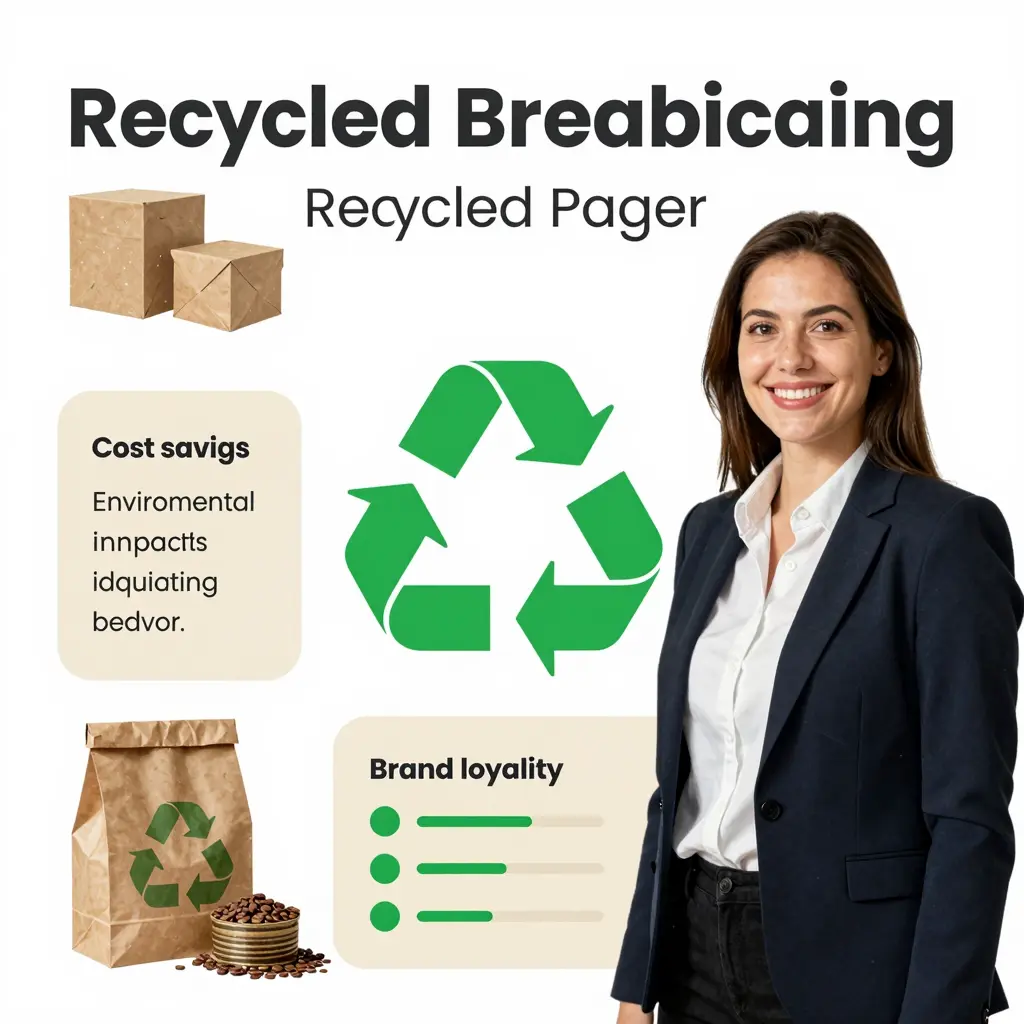
In the beverage and food service industry, sustainability is no longer a niche concept; it’s become a fundamental expectation. Recycled paper packaging stands at the forefront of this eco-friendly movement, offering numerous benefits that not only align with environmental responsibility but also boost brand reputation. By incorporating recyclable materials, businesses reduce plastic waste while meeting rising consumer demand for sustainable practices. The adoption of recycled paper packaging significantly enhances operational efficiency, decreases overall costs, and presents an appealing image to environmentally-conscious customers.
Moreover, this innovative packaging solution ensures structural integrity, preventing damage during transport while maintaining product quality. Examples such as recycled paper cups, food containers, and take-away boxes underscore the versatility and effectiveness of such materials in addressing modern challenges in packaging. As a company committed to providing premium, eco-friendly packaging solutions, Green DispoPack leverages its expertise to help businesses navigate this green transition.
Choosing recycled paper packaging is not just a trend; it’s a strategic move that supports business longevity while fostering a healthier planet. Join us in exploring how these materials can transform your approach to packaging and elevate your brand’s commitment to sustainability.
The Sustainability Benefits of Recycled Paper Packaging
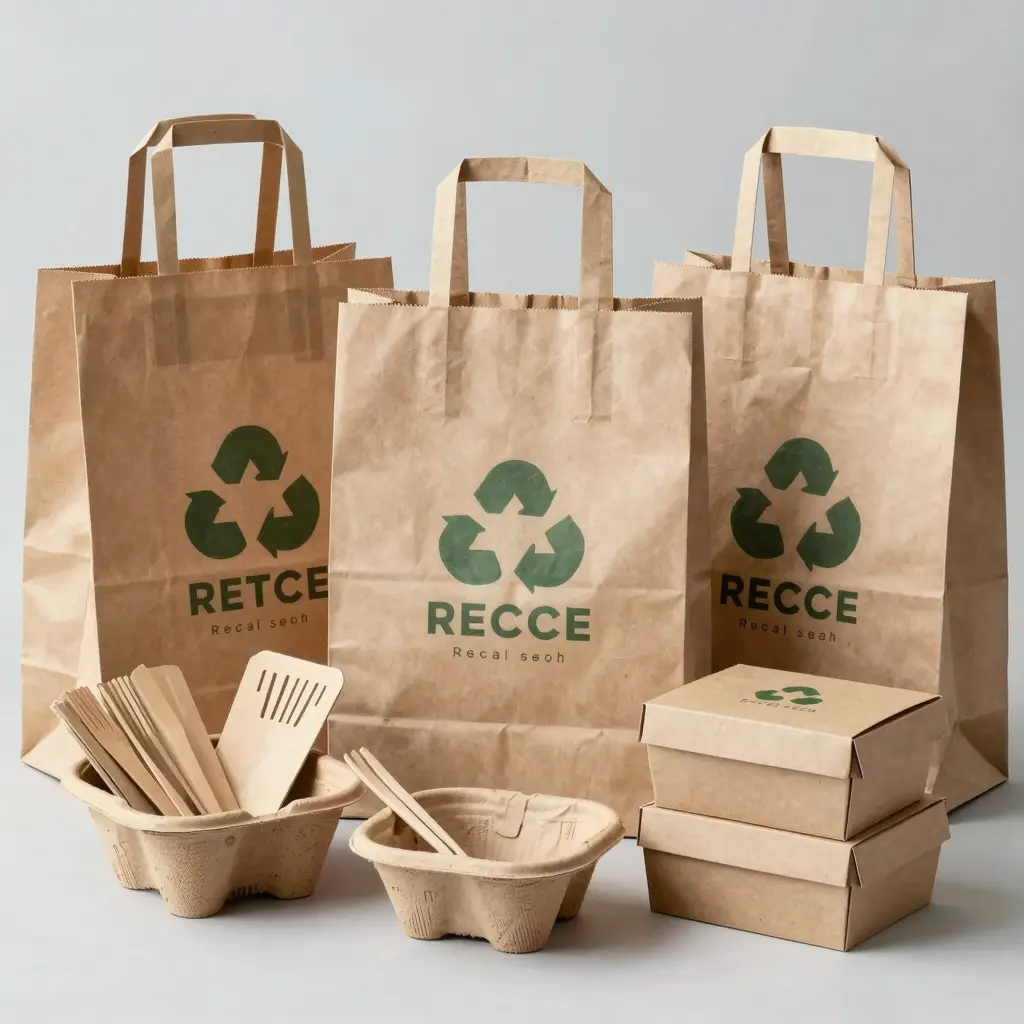
As the need for sustainable solutions grows, recycled paper packaging emerges as a leading choice for businesses committed to reducing their environmental impact. With a focus on reducing waste, lowering carbon footprints, and improving resource management, recycled paper packaging aligns perfectly with the values of modern consumers and businesses alike.
Reduced Waste
Switching to recycled paper packaging is a pivotal step toward minimizing landfill waste. According to the U.S. Environmental Protection Agency (EPA), recycling one ton of paper saves approximately 17 trees and diverts substantial amounts of waste from landfills, which ultimately helps to reduce the overall waste footprint of your business. Each box or bag made from recycled content not only represents a responsible choice but also supports circular economy principles, fostering a more sustainable lifecycle for materials.
Lower Carbon Footprint
The production of recycled paper packaging is significantly more energy-efficient than that of virgin paper. It requires up to 60% less energy, ultimately leading to a lower carbon footprint. This is crucial for businesses looking to minimize their greenhouse gas emissions. Each ton of recycled paper produced saves around 4,100 kilowatt-hours of electricity, contributing to better energy conservation. A commitment to recycled materials not only improves corporate sustainability credentials but also demonstrates a proactive approach to climate change mitigation. You can learn more about the range of eco-friendly options available with Green Dispo Pack’s paper packaging.
Improved Resource Management
Resource management is at the heart of sustainability. Recycled paper packaging conserves not just trees, but also essential water resources. Producing recycled paper uses about 7,000 gallons of water less compared to creating paper from virgin wood pulp. By prioritizing recycled packaging solutions, you play a crucial role in conserving our planet’s resources. This practice not only supports sustainable forestry but also encourages responsible sourcing across the supply chain.
In conclusion, the switch to recycled paper packaging offers significant sustainability benefits. It is a practical choice that reduces waste, lowers carbon footprints, and enhances resource management efforts. By aligning your business with eco-friendly practices, you cater to a growing base of environmentally conscious consumers and contribute positively to our planet’s future. Together, we can make a difference in creating a greener world.
| Packaging Type | Material Composition | Cost (per 1000 units) | Durability | Common Uses |
|---|---|---|---|---|
| Recycled Kraft Paper | 80% recycled paper, 20% other sustainable fibers | $50 | Strong, tear-resistant | Grocery bags, fast food containers |
| Corrugated Cardboard | 70% recycled paper, moisture-resistant coating | $60 | Very sturdy, ideal for shipping | Shipping boxes, take-out food packaging |
| Honeycomb Paper | 100% recycled paper, honeycomb structure | $55 | Lightweight yet strong, impact-absorbing | Packaging for fragile items, wall panels |
| Paperboard | 90% recycled paper, various thicknesses | $45 | Moderately strong, recyclable | Beverage containers, gift boxes |
| Wax-coated Paper | 80% recycled paper, wax layer for moisture protection | $70 | Moisture-resistant, moderate durability | Food wrappers, takeout boxes |
Summary
- Material Composition: Most options range between 70%-90% recycled material.
- Cost: Pricing varies but generally stays under $100 per 1000 units.
- Durability: Varies widely. Corrugated is very strong, while honeycomb paper provides excellent protection without added weight.
- Common Uses: Suitable for various applications, including shipping, immediate consumption, and school or office supplies.
For extensive packaging options, you can explore these specific categories at Green Dispo Pack’s paper packaging section and paper cup options.
This table provides key insights into recycled paper packaging for businesses looking to align with sustainable practices while ensuring functionality.
Design Trends in Recycled Paper Packaging for Bubble Tea Shops and Restaurants
As the movement toward sustainability continues to gain momentum, bubble tea shops and restaurants are embracing recycled paper packaging as both a practical and aesthetic solution. Various design trends are currently defining this shift, making packaging not just functional but also a vital component of brand identity.
Minimalist Eco-Luxury
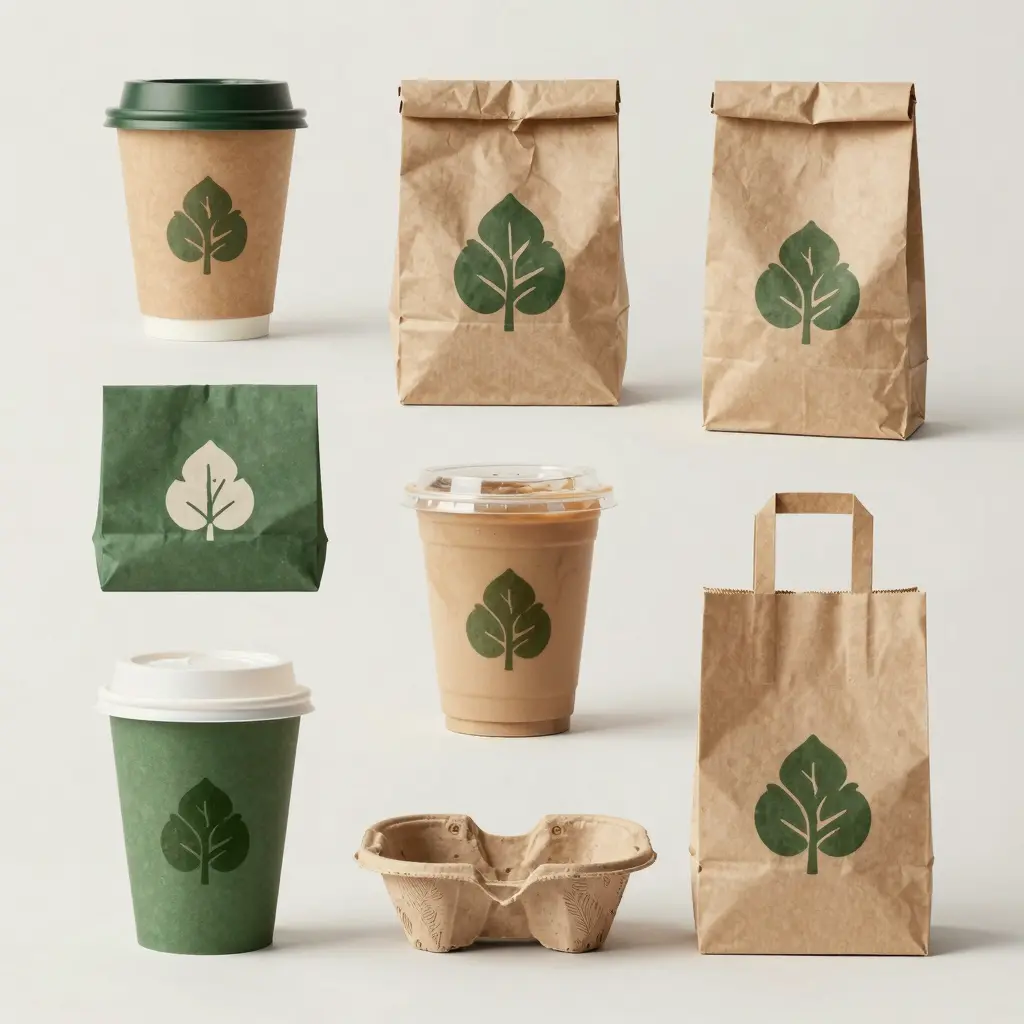
One of the most prominent trends among bubble tea shops is the concept of “minimalist eco-luxury.” This design philosophy revolves around using high-quality, uncoated recycled paper with a natural kraft finish, emphasizing texture and sustainability. Nature-inspired patterns, like leaf veins or water ripples, are becoming increasingly popular, often printed with soy-based inks. This approach provides consumers with a tactile and visually pleasing experience, reinforcing the brand’s commitment to the environment while appealing to a sense of luxury.
Functional Elements and Innovation
In 2026, innovations in recycled paper packaging have taken design to the next level by integrating functional elements. For instance, some bubble tea shops are utilizing biodegradable, molded pulp inserts for cup holders that can double as branded coasters. Additionally, foldable flat-pack containers are designed to reduce shipping volume by up to 40%. This multifunctionality not only enhances user convenience but also aligns with eco-friendly practices, increasing consumer trust in brands committed to sustainability.
Smart and Interactive Packaging
The integration of technology into packaging design is another trend gaining traction. Many brands are now implementing smart designs with built-in temperature indicators using thermochromic inks, which tell customers whether their drink is too hot to handle. Furthermore, interactive packaging featuring QR codes links to digital menus or carbon footprint trackers, enhancing transparency and customer engagement. This forward-thinking approach allows businesses to communicate directly with their consumers, driving brand loyalty.
Color and Branding
Color plays a significant role in how packaging is perceived. Earthy tones and minimalist typography are trending, which helps convey authenticity and environmental responsibility. Unlike the vibrant colors typical of fast-food branding, a more subdued palette resonates well with consumers who are environmentally conscious. Research indicates that warm colors stimulate appetite, while blues are less effective, often associated with cleanliness and trust. Therefore, adopting color schemes that align with the brand’s ethos can impact purchasing decisions significantly.
Hand-Drawn Aesthetics
Personalization is another trend influencing packaging design in the bubble tea sector. Hand-drawn illustrations and embossed logos on cup sleeves create a sense of craftsmanship and creativity. These designs resonate well with customers looking for an authentic experience, bridging the gap between product and consumer. By embracing local culture and identity through graphics-such as traditional Asian motifs or urban street art-brands can effectively celebrate their heritage while promoting sustainability.
Conclusion
In conclusion, the current trends in recycled paper packaging design highlight the importance of aesthetics and functionality for bubble tea shops and restaurants. By focusing on sustainability while also emphasizing brand storytelling through design elements-like color, innovation, and personalization-businesses can positively influence customer perception and loyalty. As we look ahead, staying ahead of these design trends will be crucial for food establishments that wish to thrive in a competitive market, proving that effective packaging is not just a container but an integral part of the consumer experience. For more insights on sustainable packaging options, check our collection of recycled paper packaging products.
Case Studies of Businesses Using Recycled Paper Packaging
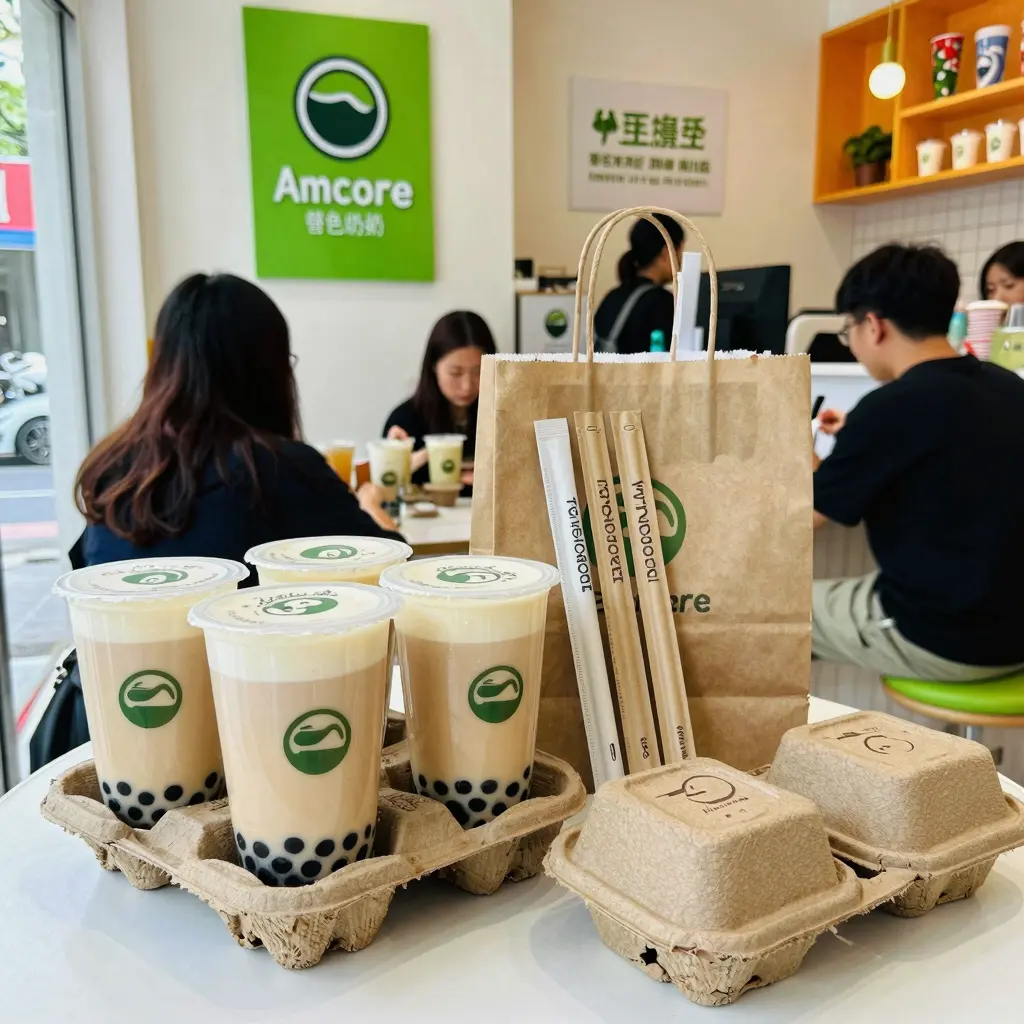
The shift towards sustainable practices is increasingly evident in the food and beverage industry. Bubble tea shops, food trucks, and catering services have actively embraced recycled paper packaging, reaping both environmental and financial benefits. Here are three notable case studies that highlight their successful implementation:
1. EcoTea – A Bubble Tea Shop Success Story
EcoTea, a bubble tea shop located in California, made a bold decision to switch to 100% recycled paper packaging for all its products, including cups, straws, and carry-outs. The shop collaborated with GreenDissopoPack for their packaging and received an enthusiastic response from customers. EcoTea reported:
- 70% Reduction in Plastic Waste: By eliminating plastic, EcoTea has significantly decreased its environmental impact.
- Enhanced Brand Loyalty: Customers appreciate the eco-friendly approach, increasing repeat business.
- Cost Neutrality: Transitioning to recycled packaging cost about the same as using traditional plastic, making it an economically viable option.
“We aim to form a connection with our customers through sustainability. Offering recycled packaging aligns our values with theirs,” said the shop manager.
For other businesses seeking similar solutions, consider these recyclable paper cup options from GreenDissopoPack, which offer great sustainability with various designs.
2. Street Eats Food Truck
Street Eats, a popular food truck specializing in gourmet street food, embraced recycled paper packaging as part of its commitment to sustainable dining. They use compostable containers made from recycled paper for serving their meals, which has led to impressive results:
- Reduced Waste by 60%: The food truck has significantly minimized its waste output by using biodegradable containers.
- Customer Engagement: The business actively educates customers about the benefits of using recycled materials, enhancing brand interaction and engagement.
- Increased Sales: Sustainability-focused marketing campaigns have attracted new customers, allowing Street Eats to see a revenue increase of 30% over the past year.
“People love to share experiences on social media, especially when they know their choices benefit the planet,” noted the food truck owner.
Street Eats exemplifies that adopting recycled paper packaging can create a positive feedback loop that encourages increased patronage and brand advocacy.
3. The Green Fork – Catering Service
The Green Fork, a catering service based in New York, has fully integrated recycled paper packaging into its operations. Following this change, they experienced remarkable outcomes:
- Waste Diversion from Landfills: The catering service diverted more than 5,000 pounds of waste from landfills over the last year by using recyclable containers and napkins.
- Energy Conservation: The switch has reduced their energy expenditure by 40% related to waste disposal processes.
- Enhanced Reputation: They reported improved brand perception among clients, noting that businesses are more likely to partner with environmentally responsible vendors.
“Being sustainable isn’t just a bonus; it’s a necessity now. Our clientele values eco-conscious options, and we take pride in delivering that through our packaging,” said the owner.
For catering services looking for biodegradable supplies, recycled paper take-away boxes can help in maintaining sustainability without sacrificing quality.
Benefits of Recycled Paper Packaging
The positive impact of recycled paper packaging is supported by compelling data, as outlined below:
| Benefit Category | Specific Impact | Data Source |
|---|---|---|
| Energy Savings | Producing recycled paper and cardboard requires significantly less energy compared to manufacturing from virgin materials. | U.S. Environmental Protection Agency (EPA) |
| Water Savings | The production of recycled paper and cardboard uses substantially less water than the production of new paper from raw materials. | U.S. Environmental Protection Agency (EPA) |
| Waste Reduction | Using recycled packaging diverts waste from landfills, reducing the overall volume of waste generated by food service operations. | Green Business Network |
| Carbon Footprint Reduction | Recycling paper and cardboard reduces greenhouse gas emissions associated with both manufacturing and waste disposal. | U.S. Environmental Protection Agency (EPA) |
In conclusion, transitioning to recycled paper packaging not only supports environmental sustainability but can also lead to enhanced brand loyalty, waste reduction, and even financial savings. As demonstrated through these case studies, food service businesses can implement these practices effectively and achieve substantial benefits.
Market Trends in Recycled Paper Packaging
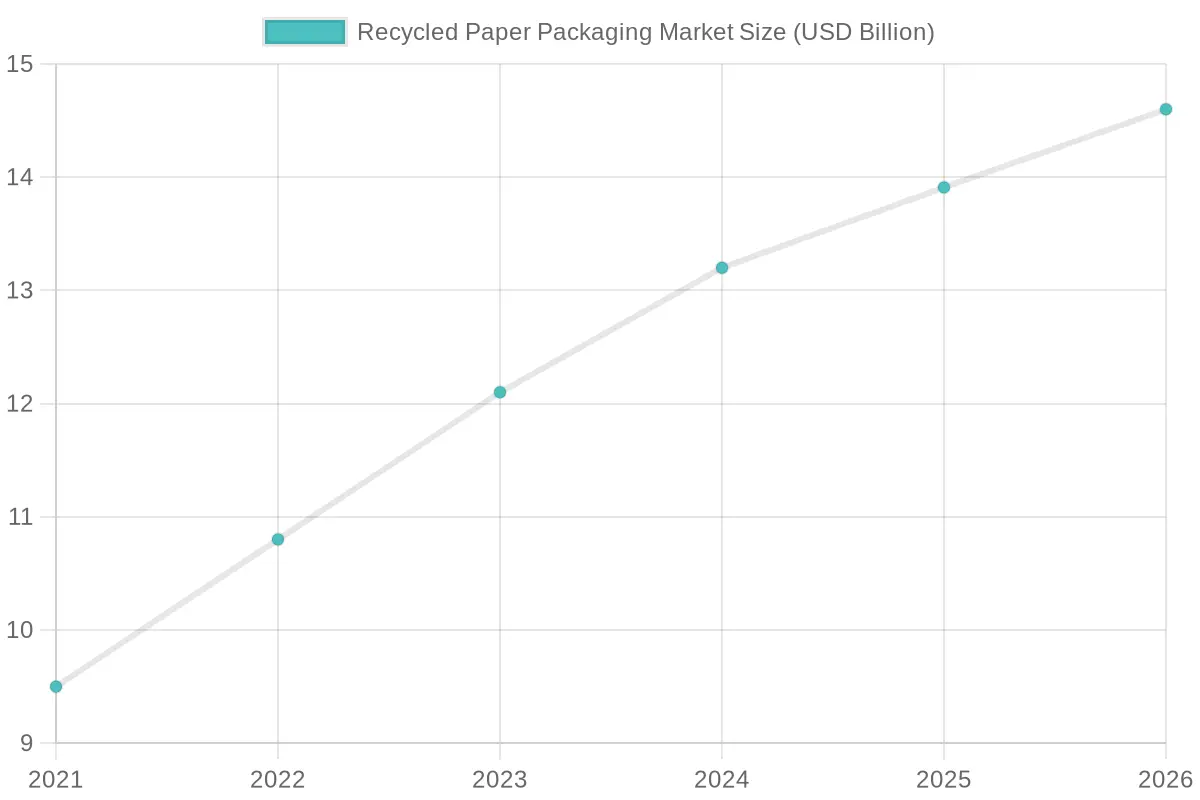
The demand for recycled paper packaging has grown significantly in recent years, especially within the food service industry. In 2021, the global market size for recycled paper packaging was approximately $9.5 billion, and this figure steadily increased to an estimated $14.6 billion by 2026. This growth has been propelled by various factors including rising consumer awareness and regulatory changes that favor eco-friendly materials.
Key Insights from Recent Data:
- 2021: The recycled paper packaging market began seeing a significant shift towards sustainable options as consumer demand increased.
- 2022: Continued efforts in regulating plastic use in food packaging helped to create space for recycled materials.
- 2023: Major food service brands adopted recycled paper packaging at an unprecedented rate, with more than 40% implementing compostable alternatives.
- 2024: Regulatory measures in markets like the EU and China enabled a broader adoption of these eco-friendly materials, making recycled paperboard a staple in over 60% of food service applications.
- 2025: The market saw a robust push towards a circular economy with strong policy support, leading to a market share greater than 70% for recycled and compostable materials in premium food service segments.
Growth Trends
The relevant growth trends can be illustrated as follows:
Sources:
- Recycled Paper Packaging Market Insights (Published: March 13, 2026)
- European Commission – Single-Use Plastics Directive
As we can see, the food service industry is adapting rapidly to consumer demand for sustainability. With projections indicating continued market growth, businesses in this sector should consider transitioning to recycled paper packaging to enhance their eco-friendly image and meet evolving regulatory challenges.
Tips for Selecting Recycled Paper Packaging Suppliers
Choosing the right recycled paper packaging suppliers is crucial for bubble tea shops, restaurants, and other food businesses committed to sustainability. Here are some actionable tips to guide you in selecting the best partner:
-
Assess Sustainability Credentials
Look for suppliers that offer third-party certifications such as FSC (Forest Stewardship Council) or Cradle to Cradle. These certifications indicate that the materials used are sourced responsibly. Learn more about paper packaging options. -
Check the Recycled Content
Request detailed information about the percentage of post-consumer recycled (PCR) materials in their products. Aim for suppliers that can provide evidence of high PCR content, ideally over 30%. -
Verify Compliance with Food Safety Standards
Ensure that the packaging meets relevant food safety guidelines such as those set by the FDA or EFSA. This can prevent harmful chemicals from leaching into food and beverages. -
Evaluate Water and Oil Resistance
Paper products often face challenges with moisture and grease. Choose suppliers who offer treated recycled paper that maintains integrity in wet or oily conditions. This feature is especially important for food businesses. -
Support a Circular Economy
Partner with suppliers who have a strong recycling program. Inquire whether they provide guidance on how to recycle their products effectively. This promotes sustainability and can enhance your business’s eco-friendly image. -
Request Samples
Before committing, ask for samples of their products. This allows you to assess the quality, aesthetic appeal, and functionality of the packaging solutions offered. -
Compare Prices and Value
While cost is important, it should not be the only factor. Compare pricing alongside quality, sustainability, and service levels to get the best value for your investment. -
Read Reviews and Testimonials
Look for feedback from other businesses about their experiences with potential suppliers. Positive testimonials can provide reassurance about reliability and product quality. -
Build a Relationship
Developing strong ties with your supplier can lead to better service and tailored solutions. Consider suppliers who are willing to collaborate and innovate to meet your specific packaging needs.
By following these tips, you can ensure your bubble tea shop or restaurant chooses a recycled paper packaging supplier that aligns with your sustainability goals and operational needs.
Conclusion
In today’s competitive marketplace, embracing recycled paper packaging not only reflects a commitment to sustainability but also offers significant advantages for your business. From reduced material costs-up to 25% less than virgin fibers-in increased brand loyalty driven by eco-conscious consumers, the benefits are clear. A recent study highlighted that businesses adopting recycled packaging see a boost in customer retention rates by 15-20% as they position themselves as responsible and forward-thinking entities in the eyes of their clientele.
As the trends shift further toward sustainability, particularly in the food and beverage industries, the adoption of recycled packaging strategies is becoming a necessity rather than just an option. Today’s consumers are increasingly leaning towards brands that prioritize environmentally friendly practices, contributing to a more sustainable future. Additionally, many states offer tax incentives for businesses that implement such practices, further enhancing the economic feasibility of switching to recycled materials.
We invite you to explore our extensive range of recycled paper packaging solutions tailored specifically for bubble tea shops, restaurants, food trucks, and more. By choosing our eco-friendly packaging, you are not only investing in your brand’s future but also in the health of our planet. Don’t miss out on the chance to enhance your brand’s image and operational efficiency.
Ready to take the next step toward a more sustainable business model? Contact us today for a custom quote tailored to your specific needs! Let Green Dispo Pack be your partner in making environmentally responsible choices that resonate with your customers and the environment.