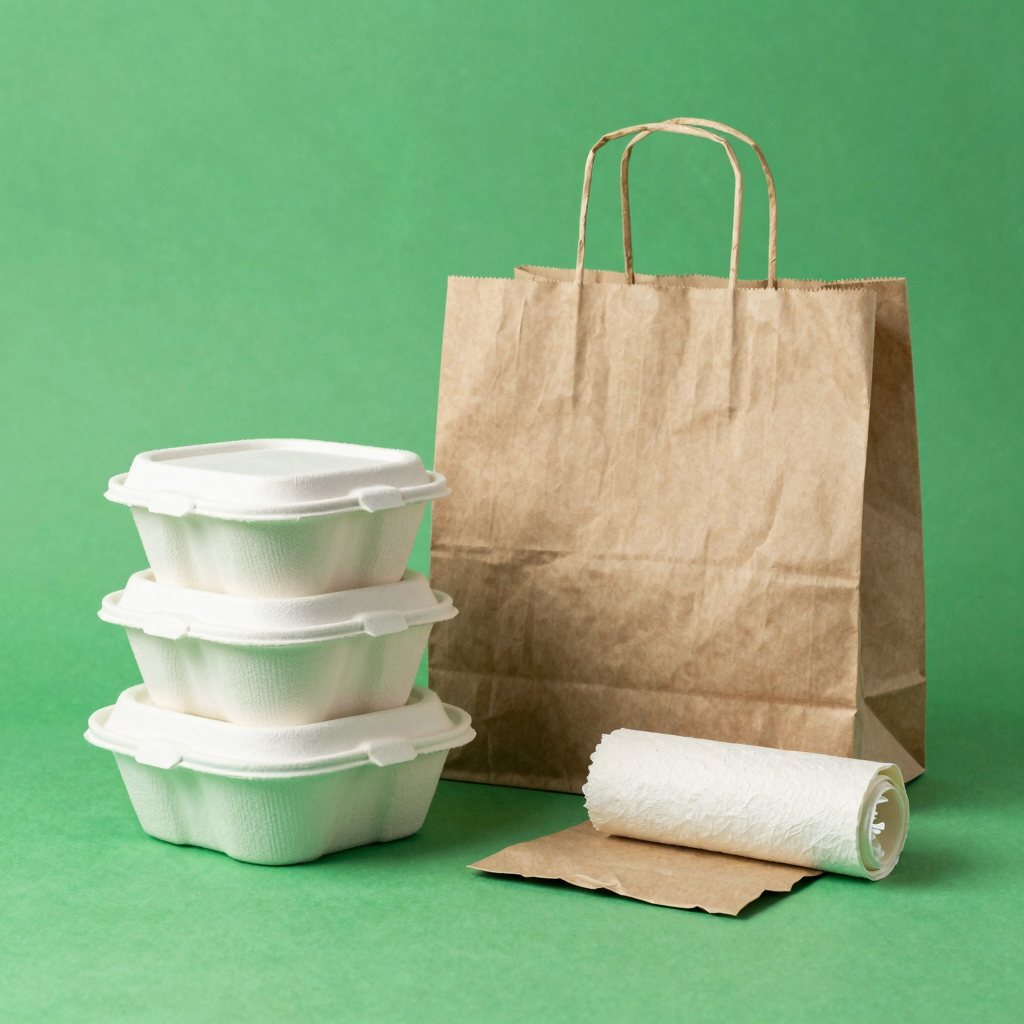
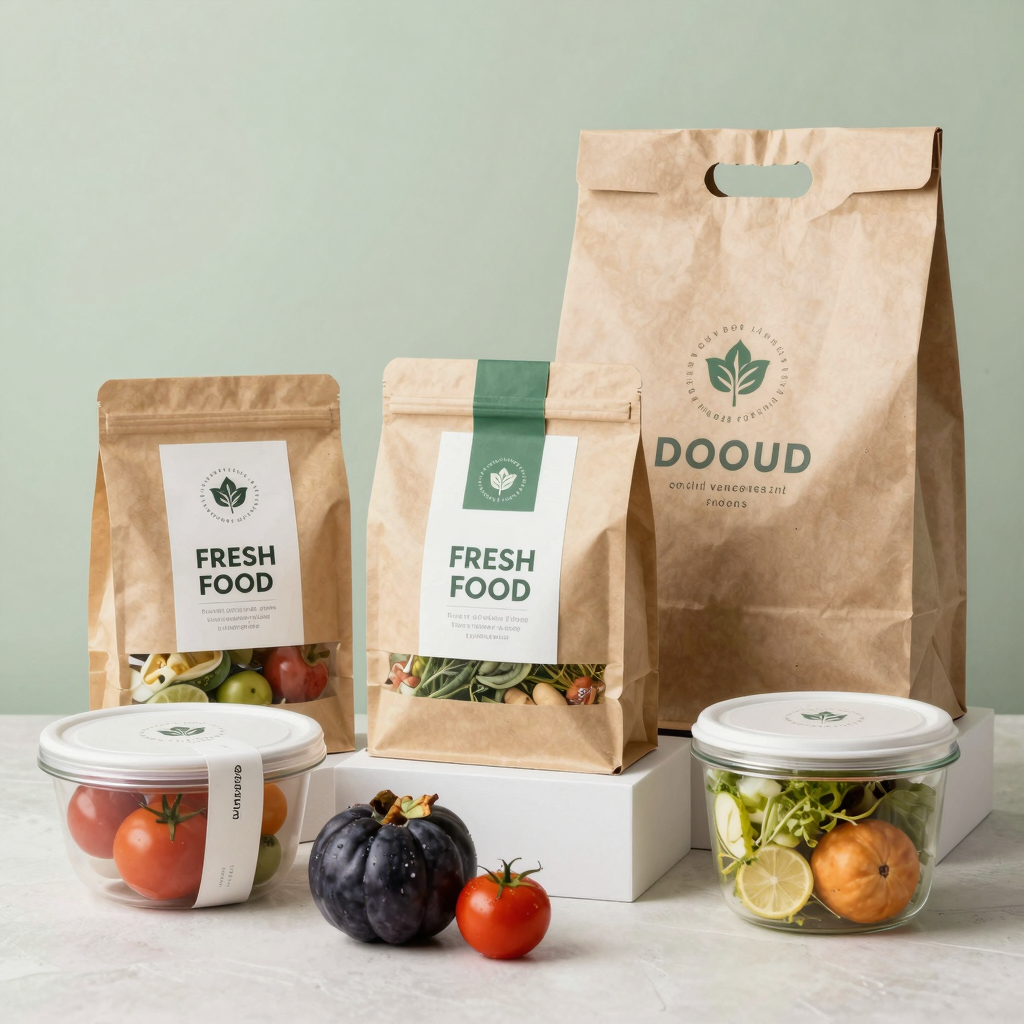
In the fast-paced world of food delivery, the perception of your brand hinges not just on the quality of your meals but also on the effectiveness of your fresh food delivery packaging. As a Bubble Tea shop, restaurant, food truck, or catering service, you know that presentation matters. A delightful meal can be overshadowed by unappealing or inadequate packaging, leading to customer dissatisfaction. It’s essential for food establishments to use innovative packaging solutions that not only protect the freshness of their offerings but also enhance the unboxing experience for customers. The right packaging can transform a simple delivery into a memorable experience, ensuring repeat business and positive reviews.
Consider how disposable tableware plays a pivotal role in your service. Customers are not just buying food; they’re purchasing an experience, and your packaging is part of that story. By focusing on high-quality, attractive, and functional packaging solutions, you can build customer loyalty and elevate your brand’s reputation. At greendispopack.com, we offer a range of eco-friendly packaging options designed specifically for your needs. Join us in redefining food delivery with packaging that impresses and retains customers. By implementing thoughtful packaging strategies, your business can resonate with sustainability while making a lasting impression on every customer you serve.
Key Challenges in Fresh Food Delivery Packaging
In the fast-evolving landscape of fresh food delivery, businesses face numerous challenges related to their packaging solutions. Here’s a list of the most common issues:
- Maintaining Freshness: Ensuring that products, especially perishables like bubble tea ingredients and food items, remain fresh during transit is crucial. This often requires innovative packaging that can withstand temperature fluctuations.
- Minimizing Environmental Impact: With growing emphasis on sustainability, many businesses struggle to find eco-friendly packaging options that do not compromise product integrity. Transitioning to materials that are biodegradable or recyclable while also being cost-effective can be a significant hurdle.
- Compliance with Safety Standards: Adhering to food safety regulations and packaging guidelines is non-negotiable, especially in the food industry. This includes ensuring that materials are non-toxic and suitable for food contact, which can add complexity to the sourcing process.
- Cost Management: Rising costs of raw materials and production can limit options for businesses. Many operators are finding it challenging to balance quality packaging solutions with budget constraints, especially when demand for premium sustainable options is increasing.
- Consumer Expectations: Today’s consumers are more informed and concerned about what they consume. Meeting expectations for transparency, functionality (like easy-to-open designs), and aesthetic appeal means facing continuous pressure to innovate in packaging design.
- Logistical Challenges: The delivery process itself can contribute to the degradation of food quality. Packaging must not only protect products but also facilitate efficient stacking and shipping, making logistical considerations paramount.
These challenges underscore the need for systematic solutions and innovative strategies in the realm of fresh food delivery packaging. For insights on sustainable packaging options, check out our blog. Choosing the right packaging not only helps address these challenges but also enhances brand reputation and customer satisfaction.
The Environmental Benefits of Eco-Friendly Packaging
In the context of fresh food delivery, Eco-friendly packaging plays a pivotal role in fostering sustainability. With an increasing awareness of environmental issues, consumers are gravitating towards brands that reflect their eco-conscious values-especially in the food and beverage industry.
Using eco-friendly packaging significantly reduces carbon emissions and waste, contributing to environmental conservation. For instance, studies indicate that sustainable packaging can decrease material waste by up to 30% compared to traditional packaging methods. This reduction is critical as global packaging waste is projected to reach 400 million tons annually by 2025. Brands that incorporate eco-friendly packaging not only contribute to a cleaner planet but can also enhance their marketability among environmentally aware consumers.
Here are some compelling statistics highlighting the importance of eco-friendly packaging:
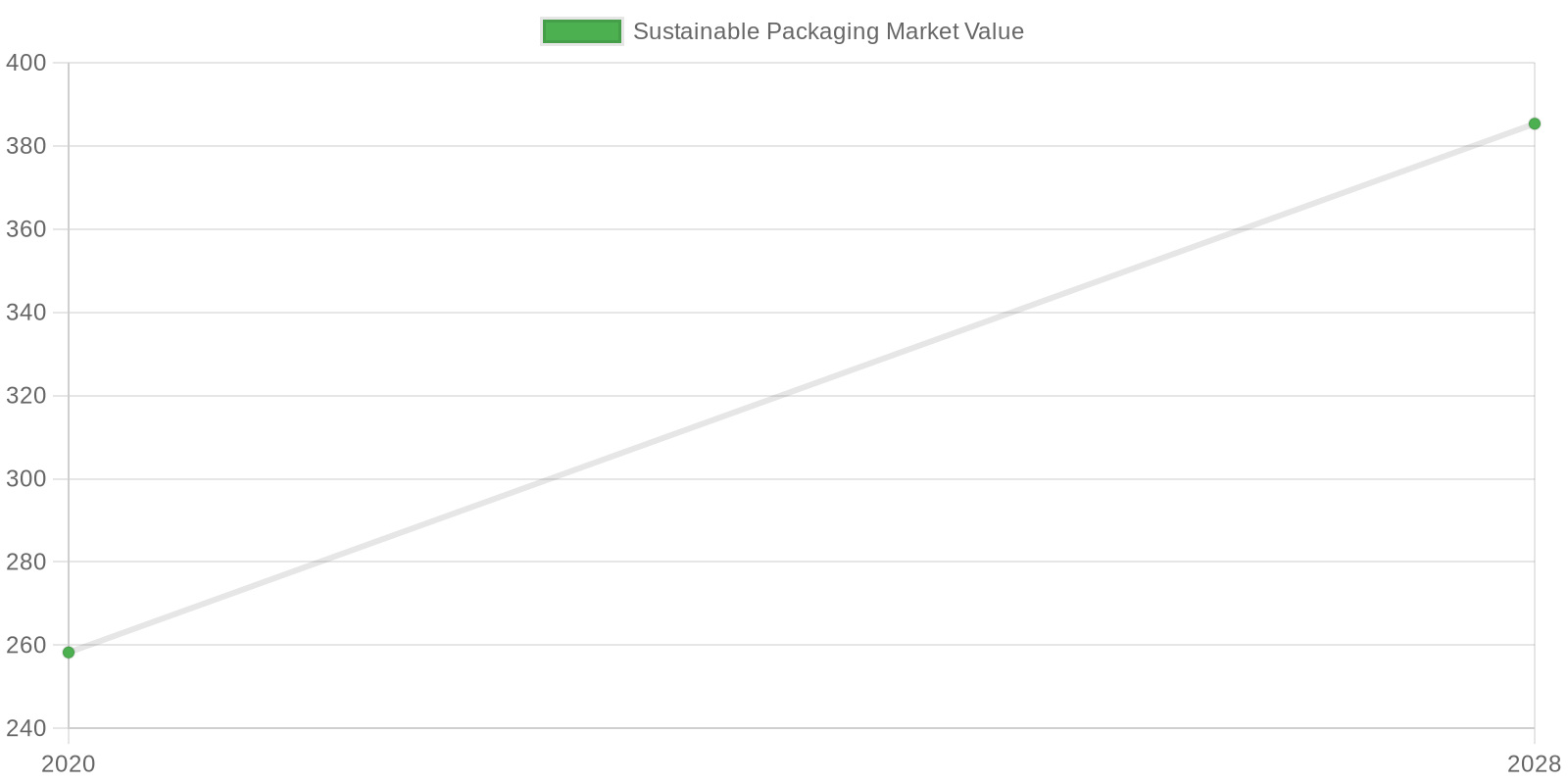
- Market Growth: The global sustainable packaging market was valued at $258.25 billion in 2020 and is expected to grow to $385.34 billion by 2028. This trend demonstrates a robust shift towards sustainable practices in the packaging industry (see chart).
- Waste Reduction: According to reports, if 20% of packaging is reusable or recyclable, it can significantly lessen resource consumption, water use, and CO2 emissions. By scaling those initiatives to 50% by 2030, the potential environmental benefits multiply exponentially.
By utilizing eco-friendly packaging options-such as compostable containers and biodegradable bags-businesses can align their operations with sustainability goals while attracting a larger customer base. Furthermore, eco-friendly practices often reduce costs in waste management and can lead to tax benefits and incentives for companies dedicated to green practices.
In the current market, consumers are more prone to support brands that demonstrate a commitment to sustainability. For bubble tea shops, restaurants, and food delivery services, adopting eco-friendly packaging is not just a trend; it’s a necessity for future success. Embracing environmentally-conscious practices signals to your customers that your business values their health and the planet’s well-being. As the shift towards sustainable practices continues, companies that adapt early can lead the charge in creating a healthier, greener marketplace.
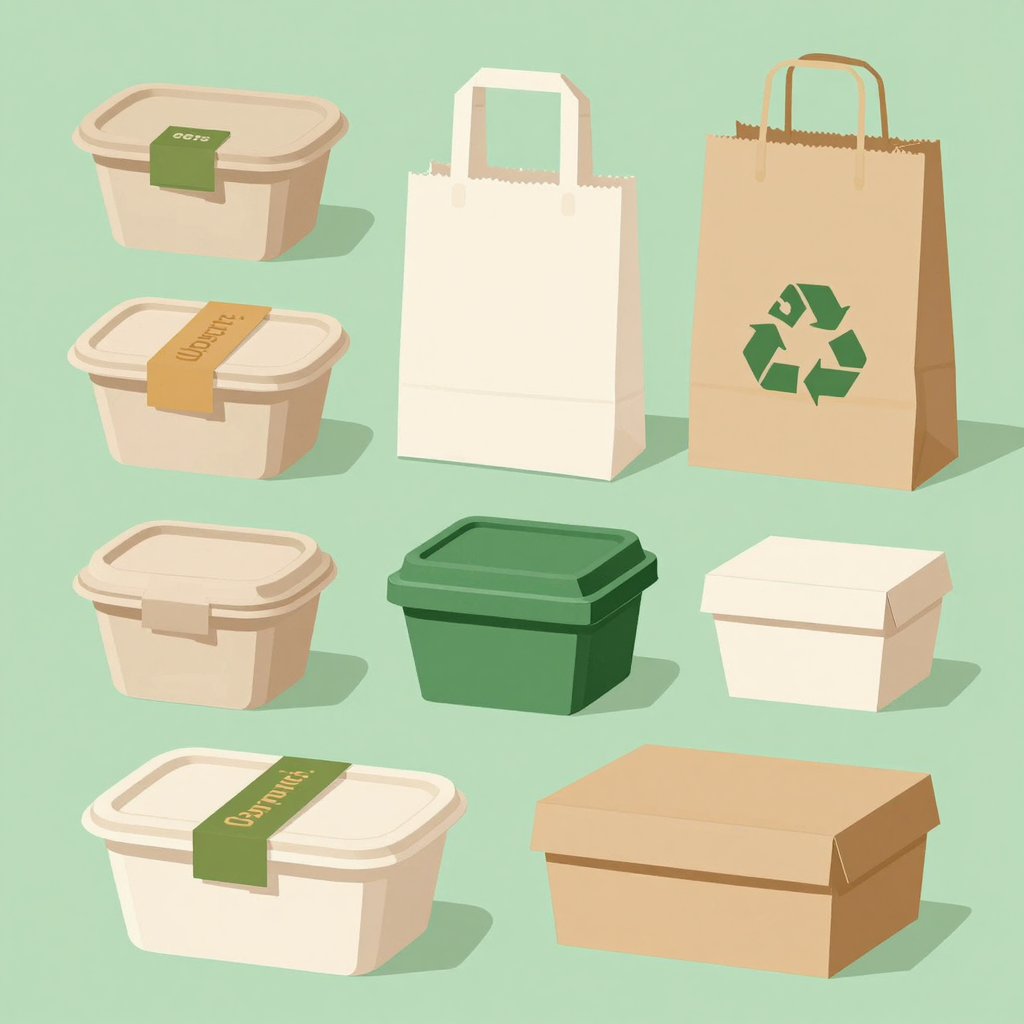
This commitment to sustainability is crucial in a world where consumers increasingly demand environmentally responsible options in their everyday choices. Emphasizing eco-friendly packaging not only enhances brand loyalty but also contributes to a better world for generations to come.
Comparison of Fresh Food Delivery Packaging
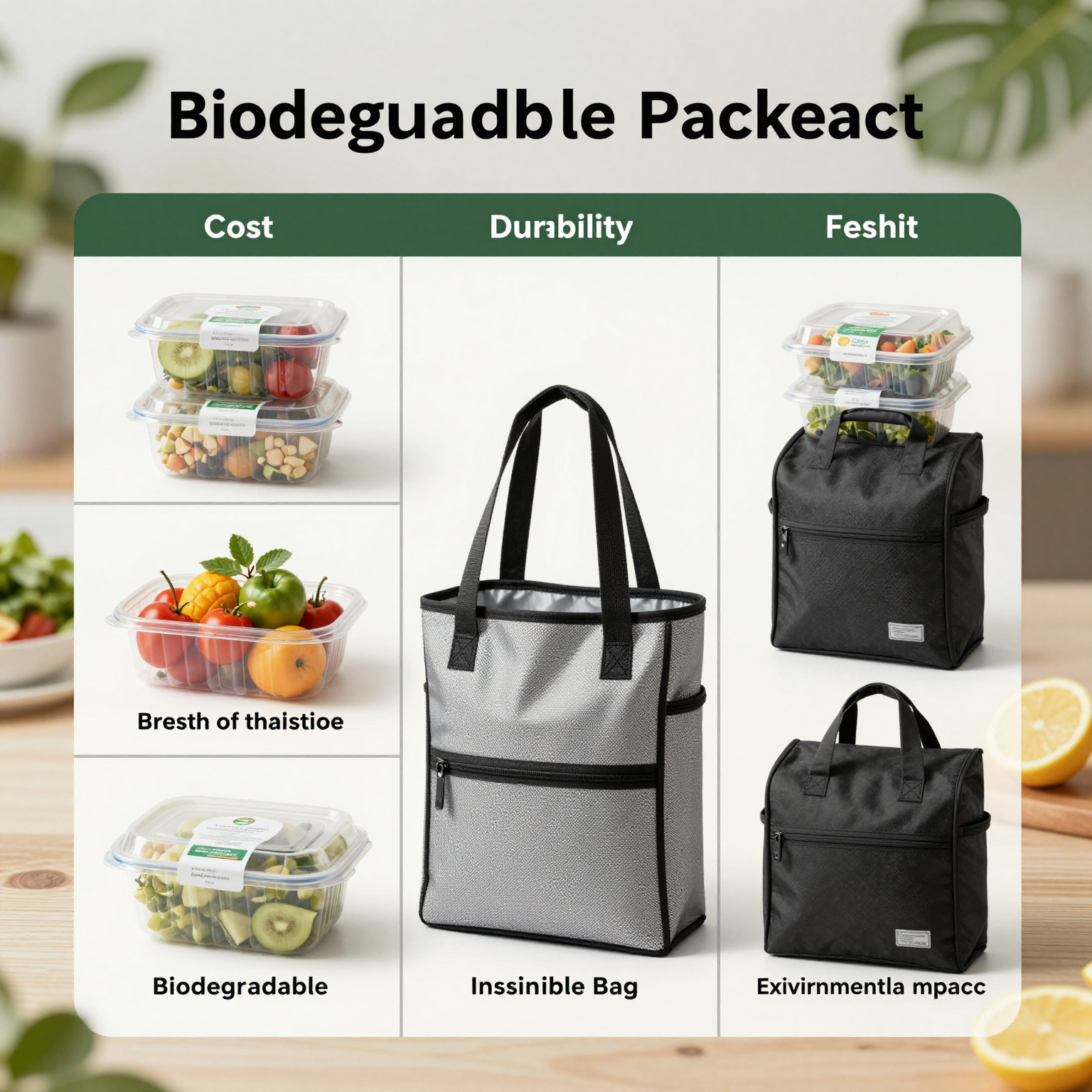
Here we present a table comparing different types of fresh food delivery packaging. This information is essential for bubble tea shops, beverage chains, restaurants, food trucks, catering services, event planners, and corporate procurement teams as it helps choose the best option for their needs.
| Packaging Type | Cost | Durability | Environmental Impact |
|---|---|---|---|
| Biodegradable Containers | Moderate | Moderate | Compostable under industrial conditions, reduces plastic use |
| Insulated Bags | Moderate to High | High | Reusable but may contain non-recyclable materials |
| Clamshells | Low to Moderate | Moderate | Typically recyclable but can be made from plastics |
| Rigid Tote Bags | Moderate | High | Reusable, often made from recycled materials |
Insights
- Biodegradable Containers: These are made from materials like sugarcane fiber and compostable plastics. They are gaining popularity for their eco-friendliness.
- Insulated Bags: Often used for temperature-sensitive items, these bags help maintain quality during delivery but can vary in recyclability based on materials used.
Explore more about biodegradable packaging options or innovative food packaging to learn how these solutions can enhance your business’s sustainability practices.
Recent Trends in Food Delivery Packaging
As the world of food delivery continues to flourish, packaging plays a crucial role in ensuring not only the safety and quality of food but also aligns with modern consumer expectations. Here’s a summary of the latest trends impacting food delivery packaging, particularly useful for bubble tea shops, beverage chains, restaurants, food trucks, catering services, event planners, and corporate procurement teams.
1. Innovations in Materials
Recent trends indicate a significant shift towards sustainable materials for food packaging. Biodegradable options such as plant-based plastics (PLA) and compostable paper products have emerged as preferred materials among environmentally-conscious consumers. The use of recycled content and renewable resources is gaining attention as brands strive for sustainability. According to Smurfit-Kappa, 85% of consumers prefer brands that demonstrate a commitment to environmental practices.
“2023年食品配送包装领域的主要创新趋势包括使用可生物降解或可堆肥材料,以减少对环境的长期影响” – Jiemian News
2. Consumer Preferences
Consumers today are not merely interested in the contents of the package, but more than ever they are prioritizing the eco-friendliness of their packaging choices. A shift towards minimalistic designs that reduce waste has occurred, with brands opting for functional designs to ensure food safety and longevity. The demand for transparent packaging that showcases quality ingredients is also on the rise, enhancing brand trust.
3. Business Strategies
The integration of sustainable practices is now a strategic imperative for businesses. To cater to the growing market demand for eco-friendly packaging, organizations are investing in innovative designs that ensure product integrity while reducing environmental impact. For instance, the adoption of temperature-maintaining packaging helps in preserving food quality, which directly correlates with customer retention and satisfaction.
In addition, businesses must navigate regulations that encourage or mandate sustainability. Recent policies, like the green regulations in various regions, further compel companies to rethink their packaging strategies. Brands implementing these innovations not only enhance their marketability but also meet compliance, which is increasingly becoming critical for long-term success.
Conclusion
The post-pandemic food service landscape calls for a comprehensive approach to packaging strategies. By embracing sustainable materials and innovative designs, businesses can gain a competitive edge and foster consumer loyalty in an ever-evolving market. To explore functional and sustainable packaging solutions, check out eco-friendly clear plastic cups or compostable paper cups.
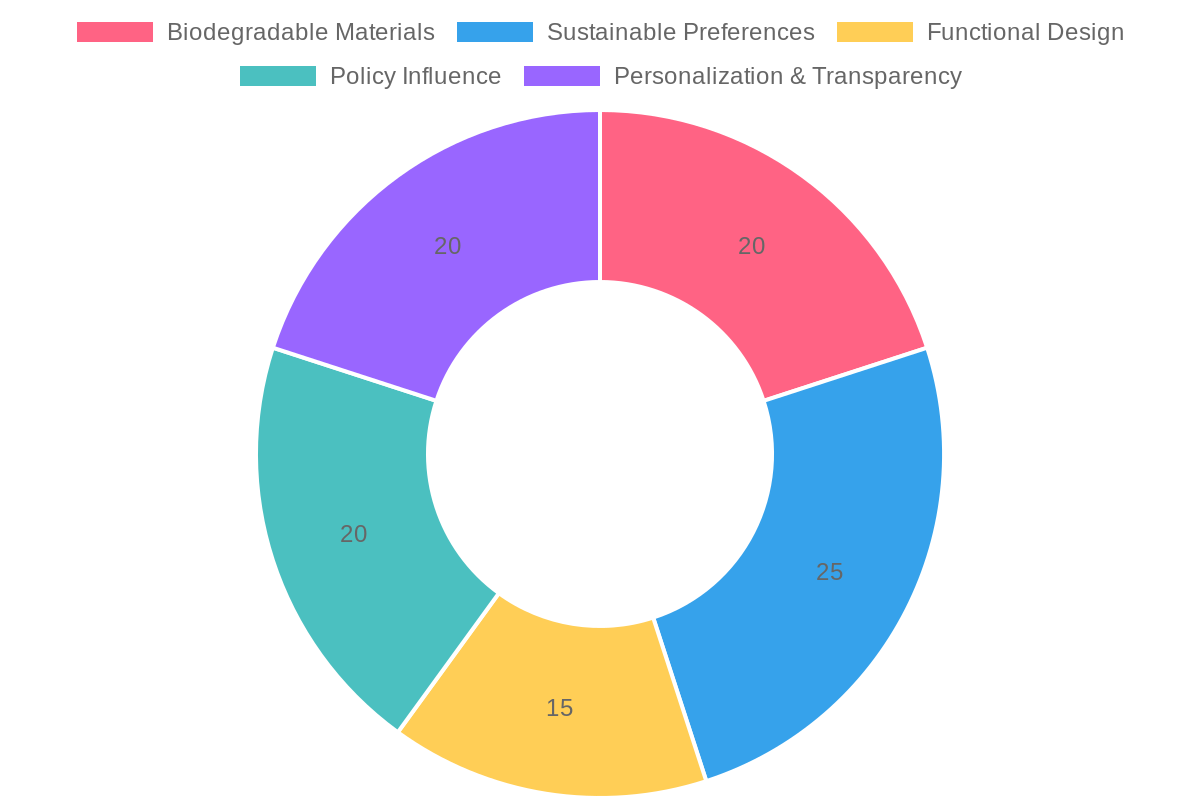
Key Trends Summary
| Trend | Details | Source |
|---|---|---|
| Biodegradable Materials | Use of renewable resources (e.g., paper, plant-based bioplastics) that decompose naturally. | Innovative Fast Food Packaging |
| Sustainable Preferences | Consumers increasingly prefer products with eco-friendly packaging. | Comprehensive Food Packaging Review |
| Increased Functionality | Packaging innovations that include leak-proof designs and insulation features. | Innovative Fast Food Packaging |
| Policy Influence | Regulations impacting the choice of materials, pushing for more sustainable options. | Comprehensive Food Packaging Review |
| Personalization | Consumers desire transparency about packaging components and sourcing information. | Comprehensive Food Packaging Review |
Importance of Compliance with Safety Standards
Compliance with safety standards in food packaging is not just a regulatory requirement-it’s a crucial element of building trust and ensuring the longevity of your business. For industries involved in fresh food delivery, such as bubble tea shops, restaurants, and catering services, adhering to safety standards can significantly impact customer satisfaction, brand reputation, and legal compliance.
Relevant Safety Standards
Several key safety standards must be followed to ensure food packaging is safe and compliant:
- FDA Regulations: In the USA, the Food and Drug Administration oversees food packaging standards to prevent contamination and ensure materials used are safe for contact with food.
- European Food Safety Authority (EFSA): In Europe, EFSA provides guidelines on materials that can be used for food packaging, especially concerning their safety and environmental impact.
- Global Food Safety Initiative (GFSI): This standard requires manufacturers to undergo stringent certification processes, ensuring their food packaging processes meet international safety benchmarks.
Importance of Compliance
- Protecting Customer Health: Non-compliance with safety standards can lead to contamination that affects consumers-an outcome that could have severe health implications. Ensuring products are packaged according to safety regulations protects your customers and demonstrates your commitment to their wellbeing.
- Building Customer Trust: Brands that prioritize safety communicate a message of reliability. Customers are more likely to trust businesses that maintain compliance with safety regulations, leading to repeat business and positive word-of-mouth.
- Avoiding Legal Consequences: Non-compliance can lead to serious legal repercussions, including fines, product recalls, and lawsuits. Regulatory bodies like the FDA impose significant penalties for violations, which can cripple small businesses.
- Maintaining Reputation: A single incident related to packaging non-compliance can severely tarnish a business’s reputation. Incidents often receive widespread media attention, leading to lasting damage that may take years to mend.
Potential Risks of Non-Compliance
Outlined below are specific risks associated with non-compliance:
| Risk/Impact Category | Specific Risks and Impacts |
|---|---|
| Customer Trust Erosion | Unsafe packaging can lead to product recalls, eroding consumer confidence and brand loyalty. |
| Business Reputation Damage | Publicized non-compliance incidents can result in negative press and loss of customers, making recovery difficult. |
| Loss of Retailer Contracts | Retailers increasingly require compliant suppliers; failure can lead to lost partnerships and market access. |
| Financial Penalties | Regulatory agencies impose fines for non-compliance, which can severely impact financial health. |
| Costly Product Recalls | Recalls not only incur significant logistical costs but also lead to decreased sales and operational disruption. |
| Supply Chain Disruptions | Compliance failures cause interruptions throughout production and distribution, affecting overall business efficiency. |
Committing to packaging safety standards is essential, ensuring customer satisfaction and business sustainability. Learn more about our packaging solutions and how they can meet industry standards.
Consumer Preferences for Food Packaging
When it comes to food services, packaging plays a critical role in consumer buying decisions. A significant number of studies reveal that consumers are increasingly focused on the sustainability and quality of packaging when purchasing food items. Here are some compelling statistics highlighting current consumer preferences regarding food packaging:
-
Sustainability Matters: About 91% of consumers are willing to pay more for sustainable food packaging. This demonstrates that sustainability is a major factor influencing purchasing choices.
-
Preferred Materials: A recent study found that 57% of consumers consider the type of packaging material-such as recyclable or biodegradable-when making purchasing decisions. This indicates that consumers are consciously connecting their choices to environmental impacts.
-
Resistance to Excessive Packaging: Over 80% of consumers express dissatisfaction with excessive or unnecessary packaging. This strong backlash is especially pronounced among younger demographics, highlighting a significant trend toward minimalism and environmental awareness in consumer habits.
-
Color Psychology: Packaging color also plays a vital role; research shows that certain colors can alter perceptions of flavor and freshness. For instance, red packaging is often associated with sweetness, while green is seen as healthy.
Key Statistics on Consumer Preferences
| Category | Data Point | Source |
|---|---|---|
| Willingness to pay more for sustainable packaging | 91% of consumers willing to pay more for sustainable food packaging | Statista – Sustainable Packaging |
| Consideration of packaging material | 57% consider packaging material like recyclable or biodegradable in purchase decisions | McKinsey – Sustainability in Packaging |
| Concern over excessive packaging | 62% express concern or frustration over excessive packaging | McKinsey – Sustainability in Packaging |
| Impact of color on purchase decisions | Packaging color significantly impacts perceptions of flavor and quality, with red associated with sweetness and green with health | Food Quality and Safety Journal |
Understanding and adapting to these preferences not only helps increase customer satisfaction but also promotes a sustainable approach in the food delivery sector. As consumer awareness grows, food services have a golden opportunity to align their packaging strategies with these evolving standards. For further insights on food packaging options, consider checking out our eco-friendly plastic cups for your beverage business!
“Packaging has become a key factor in maintaining brand loyalty, especially as food delivery services continue to grow. By integrating a complete production cycle from raw materials to finished goods, companies can enhance stability and brand experience in their packaging solutions.”
- Founder of Tonglian Packaging, as cited in Tonglian Packaging News
Innovative packaging solutions are vital in meeting the demands of food delivery services while also providing sustainability. Brands that focus on eco-friendly materials and streamlined supply chains will likely succeed in a competitive market.
Conclusion
In conclusion, choosing the right packaging for fresh food delivery is crucial for businesses like bubble tea shops, restaurants, food trucks, catering services, and event planners. High-quality packaging not only preserves the freshness and quality of products but also enhances the customer experience. As highlighted in our discussions, innovative packaging solutions are essential in today’s competitive market, where the appeal of your product can significantly influence purchasing decisions.
By opting for disposable tableware and packaging solutions from Green Dispo Pack, you align your business with the growing trend of sustainability and consumer preferences for eco-friendly products. Our diverse offerings cater to a wide array of food service needs, ensuring that everything from bubble tea to gourmet meals is delivered safely and stylishly to your customers.
The shift towards sustainable and biodegradable materials is not just an option but a necessity in today’s market landscape. Adopting packaging that is both functional and environmentally responsible can increase your brand’s value and customer loyalty.
Choose our reliable disposable tableware and packaging solutions for your business. Let’s work together to enhance your food delivery system while meeting the demands of your customer base. Don’t hesitate to explore our full range of products and find the perfect solution tailored for your needs!