
In today’s food industry, the use of plastic containers is often seen as a practical, cost-effective choice for food storage and service. However, this widespread assumption masks a series of dangers and misconceptions that pose significant risks not just to consumers but also to food businesses. Many believe that plastic containers labeled as ‘BPA-free’ are completely safe; yet, research indicates that alternative compounds, such as BPS, may also leak harmful substances into food when heated. A staggering 63% of households regularly use plastic food containers, heightening the risk of cumulative exposure to toxic chemicals. Additionally, the degradation of plastic can introduce microplastics and contaminants that threaten both food quality and human health, resulting in chronic conditions like diabetes. Given these alarming realities, it is imperative for food service professionals-from bubble tea shops to catering services-to critically assess their reliance on plastic packaging and consider safer, sustainable alternatives. For further details on the implications of using plastic containers, explore the safety concerns associated with plastic food packaging.
Health Risks Associated with Plastic Food Containers
While plastic food containers offer convenience and affordability, they also present various health risks that cannot be overlooked. Here are some potential dangers linked to their use:
- Chemical Leaching: Plastics containing bisphenol A (BPA) and phthalates may leach harmful chemicals into food, especially when heated or stored over time.
- Endocrine Disruption: BPA is classified as an endocrine disruptor, which can interfere with hormone systems and potentially affect development, metabolism, and reproduction.
- Cardiovascular Disease: Studies have shown that higher levels of BPA in urine correlate with an increased risk of heart disease, including coronary artery disease.
- Type 2 Diabetes: Elevated BPA exposure has been linked to insulin resistance, increasing the risk of developing type 2 diabetes.
- Fertility Issues: Both men and women may experience reduced fertility due to BPA exposure, which can affect sperm quality and ovarian function.
- Obesity and Metabolic Disorders: Some research suggests that BPA may contribute to obesity and metabolic regulation by altering fat cell development.
- Developmental and Reproductive Effects: Children exposed to BPA may face risks such as behavioral issues, effects on brain development, and reproductive system abnormalities.
- Cancer Risk: There is emerging evidence suggesting a link between BPA and increased risk of certain cancers like breast and prostate cancer.
For further insights on the implications of BPA in plastics, feel free to explore more about BPA and its effects on health.
Using safer alternatives such as glass or stainless steel can help mitigate these risks and promote better health outcomes for consumers and businesses alike.
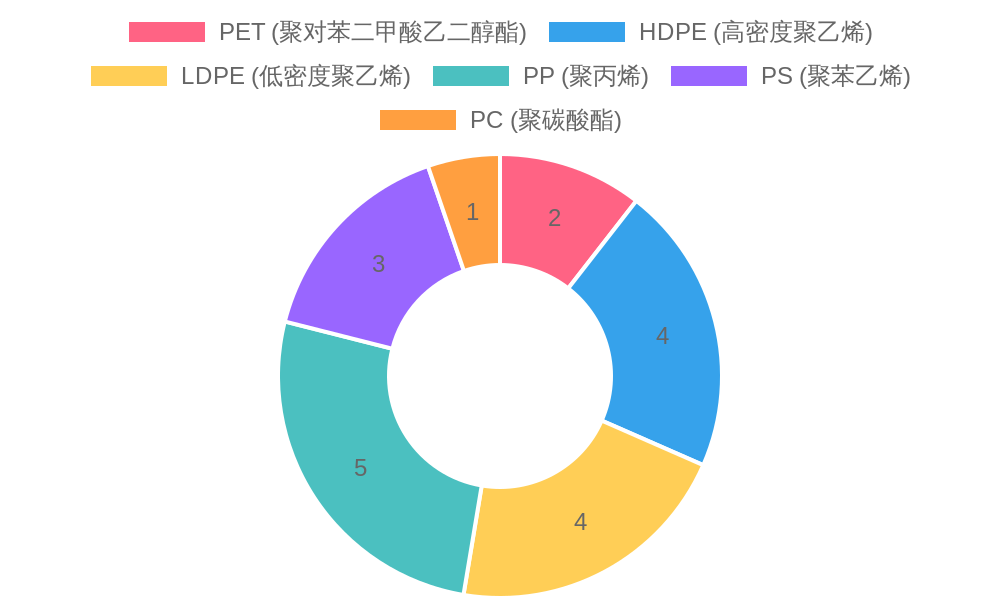
| Plastic Type | Safety Rating | Recommended Uses | Not Recommended Uses | Material ID (Bottom Triangle Symbol) | Important Notes |
|---|---|---|---|---|---|
| PET (Polyethylene Terephthalate) | Moderate Safety (Single Use Only) | Cold water, room temperature beverages, mineral water, juice. | Avoid reheating, reuse, hot beverages or oily foods. | 1 | Dispose after use, not for microwave; can deform and release harmful substances at high temperatures; prolonged reuse may increase chemical migration. |
| HDPE (High-Density Polyethylene) | High Safety | Milk jugs, juices, cleaning agents, common household items. | Avoid prolonged storage of oily or acidic foods. | 2 | Good heat resistance; suitable for cold and hot liquids, not recommended for microwave; usually BPA-free. |
| LDPE (Low-Density Polyethylene) | High Safety | Food wraps, plastic bags, food packaging. | Not suitable for heating or high-temperature foods. | 4 | Generally flexible; not suitable for direct contact with high-temperature foods; avoid prolonged contact with oily foods. |
| PP (Polypropylene) | High Safety | Microwave containers, food storage containers, baby bottles, tableware. | Generally not recommended for extremely high-temperature environments (e.g., ovens). | 5 | Good heat resistance; withstands temperatures up to about 130℃; currently one of the safest microwave-safe plastics. |
| PS (Polystyrene) | Moderate Safety (Use with Caution) | Cold drink cups, disposable containers, foam food boxes (Styrofoam). | Avoid hot drinks, fried or acidic foods; not microwave safe. | 6 | Can leach styrene monomer at high temperatures, potential health risks; breaks down when in contact with fats, not recommended for greasy or spicy foods. |
| PC (Polycarbonate) | Low Safety (Gradually Phased Out) | Previously used for water bottles, baby bottles, sports bottles. | Widely restricted in food contact applications. | 7 | Contains BPA, which may disrupt endocrine functions; especially harmful to infants; widely replaced with safer materials. |
Data Sources:
The Environmental Impact of Plastic Food Containers
Plastic food containers, while convenient and lightweight, pose significant threats to our environment that cannot be overlooked. The pollution generated from plastic waste begins during the production process, where harmful chemicals are released into our air and water systems. Once discarded, these containers contribute to an alarming amount of landfill waste and environmental degradation. Reports indicate that up to 90% of plastic waste ends up in landfills or the natural environment, leading to perilous levels of pollution in our oceans and other ecosystems. Indeed, plastic packaging remains a leading source of litter, particularly affecting coastal areas and contributing to the phenomenon known as the Great Pacific Garbage Patch.
Wildlife Impact and Pollution
The repercussions of plastic containers extend beyond visual pollution. Wildlife often mistakes plastic waste for food, which can lead to serious health issues or even death. Sea turtles, marine birds, and other species are particularly at risk, consuming plastic that obstructs their digestive systems or introduces toxic substances into their bodies. A recent study revealed that more than 700 marine species are threatened by marine debris, of which plastic is the most significant component. This effectively disrupts entire food webs and depletes biodiversity, endangering species and their habitats.
Recycling Challenges
While recycling can mitigate some of these issues, many plastic containers are not recycled due to a lack of proper facilities and community engagement.
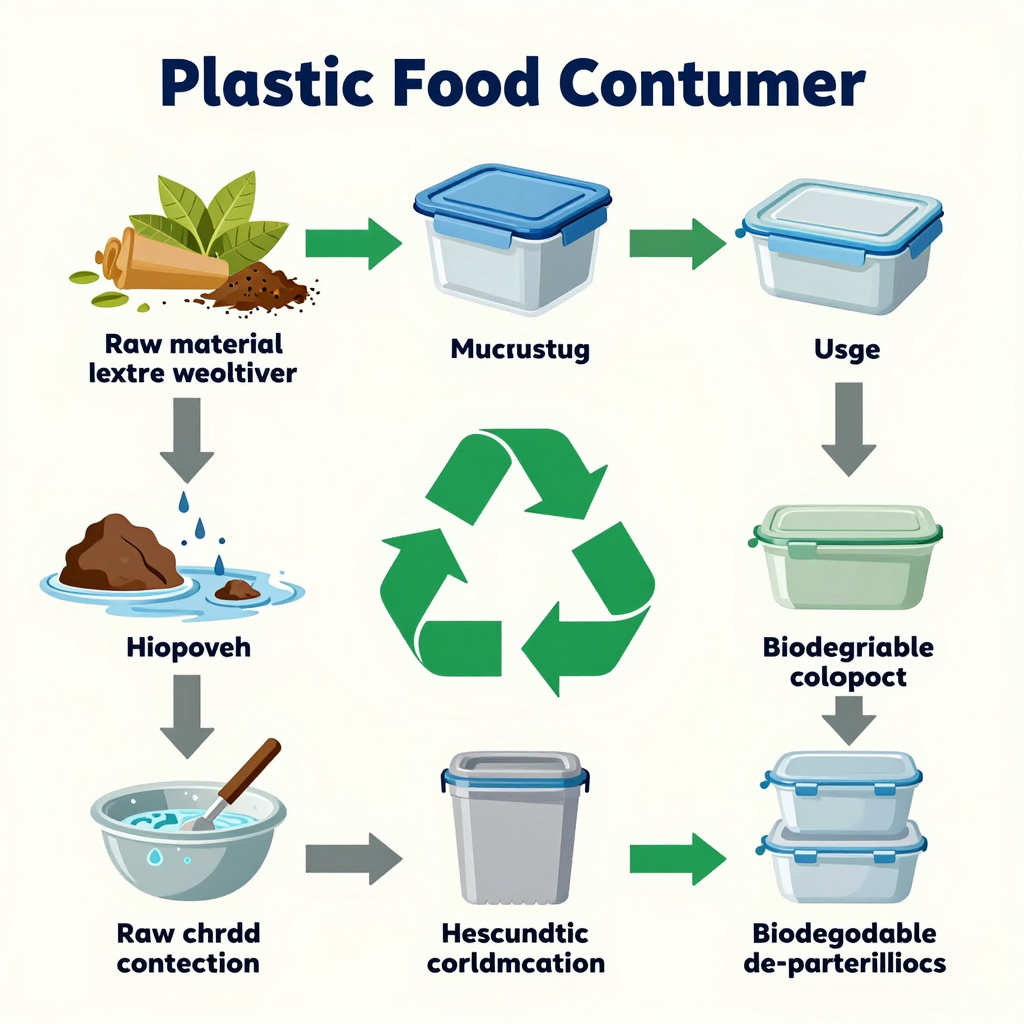
This infographic illustrates the lifecycle of a plastic food container, showcasing the critical stages from production to disposal and the environmental concerns at each step.
- Production: Involves raw material extraction, leading to pollution and habitat destruction.
- Usage: While convenient, long-term health effects are associated with certain plastics.
- Disposal: Most plastic containers end up in landfills or the ocean, harming wildlife.
- Alternatives: Biodegradable and compostable options offer a sustainable solution.
By understanding this lifecycle, businesses like bubble tea shops, restaurants, and catering services can make informed choices about their packaging and its environmental impact.
For more insights on eco-friendly packaging options, learn more about custom plastic containers or discover the dangers of using plastic food containers.
Recent Regulations Impacting Plastic Food Containers
Plastic food containers have increasingly come under scrutiny due to growing concerns about environmental impacts and human health risks. Various regulations are now shaping how food businesses utilize these containers, particularly in regions like the European Union, China, and the United States.
European Union Updates
On May 15, 2024, the European Commission introduced revisions to Regulation (EU) No 10/2011 concerning food contact plastics. The new rules aim to improve safety and sustainability by:
- Enforcing stricter standards for recycled plastics used in food packaging.
- Closing loopholes in regulatory definitions of plastic layers.
- Mandating higher purity standards and comprehensive compliance documentation from manufacturers.
- Introducing enhanced labeling requirements to inform consumers on the safe usage of reusable items.
These adjustments not only enhance compliance but also aim to minimize chemical risks associated with food packaging. Learn more about the EU regulations.
China’s Regulations on Single-Use Plastics
In China, the Management Measures for the Use and Reporting of Single-Use Plastic Products became effective on June 20, 2023. This regulation imposes significant requirements on businesses operating in various sectors, including retail and food service, to report their use and recycling of single-use plastics. Key points include:
- A ban on non-degradable plastic bags and polystyrene food containers.
- Mandatory reporting on plastic usage and recycling efforts.
This regulation promotes green development and aims to substantially reduce plastic waste in the food sector. More details can be found here.
California’s Plastic Pollution Prevention Act
California has also made headlines with its Plastic Pollution Prevention and Producer Responsibility Act, which took effect with final rules on May 1, 2023. This regulation mandates:
- All food packaging to be recyclable or compostable by 2032.
- Shifting waste management responsibility from consumers to producers.
Despite facing criticism for creating loopholes regarding certain plastic foodware, this act sets a precedent for waste management practices. You can find more about this initiative here.
Implications for Food Businesses
For food businesses such as bubble tea shops, restaurants, catering services, and food trucks, adapting to these regulations is crucial. Meeting these new standards requires:
- Adjusting supply chains to procure compliant packaging materials.
- Ensuring staff and customers are informed about sustainable practices.
As consumers lean more towards eco-friendly choices, embracing these changes not only ensures compliance but can also enhance brand reputation. This is an opportunity for businesses to lead in sustainability and innovation.
Conclusion
The environment and consumer health have driven a wave of regulations targeting plastic food containers, pushing businesses to rethink their packaging strategies. Staying ahead of these changes is vital for those in the food industry.
Scientists now find plastic contamination in nearly all types of food, with significant health impacts linked to the repeated use of single-use plastic containers-especially for children and those of reproductive age. Refilling plastic water bottles can cause microplastics and nanoplastics to leach into the water, as over 4,200 ‘highly hazardous’ chemicals may migrate to food or drink. This statement highlights the alarming health risks associated with using plastic food containers, particularly in the context of food safety.
Incorporating information like this can help inform bubble tea shops, beverage chains, restaurants, food trucks, catering services, and event planners about the potential dangers of plastic containers and encourage them to consider safer alternatives.
For further reading on plastic food containers, you can check out our guide on plastic food containers.
Alternatives to Plastic Food Containers
In light of the growing concerns surrounding the dangers of plastic food containers, businesses in the food industry need to consider safer and eco-friendly alternatives. The primary options include glass, metal, and biodegradable materials. Below, we delve into each of these alternatives, highlighting their benefits and best uses for businesses such as bubble tea shops, restaurants, food trucks, and catering services.
Glass Food Containers
Glass food containers are a popular choice for both food safety and environmental concerns. They are non-porous, which means they do not absorb food smells or stains, making them excellent for a wide range of food types, including acidic foods like tomato sauce.
- Benefits:
- Chemical Stability: Glass does not leach harmful chemicals into food, ensuring safe consumption.
- Visibility: Transparent design allows easy visibility of contents, enhancing convenience for both staff and customers.
- Recyclability: Glass is fully recyclable and can be reused indefinitely without losing its quality.
- Uses: Ideal for restaurants that offer takeout, as they can visually showcase the food while providing a high-end feel.
For more information on the advantages of glass food containers, learn more here.
Metal Containers
Metal containers, especially those made from stainless steel, are another excellent alternative.
- Benefits:
- Durability: Metal is less fragile than glass, making it a suitable choice for transport and outdoor events.
- Airtight Seals: Many metal containers come with airtight seals that maintain the freshness of food for longer periods.
- Temperature Control: They are excellent for maintaining hot or cold temperatures, which is crucial for quality in foodservice.
- Uses: Perfect for food trucks or catering services where portability is key, and the risk of breakage from glass is a concern.
To explore more about the environmental and practical benefits of metal food containers, click here.
Biodegradable Options
Biodegradable containers are increasingly becoming a feasible option as people become more eco-conscious. These materials often use plant-based substances that naturally decompose.
- Benefits:
- Environmental Impact: Reduce landfill waste and lessen ecological footprints.
- Food Safety: Many are designed to comply with food safety standards, ensuring safe consumption.
- Variety of Options: They come in various forms, including bowls, boxes, and wraps, suitable for different cuisines.
- Uses: Ideal for catering events or takeout where the emphasis is on sustainability. For more insights on eco-friendly solutions, you can check this blog on compostable materials.
Conclusion
By shifting toward glass, metal, and biodegradable materials, businesses not only improve their food safety practices but also align with the growing demand for sustainable options. This transition can enhance brand reputation and attract environmentally conscious consumers in today’s market.
Incorporating these alternatives into food service operations can foster a healthier and more sustainable environment while delivering quality to consumers.
Consumer Preferences for Packaging Materials
In recent years, consumer preferences have shifted significantly towards eco-friendly packaging materials, reflecting a growing demand for sustainable options. A recent survey showed that:
- 90% of shoppers prefer brands that use sustainable packaging. This indicates a strong inclination for eco-friendly alternatives over traditional plastic options.
- 70% of consumers reported a preference for purchasing from brands that utilize eco-friendly packaging solutions, highlighting a significant change in consumer buying behavior.
- 82% of consumers are willing to pay more for sustainable packaging, illustrating that many are ready to invest in environmentally responsible products.
This shift towards sustainability showcases the urgent need for businesses, especially in the bubble tea, restaurant, food truck, and catering industries, to adapt their packaging strategies accordingly.
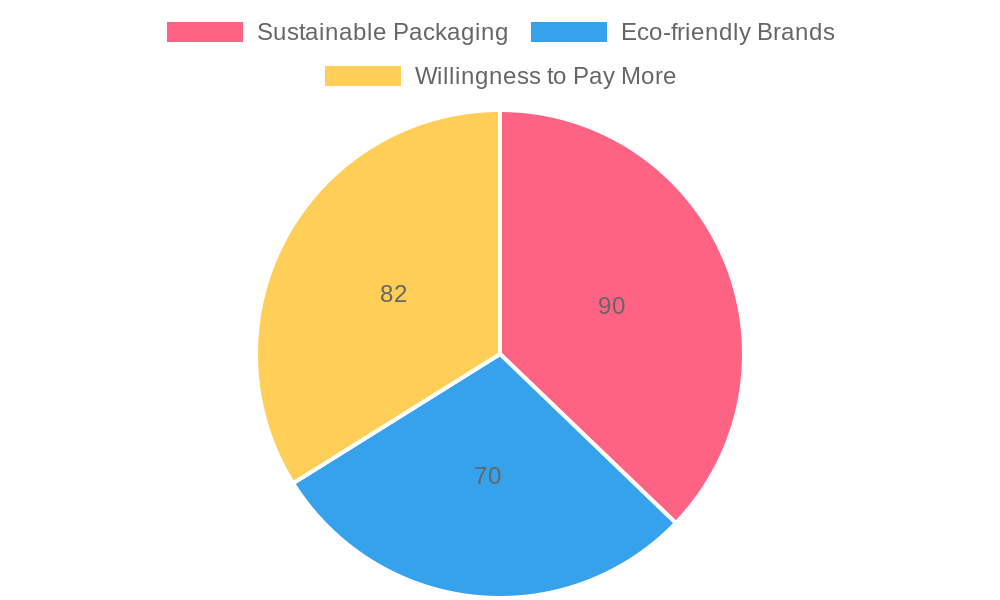
Chart of Consumer Preferences for Packaging Materials
Here’s a visual representation of consumer preferences:
| Consumer Preference Statistic | Value | Source |
|---|---|---|
| Percentage of shoppers who prefer sustainable packaging | 90% | Statista |
| Percentage of consumers who prefer eco-friendly brands | 70% | Scribd |
| Percentage willing to pay more for sustainable packaging | 82% | GreenBiz |
For more insights on sustainable packaging, check out our eco-friendly packaging options and discover how you can make a positive impact.
Conclusion
As we’ve discussed throughout this article, the dangers of using plastic food containers cannot be overstated. From leaching harmful chemicals like BPA into food to creating significant health issues such as intestinal cytotoxicity, the risks to consumers and the environment are profound. Additionally, the over-reliance on plastic packaging significantly contributes to global pollution, with nearly 400.3 million metric tons of plastic waste generated in 2022 alone. This alarming statistic should prompt food businesses- including bubble tea shops, restaurants, food trucks, and catering services-to reconsider their packaging choices critically.
Switching to eco-friendly disposable packaging solutions not only mitigates these risks but also aligns your brand with increasingly conscious consumer expectations. In fact, 72% of consumers are willing to pay extra for sustainable packaging options. These choices can enhance your brand’s reputation, improve consumer loyalty, and even lead to regulatory compliance as guidelines around sustainable packaging tighten globally.
It’s time to make a responsible change. Explore eco-friendly disposable packaging options today, and join a growing movement towards sustainability in the food service industry. Choose packaging that supports the planet, protects your customers, and uplifts your brand!
Call to Action
Don’t wait until it’s too late. Switch to sustainable packaging solutions now and make a positive impact on our planet. Take a stand against plastic pollution and inspire others in your industry to follow suit! Visit Green Dispo Pack for more information on our reliable, eco-friendly packaging options.