
Introduction
In today’s fast-paced world, the significance of eco-friendly practices can’t be overstated, especially for businesses in the food and beverage industry such as bubble tea shops, restaurants, and event planners. Customers are increasingly leaning towards brands that prioritize sustainability and have a clear commitment to reducing their environmental footprint. Green home eco-friendly food packaging is transforming the way we serve food and drinks, offering practical solutions that are not only beneficial for the planet but also for your business reputation.
Imagine offering your customers delicious bubble tea served in biodegradable cups, or catering an event with compostable food containers that don’t contribute to landfill waste. By adopting eco-friendly packaging options, you not only meet the growing demand for sustainable choices but also position your brand as a forward-thinking leader in your industry. The shift toward greener alternatives helps in building customer loyalty and can even appeal to a wider audience who seek to make responsible choices in their daily lives.
Moreover, embracing eco-friendly food packaging is more than just a trend; it’s a necessary step towards a sustainable future. Your choice to use green home eco-friendly food packaging can create ripples of positive impact, inspiring change within your community and beyond. Join the movement towards better packaging solutions that not only enhance your product’s appeal but also contribute to a healthier planet for generations to come. For insights on how to transition to sustainable practices in your food business, check out our guide on compostable paper cups that can be a great addition to your packaging lineup.
Adopting these practices is not just a responsibility, it’s an opportunity for growth and innovation in today’s competitive marketplace. Let’s explore the exciting world of eco-friendly food packaging together!
Benefits of Using Green Home Eco-Friendly Food Packaging
Adopting eco-friendly food packaging offers several substantial benefits for businesses, particularly bubble tea shops and restaurants. Below is a bullet point list highlighting these advantages:
-
Enhanced Brand Image: Using eco-friendly packaging helps improve your brand’s reputation. Customers are increasingly drawn to brands that prioritize sustainability. According to the National Restaurant Association, eco-friendly packaging can boost customer loyalty and enhance the brand image.
-
Increased Customer Satisfaction: A survey conducted by Statista revealed that 85% of consumers said sustainable packaging influences their purchasing decisions. Providing eco-friendly options can directly enhance customer satisfaction, fostering a better relationship with your clientele.
-
Waste Reduction: Green packaging solutions, such as biodegradable materials, significantly reduce single-use plastic waste. This aligns with global sustainability goals and appeals to environmentally conscious consumers, making them more likely to choose your business again.
-
Operational Efficiency: Although the initial costs might be higher, eco-friendly packaging can lead to operational efficiencies and cost savings in the long run. Sustainable materials often provide better insulation for beverages, keeping them cold for longer and improving the customer experience, as noted by the Sustainable Packaging Alliance.
-
Regulatory Compliance: Many regions are increasingly banning single-use plastics. By transitioning to eco-friendly packaging, your business minimizes the risk of regulatory fines. Many sustainable packaging options now qualify for green certifications and incentives, adding to their appeal.
-
Attracting Conscious Consumers: Today’s consumers value ethical choices. A staggering 72% of consumers indicated they would be willing to pay extra for sustainable packaging (DHL Supply Chain, 2023). This readiness to pay more demonstrates the positive impact of eco-friendly practices on brand loyalty and customer trust.
-
Visual Appeal: Natural materials used in eco-friendly packaging often have a premium appearance, which can enhance the perception of product quality. This visual appeal can lead to increased social media engagement and positive reviews, as customers often share their experiences with sustainable brands.
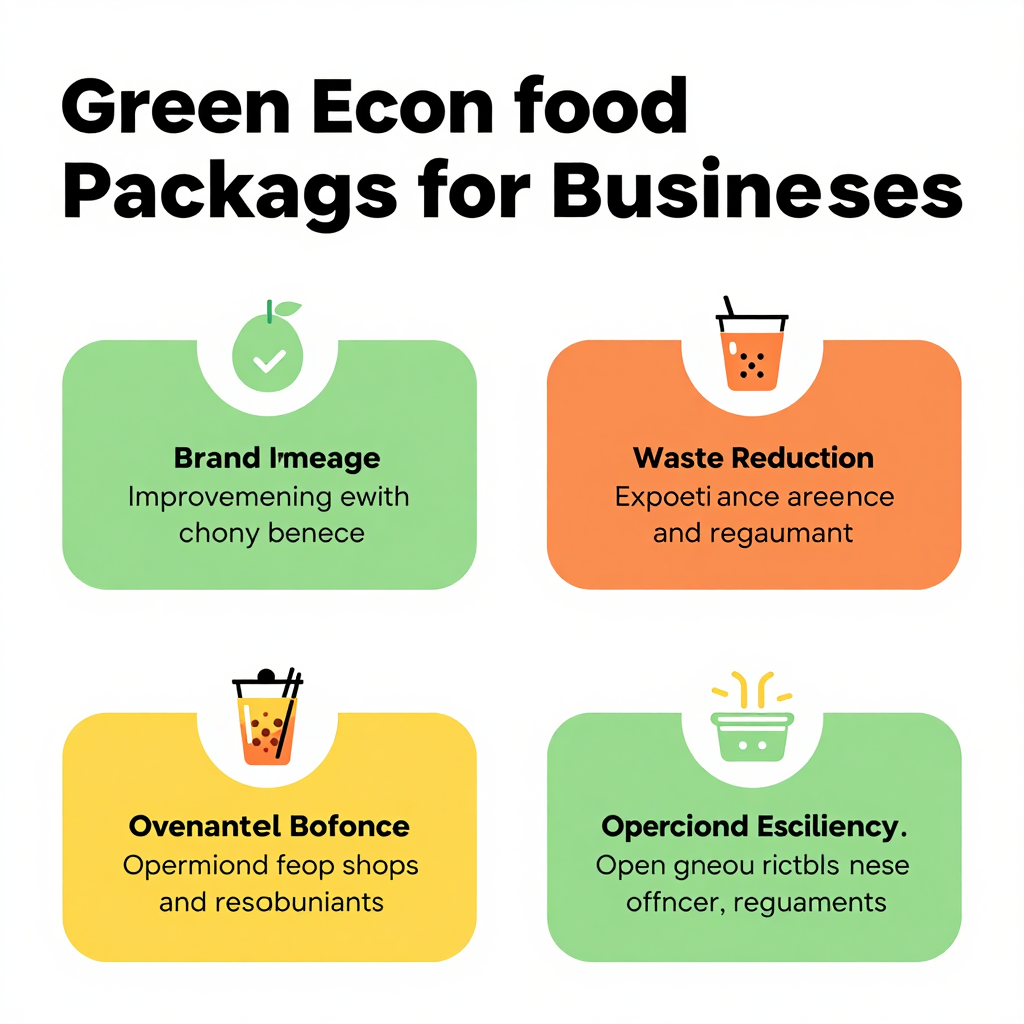
An infographic illustrating the benefits of using eco-friendly food packaging for businesses like bubble tea shops.
Incorporating green home packaging solutions is not only a responsible choice for the environment but also a strategic decision that can elevate a business’s standing in a competitive market. By meeting the growing demand for sustainable products, businesses can improve their bottom line while contributing to a healthier planet.
The Importance of Eco-Friendly Packaging
As more businesses recognize the importance of sustainable practices, eco-friendly packaging has become a focal point for many industries, particularly in food service. Not only does it minimize environmental impact, but it can also enhance a brand’s reputation among conscientious consumers.
“Eco-friendly packaging significantly reduces carbon emissions and waste accumulation when properly designed and managed. For example, biodegradable materials like polylactic acid (PLA) from cornstarch can reduce greenhouse gas emissions by up to 70% compared to conventional plastics during production.”
- Dr. Elena Martinez, Senior Environmental Scientist at the University of California, Berkeley
Source
This insight underscores the potential of innovative materials in reducing our ecological footprint. Businesses in the beverage sector, such as bubble tea shops and catering services, can benefit significantly from adopting sustainable packaging practices.
For instance, packaging made from renewable or compostable materials can not only appease eco-conscious customers but also align with corporate sustainability goals. If you’re interested, learn more about sustainable packaging innovations that your establishment can implement today!
Types of Eco-Friendly Materials in Food Packaging
As the demand for sustainable food packaging solutions grows, businesses in the food and beverage industry, including bubble tea shops and catering services, are increasingly exploring eco-friendly materials. Selecting the right packaging not only meets the needs of environmentally conscious consumers but also helps businesses stand out in a competitive market. Let’s dive into the most popular eco-friendly materials used for food packaging.
Biodegradable Materials
Biodegradable materials decompose naturally through biological processes, making them an excellent option for food packaging. The most common biodegradable materials include:
- PLA (Polylactic Acid): Sourced from renewable resources such as corn starch or sugarcane, PLA can break down into non-toxic components under industrial composting conditions. Studies show that PLA can decompose by over 90% in a controlled environment within a few months.
- PHA (Polyhydroxyalkanoates): This biodegradable plastic is produced by microorganisms that consume biomass. PHA not only degrades in landfill conditions but is also compostable, providing a versatile option for food packaging.
Businesses can explore products such as PLA Foam Biodegradable Containers which are 100% compostable and suitable for many food types.
Compostable Materials
Compostable materials are a subset of biodegradable materials that break down into nutrient-rich compost in a specific composting environment. This is particularly beneficial for restaurants and food trucks looking to minimize waste. Key compostable materials include:
- Bagasse: Made from sugarcane pulp, bagasse is an excellent alternative to plastic and entirely compostable.
- Compostable paper: Often coated with a natural polymer instead of plastic, compostable paper products are typically used for cups, bowls, and utensils.
Restaurants can benefit from options like compostable paper cups that offer both functionality and sustainability.
Recyclable Materials
Recyclable materials can be processed and used to create new products, reducing landfill waste and the demand for raw materials. Common recyclable materials include:
- PET (Polyethylene Terephthalate): Widely used for beverage bottles, PET is highly recyclable and can be repurposed multiple times without loss of quality.
- HDPE (High-Density Polyethylene): Often used in milk jugs and juice bottles, HDPE is also recyclable and one of the most common types of plastic collected in curbside recycling programs.
By opting for recyclable packaging solutions, businesses can significantly lower their environmental footprint while meeting regulatory compliance.
Conclusion
Using eco-friendly materials in food packaging is not just a trend; it’s a necessary shift towards sustainable practices in the food and beverage industry. By adopting biodegradable, compostable, and recyclable materials, businesses can cater to the growing number of eco-conscious consumers and contribute to a healthier planet. For more on eco-friendly packaging options, check out our article on custom plastic forming machines for disposable bowls.
Comparison of Eco-Friendly Packaging Vendors
Here’s a table comparing various vendors of eco-friendly packaging solutions, focusing on their offerings, price ranges, and certifications to help you make informed decisions for your business:
| Vendor | Key Eco-Friendly Offerings | Price Range (USD per unit) | Certifications | Scalability | Customization Options |
|---|---|---|---|---|---|
| Amcor | NaturePlus™ heat-seal films, compostable rigid packaging, recyclable solutions | $0.30 – $1.20 | OK Compost, TÜV Austria, ISO 14001 | High – global supply chain | High – custom film thickness, print designs, and material blends |
| Sealed Air | ECO-FOAM™ bio-based cushioning, recyclable air pillows, compostable films | $0.15 – $0.80 | OK Compost, Cradle to Cradle Certified | Medium to High | Medium – limited color options; scalable for bulk orders |
| EcoPack Pro | Compostable food containers, biodegradable wraps, plant-based films | $0.25 – $1.50 | OK Compost, TÜV Austria, ASTM D6400 | Medium | High – design flexibility including custom logos and shapes |
| FuturePack Magazine Featured Innovators | Bioplastic clamshells, mushroom-based packaging, cellulose-based films | $0.40 – $2.00 | OK Compost, TÜV Austria, FDA-compliant | Varies: High/Medium | High – especially for niche products; co-branding options available |
For more information on specific products and how to implement eco-friendly solutions, check these resources:
Current Regulations and Standards Surrounding Food Packaging Sustainability
Sustainability in food packaging has become a crucial focal point for businesses within the food and beverage sector, especially for bubble tea shops, restaurants, food trucks, and catering services. As consumers become increasingly conscious of their environmental impact, regulators worldwide are implementing stringent packaging laws aimed at reducing waste and promoting sustainable practices.
Key Regulations Affecting Food Packaging
- EU’s Packaging and Packaging Waste Regulation (PPWR): This legislation mandates that by 2030, all packaging in the EU must be recyclable or reusable. It also bans certain single-use plastics, leading to a significant shift in how packaging is produced and utilized. This regulation is vital for businesses looking to align with future sustainability standards and minimize their carbon footprint.
- Extended Producer Responsibility (EPR): Various states in the US, such as California and New York, have adopted EPR laws that require producers to manage the lifecycle of their packaging. This involves ensuring that materials are designed to be reused, recycled, or composted, which can help businesses reduce costs and enhance their market appeal by demonstrating commitment to sustainability.
Adhering to these regulations not only fosters a positive brand image but can also attract eco-conscious customers. Research indicates that about 85% of consumers are influenced by sustainable packaging in their purchasing decisions, making compliance not just a legal obligation but a marketing opportunity as well.
Benefits to Your Business
- Cost Savings: Sustainable practices can lead to reduced waste management costs by minimizing the materials sent to landfills.
- Enhanced Brand Loyalty: By adopting eco-friendly packaging, businesses can build trust and loyalty among environmentally conscious customers.
- Competitive Advantage: With consumer preferences shifting towards sustainability, being compliant with packaging regulations can differentiate your brand in a crowded market.
For instance, companies can explore options such as compostable packing materials, like those mentioned in our blog on compostable paper cups, which not only comply with regulations but also cater to the environmentally mindful consumer base. Moreover, as regulatory scrutiny continues to expand, integrating sustainable practices now positions your business ahead of the curve, allowing you to turn compliance into a strategic advantage.
Impact on Consumer Choices
As demonstrated by recent trends, the percentage of consumers considering sustainability important in packaging has steadily increased. The following chart highlights these trends over the years, showcasing how regulatory developments have coincided with changes in consumer attitudes towards sustainable packaging:
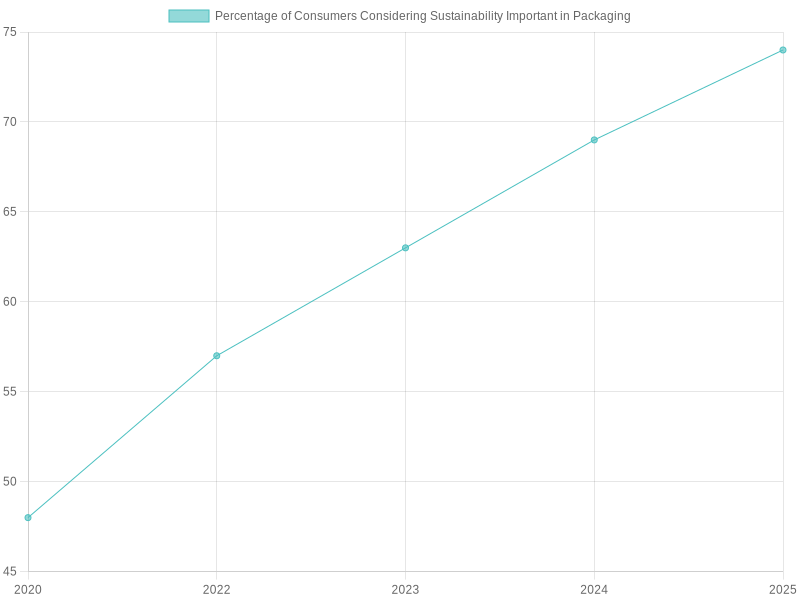
| Year | Percentage of Consumers Considering Sustainability Important | Key Regulatory Developments |
|---|---|---|
| 2020 | 48% | EU Single-Use Plastics Directive introduced |
| 2022 | 57% | EPR schemes began implementation in several EU countries |
| 2023 | 63% | EU PPWR adopted, imposing strict recycling targets |
| 2024 | 69% | UK’s Packaging Regulations enacted |
| 2025 | 74% | Global increase in mandatory sustainable packaging laws |
Investing in sustainable food packaging is not just regulatory compliance; it is an essential step towards a greener future. By staying informed about current and upcoming regulations, your business can thrive in a competitive environment while contributing positively to the planet.
Growth Trends for Eco-Friendly Packaging in the Food Industry
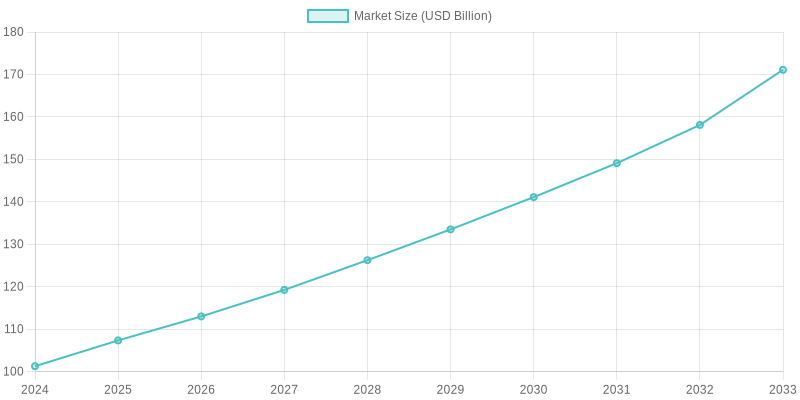
The eco-friendly packaging market in the food industry is experiencing significant growth, driven by consumer demand for sustainable solutions. Here is a chart illustrating the projected market size growth from 2024 to 2033:
Key Market Insights:
- The global eco-friendly food packaging market was valued at 101.27 billion USD in 2024.
- It is projected to reach 171.10 billion USD by 2033, growing at a CAGR of 6% from 2025-2033. This growth is attributed to a rise in consumer awareness regarding environmental impacts and a preference for recyclable and renewable packaging materials.
- Research indicates that 85% of consumers prefer brands based on their concern for climate change and sustainability, emphasizing that eco-friendly packaging is not just an option but a necessity for modern businesses.
For more information about sustainable packaging solutions, you can explore our products or learn about the importance of eco-packaging in our latest insights.
In conclusion, transitioning to eco-friendly food packaging is not just beneficial; it’s essential for promoting sustainability and enhancing brand image across the food industry, including bubble tea shops, restaurants, food trucks, and catering services. By opting for environmentally friendly materials, businesses can significantly reduce their environmental footprint while also appealing to a growing consumer base that increasingly demands sustainable practices. Not only does eco-friendly packaging help in conserving resources and reducing waste, but it also contributes to a healthier planet, fostering a positive cycle of environmental responsibility. As highlighted, using biodegradable materials aids in minimizing plastic pollution and promotes a sustainable future for all. We invite you to explore our range of biodegradable products that not only fulfill your packaging needs but also demonstrate your commitment to the environment. Let’s work together to make a difference-choose eco-friendly packaging today and lead the way toward a greener future!
Frequently Asked Questions about Eco-Friendly Packaging Transition
Transitioning to eco-friendly packaging can be a daunting task for food service businesses. Here are some common questions-and their answers-that can help clarify this essential process:
1. What are the benefits of using eco-friendly packaging?
Using eco-friendly packaging can significantly enhance your brand’s reputation, as customers increasingly prefer sustainable options. According to Forbes, 73% of consumers are more likely to choose brands that demonstrate environmental responsibility. Additionally, using sustainable packaging can lead to reduced waste disposal costs and potential tax incentives over time.
2. What types of materials should I consider?
When selecting eco-friendly packaging, consider compostable materials (like PLA or recycled paper), recyclable options (such as cardboard), and materials made from renewable resources (like bamboo). Each type has its uses depending on your food service needs and waste management capabilities
3. Are there any challenges I should be aware of?
Transitioning to eco-friendly packaging may present challenges such as higher upfront costs and potential customer resistance. However, a practical resource from the National Restaurant Association offers solutions, including phased rollouts and bulk purchasing. Moreover, educating customers about the benefits of your new choices can help ease the transition.
4. How can I verify that my chosen packaging is genuinely eco-friendly?
To ensure your packaging is environmentally responsible, look for certifications from reputable organizations. This guarantees that the product meets specific sustainability standards. Accurate labeling and understanding your local recycling and composting capabilities will also help ensure your selected packaging is disposed of correctly.
5. What are the cost implications of switching?
While initial costs for eco-friendly packaging can be higher (approximately 30%-50% more than traditional materials), the long-term savings from reduced waste disposal and improved customer loyalty can outweigh the initial investment. Companies often see that the benefits in brand perception and customer satisfaction drive revenue growth.
Transitioning to eco-friendly options not only contributes positively to the environment but also aligns your business with changing consumer preferences. By addressing these common FAQs, you can make informed choices that benefit both your business and the planet.