Introduction to Microwaving Food in Plastic Containers
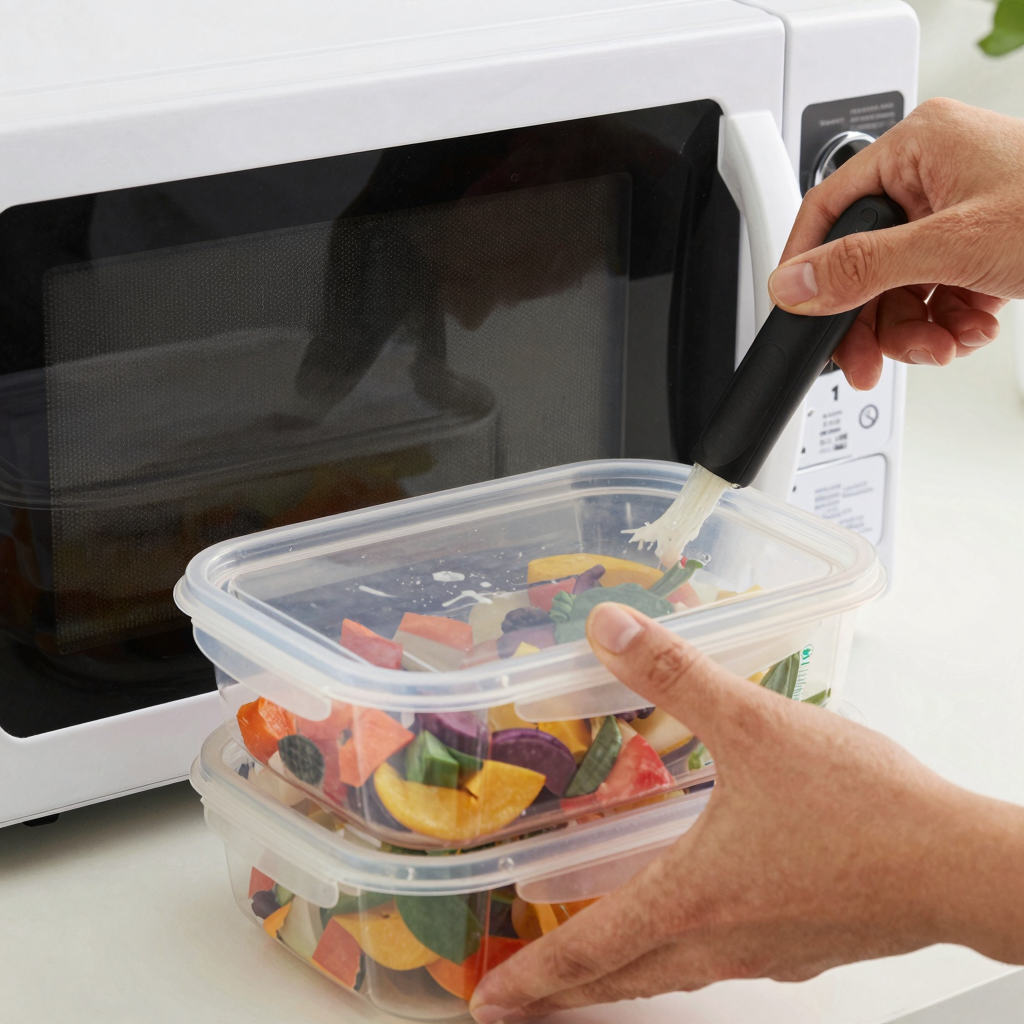
Microwaving food in plastic containers is an essential practice for many food service businesses, including restaurants, food trucks, and catering services. The ability to quickly heat and serve meals is crucial in today’s fast-paced culinary environment. However, this convenience comes with a responsibility-ensuring that the plastic containers used are safe for microwave use. Not all plastics are created equal; hence, it’s vital to select containers that are specifically labeled as microwave-safe. These containers help prevent potential health risks associated with chemical leaching, while also ensuring that the food retains its flavor and quality.
In the food service industry, the importance of using microwave-safe plastics extends beyond just food safety. It also plays a significant role in operational efficiency and customer satisfaction. Utilizing the correct containers can streamline meal preparation and reduce waiting times, which directly impacts the overall customer experience. Moreover, with increasing regulatory scrutiny on food packaging materials, choosing FDA-compliant, microwave-safe plastics not only protects consumer health but also safeguards the establishment’s brand reputation. For businesses looking to enhance both their culinary offerings and service reliability, investing in the right microwave-safe containers is a step in the right direction. To learn more about the types of microwave-safe plastics, and why they matter in food preparation, consider further exploring available resources and guidelines.
Safety Concerns of Microwaving Food in Plastic Containers
Microwaving food in plastic containers is a common practice, but it raises significant safety concerns that should not be overlooked. One of the primary issues is the potential leaching of harmful chemicals from the plastic into the food. This is especially concerning for containers that are not specifically labeled as microwave-safe.
Chemical Leaching
When plastic containers are heated, particularly under high temperatures such as those in microwaves, they can release various chemicals. Research has shown that many plastics, including those marked as BPA-free, can leach additional harmful substances, particularly bisphenol S (BPS) and phthalates, into food. A study reported by Environmental Health News revealed that even BPA-free plastics can leach such chemicals when exposed to heat, raising alarm about their safety (source), 2026.
Moreover, a comprehensive 2024 study published in the Journal of Exposure Science & Environmental Epidemiology found that chemical migration increased significantly in microwaved conditions, suggesting a 55% increase in leaching chances (source). This not only includes traditional plight but also those recently introduced as safer alternatives but can still pose health risks.
Specific Risks Associated with Common Plastics
Several common plastics used in food containers can lead to health risks. For example, studies from reputable organizations such as the World Health Organization (WHO) have indicated that prolonged exposure to chemicals released from certain plastics may promote adverse health effects, ranging from hormonal imbalances to increased cancer risks (source, 2026).
In a remarkable Swiss study, researchers identified 189 cancer-causing chemicals in food packaging, with 143 of these being derived from plastics. This has raised considerable concerns over the safety of these materials when they come into contact with heated food (source, 2026).
Recommendations for Safer Practices
To mitigate these risks, here are some recommended practices for consumers, food operators, and businesses in the food service industry:
- Use Microwave-Safe Containers: Always choose containers explicitly labeled as microwave-safe. This label often ensures that the material can withstand microwaving without leaching harmful chemicals.
- Avoid Plastic Wraps: Many plastic wraps are not designed to be heated and can melt or leach harmful chemicals when in contact with food during microwaving.
- Opt for Alternatives: Whenever possible, consider using glass or ceramic containers as safer alternatives. These materials do not pose the same risks of leaching when microwaved.
In conclusion, while microwaving food in plastic containers is convenient, being aware of the associated risks can help in making healthier and safer choices. Always prioritize containers with safety certifications and keep informed about the materials that may come into contact with your food.
When it comes to heating food in plastic containers, certain plastics are regarded as safe for microwave use. It’s crucial for restaurant owners, caterers, and food service professionals to understand these materials to ensure both safety and quality in their food preparations. Here’s an unordered list of commonly accepted microwave-safe plastics along with their typical applications in food service:
-
Polypropylene (PP):
-
Recycling Code: #5
-
Common Uses: Often found in food containers, yogurt cups, and many reusable water bottles. Known for its ability to withstand high temperatures (up to 120°C or 248°F) without melting, making it an excellent choice for microwave heating.
-
Polyethylene Terephthalate (PET):
-
Recycling Code: #1
-
Common Uses: Widely used for soda bottles and clear food packaging. While generally considered safe, it should only be used in the microwave if it is explicitly labeled as microwave-safe.
-
High-Density Polyethylene (HDPE):
-
Recycling Code: #2
-
Common Uses: Commonly used for milk jugs, detergent bottles, and some food containers. When marked microwave-safe, it can be used for reheating food.
-
Low-Density Polyethylene (LDPE):
-
Recycling Code: #4
-
Common Uses: Used in plastic bags and cling films, which should not be used in the microwave unless specified.
-
Polycarbonate (PC):
-
Recycling Code: #7 (not commonly recommended)
-
Common Uses: Occasionally used in microwave containers; however, caution is advised since some polycarbonate products may contain BPA, which can seep into food under high heat.
Important Considerations
While these plastics may be safe for microwaving, ensure that:
- Containers are labeled as “microwave-safe.”
- Lids should also be checked for compatibility – many lids might be made from materials not suitable for microwaving.
- Being aware of the temperatures the materials can safely withstand is essential to avoid leaching chemicals into food.
For more insight on safe food storage, you can learn about various plastic food containers that suit different culinary applications. Understanding the properties of these materials will help you make informed decisions for your food service business.
Guidelines for Microwaving Food in Plastic Containers
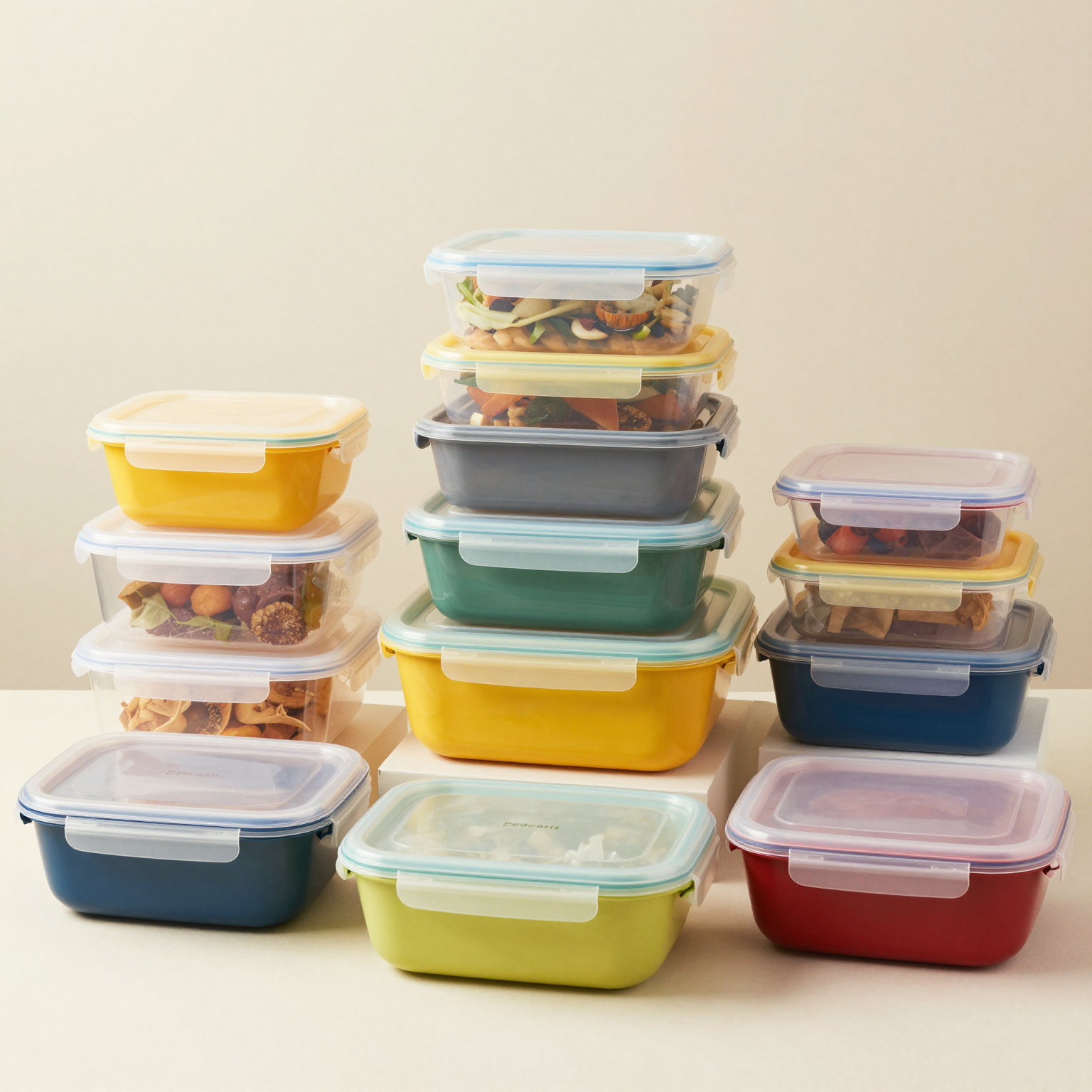
Microwaving food in plastic containers is common among food service providers, but it requires adherence to safety and quality practices to prevent health risks and maintain food integrity. Here are essential guidelines to ensure safe and effective microwaving in your food establishments:
1. Choose the Right Container
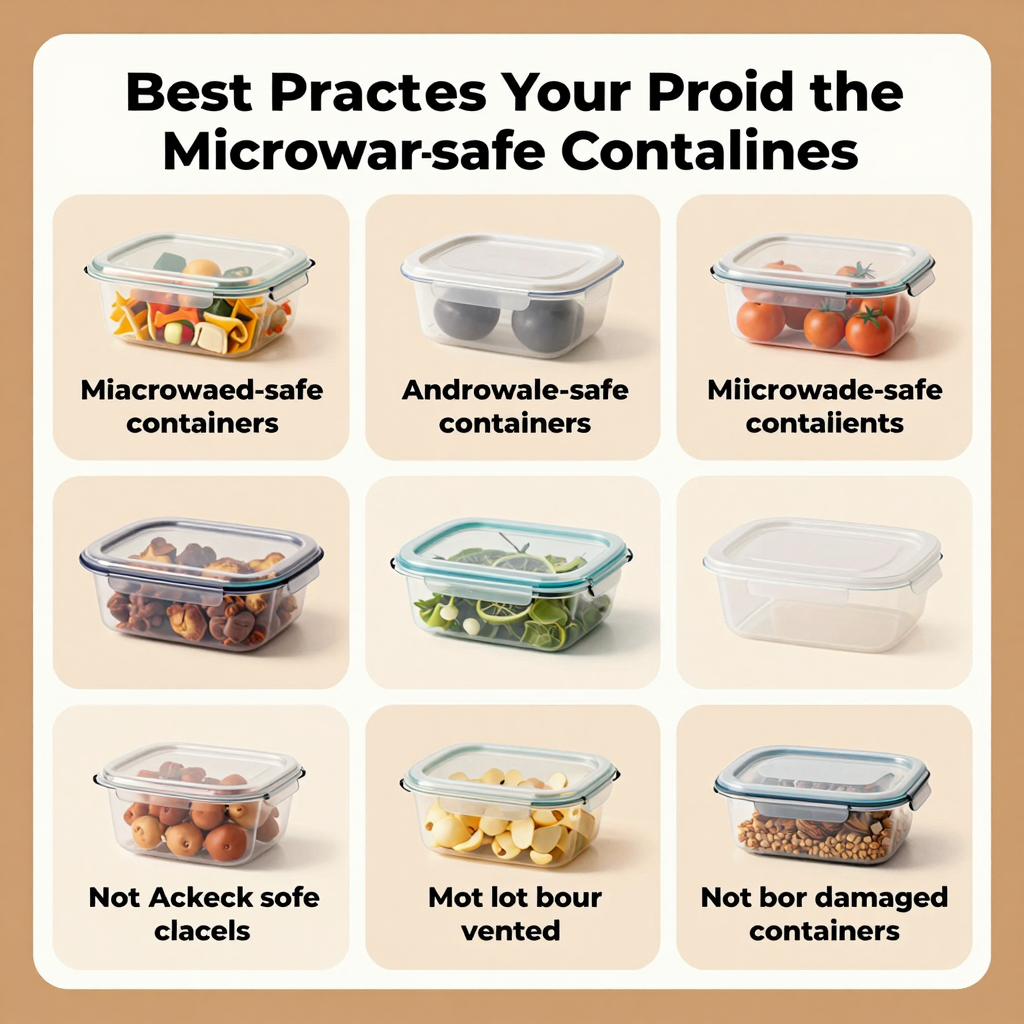
Always use containers explicitly labeled “microwave-safe.” These containers have been tested for their structural integrity under microwave conditions and are designed to avoid warping or melting. The U.S. Food and Drug Administration (FDA) recommends using rigid containers made from materials such as BPA-free polypropylene (PP) or high-density polyethylene (HDPE) to minimize any potential chemical migration into food (learn more about plastic safety).
2. Ventilation Is Key
To reduce the chances of pressure buildup during reheating, ensure that lids are vented. Many microwave-safe containers come with incorporated vent holes that release steam safely. This helps prevent potentially dangerous explosions due to steam pressure.
3. Avoid Overheating
It’s advisable to use lower power settings when microwaving plastics whenever possible. Not only does this reduce the risk of overheating, but it also ensures that food heats evenly. Overheating can lead to the breakdown of plastics and increase the risk of chemical leaching, especially in high-fat or acidic foods (explore more on safe food containers).
4. Inspect Containers Regularly
Before placing a container in the microwave, check for any cracks, deformities, or discoloration. Damaged containers can release harmful chemicals and are not safe for heating. Replace any containers that show signs of wear.
5. Implement Training for Staff
Ensure that staff members are adequately trained on the proper use of plastic containers in microwave settings. Training should cover safe handling procedures, the importance of using the correct materials, and recognizing unsafe containers.
6. Prefer Non-Plastic Options When Possible
Where feasible, opt for glass or ceramic containers for reheating. These materials do not pose the same risks of chemical leaching as certain plastics and are safer for high-temperature use. However, if using plastic, always adhere to the above guidelines for safety.
7. Stay Informed About Safety Standards
Stay updated with current safety advisories from health organizations regarding plastic use in food service. This includes understanding the specific requirements for different types of plastics utilized in microwaves and their heating capabilities.
By following these guidelines, food service operators can significantly reduce risks associated with microwaving food in plastic containers. This not only protects customers’ health but also enhances the overall quality of the food served in your operation.
Implementing these practices ensures a safe, efficient, and health-conscious approach to food heating in your establishment.
Word Count: 573
| Container Type | Pros | Cons |
|---|---|---|
| BPA-Free Containers | – Safe for microwaving; do not leach harmful chemicals into food. | – Can still contain other chemicals that may be unsafe. |
| – Typically made from materials like PP (polypropylene) or PET (polyethylene terephthalate). | – Often less durable than reusable containers, requiring replacement over time. | |
| Recyclable Containers | – Good environmental choice when recycled properly; reduces landfill contribution. | – May not be recyclable in all locations, depending on local recycling programs. |
| – Often made from resins like #1 PET or #5 PP, which are generally safe for microwaving. | – Can still emit harmful substances if misused or heated improperly. | |
| Single-Use Containers | – Convenient for immediate use without washing. | – Not designed for microwaving; can melt or release toxins when heated. |
| – Generally lower cost and ideal for transient uses like events or takeout. | – Contributes significantly to plastic waste and are often not recyclable. |
Additional Context
In the realm of catering and food service, understanding the properties of these containers can help businesses choose the right packaging for their offerings, especially concerning food safety and environmental responsibility. While BPA-free options are emerging as popular choices, it’s essential to consider the full lifecycle of packaging materials.
For more information on the environmental impact and safety of plastic containers, check out our guide on plastic food storage containers and learn about the safety of BPA-free products.
With these insights, you can make informed decisions that align with both food safety standards and eco-friendly practices in your business.
Can You Microwave Food in a Plastic Container?
Microwaving food in plastic containers can be convenient, but it’s essential to understand the potential risks involved. Experts advise caution when using plastic containers in the microwave, as they may release harmful chemicals into food when heated.
“Even containers labeled ‘microwave-safe’ can release harmful chemicals such as BPA and phthalates when heated, which can leach into food and pose potential health risks.”
Understanding the Risks
- Chemical Leaching: Plastic containers may release substances into food, especially when exposed to heat, oil, or prolonged time in the microwave.
- Safety Standards: Not all plastic containers are created equal; always look for containers specifically marked as microwave-safe.
For businesses in the food industry, being informed about the implications of using plastic containers in the microwave is crucial for food safety and customer health. To explore safe packaging options, check our guide on plastic packaging food containers.
Eco-Friendly Alternatives: Sustainable Microwave-Safe Containers
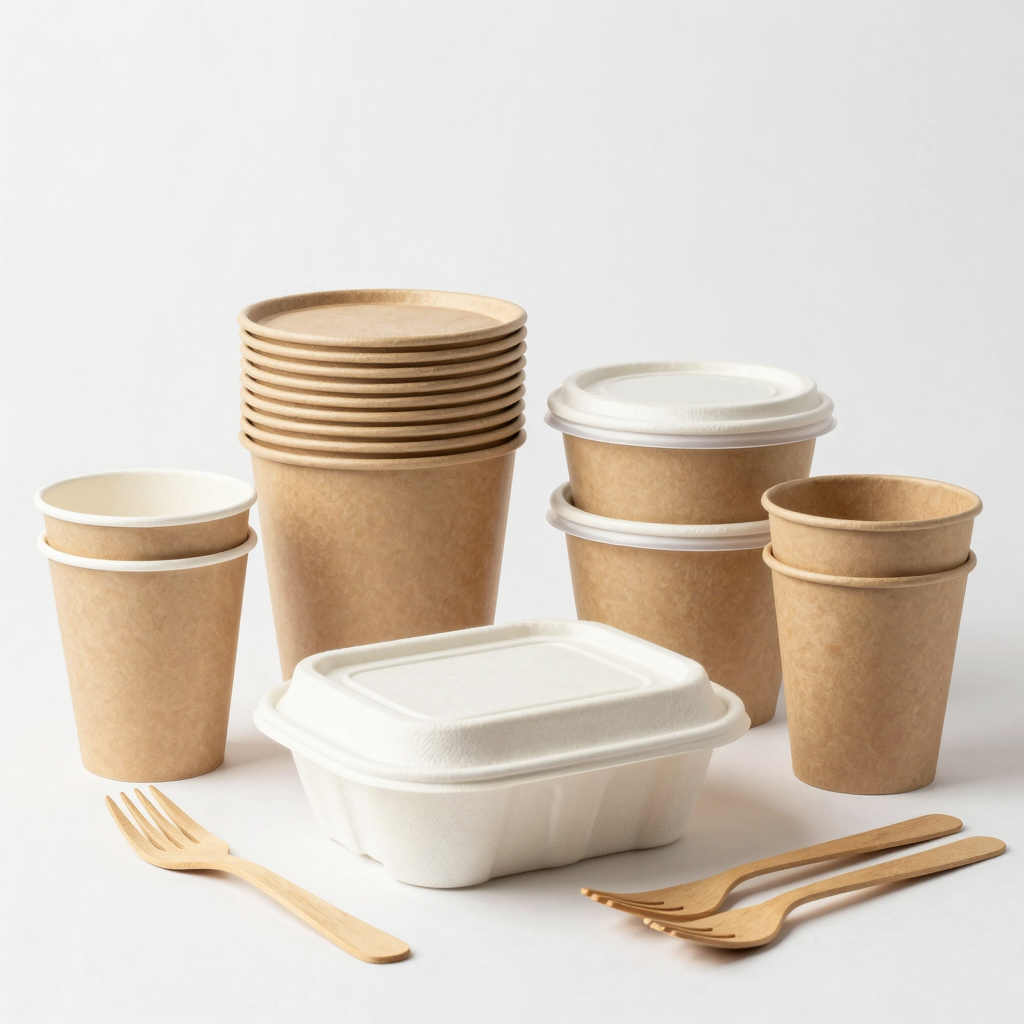
As businesses strive for sustainability, adopting eco-friendly container alternatives that are microwave-safe is a vital step towards reducing environmental impact. This section explores several innovative options suitable for restaurants, bubble tea shops, food trucks, and catering services eager to embrace sustainable practices.
1. Bamboo Containers
Bamboo has become a preferred material for its rapid renewability and strength. Containers made of bamboo are lightweight, durable, and can withstand high temperatures, making them ideal for microwaving. They offer a robust solution that aligns with eco-conscious values. Additionally, bamboo containers often come with secure lids, ensuring that meals stay hot and intact during transport.
2. Bagasse Packaging
Made from the fibrous remains of sugarcane, bagasse is an industrial byproduct that transforms into a strong and heat-resistant container. These containers can sustain high temperatures and are fully compostable and biodegradable. They provide a sustainable alternative for businesses looking to switch from traditional plastic packaging to a greener solution. For example, many food vendors use bagasse containers for takeout, ensuring their meals adhere to sustainability standards. Learn more about compostable containers.
3. Glass Containers
Glass is an excellent eco-friendly choice as it is reusable, recyclable, and able to withstand high microwave temperatures without leaching harmful chemicals into food. Though initially more expensive, investing in glass containers can lower long-term costs while promoting a reusable approach in food service businesses. They are also visually appealing, which can enhance presentation for gourmet dishes or bubble tea orders. Check out top innovations in sustainable packaging.
4. Compostable Plastics
These materials, often made from plant-based sources, provide an option that mimics traditional plastics while being more environmentally friendly. Compostable plastics can usually withstand the microwave, though care should be taken to check specific product guidelines to ensure safety. Brands are exploring innovative compostable solutions as a part of their green initiatives, aligning with consumer demand for more sustainable practices.
Conclusion
Choosing eco-friendly alternatives for microwave-safe containers not only helps businesses comply with sustainability standards but also appeals to environmentally-conscious consumers. As seen through market trends, the demand for such products continues to grow, indicating a shift in consumer purchasing decisions towards brands that prioritize sustainable practices.
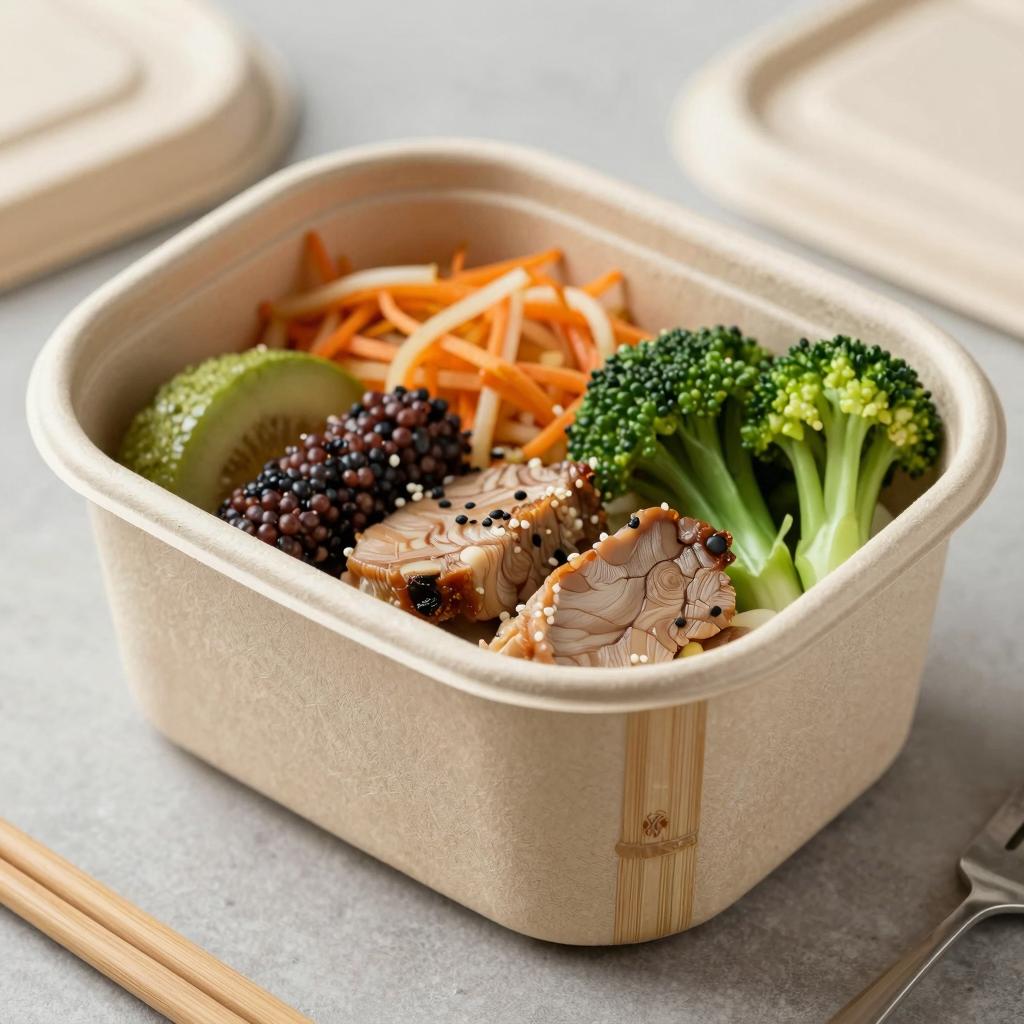
With rising trends that point towards more companies adopting these alternatives, investing in sustainable packaging not only positions businesses as environmentally responsible but can also drive customer loyalty and brand alignment with values increasingly important to today’s consumers.
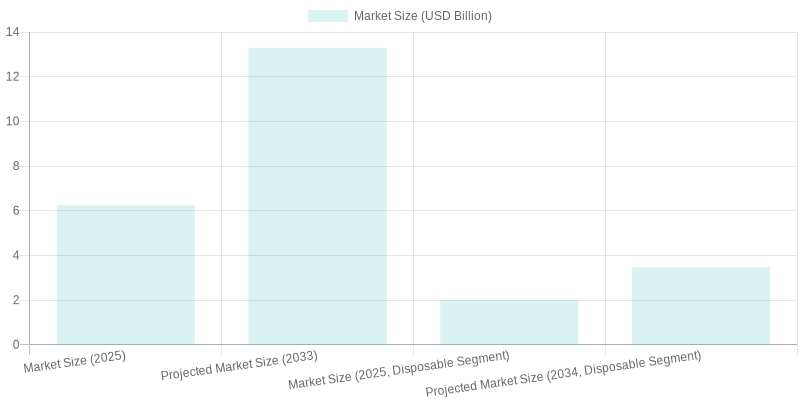
Additionally, with the global microwavable food container market expected to grow significantly-from USD 6.24 billion in 2025 to USD 13.29 billion by 2033-businesses would benefit from transitioning to sustainable solutions sooner rather than later. Below is a chart illustrating the growth of this market:
Adopting these eco-friendly alternatives is not merely a trend but a critical transition for the food industry aimed at fostering a cleaner, greener future.
Understanding Regulations and Standards for Food Service Containers in Microwaving Food
Microwaving food in plastic containers is convenient for food service settings, but it’s essential to ensure that the containers meet specific safety regulations and standards. Here, we summarize key regulations impacting the use of plastic containers when microwaving food, focusing on safety and health guidelines from major regulatory bodies.
1. FDA Guidelines on Microwave-Safe Plastics
The U.S. Food and Drug Administration (FDA) oversees the safety of materials used for food contact, including plastic containers intended for microwave use. Some significant points include:
- Labeling: The FDA does not typically approve individual products but mandates clear labeling for microwave-safe plastics. Only containers marked “microwave-safe” have been tested to confirm that they do not leach harmful substances like BPA or phthalates into food when used under recommended conditions.
- Monitoring: The FDA continues to observe scientific research regarding chemical migration and updates its guidelines to ensure food safety. For more details, you can read the FDA’s guide on Microwave-Safe Plastics.
2. Health Canada Recommendations
Health Canada provides regulations specifically related to plastic containers used in microwaving. Here are the highlights:
- Material Specifics: Only use containers made from specific, evaluated plastics, such as polypropylene (PP), which are clearly labeled as microwave-safe. Non-compliant plastics may warp, melt, or release harmful substances when heated.
- Lid Considerations: Avoid using plastic lids or wraps that are not intended for microwave use, and make sure to replace microwave-safe containers if they show signs of wear. More information can be found in Health Canada’s guidelines here.
3. European Food Safety Authority (EFSA)
The EFSA has established comprehensive safety assessments for plastic materials used in food contact, focusing on:
- Migration Testing: All plastic materials must undergo stringent migration testing to ensure the safety of food contact. This process measures the quantity of chemicals that may transfer to food and compares them to established safe thresholds.
- Ongoing Research: The EFSA is actively investigating potential long-term health effects from additives in plastic containers, particularly when subjected to high temperatures. Manufacturers are required to comply with EU regulations (EC No 1935/2004). You can read more about their standards here.
Conclusion
Using plastic containers in microwave ovens can be safe if they comply with the relevant regulations set forth by the FDA, Health Canada, and the EFSA. Food service operators, including bubble tea shops, restaurants, and catering services, must ensure their containers are appropriately labeled and certified for microwave use to protect the health of their customers. Stay informed and prioritize safety by choosing containers that meet these regulatory standards!
Comparison Chart of Microwave-Safe Plastic Guidelines
This chart provides a visual summary of the microwave-safe plastic guidelines enforced by the FDA, Health Canada, and EFSA, helping you make informed choices about the containers you use in your business.
Conclusion
In summary, while using plastic containers for microwaving food is convenient and widely practiced, it is crucial to be aware of the types of plastics that are safe for this purpose. Understanding the intricacies of plastic container labels, such as microwave-safe symbols and BPA-free assurances, significantly contributes to both health and safety during cooking and food storage. Additionally, the shift towards eco-friendly disposable tableware is gaining momentum. Choosing reliable disposable packaging solutions not only promotes a sustainable environment but also enhances the customer experience in your bubble tea shop, restaurant, or food truck.
By investing in quality products, like eco-friendly clear plastic cups or compartmentalized plastic food storage containers, you can ensure that your establishment meets both operational needs and customer expectations.
Now is the time to make a positive change! Choose reliable disposable tableware and packaging solutions that reflect your commitment to sustainability. Visit GreenDispoPack to explore our wide-ranging products that are designed specifically for modern food businesses and cater to both safety and environmental concerns. Let’s create a greener future together!