
Introduction
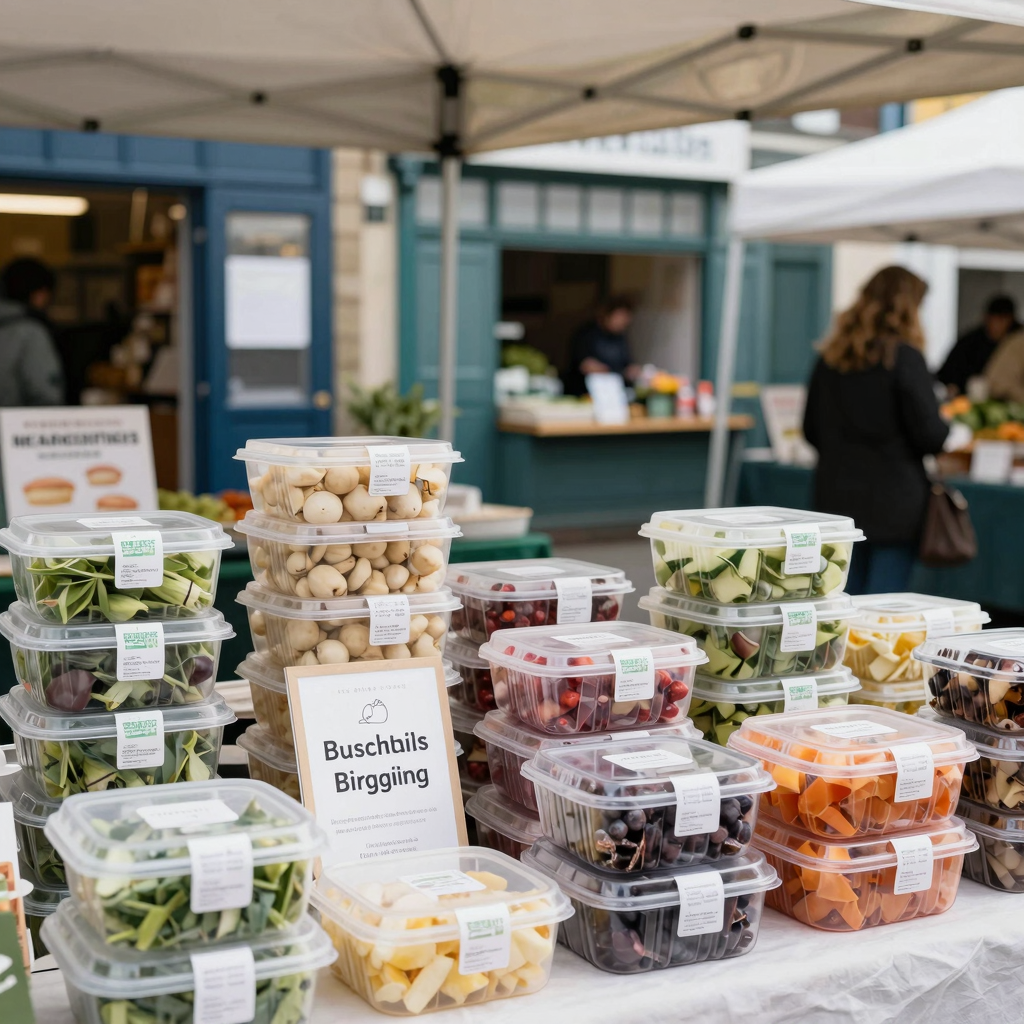
In the bustling city of Dieppe, France, the role of plastic packaging food containers has become increasingly vital for businesses across various sectors. From trendy bubble tea shops and established beverage chains to dynamic restaurants, food trucks, and catering services, the right packaging solutions can vastly improve operational efficiency, ensure food safety, and enhance consumer appeal. As events planners and corporate procurement teams consider their options, they face a diverse target audience that seeks not only functionality but also sustainability and compliance with emerging regulations.
The demand for high-quality, durable plastic food containers is evident as local businesses strive to maintain freshness and reduce waste in an increasingly competitive market. With rising consumer preferences for convenient and appealing packaging, the shift towards recyclable and BPA-free containers allows businesses to align with eco-conscious trends while keeping costs manageable. Furthermore, manufacturers are innovating to meet these needs, offering lightweight and stackable options that simplify storage and transport. In this article, we’ll explore the importance of plastic packaging food containers in Dieppe and how they cater to the evolving expectations of both businesses and their customers, emphasizing the critical need for practical and aesthetically pleasing solutions in today’s food industry.
Benefits of Plastic Packaging for Food Containers
Plastic packaging has made significant inroads in the food service industry, especially for bubble tea shops, restaurants, and food trucks. These establishments have increasingly adopted plastic containers for several compelling reasons, emphasizing safety, durability, and eco-friendliness.
Safety
One of the foremost advantages of using plastic packaging is its safety for food items. Many modern plastic containers are created from materials like high-density polyethylene (HDPE) and polypropylene (PP), which are certified as food-safe and minimize the risk of chemical leaching. This is critical for maintaining food integrity, especially when hot or acidic foods are involved. For bubble tea shops, using sealed plastic cups with secure lids effectively contains liquids and prevents spills, ensuring a positive customer experience.
Durability
Plastic food containers are highly durable and resistant to shattering, which is particularly important for mobile operations such as food trucks and delivery services. With advancements in design, many plastic containers are engineered to offer exceptional strength during transit, reducing the likelihood of breakage that can lead to food and revenue loss. According to a study by the National Restaurant Association, the lightweight nature of plastic also reduces shipping costs, further benefiting small businesses that operate on tight margins.
Waste Reduction and Eco-Friendliness
While single-use plastics have historically posed environmental challenges, there has been a considerable push toward sustainable practices within the industry. The use of recyclable plastics, such as rPET, is on the rise, which helps alleviate some environmental concerns associated with plastic waste. More food service businesses are adopting closed-loop recycling systems, forcing an industry-wide shift towards more sustainable practices. The European Commission reports that effective plastic packaging can reduce food spoilage by up to 30%, which not only saves money but also minimizes the ecological footprint related to food waste.
Conclusion
In conclusion, the benefits of plastic packaging for food containers in bubble tea shops, restaurants, and food trucks cannot be overstated. From enhancing safety and ensuring durability to promoting eco-friendliness through innovative recycling practices, plastic packaging remains a vital component of the modern food service landscape. As consumer preferences continue to evolve towards sustainability, businesses must stay informed about new materials and practices to maintain a competitive edge in a growing market. For further insights, learn more about plastic food packaging here and discover how innovation can benefit your operations.
Choosing the Right Food Containers for Your Business
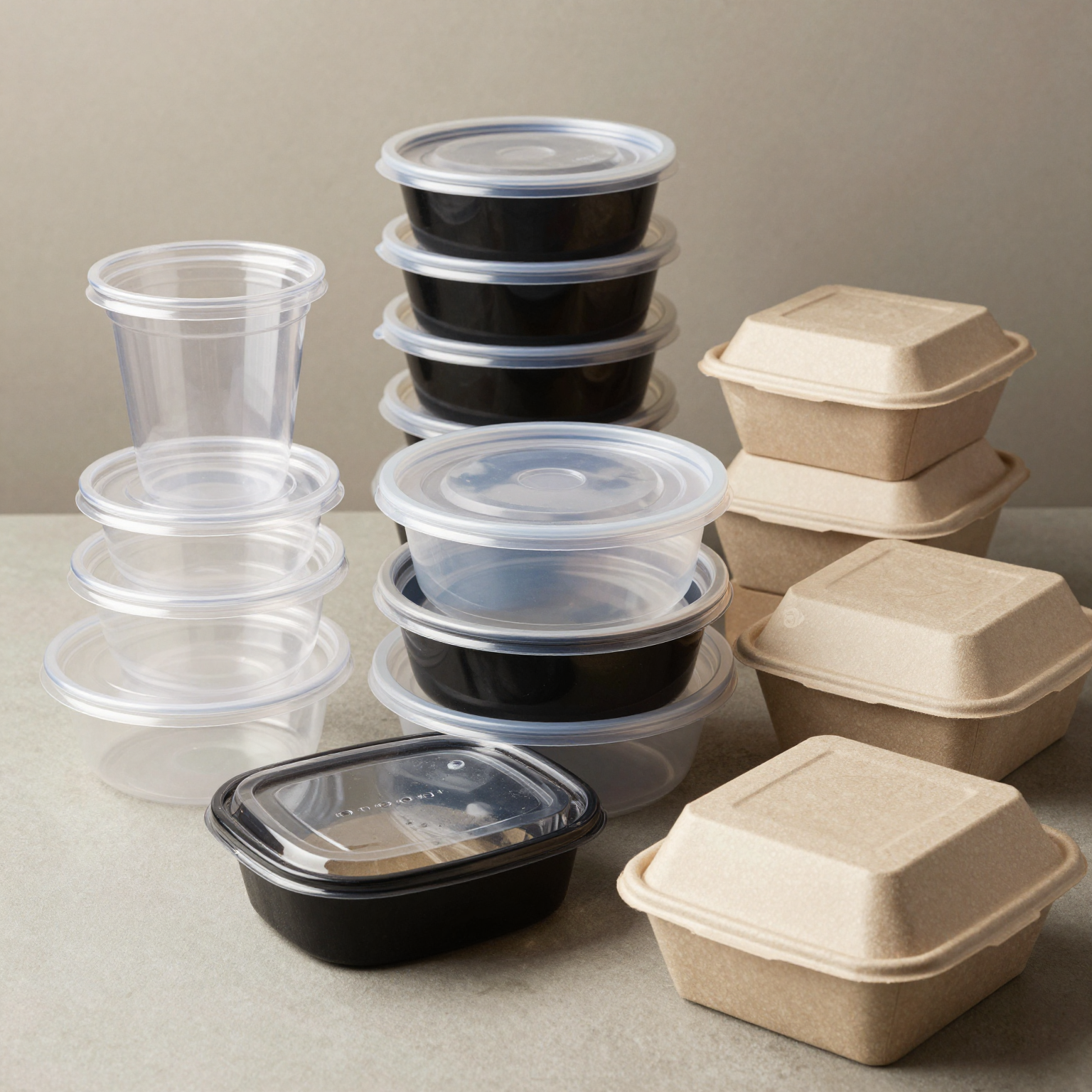
Selecting the appropriate plastic food containers is crucial for any business in the food industry, including bubble tea shops, restaurants, food trucks, and catering services. The right choice not only helps in maintaining the quality of the food but also supports your operational efficiency. Here are some key factors to consider:
1. Understand Your Needs and Products
Each food type has specific storage requirements. For example:
- Liquid foods (like soups and beverages) often require leak-proof containers.
- Solid items, such as salads or main dishes, benefit from stackable, compartmentalized containers to maximize storage space.
2. Size and Capacity
The size and capacity of the containers should match your business’s operational needs:
- Individual Portions: For fast-casual dining, containers ranging from 650ml to 1 liter are ideal for single meal servings.
- Bulk Storage: Catering services may need containers with capacities from 4 quarts to 12 quarts to accommodate larger food batches for events. Larger options ensure effective service and cut down on the need for multiple containers.
- Sample Size Containers: For items like sauces or dressings, smaller containers (around 8oz to 16oz) work well. Learn more about container options.
3. Type of Plastic
Different plastics serve different purposes. Here’s a quick breakdown:
- Polypropylene (PP): Affordable, safe for microwave use (up to 130°C), and perfect for reheating takeout.
- High-Density Polyethylene (HDPE): Durable and resistant to chemicals-great for bulk storage of dry goods and oils.
- Low-Density Polyethylene (LDPE): Flexible and moisture-resistant, suitable for wrapping baked goods and fresh produce.
- Polyethylene Terephthalate (PET): Shatterproof and lightweight, ideal for drink bottles and clear sauce containers. It’s also recyclable, adding to sustainability efforts.
4. Regulatory Compliance and Safety
Ensure that the containers meet safety standards and are made from food-grade materials. Be cautious with plastics labeled #3 (PVC) and #6 (PS), as these can leach harmful chemicals. Focus on materials like #5 (PP) for reusable containers and check for certifications that indicate safe food contact use.
5. Environmental Impact
Consider the sustainability of your packaging options. With increasing regulations on plastics, eco-friendly alternatives like biodegradable containers made from PLA (polylactic acid) are becoming essential. These materials perform similarly to traditional plastics but decompose naturally, aligning with modern demands for reducing plastic waste. For further insights, read about sustainable packaging trends.
By taking these factors into account, businesses can streamline their operations and enhance customer satisfaction through better food storage solutions. Choosing the right containers ultimately aids in minimizing food waste, improving food safety, and ensuring a smoother operation in any food service environment.
| Plastic Type | Features | Price (EUR/container) | Use Cases |
|---|---|---|---|
| PET (Polyethylene Terephthalate) | Single-use, high clarity, pressure resistant, not heat resistant (deforms above 70°C), non-microwaveable, not reusable | €0.20 | Takeaway drinks, pre-packaged drinks, cold food containers |
| HDPE (High-Density Polyethylene) | Durable, reusable, chemically resistant, good temperature resistance but not suitable for high heat | €0.15 | Milk jugs, cleaning product bottles, long-term food storage containers |
| LDPE (Low-Density Polyethylene) | Good flexibility, soft, heat resistant, easy to puncture or tear | €0.10 | Food wrap, shopping bags, internal packaging liner |
| PP (Polypropylene) | Heat resistant, microwave-able, chemically stable, non-toxic, reusable | €0.25 | Hot food storage, microwave heating, lunch boxes, children’s dinnerware |
| PS (Polystyrene) | Rigid, lightweight, clear or semi-transparent, not heat resistant, easily breakable | €0.18 | Disposable cutlery, fast food boxes, cup holders, displays |
| PC (Polycarbonate) | High strength, impact resistant, reusable but may release BPA, posing health risks | €0.30 | Tableware, food storage containers, transport containers |
Data sourced from comprehensive industry reports and market acquisition platforms (Updated: May 8, 2026).
For more tips on plastic containers, check out our guide on plastic food storage and learn about custom plastic forming machines for disposable bowls.
Eco-Friendly Practices in Packaging
The importance of eco-friendly packaging practices for food businesses has surged in recent years, as consumers increasingly demand more sustainable solutions. Not only do these practices help reduce environmental impact, but they also enhance brand reputation, connect with eco-conscious customers, and contribute to long-term business sustainability. Transparency in packaging materials is now vital-85% of consumers opt to buy from companies committed to sustainability, which directly influences purchasing decisions (DHL, 2023). Businesses that adopt eco-friendly practices may see a boost in customer loyalty and market competitiveness.
One significant way food businesses can remain committed to sustainability is by opting for certain types of plastic containers that align with environmental goals. Innovations in plastic technology have led to the development of biodegradable and recyclable plastics, which can significantly reduce waste. Nestlé’s introduction of recyclable coffee bags in 2023 is a prime example of leveraging traditional plastic packaging for sustainable initiatives. The design encourages consumers to return their used bags for recycling, effectively closing the loop and minimizing environmental impact.
Additionally, companies like Tyson Foods have incorporated eco-friendly practices by utilizing lightweight materials in their packaging, which have led to a reduction of over 75% in plastic usage. Such reductions not only provide cost savings but also considerably lessen the resources required for production and waste management.
Event planners and catering services can also consider compostable or biodegradable containers for their events. These options ensure that the packaging used does not contribute to landfill waste, thus aligning with eco-friendly practices and making their gatherings more sustainable. When selecting packaging, it’s essential for businesses to balance durability and safety with environmental considerations.
By integrating these eco-friendly packaging solutions, food businesses not only meet regulatory standards but also appeal to a growing demographic of environmentally conscious consumers. Engaging with third-party certifications for sustainable packaging can further enhance a brand’s integrity and customer trust.
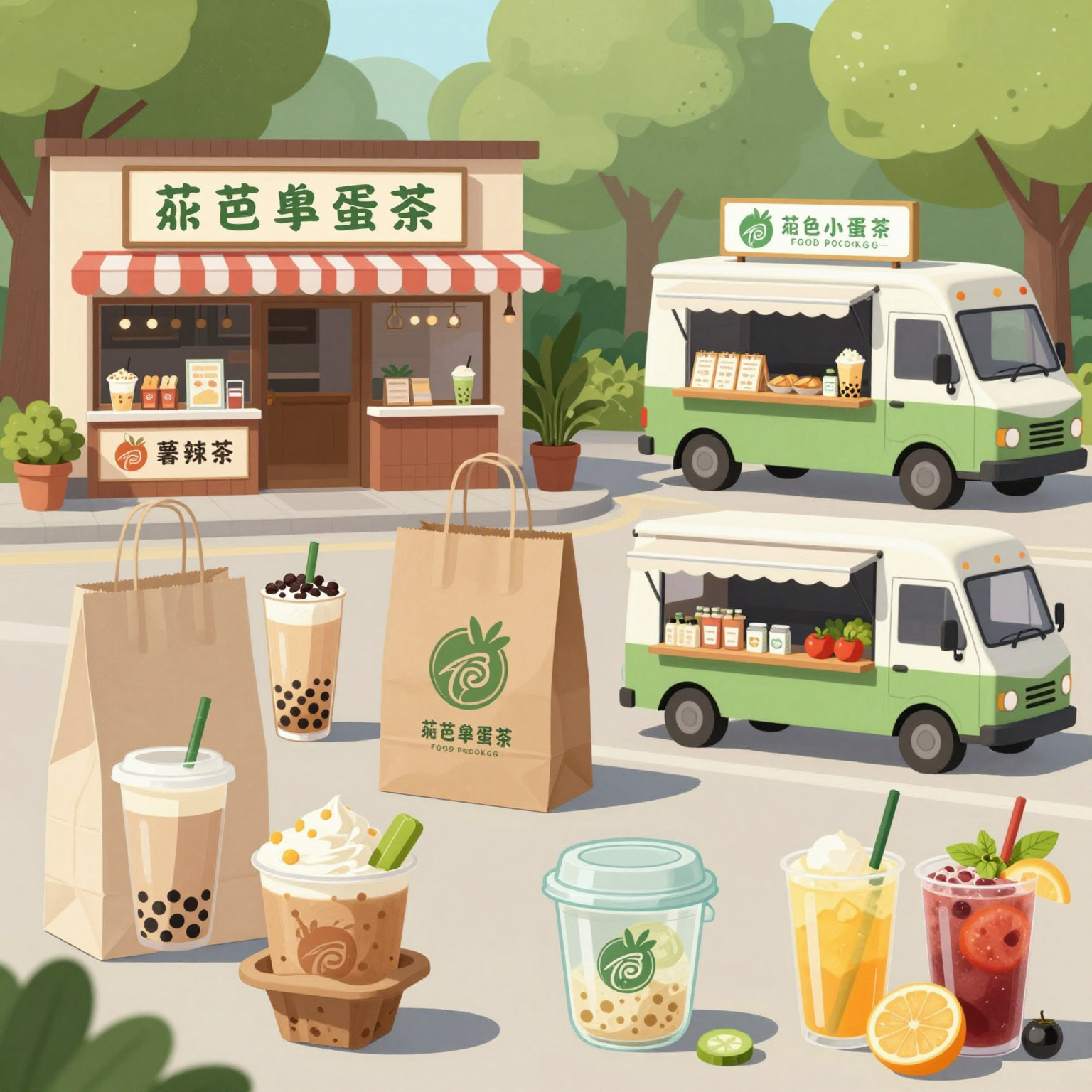
Ultimately, choosing the right packaging can have lasting impacts on a business’s environmental footprint. As companies continue to innovate and push the envelope on sustainability, more options are available to meet eco-friendly packaging needs while still maintaining quality and aesthetic appeal in the food industry.
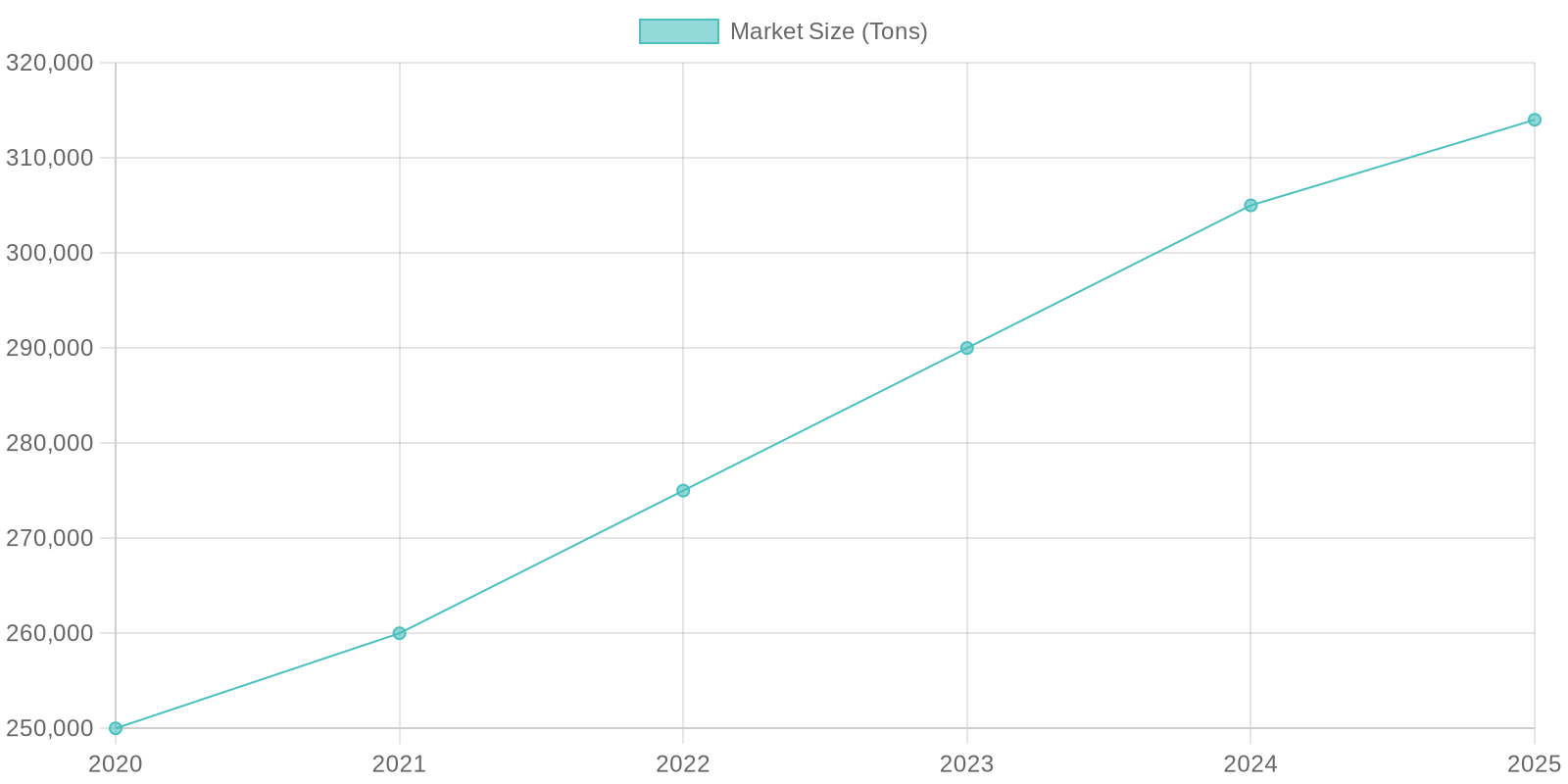
Plastic Packaging Food Containers Market Trends in Dieppe, France (2020-2025)
| Year | Market Size (Tons) | Key Trends & Consumer Preferences |
|---|---|---|
| 2020 | 250,000 | Stable demand; minimal impact from pandemic disruptions. Consumers favored durable, reusable plastic containers for household storage. |
| 2021 | 260,000 | Post-lockdown recovery; increased home cooking and meal prepping boosted demand for food-safe, stackable plastic containers. |
| 2022 | 275,000 | Rising urbanization in Dieppe led to higher demand for compact, space-efficient packaging. BPA-free and recyclable claims gained traction. |
| 2023 | 290,000 | Strong growth driven by convenience culture and e-commerce expansion. Airtight seals and modular designs became key purchase drivers. |
| 2024 | 305,000 | Sustainability concerns intensified. Consumers increasingly preferred recycled PET (rPET) and biodegradable options despite cost premiums. |
| 2025 | 314,000 | Shift toward sustainable packaging accelerated by local EPR (Extended Producer Responsibility) policies. Demand surged for transparent labeling and traceability. |
Additional Insights:
- Urbanization & Lifestyle Changes: Growing population density in Dieppe has increased demand for compact, multi-functional food containers suitable for small living spaces.
- Sustainability Focus: Environmental awareness, supported by regional regulations and social media influence, pushed consumers toward eco-friendly alternatives without compromising functionality.
- Innovation Drivers: Brands offering innovative features-such as leak-proof lids, microwave-safe materials, and modular stacking systems-gained market share.
Sources:
- France Plastic Packaging Market Research Findings (2026)
- Plastic Containers Market Report – Global Trends (2026)
- Dieppe Municipal Sustainability Initiatives 2023-2025
Essential Questions to Ask Suppliers for Plastic Packaging Containers
When sourcing plastic packaging containers for your food business, asking the right questions can ensure quality, compliance, and timely delivery. Here’s a list of important questions to consider:
- What materials are used in your plastic containers?
Understanding the composition helps to ensure they meet safety standards. - Do you have any certifications for your products?
Look for certifications like ISO, FDA compliance, and others that assure quality and safety. - What is the source of your materials?
Knowing where the materials come from can help in assessing their quality. - Can you provide samples of the packaging containers?
Testing samples is vital for ensuring they meet your standards before bulk orders are placed. - What is your production capacity?
It’s important to know if the supplier can meet your demand consistently. - What are the available sizes and variations?
Make sure they offer a range to fit different menu items or beverages. - What are your delivery options and lead times?
Understanding shipping times is crucial for planning your inventory. - Do you offer customization options?
Customizing labels or designs can enhance branding and customer experience. - What is your policy on defective items?
Knowing how they handle defects helps to mitigate risks. - How do you ensure quality control during manufacturing?
Understanding their procedures for quality checks can ensure you receive the best products.
Asking these questions can lead to informed decisions when sourcing plastic packaging for your food business. Make sure to learn more about the different kinds of plastic cups available to find the best fit for your needs!
Customer Testimonial
“Since switching to Green DispoPack’s plastic food packaging, we’ve noticed a significant improvement in the quality of our food presentation. Their containers are not only durable but also highlight the freshness of our products. We’re thrilled with the consistent reliability and outstanding service!”
- Happy Customer, Local Catering Service
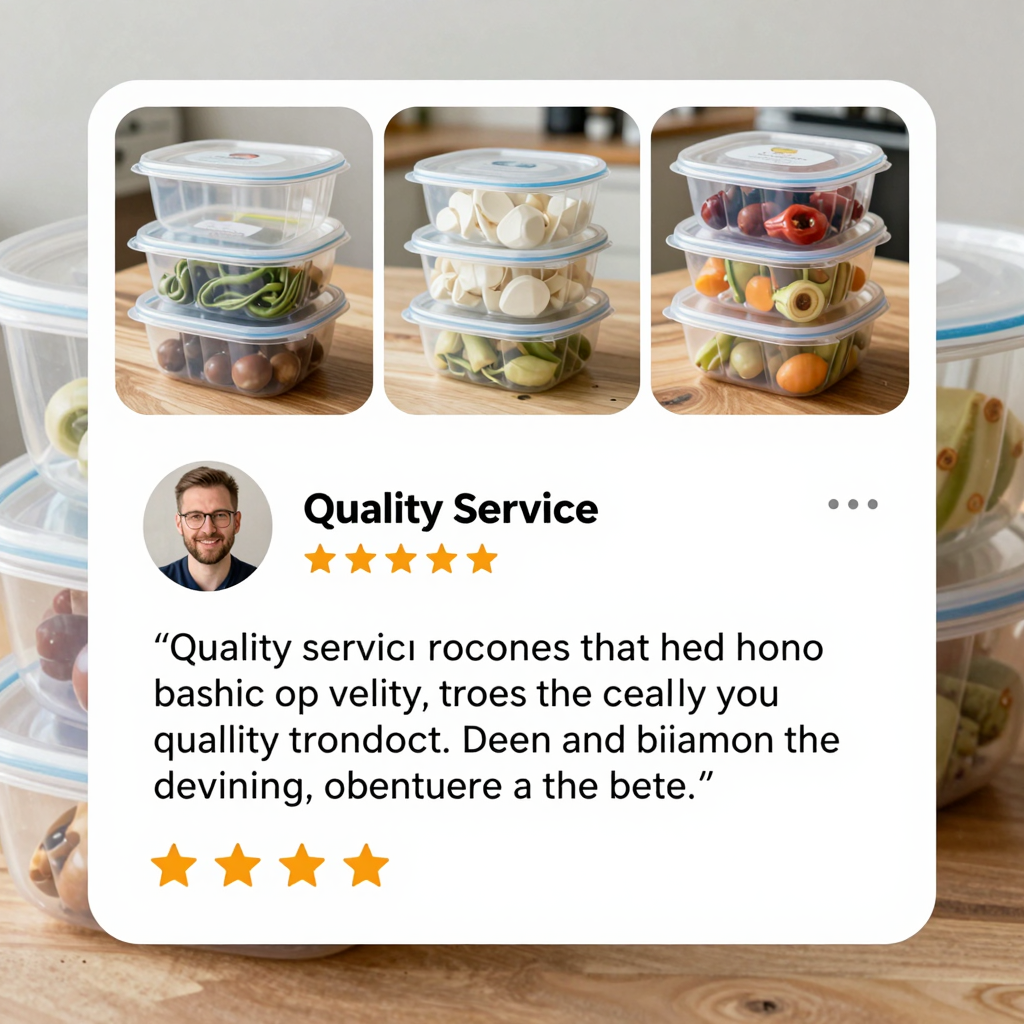
Customer feedback showcasing commitment to quality and durability.
Conclusion and Call to Action
Choosing the right plastic packaging is not merely an operational choice; it is a strategic decision that directly influences the safety, quality, and longevity of food and beverage products. As we explored, high-quality plastic packaging serves several essential functions:
- Protection and Preservation: Effective plastic packaging safeguards against contamination, extends the shelf life of food items, and enhances safety by minimizing leaching and spoilage. This has become more crucial than ever in an industry striving to maintain quality standards while meeting consumer demands for fresh and safe products.
- Cost-efficiency and Logistics: The lightweight nature of plastic facilitates easy transportation and storage, leading to lower overall logistics costs. Given the growing competition in the food sector, these advantages can translate to more significant profit margins and better service delivery.
- Sustainability Initiatives: Innovations in bioplastics and recycled materials are improving the sustainability profile of plastic packaging. Businesses that prioritize these packaging solutions can better align with the values of today’s eco-conscious consumers, enhancing their brand image and customer loyalty.
As we move forward in this dynamic and evolving market, it is imperative for businesses-whether running a bubble tea shop, a restaurant, or a catering service-to partner with suppliers that prioritize quality and sustainability in plastic packaging.
At Green Dispopack, we are committed to providing premium, eco-friendly packaging solutions tailored to your needs. Explore our full range of products today and ensure your business is not just another option but the preferred choice for quality and service in the food and beverage industry. Let’s work together to elevate your packaging standards!