
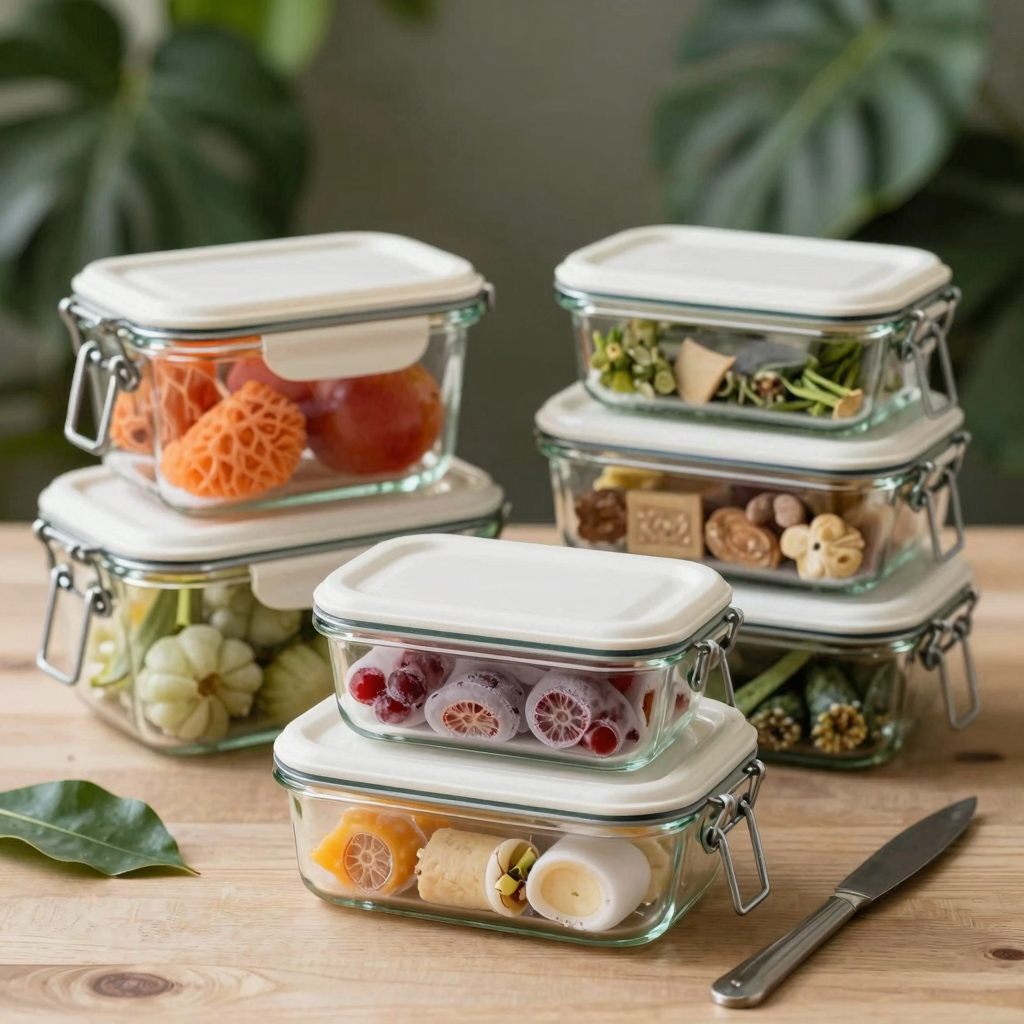
In today’s environmentally conscious world, the shift towards using non-plastic containers for freezing food has never been more crucial, particularly in business settings like bubble tea shops and restaurants. These establishments, often bustling with activity and forward-thinking clientele, are uniquely positioned to lead the change towards sustainable practices. Not only do non-plastic containers help reduce pollution and lessen the burden on our landfills, but they also comply with the increasing safety standards mandated by health regulations. By opting for eco-friendly alternatives, businesses can enhance their brand reputation while contributing positively to the planet. In this blog, we will explore the various options of non-plastic containers available for freezing food and how they can benefit your operations while keeping the environment in mind. Learn more about the advantages of eco-friendly food packaging and ensure compliance for a safer and greener future.
| Material | Benefits | Estimated Cost (per unit) | Ideal Uses for Freezing Food |
|---|---|---|---|
| Glass | – Chemically inert and non-toxic – Suitable for freezing, microwaving, and oven use – Resists leaching |
$5 – $15 | Ideal for portioning leftovers, acidic foods like sauces or juices |
| Metal (Stainless Steel) | – Durable and lightweight – Great for freezing and transporting meals – Microwave-safe when not sealed |
$10 – $30 | Excellent for soups, stews, and meal prep for outdoor use |
| Silicone | – Flexible and heat-resistant (up to 428°F) – Freezer-safe and reusable – Eco-friendly |
$8 – $20 | Ideal for baking, storing liquids, and freezing baby food |
| Biodegradable | – Compostable (e.g., PLA) | $1 – $5 (more expensive per use due to low reusability) | Best for short-term, single-use applications; not recommended for long-term freezing |
The Environmental Impact of Plastic Containers in Food Freezing
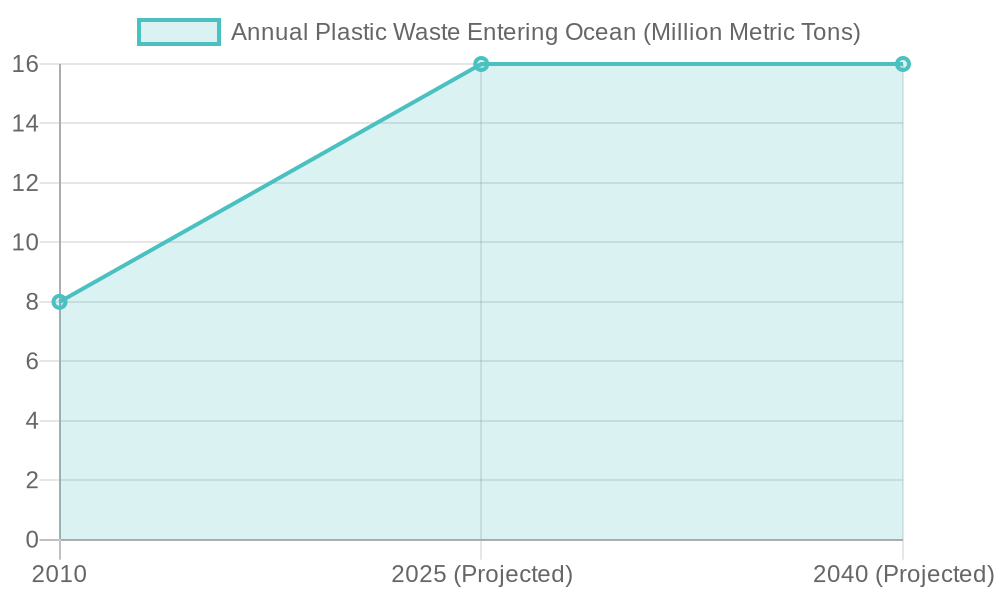
As more bubble tea shops and restaurants seek to package and freeze food products efficiently, the reliance on plastic containers poses significant environmental challenges. One of the foremost issues is the pollution caused by plastic waste. According to the United Nations Environment Programme (UNEP), an estimated 19 to 23 million metric tons of plastic waste enter aquatic ecosystems annually. This has dire consequences for biodiversity and human health, as these materials leach harmful chemicals into the environment and enter the food chain.
Growing Pollution Concerns
The statistics reveal a grim reality: approximately 8 million tons of plastic are inadequately managed and consequently end up in our oceans every year. Projections indicate that, without intervention, this figure could double by 2040, leading to increased marine pollution that directly affects the food service industry and our ecosystems. The Environmental Science & Technology Journal highlights that, beyond visual pollution, plastic waste releases toxic substances into the soil and water, exacerbating health risks linked to agricultural produce harvested from contaminated areas.
Waste Management Challenges
For bubble tea shops, restaurants, and catering services, managing plastic waste effectively becomes a complex issue. The Global Environmental Research Institute notes that mismanaged plastic waste is expected to rise dramatically as consumer demand for convenience overshadows ecological responsibility. Consequently, food businesses may face both operational and regulatory challenges in waste management, often resulting in reputation risks and potential fines.
The Way Forward
Considering the scale of plastic pollution, transitioning to non-plastic alternatives is a critical step towards sustainability. By adopting eco-friendly packaging solutions, businesses can mitigate their environmental impact while catering to a growing consumer base that values sustainability. Efforts to address plastic waste not only help the environment but can also enhance a brand’s image as socially responsible and eco-conscious.
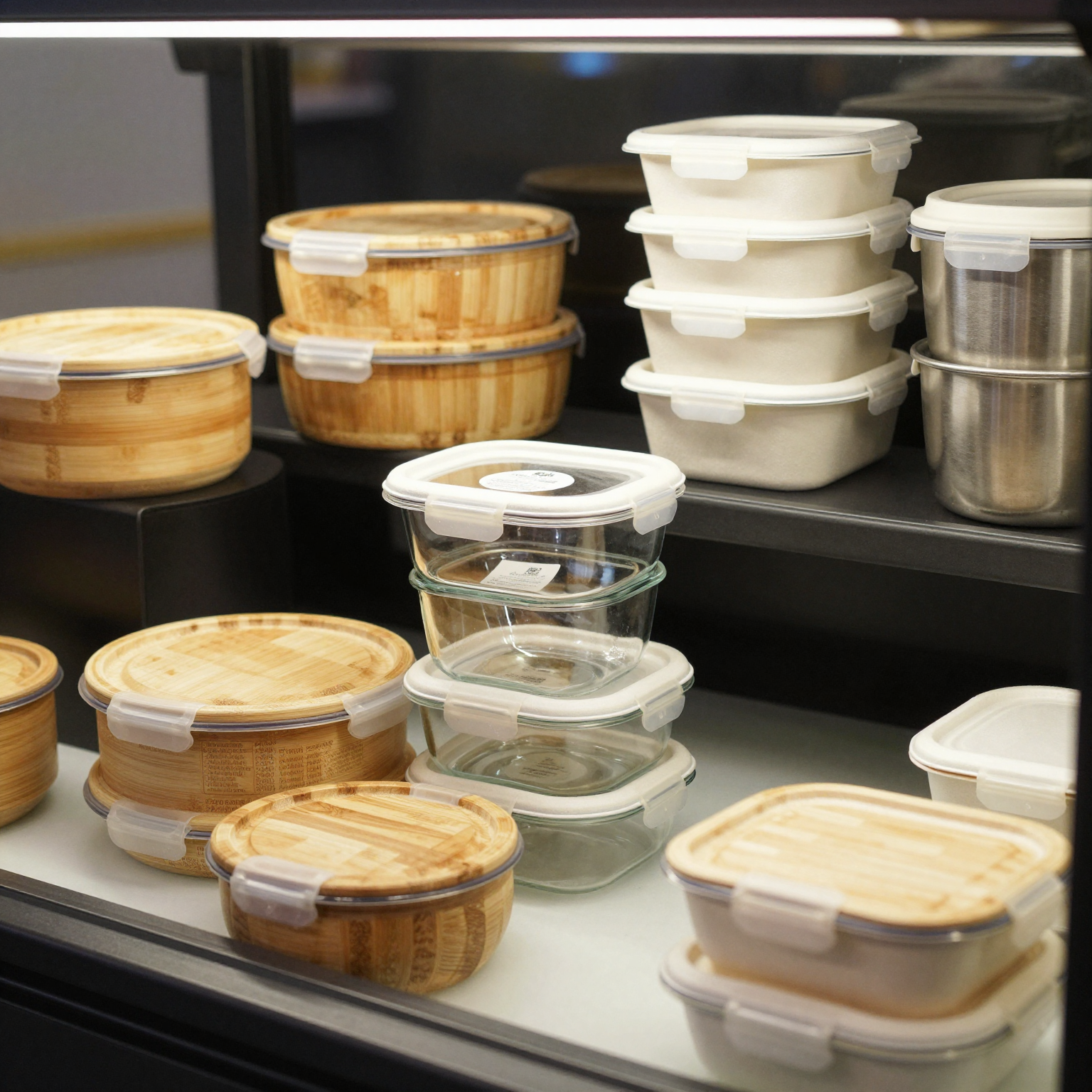
Using non-plastic containers for freezing food comes with an array of advantages that benefit both health and the environment:
- Health Safety: Non-plastic containers, such as glass and stainless steel, don’t leach harmful chemicals like BPA into food, ensuring safer storage options.
- Longevity: These materials are durable and can withstand repeated freeze-thaw cycles without degrading, providing long-lasting food storage solutions.
- Environmental Impact: Switching to non-plastic containers reduces plastic waste, which can pollute oceans and ecosystems. They are also typically recyclable, contributing to a more sustainable future.
- Odor and Bacteria Resistance: Unlike plastic, non-plastic containers do not absorb odors or harbor bacteria, making them safer for long-term food storage.
These benefits make non-plastic containers a smart choice for anyone looking to enhance their food storage practices. For more insights, learn about eco-friendly packaging options at Green Dispo Pack.
Transitioning to Non-Plastic Solutions: Actionable Insights for Food Businesses
Transitioning from plastic to non-plastic containers is a vital step for bubble tea shops, restaurants, and catering services aiming to reduce their environmental impact while attracting eco-conscious customers. Here are some practical strategies and considerations to facilitate this transition:
1. Conduct an Inventory Assessment
- Evaluate Current Usage: Start by identifying all the plastic containers and utensils currently in use. This inventory will help you understand your starting point and set goals for reduction.
- Identify Alternatives: Research options such as biodegradable, reusable, or compostable containers. For instance, switching from plastic cups to compostable paper or plant-based cellulose options can significantly lower plastic dependency. You can learn more about eco-friendly cups here.
2. Gradual Implementation Plan
- Phased Rollouts: Rather than go completely plastic-free in one go, consider a phased approach. Introduce non-plastic solutions in specific areas of your operation first, such as takeout containers or delivery packaging.
- Set Clear Milestones: Establish measurable goals and timelines. For example, aim to eliminate 50% of plastic usage within the first year.
3. Employee Training and Community Engagement
- Staff Training: Equip your team with knowledge about the new containers and their environmental benefits. Employees should feel confident in explaining these changes to customers.
- Customer Incentives: Encourage customers to return reusable containers with deposit schemes or discounts. Sweetgreen, for instance, successfully launched a reusable container program, diverting over 2 million single-use plastics from landfills and enhancing customer loyalty (National Geographic).
4. Collaborate with Suppliers
- Partner with Eco-Conscious Suppliers: Source materials from suppliers who provide certified compostable packaging. Vet your suppliers to ensure they are genuinely sustainable and not engaging in greenwashing. The Sustainable Packaging Coalition provides great resources for this purpose (Sustainable Packaging Coalition).
5. Leverage Local Legislation and Grants
- Stay Updated on Regulations: Be aware of local laws that may require or incentivize transitions to non-plastic solutions. California’s recent legislation, for example, mandates businesses to adopt alternatives, creating a competitive advantage for early adopters (GBCI).
- Utilize Grants and Resources: Many local governments offer grants to restaurants adopting eco-friendly practices. Look for initiatives that encourage sustainable operations to alleviate financial burdens during the transition.
6. Monitor Impact and Communicate Successes
- Track Progress: Regularly monitor the impact of your transition on waste reduction and customer satisfaction. Use these metrics to refine your strategies.
- Share Success Stories: Don’t forget to promote your sustainable efforts through social media and in-store marketing. Highlight how your initiatives are reducing waste and benefiting the planet to engage customers more deeply.
Transitioning to non-plastic solutions is not just about compliance; it’s an opportunity to enhance your brand’s reputation while contributing positively to the environment. By following these strategies, businesses can navigate this crucial transition with confidence and creativity, setting an example for others in the food service industry.
“可持续的食品储存实践是保障全球粮食安全与供应链稳定的关键。若不加强粮食储藏环节的可持续管理,将加剧粮食浪费和供应中断风险。”
- 联合国粮农组织(FAO)专家,来源: FAO
This insightful perspective underscores the importance of sustainable practices in food storage, making it highly relevant for bubble tea shops, restaurants, food trucks, and other food service providers who are looking to minimize waste and adopt environmentally friendly methods.
For more on sustainable food practices, learn more about eco-friendly packing solutions and how sustainable packaging impacts the food industry.
Safety Standards for Non-Plastic Food Packaging
In the food industry, especially in sectors like bubble tea shops and catering services, non-plastic containers have become increasingly popular for their eco-friendliness and safety. However, these containers must comply with strict safety standards for food storage, particularly when it comes to beverages and food service.
Key Safety Standards
-
Food Contact Materials Regulations: In regions like the European Union and the United States, non-plastic packaging materials such as glass, metal, and paper are governed under stringent regulations. According to the European Regulation (EC) No 1935/2004, materials intended for food contact must not transfer harmful substances and should not alter food in any dangerous way. This ensures a high level of protection for consumers (European Commission).
-
Good Manufacturing Practices (GMP): Compliance with GMP is crucial. Manufacturers producing non-plastic containers must ensure that their facilities maintain cleanliness to prevent contamination. These practices include thorough inspections and quality assurance testing to meet safety standards before products reach the market (U.S. FDA).
-
Specific Material Guidelines: Different materials have unique safety requirements. For example, metals must resist oxidation, glass containers need to maintain integrity under thermal changes, and paper products should be resistant to moisture to avoid degradation. The FDA mandates that these specific properties must be verified to prevent any risks during the food storage process.
Why It Matters
For bubble tea shops and beverage chains, understanding these safety standards is vital. Not only do they ensure compliance with health regulations, but they also protect the brand’s reputation and customer trust. As awareness of environmental issues grows, choosing safe, non-plastic alternatives can be a strong unique selling point for your business.
Incorporating non-plastic containers that meet these rigorous safety standards not only enhances food safety but also contributes to a sustainable future in food service.
Projected Growth in Demand for Eco-Friendly Packaging Solutions
The demand for eco-friendly packaging solutions is on a significant upward trajectory. According to market research, the global eco-friendly food packaging market is projected to grow from approximately $101.27 billion in 2024 to $171.10 billion by 2033, showcasing a Compound Annual Growth Rate (CAGR) of 6%. This growth is primarily driven by increasing consumer awareness regarding environmental impact and a shift towards materials that are sustainable and have a low carbon footprint.
Key Growth Trends (2023-2033)
| Year | Market Size (Billions USD) |
|---|---|
| 2023 | 101.27 |
| 2024 | 101.27 |
| 2025 | 107.35 |
| 2026 | 113.89 |
| 2027 | 120.82 |
| 2028 | 128.16 |
| 2029 | 135.95 |
| 2030 | 144.11 |
| 2031 | 152.76 |
| 2032 | 161.93 |
| 2033 | 171.10 |
Data based on projected market growth from 2024 to 2033 with a CAGR of 6%.

This chart illustrates the anticipated growth of the eco-friendly packaging market over the next decade.
Businesses, including bubble tea shops, restaurants, and catering services, can benefit from aligning their packaging choices with this trend towards sustainability. For more insights on related topics, check out our articles on eco-friendly packaging options and sustainable practices in the food industry.
Switching to non-plastic containers for freezing food not only benefits the environment but also enhances food safety and quality. Eco-friendly materials, such as bamboo, glass, or biodegradable plastics, are becoming increasingly popular because they significantly reduce the risk of chemical leaching, ensuring that your delicious bubble tea or gourmet dishes remain uncontaminated. Moreover, sustainable packaging solutions are in high demand, with 85% of consumers indicating that their purchasing decisions are influenced by eco-friendly options. By opting for non-plastic containers from reliable suppliers, businesses can improve their brand image, appeal to environmentally-conscious customers, and contribute to a healthier planet.
At Greendispopack, we offer a wide range of eco-friendly disposable tableware and packaging solutions tailored to meet the needs of food businesses like yours. Make the switch today for a sustainable, safe, and stylish approach to food storage. Explore our products and join the growing movement towards sustainability!