
Introduction
In a world increasingly focused on sustainability, the phrase “corporate packaging recycling paper” holds significant weight, especially in the food industry. Imagine this: every disposable tableware item you throw away could be transformed into something new and valuable, reducing waste while promoting a healthier planet. This shift towards eco-friendly packaging is not just a trend; it’s a necessity for businesses like bubble tea shops, restaurants, and catering services looking to make a positive environmental impact.
Adopting improved recycling practices not only heightens your brand’s reputation but also draws in environmentally conscious customers who appreciate responsible choices. As corporate procurement teams explore options in eco-friendly packaging, it becomes clear that focusing on corporate packaging recycling paper can position your business as a leader in sustainability, setting a benchmark for others in the industry. Join us as we delve into the strategic benefits and practical applications of recycling within your corporate structure!
The Inspiring Benefits of Recycling Paper Packaging for Businesses
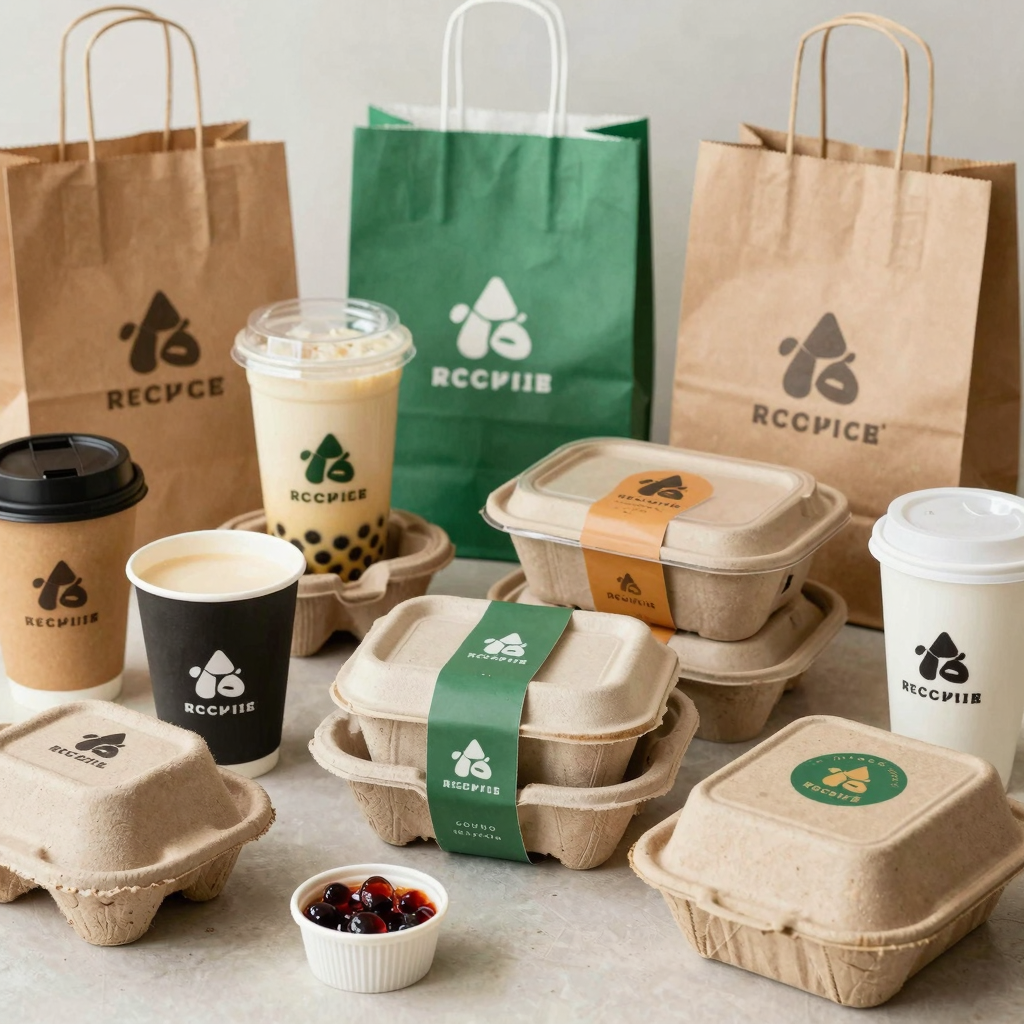
Recycling paper packaging isn’t just an eco-friendly choice; it makes solid business sense, especially for bubble tea shops and restaurants striving to optimize costs and enhance their brand image. Here are some compelling benefits of corporate packaging recycling paper that resonate deeply within the food and beverage industry.
Cost Savings
One of the most immediate advantages of recycling paper packaging is the substantial cost savings it can yield. According to the U.S. Environmental Protection Agency, businesses can save between $15 to $30 per ton of recycled paper packaging compared to disposal costs. For example, a medium-sized bubble tea shop, generating about 100 tons of waste annually, could potentially save between $1,500 and $3,000 each year by recycling. Additionally, many companies report up to 40% reduction in raw material procurement costs when using recycled paper products, significantly impacting the bottom line.
Environmental Impact
The environmental benefits of recycling paper are equally impressive. Recycling one ton of paper saves approximately 17 trees, 7,000 gallons of water, and 4,100 kilowatt-hours of energy. This conservation effort not only reduces operational footprints but also contributes to larger initiatives aimed at combating climate change by lowering overall carbon emissions. Restaurants that adopt recycling practices help ensure that less waste ends up in landfills, mitigating pollution and supporting sustainable forest management.
Meeting Consumer Preferences
Today’s consumers are more environmentally conscious than ever. In fact, 73% of consumers state they are more likely to buy from companies committed to sustainability. For bubble tea shops and restaurants, showcasing a commitment to recycling can enhance brand loyalty. According to a Nielsen report, 66% of global consumers are willing to pay more for products from sustainable brands. Businesses that emphasize their recycling initiatives not only build trust with their customers but may also see a boost in sales, as sustainability becomes an integral part of their unique selling proposition.
A Case in Point
Consider brands like Unilever and Patagonia, which have successfully integrated transparent recycling and sustainability practices into their marketing strategies. Companies with strong sustainability messaging see measurable success in customer acquisition and retention, evidencing the direct correlation between corporate social responsibility and business growth.
By embracing corporate packaging recycling paper, bubble tea shops and restaurants can unlock numerous benefits while contributing to a healthier planet. The combination of financial gains, environmental stewardship, and consumer respect creates a powerful narrative, encouraging not just operational improvements but deeper connections with clients who value responsibility.
In conclusion, recycling paper packaging is a smart business strategy that aligns financial, environmental, and societal goals. For more strategies on eco-friendly packaging options, check out our insights on eco-friendly clear plastic cups and explore how sustainability can shape your packaging choices effectively.
Comparison of Corporate Packaging Recycling Programs
When it comes to recycling corporate packaging, multiple programs exist with differing features, costs, and eligibility requirements. Below is a detailed table comparing some of the most prominent recycling programs aimed at corporate packaging recycling for paper and plastic products.
| Company | Packaging Recycling Program Features | Estimated Cost to Consumer | Eligibility Requirements |
|---|---|---|---|
| Intel | Offers recycling guidance for product packaging; prioritizes paper and plastic with post-consumer recycled content (minimum 25% recycled fiberboard). Focuses on designing recyclable packaging. | Free | Available to all customers purchasing Intel products. No restrictions based on region or volume. |
| Microsoft | Provides free recycling programs for individuals to recycle Microsoft-branded devices, batteries, and packaging. Includes take-back options via mail-in or drop-off locations. | Free | Open to individuals in regions where the program is available (e.g., U.S., Canada, EU countries). |
| Lenovo | Offers Asset Recovery Services (ARS) for businesses, including PC take-back and data destruction. Also provides consumer recycling programs for devices and packaging in select countries. | Varies: Free for consumers in some regions; business ARS may have fees based on volume and service level. | Business customers: Eligible for ARS with contract or purchase history. Consumers: Eligible in supported countries. |
| Dell | Offers free recycling for Dell-branded products and packaging via mail-in or local drop-off. Includes global take-back and refurbishment programs. | Free | Open to all customers worldwide who own Dell products. No minimum order or purchase requirement. |
| HP | Provides free recycling for HP-branded devices and packaging through mail-in kits, retail drop-offs, and certified recyclers. Includes sustainable packaging initiatives. | Free | Available to consumers and businesses globally. Requires registration for mail-in services. |
Estimated Costs per Pound of Recycling in Different States
Here’s a look at the costs per pound for recycling programs across various states, which can further help businesses in making informed decisions about their packaging recycling.
| State/Region | Cost per Pound (USD) | Key Features |
|---|---|---|
| California | $0.90 – $1.20 | Mandatory recycling for businesses; strict sorting requirements; high demand for recycled paper in packaging. |
| New York | $0.85 – $1.10 | Strong mandates; curbside collection available for businesses; robust infrastructure for processing mixed paper. |
| Texas | $0.70 – $0.95 | Voluntary but growing participation; decentralized collection systems; rising interest in sustainable packaging. |
| Illinois | $0.80 – $1.05 | Active municipal programs; encouraged recycling through tax incentives; emphasis on e-commerce packaging recycling. |
| Florida | $0.75 – $1.00 | Regional pricing variations; support through state grants; increasing corporate adoption of recycled paper. |
Explore more about compostable paper cups and sustainable packaging solutions on Green Dispo Pack!
Eco-Friendly Packaging Practices for Beverage Chains & Food Trucks
Implementing sustainable packaging is vital for businesses aiming to minimize their environmental impact. Here are five eco-friendly packaging practices:
- Use Compostable Materials: Switch to biodegradable and compostable packaging made from materials like plant-based plastics and sugarcane fiber. This reduces landfill contributions.
- Adopt Recyclable Packaging: Utilize packaging that is easy to recycle, such as paper-based containers, to encourage recycling among customers.
- Implement “Bring Your Own Container” Initiatives: Offer discounts to customers who bring reusable containers, promoting green practices.
- Incorporate Molded Pulp Containers: Use molded pulp made from recycled paper for food packaging, which is both sustainable and effective.
- Transition to Reusable Packaging Systems: Invest in reusable packaging solutions, reducing the need for single-use plastics and enhancing brand sustainability.
These sustainable practices not only help the environment but enhance brand loyalty among eco-conscious consumers. For more on sustainable packaging trends, learn more here and explore innovative solutions.
Successful Integration of Paper Recycling in Corporate Packaging
Businesses across various sectors have increasingly embraced corporate packaging recycling paper, transforming their sustainability strategies and boosting their market appeal. Here are notable case studies demonstrating effective approaches and outcomes, particularly in the food service industry.
GreenPacks: Redefining Sustainable Marketing
GreenPacks, a brand aimed at sustainable packaging solutions, entered the German market with a strategy rooted in incorporating recycled paper materials into their product lines. Their approach included:
- Using over 70% high-quality recycled paper pulp in their packaging.
- Employing biodegradable designs to replace plastic options.
- Collaborating with environmental organizations to promote their sustainability efforts.
Outcomes:
GreenPacks saw not only enhanced consumer trust but also significant market penetration, demonstrating that consumers favor brands committed to environmental responsibility. This case highlights how effective communication of recycling efforts can shift public perception.
Major Retailer Adopting Recycled Paper Packaging
A well-known U.S. retailer revamped its packaging by replacing plastic with a fully recycled paper alternative. This initiative led to:
- A 15% increase in sales volume for private-label products within just one year.
- Surveys indicating that 67% of consumers highlighted eco-friendly packaging as a key reason for their purchase decision.
- A reduction of 20% in overall packaging waste sent to landfills.
This case illustrates a direct correlation between eco-friendly initiatives and improved sales performance.
Foodservice Packaging Initiatives
The Foodservice Packaging Institute reports on several food service businesses achieving over 80% recycling rates for paper-based items. By implementing standardized sorting protocols and utilizing recyclable materials, businesses like restaurants experienced:
- Enhanced brand image linked to sustainability.
- Higher consumer engagement in recycling efforts, leading to increased sales.
The Role of Consumer Perception
Studies indicate that consumers perceive paper-based packaging as more environmentally friendly and high-value. With 78% of consumers willing to pay a premium for sustainable packaging options, the public’s expectations significantly influence brand loyalty and purchase decisions. Clear labeling and effective marketing around recyclability have proven essential in achieving positive consumer attitudes towards recycled packaging products.
The strategic incorporation of recycled materials into packaging solutions not only reduces waste but also enhances brand perception and sales in the increasingly eco-conscious market. By prioritizing corporate packaging recycling paper, businesses can foster a sustainable future while satisfying consumer demand.
Industry Expert Insight
“Recycling, packaging, businesses are changing all of those things because that’s what consumers want.”
- Jerry Greenfield, Co-founder of Ben & Jerry’s
This quote underlines the vital shift occurring in the packaging industry, driven by consumer demand for sustainability. As we face environmental challenges, it is clear that adopting eco-friendly practices is not just beneficial but necessary for businesses aiming for longevity in a market that increasingly prioritizes sustainability. Companies in the packaging sector, including bubble tea shops, restaurants, and catering services, can take inspiration from this notion and integrate better recycling practices into their operations to meet evolving consumer expectations. Learn more about eco-friendly packaging options and how they can benefit your business.
Regulations and Guidelines Surrounding Corporate Packaging Recycling Paper for Food Service Businesses
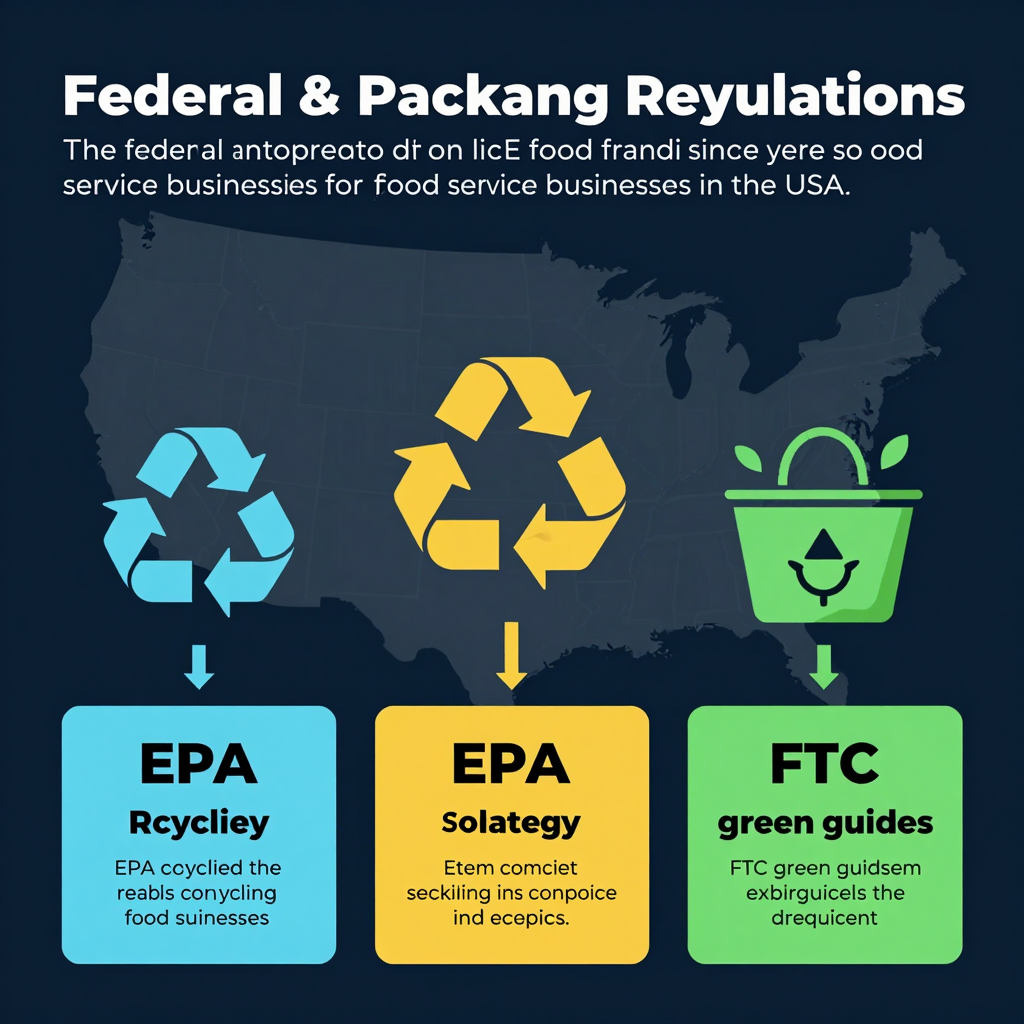
In today’s environmentally conscious market, understanding the regulations and guidelines surrounding corporate packaging recycling, particularly for food service businesses, is essential. Both federal and local levels have introduced policies aimed at minimizing packaging waste and promoting recycling. Here’s a comprehensive overview that will help food service businesses, including bubble tea shops, restaurants, and food trucks, navigate their responsibilities in eco-friendly packaging.
Federal Regulations
-
U.S. EPA’s National Recycling Strategy
Recently updated in October 2023, the U.S. Environmental Protection Agency (EPA) aims for a national recycling rate of 50% by 2030. This strategy encourages collaboration among all stakeholders, including local governments and businesses. While there isn’t a universal law mandating packaging recycling, the EPA promotes consistent policies to improve recycling efficiency and reduce waste contamination. Learn more about their strategy. -
Extended Producer Responsibility (EPR) Laws
Various states have adopted EPR laws which shift the responsibility for recycling packaging onto producers. This means businesses must register with designated organizations, pay fees, and report on packaging materials used. Key states implementing such laws include California and Oregon, requiring registration by 2024. More about EPR laws can be found here. -
FTC Green Guides
The Federal Trade Commission (FTC) updated its Green Guides in July 2023, making it essential for businesses making environmental claims about packaging to provide solid evidence, including third-party certifications. Misleading practices like “greenwashing” are being scrutinized, and businesses are urged to ensure their packaging adheres to the new guidelines. Find out how to comply with the FTC Green Guides.
State Regulations
State-level regulations add another layer of complexity. There are significant variations in the guidelines that food service companies must comply with:
- PFAS Regulations: Several states have introduced regulations against certain harmful substances in food packaging. For example, recent laws in states like Maine and New York prohibit the use of PFAS (per- and polyfluoroalkyl substances) in food packaging, which is pivotal for businesses to adhere to as it becomes more widespread. EPA’s guide on PFAS state regulations is a good reference.
- Labeling and Claims: Many states also require transparent labeling practices regarding recyclability and compostability, pushing for clarity on consumer packaging. As food service businesses increasingly focus on sustainability, abiding by these state laws not only helps in legal compliance but also attracts environmentally-conscious customers.
Conclusion
Navigating the myriad of regulations regarding packaging recycling can be daunting for food service businesses. However, it is crucial for compliance and for promoting an eco-friendly image. By staying informed about both federal initiatives like the EPA’s policies and state regulations, companies can better position themselves in a competitive market that values sustainability. Keep on top of these evolving regulations and make conscious choices for your packaging solutions to ensure you are meeting industry standards and consumer expectations.
In conclusion, understanding and adhering to these guidelines not only reduces environmental impact but can also enhance customer loyalty and brand reputation.
Conclusion and Call to Action
In today’s eco-conscious market, corporate packaging recycling paper plays a critical role in sustainability. Not only does recycling paper reduce waste, but it also conserves natural resources significantly. For instance, every ton of recycled paper can save approximately 17 trees, preventing waste and alleviating the burden on landfills. Companies embracing recycling not only contribute to a healthier planet but also benefit economically, as the global sustainable packaging market is projected to surpass $1,240 billion by 2025 (Statista).
Moreover, when selecting disposable tableware and packaging solutions, ensuring quality and safety is paramount. With various options available, it’s crucial to choose products that meet stringent health standards to safeguard your customers while providing a great experience. Our commitment to excellence guarantees that you not only meet but also exceed those standards in your service.
Take action today! Choose high-quality disposable packaging from GreenDispoPack to enhance your brand’s image while supporting sustainable practices. Visit our website to explore our extensive range of packaging options that are both eco-friendly and compliant with safety standards. Learn more about our custom plastic solutions and make the change that our planet needs.