
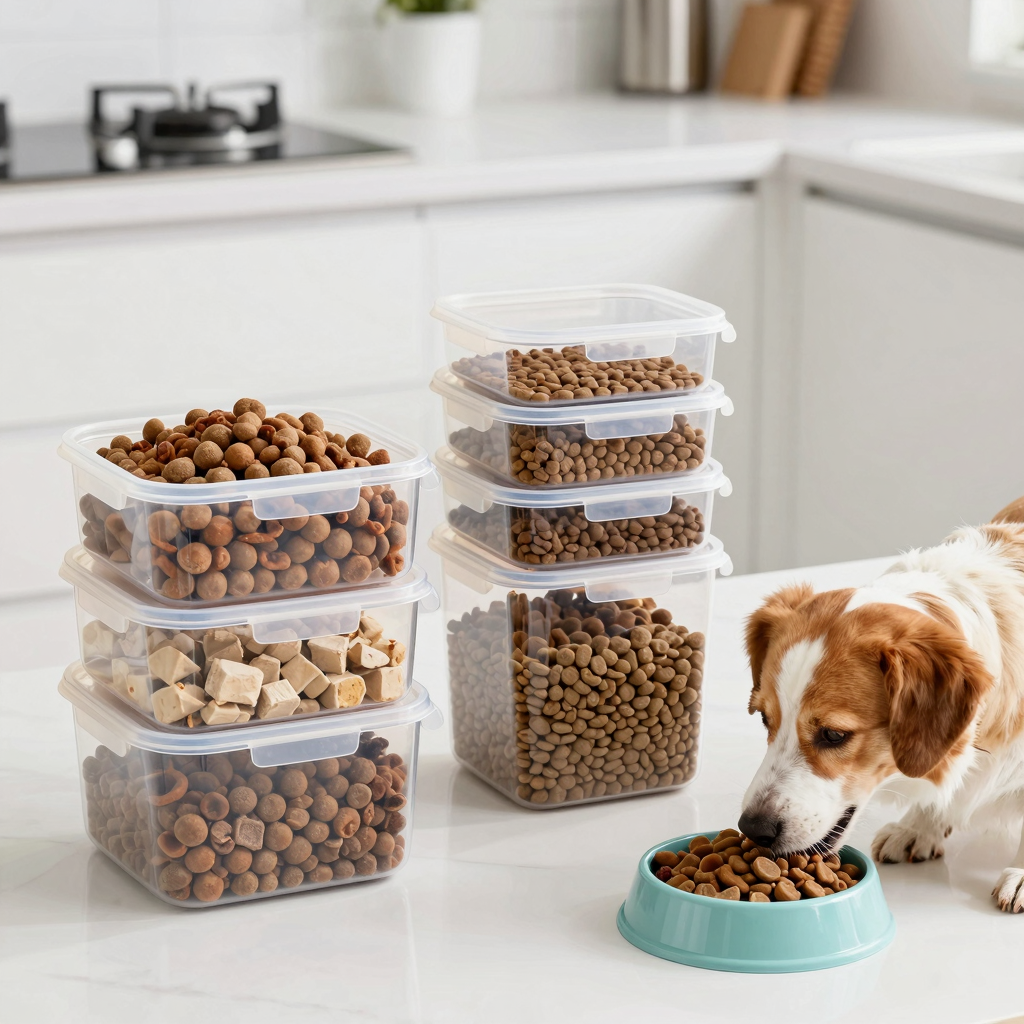
Introduction to Clean Plastic Containers for Dog Food
As a proud owner of our furry friends, ensuring their health and safety with high-quality nutrition is of utmost importance. When it comes to storing dog food, the choice of container can significantly impact the food’s safety, quality, and freshness. Clean plastic containers are not only practical but essential for maintaining the integrity of pet food, especially in bustling environments like bubble tea shops, restaurants, food trucks, and event planning firms. In these settings, it’s crucial to have reliable storage solutions that meet health standards while also offering convenience and efficiency.
Selecting clean, durable, and BPA-free plastic containers can help protect the food from contaminants and spoilage, ensuring that your canine companions receive the best nourishment without compromise. Additionally, using containers specifically designed for food storage can promote better organization and easy access, which can save precious time in fast-paced food service environments.
Whether you are preparing gourmet pet dishes or simply need a safe place to store kibble, knowing the benefits and best practices of using clean plastic containers can enhance your operations and foster trust among your clients. For those looking to dive deeper into the realm of food storage innovation, check out our guide on plastic packaging food containers to explore the perfect storage solutions for your business needs.
Benefits of Using Clean Plastic Containers for Dog Food
When it comes to storing dog food, using clean plastic containers can provide numerous advantages for pet owners. Here are some of the key benefits:
-
Durability: Plastic containers, especially those made from high-quality polypropylene (PP), are designed to withstand wear and tear. They are resistant to breaking and warping, ensuring longevity in your pet’s food storage. For instance, containers from ALDI have demonstrated exceptional durability.
-
Cost-Effectiveness: Compared to glass or metal, plastic is often more affordable, allowing for lower initial investment while providing similar functionality. They offer a practical solution for budget-conscious pet owners.
-
Safety: BPA-free plastic containers are safe for food storage, ensuring that chemicals do not leach into the dog food. Materials like polypropylene are commonly recommended for their safety and reusability, making them a great choice for health-conscious pet parents.
-
Eco-Friendliness: Many plastic containers are recyclable, reducing waste and promoting sustainability. Utilizing clean plastic containers contributes to an eco-friendly approach to pet care, especially if you choose brands committed to sustainability, as highlighted by their certifications.
By opting for clean plastic containers, pet owners can ensure their dog’s food remains fresh and safe while enjoying the many benefits these containers offer.
Learn more about eco-friendly packaging and responsible choices for your furry companions!
Eco-Friendly Practices in Plastic Container Usage: Essential Insights
The food industry is increasingly embracing eco-friendly practices, especially when it comes to packaging. Plastic containers, which are ubiquitous in restaurants and food services, are now being re-evaluated for their environmental impact. The shift towards sustainability is not just a trend; it is becoming essential for businesses aiming to meet consumer demands and regulatory requirements.
The Shift towards Eco-Friendly Materials
Recent research highlights that packaging made from recyclable materials, such as PET (polyethylene terephthalate), is gaining traction. This type of plastic is favored because of its high recycling rates and the ability to be repurposed into new products without compromising safety. Notably, companies are investing in eco-friendly options like sugarcane waste and bamboo for their biodegradable properties. These alternatives decompose much more quickly than traditional plastics, providing a sustainable solution to single-use packaging.
“Sustainability is transforming the food industry by integrating environmental, economic, and social factors into its core operations.” Learn more about sustainability in food
Importance of Sustainable Practices
Sustainability is not just beneficial for the environment but also addresses consumer preferences. Statistics show that 71% of diners consider sustainability important when choosing where to eat. Furthermore, over 60% are willing to pay more for eco-friendly products. This shift is partly influenced by increased awareness following the pandemic, where many consumers started to align their health choices with sustainability practices.
With 60-70% of consumers expressing a willingness to pay a premium for sustainable packaging, it becomes clear that adopting eco-friendly practices is not only beneficial for the planet but also enhances a brand’s marketability.
Practical Applications
Restaurants, food trucks, and catering services can leverage a variety of sustainable packaging options available today. For instance, custom plastic containers made from recycled materials can serve as practical and environmentally friendly choices. Additionally, incorporating reusable containers for takeout can significantly reduce waste and improve overall customer satisfaction.
Conclusion
In conclusion, embracing eco-friendly practices in plastic container usage is crucial for all sectors of the food industry, from bubble tea shops to catering services. The long-term benefits not only include reducing environmental footprints but also aligning with consumer expectations for sustainability and safety.
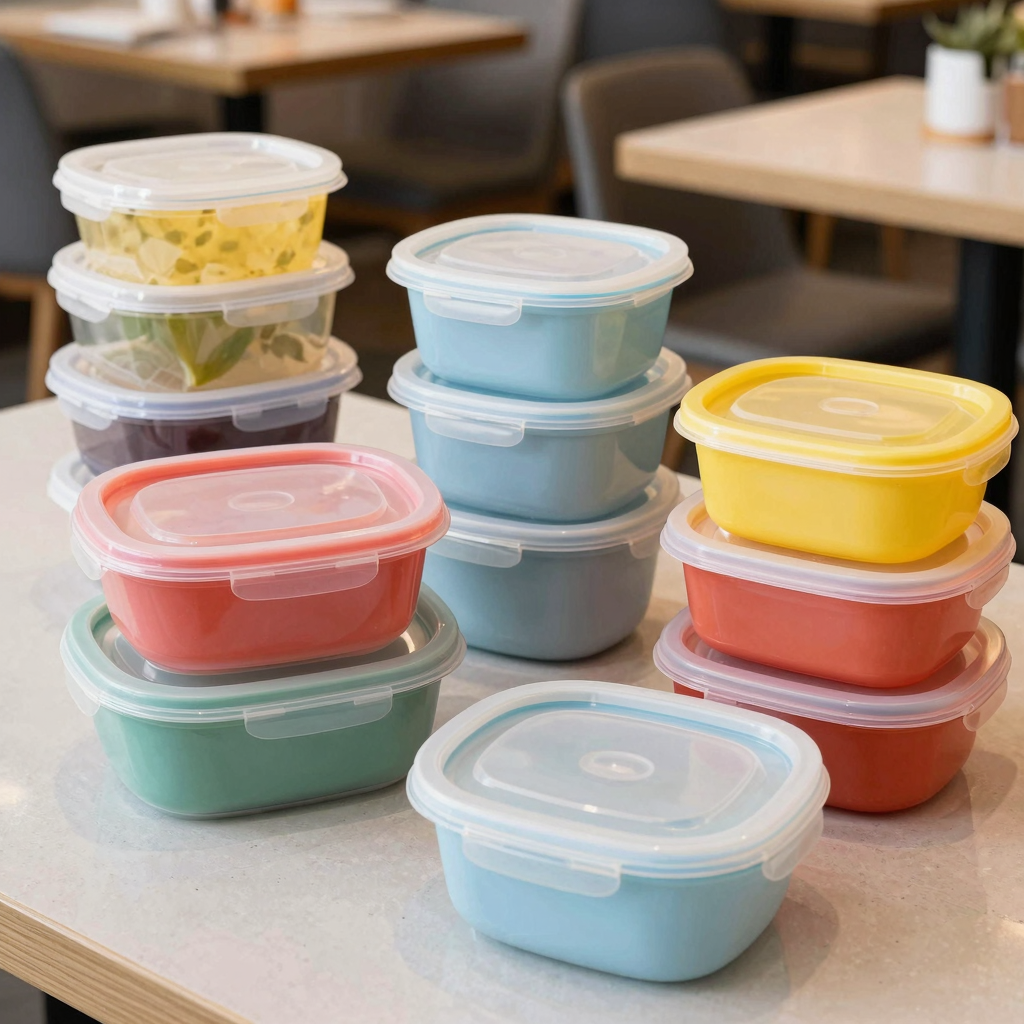
Eco-friendly plastic containers used for food storage.
By adapting these practices, businesses are not only contributing to a healthier planet but are also ensuring their place in a competitive market that values sustainability.
Safety Standards for Plastics
When it comes to storing dog food in clean plastic containers, meeting safety standards is crucial for ensuring the health of our furry friends. Various regulations exist worldwide to ensure that food contact materials, including plastics, are safe and chemically stable.
Key Certifications and Their Meaning
-
EU Regulation (EC) No 1935/2004: This regulation establishes general safety requirements for food contact materials in the European Union. It ensures that substances from plastics do not migrate into food in harmful amounts. Specifically, EU Regulation (EU) No 10/2011 focuses on plastics, setting stringent limits on hazardous substances such as BPA and phthalates.
-
GB 4806.7-2016: In China, this national standard outlines safety requirements for food contact plastics, mandating rigorous testing for chemical stability, microbiological safety, and sensory qualities. All materials must pass tests for physical performance and comply with specified migration limits.
-
Testing and Certification by Third-Party Laboratories: Certification services provided by organizations like SGS verify compliance with international standards, including tests for chemical migration and physical performance. These reports are essential for ensuring that products are safe for food storage and handling.
By understanding and adhering to these standards, manufacturers can provide safe, high-quality plastic containers that guarantee the well-being of pets while ensuring compliance with health regulations. For more information on food safety standards in plastic containers, explore our guide here.
Comparison of Plastic Containers for Dog Food
This table provides a quick reference for various types of plastic containers commonly used for dog food, including their material type, durability, recyclability, and cost. This information will help businesses in selecting the right container for their needs.
| Material Type | Durability | Recyclability | Cost Range ($) |
|---|---|---|---|
| PP (Polypropylene) | High | Yes | 8 – 25 |
| PS (Polystyrene) | Medium | No | 5 – 15 |
Summary
Containers made from Polypropylene (PP) are generally the best choice for dog food storage due to their durability and recyclability, despite their slightly higher cost. On the other hand, Polystyrene (PS) is more affordable but less durable and not recyclable.
For further insights into plastic food containers, check out our custom plastic forming machines and a guide on plastic packaging
.
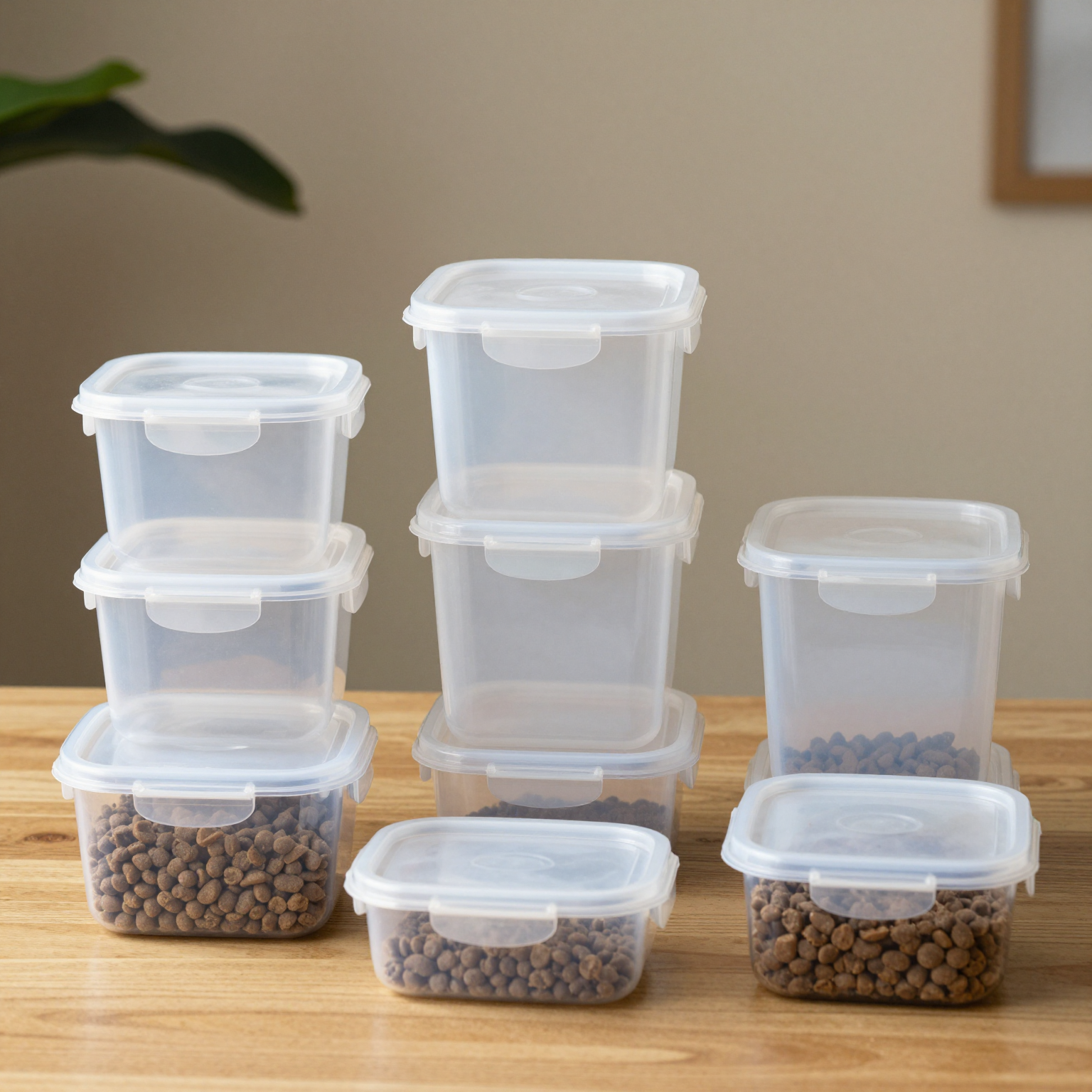
Regulatory Compliance and Importance in the Food Industry
When it comes to using plastic containers in the food industry, ensuring compliance with regulations is not just a legal obligation; it’s essential for maintaining food safety and protecting your brand. Regulatory bodies, such as the Food and Drug Administration (FDA) in the U.S., oversee the materials used in food contact packaging. All packaging must meet stringent safety standards established under the CFR (Code of Federal Regulations) Title 21.
Key Compliance Requirements
- Material Specifications: Plastic containers must be made from FDA-approved materials that are safe for food contact. This ensures that harmful substances do not leach into the food.
- Good Manufacturing Practices (GMP): Manufacturers must adhere to GMP to guarantee that the production processes minimize contamination risks.
- Proper Labeling: Containers must have accurate information regarding their material composition and intended use, ensuring businesses are clear about what they are offering to consumers.
Importance of Compliance
Compliance is crucial for several reasons:
- Consumer Safety: Non-compliance can lead to health risks for consumers, impacting their safety.
- Legal Implications: Failure to comply with regulatory standards can result in legal actions, including fines and product recalls.
- Brand Reputation: Businesses that prioritize compliance enhance their credibility and trust among consumers, which is vital for long-term success.
- Market Access: Many retailers and distribution channels require proof of compliance to carry products, making it essential for market entry and expansion.
In conclusion, ensuring that your plastic containers meet all regulatory compliance not only safeguards public health but also builds a solid foundation for your business within the competitive food industry.
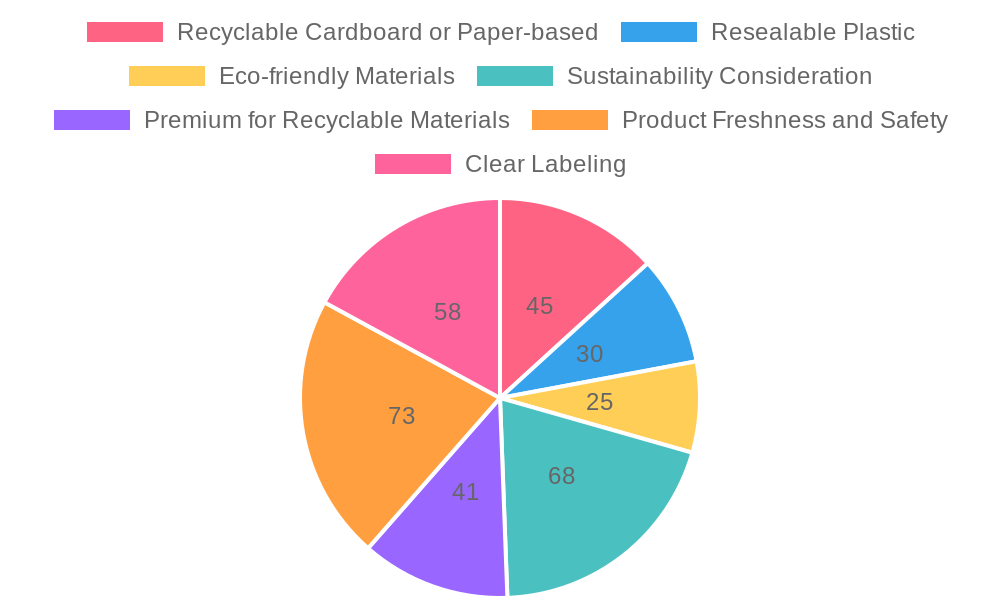
Chart: Consumer Preferences Regarding Dog Food Packaging
This chart illustrates consumer preferences regarding dog food packaging materials and highlights the importance of safety and eco-friendliness in purchasing decisions. Key findings include:
- 45% prefer recyclable cardboard or paper-based packaging.
- 30% favor durable, resealable plastic.
- 68% consider sustainability in their purchasing decisions, with a willingness to pay a premium for recyclable or compostable materials.
- 73% prioritize packaging that ensures product freshness and safety, while 58% value clear labeling of ingredients and sourcing information.
For more insights on eco-friendly packaging solutions, check out our blog on compostable paper cups or learn about the eco-friendly clear plastic cups.
“Clean container practices are foundational to both food safety and sustainability efforts in the food service industry.”
- Denny Cochrane, Manager of Virginia Tech’s Sustainability Program
In the food industry, maintaining hygiene and safety through proper cleaning of containers is crucial. As recognized by experts, adherence to established cleanliness protocols helps prevent cross-contamination and ensures compliance with food safety regulations. You can learn more about best practices for food safety in containers here.
Conclusion
Clean plastic containers play a vital role in ensuring the safety and longevity of dog food. These containers help prevent contamination, maintain freshness, and reduce the risk of spoilage that can arise from improper storage. By using high-quality, clean plastic materials, businesses can protect their products and enhance their reputation for quality. Moreover, opting for non-toxic plastics that are easy to clean ensures that the health and safety of dogs remains a top priority. As recent studies indicate, utilizing clean containers lowers the risk of harmful chemical leaching, further promoting the overall well-being of pets.
As we consider the environmental impact of plastic use, selecting durable and recyclable plastic containers becomes essential. By choosing reputable brands that prioritize sustainability and safety, businesses can contribute positively to the planet while catering to their canine clientele effectively.
We urge bubble tea shops, restaurants, food trucks, and all food-related businesses to prioritize the selection of reliable, clean plastic containers. Take the initiative today to ensure that you’re providing not just food, but a safe and healthy experience for dogs and peace of mind for their owners. Let’s work together to make better choices in packaging that reflect our commitment to quality and environmental sustainability. For more insights on selecting suitable food packaging solutions, explore our blog today!