
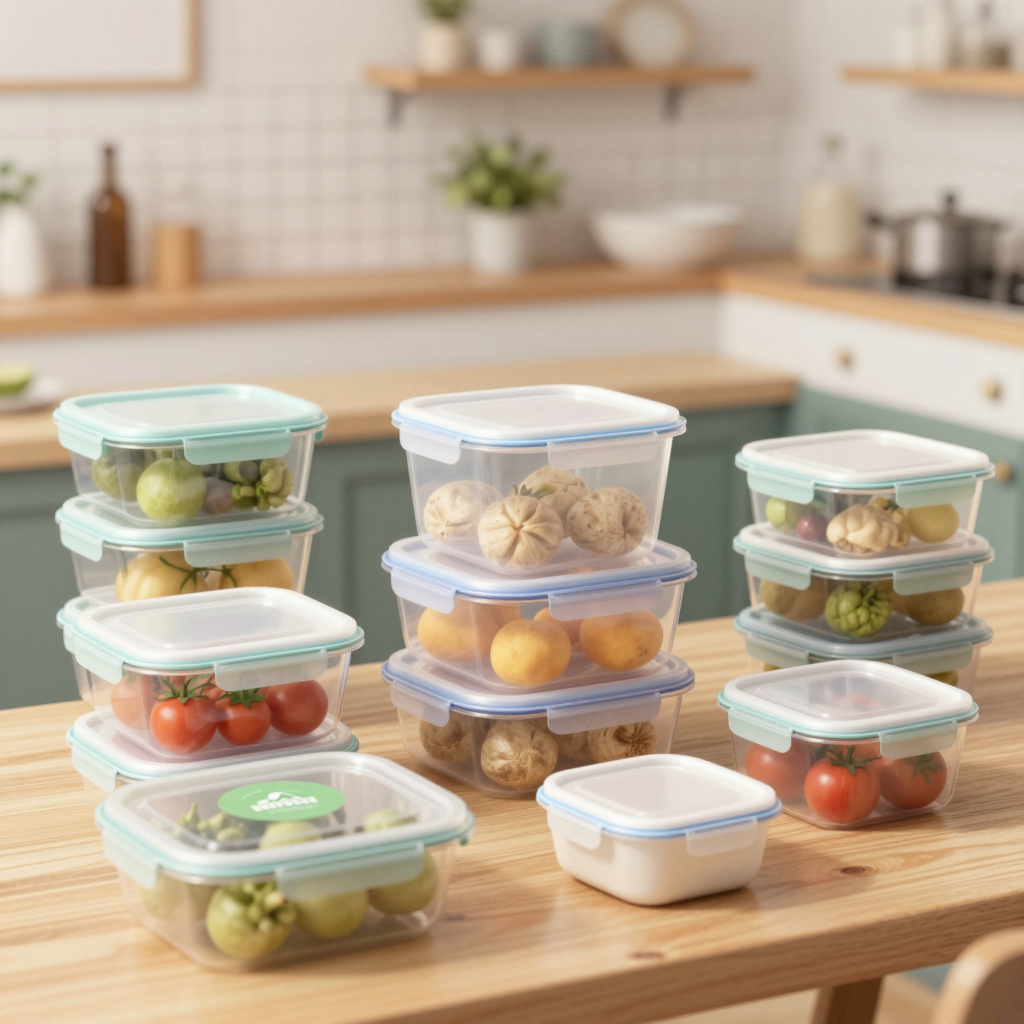
In today’s fast-paced world, ensuring the safety and sustainability of food packaging is more critical than ever, particularly for food businesses aiming to meet consumer demands while maintaining a commitment to the environment. Plastic food containers offer a practical solution, providing both convenience and security in the storage and transport of various food items. However, amidst growing concerns about environmental impact and safety regulations, the focus has shifted toward finding sustainable solutions that do not compromise on quality or efficiency.
As food service providers-from bubble tea shops to catering services-navigate this evolving landscape, it becomes paramount to select packaging that adheres to safety standards and embodies eco-friendly practices. Embracing sustainable options can enhance brand reputation, attract eco-conscious consumers, and contribute to the overall well-being of our planet. In this article, we will explore the importance of plastic food containers in maintaining food safety, their role in sustainable solutions for businesses, and how making informed choices can benefit not only your operations but also the environment. For more insights on disposable solutions, check our guide on plastic food containers and explore innovative options that can elevate your service offerings.
Infographic on Safety Standards for Plastic Food Containers
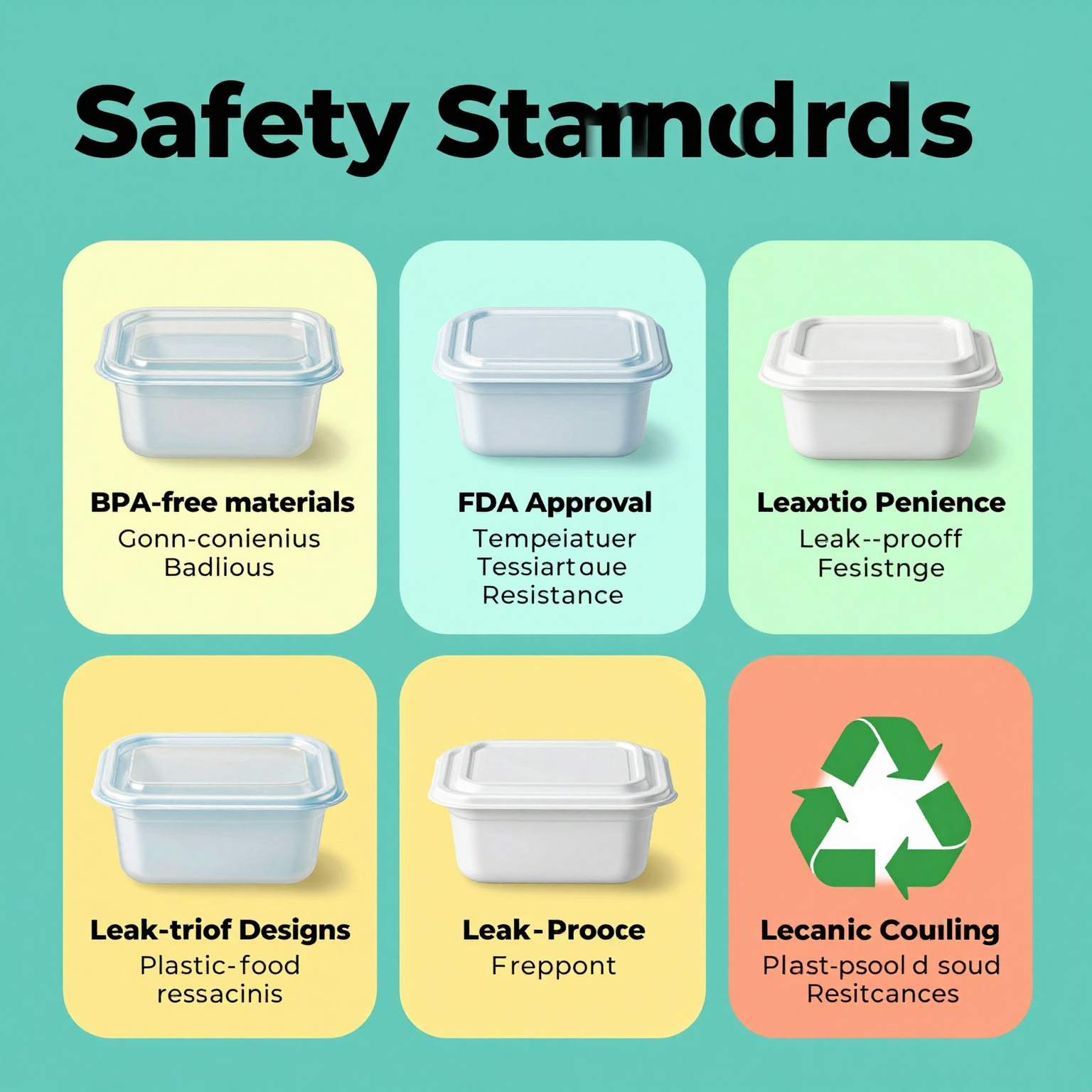
This infographic visually highlights the essential safety standards that ensure plastic food containers are safe for use in restaurants, food trucks, and catering services. It covers key aspects like BPA-free materials, FDA approval, temperature resistance, leak-proof design, and the importance of recycling codes.
By adhering to these standards, you can confidently serve your food and beverages in plastic containers that prioritize safety and compliance.
Safety Benefits of Plastic Food Containers
When it comes to food storage, safety is a primary concern for businesses in the food industry, including bubble tea shops, restaurants, food trucks, and catering services. Using plastic food containers offers several safety benefits that make them an ideal choice for packaging solutions.
Non-Toxic Materials
One significant advantage of plastic food containers is that they can be made from non-toxic materials, such as BPA-free polyethylene and polypropylene. These materials are compliant with safety standards and do not leach harmful substances into food products. For instance, high-density polyethylene (HDPE) is resistant to chemical leaching and does not corrode, ensuring that the food remains uncontaminated. By using plastic containers that meet safety regulations, businesses can prioritize their customers’ health, promoting a positive brand image.
Resistance to Contamination
Plastic containers also provide a robust barrier against contamination. Unlike traditional packaging materials, well-designed plastics can prevent exposure to air and moisture, which are primary contributors to food spoilage. This resistance to external contaminants keeps food fresher for longer and helps in maintaining its quality. According to a blog on Endural, plastic containers are engineered to minimize the risk of bacterial growth, making them a reliable choice for food storage.
Durability and Reliability
In terms of durability, plastic food containers can withstand various environmental conditions without breaking easily. They are less prone to shattering compared to glass containers, which adds to their safety, especially in busy food environments. Their lightweight nature also makes them convenient for transport and handling. The Reliance Packaging website emphasizes that well-manufactured plastic containers can endure changes in temperature, making them suitable for both cold and hot food items.
Conclusion
In summary, plastic food containers are not only versatile but also safe for storing food. With their non-toxic materials, resistance to contamination, and durability, they serve as an excellent solution for food packaging needs. This makes them particularly appealing for event planners, corporate procurement teams, and businesses looking to provide safe and efficient food service. For high-quality options, consider exploring the full range of plastic packaging solutions available.
Comparing Food Container Materials: Plastic, Glass, and Paper
When it comes to packaging food, bubble tea shops, restaurants, food trucks, and catering services frequently weigh the options of plastic, glass, and paper food containers. Below is a detailed comparison of these materials based on safety, cost, environmental impact, durability, and user experience.
| Feature | Plastic (e.g., Polypropylene, PP) | Glass | Paper |
|---|---|---|---|
| Safety | Generally safe for food contact when used within recommended temperature limits (e.g., PP can withstand 100-120°C). However, heating plastic containers-especially with high-fat or acidic foods-can increase microplastic release by up to 125 times. | Non-toxic and inert; does not leach chemicals into food. Safe for microwave, oven, and freezer use. No known health risks from chemical migration. | Generally safe for dry or cold foods. May contain trace contaminants if coated. Not suitable for hot or greasy foods due to risk of leakage. |
| Cost | Low to moderate cost per unit. Disposable versions often under $0.10 USD each in bulk. | Higher initial cost per unit (typically $1-$5 USD), reusable over hundreds of uses. | Very low cost per unit (often less than $0.05 USD). Highly disposable and widely accessible. |
| Environmental Impact | High environmental footprint: derived from fossil fuels, non-biodegradable. Only ~9% of plastic has been recycled. Microplastics persist in ecosystems. | Low long-term environmental impact due to reusability and recyclability (up to 100% recycling rate). Manufacturing is energy-intensive. | Moderate impact: renewable resources (wood pulp), but production involves deforestation and chemical bleaching. Compostable versions exist. |
| Durability | Low durability; prone to cracking, warping, or degrading with heat. Single-use design common. | Very high durability; resistant to heat and chemicals, can last years with proper care. | Very low durability; easily damaged by moisture and heat. Not reusable. |
| User Experience | Lightweight, convenient, and widely available. Often used for takeout. May retain odors and stains. | Feels premium and clean; excellent for serving. Heavier and more fragile; risk of breakage. | Lightweight and eco-friendly in appearance. Offers a natural feel; poor performance with hot foods. |
Visual Representation of Comparison
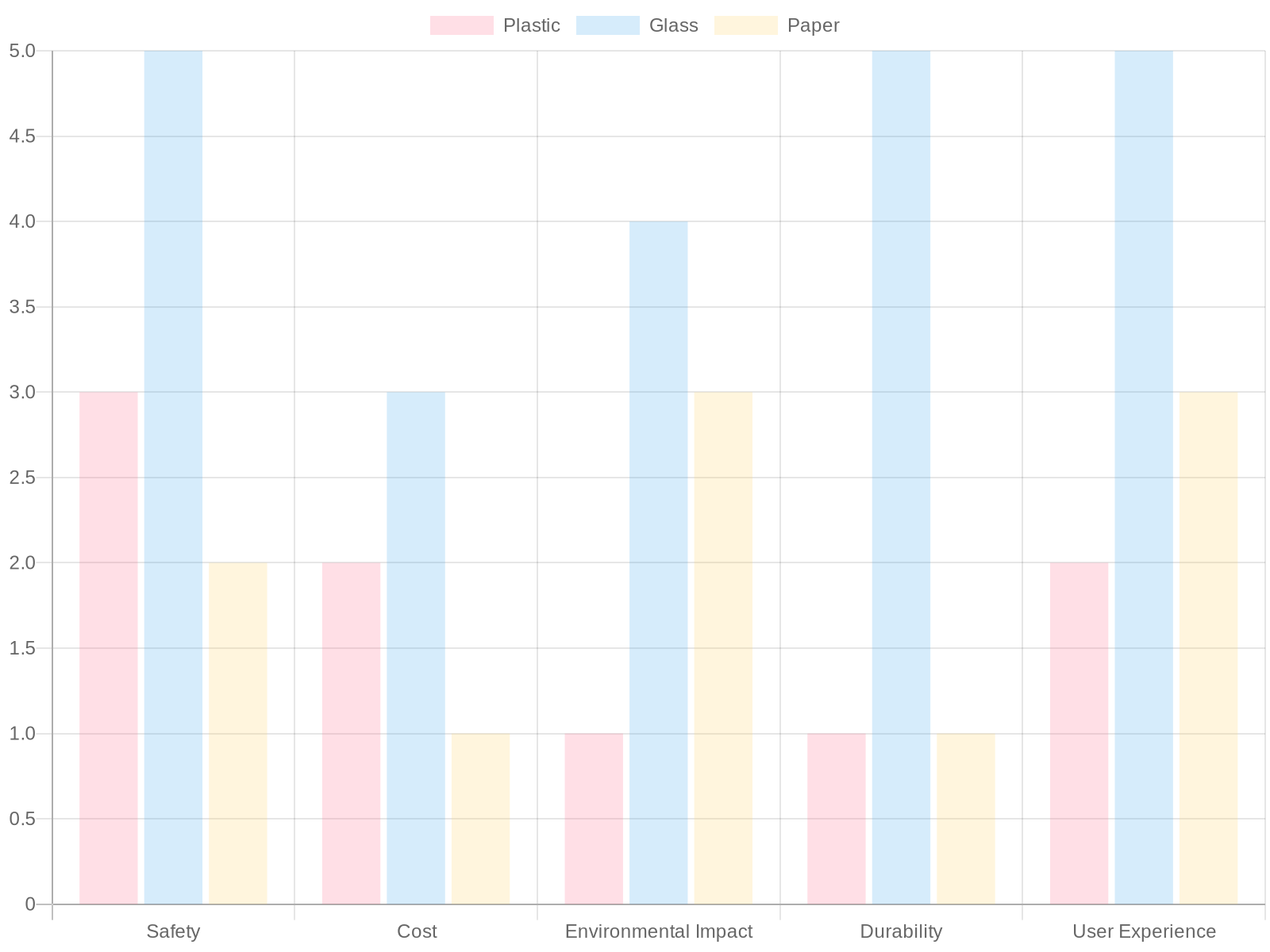
This table and image summarize the differences between plastic, glass, and paper food containers. Understanding these factors is essential for businesses seeking to offer safe and cost-effective packaging solutions that align with their environmental values.
For more information on plastic food containers and their benefits, feel free to explore our other articles.
Safety Tips for Proper Usage of Plastic Food Containers
Using plastic food containers can be convenient and help maintain food freshness, but it’s essential to use them safely. Here are some best practices to follow:
-
Check for BPA-Free Labels: When purchasing plastic containers, look for those marked as BPA-free to minimize health risks associated with this chemical. Learn more about BPA-free containers.
-
Use Food-Grade Plastic: Ensure that any plastic container you use for food storage is specifically marked as food-grade. This designation confirms that the material is safe for food contact.
-
Avoid High Temperatures: Never expose plastic containers to high temperatures unless specified as microwave-safe. Heating food in non-microwave-safe containers can lead to leaching harmful chemicals into your food. More on safe plastic usage.
-
Do Not Reuse Single-Use Containers: Many single-use containers are not designed for multiple uses and can degrade or leach chemicals over time.
-
Label Your Containers: Use labels to mark the contents and date when food is stored. This practice helps in keeping track of food freshness and minimizing waste.
-
Inspect for Damage: Before using containers, check for cracks or discoloration, which can indicate wear and may lead to contamination.
-
Store Food Properly: Keep food containers in a cool, dry place to prevent the growth of bacteria and preserve food quality.
By following these safety guidelines, you can enjoy the convenience of plastic food containers while ensuring the safety and quality of your stored food.
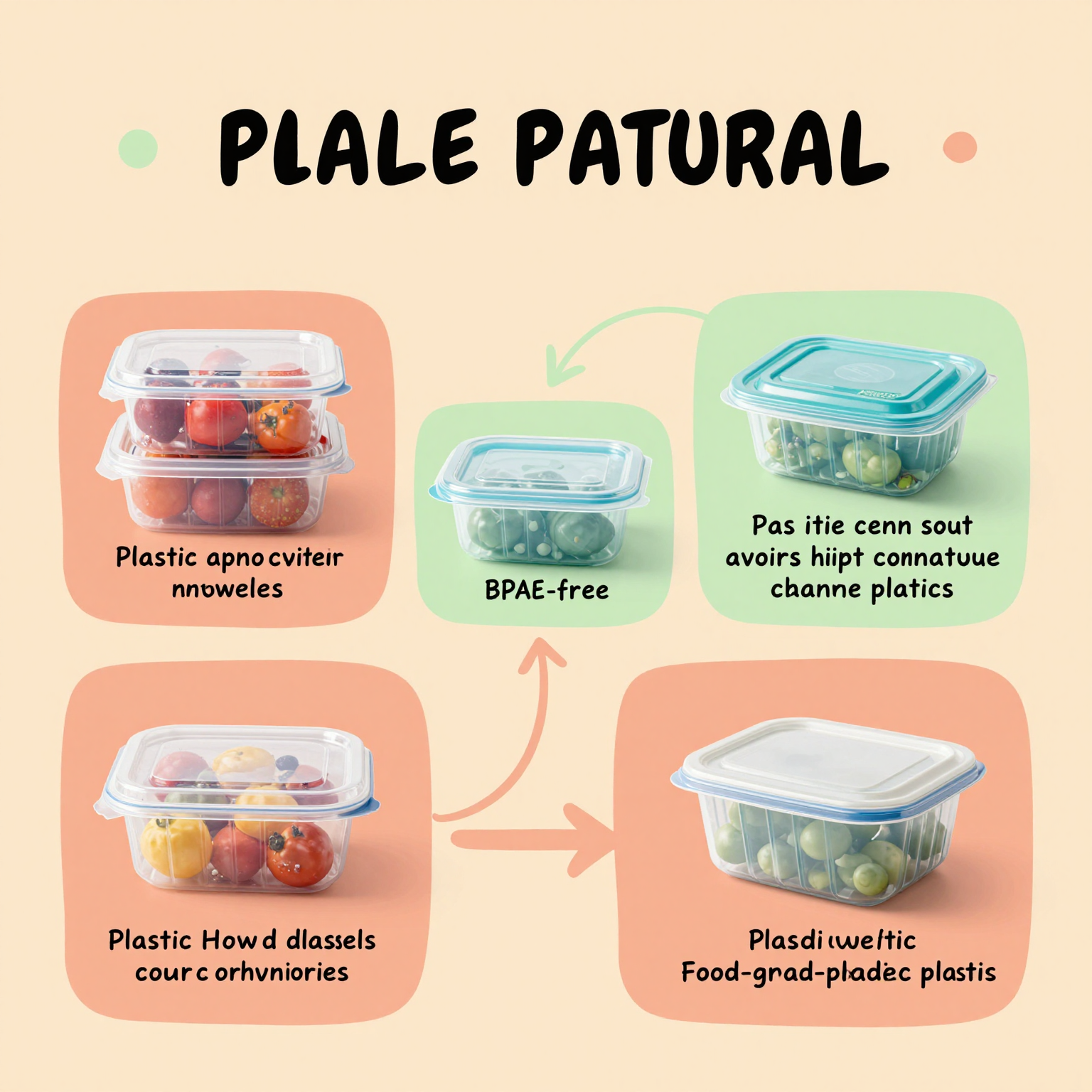
Advantages of Eco-Friendly Plastic Options for Food Containers
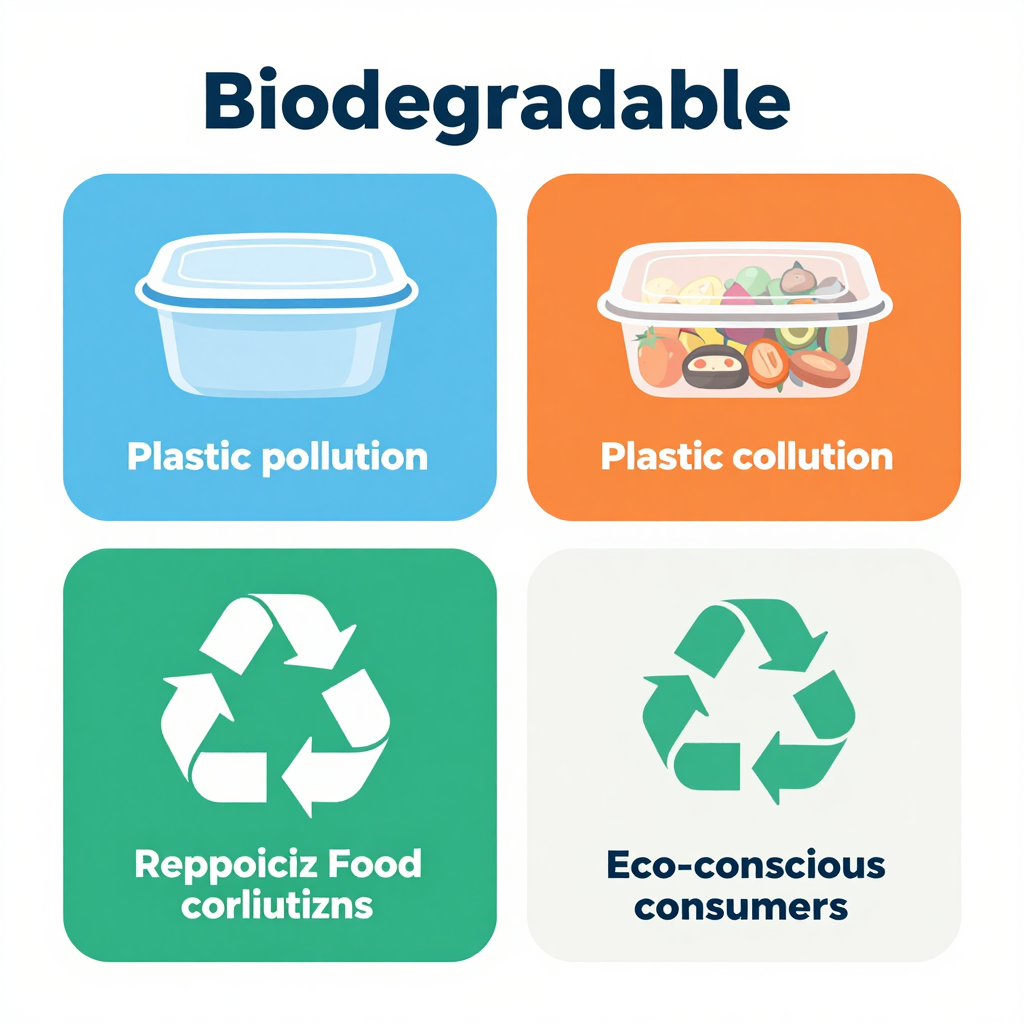
In recent years, businesses in the food industry, such as bubble tea shops, restaurants, and catering services, are increasingly embracing eco-friendly plastic options, specifically biodegradable and recyclable food containers. Here are some compelling advantages of utilizing these sustainable materials:
1. Reducing Plastic Pollution
Biodegradable food containers are designed to break down more quickly than traditional plastics, significantly reducing plastic pollution. They offer a valuable alternative that mitigates the accumulation of waste in landfills and oceans. According to Biopoly Lab, using these materials helps lower carbon footprints and contributes positively to environmental health.
2. Meeting Consumer Demand
Today’s consumers are increasingly eco-conscious and prefer brands that align with their values. By adopting biodegradable or recyclable packaging, businesses enhance their brand image and demonstrate a commitment to sustainability. A study from Mana Eco shows that customers are more likely to support businesses that invest in eco-friendly practices.
3. Compliance with Regulations
As environmental legislation becomes stricter globally, businesses that utilize eco-friendly packaging find it easier to comply with regulations regarding waste management and sustainability. This proactive approach helps prevent potential fines and enhances the overall reputation of the business, as noted in articles from Sustainable Business Magazine.
4. Resource Conservation
Recyclable plastic containers contribute to resource conservation by encouraging recycling habits among consumers. This helps turn waste into reusable material, reducing the demand for petroleum-based plastics. According to Genpak, this shift can result in significant reductions in landfill waste and a more circular economy.
5. Enhancing Brand Reputation
Implementing eco-friendly packaging is not just beneficial for the environment; it also enhances a business’s reputation as a responsible corporate citizen. Sustainable practices resonate with customers, leading to loyalty and increased sales. As Creative EcoTech points out, businesses that showcase a clear commitment to sustainability can differentiate themselves in a competitive market.
Conclusion
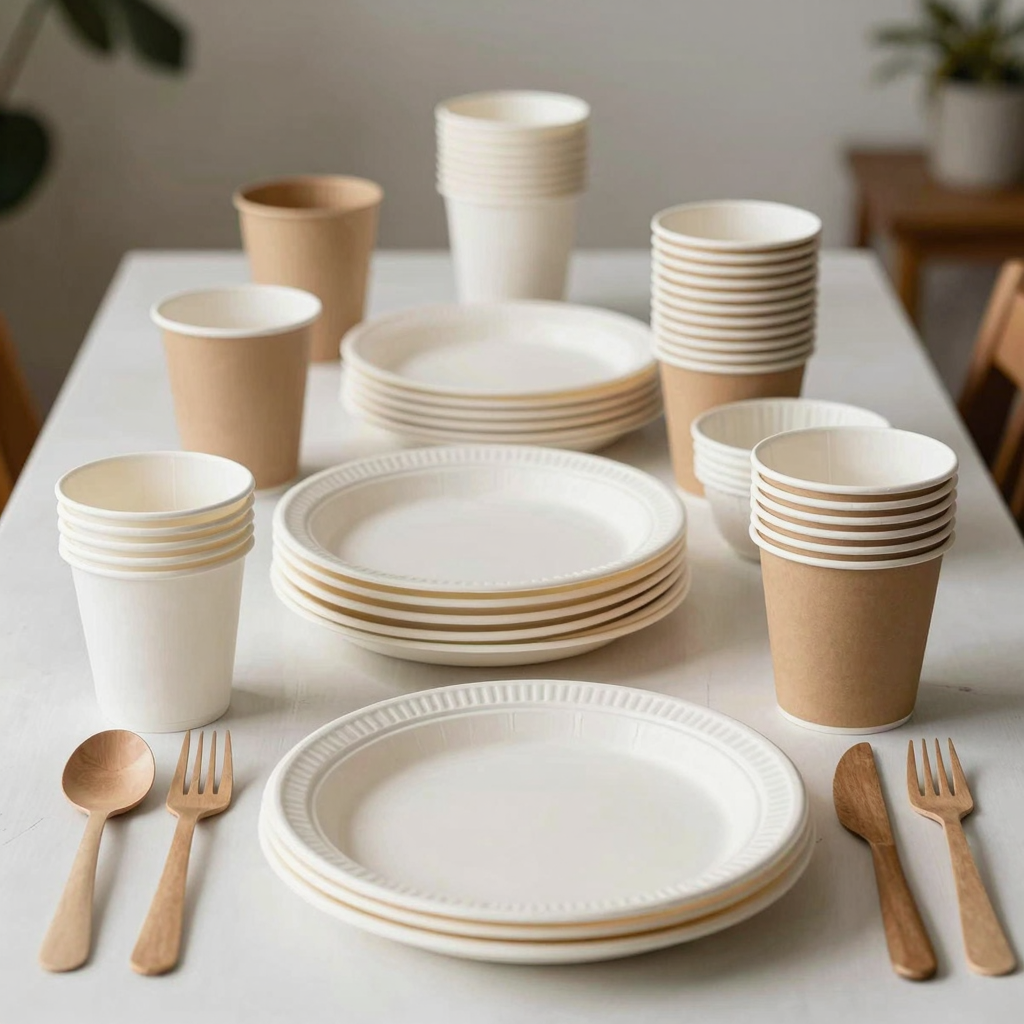
Incorporating eco-friendly plastic options like biodegradable and recyclable food containers is not only beneficial for the planet but also a smart business move. By aligning with consumer expectations and regulatory standards, food industry businesses can drive financial success while contributing to a healthier environment. To explore more sustainable packaging solutions, check out our plastic food containers guide and custom plastic forming machines for your needs.
By investing in sustainable packaging, businesses not only show commitment to environmental responsibility but also enhance their market competitiveness, making it a win-win for both the planet and their bottom line.
Understanding Regulatory Standards for Plastic Food Containers
When it comes to ensuring the safety of food packaging, particularly plastic food containers, businesses must navigate a complex landscape of regulations and guidelines established by various health authorities. Understanding these regulations is paramount for bubble tea shops, restaurants, food trucks, and other entities in the food service industry to maintain compliance and guarantee customer safety.
Key Regulatory Authorities
- FDA (U.S. Food and Drug Administration): The FDA oversees the regulations concerning food contact substances through the Federal Food, Drug, and Cosmetic Act (FD&C Act) and associated guidelines outlined in 21 CFR Parts 174 to 179. Key requirements include:
-
Premarket review for all new additives used in food contact materials.
-
Establishment of specific migration limits (SMLs) to ensure that any chemicals do not leach into food beyond safe levels.
-
Compliance with Good Manufacturing Practices (GMPs) to ensure all food contact materials are produced safely.
For more detailed information, check out the FDA’s guide on food contact substances.
- European Union (EU): In Europe, the regulation governing food contact materials (FCMs) is Regulation (EU) No 1935/2004. This regulation ensures that:
-
Materials must not transfer ingredients to food in quantities that may threaten human health.
-
Containers must maintain the food’s original characteristics, avoiding any alteration in flavor or quality.
-
There are strict requirements for declarations of compliance (DoC) from manufacturers, specifying that the materials used are safe for food contact.
For further insights, visit the EU regulations overview.
-
Singapore Food Agency (SFA): The SFA sets forth guidelines that align with global best practices, prohibiting banned substances in plastic food containers, and emphasizing safety criteria regarding the migration of chemicals into food. Their standards are based on the Codex Alimentarius, which is critical for maintaining food safety in Singapore.
More information is available at the Singapore Food Agency’s website.
Compliance and Best Practices
Meeting regulatory standards for plastic food containers involves a thorough understanding of the associated requirements. Businesses must ensure all containers:
- Are made from approved materials that do not leach harmful substances.
- Undergo regular testing to comply with specified migration limits.
- Display appropriate labeling to inform consumers, as mandated by various regulatory agencies.
Failure to comply with these regulations not only jeopardizes consumer safety but can also lead to severe penalties for businesses. Continuous education about evolving regulations and regular audits of food safety practices are essential steps for maintaining compliance in the food industry.
Summary
Adhering to food safety regulations is a collective responsibility that not only protects customers but also enhances the reputation of your business. For more information about safe plastic food containers, consider reviewing our detailed guide on plastic food containers.

A summary of key regulations for plastic food containers can be seen in the chart below:
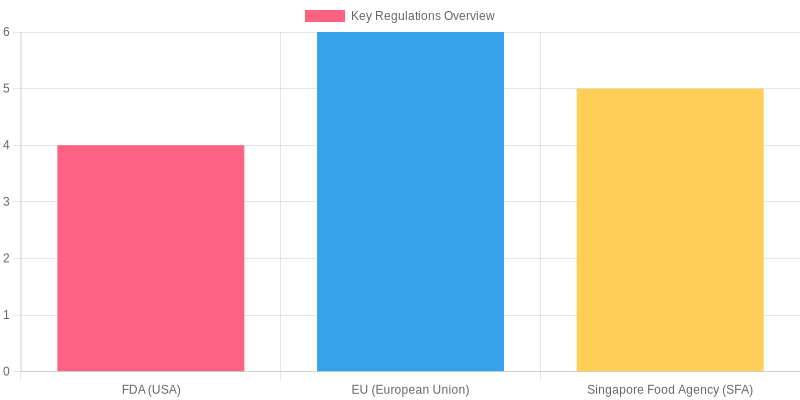
This framework will help ensure that all operations align with necessary safety standards while using plastic food containers in your business.
“Reputable brands create containers designed for specific uses, reflecting the quality and safety of the containers.”
- Trevor Craig, Food Safety Expert, Microbac Laboratories
In the realm of food service, trust is paramount. Plastic food containers are not only convenient and durable but also made under strict safety regulations. Brands like Tupperware utilize high-quality materials designed for food storage, ensuring that they meet safety standards. When purchasing plastic containers, opt for those from reputable manufacturers to guarantee safety and reliability in your food service operations. For details on various plastic container options, check out our extensive guide.
The use of safe plastic containers is critical for maintaining food quality and safety in diverse settings, from bubble tea shops to large-scale catering services.
Conclusion
In the ever-evolving food industry, ensuring the safety and integrity of food products is paramount. As explored throughout this article, choosing reliable plastic food containers is not just a matter of convenience; it is a vital component in maintaining food quality and safety. Plastic packaging plays a crucial role in preventing contamination and extending the shelf life of food items. Statistics indicate that the food packaging sector is increasingly leaning towards plastic solutions for these very reasons. According to Market.us News, the reliance on plastic for food packaging is on the rise, given its ability to protect and preserve products effectively.
Additionally, companies like Zanduco emphasize the budget-friendly and operational advantages of using plastic containers in restaurant settings. When used appropriately, these containers facilitate clean and efficient service while adhering to strict safety standards, allowing businesses to serve their customers confidently.
Ultimately, the right packaging solutions can significantly enhance your brand’s reputation and customer satisfaction. We encourage you to partner with us at Green Dispo Pack for all your packaging needs. Our range of dependable plastic food containers is designed to meet the highest safety standards while providing the functionality and convenience you seek. Let’s work together to elevate your food service operations to new heights!