
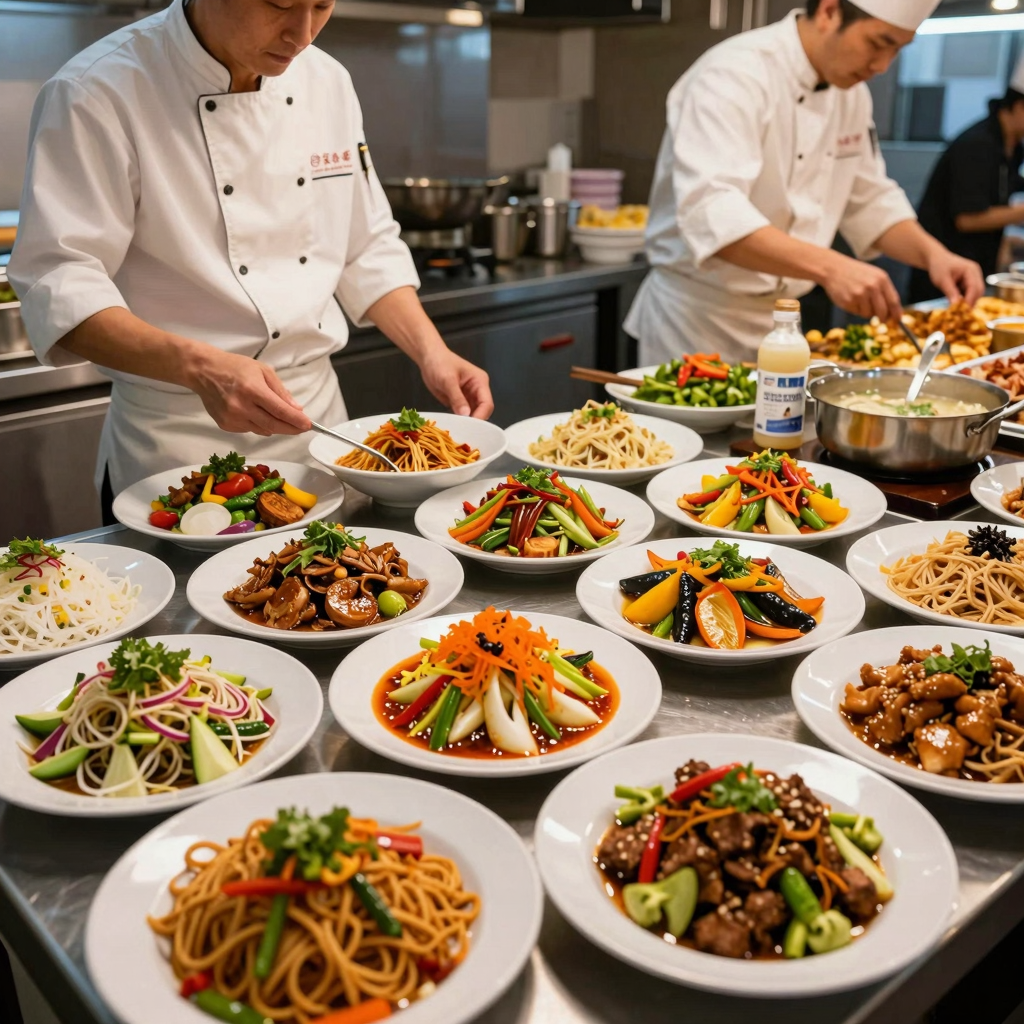
In the dynamic world of the food industry, monosodium glutamate (MSG) has carved out a significant niche, particularly in the realm of wholesale price foods. This naturally occurring flavor enhancer is renowned for its ability to elevate the taste of a variety of dishes, making it a popular ingredient among food suppliers and culinary professionals alike. From bubble tea shops to bustling food trucks, MSG plays a crucial role in delivering consistent flavor profiles that keep customers coming back for more. The relevance of MSG extends beyond mere flavor enhancement; it also becomes a key factor in managing food costs efficiently. As restaurants and catering services seek to provide delicious culinary experiences while staying within budget, leveraging wholesale price foods containing MSG can make a substantial difference. Understanding the balance between taste and economics is essential in today’s competitive market, making MSG not just an ingredient but a valuable asset in the ever-evolving menu offerings of food businesses. For those looking to refine their takeaway packaging strategies, discovering eco-friendly options can enhance sustainability while maintaining quality.
Benefits of Monosodium Glutamate
Monosodium glutamate (MSG) is widely recognized for its ability to enhance the flavor profile of various dishes, making it a popular choice in kitchens around the world. Here are some of the key advantages of using MSG in food preparation:
Flavor Enhancement
One of the most notable benefits of MSG is its ability to amplify the umami flavor in foods. This savory taste is often described as the fifth basic taste, alongside sweet, sour, bitter, and salty. By incorporating MSG into recipes, chefs can create a rich, satisfying flavor without significantly increasing salt content. This allows for well-balanced and flavorful dishes that can cater to diverse palates. For more on savory taste enhancement, learn more about MSG here.
Culinary Versatility
MSG is incredibly versatile, working well with a variety of cuisines including Asian dishes, soups, sauces, and even snack foods. Its ability to complement both meat and vegetable-based meals makes it an essential ingredient for food trucks, catering services, and restaurants alike. This versatility allows culinary professionals to experiment with flavors, offering unique experiences to their customers.
Customer Satisfaction
Using MSG can lead to increased customer satisfaction. Diners often enjoy food that has a more complex and appetizing flavor, which can enhance their overall dining experience. Satisfied customers are likely to return and recommend the establishment to others, thereby impacting sales positively. Research has shown that MSG is safe for consumption and can even help reduce sodium intake while maintaining taste. This aligns with the growing trend toward healthier eating habits within the food industry.
In summary, monosodium glutamate serves as an invaluable asset in food preparation, enhancing flavors and providing culinary versatility that appeals to a wide range of customers. Embracing MSG can elevate the quality of dishes served in cafes, restaurants, and catering services while ensuring customer satisfaction and loyalty.
Popular Foods Containing Monosodium Glutamate (MSG)
Monosodium glutamate (MSG) is often used to enhance the flavor of many foods. Here’s a list of commonly found foods that typically contain MSG:
- Canned Vegetables – Often found in soups and ready-to-eat meals.
- Soups – Especially instant or canned varieties.
- Deli Meats – Common in processed meats for added flavor.
- Snack Foods – Such as flavored potato chips and other savory snacks.
- Frozen Meals – Many frozen ready-to-eat dishes utilize MSG.
- Asian Cuisine – Found in many stir-fries and sauces.
- Condiments – Such as soy sauce and salad dressings.
For food service professionals looking to understand more about the impact of additives like MSG on consumer satisfaction, check out this article. It highlights the prevalence of MSG in modern food production.
Overview of Current Research
-
General Safety Assessments
A paper published on ResearchGate discussed the ongoing debates about MSG. While MSG has been used for decades as a flavor enhancer, some studies raise concerns about potential health risks, including the possibility of metabolic disorders. The need for more comprehensive research to thoroughly assess its long-term effects was emphasized. -
In Vivo and In Vitro Studies
A comprehensive review available through PMC highlighted various in vivo (in living organisms) and in vitro (in controlled environments) studies on MSG. While it is frequently regarded as safe by numerous food safety organizations, some emerging studies suggest variable effects and pose questions about its impact on human health. -
Public Perception and Awareness
A study examining public awareness of MSG found common misconceptions about its safety. People often fear potential risks without a solid understanding of MSG’s benefits as a flavor enhancer. This study encourages better education on safety and proper usage in culinary contexts (source). -
Potential Health Impacts
A report by FoodNavigator Asia discussed concerns linking high MSG intake with metabolic disorders such as obesity, diabetes, and hypertension. The authors advocate for caution in consumption, suggesting that while MSG can enhance flavor, excessive use may lead to health issues. -
Neurotoxic Concerns
An analysis presented in the International Journal of Health Management and Policy examined the potential neurotoxic effects of MSG. This paper discusses the mechanisms by which MSG may impact neurological health, highlighting a need for neuroprotective strategies to mitigate potential harm (IJHMP).
Conclusion
In summary, while monosodium glutamate is widely used and regarded as generally safe, emerging research brings forth valid concerns regarding its long-term health implications. Restaurants and foodservice providers should consider these factors when deciding to incorporate MSG into their offerings. Educating customers about the proper use of MSG can also help alleviate misconceptions and build trust in their products. For a deeper understanding of how packaging and serving methods complement the use of food additives like MSG, consider learning more about eco-friendly packaging options.
Regulatory Considerations for Monosodium Glutamate (MSG)
When it comes to incorporating monosodium glutamate (MSG) in food products, understanding the regulatory landscape is essential for ensuring compliance and consumer safety. MSG is widely recognized as a flavor enhancer in various culinary applications, including bubble tea, soups, and other popular dishes. However, safety standards vary by region and require food service businesses to stay informed.
Global Regulatory Overview
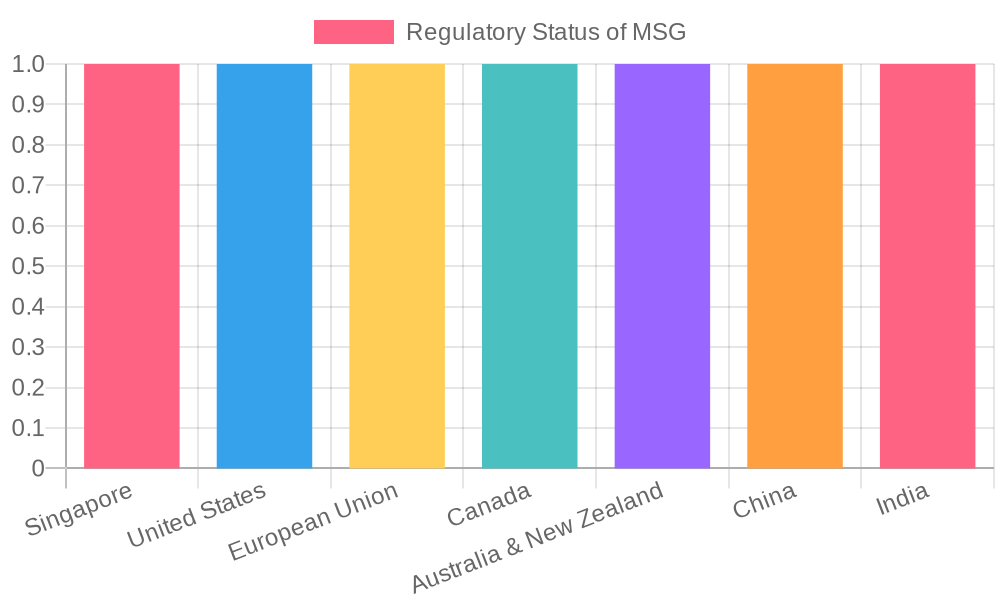
MSG is generally recognized as safe (GRAS) by several key regulatory bodies, but they impose specific labeling requirements and permissible limits:
| Region / Regulatory Body | Regulatory Status of MSG | Permissible Limits / Guidelines | Key Notes |
|---|---|---|---|
| Singapore Food Agency (SFA) | GRAS | No specific limit; must be declared on labels | SFA follows Codex standards for transparency. |
| United States (FDA) | GRAS | No specific limit; regulated under “Food Additive” provisions | Acknowledges MSG’s safety but notes some report sensitivity, often termed “Chinese Restaurant Syndrome.” |
| European Union (EFSA) | Approved (E621) | Levels vary by food category, e.g., up to 10 g/kg | EFSA sets an acceptable daily intake (ADI) at 30 mg/kg body weight per day. |
| Canada (Health Canada) | Safe for consumption | No specific numeric limit; must be declared on labels | Health Canada mandates clear disclosure if MSG is added. |
| Australia & New Zealand (FSANZ) | Approved (E621) | Maximum levels defined per category | Strict labeling required; ADI set at 30 mg/kg body weight/day. |
For businesses like food trucks, restaurants, and catering services, it becomes crucial to remain compliant with these regulations, ensuring ingredient transparency and consumer safety. By doing so, ventures can avoid potential legal liabilities and foster trust with their customers.
Conclusion
Understanding the safety standards surrounding MSG not only helps in regulatory compliance but also in addressing health concerns voiced by consumers. This proactive approach is pivotal for the successful operation of any food-related business.
For more resources on food packaging, including safe disposal practices, explore our blog on custom plastic forming machines for disposable bowls.
Comparison of Wholesale Food Prices with and without Monosodium Glutamate (MSG)
When sourcing wholesale foods for your business, understanding the cost implications of using monosodium glutamate (MSG) is essential. MSG is often used as a flavor enhancer and can lead to significant cost benefits depending on the food category. Below is a table comparing the wholesale prices of food items containing MSG against those that do not:
| Category | Item Description | Monosodium Glutamate (MSG) Content | Wholesale Price Range (USD per kg) | Source |
|---|---|---|---|---|
| Processed Meat | Chicken nuggets (ready-to-cook, frozen) | Contains MSG as flavor enhancer | $3.20 – $4.50 | Alibaba.com, 2026 |
| Processed Meat | Instant ramen noodles (packaged) | Typically contains MSG | $1.80 – $2.70 | Alibaba.com, 2026 |
| Snack Foods | Potato chips (flavored, salted) | Often contains MSG | $2.90 – $4.10 | Alibaba.com, 2026 |
| Snack Foods | Seasoned crisps (spicy or savory) | Frequently includes MSG | $3.50 – $5.00 | Alibaba.com, 2026 |
| Seasoning Mixes | Chinese-style instant seasoning powder | Commonly contains MSG | $1.20 – $2.00 | Alibaba.com, 2026 |
| Seasoning Mixes | Western-style dry rubs (no MSG) | MSG-free formulation | $2.50 – $3.80 | Alibaba.com, 2026 |
Note: Prices are based on bulk wholesale orders (minimum order quantities typically 1,000 kg or more), sourced from Alibaba.com product listings as of April 2026. The cost differences reflect variations in ingredient sourcing, processing, and formulation. MSG-containing products tend to be priced lower due to the use of low-cost flavor enhancers, while MSG-free alternatives often incur higher production costs for natural flavoring substitutes.
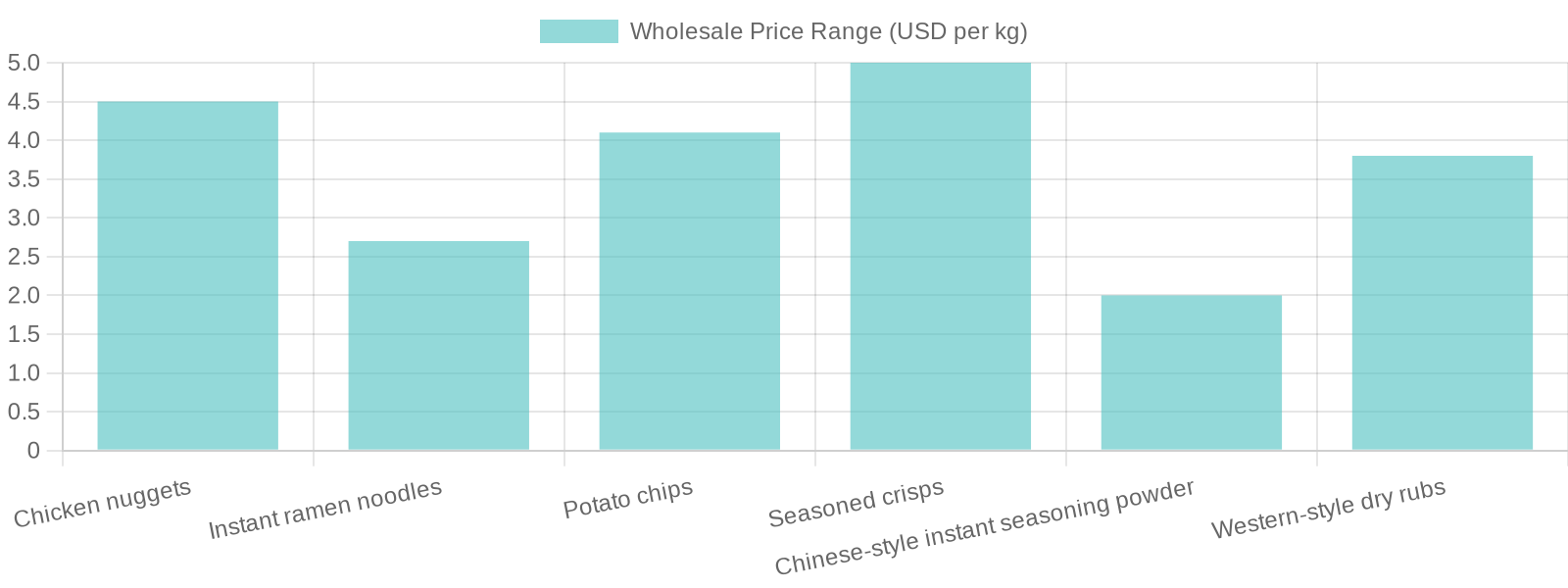
This pricing structure allows businesses such as Bubble Tea Shops and Catering Services to optimize their purchasing strategies, leveraging MSG for cost savings without sacrificing flavor.
Conclusion: Choose Quality for Superior Service
In today’s fast-paced food industry, particularly within bubble tea shops, restaurants, and catering services, the use of high-quality disposable tableware and packaging solutions is not just convenience-it’s a necessity. As discussed, these products not only enhance operational efficiency but also elevate customer experience. High-quality disposable tableware minimizes cleanup time, allowing your team to focus on what truly matters: providing excellent service and delicious food. Additionally, utilizing disposable packaging can help in maintaining hygiene standards, which is of paramount importance in the food industry.
Moreover, the aesthetic appeal of modern disposable products means that your brand can maintain a professional image during events and daily operations. Whether you’re catering for a corporate event or serving at a food truck, stylish and practical disposable tableware can make a significant difference in how your food is perceived by customers.
Switching to our premium quality disposable solutions can bring tangible benefits to your business. Explore our wide range of disposable tableware and packaging solutions that cater specifically to your needs. By choosing GreenDispoPack, you not only choose quality but also commit to boosting your operational success, all while delighting your customers!
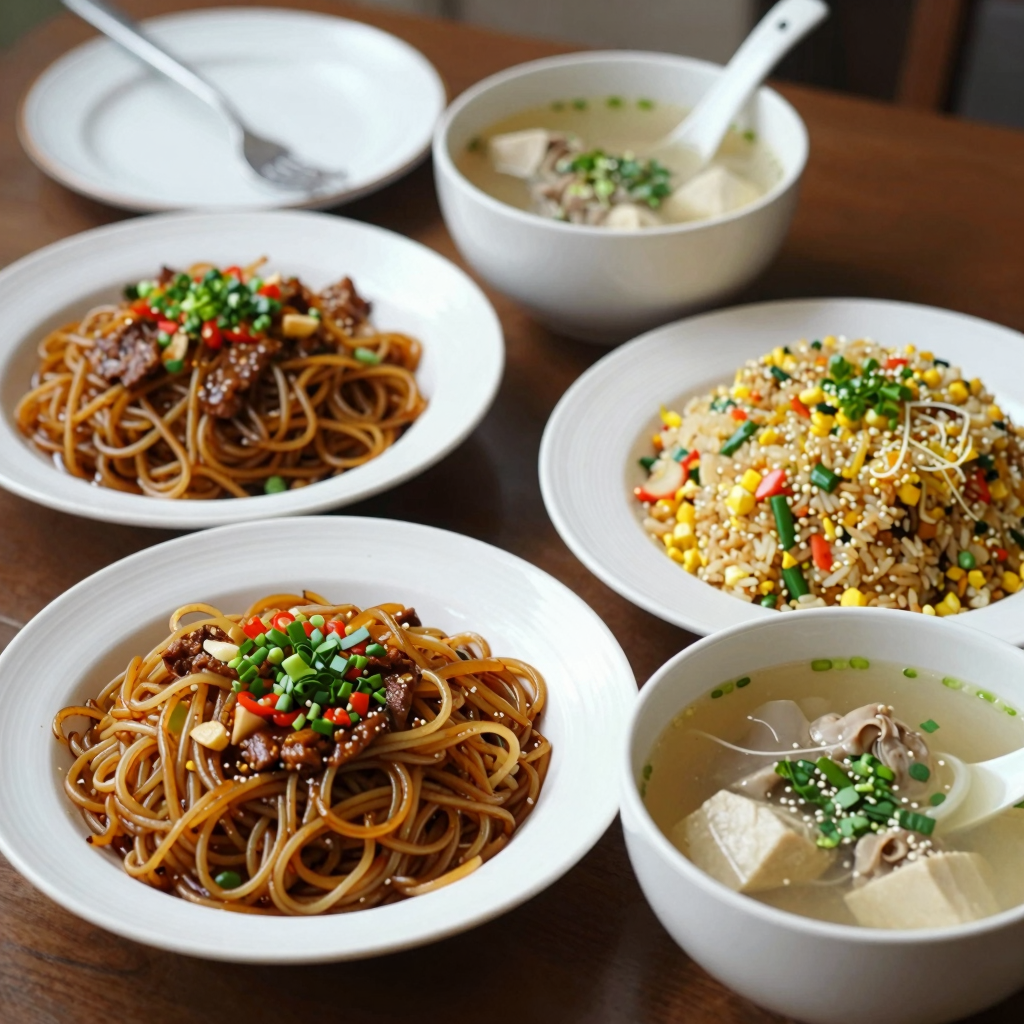
“Since incorporating wholesale price foods with monosodium glutamate into our menu, we’ve seen a remarkable boost in flavor that our customers love! The taste is exceptional and it has significantly impacted our sales. Our guests continually compliment the richness and savoriness of our dishes. It’s a game-changer for our beverage business!”
- Sarah, Owner of Bubble Bliss Beverages
This testimonial showcases how using these ingredients can enhance flavor and positively affect business performance. For more insights, learn about effective packaging that complements your menu!
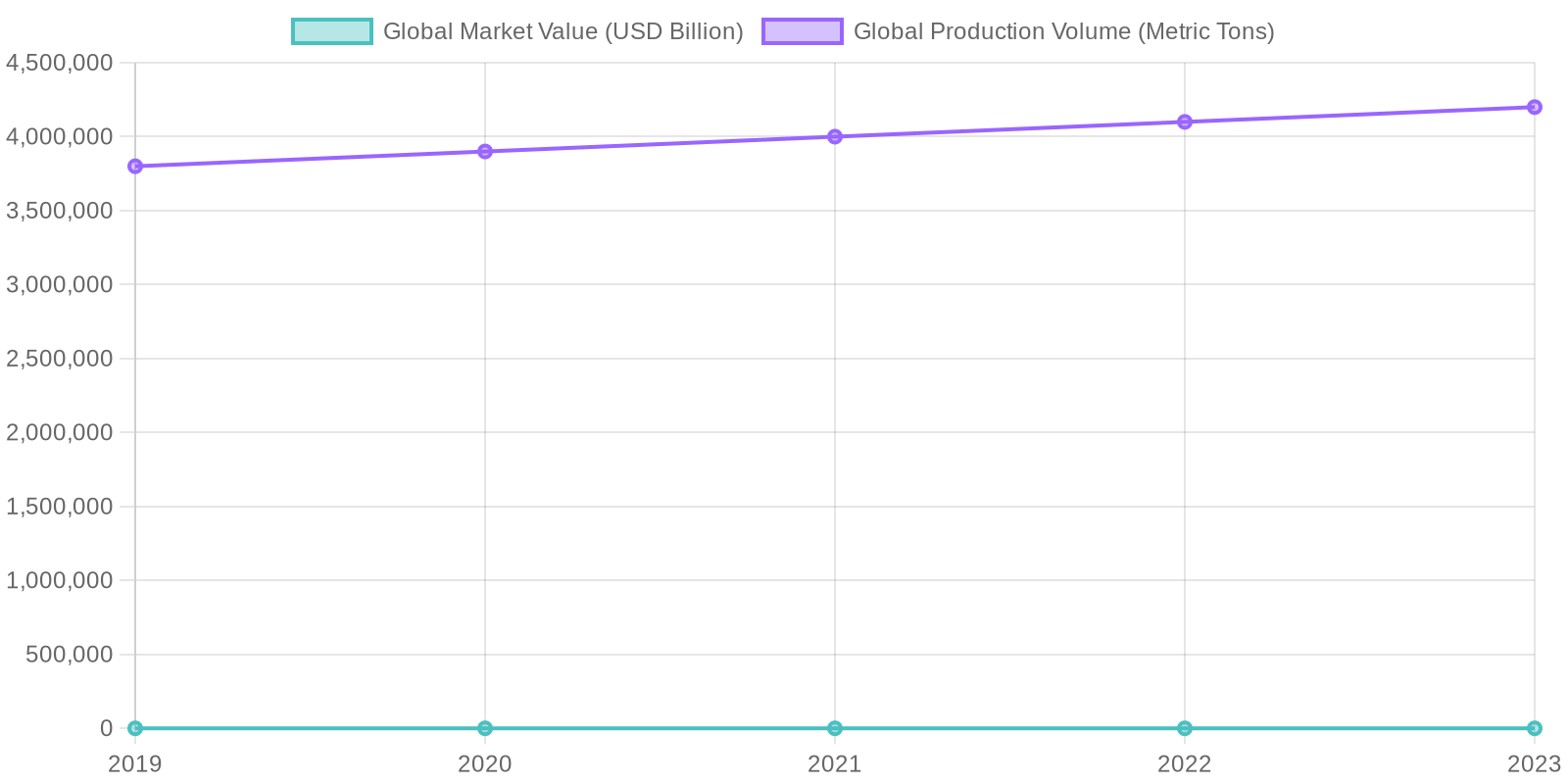
Global Market Trends for Monosodium Glutamate 2023
The market for monosodium glutamate (MSG) is experiencing significant growth, particularly in the realm of processed and flavor-enhanced foods. Below is a chart illustrating the trends in global market value and production volume from 2019 to 2023:
| Year | Global Market Value (USD Billion) | Global Production Volume (Metric Tons) | Regional Highlights |
|---|---|---|---|
| 2019 | 4.75 | ~3,800,000 | North America: 629.8 Kilotonnes Asia Pacific: 1,618.6 Kilotonnes China: ~2.95 million tons |
| 2020 | 4.85 | ~3,900,000 | Growth driven by increased demand in processed food sectors amid pandemic-related consumption shifts |
| 2021 | 5.00 | ~4,000,000 | Asia Pacific led with 1,618.6 Kilotonnes; Japan production at ~300,000 metric tons |
| 2022 | 5.25 | ~4,100,000 | Global CAGR of 3.91% from 2019-2024; rising use in plant-based and convenience foods |
| 2023 | 5.50 | ~4,200,000 | Strong growth in emerging markets; increasing adoption in global fast-food and snack industries |
The increased consumption of processed foods continues to drive the demand for MSG, particularly in fast-food and snack industries. For more information on sustainable packaging solutions for the food industry, you can learn about compostable paper cups or explore our custom plastic packaging solutions.