
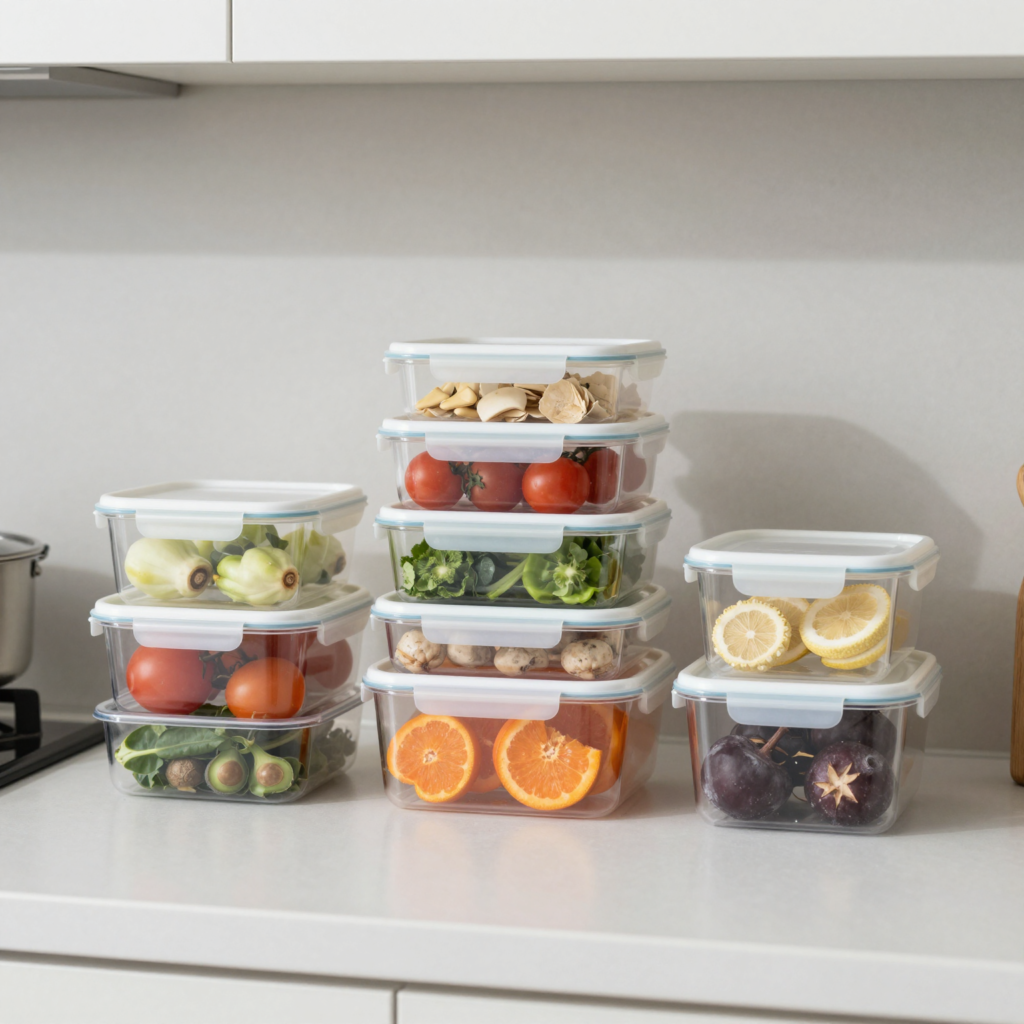
Is It Safe to Store Cold Food in Plastic Containers?
Have you ever wondered if it’s safe to store cold food in plastic containers? This question is increasingly relevant for businesses in the food industry, such as bubble tea shops, restaurants, and food trucks, as they strive to ensure the safety and quality of their offerings. With the convenience and versatility that plastic containers provide, they have become a staple in food storage and service. However, concerns about food safety, potential chemical leaching, and proper storage methods cannot be overlooked. Understanding how to utilize plastic containers effectively-while minimizing risks-can help businesses maintain compliance with health regulations and enhance customer trust. In this article, we will explore the safety of using plastic containers for cold food, highlighting essential practices every food service provider should implement to safeguard their products. Plus, we’ll take a look at some innovative options available in the market, such as compartmentalized food storage containers, that cater to the specific needs of food businesses.
Benefits of Using Plastic Containers for Storing Cold Food
When it comes to food storage, especially for cold items, plastic containers offer a range of benefits that make them a popular choice among restaurants, catering services, and beverage chains. Here are some key advantages:
-
Safety: Most modern plastic containers are made with food-safe materials and are designed to withstand cold temperatures. They help prevent contamination, keeping food fresh and safe to consume. Many plastic containers are BPA-free, which means they don’t leach harmful chemicals into food, ensuring safety for your customers. Learn more about safe usage tips.
-
Convenience: Plastic containers are lightweight and come in various sizes and shapes, making them easy to use and store. Their flexibility makes them ideal for portioning cold food, organizing ingredients, or transporting in bulk. They are also typically dishwasher safe, facilitating easy cleaning and maintenance.
-
Cost-Effectiveness: Plastic containers tend to be more affordable compared to glass or metal options, especially when purchased in bulk. Their durability means they can be reused multiple times, providing long-term savings for businesses. Plastic food containers are an economical option, especially for caterers and food service establishments that require large quantities of storage solutions. Explore more on custom plastic food storage solutions.
By utilizing plastic containers, businesses in the food industry can not only ensure the safety and freshness of their products but also enjoy greater convenience and cost savings in their operations.
Health Guidelines for Food Storage in Plastic Containers
Storing food safely in plastic containers requires adherence to established health guidelines to ensure food safety and minimize health risks. The following best practices have been recommended by leading food safety organizations:
1. Choosing Safe Plastics
- Use food-grade plastics identified by recycling codes #2 (HDPE), #4 (LDPE), and #5 (PP), which are generally regarded as safe. Containers with these codes are less likely to leach harmful chemicals into food. Learn more about food-safe plastics.
2. Proper Storage Temperatures
- Cold food should be stored at or below 40°F (4°C) to prevent bacterial growth. Alternatively, hot foods should be kept at temperatures above 140°F (60°C).
3. Cleaning and Reusability
- Thoroughly wash plastic containers before reusing them to avoid bacterial growth. It is crucial to hand wash or use a dishwasher without high heat settings to maintain the integrity of the plastic. Avoid using single-use containers more than once. Discover more on safe container use.
4. Avoiding Cross-Contamination
- Check that containers are labeled for food safety and avoid using them for non-food items to maintain hygiene and safety.
Conclusion
Following these guidelines ensures safety in food storage and helps uphold the quality of food served, essential for businesses like bubble tea shops, restaurants, and catering services.
Here’s a comprehensive table comparing various types of plastic containers suitable for cold food storage, focusing on their features, including BPA-free status, microwave safety, stackability, pros, and cons. This can help food service and packaging professionals make informed choices when selecting containers for their needs.
| Type of Plastic Container | BPA-Free | Microwave Safe | Stackable | Pros | Cons |
|---|---|---|---|---|---|
| Polypropylene (PP) | Yes | Yes | Yes | Durable, resistant to heat, maintains shape | Can stain with certain foods |
| High-Density Polyethylene (HDPE) | Yes | No | Yes | Strong and lightweight, good for freezing | Not suitable for microwave use |
| Low-Density Polyethylene (LDPE) | Yes | No | Yes | Flexible, good for food storage | Not as rigid, can deform at high temperatures |
| Polyvinyl Chloride (PVC) | Sometimes | No | No | Inexpensive, versatile | Can release harmful chemicals over time |
| Polystyrene (PS) | Sometimes | Yes | Yes | Lightweight, easy to produce | Brittle, can break easily, may leach chemicals |
| Polycarbonate (PC) | No | Yes | Yes | Transparent, durable, high-impact resistance | Contains bisphenol A (BPA), can leach chemicals; being phased out in many regions |
| Stainless Steel (Not Plastic, but often compared) | N/A | Yes | Yes | Non-reactive, good for hot and cold foods | Heavier, more expensive, and not transparent |
Analysis
- Polypropylene containers are ideal for microwave use and can withstand high temperatures, making them versatile for food storage.
- HDPE is excellent for freezer storage; however, it should not be microwaved.
- LDPE containers are more flexible but less suitable for hot food storage.
- PVC containers might be budget-friendly but pose health risks over time, diminishing their attractiveness for food service applications.
- Containers made of polystyrene offer lightweight options but have fragility issues.
For more insights into safe food storage practices and selecting suitable containers, check out this article on choosing safe and reliable microwave food containers.
Additionally, if you’re curious about the pros and cons of different types, take a look at this guide on plastic food containers.
This table provides an overview to help you make informed decisions about your food storage needs.
Concerns about Plastic Containers
When it comes to storing cold food in plastic containers, several concerns arise, particularly surrounding chemical leaching and the effects of temperature on food safety. Many studies indicate that chemicals in plastic containers can leach into food, especially when exposed to heat, acidic substances, or prolonged storage.
Chemical Leaching
A report from the Environmental Working Group reveals that food packaging often contains harmful chemicals that can migrate into food products. This is particularly concerning for containers made from materials like polypropylene (PP), as indicated by a study in ScienceDirect showing potentially harmful leachates impacting glucose and lipid metabolism in users of plastic containers.
Specific concerns include substances such as Bisphenol A (BPA) and other toxic chemicals, which have been correlated with various health risks. A Greenpeace report reviews evidence that indicates the presence of microplastics in food from plastic packaging-a clear warning to consumers and businesses alike about the potential health impacts of leaching from containers.
Temperature Effects
Temperature can significantly influence the integrity of plastic food containers. According to another study from ScienceDirect, the release of microplastics from containers increases dramatically (by 32.7%) as temperatures rise from 5 °C to 60 °C. These findings highlight a direct link between elevated temperatures and chemical migration, posing a risk during food storage and reheating. A study published by the National Institutes of Health further corroborates that temperature extremes can enhance the migration of contaminants from plastic into food, emphasizing the need for caution in how food is stored and served in plastic.
Conclusion
For bubble tea shops, restaurants, and catering services, understanding these concerns can help inform safer packaging choices. It’s crucial to research packaging materials and opt for safer alternatives whenever possible to protect your customers’ health and ensure food quality.
Consider exploring custom plastic forming machines to invest in safer, more effective food storage solutions.
In the world of food service, where safety and efficiency are paramount, many professionals have shared their positive experiences with plastic containers. Here are some insights that highlight the practicality and safety of these essential products:
“Plastic containers have made a significant impact on our operation. They are not only lightweight but also incredibly durable. We’ve noticed a remarkable reduction in food spoilage and waste, ensuring that our dishes remain fresh for customers.”
- Chef Amanda, Restaurant Owner
“Using plastic food storage containers has streamlined our process. Cleaning is a breeze, and we save a lot on labor costs since we can quickly pack and store meals without worrying about breakage.”
- John, Catering Business Manager
“As a food truck operator, space is always a concern. Plastic containers fit perfectly in our limited storage, and their versatility means we can store a variety of cold items without any leaks or spills.”
- Sara, Food Truck Entrepreneur
“We switched to disposable plastic containers not only for convenience but also for safety. They protect our food from external harmful elements like bacteria, keeping our offerings safe for our customers.”
- Mike, Corporate Procurement Specialist
The benefits of using plastic containers in food storage are evident. For food service professionals, they provide a practical solution, ensuring food remains safe and fresh while also enhancing operational efficiency. For further insights, you may want to explore the advantages of plastic food storage containers or the key benefits of disposable food packaging.
These testimonials affirm that when it comes to food safety and practicality, plastic containers are a great choice for any food service establishment.
Environmental Considerations
The use of plastic containers in the food industry poses significant environmental challenges. Each year, around 19 to 23 million tonnes of plastic waste enter aquatic ecosystems, seriously polluting oceans, lakes, and rivers and negatively impacting marine biodiversity (UNEP). Plastics can break down into microplastics that are ingested by sea life, leading to suffocation, entanglement, and a decline in species. According to research from the US Environmental Protection Agency, this pollution exacerbates damage to marine habitats and resources (US EPA).
Moreover, plastic waste in landfills generates over 15% of methane emissions, a potent greenhouse gas contributing to climate change. As businesses in the food sector, it’s crucial to recognize the impact your packaging has on the environment and promote sustainable waste management practices. This includes reducing single-use plastics and improving recycling systems to mitigate the effects of plastic pollution (Environmental Center).
To tackle these environmental issues, the industry can adopt eco-friendly alternatives. Options such as cornstarch-based packaging and biodegradable materials can replace conventional plastics. For example, companies like Eartheasy suggest utilizing glass, metal, or unlined paper packaging as sustainable alternatives. The inclusion of compostable options not only reduces waste but also aligns with environmental responsibility, making them wise choices for bubble tea shops, restaurants, and catering services.
By prioritizing eco-friendly materials and promoting responsible waste management, businesses can significantly reduce their ecological footprint while meeting the increasing consumer demand for sustainability. Explore innovative packaging solutions such as biodegradable products to lead the way toward a greener future.
Adoption of Plastic Containers in Food Service Industries
As the food service industry continues to evolve, the adoption of plastic containers is witnessing significant growth. The following chart depicts the projected trends and changes over time, illustrating the adoption rates of reusable and disposable plastic containers across various sectors.
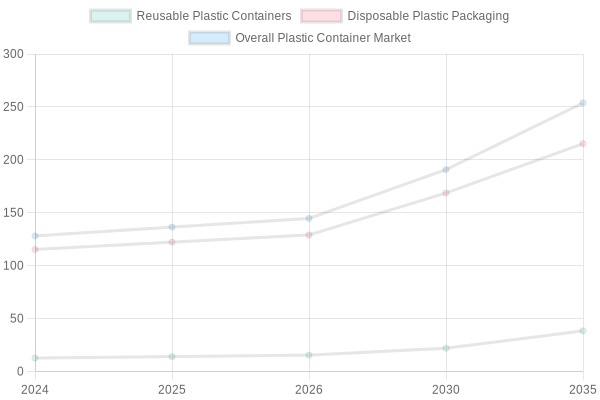
This data showcases a clear trajectory towards increased usage of plastic containers, highlighting the industry’s shift towards more sustainable practices while maintaining efficiency. For detailed insights on plastic food containers, you may explore our guide on plastic food containers and trends in disposable food packaging.
Conclusion
In conclusion, storing cold food in plastic containers is generally considered safe, especially when using containers made from high-density polyethylene (HDPE) or polypropylene (PP). Experts affirm that many plastic food containers are appropriate for their designed use, provided they are correctly labeled and maintained. Regular checks for wear and ensuring that containers are BPA-free can further enhance safety. The ability of plastic containers to prevent food contamination and their convenience make them a popular choice for businesses in the food industry, including bubble tea shops and restaurants.
We invite you to partner with us at Green Dispo Pack for reliable packaging solutions tailored to your needs. Let’s ensure your food remains safe and appealing for your customers with our high-quality plastic containers! Contact us today to explore our range of products.