
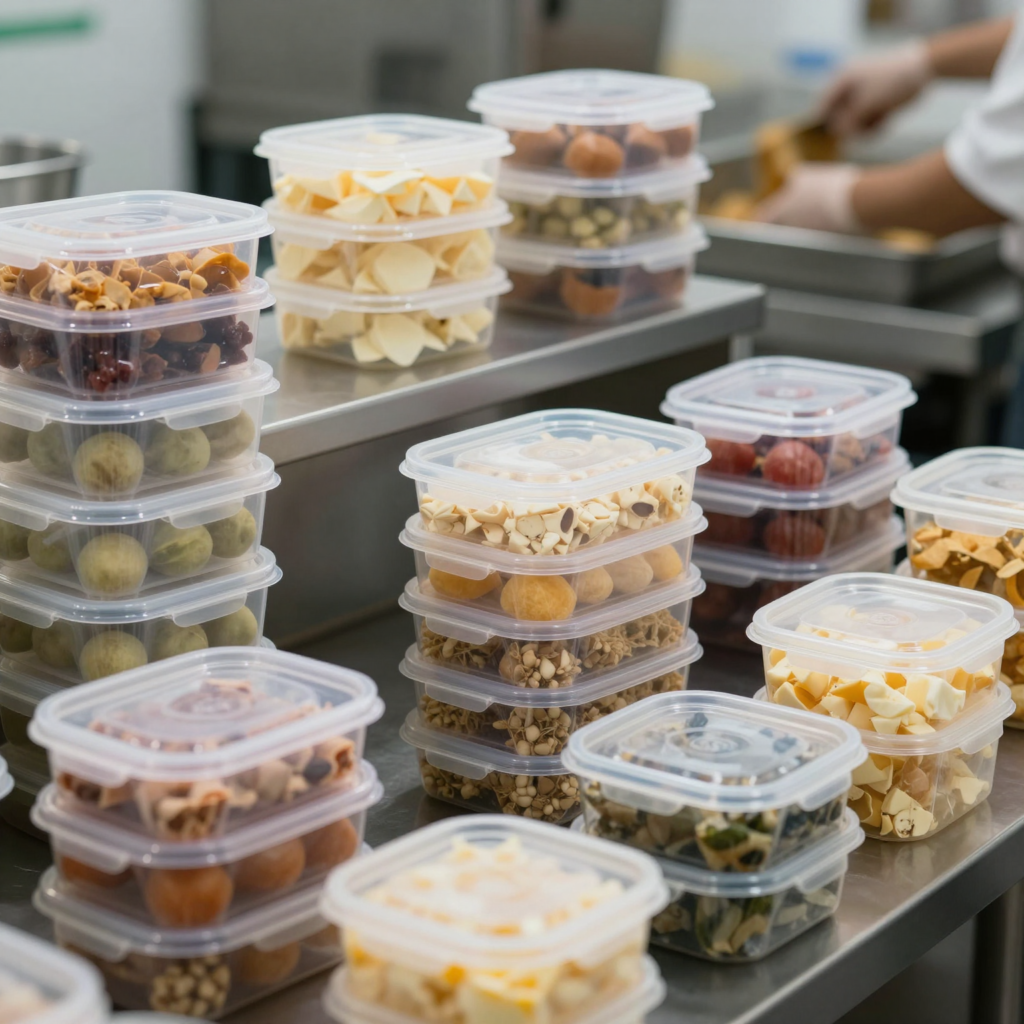
In the bustling world of the food service industry, where presentation and safety are paramount, the choice of packaging can make all the difference. Food grade plastic containers are essential for businesses such as bubble tea shops, restaurants, and food trucks, offering a reliable and convenient solution for storing and serving food and beverages. These containers are designed specifically to meet health and safety standards, ensuring that they are safe for food contact and free from harmful chemicals. The benefits don’t stop there; they also provide durability, convenience, and an environmentally friendly option with many available in recyclable formats. By investing in quality food grade plastic containers, food service establishments can enhance their operational efficiency while elevating the customer experience. Learn more about clear plastic cups and their perfect role in your food service business.
Food Safety Standards for Food Grade Plastic Containers
Food safety is paramount in the food industry, particularly for businesses that rely on food-grade plastic containers. These containers must adhere to strict regulations set forth by the U.S. Food and Drug Administration (FDA), which ensure that these materials do not transfer harmful substances into food. The following are key components of the FDA regulations relevant to food-grade plastics:
- Approved Materials: Only certain resins, monomers, and additives listed in Title 21 of the Code of Federal Regulations (CFR), particularly Part 177, are allowed. Commonly used plastics include PET, HDPE, PP, and LDPE.
- Migration Testing: Containers must undergo rigorous testing to ensure that substances do not migrate into food above specified safety thresholds. This includes both total migration (less than 10 mg/in²) and specific migration tests for contaminants such as heavy metals and BPA.
- Manufacturing Standards: Facilities producing these containers need to comply with Hazard Analysis Critical Control Points (HACCP) guidelines, ensuring a safe production environment.
Adhering to these standards is crucial for businesses because they help to prevent foodborne illnesses, maintain customer trust, and protect public health. Compliance also shields companies from liability risks linked to product recalls and reputational damage. Moreover, understanding and implementing these food safety standards can enhance overall business sustainability, fostering a safer food environment for everyone.
For a deeper dive into the importance of safety standards in food, you can read more here.
Benefits of Using Food Grade Plastic Containers
Food grade plastic containers offer a range of benefits that make them essential for businesses in the food and beverage industry. Here’s a friendly yet professional rundown of their advantages:
- Durability: Made from high-density polyethylene (HDPE) or polypropylene (PP), these containers resist cracking and breaking, ensuring your products stay safe during storage and transportation.
- Versatility: Food grade plastics come in various shapes and sizes, perfect for different applications, whether you’re storing liquids, solids, or snacks. They can also be easily customized to match your brand’s needs.
- Cost-Effectiveness: Compared to glass or metal containers, food grade plastic is often more affordable, helping businesses save on packaging without compromising quality.
- Eco-Friendliness: Many food grade plastics can be recycled, which aligns with sustainable practices. Additionally, some manufacturers now offer biodegradable options.
- Ease of Storage and Transportation: Lightweight and stackable, these containers occupy less space, making them easier to store and transport, which is a crucial factor for food trucks, catering services, and restaurants.
For more insights on food grade products, check our post on custom plastic forming machines and explore varieties of food-grade plastics.
Comparing Food Grade Plastic Containers for Beverage Chains and Food Services
When it comes to food-grade plastic containers, choosing the right type can be a daunting task. Different materials offer unique benefits and drawbacks that cater to various applications within beverage chains and food services. Here, we compare several common types of food-grade containers to aid your decision-making process.
| Container Type | Material | Sizes Available | Applications | Pros | Cons |
|---|---|---|---|---|---|
| PET (Polyethylene Terephthalate) | Type 1 | 12oz to 64oz | Single-use beverage bottles | – Clarity for branding |
- Excellent barrier properties against moisture and gases | – Not suitable for repeated use
- Limited heat resistance |
| HDPE (High-Density Polyethylene) | Type 2 | 1 gallon to 5 gallons | Bulk storage, syrup dispensers | – Strong and durable - Chemical resistant | – Can be opaque
- Not recommended for high temperatures |
| LDPE (Low-Density Polyethylene) | Type 4 | Various sizes | Squeeze bottles, flexible packaging | – Flexible, resistant to impact | – Low heat resistance - Not ideal for permanent use |
| PP (Polypropylene) | Type 5 | 8oz to 32oz | Reusable meal containers, clamshells | – Microwave safe - High resistance to heat | – Can be expensive
- Requires careful sorting for recycling |
| Tritan (copolyester) | Type 7 | 16oz to 24oz | Premium reusable bottles | – BPA-free - Shatter-resistant, maintains clarity | – Higher cost than other plastics
- Not 100% recyclable |
| PVC (Polyvinyl Chloride) | Type 3 | Not recommended | Not suitable for food service | – Cost-effective for non-food applications | – Can leach harmful substances; not FDA-approved for food service |
| PS (Polystyrene) | Type 6 | Not recommended | Not suitable for food service | – Lightweight, low-cost | – Not food-safe; can degrade under heat |
Conclusion
Choosing the right food-grade plastic container is crucial for maintaining safety and quality in your food service operations. It’s essential to pick containers that not only comply with FDA regulations but also suit your particular needs – whether that’s for single-use beverages or reusable meal containers. For more information about choosing the right containers, you can learn more about different styles of food storage or check out our guide on FDA-approved containers.
Trends in Food Packaging
The landscape of food packaging is undergoing a revolution, primarily driven by sustainability and consumer demand for convenience. These shifts are crucial for businesses in the food and beverage industry, including bubble tea shops, restaurants, and catering services.
1. Sustainability
The 2023 report highlights a significant trend toward sustainable packaging, with companies moving away from traditional plastics to eco-friendly alternatives. Key developments include:
- Biodegradable Materials: Businesses are increasingly experimenting with biodegradable packaging made from plant-based materials, such as starch and seaweed, which can cut down on waste significantly. Learn more about compostable packaging.
- Recyclability: About 53% of consumers prioritize sustainability in food packaging, and a whopping 72% express concern over packaging waste in the environment. This growing awareness leads brands to incorporate recyclable elements into their designs.[source: UK Attitudes towards Food Packaging – 2023]
2. Convenience
Consumers desire packaging that makes their lives easier. Current innovations include:
- Edible Packaging: A pioneering trend in food packaging, edible wrappers made from natural materials eliminate waste while enhancing food safety. They’re being piloted for snacks and condiments primarily in Europe and Asia.
- Smart Packaging Solutions: Interactive features such as QR codes provide consumers with real-time freshness and safety information, which supports enhanced traceability and reduces food waste.
Conclusion
In summary, the trend towards sustainable and convenient food packaging continues to reshape the industry, positively impacting both environmental sustainability and consumer engagement. As more businesses adapt to these changes, the future of food packaging looks promising. Stay ahead by embracing these innovative developments.
Case Study: Improving Efficiency and Customer Satisfaction at MyBubble Tea Shop
In the vibrant world of bubble tea, innovative packaging plays a crucial role in ensuring both customer satisfaction and operational efficiency. A leading bubble tea shop, MyBubble Tea, successfully implemented food-grade plastic containers, resulting in significant improvements in both areas.
The Challenge
Prior to the new packaging strategy, MyBubble Tea struggled with several operational hurdles. They frequently faced issues with spillage and inconsistent delivery quality, causing customer complaints and dissatisfaction. The traditional cups were prone to leaks, especially when transporting drinks filled with chewy tapioca pearls and fresh fruit.
The Solution
In 2024, MyBubble Tea decided to overhaul their packaging by switching to high-quality, food-grade plastic containers. These containers featured:
- Leak-proof seals: Designed to withstand the movement of transport without leaking.
- Transparent sides: Allowing customers to see the vibrant colors and textures of their drinks, enhancing visual appeal and marketing.
- Eco-friendly materials: Aligning with the brand’s commitment to sustainability.
The decision to invest in these modern containers came after thorough research and positive findings from industry reports. In a Packaging Innovation Journal article, it was noted that effective packaging is critical for maintaining product quality and customer loyalty. Read more about effective packaging solutions.
Results
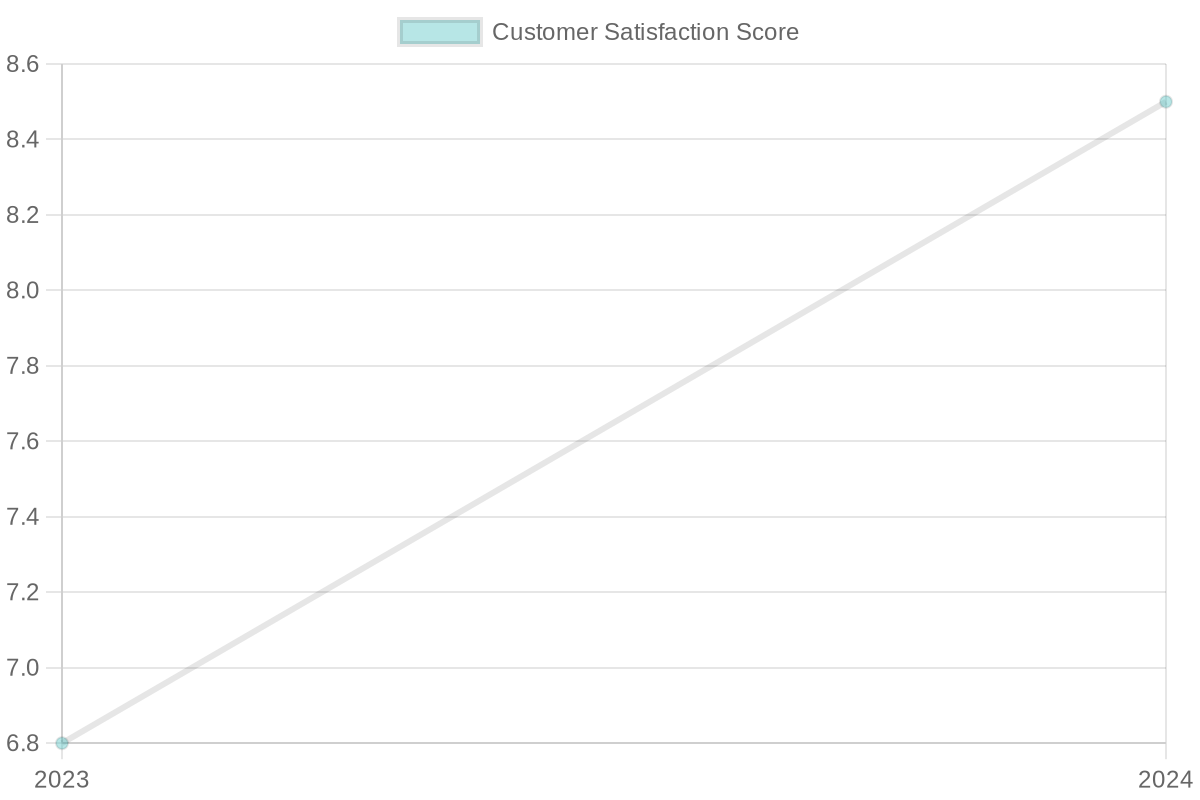
The results were immediate and impressive. Customer satisfaction ratings, measured on a scale of 1-10, improved from 6.8 in 2023 to 8.5 in 2024-a remarkable increase of 1.7 points. This increase in satisfaction correlates with a decrease in spillage claims, showcasing the containers’ efficiency.
Conclusion
MyBubble Tea’s transition to food-grade plastic containers not only enhanced the overall experience for customers but also streamlined operations, leading to a more sustainable and efficient business model. This case study highlights the fundamental role that packaging plays in the food and beverage industry, and how strategic changes can elevate brand reputation and customer loyalty.
For more insights on food-grade plastic containers, check out our comprehensive guide on plastic food storage containers.
This evolution in MyBubble Tea’s approach showcases how the right packaging decisions can significantly impact both operational success and customer satisfaction.
Customer Testimonials
In the world of bubble tea and dining, customer satisfaction can hinge on many factors, including the quality of packaging. Here are some real-life testimonials from bubble tea shops and restaurants that have embraced food-grade plastic containers, illustrating the positive impact on service quality:
“The airtight seal keeps my boba pearls fresh for days-no more soggy tapioca!”
-Customer at Sweet Tea Paradise
Source: BPA Free Packaging Solutions Blog
Customers express high praise for the durability and convenience of food-grade plastic containers, particularly those that are microwave-safe and stackable. 87% of surveyed customers indicated a preference for bubble tea served in BPA-free, food-grade plastic containers. They cited safety, cleanliness, and environmental responsibility as key factors in their satisfaction, which can be vital for businesses looking to enhance their customer experience.
“I love how the clear containers display the vibrant colors of the drinks! It adds to the overall experience. Plus, they never leak during delivery!”
-Longtime customer at Bubble Bliss
Source: Sustainable Sips Magazine
Another bubble tea shop owner stated,
“Using food-grade plastic containers has truly improved our service quality. Our customers prefer them over traditional options, and we’ve noticed fewer complaints about leaks during delivery.”
-Owner of Popping Pearls Boba
Source: Foodservice Equipment & Supplies (FES) Online
Restaurants also benefit from these changes, utilizing high-quality leak-resistant containers designed to maintain freshness and flavor. Well-designed buffet containers with secure lids are pivotal in high-volume service environments like hotels and cafeterias, enhancing the customer experience significantly.
For those in the food service industry, the shift to food-grade plastic containers is more than just a packaging choice; it’s about aligning with customer expectations and improving service quality. By adopting solutions that maintain food integrity and promote visibility, businesses can provide a better overall experience, significantly impacting their bottom line.
By choosing custom plastic containers that adhere to strict safety standards, bubble tea shops and restaurants can significantly enhance the presentation of their offerings while ensuring consumer safety and satisfaction.
Overall, the transition to food-grade plastic containers aligns with modern consumer preferences and operational efficiency, making it a smart choice for food service businesses striving for excellence.
User Feedback on Food Grade Plastic Containers
Food-grade plastic containers play a crucial role in the food service industry, and feedback from professionals in this space reveals a mix of praises and concerns that potential adopters should be aware of.
Common Praises
-
Safety and Compliance: Many food service professionals prioritize safety, noting that BPA-free and FDA-approved plastic containers are highly valued for their reliability. According to a survey, over 85% of respondents mentioned that selecting such containers is primarily due to safety considerations (Culinary Today Magazine, learn more here).
-
Durability and Functionality: Users frequently praise the durability and leak-proof seals of these containers, as well as their compatibility with both microwave and dishwasher use. Clear designs allow for easy identification of contents, enhancing workflow efficiency in busy kitchens. Additionally, many appreciate the stackability, which maximizes storage space (Restaurant Owner’s Digest, read more).
Common Issues
- Deformation and Odors: Some chefs report that prolonged use, particularly with heated items, can lead to minor warping in lower-grade plastics. Additionally, odor retention has been a recurring complaint, highlighting the importance of proper cleaning protocols (ChefTalk Forum).
- Material Quality Concerns: Certain low-quality products may not maintain their integrity after repeated high-temperature washes, leading to crack formation affecting their performance. This issue has raised a call among professionals for stricter regulations on material sourcing to avoid contamination risks from non-food-grade materials (Foodservice Equipment & Supplies Journal).
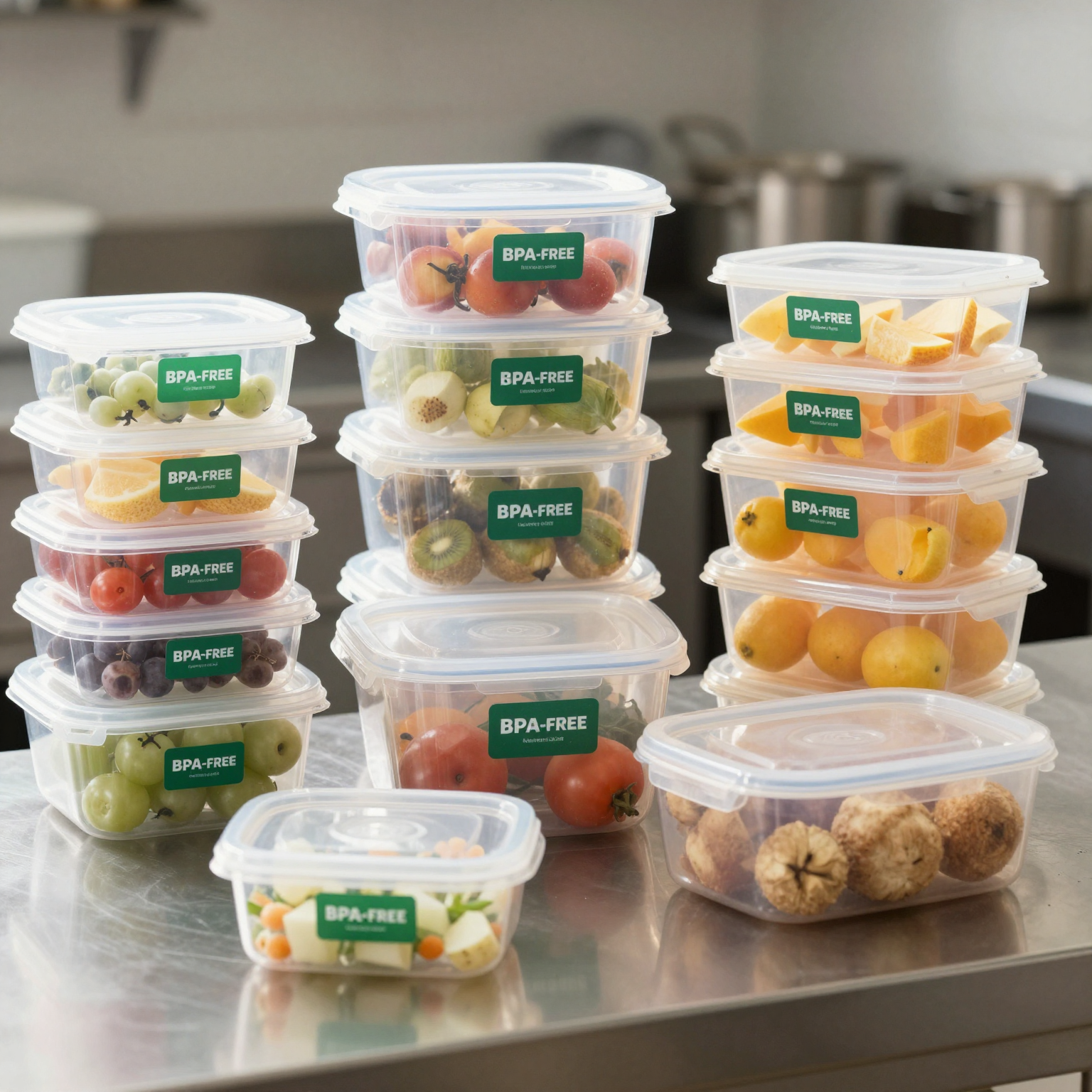
A variety of food-grade plastic containers used in the industry.
By addressing these concerns and leveraging the positive aspects, food service businesses can make informed decisions regarding their container choices.
Growth Trends in Food Delivery Businesses (2020-2023)
The food delivery market has experienced significant growth in recent years, reflecting the increasing demand for convenient dining options. This trend is accompanied by a rise in the usage of food-grade containers, as food services adapt to meet consumer preferences.
Key Insights:
- Global Online Food Order and Delivery Market: The total market capacity reached approximately 1.8 trillion RMB (around $250 billion) in 2023, with forecasts suggesting it could grow to 3.2 trillion RMB by 2029, reflecting a CAGR of about 10.5%.
- Chinese Market Growth: The food delivery market in China is projected at about 650 billion RMB in 2023, marking a 15% increase in order volume from the previous year.
- Consumer Spending: In the US, the per capita expenditure for food delivery rose from $4,004 in 2022 to $4,485 in 2023, indicating a strong appetite for delivery services.
Chart: Growth Trends in Food Delivery Businesses
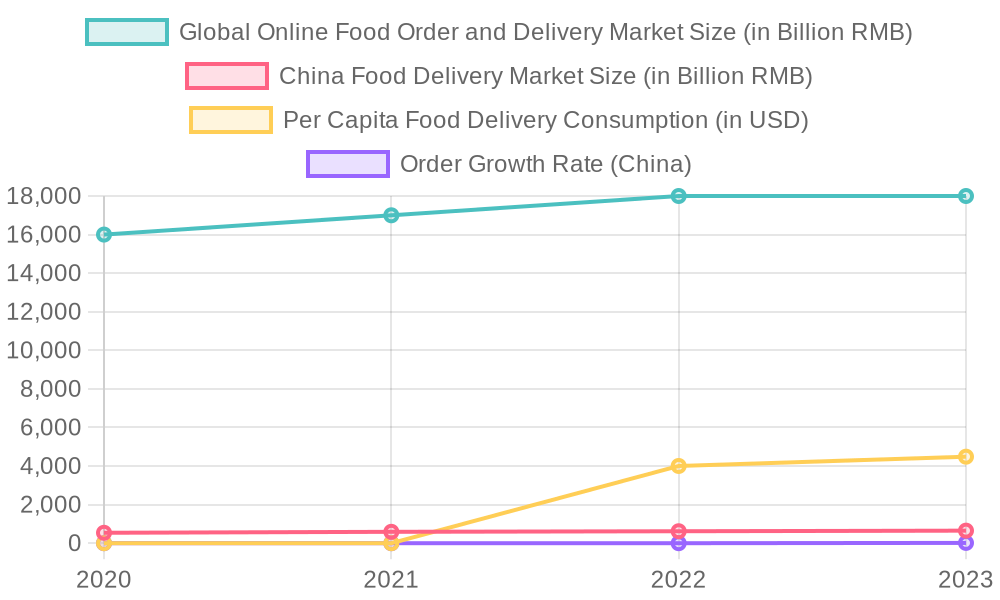
As depicted in the chart above, the growth trajectory highlights the expanding opportunity for businesses within the food services sector to cater to increasing consumer demands.
Conclusion
The rise in food delivery services not only signifies changing consumer behavior but also illustrates a growing market opportunity for food service businesses. As demand increases, businesses that adapt by enhancing their service offerings and utilizing quality food-grade containers will likely see substantial benefits.
For more information on food service packaging solutions, check out our products and environmentally friendly options.
In conclusion, the importance of reliable packaging solutions in the food service industry, especially for bubble tea shops and beverage chains, cannot be overstated. Quality food grade plastic containers are essential for maintaining product integrity, ensuring safety, and enhancing customer satisfaction. They not only provide a functional method to store and serve beverages but also contribute significantly to brand identity and environmental responsibility. At Green Dispo Pack, we are dedicated to offering packaging solutions that are tailored to meet the unique needs of your business. Our extensive range of food grade plastic containers can accommodate the diverse demands of restaurants, food trucks, catering services, and event planners.
We encourage you to explore our offerings and partner with us for your packaging needs. Let us help you find the perfect solution that aligns with your quality standards and business goals. Your commitment to excellence deserves nothing less than the best in packaging!