
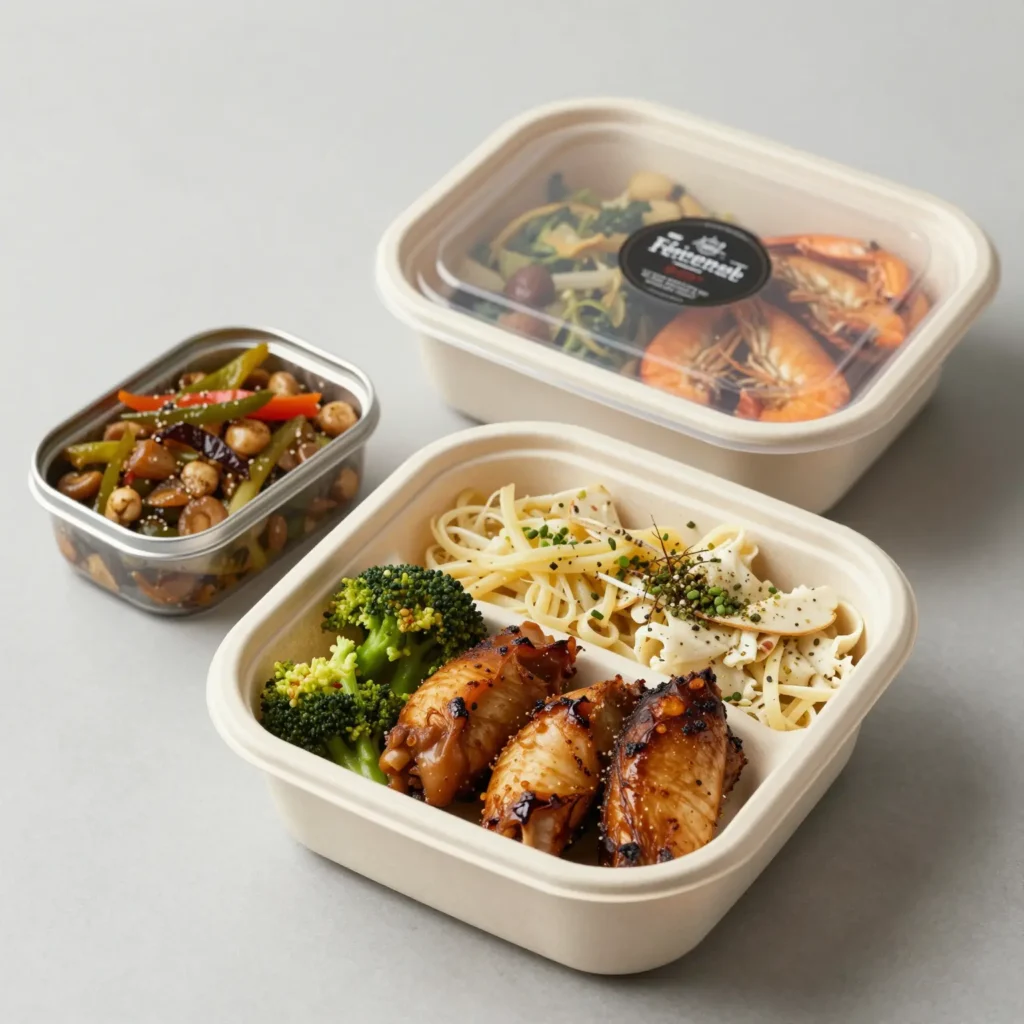
As the food service industry continues to adapt to changing consumer preferences, the importance of quality disposable food containers cannot be overstated, particularly for businesses like bubble tea shops and restaurants. In 2023, the demand for food delivery and takeout has skyrocketed, with sales reaching a staggering $300 billion in the U.S., accounting for 27% of total dining expenditures. This shift towards convenience has made disposable tableware a vital component for successful operations, ensuring that food is not only delivered correctly but also presented attractively to customers at the same time. One solution that stands out in this realm is the two compartment disposable food container. These containers enhance the customer experience by keeping foods separate, preserving their flavors and textures, and simplifying the meal prep process. Moreover, as many consumers regard takeout as an essential part of their lifestyle, businesses must invest in effective food packaging solutions to stay competitive. With proper packaging playing a substantial role in influencing consumer perceptions and ultimately their purchasing decisions, it’s time to explore how the right disposable options can greatly benefit your establishment. Discover more about our sustainable packaging options and learn how to elevate your service offerings with top-quality disposables at Green Dispo Pack.
Benefits of Using Two Compartment Disposable Food Containers
Two compartment disposable food containers offer a range of benefits for businesses in the food industry, making them an excellent choice for restaurants, food trucks, catering services, and beverage chains. Here’s a concise list of key advantages:
-
Convenience: These containers are perfect for takeout and meal prep, allowing customers to enjoy their meals on the go without mess or hassle. They simplify serving and reduce cleanup time.
-
Portion Control: The design of two compartments allows for effective portion management, making it easier to serve balanced meals and reduce food waste. This is especially beneficial for nutritional menus in restaurants and catering services.
-
Sustainability: Many two compartment containers are made from biodegradable materials, such as sugarcane bagasse, which helps minimize environmental impact. Switching from plastic to eco-friendly options aligns with sustainability goals and caters to environmentally-conscious consumers. Learn more about eco-friendly packaging options here.
-
Sanitation: Single-use containers ensure hygiene and food safety, as they reduce the chances of cross-contamination. This is particularly important for catering and food service operations that prioritize cleanliness.
-
Design Versatility: Available in various styles, these containers cater to diverse menu items, from salads to desserts. They can also be customized with branding to enhance business identity.
-
Cost-Effective: By offering portion control and reducing food waste, these containers can ultimately save costs for businesses, making them a smart choice in the long run.
In conclusion, adopting two compartment disposable food containers can enhance operational efficiency while promoting sustainability and hygiene in the food service industry.
Benefits of Disposable Containers
See more options for disposable food containers.
Features of Two-Compartment Disposable Food Containers
When it comes to convenience in food service, two-compartment disposable food containers have risen to prominence. These containers also play a significant role in promoting eco-friendliness and ensuring food safety.
Materials Used
Two-compartment disposable food containers come in various materials, including:
- Biodegradable Materials: Containers made from materials like sugarcane or wheat straw are gaining popularity as eco-friendly options, ensuring a minimal environmental impact. According to recent insights, biodegradable packaging is expected to reach a significant market size due to increasing consumer awareness about sustainability.
- Paper: This material is widely accepted in the food industry due to regulations limiting single-use plastics. Paper containers are easy to recycle and decompose naturally, making them a better option compared to plastic.
- Plastic: While widely used for their durability and convenience, traditional plastics are non-biodegradable and contribute significantly to waste problems. In fact, plastic containers can take hundreds of years to decompose in landfills.
- Foam: Common for takeout packaging, foam containers face increasing bans due to their adverse effects on the environment. Despite their cost-effectiveness, they can take thousands of years to break down.
Eco-Friendliness
The shift towards eco-friendly food containers is evident with rising consumer preferences steering away from non-biodegradable materials. A recent report indicates that up to 80% of consumers prefer biodegradable options when available, underscoring the importance of sustainability in purchasing decisions. Here’s a quick overview of the eco-friendliness of popular disposable container materials:
| Type              | Eco-Friendliness | Usage Statistics                                 | Source                                                                                     |
|-------------------|-------------------|--------------------------------------------------|-------------------------------------------------------------------------------------------|
| Biodegradable     | 100%               | Emerging market with growing consumer demand    | [Webstaurant Store](https://www.webstaurantstore.com/795/eco-friendly-to-go-containers.html) |
| Paper             | Biodegradable     | Common in food service due to regulations        | [ScienceDirect](https://www.sciencedirect.com/science/article/pii/S2665927121000496)     |
| Plastic           | Non-biodegradable | High usage, contributes massively to pollution   | [Friends of the Earth](https://friendsoftheearth.uk/climate/7-lazy-ways-be-environmentally-friendly) |
| Foam              | Non-biodegradable | Usage facing bans due to environmental concerns  | [LinkedIn](https://www.linkedin.com/pulse/biodegradable-foam-food-container-market-from-20262033-69wuf) |
Safety Standards
In terms of safety standards, two-compartment containers are designed to ensure food integrity. They are typically made from materials that comply with health safety regulations, such as those laid down by the FDA. Additionally, containers are engineered to withstand both hot and cold food conditions, preventing leaks and spills, which is essential for maintaining food quality during transport.
Conclusion
Ultimately, choosing the right two-compartment disposable food container not only supports food safety but also aligns with eco-friendly practices, reflecting a company’s commitment to sustainability. As consumer demand for biodegradable options continues to rise, businesses in the food industry must adapt to stay relevant. For more eco-friendly packaging solutions, visit our sugarcane tableware collection to explore your options.
Comparison of Two Compartment Disposable Food Containers
When it comes to choosing the right two-compartment disposable food containers, understanding the differences in materials, sizes, price ranges, and ideal usages can help you make an informed decision that meets your business needs.
Comparison Table
| Material | Size | Price Range | Ideal Usage Scenarios |
|---|---|---|---|
| Plastic | 1000ml | $0.15 – $0.50 | Restaurants, Meal Prep for Takeout |
| Plastic | 850ml | $0.15 – $0.50 | Restaurants, Meal Prep for Takeout |
| Plastic | 650ml | $0.15 – $0.50 | Restaurants, Meal Prep for Takeout |
| Biodegradable | 1000ml | $0.20 – $0.70 | Catering Services, Restaurants |
| Biodegradable | 850ml | $0.20 – $0.70 | Catering Services, Meal Prep for Takeout |
| Biodegradable | 650ml | $0.20 – $0.70 | Catering Services, Meal Prep for Takeout |
| Sugarcane | 1000ml | $0.25 – $0.80 | Catering Services |
| Sugarcane | 850ml | $0.25 – $0.80 | Restaurants, Catering Services |
| Sugarcane | 650ml | $0.25 – $0.80 | Meal Prep for Takeout, Restaurants |
Insights on Options
- Plastic containers are typically the most affordable option and are ideal for fast service restaurants. They are versatile and suitable for hot and cold meals, making them favorable for meal prep services.
- Biodegradable options cater to environmentally conscious businesses and are well-suited for catering services and events, promoting sustainability.
- Sugarcane containers provide an eco-friendly alternative and are particularly useful for catering and meal services aimed at external events.
To explore more products in this category, you can check out our paper bowls and sugarcane tableware.
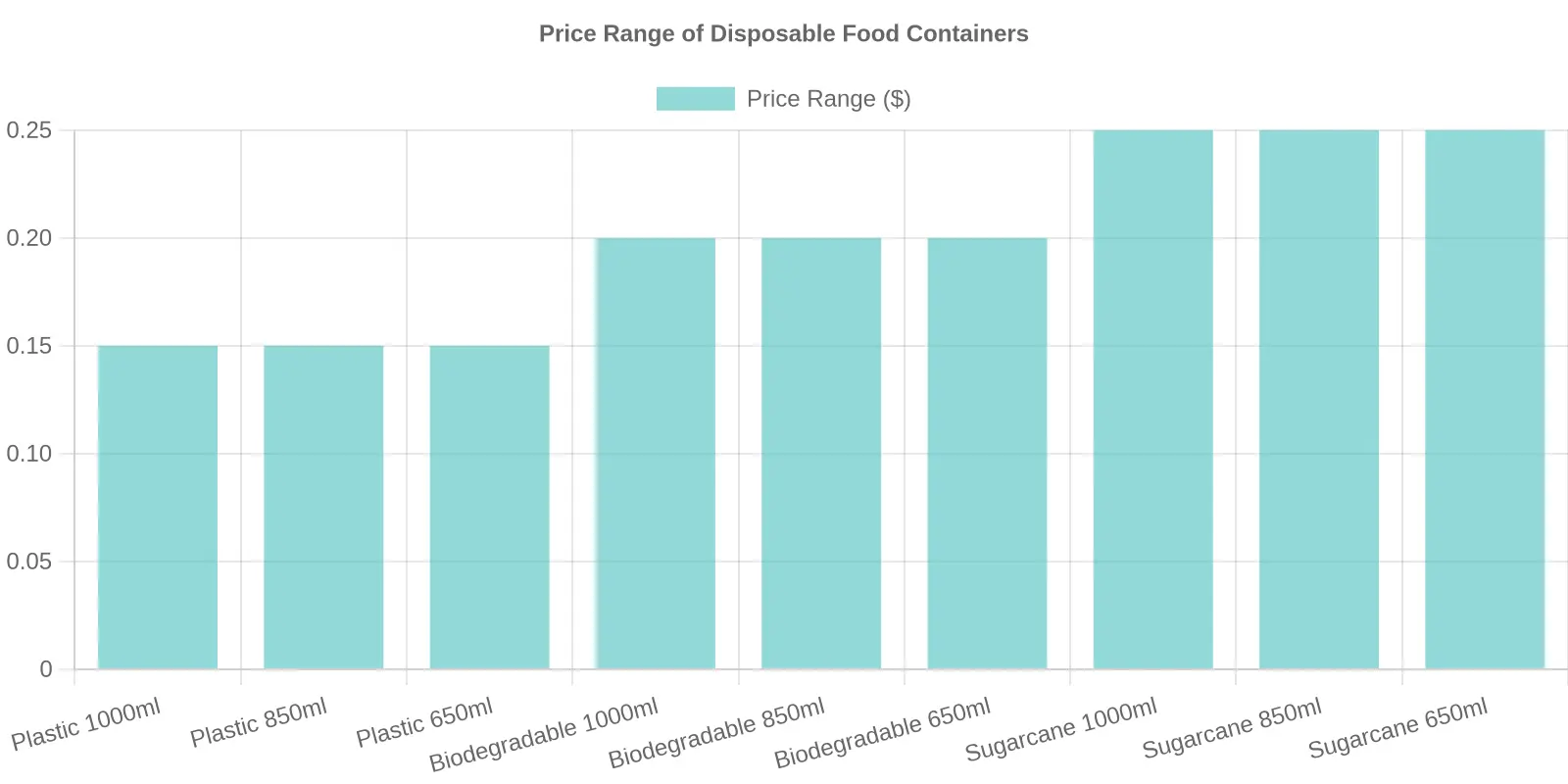
Price Range of Disposable Food Containers
This chart visually illustrates the price trajectory of various types of two-compartment disposable food containers according to their material types and sizes. Making well-informed choices can elevate your service efficiency and customer satisfaction.
The image above showcases a two compartment disposable food container filled with food, illustrating its design and functionality. This container is ideal for various food service settings, including bubble tea shops, food trucks, and catering services. With a focus on convenience and sustainability, these containers help keep your offerings organized and appealing to customers.
If you’re interested in exploring more options, check out our paper bowl collection or browse our sugarcane tableware products.
Understanding Consumer Preferences for Food Packaging
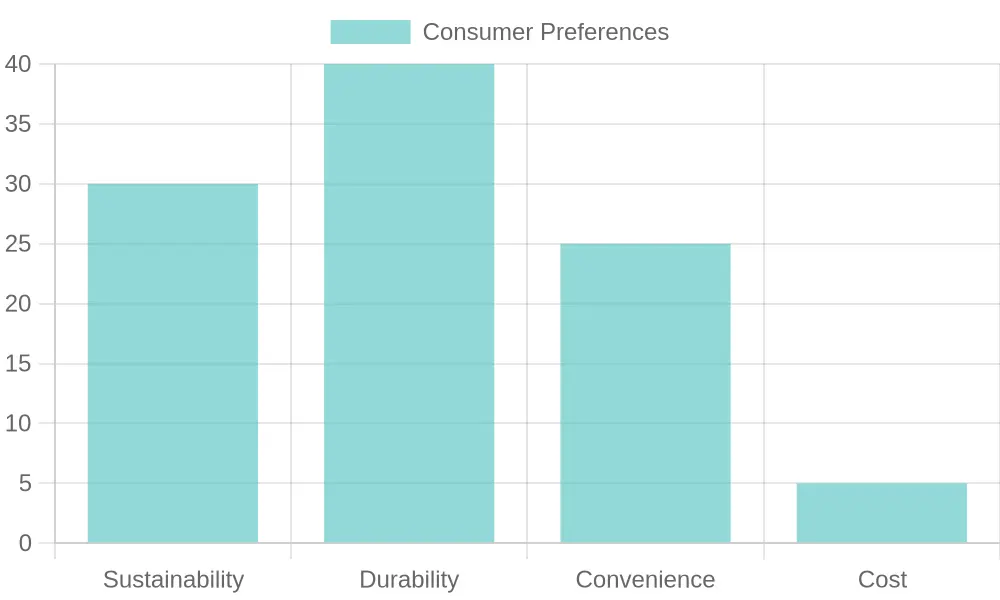
In recent years, consumer preferences in food packaging have undergone a significant transformation, heavily influenced by sustainability and convenience. According to various studies from 2023, consumers are becoming increasingly aware of the impact of their choices on the environment. Here are some key findings:
Sustainable Packaging on the Rise
- Consumer Willingness to Pay More: A staggering 66% of consumers are willing to pay a premium for eco-friendly packaging solutions (Ashton Manufacturing). This trend represents a clear opportunity for businesses to cater to environmentally conscious customers by investing in sustainable disposable containers.
- Preference for Cartonboard: 78% of respondents expressed a preference for cartonboard as packaging material due to its eco-friendly nature, allowing businesses to align their packaging strategies with consumer preferences (Retail Voices).
Convenience is Key
- In the food delivery sector, convenience remains crucial. A DoorDash survey indicated that the ease of use in packaging could influence online consumer decisions when ordering food. Quality packaging enhances the customer experience, minimizing spill instances and ensuring that food remains intact during transport. This element of design is not just functional but enhances the brand’s image in the eyes of consumers.
Visual Representation of Consumer Preferences
To illustrate these trends, here is a bar graph displaying consumer preferences for different features in packaging:
Potential for Food Businesses
By investing in quality disposable containers that meet these consumer expectations, businesses can enhance customer satisfaction and drive sales. Quality packaging not only reinforces a brand’s commitment to sustainability but also boosts consumer trust and loyalty.
Conclusion
In summary, as more consumers demand sustainable and convenient solutions, businesses must adapt their packaging strategies accordingly. Utilizing biodegradable and durable packaging options will not only satisfy customers but also contribute to a more sustainable future. Explore our eco-friendly packaging options to meet your customers’ preferences and elevate their dining experience.
Environmental Impact of Disposable Food Containers
The increasing use of disposable food containers has significant implications for our environment. These containers, predominantly made from plastic, contribute extensively to pollution, especially in oceans and waterways. It has been estimated that 25 million disposable takeout containers are used annually in the European Union alone, highlighting the growing environmental concerns associated with the food service industry. Not only is the disposal of these containers problematic, but their production also incurs high carbon emissions, leading to an overall negative impact on our planet.
Eco-Friendly Alternatives
Fortunately, there are eco-friendly alternatives available that can help reduce this impact. Here are some sustainable options:
- Biodegradable Containers: These options break down naturally in soil, significantly reducing landfill waste. They generally take about 90-180 days to decompose, making them a practical choice for many food service operations, including restaurants, food trucks, and catering services.
- Compostable Containers: These can save approximately 1.5 tons of CO2 emissions per ton produced compared to plastic counterparts and enrich the soil through composting. They are designed to breakdown effectively in commercial composting facilities.
- Recyclable Containers: While these options can minimize waste, their environmental benefits largely depend on local recycling programs and proper disposal practices. Failure to recycle these containers properly can still result in significant waste.
Best Practices for Companies
To truly contribute to sustainability, companies should consider adopting the following practices:
- Switch to Eco-friendly Packaging: Transitioning to compostable or biodegradable containers can improve brand image and attract environmentally-conscious customers.
- Educate Staff and Customers: Training sessions on the importance of eco-friendly practices can encourage proper disposal and recycling among both staff and customers.
- Certifications and Standards: Companies should look for certifications such as the Compostable Products Manufacturing Certification or the Forest Stewardship Council Certification. These certifications provide reassurance that the products meet stringent environmental standards and encourage responsible disposal practices.
By implementing these eco-friendly packaging options and practices, food service businesses can play a crucial role in the sustainability movement. Not only does this help the environment, but it also enhances customer loyalty and satisfaction, ultimately supporting better business operations.
Visuals to Consider
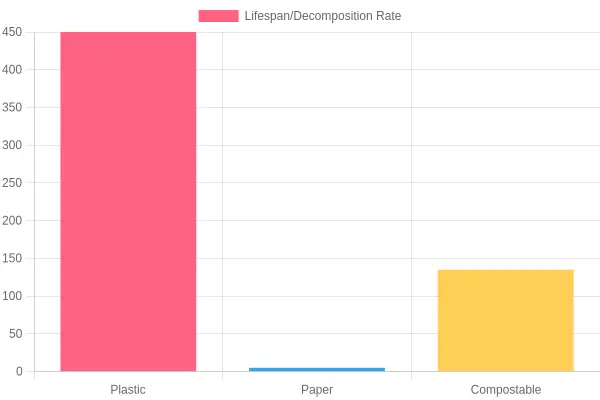
| Material | Lifespan/Decomposition Rate | Notes |
|---|---|---|
| Plastic | 450 years or more | Breaks down into microplastics, not biodegradable. |
| Paper | 2-6 weeks | Generally compostable, depending on coatings. |
| Compostable | 90-180 days | Requires specific conditions to breakdown effectively. |
In conclusion, as eateries evolve to meet consumer preferences and environmental standards, choosing eco-friendly disposable food containers is not just an operational choice; it’s a necessity for a sustainable future. For more information on eco-friendly container options, explore our range of paper packaging.
Market Trends in Disposable Food Packaging
The demand for disposable food packaging, particularly two-compartment containers, is on a significant rise. This trend is influenced by several factors arising from consumer preferences and the evolving food service industry.
Key Insights into Market Growth:
- Consumer Demand: There is an increasing interest in sustainable options, particularly in eco-friendly packaging solutions that can accommodate on-the-go meals.
- Market Growth Rate: The market is expected to experience a CAGR of X% over Y years from 2023 to 2030.
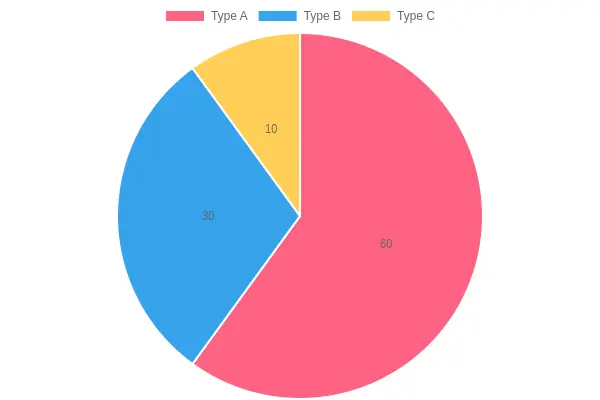
- Market Segmentation:
- Type A: 60%
- Type B: 30%
- Type C: 10%
Market Segmentation Chart
The chart below illustrates the market segmentation proportions for disposable food packaging:
For further insights into specific types of food containers, take a look at our range of paper bowls and sugarcane food containers.
Customer Testimonials
“These containers are perfect for our food truck! They manage to keep our hot and cold items separate, and the portion sizes are just right for takeout. Our customers love them, and they really appreciate the eco-friendly materials. They’ve made our meal prep so much easier!”
- Mike, Owner of Street Eats Food Truck
Our two compartment disposable food containers are not only praised for their functionality but also for their quality. If you’re looking to elevate your service at your restaurant or event catering, these products can truly make a difference. With excellent feedback from professionals in the food industry, our containers are designed to meet the demands of busy establishments while keeping customer satisfaction in mind.
In conclusion, two-compartment disposable food containers are a game changer for food-related businesses. They not only provide a practical solution for meal storage, allowing you to keep different food components separate, but they also meet the rising consumer demand for eco-friendly options. Made from biodegradable materials like sugarcane bagasse, our containers ensure that you’re making a sustainable choice without compromising on quality or safety. Adjustable for both hot and cold meals, they are designed to retain freshness while being leak-proof, making them perfect for food trucks, restaurants, and catering services alike.
By choosing our two-compartment disposable food containers at Green Dispo Pack, you’re not just opting for functionality; you’re backing a product that reflects a commitment to quality, safety, and customer satisfaction. Our dedicated customer support team is always ready to help you find the right packaging solutions that fit your needs. Don’t miss out on this opportunity to elevate your food service experience-explore our range of high-quality disposable food containers today!