
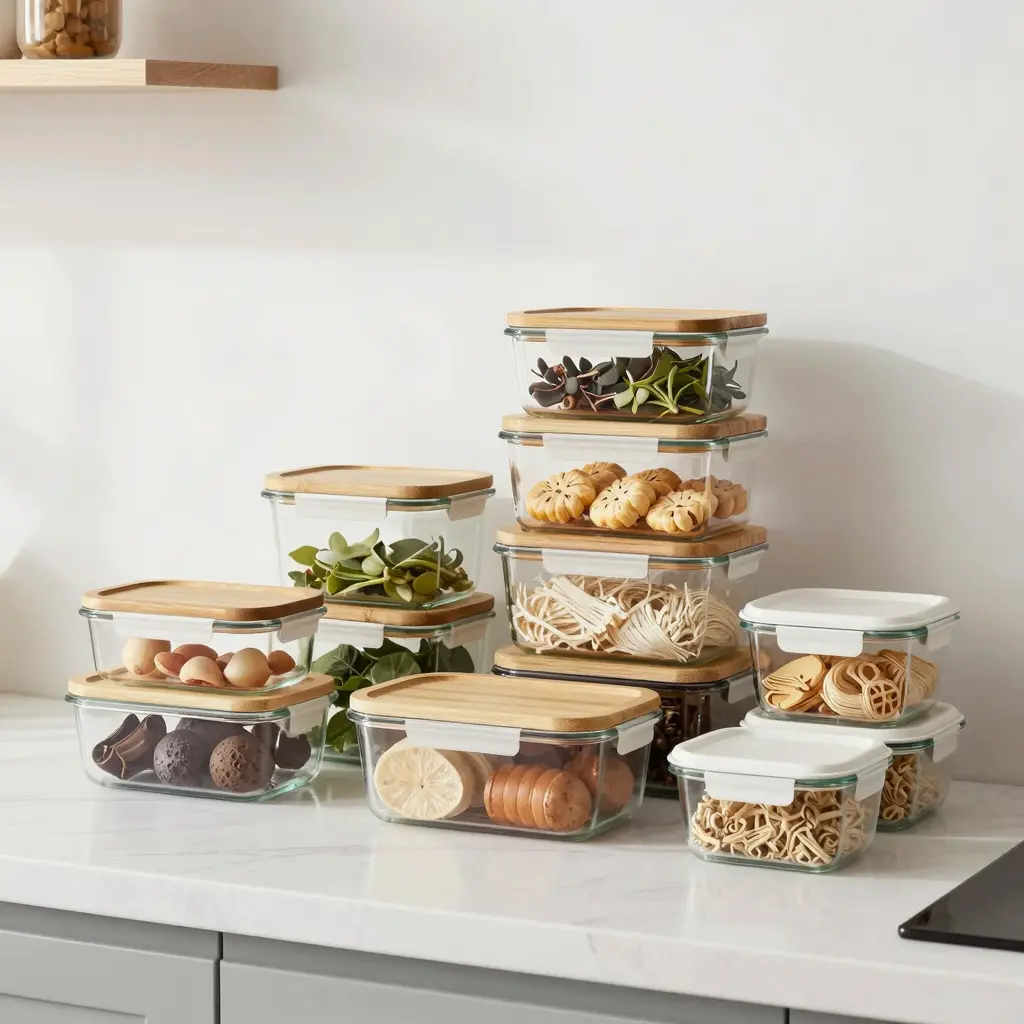
Embracing Eco-Friendly Food Storage Containers: A Necessity for the Modern Business
In today’s environmentally conscious world, switching to eco-friendly food storage containers is not just a trend but a crucial step in promoting sustainability. This choice resonates particularly within the beverage and catering sectors, where the demand for sustainable products grows rapidly. By opting for plastic-free alternatives, businesses-especially those like bubble tea shops, restaurants, food trucks, and event planners-can significantly reduce their carbon footprint and appeal to a more eco-aware clientele. Not only do these products showcase a commitment to the environment, but they also enhance brand image and customer loyalty. Additionally, companies can leverage options like paper bowls and sugarcane food containers to diversify their offerings while staying true to eco-friendly values. As we explore the best options for eco-friendly storage, it’s essential to consider how these choices impact not just the planet, but business success as well.
Benefits of Using Eco-Friendly, Plastic-Free Containers
Utilizing eco-friendly, plastic-free containers brings a multitude of benefits, especially for businesses in the food industry such as bubble tea shops, restaurants, and catering services. Here are some key advantages:
- Reducing Plastic Waste: Transitioning to sustainable packaging solutions plays a critical role in decreasing environmental pollution. Each eco-friendly container reduces the overall reliance on plastic, contributing to a cleaner planet.
- Enhancing Brand Reputation: Companies that adopt green practices often enjoy boosted consumer trust and loyalty. Brands known for their commitment to sustainability are more likely to attract environmentally conscious customers.
- Meeting Customer Demand: With growing awareness of environmental issues, there is an increasing demand for sustainable packaging options. Businesses that offer eco-friendly choices can cater to customers looking for responsible products and services.
- Promoting Healthier Food Storage: Plastic containers can leach harmful chemicals into food, especially when heated. Eco-friendly containers often utilize materials that are safer for food preservation and healthier for consumers.
- Cost Savings in the Long Term: While the upfront cost of eco-friendly products might be higher, they often lead to long-term savings through better durability and less frequent replacements. Plus, they can help avoid regulatory fines related to plastic waste.
By opting for these alternatives, businesses not only fulfill a social responsibility but also align with a growing trend towards sustainability that is pivotal in today’s market. To explore various eco-friendly products, visit our sustainable packaging options.
The shift towards using eco-friendly containers is not just a benefit for businesses but also a significant step towards a sustainable future.
Innovations in Eco-Friendly Food Storage
In recent years, the focus on sustainability has led to intriguing advancements in eco-friendly food storage technologies. These innovations not only promote environmental consciousness but also enhance food preservation methods. Here’s a closer look at some of the latest trends and noteworthy brands making waves in this sector.
Advancements in Technology
-
Zero-Energy Bio Fridge: Developed by i2Cool Technology, this fridge utilizes passive cooling technology, significantly reducing energy consumption while keeping food fresh. It’s designed to facilitate sustainable food storage without resource-intensive energy needs. Learn more about this innovation here.
-
AI and IoT Integration: By harnessing artificial intelligence and Internet of Things (IoT) technologies, brands are optimizing storage conditions in real time to enhance food safety. This approach is changing the landscape of food management towards more sustainable practices. Detailed insights can be found here.
-
Tupperware’s Voila Glass Line: This new line is designed to minimize plastic usage while still optimizing food preservation methods. Tupperware’s commitment to sustainability is clear in their latest offerings, contributing to eco-friendly kitchens. More information is available here.
Leading Brands in Eco-Friendly Food Storage
Several brands are leading the way when it comes to eco-friendly food storage solutions:
- Tupperware: Not only does Tupperware provide innovative storage solutions, but they’re also committed to reducing food waste through sustainable practices. Their new Voila line emphasizes this commitment, making them a brand to watch.
- Glass Lock: Known for their glass containers, they are a strong competitor in the market. Their products include airtight lids that are perfect for food preservation without plastic.
- Stasher: A pioneer in the silicone storage bag market, Stasher offers reusable alternatives to plastic bags. These bags are dishwasher safe, making them an eco-friendly and convenient choice for food storage on the go.
Conclusion
As the world becomes increasingly aware of the need for sustainable practices, innovations in eco-friendly food storage continue to emerge. These advancements not only aid in preserving food efficiently but also contribute to reducing our dependency on plastic-based products. By choosing brands that prioritize sustainability, businesses such as bubble tea shops, catering services, and food trucks can enhance their environmental responsibility while keeping their products fresh and appealing. For retailers looking to stock eco-friendly options, check out these sustainable paper products that suit various beverage and food needs.
Regulatory Compliance in Disposable Tableware
In today’s health-conscious environment, compliance with food safety standards is critical for businesses that rely on disposable tableware and packaging. Ensuring that your products meet health regulations not only safeguards your customers but also protects your business from potential legal repercussions.
Importance of Safety Standards
Choosing materials that comply with food safety standards is essential. Regulations dictate that all packaging and tableware must be safe for direct food contact. Failure to comply can result in contamination, leading to health risks such as chemical leaching or harmful substances being introduced into food. For instance, the FDA regulates food packaging under Title 21 CFR, which mandates that all materials are safe for intended use.
Moreover, with the rising preference for eco-friendly options, businesses must navigate the intersection of safety standards and environmental considerations. While it’s crucial to opt for disposable tableware that is sustainable, such as those made from sugarcane or paper, these products must still adhere to the rigorous safety standards established by health authorities. For example, manufacturers of children’s tableware are obligated to meet specific safety benchmarks to prevent any potential health risks (see Safety Issues of Baby Bottles and Children’s Tableware).
Compliance and Eco-Friendly Choices
Adopting eco-friendly solutions doesn’t exempt businesses from adhering to health and safety regulations. In fact, compliance becomes even more crucial when selecting sustainable materials. Safety compliance not only reinforces the integrity of your brand but also resonates with environmentally conscious consumers.
Not only does non-compliance threaten public health, but it also undermines trust in your establishment. Therefore, as you choose innovative and eco-friendly packaging solutions, make sure they align with food safety regulations to maintain high standards of customer safety and satisfaction. For instance, if you’re considering taking steps towards eco-friendliness, look into options like sugarcane tableware that are both sustainable and compliant with health standards.
In conclusion, regulatory compliance regarding food safety standards is paramount in the disposable tableware industry, especially for businesses aiming to balance safety and sustainability. By prioritizing compliance while making eco-friendly choices, you can ensure your operations meet both health regulations and customer expectations.
Comparing Eco-Friendly Food Storage Containers
When choosing the best eco-friendly food storage containers, it’s essential to consider their price, durability, and eco-friendliness. Below is a comparison of three popular types: bamboo, glass, and stainless steel. Each option has its unique advantages that cater to different needs.
| Container Type | Price Range | Durability | Eco-Friendliness | Advantages |
|---|---|---|---|---|
| Bamboo | $10 – $30 | Moderate | High | Biodegradable, naturally antibacterial, lightweight, and sustainable alternative to plastic. |
| Glass | $15 – $40 | High | High | Non-toxic, durable, offers visibility, excellent for preserving food quality and freshness. |
| Stainless Steel | $20 – $50 | Very High | Medium to High | Long-lasting, resistant to damage and rust, ideal for meal prep, and prevents contamination. |
Advantages of Each Type
-
Bamboo: Bamboo containers are excellent for those looking for biodegradable options. They are lightweight and maintain a natural look that resonates with environmentally conscious consumers. Their natural antibacterial properties help keep food fresher.
-
Glass: Glass containers provide a clear view of stored items and are very durable. They do not retain stains or odors, making them perfect for food preservation. Glass is also microwave and dishwasher safe, enhancing convenience.
-
Stainless Steel: These containers stand out for their durability and strength. Stainless steel is resistant to rust and corrosion, making it a reliable choice for various food types. They are also lightweight and easy to clean, perfect for quick servings in commercial settings.
When it comes to deciding which eco-friendly container is best for your establishment, consider the storage needs, budget, and the environment’s impact. To learn more about sustainable products for food storage, check our paper packaging options!
“Switching to eco-friendly food storage containers from Green Dispo Pack has transformed our operations. Not only do they align with our mission to reduce plastic waste, but our customers love that we prioritize sustainability! We’ve received countless positive comments about the quality and functionality of these containers. It’s a win-win for us and the planet!”
- Jenna L., Owner of The Green Bistro
Using eco-friendly food storage containers is more than just a business choice; it reflects commitment to environmental responsibility. For businesses looking to further enhance their sustainable practices, consider exploring our sugarcane food containers and other plastic-free packaging solutions. With durable and aesthetically pleasing options, you’ll not only please your customers but also contribute positively to the environment.
By making this switch, you’re not just investing in quality; you’re also promoting a healthier planet and showcasing your brand’s dedication to sustainability. Join the growing number of businesses choosing eco-friendly products and see the positive impact on customer satisfaction and loyalty!
How to Choose the Right Eco-Friendly Containers
When it comes to choosing eco-friendly food storage containers for your business, it’s essential to consider several factors that meet your operational needs and environmental goals. Here are some tips to guide you in the selection process:
1. Durability
The durability of food storage containers is crucial in ensuring that they can withstand day-to-day use without breaking down or leaking. Look for containers made from biodegradable materials such as bamboo, glass, or sturdy paper. These materials offer excellent durability while being environmentally responsible. As highlighted in Entrepouch’s blog, traditional plastics contribute significantly to environmental degradation, making the choice of materials even more pressing.
2. Safety
Safety should be a top priority for any food-related business. Ensure that your containers are certified food-safe and free from toxins. For instance, glass and stainless-steel containers are often regarded as safe choices because they don’t leach chemicals into food, as noted in an article on News18.
3. Size Options
Select containers that come in a variety of sizes to accommodate different food portions. Whether you are serving small cup portions or large takeaway meals, having a range of sizes ensures you are prepared for various demands. You can explore paper bowls or kraft paper boxes which provide diverse options for food storage.
4. Environmental Impact
Take the time to evaluate the environmental footprint of the materials used in your containers. Opt for products made from renewable resources, like sugarcane or biodegradable plastic alternatives. These containers significantly reduce plastic pollution and foster sustainability. Consider exploring products such as sugarcane tableware which break down naturally and enrich soil upon disposal.
5. Cost-Effectiveness
While eco-friendly options may seem more expensive initially, they can lead to savings in the long run. Durable containers will reduce the frequency of replacements, and sustainable practices can attract environmentally-conscious customers, enhancing your brand image. Moreover, businesses can often find bulk purchasing options which may reduce costs further.
Conclusion
Ultimately, choosing the right eco-friendly food storage containers requires balancing durability, safety, size versatility, and a minimal environmental impact. By doing so, businesses can make reliable solutions that not only serve their operational needs but also contribute positively to the environment.
Conclusion
In conclusion, the importance of choosing reliable, eco-friendly disposable tableware and packaging cannot be overstated. As the world grapples with plastic waste crisis contributing to significant environmental harm, the shift towards biodegradable and sustainable alternatives is imperative. The insights discussed throughout this article highlight how eco-friendly options not only address environmental concerns but also resonate with the growing consumer preferences for sustainability and innovation. By opting for eco-friendly packaging solutions and reliable disposable tableware, businesses can not only contribute positively to the environment but also enhance their brand reputation and customer loyalty.
We encourage all readers, especially bubble tea shops, restaurants, food trucks, and event planners, to take action now. Don’t hesitate to contact us for tailored quotes and to explore our sustainable packaging solutions that align with your business needs and values. Together, let’s make a meaningful impact on our environment!
In changing your packaging choices today, you play a crucial role in building a sustainable future for the next generations.
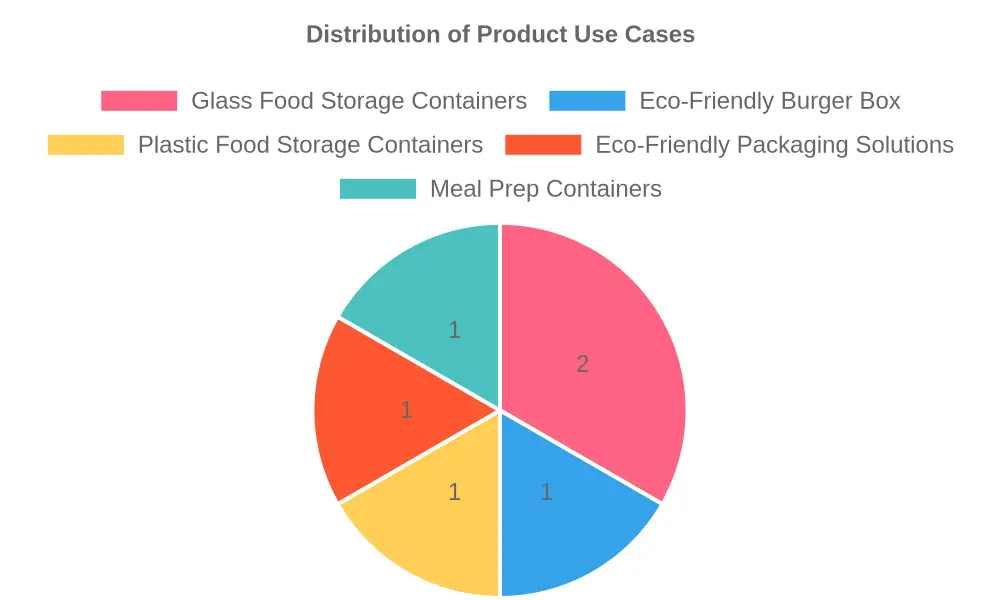
Market Trends for Eco-Friendly Food Storage Containers
The eco-friendly food storage container market is experiencing significant growth in 2023 due to heightened awareness of environmental issues and demand for sustainable packaging solutions. A recent analysis indicates a 20% increase in market adoption, primarily driven by key players focusing on biodegradable products, tempered glass, and bamboo composites.
Key Insights:
- Growth Rate: 20% increase in market adoption.
- Key Players: Biodegradable products, tempered glass, bamboo composites.
- Market Feedback Trends: Increasing consumer demand for sustainable packaging and modular designs.
This growing trend underscores the importance of choice in container materials and designs that align with environmentally friendly principles. To delve deeper into eco-friendly products, you might want to check out our range of paper packaging options.

Chart illustrating the eco-friendly food storage container market trends.