
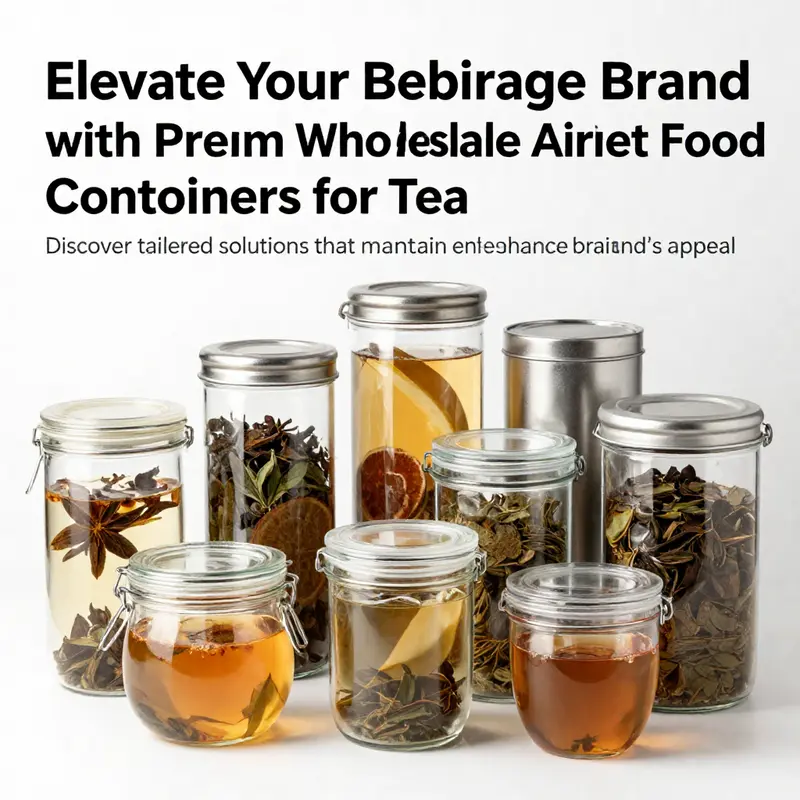
In the competitive beverage landscape, ensuring the freshness and quality of your teas is paramount. From bubble tea shops to catering teams, the right storage solutions can significantly impact product integrity and customer satisfaction. This article explores various wholesale airtight food containers designed specifically for tea, focusing on the advantages of glass, metal, and plastic options. Each chapter will provide insights into premium, durable, and cost-effective containers to help you choose the best fit for your business needs.
Preserving Aroma at Scale: Premium Wholesale Airtight Tea Containers in Glass, Bamboo, and Sustainable Design
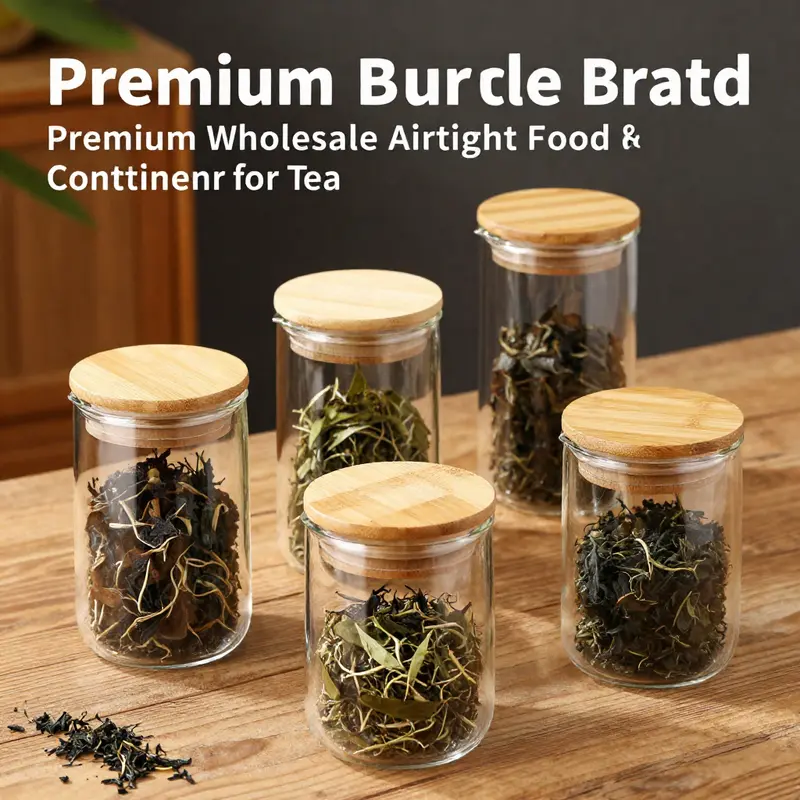
When retailers, brands, and distributors expand into wholesale channels for tea storage, the conversation often returns to one core objective: preserve the integrity of aroma, flavor, and freshness from production line to point of sale. The right airtight container does more than just hold tea; it safeguards delicate volatile compounds, shields a fragile leaf from moisture and light, and communicates a brand story through material choice and design. In markets where customers increasingly equate packaging with product care and environmental responsibility, wholesale solutions that blend performance with sustainability become a strategic asset. A premium option that has gained momentum among forward thinking buyers combines glass bodies with bamboo lids. This pairing leverages the non reacting, inert nature of glass with the natural seal, beauty, and renewability of bamboo. The result is a container that not only protects tea but also elevates the retail display and reinforces a dependable, premium image for the brand. The transparency of glass invites curiosity, letting staff and customers alike gauge fill levels at a glance without opening the lid, while the bamboo lid contributes tactile warmth and a promise of eco minded stewardship. In a crowded marketplace, those micro signals can influence purchase decisions as much as aroma and price. The glass plus bamboo combination speaks to a philosophy of simplicity and purity: a container that does not impart taste or odor, that can be reused across many storage cycles, and that aligns with consumer demand for sustainable living without compromising on form or function.
But wholesale tea storage is not a one size fits all proposition. The market recognizes a spectrum of materials, each with its own advantages and tradeoffs. Metal tin canisters have long served as a reliable shield against light and air, with reinforced lids and interior liners that provide extra moisture barriers. They convey a classic, upscale look and feel that resonates with premium blends and gift sets. The barrier properties of metal tins are particularly valuable for long seasonal runs or limited editions where consistent protection over many months matters. For some brands, this reliability is equally matched by the tactile appeal of a finely finished metal container that customers will reuse, stack, and display in their own homes. At the same time, plastics crafted from food grade polymers offer a lightweight, cost effective option for bulk storage and distribution. These containers are attractive for their clarity, impact resistance, and the ability to withstand rough handling in warehouse environments. Yet they come with caveats. Prospective buyers weigh concerns about odor retention, potential material interactions with fragile herbs or high end greens, and the broader sustainability narrative that increasingly questions single use or hard to recycle plastics. In the middle ground, cardboard or composite packaging provides a cost efficient solution for large scale distribution. Moisture resistant coatings and precision fit lids preserve airtight integrity while enabling stackable, space saving configurations. This is especially critical for cold chain or long distance logistics where every square meter of warehouse real estate translates to lower operating costs and improved throughput.
The decision matrix in wholesale storage often comes down to a balance of performance, aesthetics, and total cost of ownership. Premium glass with bamboo lids stands out as a compelling option for loose leaf teas, herbal infusions, and specialty blends that depend on a pristine aroma profile. Glass is chemically inert, which means it will not absorb flavors or odors from previous contents. This is essential when a retailer rotates from a robust chai to a delicate white tea or a fragrant jasmine blend. Odor cross contamination can undermine flavor perception at the point of sale, and the inert nature of glass helps prevent such issues. Moreover, glass is reusable and recyclable, aligning with circular economy goals that many brands are embracing. When paired with sustainably sourced bamboo lids, the whole unit offers a durable, eco friendly solution that appeals to conscious consumers who want packaging that reflects their values. The bamboo lid itself performs more than a visual role; it is part of the seal strategy. While not always completely airtight on its own, a well engineered bamboo lid can provide a snug closure when used with a gasket or precision machined interface. The result is a container that resists moisture ingress and minimizes air exchange, helping to protect delicate leaves from oxidation and humidity.
Price is a key consideration in wholesale decisions, and the market recognizes that a premium container is not simply about the material but about the total performance package. The glass and bamboo approach can command a higher per unit cost than basic plastic options, but it often delivers lower long term waste, higher perceived value, and stronger brand differentiation. For brands seeking to optimize cost while preserving quality, there are strategic pathways. In lower MOQ scenarios, buyers may experiment with a small run of premium glass jars with bamboo lids to gauge consumer response, then scale up to larger orders with confidence in demand. Offering customization options – such as branding on the glass body or laser etching on the lid – can help justify the premium by increasing perceived value and enabling retailers to present a coherent brand story on shelf. Retailers frequently pair these premium containers with matching packaging sleeves or labels that echo color themes and typography from the brand, creating a cohesive unboxing and shelf experience that reinforces quality from the first glance to the last aroma check before a customer breathes in the scent of the tea.
Beyond the glass and bamboo proposition, the wholesale landscape includes metal tins, plastics, and cardboard composites each suited to different segments of the tea market. Metal tins are favored for their robust barrier properties and the classic, giftable aesthetic that many premium lines rely on. They offer strong protection against light and air, and their internal foil liners further improve freshness retention. Their rigidity supports a longer display life in case placements and reduces risk of container deformation during handling in transit. For bulk storage, plastics deliver lightweight convenience, clearer visibility of contents, and lower shipping weight. They are adaptable to a broad range of sizes, from compact 100 gram jars to larger 1 kilogram capacities that fit wholesale distribution needs. However, for long term storage of highly aromatic or delicate green and white teas, the risk of odor absorption and environmental concerns about sustainability lead many buyers to either select high quality BPA free plastics or, more often, to lean toward glass and metal alternatives. Cardboard or composite packaging, with high moisture resistance and precision fit lids, serves as a powerful option for industrial scale packaging and cold chain logistics where space efficiency and stackability are paramount. The ability to nest and stack containers without sacrificing airtight integrity helps whittle down packaging and shipping costs, a practical advantage for large distributors managing complex routes and ever shifting demand.
In the arena of wholesale sourcing, the conversation also shifts to the practical realities of procurement. Buyers seek materials that are not only fit for purpose but also consistent in quality across thousands of units. That means looking for food grade certifications, evidence of inert materials, and clear supplier assurances around safety standards and manufacturing controls. It also means evaluating the sustainability profile of the chosen materials. Glass offers reusability and recyclability, with a long product life that translates into reduced waste. Bamboo lids, if sourced responsibly, align with renewable resource principles and carry a natural narrative that resonates with eco minded consumers. The lifecycle story matters: from raw material sourcing to manufacturing, to end of life. When a wholesale program can demonstrate that it minimizes environmental impact while maximizing product freshness, it earns trust not only with retailers but also with customers who admire a brand that walks the talk about sustainability.
The market dynamics for wholesale tea storage also reflect a broader trend toward customization and localization. Many buyers expect options to tailor container size, lid type, and labeling to fit their specific tea lineups and store formats. A single line of containers can be offered in multiple dimensions, enabling a brand to calibrate inventory without sacrificing the consistent airtight performance that tea demands. Customization extends to branding on the container surface, which can be a decisive factor in premium segments where packaging quality and presentation are inseparable from perceived flavor quality. A well designed container becomes an ambassador for the tea inside, conveying a message of care, craftsmanship, and consistency. The ability to brand across a family of containers helps retailers build a coherent shelf presence, making it easier for customers to recognize and trust the tea line across categories and occasions.
From a logistics perspective, wholesalers must also consider the role of container design in storage efficiency and shipping costs. The geometry of a jar, the depth of the lid recess, and the stacking profile all influence how many units can be accommodated in a pallet, a warehouse rack, or a shipping crate. A design that maximizes space while preserving airtight integrity reduces total landed cost per unit and improves transit resilience. This is particularly important for tea brands that rely on stable supply chains to meet seasonal peaks or promotional campaigns. A container that stays airtight under fluctuating temperatures and humidity during transit protects aroma and reduces the risk of consumer complaints or returns, preserving brand equity through the entire distribution network. The wholesale decision thus sits at the intersection of performance, cost, and storytelling. The best solutions offer a compelling mix: outstanding barrier properties, intuitive usability, visual appeal, and a clear commitment to sustainability that can be traced from source to shelf and beyond.
For those stepping into wholesale, the opportunity to combine premium materials with responsible packaging strategies is more than a market trend; it is a pathway to stronger customer loyalty and longer product lifecycles. Packaging designers and supply chain professionals are increasingly coordinating early on in product development to ensure that the chosen container not only keeps tea at its freshest but also aligns with the framing of the brand story. That means considering the end user experience right from the outset: not just how tea looks when it sits on a shelf, but how it performs in real world retail conditions, how it can be reused by the consumer, and how the packaging system supports efficient returns or recycling after use. When these elements align, wholesale buyers can create confident, scalable programs that deliver consistent quality across markets, reduce waste, and reinforce the sense that premium tea storage is both an art and a science.
In the broader conversation about packaging and sustainability, glass with bamboo lids stands as a particularly persuasive case. The combination embodies a philosophy of durability, clarity, and renewable resources that aligns with the values of many tea drinkers who cherish purity and simplicity. This alignment supports a premium pricing posture while also enabling retailers to promote a story of responsible stewardship. It is not merely about keeping leaves dry; it is about maintaining the entire sensory profile of the tea and supporting a circular approach to packaging where containers can be reused, refilled, or responsibly recycled. The wholesale market has evolved to recognize that durability and beauty can coexist with environmental responsibility, and buyers who embrace this philosophy are often rewarded with stronger brand equity and greater customer satisfaction on the shop floor.
As buyers navigate the options, they also consider related packaging ecosystems that can reinforce a sustainable message beyond the tea itself. For instance, containers designed for delicate aromas and long shelf life serve as a model for cohesive brand packaging throughout a line of products. The idea is to build a packaging system that travels well through the supply chain while remaining attractive to the consumer who values both form and function. In practice, a retailer might pair premium glass and bamboo storage with labeling strategies that highlight the tea’s origin, oxidation level, and recommended brewing guidelines. When customers encounter such information alongside a clear, reusable container, they experience a holistic sense of quality and care that supports repeat purchases and referrals. This is the kind of integrated packaging strategy that distinguishes a premium tea line in wholesale markets and helps it sustain momentum in competitive corridors of retail and hospitality.
Internal link note: for discussions of packaging design and sustainability beyond tea storage, see resources that explore custom kraft paper bowls with lids used in take out and food service contexts. These materials illustrate how branding and packaging choices can travel across product categories while maintaining a consistent sustainability message. See here for a representative example of such packaging solutions: custom-disposable kraft paper bowl with PET lid.
In sum, wholesale airtight tea containers built from glass with bamboo lids offer a compelling blend of performance, aesthetics, and sustainability. They address the core needs of preserving aroma and freshness while supporting brand differentiation and responsible packaging practices. They sit within a landscape that includes metal tins, plastics, and cardboard composites, each with a place depending on tea type, volume, and channel strategy. The strongest wholesale programs are those that weave together material science, design intuition, and supply chain discipline, delivering containers that perform reliably under real world conditions, while telling a story of care for the product, the consumer, and the planet. When buyers approach the market with a clear sense of how their tea will be stored, displayed, and reused, they can select a solution that not only protects flavor and aroma but also reinforces a modern, sustainable brand image. The result is a packaging ecosystem that honors the sophistication of tea while meeting the logistical demands of wholesale distribution and the evolving expectations of a conscious consumer base.
External resource: for a high end example of bamboo sealed glass storage, see this listing that demonstrates the durability and design ethos discussed here https://www.alibaba.com/product-detail/Airtight-Bamboo-Tea-Box-999-1000_1600724388448.html
Guardians of Freshness: Durable Metal Canisters and the Art of Custom Branding in Wholesale Tea Packaging
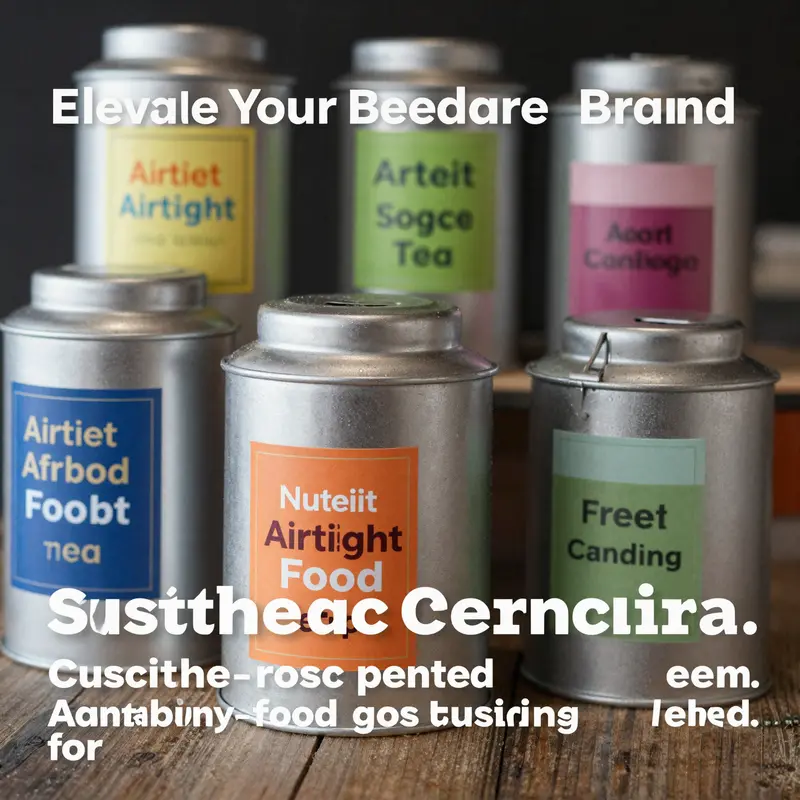
Every wholesale decision in the tea business hinges on a single, often unseen lever: how well the container preserves the leaf from production to the cup. In markets where freshness, aroma, and consumer perception collide, durable metal canisters emerge as a practical pinnacle. They are not merely vessels; they are guardians of flavor, guardians that endure long shelves, rough handling, and the rigors of cold-chain logistics while carrying a brand’s story with a quiet, confident sheen. When wholesalers consider metal canisters for tea, they are weighing a blend of protective science, design artistry, and supply-chain pragmatics that together shape product quality, retailer margins, and consumer trust. The choice of material—aluminum or tinplate—carries implications that ripple through every downstream step from production to display. Metal’s barrier properties against light, moisture, and oxygen stand out as perhaps the most compelling reason to lean into this option for serious tea programs. Light, oxygen, and heat are tea’s adversaries; they accelerate oxidation, degrade delicate aromatic compounds, and dull the cup’s brightness. A properly engineered metal canister, with its tight-fitting lid and, in many cases, an internal seal or liner, forms a fortress that slows these processes dramatically. In practice, this means a bag of leaves can retain its perfume and integrity for significantly longer than it would in a non-airtight or poorly sealed package. Retailers and consumers alike notice the difference not only in the first whiff of the opened can but in the consistent flavor across multiple months of storage. For a wholesale operation, the math is compelling. Extend the product’s usable life by a meaningful margin, and you reduce shrinkage, improve stock rotation, and increase the likelihood that each batch reaches the shelf in peak condition. Beyond the science of preservation, metal canisters deliver a level of perceived value that aligns with premium tea offerings. The surface can be finished in a spectrum of textures and colors—matte, glossy, brushed, or mirrored—each option lending a tactile and visual cue about the tea inside. Finishes such as rose gold, silver, bronze, or bold red are not mere decoration; they communicate a brand narrative. They signal quality, care, and a willingness to invest in packaging as part of the product experience. Some brands even move to embossing or lamination to embed a logo or a pattern that remains visible even as the outer presentation is stored in a canister rack or on a retail shelf. The synergy between packaging and branding is particularly potent in wholesale contexts where private-label programs demand cost-effective yet high-impact presentation. When a retailer or a small tea house partners with a supplier for metal canisters, the goal is to create a shelf presence that stands up against premium blends and attracts the discerning shopper. In such settings, the container does more than protect; it becomes a canvas for storytelling. The lid, often double-sealed or accompanied by a foil liner, is not a mere closure. It is a functional barrier designed to maintain airtight integrity, suppress moisture ingress, and limit volatile aromatics’ escape. The precision-fit of lids matters as much as the material itself. A well-engineered lid system minimizes selective permeation and ensures that the essential oils and delicate compounds remain locked inside, preserving the leaf’s flavor profile across months. The market for wholesale metal canisters is robust precisely because these performance attributes translate to real-world outcomes: more predictable inventory, more consistent quality, and a packaging ecosystem that can scale with a brand’s ambitions. This is especially important for tea categories that rely on precise aromas—green teas with grassy brightness, white teas with subtle sweetness, oolong with roasted complexities, and scented or blended varieties whose aromatic compounds are most vulnerable to loss. In practice, suppliers in this space offer an array of configurations to meet different consumer expectations and logistical realities. Aluminum canisters with inner lids are common because aluminum provides a light yet strong barrier to light and air. Tinplate variants, often with thicker walls, can offer additional rigidity and printability, which can be leveraged to create striking branding surfaces. In both cases, the barrier effectiveness is complemented by thoughtful internal design: moisture barriers, oxygen scavengers, and, where needed, foil liners that act as a secondary defense against ingress. The customization toolkit for metal canisters is extensive. Finishes range from subdued matte coatings to gleaming metallic sheens, each chosen to align with a brand’s identity. The interior and exterior surfaces can be printed with brand marks, batch codes, or decorative motifs, while the canister shape itself—round, oval, or other geometric forms—can be tailored to optimize shelf space and stacking efficiency in warehouses. This is where the wholesale dynamic begins to intersect with logistics. Metal canisters are inherently stackable and nestable when designed with warehouse efficiency in mind. The ability to stack dozens or hundreds of units per pallet reduces handling time and lowers freight costs, which is a meaningful factor for buyers ordering in bulk. Schools of wholesalers, roasters, and distributors also benefit from the durable, reusable nature of metal canisters. They are not single-use packages but long-term storage solutions that can be refilled and repurposed, aligning with sustainability goals and consumer demand for durable products. Even so, achieving outstanding results requires attentive supplier selection and clear engineering specifications. The procurement process increasingly resembles a collaborative design brief in which retailers convey their goals for preservation, branding, and logistics, and manufacturers respond with technical proposals. A typical dialogue covers wall thickness, seal material, lid design, and finishing options, followed by a discussion of how the branding will be applied without compromising the container’s integrity. Such conversations are vital because, in wholesale programs, the cost per unit is a function of both material choice and customization depth. It is not unusual for MOQs to begin around several hundred pieces and rise with the complexity of finishes or embossing patterns. Pricing in this sector tends to scale with quantity, and buyers must evaluate the trade-off between upfront investment in premium finishes and the long-term advantages of rugged, reusable packaging. Yet, for many program leaders, the investment pays for itself in perception, durability, and supply chain reliability. A well-chosen metal canister can become a brand’s ambassador, visible on shelves across cities and often reused by consumers, thereby extending the product’s lifecycle and reinforcing brand loyalty with every reuse. The branding component, in particular, deserves careful attention. Customization options enable brands to imprint logos, brand colors, and even batch information onto the exterior. Embossing, screen printing, and even multi-layer laminates can be used to deliver a durable finish that remains legible under repeated handling. The interplay between branding and packaging is not merely cosmetic. It can influence consumer decisions at the moment of purchase, particularly in a category where scent and aroma are invisible until the cup is poured. A premium look communicates quality, telling a shopper that the tea inside was grown, harvested, and blended with care. This perception can justify higher price points, which is a recurring objective for wholesale programs that seek to balance margins against the premium experience offered by their blends. Buyers also weigh practicalities like labeling requirements, shelf stability of labeling materials, and compliance with food-contact standards. When metal canisters form part of a broader product line, consistency across SKUs becomes essential. Uniform canister dimensions facilitate palletization, simplify storage, and enable retailers to manage assortments more efficiently. In turn, this consistency supports more accurate forecasting and inventory control, both of which reduce waste and improve turnover. The sourcing cycle for metal canisters is often anchored by a wholesale marketplace that aggregates producers with capabilities in mass customization. Buyers evaluate supplier certifications, lead times, and production capacity, ensuring that the supplier can meet demand without compromising quality. They might request samples to evaluate sealing performance, colorfast finishes, and embossing depth, and they will typically negotiate MOQs, bulk pricing, and contract terms that protect both parties over extended supply relationships. For brands that value sustainability, metal canisters open a conversation about recyclability, reusability, and life-cycle impact. Aluminum, in particular, is widely acknowledged for its recyclability, while steel-based tinplate canisters bring durability and recyclability to a broader range of finishes. Marketers seeking to minimize environmental footprints can pair metal canisters with responsibly sourced inks and coatings that reduce volatile organic compound emissions and improve the container’s end-of-life profile. The wholesale decision to invest in metal canisters also intersects with other packaging modalities. In some cases, brands may choose metal canisters for the core product line while deploying secondary packaging—shipper cartons, inner liners, or display-ready slips—to optimize cold-chain handling and in-store presentation. The aim is a cohesive packaging ecosystem in which each element reinforces the others: the metal canister protects; the branding elevates; the secondary packaging streamlines logistics; and the retailer’s display strategy converts interest into purchase. It is essential, however, to recognize the realities of price sensitivity in wholesale tea. While metal canisters convey a premium aura, the total landed cost must be balanced against expected sales velocity and the retailer’s margins. Wholesale buyers will often negotiate to sample a range of finishes and sizes to identify the best fit for their specific tea categories, whether that means a compact 100-gram canister for boutique lines or a larger 250-gram option for bulk blends. In doing so, they also plan for future scale—knowing that a well-received initial run can lead to extended private-label partnerships and expanded SKUs. The landscaping of options continues to evolve as suppliers refine their processes to deliver consistent quality at scale. Automation, quality control, and standardized testing protocols help ensure that every batch of canisters meets airtight performance targets. Buyers benefit from clear specifications and transparent communication about tolerances, lid fit, and seal integrity. When these elements align, metal canisters become more than packaging; they are a reliable component of a brand’s quality system. In this landscape, one of the enduring advantages of metal canisters is their capacity to reduce damage and waste in transit. Their rigidity resists crushing and puncture, while the tight lids provide a robust seal that minimizes moisture ingress during long-haul shipping. For distributors serving regional markets with varied climates, this resilience translates into fewer defective units, smoother re-stocking cycles, and less spoilage, which translates to cost savings that compound over time. Brand-consumer trust grows as customers repeatedly encounter consistent, aromatic tea that tastes as the producer intended. The conversation around metal canisters and custom branding also intersects with digital storytelling. The canister’s exterior becomes a canvas for telling a brand’s provenance—from the origin of the tea leaves to the artistry of the blend. Designers may incorporate subtle patterning, color-blocking, or foil accents that catch the eye without overpowering the product inside. Consumers who appreciate craft and sustainability respond to packaging that signals careful sourcing, responsible production, and a commitment to reducing waste. In wholesale settings, the ability to customize the branding on metal canisters can support tiered product lines. A flagship line might feature premium finishes and extensive embossing, while a more economical range uses simpler branding and fewer embellishments without sacrificing the fundamental protective properties. This scalability helps brands manage investment against anticipated demand, enabling a path from pilot programs to full-scale national distribution. As with any packaging decision, the practical implications deserve attention. Lead times, production capacity, and the supplier’s ability to adapt to changing orders are critical. Buyers work closely with manufacturers to align production calendars with harvest cycles, seasonal blends, and promotional campaigns. Logistics planning becomes more straightforward when the packaging is robust enough to withstand storage and transportation realities, yet flexible enough to accommodate variations in order size and timing. The result is a more resilient supply chain—a critical advantage in markets where disruptions can ripple across sourcing, manufacturing, and distribution. To illustrate the practical side of wholesale decisions, consider the typology of the metal canister’s customization: finish options that speak to a brand’s elegance, branding strategies that enable differentiation among SKUs, and packaging configurations designed to fit both the product and the retailer’s display. The choice of lid mechanism—whether a simple screw-on cap, a snap-on dome, or a more elaborate double-seal system—also matters for the end consumer’s experience. Each design choice carries implications for moisture protection, user-friendliness, and the ability to reclose and reuse the container. The wholesale pathway thus requires a careful, collaborative approach between brand owners, packaging engineers, and supply-chain planners. It is a dialogue built on shared objectives: maintain aroma, protect integrity, enable scalable production, and present a product that resonates with consumers in a visually compelling way. Wholesale opportunities for airtight tea containers, particularly metal canisters with customizable branding, will continue to grow as brands seek to differentiate themselves in crowded markets and as retailers demand packaging that travels well, performs reliably, and elevates the product’s perceived value. The convergence of material science, design aesthetics, and logistics efficiency is, at its core, about preserving the sensory experience of tea from the moment leaves are sealed until the moment they are steeped. This is the essence of why metal canisters remain a durable, scalable, and brand-enhancing choice for wholesale tea packaging. For buyers who want to see the practical options in action, the market offers a spectrum of configurations that balance performance with price. Suppliers can tailor canisters to specific tea categories, ensuring that a high-energy black tea collection and a delicate floral blend both benefit from identical standards of airtightness and moisture control, while still enabling distinct branding aesthetics. The result is a practical, elegant, and market-ready packaging strategy that helps tea brands deliver consistent quality on a wholesale scale. If you are exploring how to integrate metal canisters into your wholesale tea program, consider beginning with a clear specification brief that outlines your target aroma-retention goals, preferred finishes, and required branding techniques. Outline your MOQs, desired dimensions, and whether you need inner liners or extra sealing features. Then invite a small set of suppliers to propose solutions that meet your criteria, paying particular attention to their quality control processes and their proven performance with similar teas. The ultimate objective is to secure a sustainable, scalable, and brand-aligned packaging solution that keeps tea fresh, looks premium on the shelf, and travels with minimal risk of damage. In short, durable metal canisters with customizable branding offer a compelling combination of protection, perception, and practicality for wholesale tea programs, and they continue to be a cornerstone for brands that demand reliability, elegance, and long-term value in their packaging strategy. For a glimpse into how premium storage solutions translate into tangible product attributes, a representative example of the kind of airtight, stylish glass storage paired with appropriate lids can be found here: customized-logo-disposable-6oz-8oz-9oz-paper-coffee-cup. This internal link illustrates how customization is a common thread across packaging formats, reinforcing the broader principle that branding must be adaptable to different container types while preserving the core promise of freshness. External resource: for a real-world overview of premium storage jar designs and airtight performance in wholesale contexts, see this example page: https://www.alibaba.com/product-detail/MINDO-5pcs-Airtight-Food-Storage-Jar-Set_1600587551787.html?spm=a2700.1.wishlist.3.1d7a6c7cIwVvBm
Affordable Airtight Packaging for Tea: How Plastic and Composite Solutions Drive Wholesale Success
Squeezing every penny without sacrificing quality is a tightrope walk in wholesale packaging, especially when tea companies scale from boutique batches to distribution networks. The cost-conscious path for airtight storage hinges on two durable categories: plastic containers and composite paper options. Both offer compelling advantages for keeping aroma, flavor, and color intact from warehouse to customer, yet they approach the challenge from different angles. In this chapter, we trace how these affordable, mass-ready solutions fit into a wholesale strategy that prioritizes freshness, efficiency, and brand integrity over sheer price alone. The goal is to illuminate a pragmatic framework for selecting the right container mix that aligns with product type, logistics workflows, and the sustainability expectations of modern tea buyers, retailers, and end consumers alike.
At the heart of any airtight system is a seal that holds back moisture, oxygen, and odors. Tea’s flavors and volatile compounds are fragile; even small changes can dull a tea’s bouquet or alter a blend’s perceived character. Plastic and composite containers, when designed with robust seals, can dramatically extend shelf life and help maintain consistent quality for larger orders. The practical challenge is balancing cost per unit with performance, MOQs, and logistics. In many wholesale settings, a tiered approach emerges naturally: basic but reliable plastic jars for bulk storage and distribution, paired with more resilient composite or laminated options for premium lines or gifts. This hierarchy keeps costs predictable while preserving the integrity of more delicate teas.
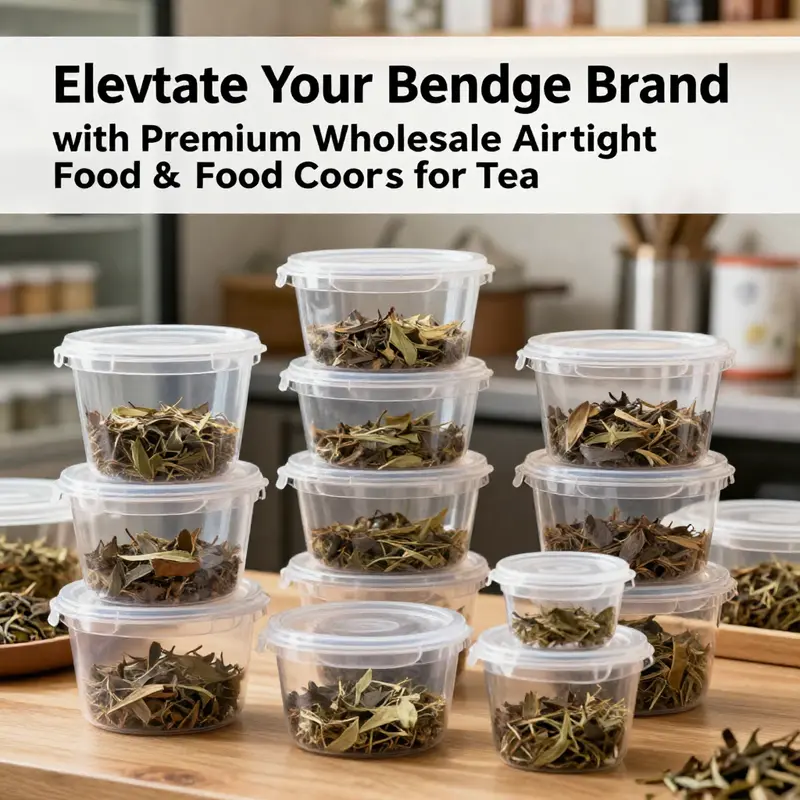
The most immediate and widely used option in cost-effective wholesale packaging is a line of food-grade plastic containers. These jars are typically round and sealed, crafted from polypropylene (PP) or polyethylene (PE). The benefits are familiar: light weight, clear visibility, and a straightforward path to high-volume ordering. The visibility aspect is not trivial in retail environments. On crowded shelves, customers can judge tea quality at a glance—the color of the leaf, the perceived fullness of the blend, and even the presence of any aroma when the jar is opened briefly at the point of sale. For retailers and distributors, that transparency reduces the friction of product evaluation and enhances on-shelf appeal, a factor that silently contributes to perceived value and perceived freshness.
Pricing for these plastic containers typically sits in a favorable range for wholesale buyers. A practical reference point is a price window around 0.64 to 1.33 dollars per unit, with minimum orders commonly around 500 pieces. This economics profile makes plastic jars one of the most accessible entry points for brands that are expanding their line or entering new markets where every incremental cost matters. The airtight seal itself can be engineered with simple, reliable gaskets or foam-lined lids that press down snugly to restrict air exchange. When designed properly, these seals work with the container geometry to create a barrier that minimizes oxidation and slows the loss of essential oils and volatile aromatics. In terms of shelf life, this approach can meaningfully extend freshness versus non-airtight storage, a practical advantage for bulk distribution and retail fulfillment where products may spend weeks in transit or on uneven storage during peak seasons.
But not all is idyllic with plastic. Material limitations do shape how far a plastic container can go in preserving delicate or premium teas. While these jars perform well for standard black, oolong, or most herbal infusions, they can be more prone to odor absorption over time and may not be ideal for repeated re-opening in a high-turnover cafe or grocery environment if the storage plan involves assortments of very aromatic or fragile varieties. For many wholesale operations, this is a reason to reserve plain plastic for bulk storage and basic retail packs, while reserving higher-performance solutions for blends that demand extended aromatic retention or for containers that will sit in inventory for longer periods. In other words, plastic containers offer an efficient, scalable solution for volume and visibility, but a layered packaging strategy often yields the best results when a brand needs to manage risk across different tea categories.
Composite paper containers provide a different, and in many cases more sustainable, pathway to airtight storage that still fits a low-cost mass production model. These multi-layered, often kraft-based structures combine food-safe paper with an aluminum foil or polymer barrier lining. The advantage here is a superior barrier against light, moisture, and oxygen—factors that can be particularly unforgiving for green teas, delicate white teas, or fragrance-heavy herbals. The composite approach folds sustainability into the equation as well, because the barrier layer minimizes product waste by maintaining flavor integrity longer and reducing the chance of spoilage before the tea reaches consumers. In wholesale terms, the core value proposition of composite containers is a stronger protection profile per unit and, as a consequence, a longer viable shelf life that can translate into less waste and more predictable logistics across the distribution chain.
From a cost perspective, composite paper options deliver a distinct mix of affordability and performance. The reported price range for these multi-layered solutions tends to be broader than that of simple plastic jars, typically quoted in the lower to mid-range of bulk packaging costs, with per-unit prices ranging from about two to thirty cents, depending on the exact construction, size, and customization features. What makes composite options particularly compelling is the potential for price-per-unit savings at scale. MOQs vary by supplier, but the scalable nature of layered paper packaging means that many providers can accommodate very large wholesale orders while preserving the barrier properties needed for tea. For brands seeking to maximize shelf life without stepping into premium metal or glass formats, the composite route offers a meaningful combination of protection, brand presentation, and cost efficiency.
The sustainability narrative also tilts in favor of composites in many markets. While plastic’s recyclability is often highlighted, the overall environmental calculus can favor composites when they enable longer shelf life and reduce waste from spoiled product. Composite containers can incorporate recycled content, be designed for efficient stacking and stacking density, and leverage low-weight, high-volume formats that reduce shipping energy. These attributes matter for wholesale buyers who are balancing environmental commitments with the realities of large-scale distribution. Packaging decisions therefore become a strategic lever, not just a cost line item, with potential downstream benefits in branding and consumer perception as eco-conscious packaging becomes a differentiator in crowded tea aisles.
An important practical dimension in wholesale is the total cost of ownership, a concept that extends beyond the per-unit price. When evaluating either plastic or composite options, buyers should forecast the impact of container choice on warehousing, transport, and labor. Plastic jars, being lighter and often simpler in closure systems, can ease handling during picking and packing, and their clear bodies simplify inventory checks without opening. Composite paper containers, especially those engineered for tight stacking and rugged transport, can reduce shipping costs through better space utilization and lower risk of crushing in transit. The ability to optimize pallet layouts and reduce damaged units translates into lower ancillary costs, a benefit frequently cited in bulk procurement discussions.
Branding and consumer experience form another layer of consideration that blends cost with value. Plastic jars offer dependable clarity and a straightforward canvas for labeling, which translates into clean, consistent shelf presentation. Composite containers provide similar branding opportunities, with the added negotiation space for premium finishes, custom lids, and coated surface options that can align with a brand’s tone—whether that tone is artisanal, minimalistic, or eco-forward. For wholesale teams, the takeaway is straightforward: a diversified packaging portfolio can meet different product stories without compromising on cost efficiency. When a tea line includes both everyday blends and premium seasonal releases, a mixed container strategy can maintain price discipline while allowing each product narrative to shine.
The decision framework for choosing between plastic and composite solutions should rest on a few core questions that sit at the heart of the wholesale operation. First, what is the intended shelf life and storage context for each tea category? Longer, more complex blends or highly scented herbs may justify higher barrier performance, which points toward composite options. Second, what are the logistics constraints? If the distribution network requires maximizing pallet density and minimizing freight, a lighter plastic option with dependable seals may be preferable, at least for the bulk portion of the portfolio. Third, how important is the craft and narrative around sustainability? If a brand aligns with eco-conscious consumption, composites can offer a compelling balance of performance and responsible messaging. Fourth, what is the anticipated rate of re-stocking and product turn? High-turn items benefit from the quick handling and lower up-front costs of plastic jars, while slower-moving premium lines can lean into composites without compromising on overall cost efficiency.
For wholesale buyers navigating these considerations, supplier conversations should emphasize three practical outcomes: consistent airtight performance, scalable MOQs, and transparent total cost of ownership. Contracts can be structured to reflect tiered pricing that rewards larger orders, with clear expectations around seal reliability, barrier performance, and the ability to withstand typical wholesale conditions such as seasonal spikes in demand, cold-chain exposure, and long-haul distribution. In instances where a brand wants to minimize post-consumer waste, a plan that blends composite packaging for most lines with optional upgrades to glass or steel for gift sets can offer a path to elevated consumer experience without sacrificing supply chain efficiency.
The value of a well-chosen wholesale packaging mix becomes even clearer when we consider the broader ecosystem of tea commerce. Retailers seek products that stay fresh from the moment they are packaged until the last leaf expires in the consumer’s cup. Bulk storage, transport, and shelf life maintenance are invisible to the end consumer, yet they determine how consistently a brand can deliver on flavor expectations. A well-calibrated plastic-and-composite strategy supports that consistency, enabling retailers to stock more SKUs with fewer risk signals around stale product or label inconsistency. In many markets, the ability to meet retailer demand with affordable, airtight packaging translates directly into stronger margins, fewer write-offs, and a more reliable supply chain.
As materials science and packaging logistics continue to evolve, the spectrum of options for wholesale tea packaging will broaden even further. Advances in barrier coatings, laminates, and recyclable composites may push costs down while elevating performance, particularly for delicate or specialty teas. For now, the practical path remains a balanced mix: lean, transparent plastic for everyday, cost-sensitive lines; robust composite for premium and long-keeping varieties; and an overarching strategy that coordinates storage, transport, branding, and waste considerations into a coherent, scalable operation. This approach helps wholesalers, retailers, and brands meet the dual demands of affordability and quality that define successful tea distribution today.
To ground these concepts in accessible procurement realities, consider how a typical wholesale buyer might approach supplier conversations. Plastic containers with airtight seals can be sourced in bulk at modest unit costs, with MOQs that fit growing portfolios. For customers seeking higher performance, composite paper containers offer elevated protection against light and moisture at a price that remains attractive when scaled. The most effective procurement plans map out a tiered packaging ladder: core lines in plastic for high-volume, quick-turn tea varieties; select premium lines in composite to preserve delicate flavors; and a small allocation for gift sets that benefit from premium aesthetics without destabilizing the overall cost structure. This tiered approach minimizes risk while maximizing the opportunity for brand differentiation in a crowded market.
For readers who want a concrete sense of how these options translate into real-world decisions, a practical touchstone is the ongoing emphasis on customization and standardization. Wholesale buyers often pursue standard container sizes to optimize warehouse and logistics workflows, while offering customization on lids, labeling, and branding to preserve product identity. The cost dynamics of customization will influence which category is most appropriate for a given tea line. In many cases, a simple, airtight plastic jar can be customized with branded labels and cap colors at a manageable incremental cost, while composite options might be reserved for lines where the consumer experience justifies a more distinctive packaging narrative. The balance between efficiency and differentiation is central to a wholesale strategy that seeks to grow without compromising quality.
While this chapter centers on cost-effective plastic and composite solutions, it is worth noting how external market data shapes these decisions. Wholesale platforms often highlight the practical benefits of bulk pricing and the predictability of MOQs, which can simplify budgeting and forecasting for distributors. The broader takeaway is that affordable, airtight packaging does not have to mean sacrificing protection or brand value. Instead, it invites a thoughtful mix that aligns packaging architecture with tea type, distribution realities, and the consumer story brands want to tell. In this way, cost becomes a lever for maintaining flavor integrity, rather than a barrier to achieving scale.
For readers who want to explore concrete examples or source options, a practical entry point is the broader ecosystem of wholesale plastic and composite packaging suppliers. While it is essential to evaluate each supplier on seals, materials, and certifications, the market already supports a wide range of configurations that can meet the demands of tea producers, roasters, cafés, and retailers alike. With careful selection, a brand can achieve a reliable, cost-conscious packaging platform that preserves aroma and freshness while supporting efficient distribution and compelling shelf presence. The result is a resilient, scalable packaging solution that keeps tea at its best from production to the point of purchase, and beyond into the cup.
Internal link reference for further practical context: disposable kraft paper bowl for take-out offers a glimpse into how kraft-based packaging concepts are positioned for eco-friendly, high-volume food packaging, a thread that intersects with tea in the wholesale packaging conversation as brands seek greener, cost-conscious materials that still protect flavor and aroma.
External resource for additional procurement perspective: https://www.alibaba.com/product-detail/Plastic-Tea-Containers-Food-Grade-Plastic_1600724596369.html
Final thoughts
Choosing the right airtight food containers for tea is crucial for maintaining quality and extending shelf life. The diverse options of glass, metal, and plastic solutions offer something for every type of beverage business—from boutique tea shops seeking premium presentation to food trucks needing practical and efficient storage. By carefully selecting the right containers, you can enhance not only product integrity but also your brand image. Investing in quality packaging reflects your dedication to quality, inviting customer loyalty.