
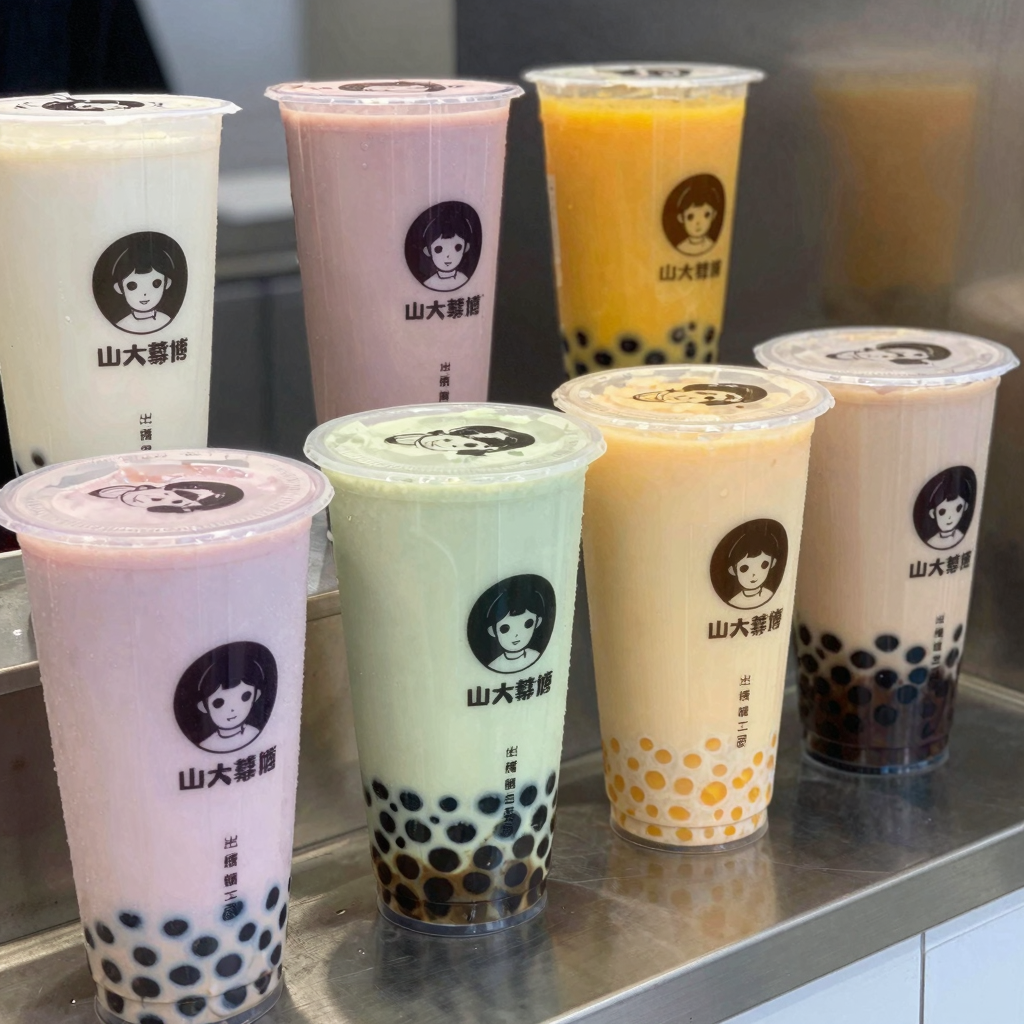
The Importance of Food-Grade Plastic Water Containers in the Food Industry
In today’s bustling food industry, especially in vibrant bubble tea shops and restaurants, the focus on safety and quality has never been more crucial. Food-grade plastic water containers play a pivotal role in maintaining compliance with health regulations while ensuring that your beverages taste as intended. Imagine sipping on a refreshing bubble tea, where the flavor shines through, untainted by contaminants or toxins from inferior packaging. This is where the significance of using food-grade plastic containers comes into play, safeguarding not only the quality of what you serve but also the health of your valued customers.
With a commitment to high standards, businesses across the culinary landscape-from catering services to food trucks-must prioritize top-notch packaging solutions. Utilizing these containers can lead to better branding, as eco-conscious consumers gravitate towards establishments that prioritize quality materials. By investing in food-grade plastic water containers, your shop can not only enhance its offerings but also uphold a reputation of reliability and safety in a competitive market. To learn more, check out our paper packaging solutions for an array of eco-friendly options that complement your beverage offerings!
Benefits of Using Food-Grade Plastic Water Containers
For bubble tea shops and catering services, opting for food-grade plastic water containers provides numerous advantages. Here’s a closer look at why these containers are a smart choice:
-
Safety First: Food-grade plastic containers-such as those made from polypropylene (PP) or Tritan™-comply with stringent safety regulations set by organizations like the FDA. They are designed to prevent harmful substances from leaching into beverages, making them a safe option for both hot and cold drinks. Ensuring food safety is paramount, particularly in the food and beverage industry.
-
Durability and Reliability: Unlike glass, food-grade plastic containers are shatter-resistant, meaning they can withstand drops and knocks without breaking. This robustness is crucial for bubble tea shops and caterers, where mobility and quick service are often required. Additionally, these containers can endure temperatures up to 95°C (203°F), making them suitable for serving warm beverages, including hot milk teas.
-
Ease of Use: Lightweight and stackable, food-grade plastic containers simplify storage and transport for catering services and busy shops alike. Their design makes them easy to clean, reducing turnaround times between events or throughout a busy service shift. Staff can move quickly, serving customers without worrying about broken containers.
-
Eco-Friendly Options: Choosing reusable food-grade plastic containers aligns with sustainability goals. Although plastic waste is an ongoing concern, high-quality containers can be reused multiple times-often 50 uses or more-if properly maintained, thereby reducing the need for single-use items. It’s an environmentally conscious choice that reflects a commitment to eco-friendliness.
-
Cost-Effective: Lower upfront costs and longer lifespans translate into significant savings over time. These containers’ efficiency allows bubble tea shops and catering services to maximize their budgets without sacrificing quality or safety.
Explore additional options for sustainable packaging solutions that complement your business needs: explore our paper bowls and sugarcane tableware.
Comparison of Food-Grade Plastic with Alternative Materials
When it comes to choosing the right material for food and beverage containers, it’s crucial to consider factors like weight, cost, durability, and safety features. Below is a comparison of food-grade plastic, glass, and metal that will help key decision-makers in the food and beverage industry make informed choices.
| Factor | Food-Grade Plastic | Glass | Metal (e.g., Stainless Steel) |
|---|---|---|---|
| Weight | Lightweight | Heavy | Moderate |
| Cost | Low | High | Moderate |
| Durability | High (resistant to drops and impacts) | Low (fragile, prone to shattering) | High (excellent barrier properties, scratch-resistant) |
| Safety | Safe with proper food-grade formulations | Inert and chemically stable | Can react with acidic foods unless properly coated |
Insights on Each Material
-
Food-Grade Plastic: Lightweight and cost-effective, plastic container options are highly durable against impacts and designed to be safe with correct formulation. It is particularly suitable for a dynamic environment, such as Bubble Tea Shops & Beverage Chains, where quick and efficient service is paramount.
-
Glass: Offers excellent safety and chemical stability but is heavier and prone to breakage during transportation. Glass versions are great for high-end beverages but may raise logistical costs due to their weight.
-
Metal: Generally provides superior durability and barrier properties. While they are reusable and recyclable, they may interact with certain beverages unless treated.
Conclusion
Selecting between food-grade plastic, glass, and metal all comes down to your specific operational needs, cost considerations, and safety regulations. An understanding of these materials will empower professionals in the food and beverage sector to make the best choice for their products.
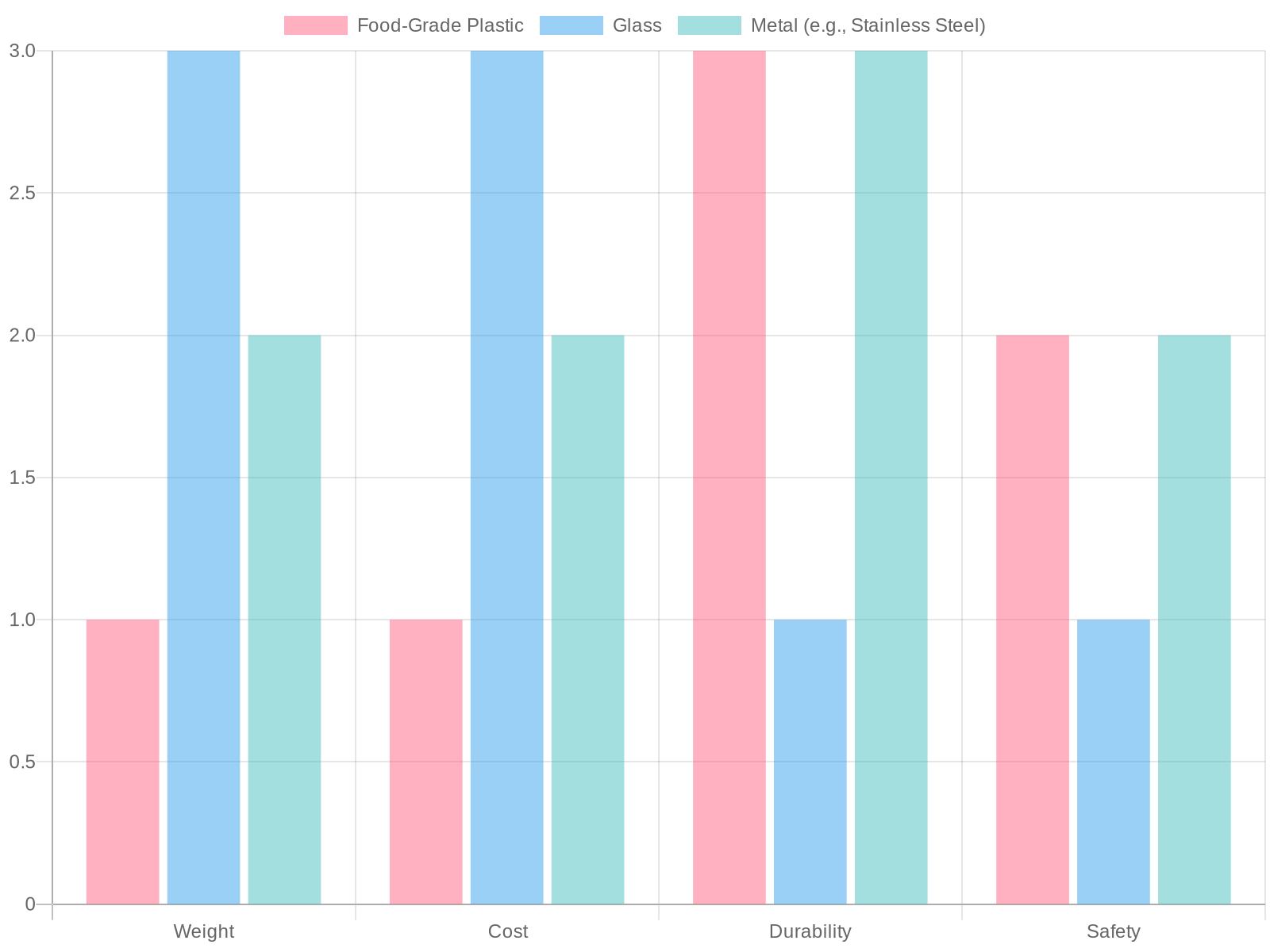
Click to view the detailed comparison chart.
For more information about environmentally friendly packaging solutions, visit Green Dispopack.
Discover how food-grade plastic can be utilized effectively in your operations!
Versatile Use Cases for Food-Grade Plastic Water Containers
Food-grade plastic water containers have become essential in various scenarios owing to their durability, lightweight nature, and compliance with safety standards. Here are some specific use cases highlighting their versatility:
1. Events and Festivals
At large gatherings such as festivals, marathons, or weddings, food-grade plastic water containers are invaluable. They provide hydration stations where attendees can refill their bottles, dramatically reducing reliance on single-use plastics. Typically available in sizes like 5-gallon or 20-liter, these containers facilitate easy transport and setup, ensuring safe drinking water is accessible to thousands.
“Hydration stations equipped with food-grade containers improve eco-friendliness at large events while complying with health regulations”
Source
2. Restaurants and Cafés
In fast-casual dining settings, restaurants can utilize these containers to dispense bulk water efficiently. Whether as part of a self-service beverage station or for staff use, food-grade plastic containers ensure that water remains clean and free from contaminants. Their simplicity in cleaning and maintenance supports busy operations.
“Food-grade containers help eateries manage water service effectively while maintaining hygiene standards”
Source
3. Food Trucks and Mobile Vendors
For food trucks operating in diverse outdoor locations, food-grade plastic water containers offer an ideal storage solution. Their lightweight and stackable designs make them easy to transport, while their robust nature ensures they withstand high usage. Furthermore, they allow vendors to offer cold drinking water to customers in a hygienic, convenient manner throughout their operating hours.
“Mobile vendors benefit from using food-grade plastic water containers due to their operational efficiency and hygiene adherence”
Source
4. Catering Services
Catering companies can rely on food-grade plastic water containers for events where water needs to be served in bulk. These containers are not only cost-effective but also align with food safety standards, making them perfect for various occasions, including corporate functions, private parties, and banquets. Their design allows easy refilling and can accommodate different dispensing systems, making service seamless.
Overall, food-grade plastic water containers showcase versatility across industry sectors ensuring safe, portable, and reliable access to drinking water.
When it comes to food-grade plastic containers, understanding compliance requirements is essential for businesses in the food and beverage industry. These standards ensure that containers are safe for use and do not pose health risks to consumers. Below, we summarize key industry standards from various regions, providing procurement teams with valuable insights.
1. U.S. FDA Regulations
The U.S. Food and Drug Administration (FDA) regulates food-grade plastic containers under the Federal Food, Drug, and Cosmetic Act. Plastics must be made from approved substances deemed safe for their intended use, including conditions like microwave or freezer suitability. The FDA maintains a list of authorized food contact substances (FCS) and sets strict limits on the migration of chemicals into food. Manufacturers must ensure compliance through proper testing and documentation. Learn more about FDA food contact materials.
2. EU Regulations
In the European Union, the main regulations for food-contact plastics are outlined in Regulation (EC) No 1935/2004 and Regulation (EU) No 10/2011. These regulations dictate that materials must not transfer harmful substances to food that could endanger human health or alter the food’s composition. All plastic packaging undergoes a comprehensive safety assessment before reaching the market. The EU also aims to phase out single-use plastics by 2030. More details can be found on the European Commission’s website. Read the EU regulations on plastic packaging.
3. ISO Standards
The International Organization for Standardization (ISO) has established standard ISO 18870:2021, which specifies requirements and testing methods for plastics used in food contact applications. This standard specifies criteria for chemical safety, including migration limits for various substances, providing a globally recognized framework for ensuring safety in food-grade plastic containers. Explore ISO standards.
4. China National Standards
China enforces the GB 4806 series of standards for food contact materials, including plastics. The latest updates set migration limits for harmful substances, requiring rigorous testing for components like bisphenol A (BPA) and phthalates. These standards ensure that food-grade plastics are safe, substantiating the need for thorough compliance checks within supply chains. Discover Chinese food safety standards.
Conclusion
Compliance with these industry standards is critical for businesses involved in the production and distribution of food-grade plastic containers. Understanding and adhering to these regulations not only ensures consumer safety but also protects businesses from legal repercussions associated with non-compliance.
It’s important for procurement teams to remain informed about the ever-evolving standards to make appropriate supplier choices and maintain quality assurance in their operations.
For sustainable options, consider exploring our range of biodegradable paper packaging that complements your procurement strategy.
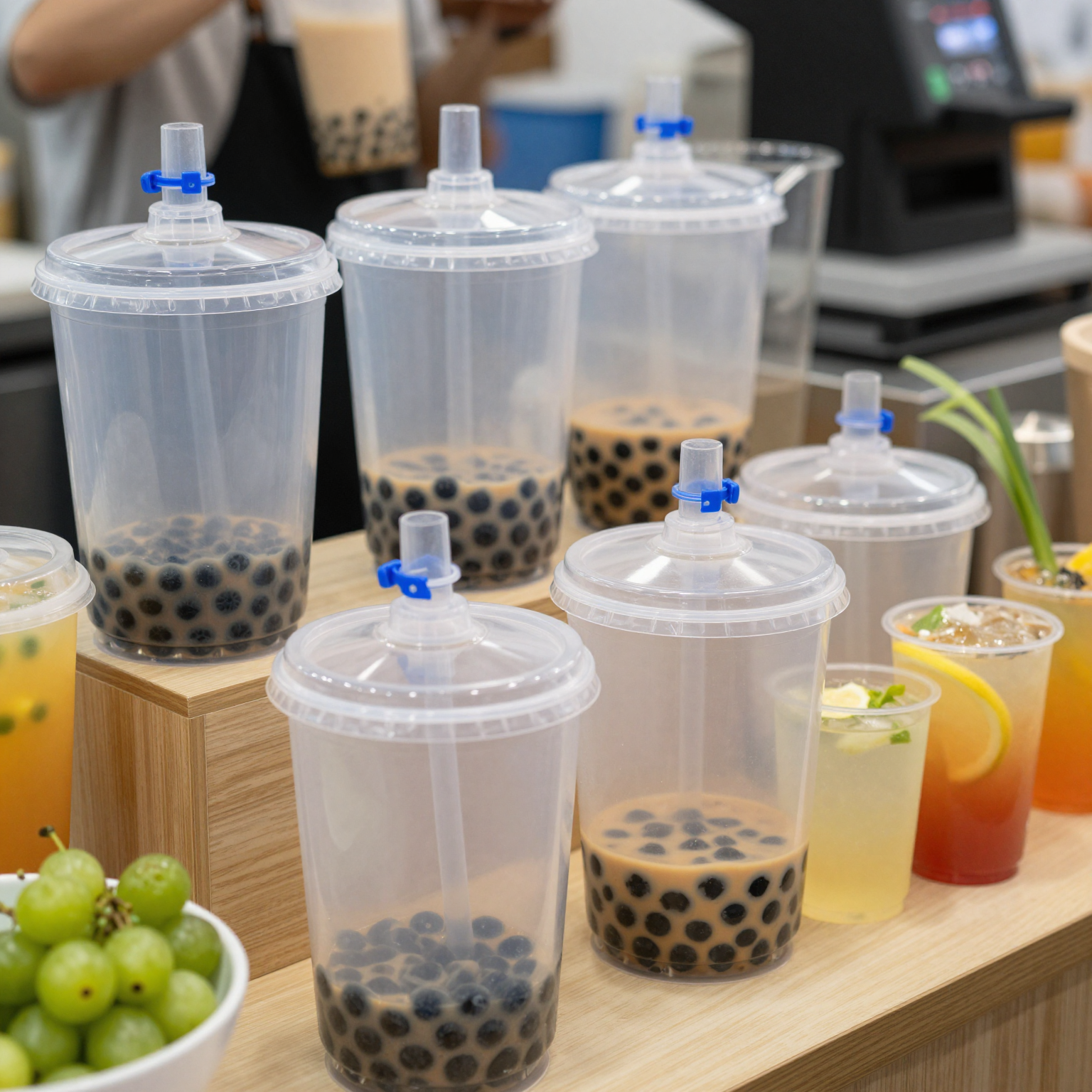
Customer Testimonials
Here’s what our satisfied customers have to say about our food-grade plastic containers:
“The quality of green disposable containers is unmatched! Our beverages stay fresh, and our customers love the eco-friendly aspect. Highly recommend!”
- Lisa, Owner of Bubble Bliss Teas
“As a catering service, we need reliable packaging. Green DispoPack delivers on durability and style. Our clients appreciate the quality!”
- Marco, Catering Director
“We switched to Green DispoPack for our restaurant, and it has made a big difference in presentation and safety. Our guests love it!”
- Sarah, Restaurant Manager
For more eco-friendly packaging solutions, check out our paper bowls and sugarcane containers.
Market Growth Trend of Food-Grade Plastic Containers in the Beverage Industry
In recent years, the market for food-grade plastic containers within the beverage sector has shown substantial growth. The following line chart illustrates the market growth trend from 2021 to 2026, indicating the continuous demand and relevance of these packaging solutions:

| Year | Market Growth Rate (%) |
|---|---|
| 2021 | 4.5 |
| 2022 | 5.0 |
| 2023 | 5.2 |
| 2024 | 5.5 |
| 2025 | 6.0 |
| 2026 | 6.5 |
Source: Global Food and Beverage Container Market Outlook 2026-2034, Industry Reports (2026)
This growth trend emphasizes the importance of selecting the right packaging solutions in a highly competitive and evolving market. As brands focus on sustainability while maintaining functionality, food-grade plastic containers will continue to play a pivotal role in the beverage industry. For more options, check out our eco-friendly paper packaging solutions to complement your beverage offerings!
In conclusion, selecting high-quality food-grade plastic containers is paramount for businesses within the food sector, including bubble tea shops, restaurants, food trucks, and catering services. These containers not only ensure compliance with strict safety standards but also protect food integrity, reduce waste, and enhance operational efficiency. The benefits of durability, lightweight design, and flexibility offered by materials like PP and PET cannot be overstated. As you think about your packaging needs, consider the positive impact of investing in food-grade solutions that contribute to sustainability and consumer safety. Don’t wait any longer; make the switch today to sustainable packaging options that resonate with your customers and improve your brand’s reputation! Your business-and the planet-will thank you for it!
Eco-Friendly Practices for Using Food-Grade Plastic Containers in Food and Beverage Businesses
In today’s environmentally conscious world, food and beverage businesses are increasingly looking to adopt eco-friendly practices related to food-grade plastic containers. Here are some strategies to consider:
1. Switch to Recyclable Materials
- Opt for food-grade plastic containers made from high-density polyethylene (HDPE) or polypropylene (PP). These materials are certified as recyclable and contribute to sustainable practices when disposed of properly.
- Aim to incorporate post-consumer recycled (PCR) content into your packaging. Reports show that businesses achieving at least 30% PCR in their packaging can reduce their carbon footprint by up to 40% compared to using virgin plastic. Learn more about sustainable packaging options here.
2. Implement Reusable Container Programs
- Encourage customers to return plastic containers for reuse. Some businesses have successfully integrated ‘return-and-reward’ systems where customers receive discounts for returning clean containers. This can significantly lower single-use waste, potentially by as much as 70% per outlet annually.
- Collaborate with cleaning service providers to ensure that returned containers are sanitized and ready for immediate reuse.
3. Educate Consumers on Proper Disposal
- Clearly label containers with recycling symbols and disposal instructions. Proper labeling can enhance consumer participation in recycling programs, ensuring that more plastic containers are diverted from landfills.
- Provide educational materials regarding the importance of sustainability and responsible consumption, helping to foster an eco-friendly culture among your customer base.
4. Stay Informed on Regulations and Trends
- Keep abreast of regulatory shifts encouraging eco-friendly practices. For instance, many regions are phasing out non-recyclable additives and advocating for bio-based plastics derived from renewable sources, such as corn starch or sugarcane.
- Align your business practices with trends towards sustainability, such as desiring compostable options for packaging that adhere to environmental guidelines. Compliance can not only improve your eco-image but also enhance your market reach.Learn more about eco-friendly materials.
5. Encourage Sustainable Consumer Behavior
- Promote the benefits of responsible consumption among customers. Engage them through loyalty programs, free workshops on sustainability, or partnerships with local environmental initiatives.
- Highlight how every small step counts towards reducing environmental impact, and showcase your commitment to eco-friendly practices on your platforms.
By adopting these eco-friendly practices, food and beverage businesses can make a significant impact on environmental sustainability while attracting eco-conscious consumers. Embracing these changes helps improve the planet’s health while enhancing your brand’s reputation.