
Introduction
Freezing food in plastic containers has become a common practice in both home and commercial kitchens, providing an efficient solution for extending shelf life and minimizing waste. For businesses in the food and beverage sector, from bubble tea shops and restaurants to food trucks and event planners, the ability to safely store ingredients and prepared meals can greatly enhance operational efficiency and customer satisfaction. However, the debate surrounding the safety of freezing food in plastic containers is ever-relevant. Concerns about the leaching of harmful chemicals and the impact on food quality continue to emerge, prompting professionals to reevaluate their storage methods. In this article, we will explore the safety concerns associated with freezing food in plastic containers and discuss the benefits that proper practices can bring to beverage and food service businesses. Understanding these factors is crucial for maintaining quality and ensuring the safety of the food you serve to your valued customers. For further insights on sustainable packaging solutions, feel free to explore our paper packaging options and sugarcane tableware.
Benefits of Freezing Food in Plastic Containers
Freezing food in plastic containers offers numerous advantages, particularly for those in the food service industry-like bubble tea shops, restaurants, and catering services. Here’s how it can enhance your operations:
Prolonged Shelf Life
Freezing is one of the most effective methods for extending the shelf life of perishable items. According to the U.S. Department of Agriculture (USDA), freezing significantly slows down microbial growth and enzymatic reactions, preserving the flavor, texture, and nutritional content of food for months and even years. This is especially beneficial in reducing spoilage and waste, which can be crucial for keeping costs low.
Maintained Flavor and Texture
Quality is key in the food service industry, and plastic containers are designed to maintain flavor and texture during freezing. Studies indicate that properly frozen food retains its flavor profile and essential nutrients when packed securely in plastic containers, ensuring that customers enjoy their meals as intended. Additionally, plastic containers are virtually unbreakable, minimizing risks of contamination or spillage in busy kitchen environments.
Reduced Food Waste
Freezing not only prolongs usability but also directly contributes to waste reduction. By allowing organizations to prepare larger batches and freeze them in portion-controlled sizes, businesses can serve customers efficiently without over-preparing and risking spoilage. This is a sustainable practice, enabling food service establishments to manage inventory better and meet demand without generating excess waste.
Utilizing plastic containers for freezing aligns with modern operational needs, from maximizing storage efficiency to ensuring safety and quality in food preparation.
Common Types of Plastic Used for Food Storage
When it comes to food storage, different types of plastics serve various purposes, especially in the freezing process. Here are some common types:
-
Polyethylene Terephthalate (PET): Commonly used for beverage containers and ready-to-eat meals. It’s clear and has good thermal and chemical resistance. However, it’s not ideal for long-term storage in the freezer due to potential chemical leaching when frozen.
-
High-Density Polyethylene (HDPE): Often used for milk containers and yogurt. Safe for freezing and can withstand low temperatures without breaking down.
-
Low-Density Polyethylene (LDPE): Used in plastic wraps and bags. While it’s flexible and has a low melting point, it’s not recommended for freezing due to lower durability.
-
Polypropylene (PP): Common for ready-to-cook meals and microwavable containers. It can handle high temperatures, making it particularly safe for reheating. It’s also freezer-safe.
-
Polystyrene (PS): Found in disposable cups and containers. It’s not safe for freezing as it can easily crack under low temperatures.
Safety Tips
When freezing food, ensure that the plastic is marked with ‘food-safe’ labels. Learn more about food storage safety and make informed choices that protect food health.
Potential Risks of Freezing Food in Plastic Containers
Freezing food in plastic containers can present several risks that many people in food service environments may be unaware of. Here are some of the main concerns to consider:
1. Chemical Migration (Leaching)
Many plastics can leach harmful chemicals into food, especially when subjected to extreme temperatures. Substances like bisphenol A (BPA), bisphenol S (BPS), and phthalates may migrate into the food being stored. While freezing slows this process, it does not eliminate the risk, particularly with prolonged storage. Even BPA-free containers may release other endocrinally disruptive compounds under freezing conditions.
2. Container Integrity Issues
Extreme cold can cause plastic containers to become brittle and even crack, especially if they undergo rapid cooling. This not only compromises the seal, leading to leaks and potential contamination but also degrades the integrity of the container. Repeated freeze-thaw cycles can exacerbate this deterioration, leading to micro-cracks that increase the likelihood of leaching.
3. Health Risks in Food Service Environments
In commercial settings like restaurants or food trucks, plastic containers are often subjected to high temperatures during washing and routine use. This can hasten their breakdown, allowing chemicals to leach into the foods. Furthermore, damaged or aged plastic containers can harbor bacteria, raising food safety concerns.
For safer alternatives, glass or stainless steel containers are preferable due to their durability and inertness, eliminating worries over harmful chemical interactions. Learn more about safer packaging options here.

Summary chart of risks associated with freezing food in plastic containers.
| Plastic Type | Common Uses (Food Storage) | Freezing Safety | Heat Resistance | Key Features |
|---|---|---|---|---|
| Polyethylene Terephthalate (PET) | Beverage bottles, mineral water bottles | ❌ Not recommended for long-term freezing | Typically up to 70°C | High clarity, good mechanical strength, strong barrier properties, suitable for room-temperature or chilled beverages. |
| Polyethylene (PE) | Food bags, cling film, sealable bags | ✅ Safe | -50°C to 80°C | Non-toxic, good flexibility, high chemical stability, commonly used for food packaging. |
| Polypropylene (PP) | Plastic bowls, lunch boxes, microwave meal containers | ✅ Safe | Can withstand over 100°C | Non-toxic, lightweight, good heat resistance, the only common food plastic safe for microwave heating. |
| Polyvinyl Chloride (PVC) | Cling film (some types) | ⚠️ Only for specific food-grade products | Typically below 80°C | Good self-adhesion and clarity, but may release harmful substances at high temperatures, choose clearly labeled “food-grade” products. |
| Polystyrene (PS) | Instant noodle containers, fast-food boxes, disposable tableware | ❌ Not recommended for freezing | Typically not above 70°C | High clarity, good rigidity, but brittle; may deform when heated and potentially release harmful substances, not suitable for microwave. |
Best Practices for Freezing Food in Plastic Containers
Freezing food efficiently is crucial for food service professionals to maintain quality, safety, and minimize waste. Here are some actionable best practices for using plastic containers to freeze food:
1. Choose the Right Containers
- Opt for BPA-Free, Food-Grade Containers: Ensure your plastic containers are specifically labeled as freezer-safe and made from materials that can withstand low temperatures without becoming brittle, as mentioned by the USDA. This protects the food from harmful chemicals and ensures safety (source: USDA FSIS).
- Use Airtight Containers: Make sure that the containers have tight-fitting lids to prevent freezer burn and maintain the quality of the food.
2. Properly Seal Containers
- Leave Headspace: Allow for expansion by leaving at least 1 to 2 inches of headspace at the top of each container. This gives the food room to expand as it freezes, preventing the containers from cracking (source: The Spruce Eats).
- Press Out Air: Whenever possible, press out excess air before sealing the lid. This minimizes air pockets that can lead to freezer burn.
3. Labeling
- Label Clearly: Use a permanent marker to label each container with the contents and the date it was frozen. This practice helps in tracking freshness and reducing waste, allowing you to use older inventory first (you can explore various container options here).
- Include Cooking Instructions: If applicable, add simple cooking instructions on the label. This aids staff in preparing the food promptly.
4. Temperature Settings
- Set Freezer Temperature Correctly: Maintain the freezer temperature at or below -18°C (0°F) for optimal food preservation. Keeping it too warm can increase the risk of spoilage and bacterial growth (source: WHO & FAO Guidelines).
Conclusion
By following these best practices, food service professionals can ensure that the food remains fresh, safe, and delicious for their customers. Proper freezing techniques not only preserve food quality but also enhance operational efficiency.
When it comes to freezing food in plastic containers, many food service businesses have shared their experiences, shedding light on the safety and effectiveness of using plastic for storage. Here’s a compilation of user testimonials and expert insights that highlight both the benefits and challenges encountered by those in the food industry.
General Experiences
-
Success with Certified Containers
A case study from a national restaurant chain revealed a significant improvement in operations after switching to certified freezer-safe plastics. Prior to this change, the restaurant faced issues such as cracking and leaking of generic plastic containers during deep-freezing, which led to about 12% of prepped ingredients being wasted. By transitioning to high-density polyethylene (HDPE) containers, they saw a 90% reduction in spoilage and positive feedback from kitchen managers regarding the containers’ durability and organization (National Restaurant Association). -
Cheaper Alternatives Lead to Issues
According to a Reddit discussion where users shared their firsthand experiences, professional kitchen staff noted that while #5 polypropylene containers performed well for up to six months in the freezer, cheaper, non-branded containers often warped after multiple freeze-thaw cycles. This distortion not only affected the integrity of the food but also introduced concerns about cleanliness and food quality, as users reported difficulty in removing food residue from tight-fitting lids.
Safety and Regulations
The U.S. Food and Drug Administration (FDA) confirms that plastics designated with recycling codes #1 (PET), #2 (HDPE), and #5 (PP) are safe for freezing and long-term food storage when manufactured according to federal regulations (FDA). Businesses are advised to avoid non-labeled containers, as they may become brittle and leach chemicals into food when subjected to freezing temperatures.
Best Practices
Best practices highlighted in expert analyses include:
- Using only BPA-free, freezer-grade containers.
- Avoiding overfilling containers to allow for expansion.
- Always ensuring containers are clean and dry before freezing.
User feedback emphasizes the importance of selecting higher-quality containers to reduce risks associated with storage, especially in a commercial setting where food safety is paramount.
Conclusion
Overall, the testimonials from various businesses and culinary professionals indicate a trend towards using certified freezer-safe plastic containers to ensure food safety and minimize waste. With proper selection and adherence to safety guidelines, plastic containers can be an excellent choice for freezing, providing both operational efficiency and food integrity. For those considering options, check out our selection of sugarcane food containers that meet these safety standards.
This summary effectively encapsulates user experiences while underlining important safety considerations, offering credibility for any food service entity contemplating the use of plastic food containers for freezing purposes.
Conclusion: Embracing Best Practices for Safe Freezing
In conclusion, adopting safe freezing practices in food storage is crucial for preserving food quality, safety, and sustainability. Understanding the benefits, such as long-term food preservation, nutritional retention, and reduced waste, empowers businesses to make informed decisions. As we’ve discussed, employing proper freezing techniques can greatly enhance the longevity and safety of the ingredients you use.
Moreover, choosing reliable tableware and packaging solutions is equally essential. Investing in high-quality products helps maintain food integrity during storage and transportation. For businesses looking for the best tableware options, check out our selection of sustainable packaging solutions to find the right fit for your needs.
You have the power to elevate your operations through these best practices. If tailoring a solution to your specific requirements sounds appealing, we encourage you to contact us today for a tailored quote. Together, let’s ensure your food products not only meet safety standards but also exceed customer expectations!
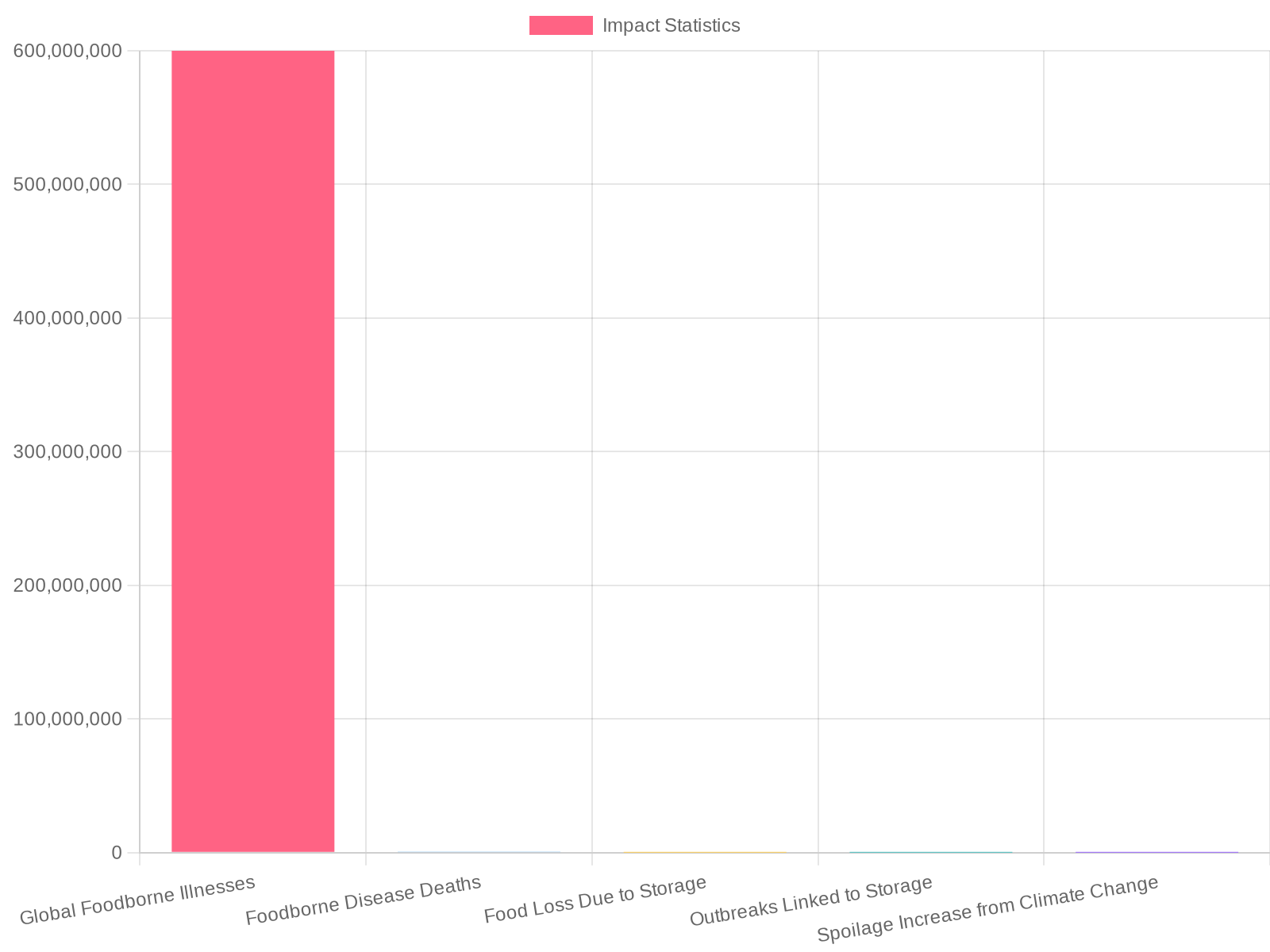
Global Food Safety Impact Statistics
This chart visualizes the severe implications of improper food storage, a significant concern for food service businesses. It includes key statistics:
- 600 million annual illnesses due to unsafe food (WHO)
- 420,000 deaths linked to foodborne diseases (WHO)
- 30% of food losses attributed to poor storage conditions (FAO)
- 38% of food poisoning outbreaks tied to improper storage (Public Health England)
- A projected 10-20% increase in spoilage rates due to climate change
For more insights on effective food packaging and storage solutions, explore our range of paper packaging products.