

In the bustling world of food service, takeout bags and boxes are more than mere carriers—they’re your brand’s first impression on delivery and takeout. For bubble tea shops, restaurants, food trucks, event planners, and corporate procurement teams, understanding the types, materials, benefits, and future trends of takeout packaging is essential. This article will delve into the different types and designs of takeout bags and boxes, their sustainable materials, strategies to enhance user experience, and the exciting developments in packaging regulations that shape the future of a more eco-friendly food industry.
基本定义与用途:Takeout bags and boxes的类型与设计
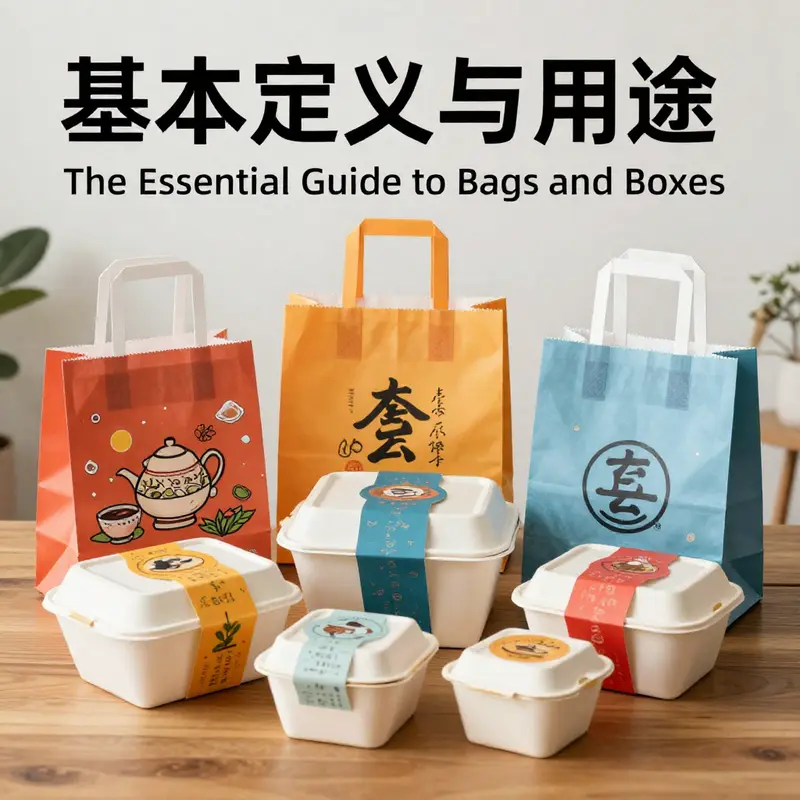
Takeout bags and boxes are more than simple wrappers; they are the quiet conduit between kitchen craft and consumer experience. In every bite delivered, they carry a blend of temperature, safety, practicality, and brand storytelling. The core functions are clear: protect food during transit, prevent leaks, maintain appropriate temperature, and do so in a way that aligns with a restaurant’s values. Yet behind these duties lies a spectrum of choices shaped by materials, shapes, and usage scenarios. When viewed in a holistic light, the packaging becomes a system rather than a set of isolated items. It informs the way customers perceive quality, influences operational efficiency, and even nudges broader conversations about sustainability. In short, takeout bags and boxes embody a delicate balance between utility, perceived value, and responsibility that modern foodservice must continually recalibrate as tastes and regulations evolve.
At the heart of the discussion are two primary families: takeout boxes and takeout bags. The boxes function as sturdy vessels built to endure heat, moisture, and rough handling. The bags serve as the portable skin that completes the journey from storefront to doorstep. But within these two families there are nuanced categories that cater to a wide range of foods and service models. Takeout boxes span from paperboard and coated paperboard boxes designed to retain heat for longer periods to foam-based and biodegradable alternatives that trade environmental impact for thermal performance in specific contexts. Paperboard boxes are common for sandwiches, burgers, or pizzas, often using recycled fibers and occasionally featuring water-based coatings to improve oil resistance. Foamed plastic, once ubiquitous for hot, greasy fare, has faced regulatory and consumer pressure due to environmental concerns, leading many operators to search for alternatives that offer comparable insulation without the environmental cost. Biodegradable bio-plastic options, crafted from plant-based feedstocks, have grown in presence, especially for foods that benefit from microwave compatibility and a reduced carbon footprint, while metal or aluminum containers offer premium appeal for certain cuisines or high-traffic formats where reusability and enhanced sealing are valued, albeit at a higher initial cost.
Takeout bags, by contrast, are the lighter, more flexible counterparts designed to cradle the food’s journey without compromising convenience. Paper bags remain popular for their print-ready surfaces and ease of branding, especially for dry or less oily items. Plastic bags bring durability, moisture resistance, and strong load-bearing capabilities, making them reliable for combination orders or beverages. The rise of compostable or plant-based bags—often made from polylactic acid (PLA) or other bio-based polymers—reflects a growing consumer expectation for lower environmental footprints, even as these materials encounter their own performance and end-of-life challenges. Composite bags, which layer paper with a thin plastic film, attempt to fuse the best of both worlds: the structural feel of paper with enhanced moisture control. Each category has its own set of considerations, from how it interacts with the food it carries to how it behaves in storage, transit, and disposal.
The design and engineering of these containers extend beyond their primary function. A well-made takeout box incorporates an interior architecture that prevents flavor crossover and spillage, with dividers or separate compartments sometimes built in to keep rice, vegetables, and sauces from mingling. Lids are not mere closures; they are barriers that reduce leaks, preserve heat, and facilitate stacking in delivery fleets. Some boxes feature venting channels to release steam in a controlled way, helping to balance temperature retention with texture preservation. For bags, the conversation often revolves around handles, grip texture, and the balance between a bag that is strong enough to carry heavy orders and one that remains comfortable in a customer’s hand. In both categories, the exterior surface is more than a canvas—it is a branding surface. Color, logo placement, and messaging transform a package into a moving advertisement, a mobile storefront, and an extension of the restaurant’s identity. The packaging thus becomes a tactile expression of the brand’s personality and values, weaving together aesthetics, practicality, and corporate stewardship.
Materials play a central role in shaping these choices. Paper-based options—recycled or virgin fiber—offer recyclability and lower risk of chemical migration, particularly for dry foods. Food-grade coatings are frequently used to impart oil and moisture resistance, but their compatibility with recycling or composting streams varies. Biobased polymers and compostable packaging promise lower net environmental impact, yet they require dedicated collection and processing infrastructure. The interplay between material science and waste management policy is increasingly important: applicants must consider local landfill realities, curbside recycling capabilities, and consumer behavior when choosing a solution. As a result, many operators now pursue a lifecycle view: what is the material’s origin, how does it perform in the kitchen and during transit, and what happens to it after the consumer is finished with it? Even small decisions—such as selecting a moisture-resistant coating or choosing a packaging format that minimizes grease penetration—can ripple across costs, customer satisfaction, and sustainability metrics.
To illustrate how these decisions unfold in practice, imagine a mid-scale fast-casual restaurant offering bowls, wraps, and a few fried sides. The restaurant might pair a sturdy, heat-retentive paperboard takeout box for hot items with an inner seal or vented lid to keep moisture in check while preventing leaks. For beverages and lighter components, a reinforced paper bag or a compostable PLA-based bag may be used to maintain temperature without sacrificing ease of handling. A separate packaging line—carefully chosen for oil resistance and food safety compliance—ensures that the fleet can carry multiple items in one bag without the risk of cross-contamination or spillage. When a customer adds sauces or condiments, a dedicated sauce cup with a tamper-evident seal or a small leak-proof pouch can further reduce mess and preserve the integrity of the meal. The larger narrative is that these choices are not merely about storage; they shape the entire dining experience, from the moment the customer places the order to the moment they savor the last bite at home.
Alongside functional design, the packaging ecosystem increasingly reflects environmental responsibility. The industry is moving toward higher shares of renewable and recyclable materials, with biobased or compostable options playing a growing role in many menus. This shift is not without challenges. Biodegradable or compostable packaging often requires specific collection streams to realize its environmental benefits, and without appropriate waste processing infrastructure, the advantages may be limited. Consumers may also struggle to distinguish between packaging that is recyclable, compostable, or simply single-use. In response, brands are adopting clearer labeling and universal symbols that help guide disposal behavior. Yet even as the market leans toward greener choices, cost considerations and performance trade-offs remain a critical factor. The most effective packaging strategies today blend pragmatic performance with aspirational sustainability, aligning with both consumer expectations and operational realities.
Within this evolving landscape a few guiding principles emerge. First, packaging should be designed to protect food integrity from the kitchen to the consumer’s door. Second, it should support efficient handling, stacking, and storage for both the restaurant and the delivery ecosystem. Third, it should communicate brand values through visual identity while providing practical information about disposal. Fourth, it should remain compatible with local waste management practices and, where possible, support a circular economy through recyclability or reusability. These principles are not abstract ideals; they translate into concrete decisions at every level—from the choice of fiber source and coating to the structure of the box and the texture of the bag. In practice, this means the packaging system must be able to adapt to cuisine, service format, and geography while sustaining performance and cost-effectiveness over time.
Within a single meal, the packaging system thus becomes an integrated proposition: it protects, it showcases, it is part of the service choreography, and it speaks to a culinary culture that values responsibility as much as taste. When a customer receives a hot, well-sealed box alongside a sturdy, branded bag for a drink, the sensory impression is not just about temperature and cleanliness. It signals the restaurant’s care for quality, its attention to detail, and its regard for the environment. The packaging becomes part of the dining narrative, a tangible touchpoint that reinforces trust and loyalty. In this light, the basic definitions of bags and boxes transform from technical categories into a lived practice that threads through menu design, supplier selection, waste management, and even community expectations about sustainability.
For readers seeking a deeper technical lens on manufacturing standards and material choices, a robust overview of takeout bag types and their application in manufacturing provides a detailed map of the terrain. This resource outlines how four main bag types are produced, the materials they employ, their strengths and limitations, and how industry standards guide their use in practice. It serves as a practical anchor for teams aiming to optimize performance while meeting compliance and sustainability goals. In the broader context of the chapter, such standards reinforce the idea that packaging design is not merely a cosmetic layer but a core component of operational excellence and environmental stewardship. A practical takeaway is that brands should align material selection with their service model, waste processing capabilities, and consumer expectations, ensuring that every packaging decision supports both the dining experience and the planet.
Internal resource note: for a hands-on look at specific packaging options and their real-world applications, you can explore this example: Kraft paper take-out bowls. This reference highlights how a seemingly simple bowl can carry design considerations—shape, capacity, sealing options, and branding—into a cohesive packaging strategy that balances performance and aesthetics.
As the chapter closes on these foundational definitions, it becomes clear that takeout bags and boxes are not incidental accessories but essential enablers of modern foodservice. They embody the intersection of safety, convenience, and sustainability, all while conveying a restaurant’s identity to a world of dine-at-home customers. The choices developers and operators make today shape the reliability and appeal of takeout experiences tomorrow, influencing not only how meals travel from kitchen to doorstep but how customers feel about the brands they support. For practitioners, this chapter offers a lens to view packaging as a strategic asset rather than a downstream necessity. For researchers and policymakers, it foregrounds the critical levers—materials science, waste infrastructure, and consumer behavior—that determine the success of packaging innovations in real life. Moving forward, the conversation will continue to hinge on balancing the practicalities of food transport with the ambitions of a more sustainable and responsible hospitality industry.
External resource note: For a comprehensive overview of bag types and manufacturing standards, see this external resource: A Complete Overview of Restaurant Take Out Bag: Types, Standards, and How They Are Applied in Manufacturing.
Materials and Environmental Trends: Crafting a Sustainable Future for Takeout Bags and Boxes
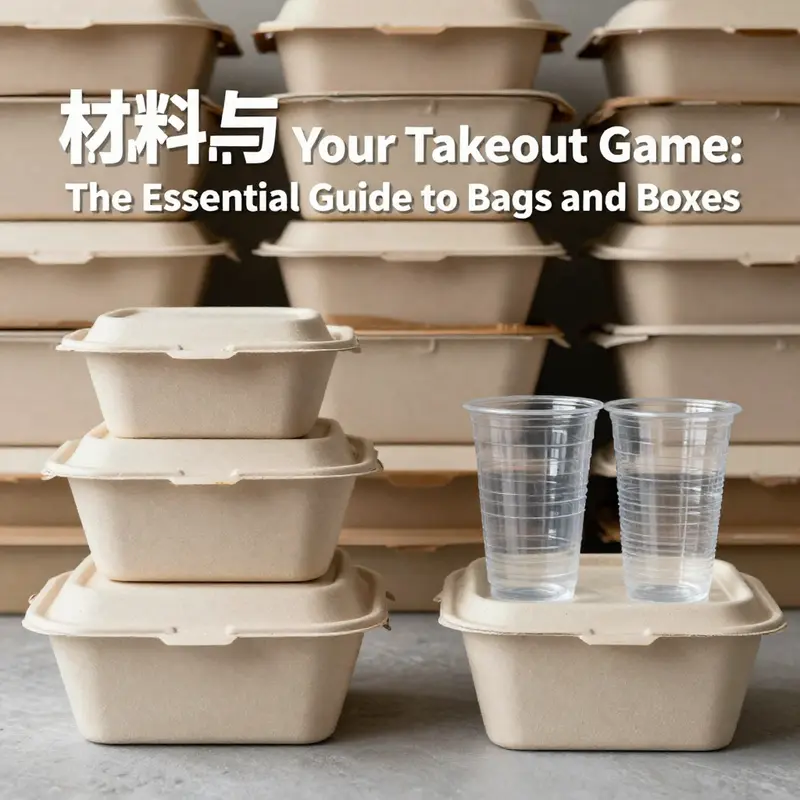
In the evolving landscape of food service, the packaging that travels with meals—takeout bags and boxes—has become a focal point for both practicality and responsibility. The choice of materials, the design that governs performance, and the way a brand communicates its values through packaging all converge to shape not only the customer experience but the ecological footprint of the entire dining ecosystem. As more consumers scrutinize the life cycle of their meals from kitchen to curb, the packaging that carries those meals must do more than simply contain and protect. It must signal care for the environment, support efficient operations, and align with a world increasingly oriented toward circularity. This is the moment when material science, consumer insight, and policy influence intersect, driving a shift from passive containment to proactive stewardship of resources.
At its core, sustainable takeout packaging rests on a spectrum of material choices. Traditional options—paper still widely used for bags and boxes, certain foams, and conventional plastics—are being challenged by alternatives that emphasize renewability and end-of-life options. Biobased and biodegradable materials have moved from novelty to normative practice in many markets. Among the most discussed are bagasse fibers, bamboo-derived products, corn starch-based compounds, and recycled paper stock. Each material brings its own balance of strength, barrier properties, cost, and compostability. Bagasse, the fibrous residue from sugarcane processing, offers a tough, lightweight substrate that can be molded into sturdy boxes or bowls. Bamboo fiber blends provide natural stiffness and heat resistance, while corn starch-based formulations can deliver a familiar packaging feel with reduced reliance on conventional plastics. Recycled paper, when properly engineered, supports high recycling yields and can close loops within local waste systems. These materials collectively address a crucial question: how can takeout packaging preserve food quality and safety while minimizing environmental impact?
The environmental promise of these materials intensifies when we consider the end-of-life pathways available in different regions. The ideal scenario is not merely biodegradability in a vacuum, but the alignment of packaging with a local waste infrastructure. Industrial composting facilities can turn certain bio-based packaging into soil amendment, but only when the materials are clearly labeled and the collection stream is reliable. Home composting is less predictable, and contamination in the recycling stream remains a persistent challenge. Consequently, many manufacturers and operators emphasize materials that are recyclable or compostable within established municipal systems, coupled with clear consumer guidance on disposal. The stakes are heightened by the broader imperative to reduce reliance on fossil-based plastics, which dominate the lower-cost end of the market but carry significant environmental costs when mismanaged. Against this backdrop, the trend toward renewable, regenerable, and recyclable packaging is not a fashionable add-on; it is an operational necessity that can influence supply chain resilience and brand trust.
In practice, the shift to sustainable materials also involves a thoughtful balance between performance and lifecycle considerations. Takeout containers must withstand heat, prevent leakage, and minimize oil migration without compromising food safety. They should also resist crushing and maintain insulation for a reasonable holding period. Oil and water barrier coatings play a critical role here. Some coatings derived from bio-based sources can provide the necessary resistance while remaining compatible with recycling streams, but the compatibility of coatings with local recycling and composting standards varies by jurisdiction. Designers increasingly seek coatings that are both effective at the point of use and unobtrusive at disposal, so that the user experience remains clean and confident. The same design sensibility informs bags, where handles must support frequent carrying trips and resist tearing, while the surface resists grease so the bag stays tidy enough to reuse or recycle.
Brand identity increasingly rides on packaging credibility. Consumers interpret packaging as a signal about a company’s values, and designs that reflect environmental stewardship can turn ordinary meals into demonstrations of social responsibility. Clear branding on required-home disposal instructions or recycling symbols can help customers participate in the intended waste management pathway. Yet this is not a case of aesthetics alone. The packaging must be legible in transit, resistant to moisture and oil, and capable of performing in a busy kitchen, a dim car, or a rain-soaked curb. The modern takeout experience thus blends form and function with transparency about what happens after the meal is eaten. In this integrated view, a simple symbol such as a recyclable or compostable mark is not merely a label; it is a promise about the brand’s commitment to a circular economy and to the communities where packaging will be disposed.
Within this broader movement, a number of material pathways have gained prominence. Bio-based and compostable alternatives are becoming common in menus that want to reduce fossil fuel dependence and cut waste. Bagasse bowls and fiber-based takeout boxes can be designed to perform under heat and moisture while offering a more sustainable end-of-life option than traditional polystyrene or other foams. Bamboo fiber and other plant-derived blends deliver rigidity and heat resistance that rivals conventional materials, with the added advantage of renewability. Recycled paper stock, when carefully engineered, enables packaging that can re-enter the recycling loop after use. The story here is not simply that a material exists, but that the material fits a service model that respects supply chains, waste streams, and the energy costs of processing and transportation.
A significant portion of the sustainability conversation centers on the circular economy and the role of consumer participation in closing material loops. Some brands are testing reusable packaging systems, inviting customers to return containers for cleaning and redistribution through partnerships with specialized service providers. These systems often rely on deposit schemes or loyalty incentives to ensure return and reuse, creating a practical pathway from single-use consumption to a more resilient material economy. The success of such programs depends on the reliability of cleaning, sanitation, and transport networks, as well as on consumer buy-in and financial viability. When executed well, reusable systems can dramatically reduce packaging waste while preserving the convenience customers expect from takeout. However, this approach also highlights an important tension: the initial cost and logistical complexity of reusable solutions versus the simplicity and low price point of single-use options. The balance is not static; it shifts with changes in technology, policy, and consumer expectations.
Policy and regulatory dynamics are a powerful accelerant of these material and design shifts. The policy landscape around single-use plastics, packaging waste, and recycling standards varies by country and even by city. In several regions, bans or restrictions on certain disposable plastics have pushed restaurants toward alternative materials and new waste management practices. At the same time, policy support for recycling, composting, and waste reduction can incentivize R&D and investments in more sustainable packaging systems. This regulatory impetus dovetails with consumer demand for responsible practices, creating a powerful alignment that can accelerate the transition to greener takeout solutions. Businesses are increasingly seeking to integrate policy foresight into product development, anticipating changes in waste infrastructure and labeling requirements so that packaging choices remain viable as markets evolve.
Design optimization plays a key role in extending the life and utility of takeout packaging without compromising sustainability. Advances in barrier technology, coatings, and fiber composites allow for thinner, stronger walls and more efficient packaging geometry. Internal dividers and modular inserts help prevent cross-flavor contamination, preserve texture, and maintain temperature by reducing heat transfer and moisture migration. The ability to keep sauces and sides separate within a single container improves the consumer experience while lowering the likelihood of leakage that would otherwise contaminate packaging and surroundings. In parallel, brand owners are increasingly mindful of the disposal narrative they communicate. The most credible efforts combine clear disposal guidance with an honest appraisal of the packaging’s environmental merits, avoiding the risk of greenwashing and building trust through consistent, verifiable practices.
To illustrate how these material and design considerations translate in real-world contexts, consider the practical implications for menu-driven businesses. A restaurant aiming to reduce its plastic footprint might opt for a combination of bagasse bags for transport and fiber-based boxes for hot dishes. The choice of a bagasse or rice-straw fiber container can offer compostability in systems with industrial facilities while maintaining performance for high-temperature foods. A careful packaging strategy also considers the weight and layout of orders, ensuring that items with different temperatures and moisture profiles are separated or engineered to minimize condensation and leakage. The packaging must support efficient packing and easy handling for staff, which in turn affects order accuracy and throughput. In this sense, sustainability is inseparable from operational excellence. A well-chosen material set can enhance efficiency, reduce waste, support branding, and invite customers to participate in a shared responsibility for the environment.
Within this narrative, the potential for practical examples exists without resorting to catalog-like lists. A useful reference point is the broader conversation about reusable and recyclable packaging, which demonstrates how even modest changes in materials and labeling can shift behavior and outcomes. For readers curious about concrete product examples and design options, a representative case might be found in a dedicated product page that showcases a disposable kraft paper bowl and its compatibility with typical restaurant workflows. If you explore such a resource, you may observe how a simple vessel can balance weight, barrier properties, and end-of-life pathways, reinforcing the idea that sustainability is a design discipline as much as a material choice. See the disposable kraft paper bowl page for a clear illustration of how specific form factors meet the demands of takeout operations while aligning with circular economy ideals. See the disposable kraft paper bowl page: https://greendispopack.com/product/disposable-700ml-kraft-paper-bowl-take-out-octagonal-rectangle-paper-bowl/
The ecological logic of takeout packaging extends beyond individual containers to the broader supply chain. Sourcing sustainable materials at scale requires coordination across farms, fiber mills, chemical suppliers, and logistics networks. Transparent supply chains, clear material declarations, and standardized testing for compostability or recyclability help reduce uncertainty for restaurants that want to invest in greener options without risking waste mismanagement. The move toward renewable resources also influences the economics of packaging. While initial costs for bio-based or recycled materials may be higher, lifecycle savings often accrue through reduced waste, lower disposal fees, and improved consumer goodwill. In some markets, these advantages are amplified by government incentives, grants, or procurement programs that reward establishments for meeting sustainability criteria.
An ongoing challenge, however, is the uneven maturity of global waste and recycling infrastructure. Not all cities or countries possess the same capabilities to process compostable packaging or to efficiently separate packaging from other waste streams. In places where recycling facilities can effectively handle fiber-based materials, brands can accelerate the transition by selecting packaging with widely accepted recycling marks and by providing clear disposal instructions for customers. In regions where composting infrastructure is stronger, compostable options may be favored, provided the materials achieve the required standard under local programs. The overarching objective is to reduce contamination and to maximize recoverability. This requires a combination of thoughtful packaging design, consumer education, and policy alignment, so that every package is part of a carefully managed system rather than a one-off solution.
Future directions in sustainable takeout packaging point toward higher shares of renewable materials, more robust recycling and composting ecosystems, and stronger collaboration among restaurants, governments, and packaging suppliers. The industry is gradually moving toward standards that facilitate better material performance, clearer labeling, and more predictable end-of-life outcomes. The path is not simply to substitute one material for another; it is to reimagine packaging as an integral part of the restaurant’s operating system, a connector between kitchen processes, customer behavior, and environmental stewardship. That reimagining requires ongoing research, investment, and a willingness to adopt new business models that reflect a shared responsibility for waste reduction, resource conservation, and the health of ecosystems.
In sum, the story of takeout bags and boxes is a story about materials with purpose and packaging with accountability. The shift toward sustainable options—whether through biobased fibers, recycled content, or compostable designs—reflects a broader transformation in how foodservice operates in the twenty-first century. It is a narrative about reducing trash, increasing efficiency, and strengthening brand trust by aligning packaging choices with values that matter to customers and communities. It is also a narrative about collaboration: between chefs and designers, between restaurants and waste systems, and between policy makers and suppliers. Each stakeholder plays a part in moving packaging from a disposable afterthought to a strategic lever for sustainable growth. The packaging that accompanies meals can thus become a meaningful asset—one that helps restaurants signal responsibility, reduce environmental impact, and invite diners to participate in a shared commitment to the planet.
For readers seeking additional perspectives on the global shift toward sustainable takeout packaging, broader analyses and case studies offer valuable context on how materials, circular design, and policy interact. A comprehensive external resource provides a wide view of these trends and their implications for the food industry. https://www.nationalgeographic.com/environment/article/sustainable-takeout-packaging
从包装到体验:设计与功能优化驱动Takeout袋盒的用户之旅
从包装到体验:设计与功能优化驱动Takeout袋盒的用户之旅
在快节奏的外卖生态中,takeout bags and boxes 已经超越了单纯的承载功能。它们成为餐品温度、口感保护,以及品牌故事传播的重要载体。一个经过深度设计、功能完善的外卖袋和盒子,能够在顾客的手中完成从“打开到品尝”的完整体验,进而形成品牌忠诚度、口碑传播以及持续的业务增长。这一章节试图以系统的视角,探讨设计与功能优化如何共同作用,提升外卖包装在实际使用中的表现,同时兼顾可持续性与成本效益,使包装真正成为“服务”的延伸而非单一的容器。尽管材料、结构、印刷和开箱体验彼此独立,但在高效的包装系统中,它们往往以协同的方式放大彼此的作用。
首先要认识到,外卖包装的核心功能是多维的:保护食物,保持品质,便于携带,防漏防油,以及在运输过程中尽量减少对食物的干扰。针对不同类型的餐品,尺寸与结构的选择应当是对食物属性的深入回应。例如,中式快餐常见的8×6英寸至12×8英寸的尺寸范围,能在不挤压食物的前提下实现稳固放置;对于易漏汁的料理,袋体边缘需要更可靠的密封性,或在袋内增加防水内衬,以避免油脂污染外部环境。对于需要保温的热食,选择带有隔热层的材料或搭配保温袋,能显著提升热度保持效果。底部结构与手提区域的加强,是日常外送中最容易被忽视但却极其关键的细节。若袋子在运输途中发生变形或破损,顾客对餐品的第一印象就会被削弱,甚至引发安全风险。
在材料层面,现代外卖包装的走向正在向可持续性靠拢。食品级纸张、可生物降解塑料、植物基复合材料等正在逐步替代传统塑料,既能承载热油食品,又能在使用后更易被回收或自然降解。许多餐厨场景也在探索可重复使用(reusable)的系统,例如由专业机构回收并对可清洗、可重复使用的盒子进行消毒再循环。这类模式需要平台与政府共同出台标准化流程,确保从“一次性消费”向“循环经济”的转型可控、可持续,同时也对餐饮企业的营运方式提出新的要求,如回收阶段的物流安排、清洁与消毒成本、以及对损耗的控制等。
在设计与功能的交汇处,防油防水涂层仍是最基本的功能性要素之一。涂层不仅要阻止油脂渗透,还要尽量简化使用过程中的清洁难度。品牌印刷与视觉设计则承担着无声的广告功能。通过清晰的品牌标识、独特的色彩策略和高辨识度的图案,包装成为移动广告牌,帮助顾客在路上、办公室甚至社交媒体上记住并分享品牌印象。要点不仅在于美观,更在于信息的传达效率。因此,设计师需要确保图形和文字在不同光照、不同角度下都具有可读性,且能够与食物类型、餐厅定位以及区域文化相匹配。品牌故事的融入,能让包装成为顾客情感连接的一部分,而非单一功能的载体。
然而,视觉吸引力必须与使用便利性并重。开箱体验正成为影响重复购买的重要环节。一个被精心设计的开箱流程,往往包含一个清晰、简易的开封方式、没有多余的胶带残留,以及对顾客感知的温暖细节,例如附带的一张简短致谢卡、一道简易的家常小贴士,或一小份试用装的调味品。这样的细节不仅提升用户满意度,也提高了在社媒上的分享概率。与此同时,包装的易开启性和完整性同等重要。若封口设计过于复杂,或包装材料在拆封后留下粘痕、碎屑等,会让顾客在第一时间产生负面情绪,削弱对品牌的好感。
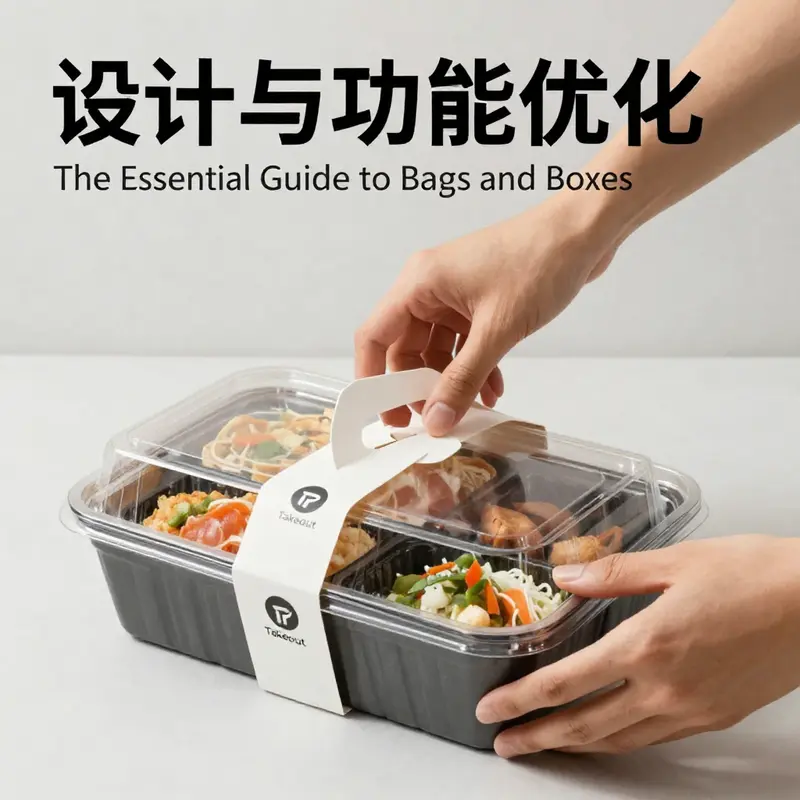
从功能性设计的角度看,内部结构的分隔设计对多种餐品组合的兼容性尤为关键。对于米饭、配菜和酱料的分离存放,内部分格可有效避免串味、油汤混杂和口感损失。这也有助于减少顾客在拆封后对餐品的再分拣负担,提升整体用餐体验。此处的设计并非单纯追求“多格”而是要以顾客日常的用餐场景为导向,确保每个格子都承担明确的功能。对于需要特定保温要求的餐品,盒体内侧的材料选择也应考虑热反射性与导热性,以更好地维持分装餐点的温度曲线。
在可持续性方面,材料选择的透明度与回收标识的清晰度同样重要。越来越多的餐厅选择标注“可回收”或“可堆肥”等符号,帮助消费者在丢弃包装时做出正确的选择。与此同时,简单化包装结构,减少不必要的塑料填充物,是降低资源消耗、提升循环水平的有效途径。这一原则在全球范围内的政策实践中得到强化,如欧盟对部分一次性塑料的禁止,以及对食品包装回收体系的推动。未来,更多餐饮企业将以更高比例的再生材料、更加完善的回收体系,以及政策与企业自律相结合的治理模式,来实现更低的环境足迹。正如广泛的环保趋势所示,绿色外卖已成为不可逆转的潮流。通过材料创新、结构优化与制度协同,包装不仅保护食物,也保护地球。
在实践层面,包装设计与物流、服务创新的深度融合成为提升全流程体验的关键。以现代外卖为例,厨房到餐桌的全过程正在通过智能化的调度与温控策略来确保外带餐品的高水准呈现。这意味着包装设计需要与配送系统协同考虑,如包装的重量分布、叠放稳定性、以及在不同运输条件下的抗压能力。对于高端场景而言,厨师直接参与封装、专门的装盒流程与冷链保温策略的结合,已经成为提升外带餐品水准的重要方式。这些做法并非孤立的流程,而是一个以客户为中心、以数据驱动的全链条优化过程。结合现实的应用,可以将包装设计视为服务设计的一部分,通过数字化平台对接、实时监控与反馈机制,持续迭代,提升顾客感知的热度、香气与新鲜度的综合体验。
在跨越短期与长期的未来展望中,行业需要认识到法规、技术与消费偏好的共同驱动作用。短期内,更高比例的可再生材料、更加高效的回收与再利用体系,是减少环境影响的直接路径。中长期则要求包装设计具备自适应性与灵活性,能够随着不同市场、法规与供应链条件的变化进行快速调整。治理层面的协调也是不可忽视的一环:政府、平台与餐饮企业需共同制定与执行标准,确保从材料认证到回收流程的透明性与可追溯性。与此同时,品牌需要在包装中传递清晰的价值观,让消费者理解选择绿色包装其实是在参与一场更大范围的环境行动。在这场行动中,包装不再是“一次性成本”,而是品牌对社会与环境承担的一种可感知的承诺。
值得强调的是,绿色外卖的推进并不必然牺牲便利性。通过更高效的材料、更优的结构设计和更清晰的包装语言,企业可以在提升用户体验的同时降低成本与浪费。一个理想的未来图景是,包装材料的选择、结构设计、印刷工艺和回收路径共同被嵌入企业的运营模型中,形成一个闭环系统。比如,采用可重复使用的餐盒体系并由专业机构负责回收、清洗、消毒和再投放,能够在不损失顾客体验的前提下,显著降低单次使用的资源消耗。这需要前端设计、后端物流与政策制定者之间的协同,但正是这种协同,才能把包装从“容器”提升为“服务”的载体。
在这一整合视角下,设计与功能优化不仅关乎单件包装的性能,更关乎整个外卖生态的可持续性与竞争力。品牌需要用清晰的沟通与良好的体验来赢得信任,用高效的包装系统来降低成本,用环保材料来回应社会期待。包装的形态、材质、开合方式、分区设计、印刷信息以及对回收的引导,这些元素共同构成一个动态的、以用户为中心的包装语言。每一次下单、每一次开箱、每一次丢弃,都是品牌与顾客之间对话的一部分。正是通过这样的对话,包装超越了自身的物理边界,成为连接餐厅、顾客与地球的纽带。
在文本的最后,一个值得留意的实践路径是深入把包装设计与服务设计结合起来。将“包装即服务”的理念落地,需要在设计阶段就考虑顾客使用全流程,从下单到开箱再到废弃。要通过材料选择、功能性细节、情感化元素与技术整合等多个维度,打造一个无缝的体验。为进一步理解行业趋势,可以参考全球电商包装的趋势研究,洞察2026年的市场动向与消费者偏好。这些趋势强调材料创新、可回收体系的完善,以及通过品牌故事与情感体验提升顾客黏性的能力。通过持续的迭代与创新,Takeout bags and boxes 将在方便性、品牌表达、环境责任与服务质量之间找到新的平衡点。
进一步阅读与参考资源可帮助从业者把握宏观趋势与具体实践。一个重要的行业案例是对包装材料、尺寸与可持续性标准的全面梳理,为企业提供了类型、标准和应用的权威视角。此类资源对餐厅在选择合适的外卖袋和盒子时,能提供清晰的参考框架,并帮助对比不同材料在安全性、成本、物流效率与环保表现之间的权衡。要点在于,将这些研究转化为可执行的采购与设计规范,在实际运营中落地执行。
在本文的框架下,以下一个外部参考资源可扩展读者对包装趋势的理解:
- 外部资源参考:Shopify 的包装趋势年度分析,聚焦2026年的电子商务包装发展与消费者行为变化。可帮助读者把握行业的宏观走向,并思考如何把包装设计与市场趋势结合起来以增强竞争力。
最后,包装并非孤立存在的产品,而是餐饮企业与顾客之间的互动媒介。它承载的不仅是食品的温度与味道,更是企业对用户体验、品牌价值与环境责任的承诺。通过系统性的设计与功能优化,Takeout bags and boxes 能够在提升顾客满意度的同时,推动行业向更高的可持续性与创新性迈进。正是在这种跨越性的思考中,包装才真正成为“服务”的延伸,而每一个细节都在讲述一个关于信任、效率与关怀的故事。
内部链接与外部资源
- 内部链接(单次使用,锚文本来自URL):disposable octagonal kraft paper box packaging
- 外部资源:Shopify 的包装趋势2026分析:https://www.shopify.com/blog/ecommerce-packaging-trends-2026
Green Transitions for Takeout Packaging: Policy, Design, and the Frictions in the Path to Sustainability
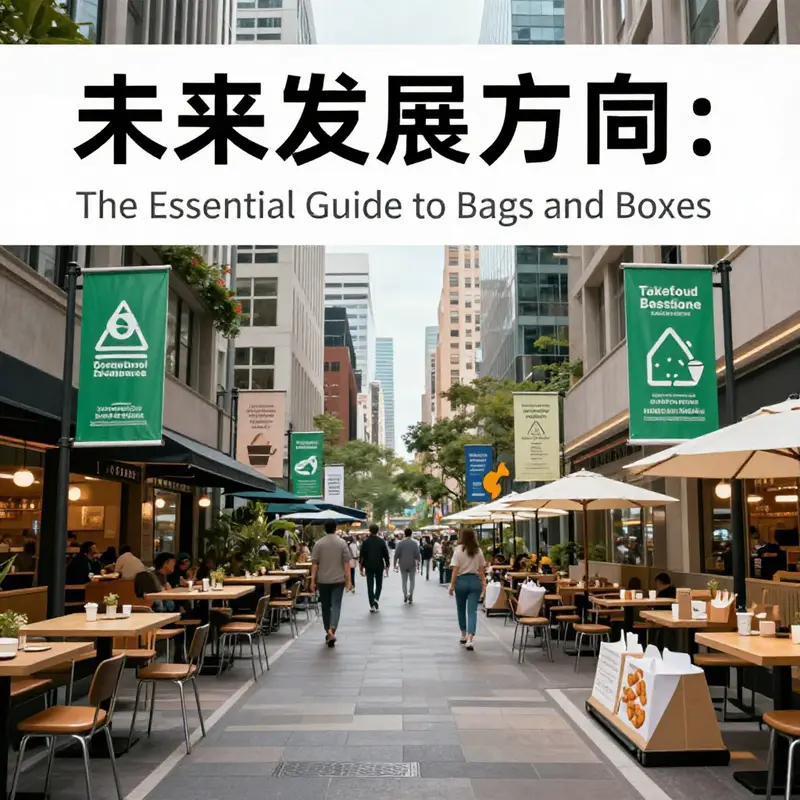
Packaging shapes more than the presentation of a meal. In the takeout economy, bags and boxes connect brand promises, restaurant operations, and environmental outcomes. The future of takeout packaging depends on how societies regulate, incentivize, and support material choices. The arc is from single-use convenience toward systemic resilience, from local bans to cross-border standards, and from linear disposal to circular design. The evolution is about rethinking value, responsibility, and end-of-life pathways, not simply swapping materials.
Policy signals are moving across borders, sharpening incentives to change. Some jurisdictions move from tolerating single-use plastics to disincentives or bans to protect ecosystems. A coastal town may ban certain plastics and foam containers, with ripple effects that influence neighbors and national programs. This aligns with trends that emphasize sustainable packaging: reducing material input and leakage, and promoting recoverable or degradable options.
In major economies, policy tightens waste management regulations and raises standards for green packaging. Regulations often combine material bans with performance expectations—lighter weight, easier separation for recycling, and avoidance of coatings that hinder recyclability. For restaurants, this means a moving target: shorter supply chains for sustainable materials, standardized labeling, and designs that separate food residue from packaging waste. Designers and manufacturers are urged to rethink containers from the ground up, not merely substitute materials.
The core material strategy now requires lifecycle thinking—energy use, durability, reuse potential, end-of-life processing, and material value retention. A guiding framework often cited is Reduce, Reuse, Recycle, Recover, and Degradable. Reducing weight and volume, enabling cleaning and return, enhancing recyclability, recovering energy or material value, and ensuring degradability only when compatible with performance and waste streams.
Material innovation leans toward bio-based or renewable feedstocks that meet food-contact standards while offering predictable end-of-life. The industry moves away from opaque multi-layered composites toward recyclable architectures and compostable options aligned with local waste realities. The policy and infrastructure matter: a promising material is only valuable if the waste stream can accept it. Otherwise, it can be a missed opportunity at the curb.
Design ethos evolves with policy: coatings that resist oil and moisture extend bag usability; internal dividers in boxes prevent cross-contamination; clear disposal instructions build trust. Packaging becomes a communication tool about lifecycle and responsibility, reinforcing a restaurant’s environmental stance while aiding consumer literacy.
Friction remains. Cost is a primary constraint for many operators, especially small and mid-sized businesses. Even if sustainable options reduce long-run costs, upfront premiums can hinder adoption. Return logistics, sanitation, and reusable systems require coordination among suppliers, platforms, and municipal services. A durable answer must scale with demand.
Consumer behavior adds another layer of friction. Many customers prioritize convenience, resisting extra steps. Younger consumers may embrace messaging about sustainability and programs that reward responsible choices. Practitioners must translate environmental benefits into tangible experiences that do not slow service, with simple disposal guidance and universal incentives.
From a supply-chain view, policy-driven demand spurs innovation. The aim is to deliver packaging that meets heat retention, leak resistance, and branding needs while satisfying environmental criteria. Modular, easily disassembled designs compatible with recycling streams help grow the ecosystem of reusable and recyclable packaging.
Another layer is labeling and standardization. Clear disposal instructions prevent contamination and reduce misprocessing costs. Standard symbols and disclosures help consumers make informed choices, but standardization is as much cultural as technical. Civic education and accessible waste-management services are essential for consistent outcomes.
To illustrate practice, consider a hypothetical cafe pursuing circular packaging: recyclable or compostable materials, a deposit-based return program, design that minimizes material use, and labeling that guides disposal or return. The operating model would coordinate design, marketing, and logistics to ensure sanitary returns and scalable reuse. A packaging system anchored in easy separation and transparent guidance can unlock broader adoption.
Beyond materials, the journey toward green takeout packaging is a cultural shift. Frontline staff must explain choices succinctly; customers should participate in disposal or return without sacrificing convenience. Policymakers should design incentives that lower transition costs and support reuse platforms. The resulting ecosystem-oriented approach aligns policy clarity with practical deployment to reduce footprint while preserving convenience.
For readers seeking a concrete entry point, consider packaging with modularity and recyclable architecture, simple, separable structures, and universal labeling. Brands can reinforce sustainable practices with short messages on disposal or reuse programs. As policy tightens and infrastructure evolves, small design decisions accumulate into meaningful reductions in environmental impact.
In closing, environmental policy acts as a catalyst, while design discipline and consumer behavior execute the path toward a more circular takeout system. The friction of cost, supply, and inertia must be addressed through thoughtful policy, robust infrastructure, and compelling incentives. When these elements align, takeout packaging can become a strategic asset for sustainability and a visible sign of environmental responsibility.
Final thoughts
Takeout bags and boxes play a pivotal role in today’s food service landscape not just by holding food but by forging connections between businesses, customers, and the environment. As you navigate the evolving options in packaging design and materials, remember that sustainability isn’t just a trend—it’s a vital part of modern dining experiences. Choosing the right packaging can significantly elevate your brand identity while supporting environmental health.