
As the world increasingly pivots towards sustainability, the food and beverage industries are experiencing a significant shift, with eco-friendly products gaining unparalleled importance. This trend is particularly salient in bubble tea shops and beverage chains, where packaging waste has become a pressing concern. Research indicates that the reliance on single-use plastics drives a considerable amount of waste, which not only impacts the environment but also affects brand perception among eco-conscious consumers. While there’s a burgeoning demand for sustainable packaging options, bubble tea establishments face unique challenges-namely, the high costs of biodegradable materials, limited availability, and consumer skepticism about greenwashing tactics. Despite these hurdles, many businesses are committed to integrating greener practices, recognizing that transparency and innovation in product offerings are crucial for attracting and retaining customers. For those looking to explore sustainable alternatives, options like eco-friendly paper cups and paper packaging solutions are becoming essential tools in the quest for reduced environmental impact. As customer expectations continue to evolve, the transition to eco-friendly products not only promises to enhance sustainability efforts but also helps build a loyal customer base ready to support brands committed to a healthier planet.
Environmental Impact of Traditional Coffee Cups
The use of traditional paper and plastic coffee cups has significant negative repercussions on our environment, contributing to serious waste generation and landfill issues. In the United States alone, it is estimated that over 30 billion disposable coffee cups are used every year. Surprisingly, these cups, which many people assume are recyclable, often end up in landfills due to the plastic lining that makes them non-recyclable in most facilities.
Waste Generation and Landfill Concerns
Approximately 25 million trees are cut down each year just to produce this staggering volume of paper cups. Furthermore, only about 1% of these cups are recycled, as most recycling facilities do not have the technology to process them properly. This lack of effective recycling leads to critical environmental issues:
- Landfill Overload: Many traditional cups take years to decompose, contributing significantly to overflowing landfills.
- Pollution: As these cups break down, they release toxins into the soil and waterways, affecting local ecosystems and communities.
An Urgent Call for Change
Given these alarming statistics, it is urgent for businesses, especially bubble tea shops, caterers, and food trucks, to transition to eco-friendly options. Switching to biodegradable and compostable cups not only demonstrates a commitment to sustainability but also helps mitigate the adverse environmental effects caused by traditional options. Join the movement towards greener choices and explore eco-friendly packaging solutions.
With the ongoing climate crisis, every small action counts, and moving away from single-use plastics and non-biodegradable materials is a step in the right direction.
Using eco-friendly materials is crucial for restaurants, beverage chains, and other businesses within the food industry. As highlighted by sustainability expert Dr. Lena Müller, from Tetra Pak, “Using plant-based caps not only reduces reliance on petroleum-based plastics but also significantly lowers carbon emissions. This material is renewable and can be recycled through existing systems, making it a key step in transforming beverage packaging towards a circular economy.” This emphasizes the urgency for businesses to adopt sustainable practices not only for environmental responsibility but also to meet the consumer demands for greener options. As young consumers increasingly prefer brands that prioritize sustainability, incorporating eco-friendly materials can enhance a business’s competitive edge. To learn more about sustainable packaging options, discover our sugarcane tableware products or explore our range of paper coffee cups.
“Using plant-based caps not only reduces reliance on petroleum-based plastics but also significantly lowers carbon emissions.” – Dr. Lena Müller, Tetra Pak
Comparing Eco-Friendly Paper Coffee Cups and Traditional Ones
As businesses increasingly seek sustainable alternatives, the debate between eco-friendly paper coffee cups and traditional ones has gained momentum. This comparison dives into various factors, shedding light on their differences in cost, biodegradability, consumer perceptions, and environmental impacts.
Key Comparison Factors
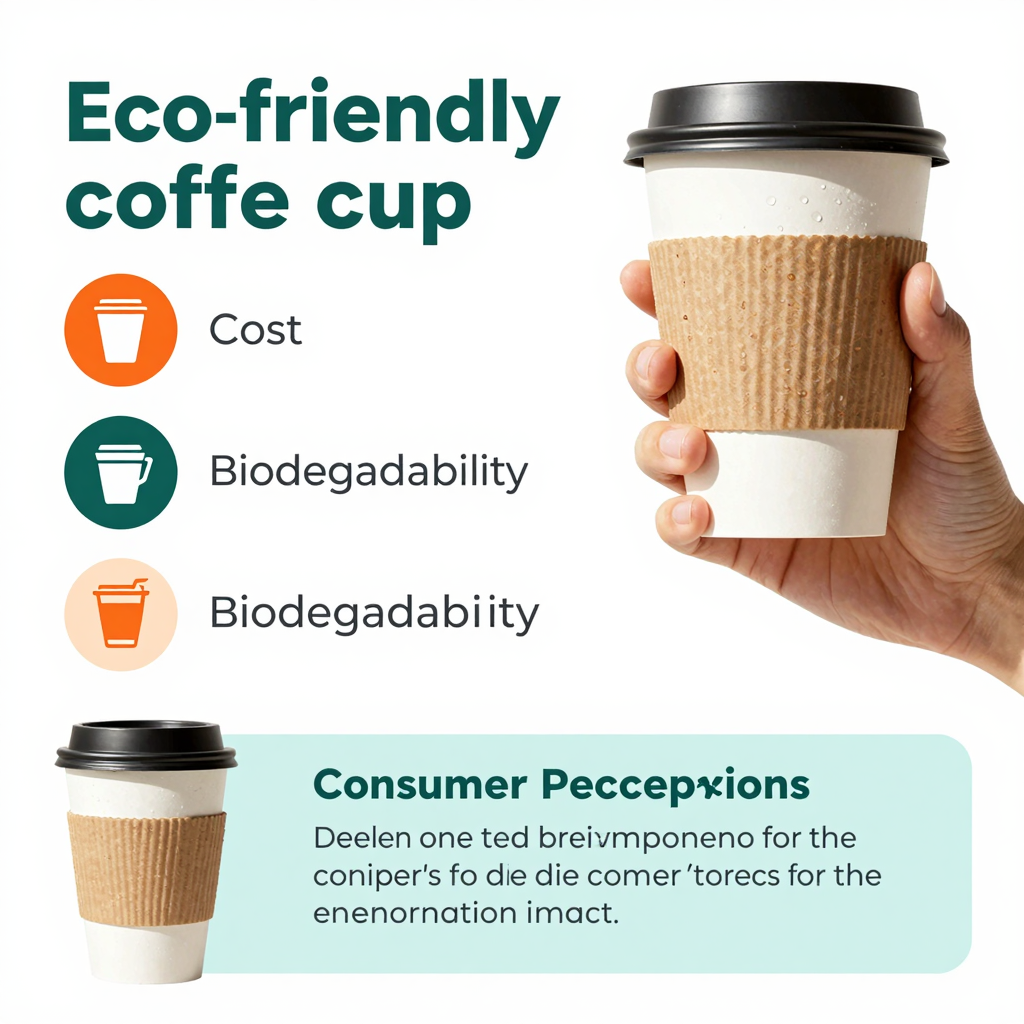
Here’s a breakdown of how eco-friendly paper coffee cups measure up against traditional ones:
| Factor | Eco-Friendly Paper Cups | Traditional Paper Cups |
|---|---|---|
| Cost | $0.008 – $0.021 each (15-25% more than traditional) | $0.012 – $0.03 each |
| Biodegradability | Fully compostable within 90 days in industrial facilities | Non-biodegradable due to polyethylene lining |
| Consumer Perception | 78% willing to pay a premium; 81% consider sustainability important | Viewed as less sustainable; lower brand loyalty |
| Environmental Impact | 35% lower global warming potential when composted | High carbon footprint; reliance on fossil fuels |
Insights
- Cost: Eco-friendly cups tend to be slightly more expensive due to their materials and processing, with prices ranging from $0.008 to $0.021 per unit compared to $0.012 to $0.03 for traditional cups. This reflects the higher cost of sustainable materials such as PLA coatings, which can yield significant benefits if indeed composted.source
- Biodegradability: Eco-friendly cups made from plant-based materials are entirely compostable in suitable facilities, contrasting with traditional cups that aren’t designed to break down, which poses challenges in waste management.source
- Consumer Perception: A significant portion of consumers shows a preference for sustainable solutions, with 63% willing to switch brands for eco-friendly options, particularly among younger generations like Millennials and Gen Z.source
- Environmental Impact: Though eco-friendly cups have a lower global warming potential, the actual environmental benefits can only be realized if they are composted. Current composting rates in the U.S. are low, often hampering these products from reaching their full potential.source
Conclusion
Switching from traditional to eco-friendly paper coffee cups not only aligns with growing environmental concerns but also meets consumer demand for sustainable products. With evidence pointing towards better consumer perceptions and lower environmental impacts, the transition to eco-friendly options may also foster greater brand loyalty.
Advantages of Eco-Friendly Paper Coffee Cups
Using eco-friendly paper coffee cups offers numerous benefits that can significantly enhance your brand’s appeal and sustainability profile. Let’s dive into some of the most compelling reasons to make the switch:
1. Biodegradability
One of the primary advantages of eco-friendly paper coffee cups is their biodegradability. Many of these cups are lined with poly(lactic acid) (PLA), a material made from renewable resources that breaks down fully in industrial composting facilities. This means that when your customers dispose of these cups, they won’t contribute to landfill waste, supporting a more sustainable future. In fact, reported data shows a 42% increase in market share for biodegradable cups, highlighting their rising acceptance among consumers (EcoQuality Packaging Solutions).
2. Consumer Preference
Today’s consumers are more environmentally conscious than ever. About 71% are inclined to choose coffee shops that use compostable or recyclable paper cups (NielsenIQ Sustainability Survey). This growing preference for sustainable options translates to increased customer loyalty and can positively impact your bottom line.
3. Enhanced Brand Image
Adopting eco-friendly packaging, such as paper coffee cups, significantly boosts your brand image. 79% of consumers consider a company’s commitment to sustainability important, which can lead to a 25% increase in positive brand sentiment (Mintel’s State of Green Marketing). By showcasing your commitment to sustainability, you attract eco-conscious customers, setting your brand apart from the competition.
Switching to eco-friendly paper coffee cups is not just a trend; it’s a smart business decision that aligns with consumer values and enhances your brand’s reputation!
Eco-Friendly Paper Coffee Cups
In today’s world, the importance of sustainable packaging has become increasingly paramount, especially in the beverage industry. Eco-friendly paper coffee cups offer a perfect solution for bubble tea shops, restaurants, food trucks, and corporate events. These cups not only reduce environmental impact but also enhance the brand image of businesses committed to sustainability.
Various styles of eco-friendly coffee cups come in appealing designs. Many feature natural colors, organic motifs, and sometimes even funny quotes that resonate with eco-conscious consumers. By opting for these cups, businesses can attract a more environmentally aware clientele while contributing to global sustainability efforts.
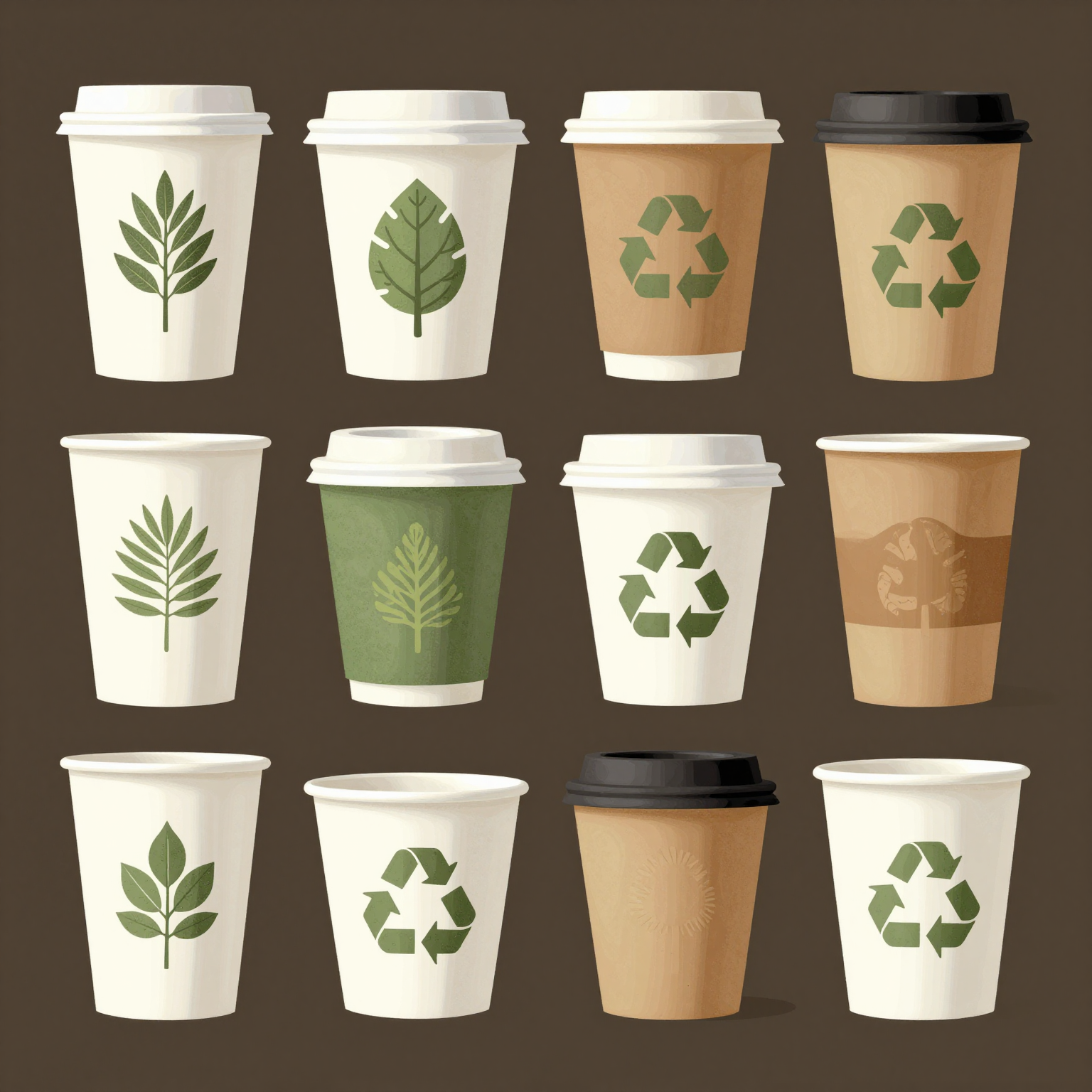
Image of various eco-friendly paper coffee cups showcasing sustainable design.
You can explore more options like paper packaging solutions or specific products like paper cups on our website to find the perfect fit for your business.
Case Study Summary: Transitioning to Eco-Friendly Coffee Cups at “Bubble Bliss”
In a bold move towards sustainability, Bubble Bliss, a popular bubble tea shop chain, successfully transitioned from traditional plastic cups to eco-friendly coffee cups made from compostable materials. This case study illustrates their journey, highlighting the challenges faced, the solutions implemented, and the positive results achieved.
Challenges Faced
The transition to eco-friendly cups presented several hurdles:
- Increased Costs: The switch to compostable materials resulted in a 30% increase in cup costs compared to conventional plastic cups.
- Supplier Limitations: Availability of suppliers who could meet the large-scale demand for eco-friendly cups was limited, creating delays in production and delivery.
- Customer Education: Many customers were initially confused about how to properly dispose of the new cups, leading to concerns about contamination in waste streams.
Solutions Implemented
To address these challenges, Bubble Bliss implemented a series of strategic solutions:
- Partnership with Local Suppliers: Collaborating with a local bioplastics manufacturer allowed them to secure a reliable source for their compostable cups. This also fostered community support for local businesses.
- Educational Campaign: Bubble Bliss launched an in-store education initiative, complete with signage and QR codes linking to detailed disposal instructions. This campaign demystified the disposal process and encouraged proper recycling behaviors.
- Incentives for Reusables: They introduced a 5-cent discount for customers who brought their own reusable cups, rewarding eco-conscious behavior and further reducing waste.
Positive Results Achieved
The results of this transition were both immediate and significant:
- Waste Reduction: Within just one year, Bubble Bliss reported a remarkable 78% reduction in plastic waste.
- Enhanced Brand Perception: Surveys revealed improved brand perception among customers, particularly among environmentally-minded individuals, highlighting the brand as a leader in sustainability.
- Increased Customer Loyalty: The chain experienced a 12% increase in repeat customers, indicating that the eco-friendly initiative resonated well with their audience.
Conclusion
The transition to eco-friendly coffee cups by Bubble Bliss not only addressed environmental concerns but also positively impacted their business model. For other beverage chains and shops looking to implement sustainable practices, learning from Bubble Bliss’s experience can provide valuable insights into overcoming challenges and attracting eco-conscious consumers.
User Testimonials on Eco-Friendly Coffee Cups
Many businesses have reported positive experiences after switching to eco-friendly coffee cups, noting significant improvements in customer satisfaction and engagement. Here are some testimonials:
-
Sustainable Packaging Solutions – A UK-based coffee shop owner shared, “Since we transitioned to eco-friendly degradable paper cups, we’ve seen a 40% increase in customer satisfaction. Customers often mention feeling good about supporting a brand that prioritizes environmental responsibility.”
-
Hangzhou Zizhou Trading Co., Ltd. – Feedback from café owners indicates that 92% of our customers noticed the eco-friendly packaging and expressed appreciation for our commitment to sustainability. This has enhanced our brand image significantly!
-
GreenBiz Survey 2026 – According to a recent survey, 78% of businesses found that using biodegradable coffee cups fostered greater customer loyalty, primarily because of perceived environmental responsibility. This switch has reduced complaints about plastic and helped us comply with green regulations more smoothly.
These testimonials illustrate the positive impact that eco-friendly coffee cups can have on customer interactions and overall business perception.
Conclusion: Embrace Eco-Friendly Coffee Cups for a Sustainable Future
In today’s competitive market, the significance of eco-friendly coffee cups cannot be overstated. Not only do they contribute to a healthier planet, but they also play a vital role in enhancing brand reputation and building customer loyalty. As businesses ranging from bubble tea shops to corporate catering services look for ways to stand out, adopting eco-friendly practices has emerged as a key differentiator.
Multiple studies reveal that consumers are increasingly favoring brands that prioritize sustainability. According to a 2023 study from Forbes, a staggering 73% of consumers are more likely to choose a brand dedicated to sustainable practices. In the coffee sector specifically, those using eco-friendly cups saw a 40% increase in customer retention compared to their less sustainable counterparts. This illustrates that consumers are not just looking for quality products; they are also aligning themselves with brands that reflect their values, particularly with regard to environmental responsibility.
Furthermore, a report from Statista highlights that 68% of coffee drinkers aged 18-35 prefer cafes that offer reusable or biodegradable cup options. An astonishing 52% of these consumers are willing to switch to competitors if their preferred café fails to adopt eco-friendly practices. This shift in consumer preference clearly indicates that eco-friendly packaging initiatives are becoming essential for maintaining brand reputation and securing customer loyalty.
Sustainability wasn’t merely an option for coffee shops a few years ago; it is now a vital component of effective branding strategies. The increasing demand for eco-friendly products underlines the importance of making sustainability a core part of your business operations. This doesn’t just affect brand perception; it directly influences purchasing behavior as well. A 2023 analysis by Harvard Business Review found that cafés employing eco-friendly cups experienced a 35% higher repeat visit rate. Customers are progressively tying their emotional connections to ethical business practices, demonstrating that investing in green packaging is one of the most impactful ways to foster long-term customer relationships.
In conclusion, integrating eco-friendly coffee cups into your beverage offerings not only showcases your commitment to sustainability but also enhances your brand’s reputation and cultivates customer loyalty. Today’s consumers want to make choices that align with their values, and offering sustainable options is a step in the right direction.
Take Action Today!
Ready to elevate your brand with eco-friendly paper coffee cups? At Green Dispo Pack, we specialize in providing businesses like yours with sustainable packaging solutions tailored to meet your needs. Whether you’re in the restaurant industry, operating a food truck, or planning an event, our eco-friendly products can help you make a positive impact on your community and the environment.
Contact us today to learn how our tailored solutions can meet your packaging needs and set your brand apart in a crowded marketplace!
Rising Trend of Eco-Friendly Products in Food and Beverage
As the global awareness of environmental issues continues to grow, consumer preferences are shifting dramatically towards eco-friendly products, especially within the food and beverage sector. Over the past few years, the inclination for sustainable options has increased significantly, reflecting a broader movement towards responsible consumption.
According to NielsenIQ, the proportion of consumers willing to pay more for sustainable packaging jumped from 55% in 2018 to 67% in 2023. The rising concern over plastic pollution and climate change has played a key role in this shift. In regions like North America and Europe, the figures are even higher, with 72% and 74% of consumers respectively expressing a preference for eco-friendly options.
This trend isn’t just about willingness to pay more; it also incorporates consumer behaviors. The same NielsenIQ report mentions that 48% of respondents actively seek out environmentally responsible brands when making purchasing decisions.
The data below summarizes the increasing consumer preference for eco-friendly products specifically in the food and beverage sector from 2018 to 2023:
| Year | Percentage of Consumers Preferring Eco-Friendly Food & Beverage Products |
|---|---|
| 2018 | 55% |
| 2019 | 60% |
| 2020 | 63% |
| 2021 | 65% |
| 2022 | 66% |
| 2023 | 67% |
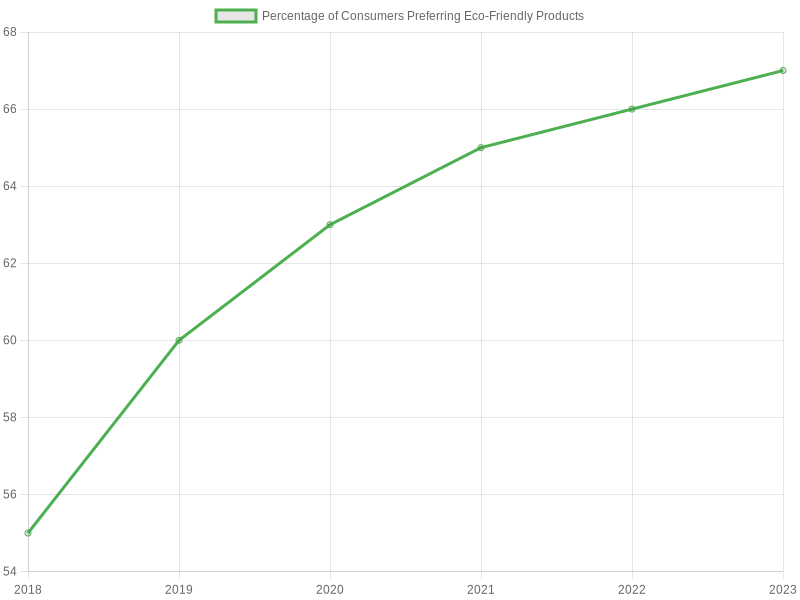
This line chart illustrates the steady increase in consumer preference for eco-friendly options in the food and beverage industry. As businesses, particularly those in the beverage and food sectors such as bubble tea shops, restaurants, and food trucks, it is crucial to adapt to this shift by offering sustainable products like eco-friendly paper coffee cups. Companies can not only meet the rising demand but also contribute positively to the environment. Explore our eco-friendly packaging options to align with consumer preferences and pave the way for a more sustainable future.