
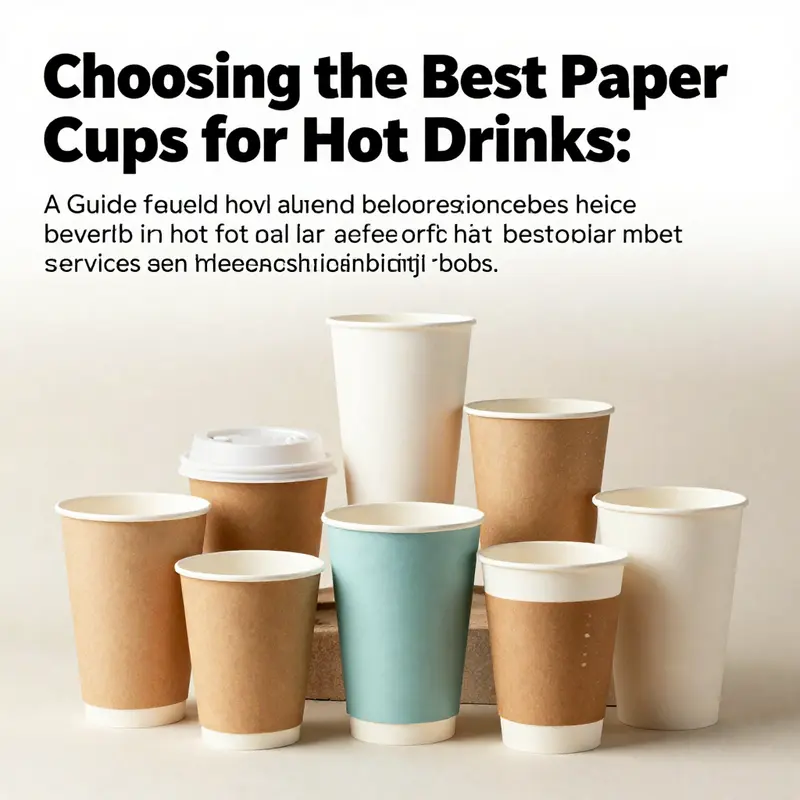
For beverage professionals, selecting the right paper cups for hot drinks is pivotal not only for customer satisfaction but also for showcasing brand commitment to sustainability. This guide delves deep into the essential features, materials, customization options, and real-world applications of paper cups designed for hot beverages. Every chapter will equip you with insights to elevate customer experiences across your bubble tea shop, restaurant, food truck, catering service, or event planning outfit. From understanding the performance capabilities of double-wall designs to exploring eco-friendly materials and branding opportunities, this comprehensive overview is tailored to assist you in making informed and impactful choices.
The Warmth You Can Hold: Double-Wall Paper Cups as the Benchmark for Hot-Drink Performance
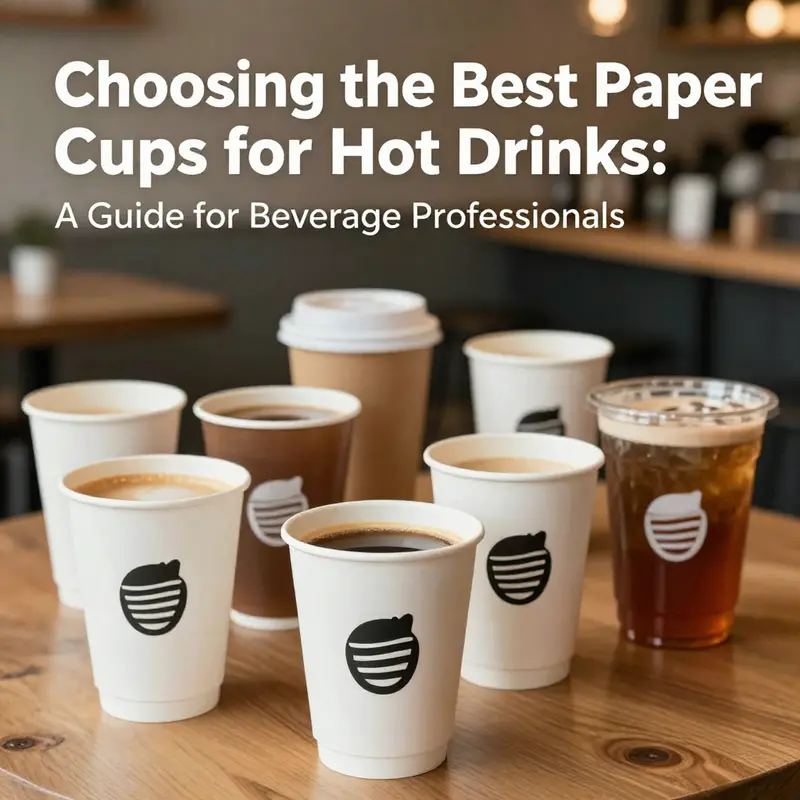
At the heart of every hot beverage experience lies more than aroma and flavor. It rests in the humble cup that carries the drink from the barista’s station to the customer’s hands. The best paper cups for hot drinks do more than hold liquid; they balance heat, safety, and branding in a single, functional package. The most successful designs are quiet partners in a busy café or office lounge, not distractions. They keep a drink hot enough to savor, protect hands from scalding, resist leaks, and present a surface that can carry a brand without dominating it. In a marketplace crowded with options, the cup is the unsung hero of service quality, and its performance reverberates through every step of the customer journey, from the pour to the sip to the final impression left on the counter and in the memory of the brand.
Central to that performance is double-wall construction. An air gap sits between two sheets of paper, creating a thermal barrier that slows heat transfer from the hot liquid to the outside surface. The effect is practical as well as perceptual: the drink remains hot longer, while the outer layer stays cool to the touch. Customers perceive comfort even when the beverage is hotter than expected, which translates into a more relaxed, confident sipping experience. For operators, this means fewer complaints about hot sleeves slipping off or burned fingers, and a workflow that feels dependable rather than improvised. The design also signals professionalism in environments where customers judge quality by every physical cue, from cup heft to the finish on the sleeve and the precision of the print. Double-wall cups become a promise that the moment of service will be smooth and predictable, even during peak hours when the pressure is on and the line is long.
Material quality matters, too. Cups intended for hot beverages must be built from food-grade paper with a dependable barrier against liquid permeation. The inner lining, typically polyethylene or a similar polymer, protects the paper core from soaking and helps prevent leakages. Eco-conscious buyers increasingly seek options that pair safety with responsible stewardship. A growing segment includes cups that are compostable or biodegradable, designed to minimize end-of-life waste without sacrificing rigidity or heat retention. Some suppliers even offer fully printable, ripple-textured double-wall configurations that emphasize texture as well as sustainability, letting brands communicate care for the planet while delivering a premium feel in the hand. These materials are chosen not only for their immediate performance but for their compatibility with a modern lifecycle approach, where end-of-use handling matters as much as the cup’s moment of use.
Branding and customization break from the generic into the strategic. In a crowded market, a cup becomes a moving billboard for a café or company. The best options support 1-6 color flexo printing with food-grade ink, letting logos, taglines, and seasonal graphics travel with the drink itself. The flexibility to tailor sizes—from small 8 ounces to generous 24 ounces—allows a business to standardize its service without sacrificing the opportunity to create a memorable moment with each cup. The interplay between performance and appearance matters because the cup is, in many ways, the first point of contact between customer and brand. A well-branded cup signals consistency and quality, reinforcing the message that the beverage inside deserves careful handling and attention to detail. When a brand sits down with the cup’s surface as a canvas, it gains a tangible extension of its story, one that travels with the customer from the counter to the desk and back again, turning a routine purchase into a recognizable, repeatable ritual.
For practical operations, compatibility with dispensing and handling equipment is not optional. Cups are designed to fit into common hot beverage machines, cup dispensers, and takeaway systems with predictable accuracy. Even minute details—such as the precise shell diameter and cup height—reflect engineering that supports efficiency on a busy floor. When staff grab a cup, they rely on crisp, uniform dimensions to ensure a seamless flow from pour to service. A well-made double-wall cup balances structural integrity with a comfortable grip, so customers can hold their drink firmly without the awkward wobble that can occur with thinner, single-wall designs. The result is a smoother production line, fewer misfeeds, and a more dignified customer experience. The outer surface remains comfortable to touch even as heat remains trapped inside, a balance that reduces the need for extra sleeves and simplifies the service protocol.
From the consumer’s perspective, the double-wall cup is a practical ally. Heat stays in the drink, not on the operator’s sleeve, a distinction that reduces awkward interruptions during meals and meetings. The outer surface remains cool enough to touch for a confident grip, even as steam wafts up from the beverage. Some education around material choices helps, too. While many people assume that all paper cups are equally sturdy, the reality is that double-wall architecture can deliver a real difference when beverages are served in busy venues or outdoors where temperature swings are common. Even flavor perception benefits when the cup doesn’t transfer heat to the cup sleeve or the lips, allowing the drink’s aroma and mouthfeel to come through more clearly. The cup becomes part of the sensory chain—shape, texture, and tactile feedback all contributing to a more satisfying experience. In this sense, the cup elevates the beverage rather than merely containing it.
Cost and environmental impact are part of the decision matrix. Premium, double-wall cups typically cost more upfront than standard single-wall options, but the performance gains—less waste from sleeves, reduced risk of leaks, and a stronger branding platform—often justify the premium for operators focused on customer experience and sustainability. Environmentally minded buyers increasingly favor options that are compostable or biodegradable, provided they also meet safety standards and performance expectations. The ability to choose a cup that aligns with a café’s or company’s sustainability goals without compromising on heat retention or durability is a powerful lever in modern packaging strategy. Companies can emphasize responsible sourcing, post-consumer recyclability, and compostability as part of their storytelling, turning a simple vessel into a statement of values. The broader market response reflects a shift toward materials and processes that honor resource stewardship while delivering the reliability customers expect when they buy a hot drink.
Choosing the right cup means balancing the trifecta of heat, hands, and horizon. The best options combine double-wall insulation, reliable food-grade materials, and a lining that holds strong even under long, hot pours. They support vibrant branding through flexible printing while remaining compatible with the equipment that makes an operation run smoothly. And they respond to a changing market where consumers increasingly demand eco-friendly solutions that do not ask them to compromise on performance. For businesses evaluating options, a practical approach is to weigh the relative importance of heat retention, comfort, branding, and end-of-life considerations. A trade-off exists, as it does in most packaging choices, but the most robust cups manage to minimize compromises across all four dimensions. In other words, the cup is not merely a container; it is a strategic asset that can reinforce a brand’s promise of quality and responsibility with every hot sip.
To illustrate how these principles translate in the real world, imagine a typical café lineup or a bustling office break room. A double-wall cup allows the barista to pour a hot beverage without the risk of scorching fingers or the need to wrap the cup in a sleeve. Regulars can savor the aroma and flavor longer, while the cup’s surface remains approachable to the eye and touch, inviting a moment of pause before the next order. The branding on the cup—the color, the typography, and the feel of the texture—contributes to a cohesive customer journey that extends beyond the drink itself. The result is a consistent, reliable experience that supports repeat visits and word-of-mouth recommendations. The cup becomes a small, portable ambassador for a brand’s values, quietly reinforcing messaging about care, craft, and consideration for the environment.
For readers who want to explore a concrete option that aligns with these characteristics without naming specific brands, consider kraft hot double-wall disposable cups. This category exemplifies the fusion of performance, durability, and sustainable design that defines the modern hot-drink cup. It is not merely about keeping heat in; it is about offering a product that feels comfortable in the hand, looks polished on the counter, and responds to branding ambitions with easy customization. The choice matters because a cup shapes the receiver’s perception of quality even before the first sip. When a menu or a branding brief elevates the cup to a deliberate design element, the entire beverage experience rises in consequence. The narrative surrounding a cup—from the way it is printed to the way it feels when held—becomes part of the customer’s memory, and that memory can influence future decisions about where to spend money and time.
Looking ahead, the market is unlikely to settle for the status quo. Innovations in materials, coatings, and printing methods continue to push what is possible in hot-drink packaging. Growth in sustainability standards means more cups designed for composting or recycling, even as performance standards demand higher heat resistance and moisture protection. Brands that lean into these trends early will not only deliver superior customer experiences but also demonstrate a commitment to responsible consumption in an era where waste and climate impact matter to consumers. In this light, the best paper cup for hot drinks emerges not as a single product but as a family of interrelated choices: double-wall structure, food-grade materials, thoughtful lining, clear branding potential, and a lifecycle that honors both people and the planet. This is the core of modern packaging philosophy: a vessel that respects heat, a hand that appreciates comfort, and a story that resonates well beyond the counter.
For those curious about a practical, kraft-based option, see kraft hot double-wall disposable cups. kraft hot double-wall disposable cups.
External resource: https://www.amazon.com/GUSTO-12-oz-Paper-Hot-Cups/dp/B0BQXZKJ2P?th=1
Heat, Hold, and Footprint: Materials, Insulation, and Sustainability in the Best Paper Cups for Hot Drinks
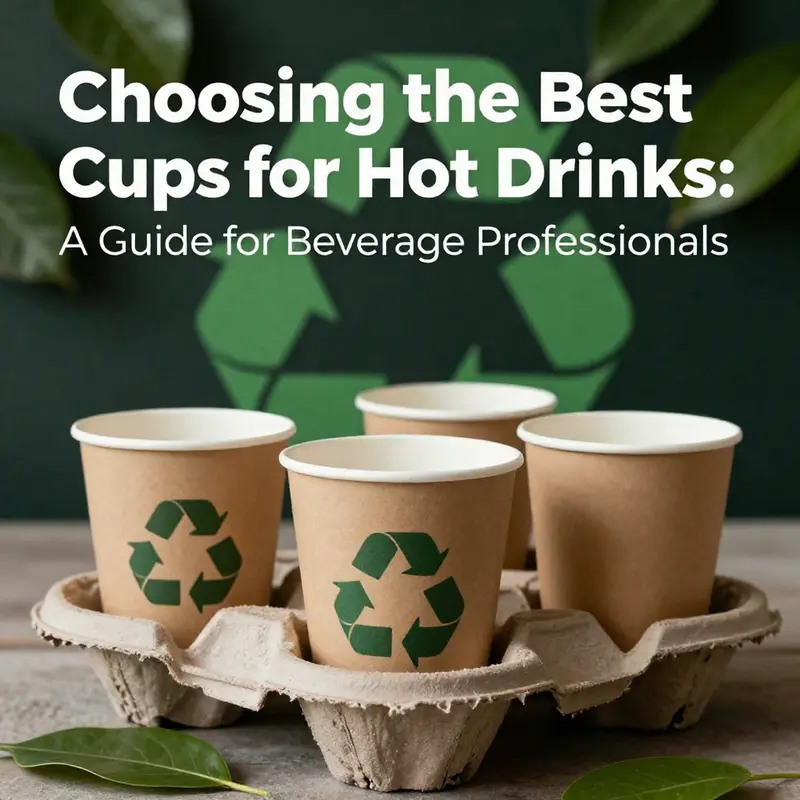
Materials, insulation, and environmental responsibility form a single through line for anyone selecting the best paper cups for hot drinks. In modern coffee culture, a cup is not just a container but a co-actor in the experience—fueling the aroma, shaping the handfeel, and carrying a brand’s promise of care for the planet. The material choices behind these cups—double-wall construction, coating types, and the source of the paper—all converge to determine how well a drink stays hot, how comfortable it remains to hold, and how the cup behaves at the end of its life. The double-wall design sits at the heart of heat management. By sandwiching two layers of paper with an air gap between them, this structure minimizes heat transfer to the exterior surface and dramatically improves the user’s ability to cradle a hot beverage without concern for burnt fingers. The air pocket acts as a quiet thermal barrier, so the drink stays warm longer while the outer wall remains cool enough to touch. This balance is especially important in environments where customers linger—think specialty coffee shops that want a premium, slow-pouring impression, or bustling takeaway points where speed matters but the user still deserves a comfortable feel in their hands. In practice, the double-wall cup signals quality and professionalism even before the contents are tasted, a subtle but powerful cue in a crowded market.
Beyond the feel and the heat, the material profile of a hot-drink cup determines how cleanly it can be disposed of and what happens to it after its use. The lining that sits inside the cup is a critical detail. The older standard, a polyethylene (PE) lining, provides excellent moisture resistance and a robust barrier against leaks and sogginess. It keeps the cup strong under heat and helps prevent the inner paper from weakening when hot beverages are poured. Yet PE complicates recycling because many curbside programs struggle to separate the plastic lining from the paper, often relegating the cup to landfill or requiring facilities with specialized processes. This challenge has pushed many suppliers to explore alternatives that align with broader sustainability goals.
One such alternative is a polylactic acid (PLA) lining. PLA is derived from renewable resources like corn or sugarcane and is marketed as compostable under industrial conditions. The shift toward PLA mirrors a larger consumer and regulatory push toward lower-carbon, more circular packaging. When a cup is PLA-lined, it can be part of a composting stream in facilities equipped to handle it, reducing the associated end-of-life footprint. The distinction between these coatings is not just about compostability; it also influences the cup’s performance under heat, its moisture management, and the ease with which a business can communicate its environmental stance to customers. In essence, the coating becomes a hinge between practicality and responsibility.
From a sustainability lens, the story becomes more complex as we consider the paper itself. The most sustainable choice begins with responsibly sourced fiber—paper that comes from recycled streams or from sources certified by recognized schemes such as the Forest Stewardship Council (FSC). Virgin paper is not inherently wrong; it can offer consistent quality and supply, but its environmental impact depends on forest management practices and the efficiency of fiber use. Cups crafted from responsibly sourced paper reduce deforestation pressure and bolster a closed-loop narrative when paired with a compatible end-of-life path. The coating and the fibers together shape not only how a cup performs in a café but how it behaves once it leaves that café.
The lifecycle perspective is essential here. A cup that is easy to recycle but requires significant energy to separate its layers may still carry a larger footprint than a cup that is compostable in an industrial facility but uses higher-grade, recycled content for its paper. This duality sometimes creates trade-offs. For instance, a PE-lined cup may perform exceptionally well in terms of moisture resistance and cost, but its end-of-life profile is often less favorable. Conversely, a PLA-lined cup can offer a better end-of-life option in the right facilities, yet it may be more sensitive to heat and microwaving conditions if the lining is not well integrated with the paper. The practical takeaway for operators is that the best cup is not a single attribute but a carefully balanced combination of double-wall insulation, compatible lining, and responsibly sourced, fiber-efficient paper.
For operators aiming to optimize both performance and sustainability, the California-influenced mantra of “buy smart, dispose wisely” should translate into a few concrete decisions. First, consider double-wall cups as the baseline for hot drinks. The insulation is widely regarded as essential for comfort and safety, especially in venues with high turnover or long customer dwell times. Second, choose the lining with a clear end-of-life plan. If the local waste system supports industrial composting of PLA-lined cups, that becomes an attractive option. If not, opting for a fully recyclable paper cup with a PE-free lining that can be separated by advanced recycling streams becomes a sensible compromise. Third, prioritize fiber sourcing. When a cup’s paper comes from recycled content or FSC-certified forests, the environmental payoff is magnified, because it reduces demand for virgin fiber and supports responsible forest management. These choices are not just about compliance or marketing; they shape the practical realities of waste management and resource use in a world that already grapples with disposable packaging at extraordinary scale.
The conversation about sustainability would be incomplete without acknowledging how coatings influence end-of-life outcomes. PE-coated cups are reliable and cost-effective, but they complicate recycling streams. PLA-coated cups often require industrial composting infrastructure to realize their environmental advantage, which may or may not be accessible in a given community. In some places, municipal or community composting programs accept PLA-coated cups; in others, they do not. The presence or absence of such facilities in a region will determine the footprint of a cup in practice. An informed decision often involves understanding local capabilities and aligning packaging choices with those capabilities. In addition, the concept of fully compostable cups—often certified to standards like ASTM D6400 or EN 13432—offers a persuasive narrative for customers who care about sustainability. Certification provides a measurable guarantee that the cup will break down under defined industrial conditions within a reasonable time frame. Yet certification does not automatically translate to universal applicability; it must be matched with local infrastructure and consumer behavior.
The section of the market that has shown the greatest enthusiasm for these more responsible options is the specialty café space and brands that want to foreground their commitment to environmental stewardship. In such settings, cups serve as more than vessels; they become ambassadors for quality and care. A double-wall, PLA-lined cup with FSC-certified paper can support premium branding while offering a tactile experience that reinforces the message of responsible consumption. The potential for customization adds another layer of value. Many suppliers offer full-color flexo printing on various cup sizes, enabling cafes to weave branding into the cup’s surface in a way that feels intentional rather than secondary. When a business can combine a strong thermal performance with a coherent sustainability story and visible branding, the cup becomes part of a holistic customer experience rather than a disposable afterthought.
It is important to pair these material realities with a realistic view of procurement and supply. Coffee shops, office break rooms, and takeaway services rely on consistent availability and predictable costs. The best paper cups for hot drinks must deliver on the core expectations of heat retention, structural integrity, and leak resistance, while also fitting the business’s sustainability goals and budget. For many, the solution lies in choosing a double-wall cup that uses PLA lining and responsibly sourced paper, and then partnering with suppliers who can provide transparent documentation about fiber origins, coating composition, and certification status. The ability to provide customers with a clear sustainability narrative—through labeling, in-store messaging, and even optional on-packaging signage—can be a meaningful differentiator in a crowded market.
Embedded in this discussion is the practical reality that not all environments will share the same capabilities or preferences. A small café in a dense urban neighborhood might prioritize a premium perception and a compostable pathway, while a large workplace might emphasize cost efficiency and a robust recycling stream. The guiding principle remains constant: let material choices align with the drink’s temperature profile, the desired user experience, and the local waste management ecosystem. In other words, the best cup is the one that performs well for the drink, respects the hands holding it, and harmonizes with how the community manages packaging after use. The traceability of raw materials, the transparency of the coating, and the clarity of the sustainability claim all converge to determine whether a cup successfully supports a brand’s values and a customer’s peace of mind.
To illustrate the broader implications, consider how a simple design feature—the inner lining—can ripple through the lifecycle of a product. PE-lined cups offer resilience against moisture and heat, which can translate into fewer leaks and less waste during service. This reliability is valuable in high-traffic environments. However, the recycling challenge posed by PE can introduce end-of-life uncertainties that alter a cup’s true environmental performance when measured across an entire system. In contrast, PLA-lined cups can reduce end-of-life concerns in facilities capable of industrial composting, but they may demand tighter controls over storage temperatures and transit to preserve the integrity of the lining. Each option embodies a different balance of risk, cost, and impact. Businesses should weigh these factors alongside consumer expectations and local infrastructure when curating a paper-cup program that truly aligns with their mission.
For those seeking a tangible stepping-stone toward better outcomes, a practical approach is to start with the double-wall baseline and then layer in a liner strategy that reflects local composting or recycling realities. This combination can yield a cup that feels premium, performs reliably under heat, and communicates a coherent sustainability message. And because aesthetics matter just as much as function, the ability to print branding across the cup surface enables businesses to turn packaging into a memorable touchpoint rather than a disposable afterthought. As consumer awareness grows, the preference for packaging that demonstrates environmental stewardship will continue to influence buying behavior, even for everyday hot drinks. When a brand succeeds in marrying performance, comfort, and responsibility, the cup ceases to be a mere vessel and becomes a credible proxy for a broader commitment to quality and stewardship.
For readers who want to explore related packaging innovations that echo these themes, a practical example is found in the ecosystem of eco-friendly, recyclable pulp cup holders. These accessories illustrate how even ancillary packaging can reinforce a sustainability narrative without compromising usability. They demonstrate that sustainability is a system rather than a single product attribute, inviting brands to think holistically about how cups, sleeves, lids, and holders work together to support both practicality and environmental responsibility. eco-friendly recyclable pulp cup holder
For readers seeking a broader frame of reference on best practices and standards governing hot-drink cups, an authoritative external resource offers a detailed guide to material choices, compostability, and real-world performance. This resource underscores the importance of standardization in helping buyers compare options across regions and suppliers. External reference: https://www.fuyangpaper.com/guide/what-are-the-best-paper-cups-for-hot-drinks/
Together, these threads—double-wall performance, coating choices, fiber sourcing, end-of-life pathways, and brand storytelling—create a coherent narrative about what makes a great paper cup for hot drinks. The goal is not simply to pick the most heat-retentive cup but to select a packaging solution that respects the drink, the consumer, and the environment in roughly equal measure. In practice, that means prioritizing transparency around material composition and lifecycle, seeking options that fit the local waste system, and embracing customization as a way to reinforce a credible sustainability message. When all these elements align, the cup becomes less disposable and more enduring as a component of a trusted, responsibly managed coffee experience.
Brewing Brand Identity: Customizing Double-Wall Paper Cups for Hot-Drink Excellence
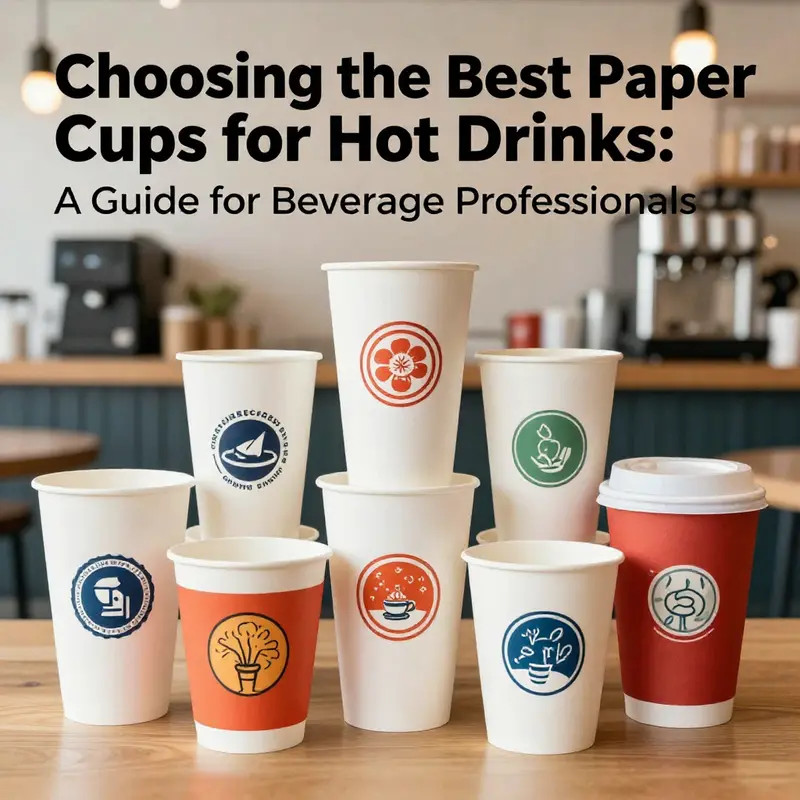
Choosing the best paper cup for hot drinks isn’t just about insulation. It’s about how branding rides on the surface of a vessel that customers hold before they sip. The best options weave performance with personality: an effective double-wall construction to keep hands comfortable and beverages hotter longer, a surface ready for logo design, and a supply chain that supports consistent branding across hundreds or thousands of cups. When you consider customers’ sensory experience—the warmth in their palms, the crisp feel of brand colors, the satisfaction of a cup that holds up through a busy service—the cup becomes a key touchpoint in the beverage journey. This chapter explores how customization and branding are not afterthoughts but core design decisions in selecting the right paper cup for hot drinks. It shows how material choices, printing capabilities, and sustainability goals converge to produce a cup that does more than hold liquid.
Material quality and insulation form the heart of hot drink performance. The double-wall geometry creates an insulating air gap that acts as a buffer, slowing heat transfer to the surface and to the exterior of the cup. This design keeps hands comfortable and helps beverages stay hotter for longer, a critical factor in both cafe service and at-home rituals. The outer shell is a high-quality food-grade paper chosen for strength and consistency, while the inside features a leak-proof lining that forms a barrier against moisture and leakage. For buyers who prize sustainability, the configuration also opens doors to compostable or biodegradable variants. In the best setups, the liner and barrier coatings are engineered so the cup remains safe and functional through the heat of espresso or tea, yet can be responsibly disposed of when a consumer is done. The outcome is a cup that feels sturdy in the hand, resists sogginess, and performs reliably across a busy service window, providing a foundation for a brand to stand behind with confidence.
Customization thrives on the printing surface. Printing capabilities exploit the surface area of the cup to carry logos, color palettes, and promotional messages with clarity. Many suppliers offer flexo printing in a range of colors using food-grade ink that meets safety standards for contact with hot liquids. The surface becomes a canvas for a brand’s identity, enabling a logo, brand colors, and tailored messaging to be visible from the moment a customer glances at the cup. With sizing options that span from 8 oz to 24 oz, a brand can apply a consistent identity across sizes or tailor campaigns to different beverages. Seasonal promotions can be expressed in color schemes that reinforce the mood of the campaign, while everyday branding solidifies recognition at a glance. The printing workflow, when done well, preserves legibility and color integrity even after exposure to heat and moisture. This harmony between design and production is essential, because a cup can travel through multiple hands and environments before it reaches the customer, and the branding needs to remain legible and true across every unit.
Beyond aesthetics, practical parameters shape the branding strategy. A suite of cup sizes—from compact 8 oz to generous 24 oz—demands a consistent print area, color fidelity, and structural reliability across all configurations. The weight of the paper matters as well: a heavier stock can convey a premium feel and supports sharper printing, while lighter weights reduce material use for lighter beverages. Sustainability is increasingly woven into the branding narrative. Options like kraft paper bodies with compostable linings or fully biodegradable materials allow brands to tell a green story without compromising performance. The supply chain responds to scale; many large producers and mills can deliver the throughput needed for multiple locations, with MOQs that make branded cups cost-effective at volume. This scalability supports uniform color matching and printing precision, enabling a seamless brand presence whether the cups are handed to customers at a drive-thru, in a shop, or at a pop-up. The branding program benefits from this alignment, because consistent mass production preserves the integrity of the design across every batch.
Sustainability and branding do not have to compete. Compostable or biodegradable options align environmental goals with consumer expectations for responsible packaging. Kraft paper bodies paired with compostable linings or fully biodegradable materials help brands reduce waste and communicate a commitment to the planet, which resonates with customers who increasingly view packaging choices as part of the product experience. The material choice becomes a narrative device that reinforces the brand’s values, particularly when supported by transparent sourcing and end-of-life options. In practice, cups designed for single-use contexts can still function within a broader sustainability framework: liners and coatings that facilitate composting, inks that break down along with the fibers, and partnerships with recyclers and composters that can process the cup stream. The cup thus becomes more than a container for a drink; it becomes a statement about the brand’s environmental stance, reinforced by visuals and messaging that customers encounter throughout the entire purchase and consumption cycle.
Turning a brand concept into thousands of printed cups requires a careful workflow. A design team translates logos, color palettes, and taglines into printable artwork and then collaborates with the manufacturer on proofs and color checks. Flexo printing supports 1-6 color designs, enabling brands to layer hues and gradients without compromising legibility. The approval cycle typically includes physical sample cups to confirm alignment, color accuracy, and ink safety. Once approved, production scales up, often guided by MOQs that enable economies of scale and consistent unit costs across batches. The relationship with the supplier becomes a strategic asset because color drift or ink wear can jeopardize a campaign that relies on precise brand cues. For brands seeking turnkey branding, there are options that emphasize design support, color matching, and packaging integration across sizes. This process ensures that the final product is not merely a vessel but a portable extension of the brand, a surface that carries the story from the barista station to the customer’s hand. In practical terms, many buyers look for a supplier that can deliver both the cup and the branding service in a streamlined package, helping to maintain consistency across outlets and campaigns.
Operational integration matters as much as aesthetics. The selected cups must fit standard hot beverage dispensers, cup sleeves, and lid systems used in cafes and takeaway venues. A well branded cup should glide through display cases and into takeaway orders without jamming equipment or compromising the beverage’s integrity. Because double-wall cups distribute heat efficiently, baristas can deliver a consistent experience across shifts, and customers can enjoy a reliable sip without fear of burns or sogginess. The branding layer should survive the journey from the counter to the table, and the print surface must resist wear from condensation while maintaining legibility of the logo and message. In the marketplace, buyers expect performance and personality in equal measure, and that convergence makes customization a strategic decision rather than a cosmetic add-on. As venues scale from a single shop to regional chains, a unified cup design becomes a recognizable asset in the brand family, reinforcing recognition with every order and supporting a cohesive brand experience across channels.
For brands aiming to implement a robust customization program, a practical model centers on a coherent design system, scalable production, and clear environmental storytelling. The design system ensures that logos, color codes, and typography translate consistently across cup sizes, with a single source of truth for brand assets. The production plan should align with service expectations—fast turnarounds for events, seasonal runs for promotions, and long-term stock for daily operations—balanced by MOQs that keep economies of scale favorable. Environmental narratives should be harmonized with the branding message to avoid mixed signals; transparency about sourcing, inks, and end-of-life options builds trust with customers who care about sustainability as a core value. For teams curious about concrete examples of branding in action, one easy starting point is to explore customizable options that illustrate how branding decisions surface on the cup, including possibilities like custom double-wall hot paper coffee cups with lid. This link demonstrates how a basic vessel becomes a branded asset and how the surface works as a canvas that customers carry long after finishing the drink.
Looking ahead, the cup as branding platform will continue to evolve. Advances in coatings and compostable materials promise greener footprints without sacrificing feel and performance. New production technologies may expand the color range and fidelity across all sizes, ensuring uniform brand identities even with complex designs. The focus remains simple: a cup that holds hot drinks securely, feels premium in the hand, and communicates the brand story with every grip. When material quality, heat management, printing capability, and sustainability align, they create a cohesive experience that travels beyond the beverage to the expectations customers form about the brand itself. The result is not merely a container but a portable ambassador for the brand, a tiny stage that travels from the espresso bar to the customer’s own kitchen, leaving a lasting impression.
External resource: https://www.alibaba.com/product-detail/Custom-Logo-Design-Double-Wall-Paper-Cups_1600745922188.html
From Thermal Mastery to Brand Elevation: Real-World Market Realities for Hot-Drink Paper Cups
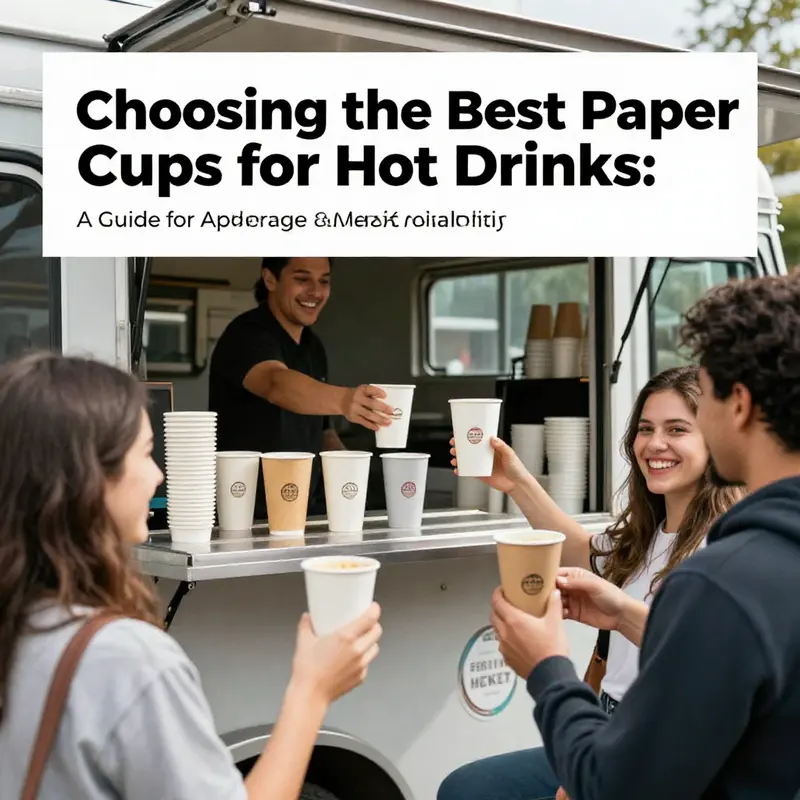
The demand for high-quality, reliable paper cups for hot drinks has moved beyond simple containment. It now mirrors the evolution of coffee culture itself: customers expect warmth, comfort, and a moment of ritual as they lift a cup to their lips, while operators seek efficiency, consistency, and a footprint they can stand behind publicly. Market analysts project a sustained rise in demand through the next several years, with a healthy CAGR that underscores how deeply embedded hot beverages have become in daily life, workplace routines, and social experiences. This growth isn’t driven solely by convenience. It is fueled by a combination of thermal performance, material science, and the storytelling power of branding. In real-world settings, those elements must come together in a single, dependable package—the cup that keeps a latte from cooling too quickly, prevents a burn, and presents a brand message with crisp clarity from the first glance to the final sip.
In practice, the foremost performers in hot-drink packaging are often the double-wall paper cups. The insulating air gap between two layers of paper acts as a quiet guardian against heat transfer, allowing beverages to stay hotter longer while keeping hands cool. In busy cafés, takeaway windows, and office break rooms, this dual-layer design delivers a tangible advantage: steam remains within the cup long enough to preserve aroma and flavor, while spill risk is reduced by a steady, confident grip. The double-wall structure also contributes to a premium look and feel, which matters in segments where presentation is part of the product experience. When staff or customers observe a cup that conveys quality at a glance, the overall perception of the beverage—espresso, tea, or chocolate—receives a boost that can translate into repeat business and word-of-mouth recommendations.
Yet durability and insulation would be incomplete without a careful choice of materials. Modern hot-drink cups rely on food-grade paper with a moisture barrier that performs under heat without compromising safety. The inner lining is typically a polyethylene (PE) layer that provides leak resistance and maintains structural integrity when hot liquids are involved. This combination—paper with a PE lining inside the double-wall configuration—ensures that hot beverages can be transported, stored, and served with confidence in a wide range of environments, from a quiet campus cafe to a bustling festival booth. For operators who are acutely aware of sustainability, there is a growing willingness to explore compostable and biodegradable options. The market is responding with better-performing eco-alternatives that still adhere to the practical demands of heat resistance and leak containment. As events, brand activations, and health-conscious considerations push for greener choices, cups and their linings are evolving to satisfy both regulatory expectations and consumer values.
The customization narrative is equally important. In the crowded landscape of beverage service, branding is a differentiator that travels with the cup long after the beverage is gone. Full-color flexo printing on food-grade inks enables a café or venue to project its identity with vivid, durable graphics on a fairly compact surface. The result is a mobile billboard that consumers interact with at the moment of purchase and in the moments that follow as they reach into bags or pockets. This capability is central to premium beverage branding, enabling operators to weave seasonal themes, loyalty messaging, or event-specific artwork into the cup design without sacrificing performance. The intersection of branding and functionality is what makes paper cups a versatile tool for small shops and large operators alike. A well-printed cup not only communicates a mood but also reinforces a sense of care and quality that customers translate into trust and preference.
Size variety matters, too. Cups range from compact 8-ounce offerings suited to single-serve beverages to larger 12, 16, and 20-ounce options designed for specialty drinks and comfort beverages. The choice of size is less about sheer volume and more about optimizing heat retention, handling comfort, and equipment compatibility. Some environments require precise dimensional accuracy to fit dispensing equipment or heat-holding risers, while others benefit from a broader range of sizes to accommodate different drink temperatures and foam levels. The ability to pair an appropriate size with a dependable double-wall design creates a durable platform for service consistency across shifts, locations, and even seasons.
Market availability and supply chains complete the picture. Across major manufacturing hubs, there is substantial capacity to produce large orders with consistent quality. Bulk orders of tens of thousands of cups can often be sourced at highly competitive unit prices, while regional suppliers keep accessibility high for smaller operators or trial campaigns. The spectrum of available options has expanded to include eco-friendly variants that emphasize compostability and biodegradability, catering to events and brands seeking to minimize environmental impact without compromising usability. This shift toward sustainability is not purely aesthetic; it reflects the needs of customers who are increasingly mindful of waste and lifecycle considerations. In many regions, compostable or fully recyclable cup options are integrated into localized sustainability programs, making it easier for businesses to align packaging choices with broader corporate or event goals.
From a supply-chain perspective, platforms that connect buyers with verified suppliers help ensure consistency and safety. For businesses planning large deployments, knowledge of capacity, lead times, and minimum order quantities becomes a critical factor in budgeting and rollout timing. The ability to specify cup capacity, material composition, and printing options up front reduces friction during procurement and supports smoother implementation across multiple outlets or events. When a cup is designed with both functional reliability and brand coherence in mind, it becomes less of a disposable item and more of a strategic asset in the company’s customer experience ecosystem.
In real-world terms, the best cups for hot drinks embody a balance between heat management, leak resistance, and branding potential. A double-wall cup with a PE lining consistently delivers on heat retention and structural integrity, while offering the room to showcase a company’s identity through customization. The base performance of the cup is the stage upon which branding can play its part. If heat loss is minimized and the cup remains comfortable to hold, the beverage’s aroma and temperature profile stay consistent as customers approach the counter, pay, and step away. When branding is integrated cleanly—colors, logos, and seasonal graphics that don’t sacrifice legibility—the cup becomes a portable ambassador, reinforcing the brand story at the moment of truth: the first sip.
For buyers, a practical decision framework emerges from these observations. Start with thermal performance as the non-negotiable foundation. A robust double-wall design with an effective inner barrier is essential to deliver a reliable experience across the busiest service hours. Then consider material choices that align with sustainability goals. If compostable or biodegradable options are feasible within the operation’s waste streams and regulatory context, they should be evaluated alongside cost and supply reliability. Finally, factor in customization as a value add rather than a mere cost center. If branding and customer experience are priorities, a flexible printing program with multiple color options can provide meaningful returns through stronger recall and perceived value. In this regard, even the most practical choice can become a differentiator that resonates with customers who are increasingly discerning about packaging and the stories they support with their purchases.
In the broader market, the real-world availability of these cups is supported by the ability to source from multiple channels. Large-scale manufacturers can meet high-volume demands with consistent quality, while regional suppliers offer agility for pilots, pop-ups, or short-term campaigns. Pricing dynamics reflect this diversity: bulk buyers can secure lower unit costs, while smaller orders benefit from lower MOQs and faster turnaround times. Importantly, the market’s pressure toward sustainable materials does not render performance obsolete. Instead, it challenges suppliers to deliver both reliability and eco-conscious options without forcing a trade-off that would degrade the customer experience. For operators, this means a broader spectrum of designs, finishes, and environmental profiles that can be tailored to the setting, the audience, and the mission of the brand or event.
Within this landscape, a practical example of how these factors coalesce can be seen in the way a typical coffee-to-go workflow is designed. A hot beverage is brewed, poured into a double-wall cup with a PE lining, and presented with careful branding that’s legible in a single glance. If the cup is easy to grip and the lid seals securely, the beverage travels from bar to table or car seat with minimal risk of leakage or scalding. The consumer’s perception—the sensation of warmth, the scent, the visible branding—becomes part of the overall experience rather than a separate afterthought. When such cups are distributed across locations, the consistency of the experience reinforces brand familiarity, making the ritual of choosing a beverage feel reliable and familiar rather than incidentally convenient. This is where the real-world value lies: not only in keeping a drink hot but in turning every sip into a small, repeatable interaction that strengthens a customer’s relationship with the brand.
For operators curious about specific procurement paths, there is value in exploring how various suppliers articulate their capabilities—from printing capabilities to liner options and recycling streams. It is not enough to know that a cup can hold a hot beverage; one must understand how it performs over time, how it integrates with dispensing equipment, and how its end-of-life pathway aligns with the business’s sustainability commitments. The practical takeaway is clear: when choosing among hot-drink cups, prioritize designs that deliver consistent thermal performance, reliable leak resistance, and a flexible branding platform. This trio of features enables operators to scale service with confidence while offering customers a tangible sense of care in every cup.
As the market continues to grow and adapt, the opportunities for real-world experimentation expand as well. Brands and venues can test different branding approaches, vary cup sizes to optimize throughput, and explore eco-friendly variants to meet event-specific or community values. The result is a packaging ecosystem that is not only functional but also expressive, capable of carrying a message as enduring as the beverage it contains. In this sense, the best paper cups for hot drinks become more than a tool for serving beverages; they become a conduit for quality, sustainability, and identity that travels with the drink from the moment it is prepared to the moment it is enjoyed.
For readers who want a concrete starting point in this evolving space, consider examining options that align with the core requirements of heat retention, safety, and branding potential. A practical reference point in the market is a disposable kraft thick paper cup designed for hot drinks, which merges foundational performance with flexibility for customization. disposable kraft thick paper cup for hot drinks. This option embodies the balance that researchers and practitioners look for: a sturdy, heat-resistant shell that can be printed with identity and message while remaining compatible with standard lids and dispensing systems. It is through such practical, tested configurations that brand experiences are built, one cup at a time.
In sum, the real-world application and market availability of the best paper cups for hot drinks rest on three pillars: robust thermal performance through thoughtful cup geometry and material choice; versatile branding that translates on a cup as effectively as it does on a storefront window; and a market ecosystem that supports sustainable options without sacrificing reliability or cost efficiency. When these elements converge, operators can deliver a consistently excellent customer experience across locations, occasions, and services. The cup ceases to be a disposable item and becomes an integral component of the beverage journey, one that reinforces comfort, trust, and brand attachment with every grip and every sip. External research confirms that this convergence will continue to drive growth and innovation in the sector, as consumer expectations shift toward higher-quality packaging and more responsible choices. For those seeking to anchor their decisions in broader market intelligence, consult the latest market analysis resources to understand the trajectory of demand, materials, and consumer preferences shaping hot-drink cups today and into the near future: https://www.marketresearchfuture.com/reports/paper-cups-for-hot-drink-market-10923
Final thoughts
Selecting the best paper cups for hot drinks is a multifaceted decision that combines performance, sustainability, customization, and application in real-world scenarios. With options like double-wall designs for thermal insulation and eco-friendly materials supporting sustainability, your beverage business can cater effectively to modern consumer preferences. Moreover, creative branding on these cups can enhance your identity, making every sip memorable for customers. By prioritizing quality paper cups, you not only elevate customer experience but also align with the growing demand for responsible packaging solutions in the beverage industry.