

In today’s multifaceted service environments, disposable bathroom paper cups have emerged as a cornerstone for maintaining hygiene and convenience. Found in settings like bubble tea shops, restaurants, food trucks, and corporate events, these paper cups not only fulfill practical needs but also reflect a commitment to cleanliness and sustainability. This article delves into five pivotal chapters that explore the applications of these cups in public health, their sustainable material choices, current market trends, unique design features, and a comprehensive comparison with reusable options. Together, these insights will equip businesses with the knowledge to enhance customer experience while prioritizing hygiene and environmental responsibility.
Hygiene in Motion: The Role of Disposable Bathroom Paper Cups in Public Health Environments
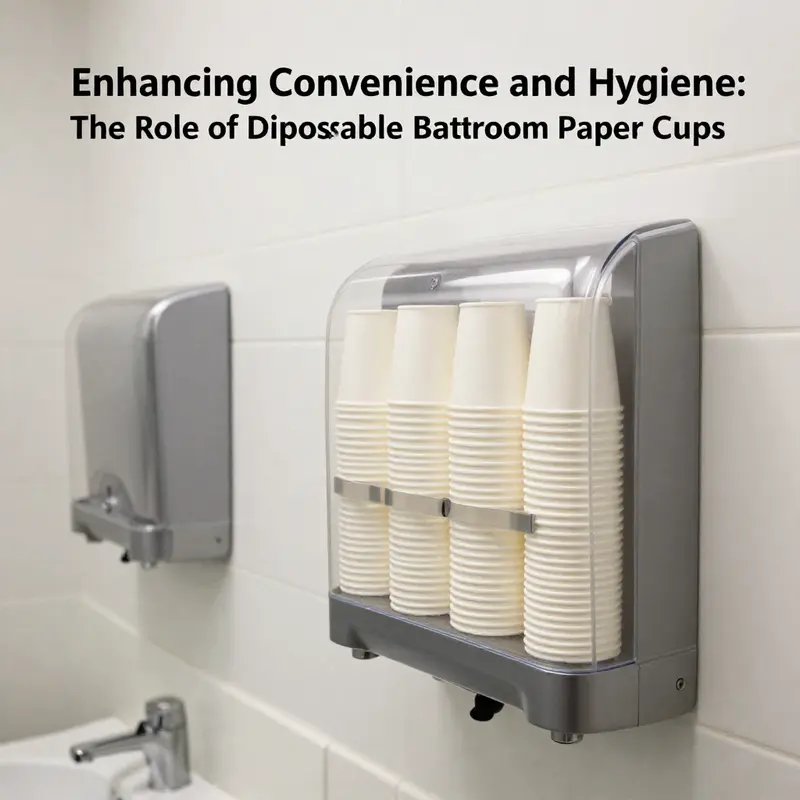
In the daily tempo of public health settings, the quiet reliability of a small cup can ripple through patient safety and operational efficiency. Disposable bathroom paper cups, though humble in size, operate at scale to support hygiene, comfort, and streamlined care. They are designed for convenience and rapid disposal, typically holding three to four ounces of liquid. This modest capacity is enough for a patient to rinse, take a sip of water, or administer a measured dose of medication without creating clutter or contamination risks. In many hospitals, clinics, nursing homes, and outpatient facilities, these cups are distributed via wall-mounted dispensers placed near sinks and treatment rooms. The design encourages users to access a clean, single-use vessel without crowding the counter or sharing a cup that could become a vector for cross-contamination. The result is a simple, almost invisible layer of infection control that functions behind the scenes, allowing clinicians to focus on more complex tasks while preserving hygiene and patient dignity.
The single-use model is central to their value in public health settings. Reusable cups, even when meticulously cleaned, carry a small but nonzero risk of harboring microbes between uses. In contrast, once a cup has fulfilled its purpose, it is discarded. This fundamental shift from cleansing to replacement eliminates a range of cross-contact scenarios common in high-traffic environments. Across wards, examination rooms, and restrooms, the presence of these cups helps reduce the frequency of contact between multiple patients and shared surfaces. They are used for a spectrum of routine needs: drinking water during long procedures, rinsing after dental care or mouthwash, and even the safe administration of oral medications when a patient’s appetite or mobility makes other methods impractical. The routine is simple, but its impact accumulates: fewer opportunities for cross-infection, faster patient turnover, and clearer workflows for busy staff who must allocate time to care rather than to cleaning and re-sanitizing cupware.
From a design perspective, the material choice and structural integrity of disposable bathroom paper cups matter as much as their single-use nature. In healthcare environments, cups are typically crafted from BPA-free, food-grade materials that meet or exceed safety standards for contact with liquids. They must withstand the moisture and temperature variations common in clinical settings without leaking or tearing. For patients who may be receiving mouthwash or medicated rinses, the cups need to maintain shape and form even when wetted. A cup that collapses, sags, or leaks can cause spills, create slippery surfaces, and compromise infection control. Therefore, manufacturers emphasize leakage resistance, tear strength, and consistent performance across a range of liquids—from plain water to viscous mouthwash. In practice, these specifications translate into durable, reliable cups that support smooth, uninterrupted care.
The behavior of the dispenser itself is another crucial piece of the hygiene equation. Wall-mounted cup dispensers are chosen not only for their space-saving profile but also for their ability to promote orderly, hygienic use. They provide easy accessibility for patients and staff, reducing the need to touch multiple surfaces or handle items that could become contaminated. A well-designed dispenser is easy to clean, resistant to fingerprints and splashes, and straightforward to maintain. Staff can monitor usage at a glance through transparent or clear housing, which makes it simple to detect when stock is running low and to schedule timely restocking. This visibility helps prevent shortages during peak usage periods, such as morning rounds or post-procedure recovery phases, ensuring that a clean cup is always available where it is most needed. The result is a frictionless workflow that supports patient care rather than interrupting it with supply gaps or cleanup tasks.
Beyond individual use, the integration of disposable cups with institutional waste and sustainability goals reflects a broader public health mission. Many facilities strive to balance infection control with environmental responsibility. While the primary function is safety, there is also an awareness of waste streams and lifecycle effects. In this regard, compatibility with compostable or recyclable cup options plays an important role when feasible within a hospital’s or clinic’s waste management system. The choice of cup and dispenser can influence downstream handling—whether cups are directed to recycling streams, compost bins, or standard waste. When sustainability goals are pursued, facilities often undertake careful assessments of end-of-life options, ensuring that the chosen cups align with local guidelines and infrastructure. This dual focus—minimizing pathogens while reducing environmental impact—reflects a matured view of public health that recognizes how everyday items contribute to long-term health outcomes.
Procurement and operation in public health spaces require a careful balance of safety, cost, and reliability. The economics of single-use cups extend beyond the sticker price on a box. While the per-cup cost is typically modest, the aggregate expense grows with patient volume, turnover, and the duration of a facility’s operations. Yet even here, the savings from reducing cross-contamination can be substantial, particularly in high-traffic areas or during flu season, when crowding and infection risks rise. An advantage of these cups is their predictable performance. They do not require the same sterilization cycles as reusable alternatives, and they avoid the labor and chemical costs associated with washing and drying. Operationally, facilities can optimize inventory by pairing wall dispensers with standardized cup sizes that suit a broad range of uses. This standardization supports quick training for staff and easier quality control across departments.
In conversations about supply, facilities often evaluate bulk options that optimize both cost and convenience. For example, procurement discussions sometimes reference bulk offerings that promise affordability without sacrificing safety. A representative option described in supplier catalogs embodies a practical balance of price, size, and material integrity—an 8-ounce, single-wall cup that is designed to be sturdy yet economical for widespread distribution. The idea is not to shoehorn every setting into a one-size-fits-all solution, but to provide dependable, scalable choices that can be deployed across diverse departments. When such options are considered, it is common to weigh compatibility with existing dispensers, the availability of compatible lids or accessories, and the ease of disposal in a hospital’s waste streams. In many facilities, the decision process also involves input from infection prevention teams, environmental services, and front-dline clinicians who understand how these small vessels move through real-world routines.
To illustrate how procurement can translate into everyday practice, imagine a typical clinical corridor where a wall dispenser sits near the sink in each room. A patient takes a mouthwash rinse, or a nurse hands a cup to a patient with a medication cup to administer a small dose. The simplicity of the act is precisely what makes it powerful: no waiting, no queuing, no cross-contact with others’ cups. The patient’s experience remains dignified and straightforward, a quiet reassurance that basic hygiene is reliably supported by infrastructure rather than left to chance. This is the value proposition of disposable bathroom paper cups in public health: a practical, scalable tool that helps maintain a sterile environment while enabling care teams to focus on the tasks that truly require specialized attention.
From a policy perspective, the use of disposable cups aligns with broader infection prevention standards and waste management goals that many public health organizations advocate. While single-use items are not a universal solution for every setting, in high-touch, high-traffic environments they offer a straightforward path to standardization, predictable hygiene outcomes, and smoother workflows. The conversation about them is as much about design and supply chain resilience as it is about microbiology and patient safety. As institutions continue to evolve toward more sustainable practices, the challenge will be to harmonize single-use convenience with advances in materials science—pursuing cups made from recycled fibers, exploring compostable or recyclable formats, and ensuring that disposal remains efficient within hospital waste streams. In other words, the cup itself becomes a bridge between momentary hygiene and long-term stewardship.
In closing, the humble disposable bathroom paper cup serves as a micro-foundation of public health operations. It supports patient safety through a simple, tangible action—providing a clean, single-use vessel for water, rinsing, and medication administration. It enables smoother care delivery by aligning easily with wall-mounted dispensers and standardized workflows. It also reflects a growing responsibility to manage waste thoughtfully without compromising infection prevention. The next chapters will extend this theme, examining how packaging choices and surface materials intersect with hygiene, and how facilities can balance performance, cost, and sustainability in a world where every small decision contributes to a healthier, safer environment. For those seeking a concrete procurement example, see the internal option Best-price 8oz double plastic-free single-wall paper cup as a representative anchor for bulk, safe, and economical choices. External reference: https://www.wayfair.com/bathroom-accessories/p21560478/.
Between Convenience and Care: Material Realities and Sustainability of Disposable Bathroom Paper Cups
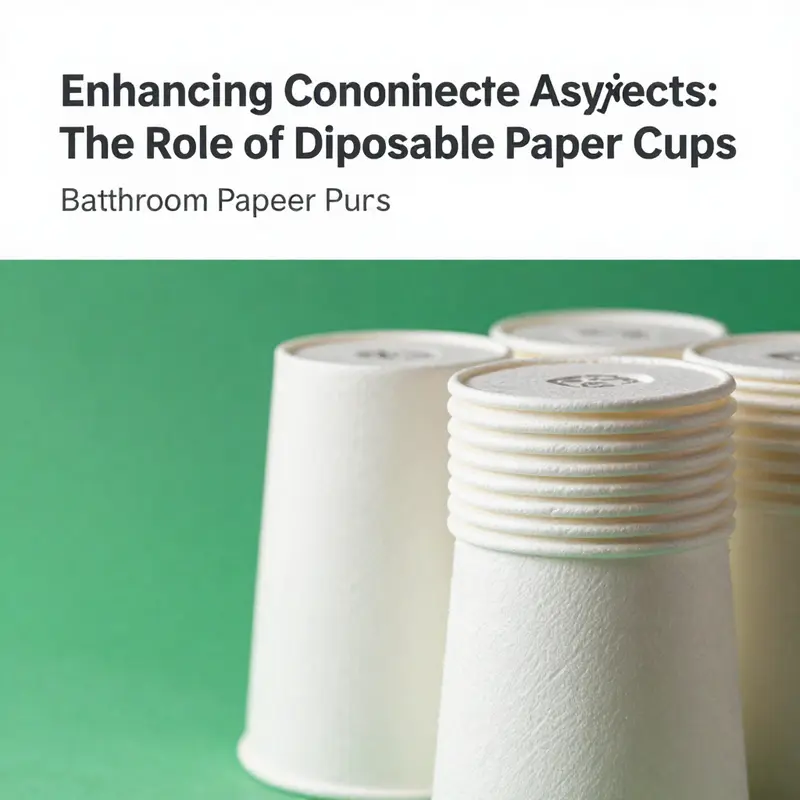
Disposable bathroom paper cups occupy a quiet but indispensable edge of modern hygiene. They appear in restrooms, clinics, gyms, hotels, and countless service spaces as tiny vessels that translate a moment of rinsing, meditating on taste, or taking a pill into a clean, single-use action. Their design is deliberately simple on the surface: a compact cup, a reliable seal against leaks, and a form that fits neatly into wall-mounted dispensers. Yet the choices embedded in these cups—what they are made of, how they are finished, and what happens to them after use—shape a texture of sustainability that is increasingly central to how organizations think about public hygiene. Understanding their material makeup and end-of-life fate helps illuminate a broader truth: convenience and care do not have to be at odds when we design products for shared spaces and shared waste streams. The cups themselves are typically small, holding about three to four ounces, and they are built to be leak-proof enough to cradle mouthwash or plain water without spill. The base material is thickened kraft paper or a comparable paperboard, chosen not only for its stiffness and ability to stand up to liquids, but also for its potential to be gentle on the environment relative to plastics. This paper is engineered to resist deformation under load, so a user can swirl, rinse, or sip without the cup collapsing. Inside, many cups feature a coating that provides waterproofing and extra strength, often in the form of an edible film or a polyethylene coating. The coating is the hinge point in the sustainability conversation: it grants the cup its liquid-holding capacity, yet it also complicates recycling and, in some cases, composting. The edible film can perform many of the same seaming tasks that a plastic liner would, but because it is edible or dissolvable, it introduces fewer chemical processing hurdles in theory. On the other hand, a polyethylene coating, while effective at preventing leaks and maintaining structural integrity, creates a barrier that paper recycling streams struggle to separate. The result is a material that is easier to use in the short term but more challenging to recover in the long term. These features matter because the real environmental cost of disposable cups hinges less on their moment of use and more on what happens when they reach the end of their life. Kraft paper is biodegradable and compostable to a greater extent than many plastics; it can break down in appropriate composting environments, especially when the coating is either minimal or of a nature that supports separation and recovery. The practical reality, however, is more complicated. When a PE coating is present, it binds the paper to a layer that resists natural decomposition and is more difficult to separate in recycling facilities. This separation problem leads to contamination of the recyclable stream, which in turn reduces the efficiency and value of recycling programs. It is not merely a question of whether the cup can decompose, but whether the entire bundle of materials—paper and coating—can be effectively sorted and processed in current waste-management infrastructure. In short, the sustainability of these cups is a function of the entire lifecycle: how the paper is produced, how coatings are applied, the energy and water used in manufacturing, and how end-of-life management systems exist or fail to accommodate the product as a mixed-material item. Kraft itself remains attractive from a forest-management perspective when sourced from responsibly managed forests and processed with energy-efficient technologies. Yet the true assessment requires a broader view that examines the manufacturing footprint and the downstream fate of millions of cups. Innovations are gathering pace, driven by a search for coatings and processes that preserve the cup’s functional advantages while enhancing recyclability or compostability. Some manufacturers are exploring water-based or plant-based coatings that reduce reliance on traditional plastics, aiming to facilitate end-of-life recovery. This shift toward more eco-friendly finishes is not uniform across the market, but it represents a meaningful trend that aligns product design with waste-management realities rather than with convenience alone. When a supplier can offer a cup whose interior coating is easier to separate from the paper or that can be composted in industrial facilities, it prompts a reconsideration of what constitutes a responsible choice in a public restroom or a hospitality setting. The question becomes not only whether a cup will perform well in the moment, but whether its presence in the waste stream will complicate or simplify the journey toward a circular economy. Consumers and facilities managers alike are increasingly aware of how a small decision at the sink can reverberate through local waste streams. End-of-life considerations are now a part of procurement criteria, alongside cost, performance, and availability. This shift is not about discarding convenience; it is about aligning it with a broader ethic of stewardship. Some spaces think in terms of reusable systems for high-traffic zones, where durable, washable vessels can replace a portion of disposable use. Others pursue hybrids: high-usage locales may employ disposable cups with recycled-content paper and coatings that are compatible with existing recycling facilities, paired with robust separation and processing programs. The result is not a single perfect solution, but a spectrum of options that reflects local waste-management capabilities, cultural expectations, and financial realities. The trade-offs are nuanced. Kraft paper brings renewable-resource benefits, and when derived from responsibly managed forests, helps support forest stewardship and the broader supply chain that depends on that resource. However, the coatings—whether edible, plant-based, or polyethylene-based—do not vanish from the life cycle. They affect recyclability, influence compostability, and determine how easily a cup can be recovered in systems designed to process mixed-material streams. The best path forward often lies in transparent material disclosures and third-party certifications that help buyers compare what is truly sustainable in practical terms, not just in abstract ideals. This requires a shift in how suppliers communicate about performance and end-of-life outcomes. Instead of focusing solely on a single property such as waterproofing, the conversation expands to include how coatings influence recycling compatibility, the potential for composting, and the availability of appropriate facilities in the community. In this context, a ready-to-use, wall-mounted cup should be viewed as part of a larger system that includes waste segregation, local processing capabilities, and consumer education. The promise of improved sustainability rests on innovations that do not sacrifice hygiene or convenience yet push coatings toward easier recovery. Emerging coatings based on water or plant derivatives aim to maintain water resistance and cup integrity while reducing the barriers to paper recycling. As these coatings evolve, more facilities may be able to treat cups as a recyclable material rather than a residue that contaminates streams. Still, adoption is gradual and often tied to local infrastructure, regulations, and the willingness of institutions to invest in improved waste-handling practices. The lifecycle lens invites a broader assessment that weighs manufacturing intensity and source materials against the practicality of waste management in a given locale. It also invites ongoing research into the balance between biodegradable or compostable outcomes and the realities of where and how these cups end up after use. The evolving landscape points to several practical implications for decision makers. First, selecting cups with coatings that enhance recyclability can reduce waste leakage into landfills. Second, sourcing kraft pulp from responsibly managed forests strengthens the environmental narrative behind the product and supports long-term supply-chain resilience. Third, embracing or piloting reusable systems in appropriate contexts can dramatically reduce single-use demand without compromising user experience. For readers exploring how to navigate these choices in real settings, a concrete pathway is to examine options that emphasize eco-friendly design without abandoning performance. See the range of options described in disposable-eco-friendly-custom-paper-coffee-cups-with-lid, which signals a deliberate attempt to align disposal outcomes with environmental considerations while preserving user comfort and safety. For a deeper technical grounding on the material composition, performance, and best practices in paper cup design, see a detailed external analysis on the subject. This resource provides a rigorous examination of how coatings influence recyclability and how innovations may shift the balance toward more sustainable outcomes. External references like this help translate the practical realities discussed here into a framework that organizations can apply across restrooms, clinics, gyms, and hospitality venues. In summary, disposable bathroom paper cups embody a tension between the everyday benefits of hygiene and the broader responsibility to manage waste wisely. Their material story—kraft paper combined with interior coatings—offers both opportunity and challenge. The most compelling path forward lies in material innovations that preserve safety and convenience while shrinking the friction between disposal and recovery. By embracing coatings that enhance end-of-life outcomes, prioritizing responsibly sourced paper, and supporting waste-management infrastructure, facilities can keep restrooms clean and user-friendly while also reducing environmental impact. The journey is incremental and site-specific, but the trajectory points toward products that perform well today and become easier to recover tomorrow. For those who want a practical pointer to eco-conscious options that still honor the essential function of these cups, consider looking into disposable-eco-friendly-custom-paper-coffee-cups-with-lid as a tangible starting point. And for a broader, evidence-based understanding that informs decision making about material choices and processing, the external reference noted earlier provides a lucid technical backdrop that complements the discussion in this chapter.
Hygiene, Habits, and the Bottom Line: Market Trends and Economic Impact of Disposable Bathroom Paper Cups
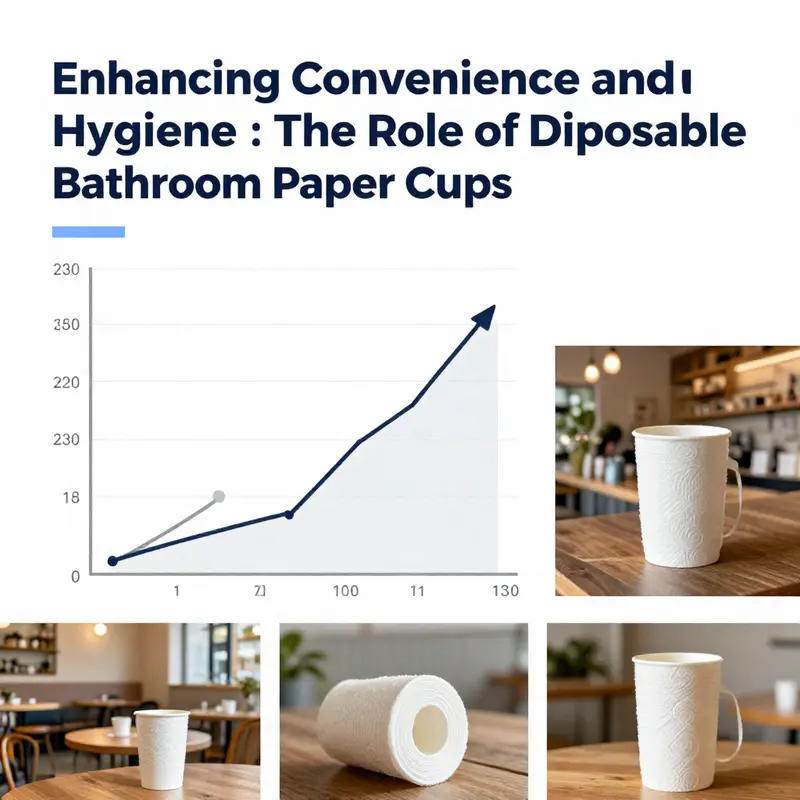
The disposable bathroom paper cup now sits at the intersection of daily hygiene practices and global supply chains, quietly shaping restrooms from crowded transit hubs to quiet hotel rooms. Its rise tracks a confluence of logistical practicality and evolving consumer expectations. In 2025, the global market for these small, typically 3 to 4 ounce cups reached about 8.65 billion dollars, and analysts project a robust compound annual growth rate of roughly 9.17% through 2033. Such momentum is not a mere footnote in packaging discourse; it reflects how restrooms, clinics, gyms, and hospitality venues increasingly treat single-use disposables as essential hygiene infrastructure. The trend is already translating into job creation across manufacturing, distribution, and logistics, while spurring a continuous stream of material and process innovations designed to balance convenience with environmental accountability.
Hygiene remains the dominant driver. The memory of the pandemic era intensified public awareness about cross-contamination and surface cleanliness. In response, restrooms in commercial spaces have shifted from simple aesthetic investments to functional hygiene ecosystems. Wall-mounted dispensers, variable in design but constant in intent, ensure that every user can access a fresh cup with minimal contact and risk of cross-use. The 3–4 ounce capacity is not arbitrary; it represents an optimization between ease of use, portability, and the amount of liquid a user typically needs at the sink or for a brief rinse. The materials of these cups—food-grade papers, often reinforced with coatings to prevent leaks—are designed to withstand typical restroom liquids without deforming or leaking under pressure. Durability in a disposable product may seem paradoxical, yet it is a prerequisite for user confidence in shared spaces.
Urbanization intensifies the demand curve as more people live and work in high-density settings where restrooms are high-traffic hubs. In cities, the need for rapid turnover and reduced cleaning times dovetails with the convenience of disposable cups that can be stowed in close proximity to sinks and dispensers. The interplay between density and sanitation is subtle but potent. As urban areas expand, so does the footprint of routine hygiene products in daily life. This dynamic is not isolated to one region; it resonates across North America and Eastern Asia—and features differently in other markets depending on local consumer expectations and regulatory frameworks. Indeed, regional dynamics matter. In several analyses, the domestic market accounts for a sizable portion of demand, with North America and Eastern Asia contributing meaningful shares as well. The implication is clear: supply chains are evolving toward regional production hubs, a shift aimed at reducing transit times, cutting costs, and improving responsiveness to local regulations and standards.
Sustainability is not optional; it is becoming a core criterion for procurement and design. The push toward eco-friendly packaging aligns with broader regulatory and consumer expectations around waste and resource stewardship. Biodegradable and compostable papers are increasingly bundled with end-of-life strategies that emphasize recycling streams and compost facilities where available. This aligns with the broader packaging sector’s trend toward reduced environmental impact, even as the immediate hygienic demands of public and private restrooms continue to drive extensive use of disposables. The tension between cleanliness and sustainability is ongoing, but the industry is responding with innovations in barrier coatings, fiber blends, and compost-friendly formulations that maintain performance without compromising environmental outcomes. In practice, consumers encounter a spectrum of options—from standard recycled-paper cups to those designed for composting—each with its own set of trade-offs in terms of cost, accessibility of composting infrastructure, and compatibility with municipal waste streams.
Innovation is not limited to materials alone. Packaging technology evolves in tandem with changing consumer behaviors and facility management practices. Smart packaging concepts, though more common in larger consumer goods, begin to ripple into the restroom disposable category through smarter dispensers, inventory-tracking sensors, and more modular production lines that can adapt to fluctuating demand in schools, airports, and healthcare facilities. These developments promise to optimize stock, reduce waste, and improve hygiene outcomes by ensuring that fresh cups are always accessible where and when they are needed. The broader trend toward smarter packaging feeds into a larger industrial objective: higher efficiency with lower environmental impact, a combination that resonates with administrations and corporate sustainability goals alike.
From an economic standpoint, the sector’s expansion supports a wide array of jobs in manufacturing facilities, distribution networks, and regional logistics hubs. Localized production not only reduces transportation costs but also strengthens resilience against supply chain disruptions. The distribution of demand—domestic heavyweights at roughly 40%, with North America and Eastern Asia contributing notable shares—suggests a skew toward regionalized manufacturing ecosystems. This geographic pattern supports the development of specialized facilities capable of rapid scale-up and customization for local clients, whether a hotel group requiring large-volume, on-site provision or a hospital network with strict aseptic considerations. The regional focus also allows suppliers to tailor packaging solutions to regulatory nuances, such as labeling requirements or fiber sources, thereby accelerating market entry and reducing compliance risk.
Investment is evidently moving beyond simple cup production. Companies are financing scalable production systems and embracing new substrates that enable more efficient manufacturing, improved barrier properties, and improved heat-resistance. The pursuit of smarter, more sustainable manufacturing processes aligns with national economic strategies aimed at expanding high-value, export-oriented production. In emerging economies, this investment translates into broader GDP growth through ancillary industries, including fiber processing, coatings research, and logistics optimization. The economic ripple extends to downstream services as well—maintenance of dispenser fleets, restocking logistics, waste management, and planning for hygiene infrastructure in new-build facilities. The combined effect is a more robust industrial ecosystem centered on a seemingly small object that nonetheless anchors hygiene routines across sectors.
The consumer-facing end of the story—how people actually use these cups—reflects a continuous balancing act. In public restrooms, the fixed relationship between availability and speed of access shapes behavior. A user approaching a wall-mounted dispenser expects a clean, reliably sized cup, and the dispenser’s design becomes as much a factor in perceived hygiene as the cup itself. In healthcare settings, the expectations are even more precise: the cup must be suitable for medicinal use, washing routines, and patient comfort, while still delivering the same quick, single-use assurance. In hospitality and fitness centers, the focus is on convenience and consistency, with staff often responsible for maintaining dispenser stock and ensuring the cups meet any venue’s specific branding or regulatory demands. Here the market’s breadth becomes evident: some buyers seek basic, cost-effective options for high-volume usage, while others lean toward anti-leak configurations, lids for spill prevention, or even customizable branding to reinforce a facility’s identity.
The literature on market forecasts makes clear that the road ahead is shaped by both demand and policy. On the demand side, growth is driven by hygiene-conscious consumer segments, urban expansion, and ongoing demand from service-oriented sectors that rely on dependable, low-friction restroom experiences. On the policy side, environmental regulations — whether encouraging recyclable materials, mandating compostability, or setting standards for fiber sourcing — influence what products are offered and at what price. The ecosystem is not simply about selling more cups; it is about orchestrating a serviceable, sustainable hygiene solution that can be replicated across geographies with varying infrastructure. The implications for stakeholders are significant. Manufacturers must invest in adaptable, scalable production that can respond quickly to regional demands. Distributors must optimize routes and inventories to minimize stockouts and obsolescence. End-users—from facility managers to hotel operators—must weigh hygiene, comfort, cost, and environmental considerations in their procurement decisions. In this sense, the disposable bathroom paper cup serves as a microcosm of how modern packaging markets operate: robust in scale, nuanced in regional application, and increasingly aligned with sustainability imperatives that push for smarter design and smarter logistics.
Within this broader narrative, a practical touchpoint for readers seeking to understand industry trajectories is the continuity of choice within the product family and the potential for customization. A representative example—though not named here—illustrates how suppliers offer a range of capacity options, moisture resistance, and lid compatibility, alongside branding opportunities that can extend a facility’s ethos to the consumer experience. For readers looking to explore the supply options more deeply, an example of the kinds of product lines shaping restrooms today can be found at this resource: disposable-single-wall-paper-cup-12oz-16oz-kraft-coffee-cup-with-lid. This link highlights how even standard trays of cups can be tailored for different settings while preserving core hygienic benefits.
As the market evolves, it will be important to monitor not only volume and price but also life-cycle considerations: how waste streams are managed, what proportions of cups are diverted to recycling or composting, and how facilities navigate regional waste infrastructure. The next wave of growth will likely hinge on partnerships among manufacturers, facility operators, and waste-management providers that together maximize environmental outcomes without compromising the level of hygiene users expect. In the meantime, the market’s trajectory remains firmly upward, reinforced by steady demand from diversevenues and a global push toward more sustainable, efficient, and accessible restroom experiences.
External resource for further context: https://www.mordorintelligence.com/industry-reports/disposable-paper-cup-market
From Single Use to System: The Lifecycle of Disposable Bathroom Paper Cups
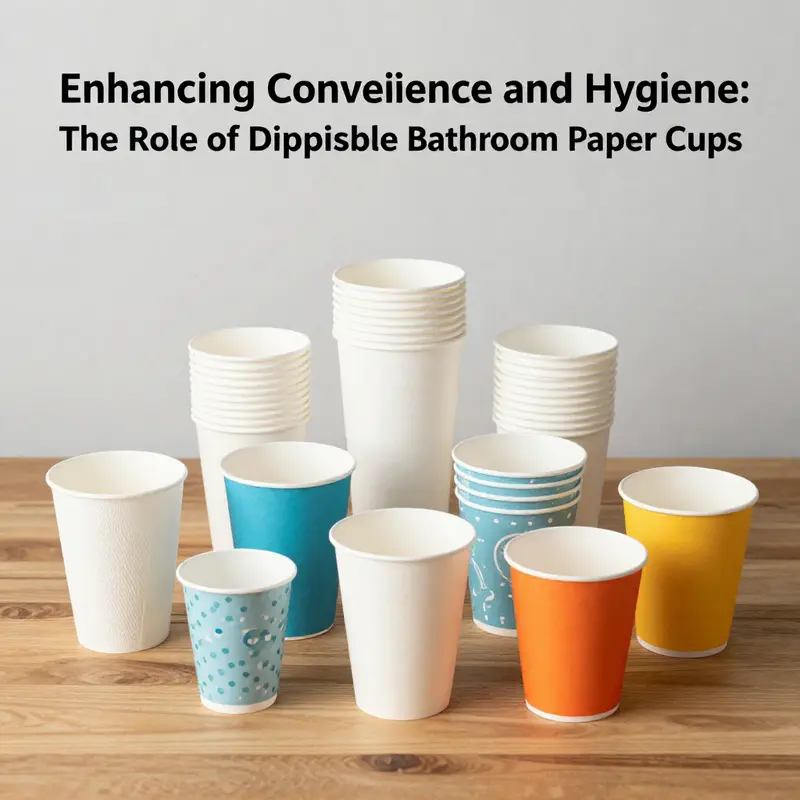
Disposable bathroom paper cups are common in many settings, yet they embody a purposeful blend of hygiene, practicality, and efficiency. In public restrooms clinics fitness centers and hospitality venues these small cups support clean hands and safe routines by providing a disposable single use option for rinsing drinking a small amount of water taking medication or applying personal care products without cross contamination. Their typical capacity of about three to four ounces equals roughly 85 to 120 milliliters and maps well to brief mouth rinses or measured sips. The compact size keeps the cup unobtrusive on a crowded sink and ensures just enough liquid for common tasks while minimizing waste.\n\nA key element is the partnership with dispensers. Wall mounted or freestanding systems are designed to deliver one cup at a time and to reduce contact with the stack. The dispenser throat geometry cup wall thickness and the alignment between cup rim and outlet all influence how smoothly a cup is dispensed. In busy facilities, reliability matters as much as cup integrity; jams and misfeeds disrupt flow and can generate waste. Many systems are engineered to tolerate humidity splash and rapid re use while preserving the cup edge for comfortable gripping during a rinse or sip. The one at a time principle supports a swift predictable sequence and helps staff and patrons move through restrooms with minimal delay.\n\nMaterials and end of life are important considerations. Cups are typically made from food grade paper or coated paperboard, chosen to withstand brief liquid contact without collapsing. A moisture resistant coating helps prevent leakage and keeps the cup sturdy if it is gripped or tilted during use. The coating is balanced to resist leakage while allowing recycling where facilities exist. The standard three to four ounce format also reflects manufacturing realities such as thinner walls and lighter weight which aid transport and stocking while maintaining enough stiffness to prevent tearing under common loads. The interior surface is engineered for smooth interaction with liquids reducing friction during rinsing or sipping.\n\nUser experience centers on handling with wet or soiled hands. The rim is often widened slightly to improve lip contact and reduce splashing, while the cylindrical profile sits comfortably in the hand. The goal is low effort so there is no awkward pinching or needed force to remove a cup from the stack and no tearing when lifting at a tilt. The one at a time dispensing principle supports a quick predictable sequence and helps users move through facilities efficiently. This design supports hygiene outcomes by keeping hands clean and cups reliable even during peak times.\n\nEnvironmental considerations are increasingly part of cup selection. Some cups use higher recycled fiber content and are designed to be more recyclable at end of life, while others emphasize barrier properties for damp environments. Coatings improve liquid resistance but can complicate recycling streams, prompting ongoing innovation in materials and substrate choices. In facilities with strong waste management programs, labeling or color coding can help staff direct cups to appropriate recycling or compost streams where permitted. The aim is to balance hygienic performance with sustainability where infrastructure allows.\n\nBranding and clarity also play a role. Printing logos or simple disposal instructions on the cup surface can reinforce hygiene protocols and aid wayfinding in busy sites. Simple clear messaging helps users distinguish between cups for water, mouthwash, or medication dosing and can align with dispenser ecosystems to simplify stocking and maintenance. For bulk procurement, suppliers often offer integrated options that pair cups with dispensing hardware and branding capabilities to ensure consistency across locations.\n\nOverall the design of disposable bathroom cups reflects a disciplined synthesis of ergonomics material science dispenser engineering and sustainability. The smallest cups form part of a larger system that includes the sink cleaning routines and waste streams that define modern restroom management. In high turnover environments a reliable cup and dispenser reduce friction for staff and provide reassurance for users. As hygiene expectations and waste management policies evolve these cups are likely to adapt while preserving the core advantages of simplicity sanitary assurance and operational efficiency.
Between Convenience and Conservation: A Deep Dive into Disposable Bathroom Paper Cups and Reusable Alternatives
In the quiet hum of public restrooms and the steady cadence of daily routines, disposable bathroom paper cups perform a simple, almost invisible service: they offer a discreet, sanitary moment of rinsing, sipping, or medicating without burdening users with the logistics of cleaning and storage. Their ubiquity in offices, clinics, gyms, hotels, and schools reflects a design chosen for speed, hygiene, and low-maintenance operation. These small cups, typically holding 3 or 4 ounces, are shaped to fit easily in wall-mounted dispensers that keep them within easy reach near sinks. The white, unassuming exterior signals cleanliness and simplicity, a visual cue that aligns with modern restroom aesthetics. What makes them work under everyday pressure is not only their compact size but the marriage of material choices and manufacturing efficiency that allows hundreds or thousands to be stocked, distributed, and discarded with minimal friction. The result is a system that supports hygiene protocols in high-traffic environments, while also shaping consumer expectations about convenience in shared spaces.
Behind the clean surfaces, the engineering of disposable bathroom cups reveals a careful balance of material science and practical constraints. Most cups are made from paperboard and lined with a thin plastic layer—often a polyethylene film—that acts as a barrier against leaks and moisture, preserving form and function when filled with water or mouthwash. The plastic lining is a practical necessity; without it, the cup could warp, seep, or distort under liquid pressure. The cups often feature rolled rims that add rigidity to the lip of the cup, helping users to grip and drink without tearing. The combination of a lightweight body, a smooth finish, and a predictable capacity creates a reliable user experience. And because these cups are intended for one-time use, they can be stockpiled, dispensed, and replenished with little downstream maintenance, a feature that is especially valuable in institutions where staff responsibilities include facility upkeep rather than cup ware management.
Yet the same simplicity that empowers rapid deployment also exposes an environmental fault line. The typical disposable bathroom cup embodies a layered material system: paperboard for the bulk, a plastic lining for moisture resistance, and sometimes a thin coating or adhesive to seal edges. This layered structure complicates recycling because facilities must accept the “plastic-lined paper” stream, which is not universally processed the same way across municipalities. In many places, the default recycling stream cannot readily separate the composite materials, so these cups end up in landfill unless a local program explicitly accepts them. The environmental footprint extends beyond end-of-life handling. The energy and water consumed in producing paperboard and plastic films, the logistics of frequent restocking in busy facilities, and the emissions associated with transporting empty cups to waste streams all accumulate as a measurable impact. In practice, the convenience of one-time use is a clear asset for hygiene in busy settings, but it carries a trade-off in waste generation that cannot be ignored in discussions of sustainability.
The dialogue about disposables, however, would be incomplete without weighing them against reusable alternatives. Reusable bathroom cups—whether crafted from stainless steel, borosilicate glass, or BPA-free plastics—offer a longer lifecycle with a different set of benefits and responsibilities. The immediate appeal of reusables lies in waste reduction: a single durable cup can serve hundreds or thousands of uses before it eventually wears out, assuming proper cleaning and maintenance. This durability translates into lower waste volumes over time, and in large facilities, the cumulative effect can be substantial. Where disposables require frequent restocking, reusable systems shift the logistical emphasis toward cleaning regimes, sanitation standards, and storage capacity. In environments that prize sustainability, institutional policies may favor reusables as part of broader green-building strategies and waste-minimization programs. The robust, sometimes ergonomic shapes of reusable cups—designed with non-slip bases, integrated handles, or even built-in dispensers—also support user experience, especially in settings where users may need to rinse, sip, or take medication with minimal effort and maximum confidence in hygiene.
The trade-offs extend beyond material choices into the realities of daily use. Reusable systems demand access to appropriate cleaning facilities, which means dedicated sinks, reliable water supply, sanitizers, and trained staff or contract cleaners. In smaller offices or hotel rooms, these requirements may be straightforward; in hospitals or large campuses, they become a logistical program with cost implications that rival the original cup’s purchase price. Storage space becomes a practical concern as well: a robust supply of cups must be kept clean and organized, ready for pickup by staff or guests. Hygiene perceptions can also influence acceptance. Some users may harbor doubts about the cleanliness of a reusable cup in a public rest space, even when cleaning protocols are rigorous and high standards of sanitation are in place. Education and consistent implementation are thus essential to the successful adoption of reusable systems, particularly in high-traffic facilities where human behavior plays a central role in outcomes.
From an operations perspective, many facilities find themselves balancing immediate convenience with long-term sustainability. Disposable cups excel at minimizing staff time devoted to cup handling, avoiding the complex chains of custody required for reusable ware. A wall-mounted dispenser, designed to deliver a fresh cup at the touch of a hand, reduces counter clutter and simplifies inventory management in spaces where minute-to-minute flow matters. Yet the environmental calculus cannot be separated from this convenience. The environmental footprint is shaped not only by the cups themselves but also by the end-of-life pathways available to the facility and the community it serves. For instance, if local recycling programs can process the combined paper-plastic structure, disposables can be diverted from landfills at scale. If not, the same tool that supports speed and hygiene may contribute to waste that becomes harder to recover. This is where industry guidance, policy frameworks, and corporate sustainability commitments intersect with practical restroom management decisions.
Policies and standards regarding food-service ware—such as those articulated by environmental protection and waste-management authorities—offer a framework for understanding how to navigate these choices. They underscore that the ultimate sustainability of any ware depends on the full lifecycle, from raw material sourcing to end-of-life disposal. In settings where institutional goals emphasize green certifications or waste reduction targets, disposables can be part of a broader strategy when paired with efficient recycling programs or when transitions to compostable alternatives become feasible. The market has responded with a spectrum of options, including recyclable, compostable, or fully biodegradable cups, alongside reusable systems that emphasize durable design and robust cleaning protocols. Each choice carries a different cost structure, environmental impact, and user experience profile, and the optimal path often rests on the specific context of the facility, its users, and the available waste-management infrastructure.
For readers seeking concrete examples of how products are positioned within this space, a representative disposable single-wall cup intended for beverage service illustrates the practical features discussed here. This kind of cup, designed for one-time use, emphasizes compatibility with roll-rim and standard-dispensing formats, while maintaining leakage resistance through its lining. Embedding such a reference point helps connect the theoretical discussion to real-world choices without naming brands. See the linked product page for details on design characteristics and typical use cases: disposable-single-wall-paper-cup-12oz-16oz-kraft-coffee-cup-with-lid.
As the conversation about disposables versus reusables evolves, it is important to recognize that neither approach is inherently superior in all circumstances. The most effective restroom program often blends options, guided by context. In a high-traffic hospital corridor, disposables may deliver reliable hygiene with minimal maintenance, while in a corporate campus with strong sustainability targets, a well-managed reusable program might offer greater long-term value. The key lies in aligning operational practices with environmental goals, local waste-management capabilities, and the needs and expectations of users. A thoughtful deployment might begin with a clear policy on when to use disposables versus reusables, accompanied by an auditing mechanism to track waste, costs, and user satisfaction. Over time, facilities can adjust the balance as technologies mature, as recycling streams improve, or as compostable and biodegradable alternatives become more viable for a broader range of settings.
The broader literature on sustainable serviceware reinforces that the path forward is not a binary choice but a continuum of options that reflect material science, facility capabilities, and community infrastructure. For facilities aiming to align with recognized waste-management practices, engaging with local waste streams and understanding what streams accept what materials becomes as important as the cup’s design itself. The EPA and related resources emphasize that sustainable decisions require attention to the full lifecycle and to the practicalities of implementation in real-world spaces. This chapter has highlighted how the everyday use of disposable bathroom cups sits at the intersection of hygiene, convenience, and environmental responsibility, and how reusables, when paired with effective cleaning protocols and thoughtful design, can offer substantial long-term benefits in appropriate contexts. The challenge remains translating this understanding into actionable programs that deliver consistent outcomes across diverse facilities.
External reference for broader context on waste management and serviceware: https://www.epa.gov/sustainable-management-waste/food-service-ware
Final thoughts
As we’ve explored, the role of disposable bathroom paper cups extends far beyond mere convenience. They play a pivotal role in maintaining hygiene standards in a range of environments—from restaurants to corporate events. The combination of sustainable materials, evolving market trends, and thoughtful design makes these cups a key player in enhancing service quality while aligning with environmental goals. Moving forward, embracing the benefits of disposable bathroom paper cups will not only meet the expectations of discerning customers but also contribute to a healthier planet.