
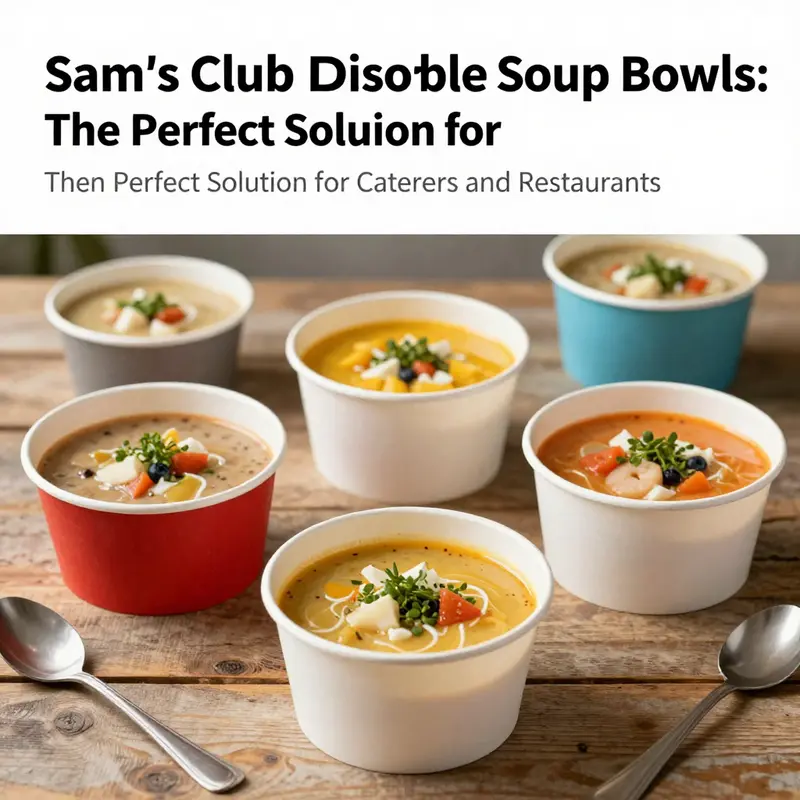
When it comes to serving delicious soups and stews, the right tableware can make all the difference. For bubble tea shops, restaurants, food trucks, catering services, and event planners, finding quality, reliable disposable soup bowls is essential. Sam’s Club offers an impressive range of options designed to meet the specific needs of food service professionals. This guide explores the materials, capacities, packaging options, price ranges, and online purchasing strategies for Sam’s Club disposable soup bowls, ensuring that you can confidently select the best options for your business.
Sam’s Club一次性汤碗的材料解密:纸板衬里、PLA与实用性能
材料与性能的全景观察
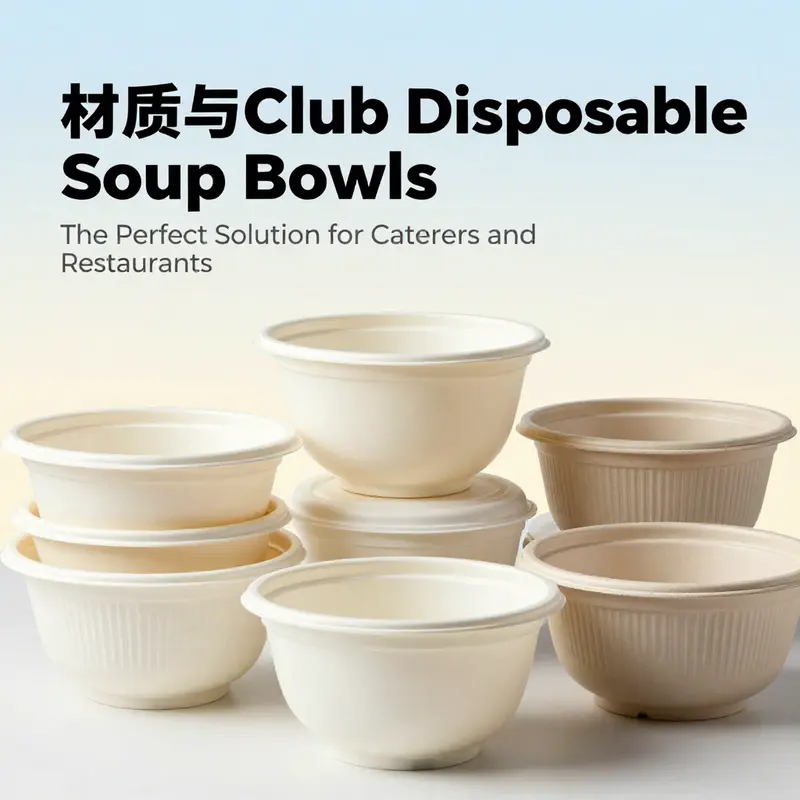
在挑选一次性汤碗时,材料决定了使用体验和环境影响。针对Sam’s Club渠道常见的一次性汤碗,核心构造通常是食品级纸板,内部带有一层衬里。衬里可以是传统塑料,也可能是植物基PLA(聚乳酸)。这一组合既能保证盛放热汤时的密封与耐热性,又能在生产和废弃处理上带来不同的选择权衡。
纸板是容器的主体结构。它提供刚性和手感,让碗在装载液体或半流体食物时保持形状。为了承受热汤的重量和热度,纸板往往采用加厚或多层工艺。这样即使碗内盛满浓汤或炖菜,纸板也不会快速浸透或塌陷。与此同时,纸板的表面常会进行食品级处理,确保与食品直接接触时安全无异味。
衬里材料则直接决定碗的防漏和耐热特性。传统的塑料衬里通常采用聚乙烯(PE)或其他食品接触安全塑料。它们成本低,防水性能好,耐热性足以应对常见的餐饮温度。植物基PLA衬里则来自可再生资源,如玉米淀粉。PLA在工业堆肥条件下可降解,因此具有更好的环境卖点。然而,PLA的耐热上限低于部分石油基塑料。制造商会通过复合材料和厚度控制来提升其在盛放热汤时的稳定性。
耐热性与耐用性是购买时最直观的考量。带衬里的纸板碗能在装热汤时保持形状,且不易渗漏。优良的耐热性还意味着碗在短时间内可以用于高温食物外卖或现场用餐,而不会出现翘边或软化。但仍需注意,极端高温或长时间盛放滚烫液体,会测试任何一次性材料的极限。使用时,遵循包装上的温度建议,是避免变形或渗漏的简单方法。
环保属性近年来受关注。带有PLA衬里的纸板碗常被标注为“可堆肥”。这类碗在专业的工业堆肥设施中可以分解成有机物和水,减少填埋压力。现实情况是,能否真正被堆肥或回收,取决于地方基础设施。许多城市的家庭回收体系不接受复合材料容器。因此,消费者在追求环保选择时,应同时查看当地回收和堆肥政策。
可回收性与堆肥性的混淆,常导致错误丢弃。一个实用的步骤是检查包装上的标识。若包装明确标注“工业堆肥”或给出可接受设施说明,说明该产品需要专业处理。若包装没有堆肥认证,但写明材料为可回收纸板或可分离衬里,消费者可向当地回收部门咨询具体回收流程。总之,环保不是单一材料的事,而是材料与处理体系共同决定的结果。
轻便与经济性是一次性碗受欢迎的原因。成套包装常见为几十到上百件,适合家庭储备、聚会或小型餐饮业务。批量采购能降低单件成本,使其成为活动或外卖的实用选择。纸板外观也便于印刷品牌或菜单信息,便于餐饮商家在外卖或活动中维持品牌识别度。若需定制印刷,选项上也更灵活,厂商常提供印刷面、颜色和最小订购量的多样组合。若您关注可定制纸碗,可参考这款与碗相关的供应信息:disposable wholesale custom logo printed kraft paper soup bowl。
在实际使用场景中,选择材料时应平衡几项要素。首要是用途:是用于短时间现场用餐,还是需要长途外送?短途或现场使用,PLA衬里和传统塑料衬里均能胜任。若用于长时间保温或长途外送,优先考虑耐高温性能更好的衬里。同时,若购入数量大并注重环保形象,选择带有堆肥认证的PLA衬里纸碗更符合可持续策略。
消费者和采购者还应留意包装说明中的食品安全标志。合规的食品接触材料会在包装上标明相关认证。了解这些标志能帮助判断碗是否适合盛放高酸性或高油脂食物。有时碗与盖子的组合也会影响整体性能。例如,带有密封性良好盖子的组合更适合配送和外带,但盖材质的耐热性也应匹配碗身。
存储与使用建议也非常实用。一次性纸碗应存放于干燥通风处,避免潮湿导致纸板受潮变形。开封后若短时间内不使用,建议保持原包装密封,防止灰尘进入。使用时,避免将碗直接置于开放火源或烤箱中。若需微波加热,首先确认包装标注是否微波安全。若没有明确标识,尽量避免微波加热以防变形。
总体而言,纸板+衬里是一次性汤碗的主流方案。传统塑料衬里以稳定耐热著称。植物基PLA衬里则提供更明显的可持续选项,但需要配套堆肥设施支持。作为购买者,关注包装标签和当地处理能力,可以让材料选择更符合使用需求和环保目标。欲了解该零售商平台上的更多信息,请访问其官方网站以查看实时库存与规格: https://www.samsclub.com/
null
null
From Bulk Aisles to Party Tables: The Lifecycle of Disposable Soup Bowls at Sam’s Club
When a family plans a weeknight dinner, a neighborhood potluck, or a small company gathering, the humble disposable soup bowl often sits quietly at the heart of the logistical puzzle. It is the kind of item that disappears from the shelf in plain sight, yet without it the simplest soups, chowders, and noodles would lose their easy efficiency. At Sam’s Club, the journey of a disposable soup bowl begins long before it lands in the cart. It travels through a spectrum of decisions that blend consumer needs, supplier networks, and the operational realities of a large, membership-driven retailer. The lifecycle is less about a single product and more about a system that balances convenience, cost, and cleanliness with the unpredictable rhythms of home life and event hosting. In this sense, the disposable soup bowl is not just a thinkable convenience but a barometer of what many households expect from bulk retail: reliable performance, predictable packaging, and an ever-expanding palette of materials that can suit different occasions and values.
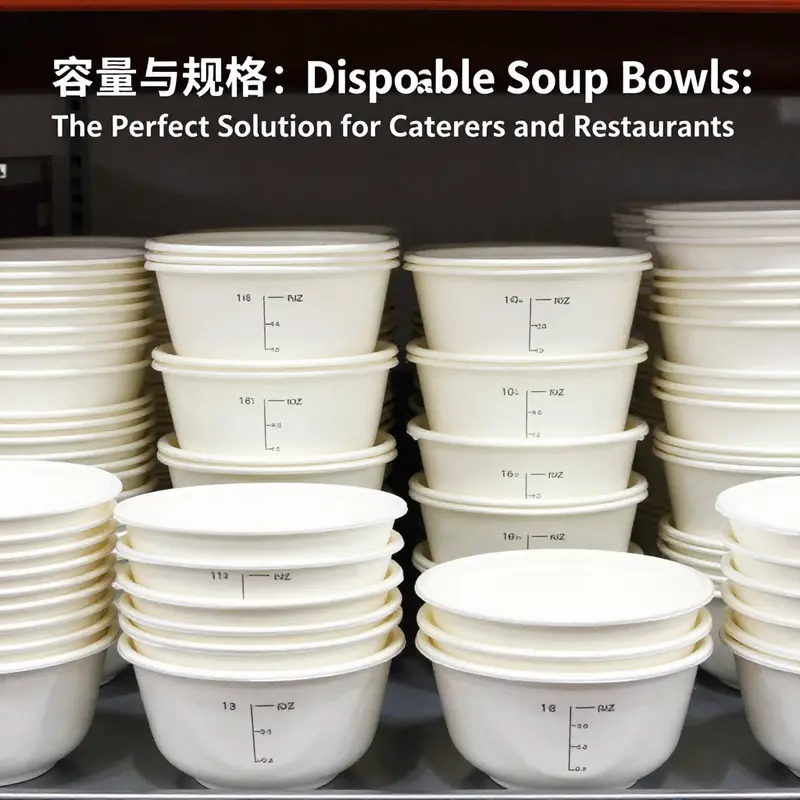
To understand how Sam’s Club curates its disposable bowls, one must first acknowledge the channels through which bulk households typically discover and access them. The retailer operates as a multi-channel ecosystem where in-store aisles and online storefronts complement each other. The aim is simple: deliver a straightforward buying experience for members who value speed, consistency, and the certainty that a stockable item will be available when needed. The procurement logic places a premium on standardized sizes that can serve a range of soups and stews while also accommodating lids or compatible takeout accessories. Common capacities align with everyday portions—most people reach for a bowl around the 12 ounce mark for lighter soups and a larger 16 ounce option for heartier dishes. The logic is not purely functional; it also reflects how households entertain, how pantries are stocked, and how businesses plan for catering or community events without breaking a budget.
In practice, the product mix tends to favor a few core forms and materials that can reliably withstand the thermal demands of hot liquids while remaining user-friendly for quick disposal. Food-grade plastics and paper-based alternatives represent the two broad families that buyers encounter. Plastic bowls, often crafted from lightweight, heat-stable polymers, offer robust performance for serving steaming soups, broths, or noodle dishes. On the other side, pulp or fiber-based bowls—constructed from paper pulp and designed to be compostable—appeal to shoppers who want a more sustainable option or who plan events where post-meal waste handling is a consideration. The choice between these families is rarely a single decision; it folds in price, branding, and even the potential for customization when a business seeks to imprint a logo or message on disposables for catering or event takeouts. In other words, the bowl becomes a vessel that carries not just food, but also a brand signal, a user experience cue, and a logistical constraint all at once.
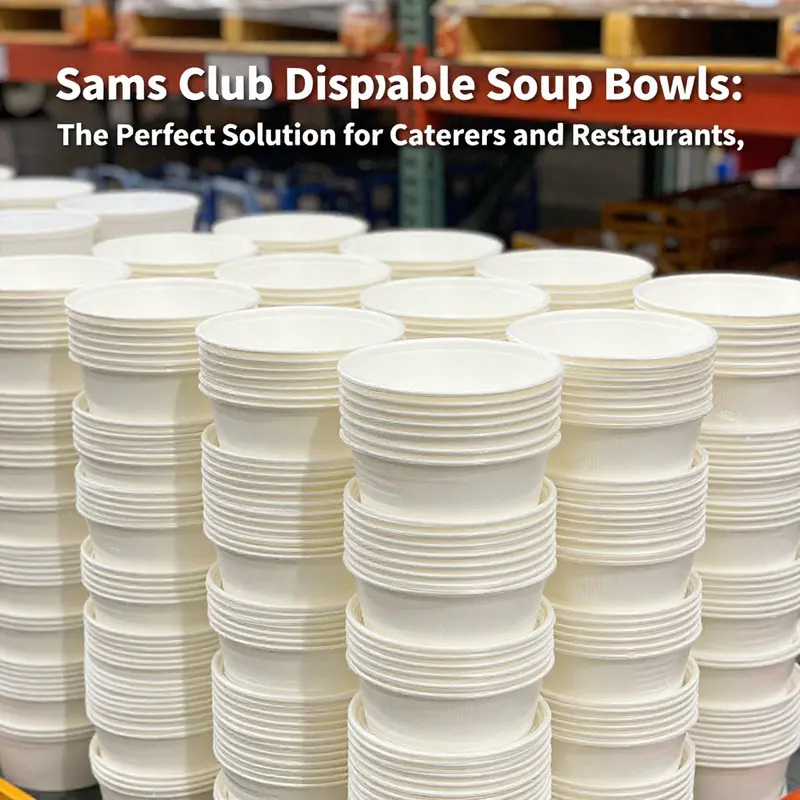
The packaging itself is part of the story. Bulk buyers expect packaging that respects the realities of cold storage, the stress of a busy refrigerator door, and the ease of stacking for transportation. Bowls are typically bundled in quantities that align with both small family meals and larger gatherings. Packages may present 50, 100, or more bowls at a time, sometimes with lids or compatible sealing options included as a convenience. This approach reduces the per-unit handling required by both retailers and consumers and makes bulk purchasing particularly attractive to clubs, workplaces, or households planning for a week of meals or a weekend of entertaining. The economics here is about more than sticker price; it is about predictable cost per use, which matters when a household wants to budget for frequent soup nights or a series of potluck contributions.
Among Sam’s Club shoppers, the decision process often intersects with a broader conversation about waste, recycling, and the environmental footprint of takeout or family meals. The market today largely accommodates a spectrum of materials, from recyclable plastics to compostable paper options, enabling customers to choose based on their own values and local disposal infrastructure. For some, the most important factor is heat retention and structural integrity; for others, the priority is minimizing residue and simplifying cleanup. The retailer models its assortment to address both priorities by offering a lineup that includes sturdy, heat-safe bowls for hot soups as well as lighter, easier-to-dispose choices for cold dishes or snacks. This flexibility mirrors the needs of different households and events—from a quiet dinner alone at home to a raucous backyard gathering where easy cleanup becomes part of the overall planning.
The Sam’s Club procurement story also hints at how the retailer supports business customers who order in bulk for branding and takeout operations. In a landscape where private labeling and logo customization add value for catering and events, the option to leverage wholesale, logo-friendly disposables becomes an important facet of the product mix. Buyers who want to embed a brand message in their packaging can explore the wholesale routes that offer custom printing or logo options on kraft paper bowls and other takeout essentials. This is not merely a sales gimmick; it is a practical path for small businesses, community groups, or event planners who need consistent, professional-looking service ware at scale. Such options are designed to keep the focus on the food while ensuring the experience feels cohesive, whether the audience is a family dinner or a corporate luncheon.
For those who are curious about how Sam’s Club communicates and makes these products accessible, the retailer embraces direct retail channels that enable shoppers to find, compare, and purchase these disposables with ease. Information about availability, pricing, and packaging can usually be accessed through the official online platform or in physical stores, where staff can help with bulk quantity inquiries, packaging formats, and the compatibility of bowls with lids or insulation wraps. The experience is built to be efficient: a member can identify the size that matches their soup portion, assess whether a cardboard or fiber-based option better suits their environmental goals, and decide on a quantity that aligns with the event or family plan. In this sense, the bowl serves as a practical hinge between the kitchen and the table—the point where planning meets everyday life, and where bulk retail logistics translate into everyday meals.
As a nod to the branding and practical flexibility that many buyers seek, there exists a line of wholesale, custom logo options designed for those who want to project a professional image on the service ware they distribute or serve. These options underscore how a simple disposable bowl can become a tool for identity, whether for a small restaurant’s takeout program, a nonprofit fundraiser, or a corporate catering effort. The potential for customization helps ensure that the user experience remains consistent with other brand touchpoints, from napkins to branded bags. For readers who want to explore such branding possibilities, a representative option in the wholesale space is described in detail on partner pages, including a dedicated listing that highlights disposable wholesale custom logo-printed kraft paper soup bowls. This reference illustrates how branding strategy intersects with everyday practicality in bulk purchasing and serves as a practical model for others navigating similar needs.
In closing, the lifecycle of a disposable soup bowl at Sam’s Club mirrors the broader rhythms of modern shopping: the balance of speed and savings, the pull between convenience and responsibility, and the enduring need to make meals easier for households and communities. The bowl is less a single product and more a connective tissue that ties together supply chains, membership value, and the social rituals around shared food. For shoppers, the lesson is simple: in bulk settings, choices about material, capacity, and branding are not afterthoughts; they are integral to ensuring that a simple bowl can support the full range of today’s meals and gatherings, from solo dinners to spontaneous celebrations.
理解价格区间:Sam’s Club一次性汤碗的市场定位与成本驱动因素
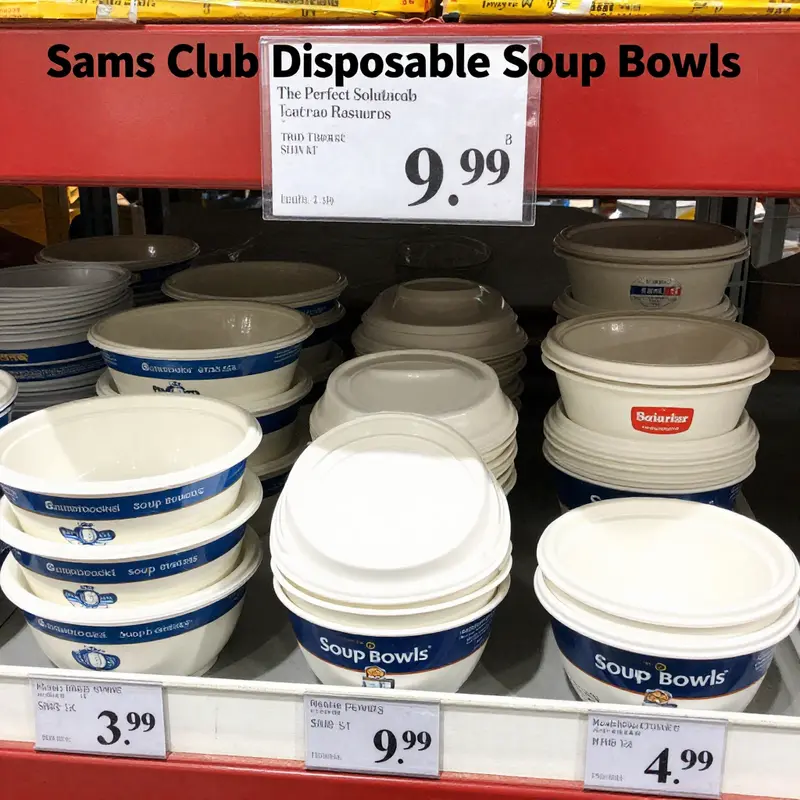
价格区间与成本驱动因素
在讨论一次性汤碗的价格时,重要的是理解影响定价的多层因素,而不是寻找单一、固定的数值。对于像Sam’s Club这样的仓储式会员零售商,商品通常以批量形式出售,单件价格会明显低于普通零售渠道。但要准确给出Sam’s Club的一次性汤碗零售价,研究显示目前并没有可供引用的官方定价信息。基于可得的供应链数据和行业常识,可以把价格理解为由原材料成本、生产工艺、包装与运输、税费与关税、零售商加价和可持续性要求等几部分叠加而成。
首先看原材料与制法。传统食品级塑料(如PP或PS)是一种低成本方案。来自制造端的批发数据表明,普通塑料一次性汤碗的工厂出厂价可以低至每件0.0025至0.004美元。这类极低的批发价通常对应大规模订单和最基础的单色模具,没有复杂印刷或额外配件。相比之下,仿瓷材料(如某些树脂或梅兰替代材)在工厂级别的批发价会高很多,有记录显示每件约1至5美元,这反映了材料成本、模具复杂度和更长的使用寿命设计。两种极端的差异说明:材料与工艺选择是决定单价的首要因素。
然后是包装、运输与通关成本。原厂价只是起点。把商品送到零售货架前,需承担内包装、外箱、防碎措施、内陆运输、海运或空运费用,以及进口环节可能的关税和检验费用。这些项目会把每件的“到岸成本”推高若干美分到几美元不等,取决于订量大小、产地与目的地距离、以及货运方式。对仓储式卖家来说,通常以极大的箱量购买以争取更低的到岸价,从而在零售端保留更低的单件价格。
零售商加价策略也不容忽视。零售加成覆盖运营成本、店面或仓库维护、会员体系折扣、促销活动以及利润空间。仓储会员店常见做法是将标准商品的零售加成控制在较低水平,以保持“批发价感受”。因此,即便出厂价极低,最终消费者看到的单件价格仍可能高于工厂价数十倍,但通常低于常规零售渠道同类包装的单价。
包装数量对单位价格影响很大。常见零售包装有50件、100件、甚至更多。购买50件装的情况下,包装成本和单位定价会高于100件装的单价。举例来说:在零售渠道里,基于行业平均和可比商品观察,基础塑料一次性汤碗的零售单价常见区间在每件$0.10至$0.40之间,视包装量、颜色和是否带盖而定。若是强调环保的纸浆/牛皮纸浆碗或含可降解涂层的款式,单价往往进一步走高。
环保与印刷需求推高成本。若选择可降解材料、食品级涂层或全套定制印刷,制造端成本与后续检测费用都会上升。一个定制印刷、带盖且使用可堆肥纸材的汤碗,其零售单价很可能超过普通塑料款的两倍或三倍。在批量采购时,印刷版费和最小起订量会影响首批成本,而长期订购则能摊薄这些固定成本,从而降低后续单价。
会员仓储店的定价优势与局限并存。优势是能够以更低的每件价格买到更大包装,适合需要频繁补货的机构或多人家庭。局限在于选择性:仓储店通常只陈列几种热销规格(如12盎司、16盎司等),而不是满足所有定制或高端环保需求。如果需要特定材质、特殊印刷或非常小批量的订购,制造商直销或专业供应商通常更能满足,但每件成本会显著更高。
把工厂价转换为零售价时,可以用一个简化模型来估算:假设某款塑料碗工厂价为$0.003/件,运输与关税摊算后到岸成本追加$0.02/件;企业包装与分销、零售商加价后可能乘以3至5倍,得到每件约$0.07至$0.12的零售价。对比另一端,若工厂价为$1/件的仿瓷碗,经过相同步骤后零售价可能落在$3至$8的区间。这个模型并非精确预测,而是用于理解价格传导的逻辑。
对于追求具体参考的读者,关注具有类似规格与材质的替代品会有帮助。例如,若偏好环保牛皮纸或可回收纸浆碗,可查看供应商提供的成品样式以评估市面价格和质量差异。若你需要快速查看可购渠道与实时库存,最好直接访问目标零售平台的商品页面,以获得准确零售价格与购买条件。若关注可持续纸制品的一致性与大批量现货,可参考一家提供定制牛皮纸汤碗的页面来比较材质与起订量:custom-printed kraft paper soup bowl options。
总体而言,无法直接提供Sam’s Club一次性汤碗的精确零售价,但可以通过理解制造与分销链条,合理预期价格区间。基础塑料款在零售端常见每件约$0.10至$0.40;更耐用或仿瓷材质则在每件几美元至十几美元不等。要获得实时、准确的在售价格和包装选择,建议直接在目标零售平台上检索相关关键词,查看会员专享的批量套餐与用户评价。
更多即时商品信息与在售清单,可访问Sam’s Club的官方网站查询最新的库存与会员价格: https://www.samsclub.com
Smart Online Buying: How to Find and Choose Disposable Soup Bowls at Sam’s Club
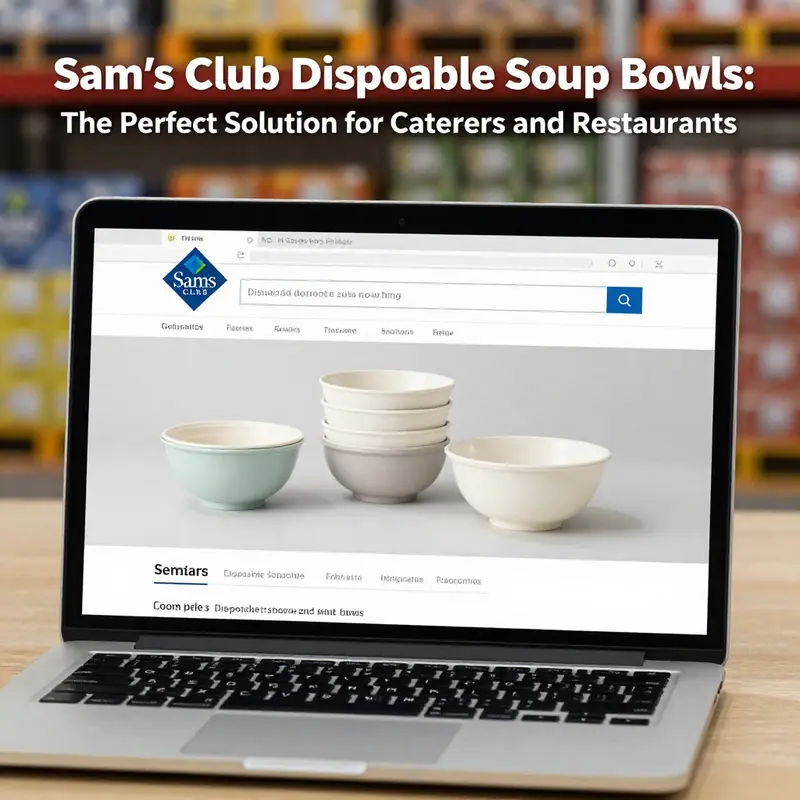
Finding the right disposable soup bowls online requires a mix of clear goals and practical checks. Start by deciding intended use, portion size, and sustainability priorities. Are you stocking for a small household, planning a large event, or running a food service? Each scenario shifts which features matter most: capacity, material, lid compatibility, and pack size. With those needs in mind, the retailer’s website becomes a tool for comparison rather than a single purchase channel.
First, confirm membership access before browsing deeper. The online shopping area is optimized for members, and certain buying options may be restricted. Once signed in, use targeted search terms to narrow results. If you want sturdier containers, search for capacity terms like “12 oz” or “16 oz.” For compostable options, include words such as “kraft” or “biodegradable.” Try variations like “disposable soup bowl with lid” to surface bowls that ship with compatible covers. These phrases help you find relevant choices quickly.
When results appear, assess listings by reading specifications closely. Look for material designations such as polypropylene, polystyrene, molded fiber, or kraft paper. Each material has trade-offs. Plastic tends to resist grease and handle hot liquids well. Molded fiber and kraft options usually score better on compostability and recyclability. Manufacturers often list microwave and temperature limits. Note those limits if you plan to reheat soups in the same container.
Capacity matters for portion control and cost calculation. Small sizes work for appetizers and side soups. Medium sizes suit everyday servings. Large containers suit family-style portions or catering. Calculate per-serving cost by dividing the listed pack price by the number of pieces. That reveals true value when pack sizes vary. Bulk packs usually drop unit costs, but account for storage space and product shelf life.
Packaging and closures are worth checking. Bowls sold with lids simplify transport and takeout. If lids sell separately, compare total cost for the bowl-plus-lid pair. Also inspect whether lids lock or simply snap on. For delivery and takeaway, leak resistance is essential. Where spill protection is important, choose bowls with secure, vented lids.
Sustainability claims deserve scrutiny. Many listings highlight “eco-friendly” or “biodegradable.” Look for specific certifications or clear composting instructions. Terms like “compostable” are meaningful only when paired with standards such as ASTM or EN certifications, or clear guidance on industrial versus home composting. For kraft or molded fiber options, check whether they include a lining. Wax or plastic linings improve liquid resistance but reduce compostability.
Reviews and questions from previous buyers are invaluable. They often reveal how bowls perform with hot liquids, whether lids fit well, and if the material holds up during transport. Pay attention to recurring themes in reviews. A single negative comment is less meaningful than many buyers noting the same problem. Also review seller or fulfillment details. Some listings are fulfilled directly by the retailer, while others ship from third-party sellers. Fulfillment details affect return policies and delivery timelines.
Shipping and pickup options can influence final cost. Compare home delivery, express delivery, and curbside pickup. Pickup options often allow you to confirm in-store stock before purchase. If fulfillment lists a warehouse location, note shipping distance and potential delays. For last-minute events, curbside or same-day pickup may be indispensable.
Price comparisons help, but consider convenience and reliability too. Unit price is only one factor. Buying slightly more expensive bowls from a trusted fulfillment source can save time and reduce risk of last-minute replacements. Look for bundle deals that include lids and utensils when convenient. Also check whether the listing offers sample packs. A small sample order lets you test material, lid fit, and temperature resistance before committing to bulk quantities.
When buying for commercial use, review package labeling carefully. Details such as food-grade markings, safe-temperature ranges, and recycling instructions belong on product pages or packaging images. If you need custom branding, search for printed or customizable options. Custom-printed kraft paper soup bowl options give a starting point for branded packaging and may reduce per-piece cost in larger runs. custom-printed kraft paper soup bowl options
Before checkout, verify return and refund policies. Disposable foodware often falls under specific return rules. Confirm whether the seller accepts returns and the time frame. Also check warranty statements for defects. If the listing specifies a satisfaction guarantee, note how to initiate a return and what documentation is required.
Account tools and savings features can reduce costs. Use saved lists to compare similar products side by side. Watch for manufacturer or retailer coupons and member-only promotions. If you plan recurring purchases, look into subscription or refill options. These features streamline reorder and sometimes provide discounts.
Stock management for events means balancing order timing and storage. Buy early enough to handle shipping variability. For large orders, stagger deliveries or order a small test run first. Store bowls in a dry, cool place. Keep lids in their original packaging to avoid contamination and bending.
Finally, check product and seller details for compliance and transparency. Look for clear photos showing lids, interior coatings, and labeling. Inspect product dimensions, piece counts, and the listed weight. If details are unclear, use the listing’s question feature to ask about temperature tolerance or lid compatibility. Timely responses often indicate reliable sellers.
When the purchase is complete, review the confirmation and track shipment. If pickup is selected, confirm the pickup window and any required ID or membership proof. For delivery, follow tracking updates and inspect the shipment promptly. Document any damage with photos and file claims quickly to increase the chance of a satisfactory resolution.
These steps help you navigate the website with confidence. They reduce surprises and ensure the bowls match your needs. For the most current product listings and membership details, consult the retailer’s official shopping site directly: https://www.samsclub.com
Final thoughts
In summary, Sam’s Club provides an excellent selection of disposable soup bowls catered to the needs of food service professionals. Understanding the materials, size options, packaging availability, and pricing, combined with a seamless online shopping experience, allows businesses to select the right products efficiently. With the right disposable soup bowls, enhancing customer experience and operational efficiency becomes more manageable. Embrace the convenience of quality disposable tableware from Sam’s Club and elevate your food service offerings.