
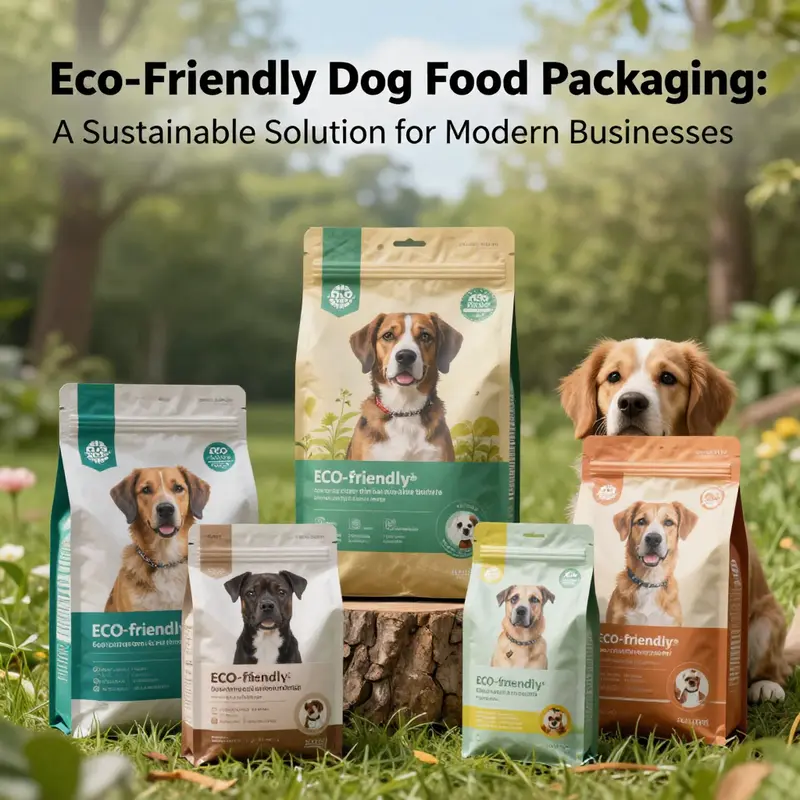
As businesses increasingly prioritize sustainability in their operations, the demand for eco-friendly packaging solutions has never been higher. For establishments like bubble tea shops, restaurants, food trucks, and catering services, choosing the right packaging is crucial not just for the environment but for meeting consumer expectations. This article explores the significance of eco-friendly dog food packaging, focusing on aspects like recyclable and biodegradable materials, printing techniques, and functional balances, while also providing practical insights for procurement teams. Together, these vital components form a holistic understanding of what it takes to effectively integrate sustainability into your product offerings.
Choosing Recyclable and Biodegradable Materials: A Compass for Eco-Friendly Dog Food Packaging
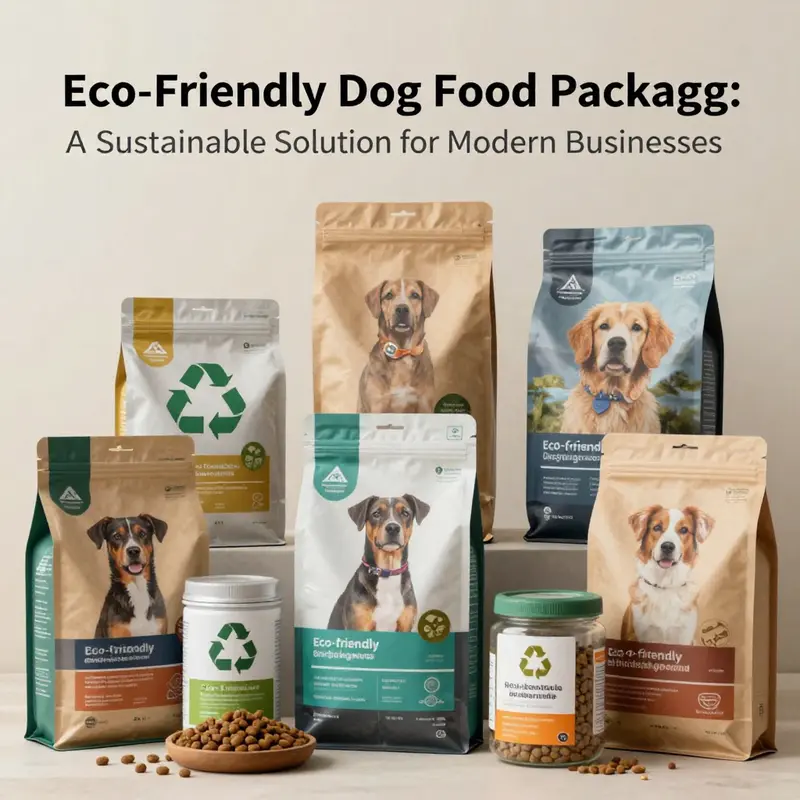
When you start to look at dog food packaging through an environmental lens, the choice of material becomes the most consequential decision a brand makes after product formulation. Packaging does more than carry a product from shelf to bowl; it carries ideas about responsibility, resource use, and a company’s role in a circular economy. The research materials you provided frame a clear truth: materials that are recyclable or biodegradable offer the most practical path to reducing the footprint of dog food while maintaining the quality and safety that pet guardians expect. The challenge is to translate that truth into procurement choices that work in the real world—in manufacturing plants, in distribution networks, and in the homes of millions of dogs and their people. The arc of this choice moves beyond a single bag or pouch. It defines how a brand signals its values, how it aligns with regional recycling infrastructures, and how it navigates the trade-offs between barrier performance, cost, and end-of-life outcomes for packaging waste.
From a systems perspective, rechargeable or reusable resources are not simply a preference; they are a strategic imperative. In practical terms, recyclable materials such as certain food-grade plastics can be reprocessed in established waste streams, keeping resources circulating rather than letting them slip into landfills. When a bag or pouch is designed with recyclability in mind—ideally as a single material or a clean laminate that can be processed in common municipal facilities—the end-of-life reality becomes much more predictable. This is where the parallels with human foods become instructive. Just as consumer packaged goods brands benefit from a consistent, recycling-friendly approach across a product line, dog food brands can optimize logistics, reduce waste, and improve total cost of ownership by prioritizing materials supported by local recycling ecosystems. One can look to real-world examples in which packaging is designed with Ceflex-like guidance in mind, enabling region-specific recycling streams rather than a one-size-fits-all solution. The upshot is straightforward: when packaging is designed to fit the local recycling architecture, the likelihood of actually achieving material circularity increases dramatically.
The choice between recyclable plastics and more exotic degradable alternatives is not simply a matter of one versus the other. It is about balance—between performance and life-cycle impact, between cost and scalability, and between consumer expectations and the realities of industrial infrastructure. Recyclable materials, such as certain grades of polyethylene, offer broad compatibility with mature recycling streams. They provide robust barrier properties, mechanical strength, and sealing performance that are essential for maintaining product quality in pet food. A high-performing bag must withstand moisture, fats, and long transit times, while also enabling easy handling inside retail environments. The single-material approach increasingly emerges as a practical baseline: when the packaging is composed predominantly of one polymer type, with inks and adhesives chosen to minimize contamination, recycling facilities can do a better job reclaiming material and remanufacturing it into new products. This is not mere theory; it aligns with how many major jurisdictions already structure their post-consumer plastics programs. The emphasis is on standardization, reduce-then-reuse philosophy, and the removal of heavy metal-based pigments or solvent-laden inks that complicate separation.
But the conversation cannot stop there. When talk turns to compostable or biodegradable options—PLA or PBAT-based films, for example—the conversation must sharpen. In theory, industrial composting facilities can transform certain biobased packaging into compost, water, and carbon dioxide, leaving little residue. In practice, the reality is more nuanced. Industrial facilities are not universally accessible in all regions, and home composting rarely reaches the conditions required for complete material breakdown. The cost premium for these materials is also frequently cited as a barrier to widespread adoption. The result is a nuanced picture: compostable bags can be a powerful option when the supply chain includes industrial composting capacity and clear consumer guidance on disposal is provided. Without that infrastructure, these materials risk becoming another form of contamination that disrupts recycling streams rather than complementing them. Moreover, if degradable materials are mixed with conventional plastics at collection points, the separation processes can be compromised, undermining any potential environmental advantage.
This reality underscores a central theme in sustainable packaging: the best choice is the one that fits the local infrastructure and consumer behavior. A brand that pursues recyclability without a viable end-of-life route risks greenwashing in the eyes of consumers. Conversely, a brand that barrels ahead with untested degradable materials may incur higher costs and may face limited facilities that can process those materials, leaving the consumer with uncertain disposal outcomes. The evidence from the field is clear. When packaging teams align with the realities of recycling streams—whether through (a) single-material design with robust barrier properties, (b) clear labeling and consumer guidance, or (c) certification programs that validate recyclability—the environmental benefits are more likely to be realized. This is not just about reducing waste; it is about maximizing the chance that materials re-enter the economy rather than becoming stray litter.
The consumer angle is equally important. Market research and consumer sentiment data from multiple sources indicate a rising willingness to support products that actively pursue recyclable packaging. A notable share of shoppers, particularly those who already prioritize sustainability, expresses a preference for packaging that can be recycled in their local systems. This preference translates into stronger brand loyalty, better shelf performance, and even the ability to command a pricing premium in markets where consumers see packaging as part of value creation rather than a cost of doing business. For pet owners, the stakes are personal: packaging that reduces waste and preserves freshness directly affects the experience of feeding a beloved dog and the larger issue of environmental stewardship.
The procurement path to these outcomes begins long before a bag is filled with kibble. It starts with questions posed to suppliers: Can you provide packaging that is recyclable in most regional streams? Is the bag designed for easy separation of inks and adhesives? Are there third-party certifications that validate compostability or recyclability? Are there materials trial options that allow us to test barrier performance in our specific product formulation? The answers to these questions shape the risk-reward profile of any packaging program. A careful buyer seeks suppliers who can demonstrate end-of-life performance in real-world contexts, not just in lab tests. This often means evaluating not only material properties but the entire chain from manufacturing to end-user disposal. It also means examining the environmental certifications associated with packaging and the confidence those certifications provide to regulators, retailers, and consumers.
Certification serves as a crucial bridge between intention and action. Programs such as OK Compost, TÜV Austria OK Biobased, and FSC play a critical role in signaling credibility. But certifications are not universal; they must be interpreted in the context of regional waste management realities. For instance, an OK Compost label is only meaningful if local facilities can accept the material and process it under standardized industrial conditions. Similarly, FSC certification, while aimed at wood and paper products, informs responsible fiber sourcing and reduces deforestation risk when packaging relies on paperboard or paper laminates. The implication for dog food brands is straightforward: certifications provide a transparent basis for communicating sustainability claims to retailers and customers, reducing the risk of greenwashing and supporting consumer confidence.
Beyond the certification and the material choice lies the practical challenge of supply chain management. Local procurement matters, because regional transportation contributes significantly to a product’s carbon footprint. The closer the source of packaging materials to the manufacturing site, the lower the embedded emissions from transit. In addition, the total cost of ownership must account for the packaging’s performance, its end-of-life handling, and the potential for recycling or composting to offset waste disposal costs in the long run. This means paying attention to minimum order quantities, lead times, and the ability of a supplier to adjust formats as product lines evolve. It also means adopting a phased approach—a pilot program to test a recyclable or compostable option in a limited market before rolling out more broadly. A staged rollout helps avoid costly missteps and provides the data needed to justify broader investment.
In practical terms, brands exploring recyclable options should also consider how packaging communicates its end-of-life instructions. Clear recycling logos and disposal instructions reduce contamination in recycling streams and improve consumer participation. Labels can guide end users through steps such as rinsing the bag before disposal, removing metalized components where applicable, and segregating the packaging from other waste streams. These details may seem small, but they have outsized effects on whether a material is actually recycled. Consumer education components should be harmonized with retailer and municipal guidelines to ensure consistent messaging across channels.
From a strategic standpoint, the packaging decision is not an isolated feature; it is part of a broader sustainability program. A company that commits to recyclable or degradable materials should align its packaging choices with its broader goals—reducing overall plastic use, sourcing renewable materials where feasible, and investing in supply chain transparency. The integration of packaging with product sourcing, manufacturing efficiency, and end-of-life partnerships creates a coherent story that resonates with customers and retailers alike. This coherence matters because it translates into practical advantages: reduced waste disposal costs, improved compliance with tightening environmental regulations, and a stronger market position with consumers who now demand evidence of responsibility.
The procurement journey, while guided by environmental science and policy, remains practical and grounded in day-to-day business decisions. If a brand discovers that a particular recyclable material offers the best balance of barrier performance, cost, and end-of-life outcomes in its region, that choice becomes a baseline standard for future packaging updates. The route to scale often involves leveraging platforms that connect buyers with verified suppliers who can deliver on sustainability criteria. For example, platforms that provide documented eco-friendly packaging options can accelerate the discovery of materials that meet both performance and certification requirements. In the context of dog food packaging, the goal is not merely to find a greener option but to implement a scalable, credible, and economically viable option that can support ongoing growth.
To illustrate how a brand might balance branding and sustainability in packaging, consider the branding potential of customizable kraft-paper options with practical functionality. For brands seeking customizable packaging options, the visual branding potential of kraft paper bowls can be seen in this example: Custom Disposable Kraft Paper Bowl Take Away with Pet Lid. While primarily discussed here in the context of other packaging applications, this example demonstrates how a packaging system can combine brand identity with end-user convenience and environmental performance. The same design principles—impactful visuals, resilient moisture barriers, resealability, and consumer-friendly disposal instructions—apply to dog food packaging. The key is to ensure that the design remains compatible with recycling systems and does not introduce elements that complicate waste separation. In many markets, it is the combination of a robust barrier with a straightforward end-of-life path that makes recyclable packaging not just feasible but preferable to conventional options.
As for practical next steps, a buyer should begin with a materials scorecard that weighs factors such as recyclability, compostability, barrier quality, seal integrity, and compatibility with existing filling lines. The scorecard can be used to compare multiple suppliers and formats, including stand-up pouches with zippers, rigid closures, and recyclable laminates. It is essential to verify if the material can maintain product integrity during shelf life and transport and whether the proposed ink systems and adhesives will not compromise the recyclability of the final packaging. Water-based inks and plant-based inks deserve particular consideration because they can minimize chemical residues in recycling streams and reduce occupational exposure risks for workers involved in packaging waste processing. Non-solvent printing technologies further reduce environmental impact by lowering solvent emissions and enhancing worker safety. All these aspects should be incorporated into a formal supplier evaluation process that includes third-party testing, pilot-scale runs, and a clear plan for end-of-life management.
In closing, the choice between recyclable and degradable packaging materials is best understood not as a binary decision but as a strategic integration of product quality, consumer expectations, infrastructure readiness, and corporate responsibility. When brands choose recyclable materials that fit local recycling ecosystems, and when they support these choices with clear consumer guidance and credible certifications, they move beyond compliance toward leadership in sustainable packaging. The path may involve upfront trade-offs in cost or supply chain complexity, but the long-term gains—improved consumer trust, stronger retailer relationships, and meaningful waste reductions—are compelling. In the dog food sector, where millions of households are guardians to dogs that rely on consistent nutrition, packaging becomes a conduit for trust as much as it is a carrier of sustenance. The journey toward eco-friendly packaging is ongoing, iterative, and deeply consequential for both pets and the planet. By anchoring decisions in recyclable compatibility, strategic end-of-life planning, and transparent certification, brands can navigate toward packaging that serves today’s needs without compromising tomorrow’s resources.
External resource for further reading: For more authoritative details on recycling capabilities and region-specific guidance, see the Royal Canin recycling page. Royal Canin Recycling FAQ
Printing with Purpose: Inks, Materials, and the Environmental Pledge of Eco‑Friendly Dog Food Packaging
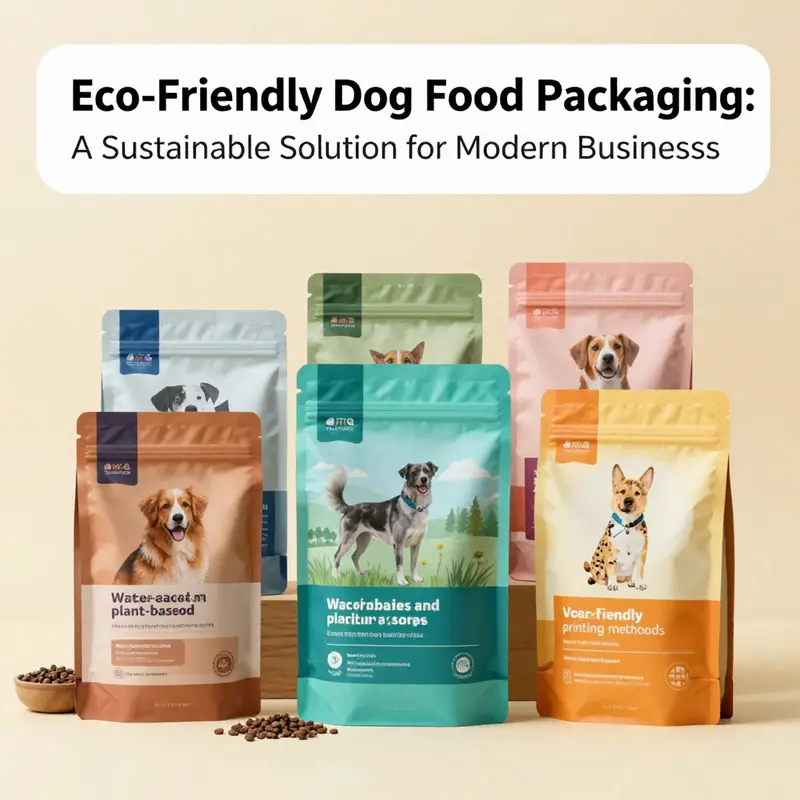
In the realm of eco‑conscious pet care, the packaging that travels from shelves to bowls has become more than a simple wrapper. It is a statement about what we value—transparency, safety, and responsibility. The printing and ink choices on dog food packaging, in particular, steer the entire lifecycle of a package, from the moment it leaves a factory floor to its final resting place in a landfill or a compost bin. When we consider buying eco‑friendly dog food packaging, we are not only weighing the barrier that keeps moisture out and freshness in; we are evaluating the hidden footprints that printing inks leave behind, and the ways in which design decisions can reinforce a sustainable supply chain without compromising canine health. This chapter threads together how minimalist design, greener inks, and rigorous safety checks cohere into a credible, practical approach for brands and buyers alike who want genuine environmental gains without sacrificing performance.
A core principle guiding eco‑friendly packaging is to reimagine form through function. Simplified design reduces material use and waste, which in turn cuts energy consumption and emissions across the entire production process. When a bag or pouch is designed to use thinner walls or modular components that can be stacked efficiently for transport, the savings compound from source to sink. For dog food, where products are often sold in large quantities, every gram of packaging saved translates into a meaningful lower footprint per unit of food delivered. In practice, this can take the form of switching to lighter, recyclable polymers or adopting bio‑based or compostable alternatives such as polylactic acid (PLA), starch‑based materials, or recycled fiber laminates. It can also involve replacing multi‑layer conventional plastics with mono‑materials designed for easier recycling, or with paper‑based substrates that carry credible compostable or recycling certifications. The emphasis remains on ensuring the packaging still protects the product from moisture, odor migration, and physical damage while enabling efficient end‑of‑life handling.
The role of the printing and ink layer is deeply intertwined with these material choices. Traditional inks and solvents have long been a source of environmental concern due to volatile organic compounds (VOCs), solvent residues, and heavy metals that may migrate from the packaging into the food product, even in trace amounts. For pet foods, where the recipient is a living animal, the margin for safety is particularly tight. Regulatory expectations in many regions now push for lower solvent emissions and lower migration potential, with an emphasis on protecting animal health and environmental health alike. This is where water‑based inks and plant‑based inks enter the conversation as credible alternatives. Water‑based inks use water as the primary solvent, dramatically reducing VOC emissions during production and improving indoor air quality at the facility while also limiting the potential for solvent migration into the food surface. Plant‑based inks rely on renewable oils such as soy or linseed rather than fossil fuel derivatives, offering a lower carbon footprint and a potential end‑of‑life advantage if the ink system is designed to biodegrade with the substrate.
The shift toward greener inks also aligns with broader food‑contact safety standards, which govern solvent residues, colorant migration, and heavy metal content in printing materials. In practical terms, brands and buyers should seek inks that meet recognized environmental certifications and food safety benchmarks. This means looking for inks that are compliant with regulations governing solvent residues and migration limits, as well as those that demonstrate reduced environmental impact through lifecycle assessments or third‑party certification. The pull toward compliant, low‑risk inks is not merely about satisfying a regulatory checkbox; it is about enabling honest communication with consumers who want to know that the packaging they trust to protect pet health is not undermined by the printing process itself.
A crucial aspect of the discussion is how to balance aesthetics and information with sustainability. Graphic design, typography, and brand storytelling must still captivate consumers, yet they should do so with materials and inks that are transparent about their environmental credentials. This balance often means embracing minimalist design that relies on clear, legible information about ingredients, storage, and shelf life, while using inks that are opaque and vibrant enough to communicate essential data without requiring heavy pigment loads. In practice, this approach reduces ink consumption per unit and minimizes potential waste, while maintaining legibility for pet owners who rely on accurate labels for nutrition and safety. The outcome is a packaging system that feels honest and trustworthy—an important factor when owners are choosing products for their companions.
From a lifecycle perspective, the environmental benefits of greener inks are amplified when combined with responsible sourcing of materials and efficient end‑of‑life management. The best ink systems for eco‑friendly dog food packaging are those designed to work in harmony with the substrate. For instance, if a pouch uses a bio‑based film, a compatible water‑ or plant‑based ink reduces the risk of incompatibilities during printing, sealing, and disposal. And when the packaging is marked with compostable or recyclable certifications, it adds a robust signal to consumers and retailers that the entire product system has been evaluated for sustainability. This is not merely about label claims; it is about verifiable standards that can include third‑party certification such as OK compost or forest stewardship certifications for paper components. The more transparent the certification ecosystem, the easier it becomes for buyers to compare options and to trust that the product will behave as promised in real‑world waste streams.
An emerging area of interest is how these ink choices intersect with supply chain logistics. Localized production of packaging components can sharply reduce transportation emissions, but it also places greater emphasis on the efficiency of printing operations. In this cross‑functional space, print houses can optimize their processes by adopting digital printing technologies that minimize waste and allow on‑demand production. Digital workflows can reduce the need for large print runs and enable rapid iteration of designs without producing excess stock. When brands pair local sourcing with greener inks, the cumulative environmental gains multiply—from reduced transport emissions to lower solvent emissions and improved end‑of‑life outcomes. The practical takeaway for buyers is straightforward: ask for evidence of ink sustainability, request information about how the ink system integrates with the chosen substrate, and favor suppliers who can demonstrate a cradle‑to‑grave understanding of their packaging’s environmental impact.
Beyond the technicalities of ink chemistry and substrate compatibility lies the broader question of materials verification and consumer trust. Platforms that connect buyers with packaging suppliers often emphasize the importance of independent certifications. A credible packaging solution for eco‑friendly dog food should ideally carry third‑party validation. Certifications can reflect compostability, recyclability, or biodegradable content and are most meaningful when they are coupled with clear disposal guidance for consumers. The credibility of these statements often hinges on the strength and relevance of the certification body, as well as the credibility of the test conditions under which performance was evaluated. When a package asserts compostability, for example, it should be supported by a recognized standard and a defined composting stream. If it proclaims recyclability, the packaging should be compatible with the local recycling infrastructure, and the design should avoid materials that contaminate the recycling stream.
In the search for reliable options, procurement decisions cannot ignore the realities of scale and cost. Eco‑friendly packaging that integrates greener inks should also be commercially viable. This means evaluating minimum order quantities, supply reliability, and total cost of ownership, including waste management and potential returns to the supply chain for recycling or composting. Suppliers who offer transparent documentation about the ink system, substrate compatibility, and end‑of‑life options tend to provide more reassurance to buyers who must justify sustainability credentials to internal stakeholders. In practice, this translates into a careful audit of the packaging ecosystem: the materials, the inks, the certifications, and the logistical network—all assessed against a shared standard of environmental stewardship that aligns with the goals of responsible pet product manufacturing.
For those who want a concrete example of how ideas translate into choices on the shelf, consider how design and printing decisions can support both brand goals and environmental outcomes. A minimalist label with essential nutritional information printed using water‑based ink on a mono‑material pouch represents a credible, practical solution. The design reduces ink load while preserving readability, and the substrate simplifies recycling or composting at the end of life. When such a package is accompanied by clear disposal guidance and third‑party verification, consumers can confidently choose that option knowing it aligns with their values and protects their dog’s health. In this context, the act of choosing eco‑friendly dog food packaging becomes a narrative of stewardship rather than a mere purchasing decision; it is a commitment to a supply chain that consistently alleviates environmental pressures without compromising the trust customers place in pet food safety.
To support readers who are navigating this landscape, it helps to anchor decisions to practical steps. First, prioritize packaging that explicitly promises low‑toxicity inks, preferably water‑based or plant‑based, and that carries credible certifications for its printing system. Second, verify that the ink strategy is compatible with the packaging substrate and that the combination will not hinder recycling or composting. Third, insist on transparency around the entire lifecycle, including supplier certifications, test data for migration and VOCs, and a clear disposal plan for consumers. Fourth, weigh the broader supply chain implications, such as the benefit of local sourcing to reduce transport emissions and the opportunity to implement digital printing to minimize waste. Finally, keep an eye on emerging innovations, such as edible inks in the long term and digital packaging features that enable traceability and consumer engagement without adding material burden.
For readers seeking a practical touchpoint, consider how an internal resource might help illustrate these principles in action. A reference point is a packaging option that emphasizes eco‑friendly composition and practical usability, such as a disposable kraft paper approach that aligns with a compostable or recyclable framework. Such an option can serve as a tangible example of how design, materials, and inks converge to deliver a responsible packaging solution for dog foods. disposable-700ml kraft paper bowl illustrates the kind of synergy between form and function that buyers should look for, especially when paired with credible end‑of‑life claims and transparent testing data. The messaging around these choices should be reinforced by clear consumer guidance on disposal, which is a natural complement to the technical rigor behind the ink and material selections.
In closing, the quest for eco‑friendly dog food packaging is ultimately a journey through printing choices, material science, and the integrity of the supply chain. The ink system is not an afterthought; it is a central pillar that supports both safety and sustainability. By embracing minimalist design, selecting inks with low environmental impact, and demanding robust certification and lifecycle data, brands and buyers can ensure that their packaging delivers real environmental benefits. This approach protects not only the planet but also the health of dogs and the peace of mind of pet owners who want to trust that what protects their companion’s food is aligned with the values they hold dear. The path forward is collaborative and evidence‑based: it requires supplier transparency, consumer education, and a willingness to adopt materials and inks that might require new processing or recycling practices but deliver durable long‑term gains. As the inked surface becomes a symbol of responsibility, the packaging itself becomes a product feature—one that communicates care at every touchpoint from shelf to bowl.
External resource for further context: https://www.foodsafetynews.com/2023/07/food-contact-materials-and-printing-inks-in-the-eu-and-us/
null
null
从平台到包装:高效采购可持续狗粮包装的综合指南
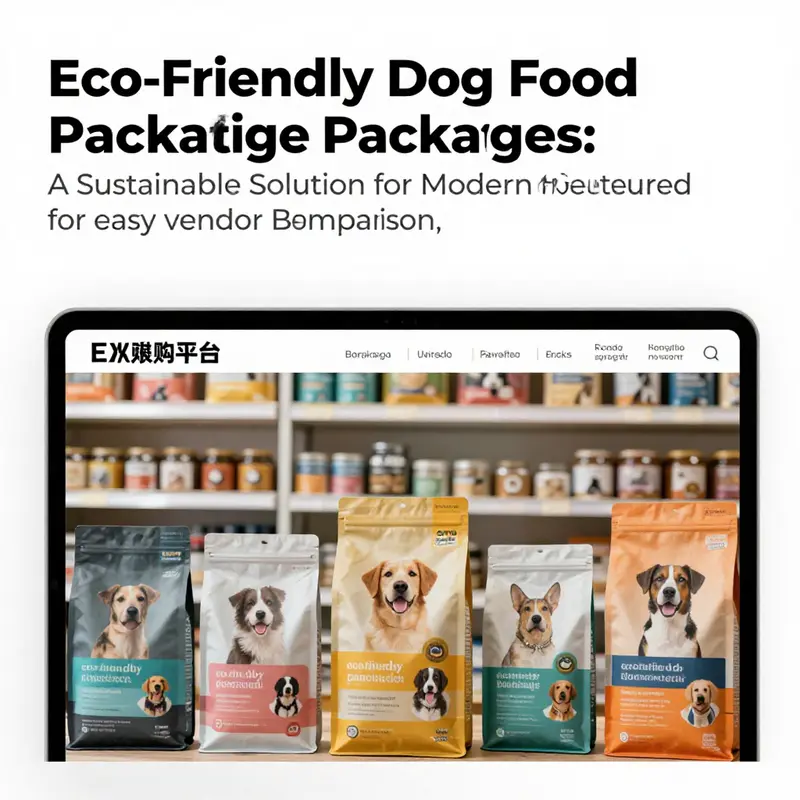
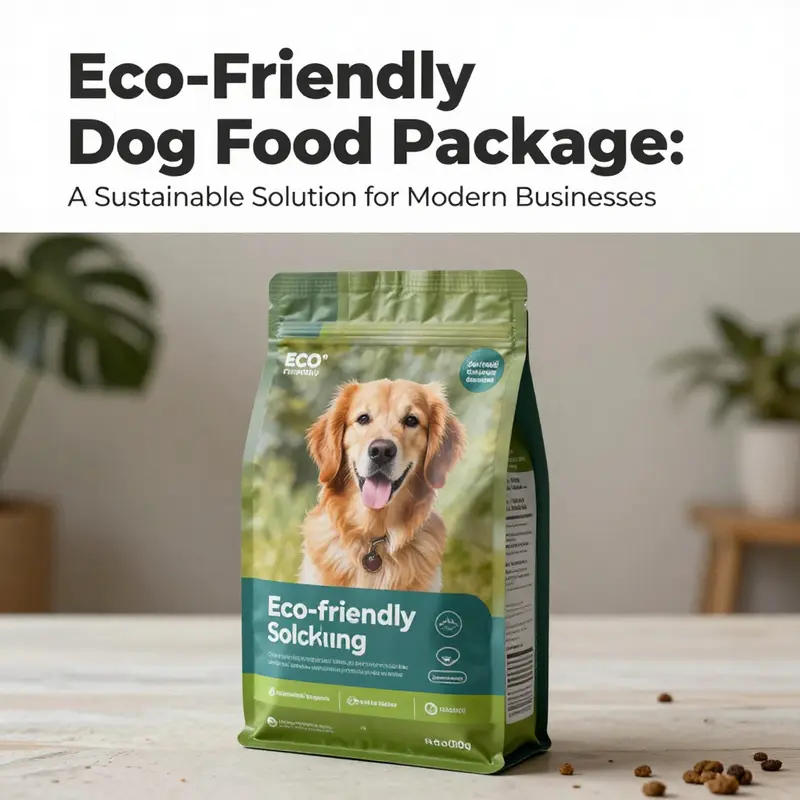
Choosing eco-friendly dog food packaging is a strategic decision that goes beyond regulatory compliance. It can influence product quality, brand trust, and how efficiently your supply chain performs. This chapter outlines a practical path from selecting procurement platforms to final packaging specifications, helping brands source packaging that protects pet food, minimizes waste, and communicates a responsible story to consumers.
First, platform selection and supplier credibility. Procurement platforms can connect you with multiple packaging manufacturers, but the real value comes from verified credentials, clear safety documentation, and robust sampling programs. Look for platforms that offer supplier audits, traceability, and protective payment terms. Request food-contact safety certifications and evidence of quality control before placing larger orders. Build a two-tier test: request samples for barrier performance and print fidelity, then run a small production lot to validate performance in real conditions.
Second, materials and lifecycle considerations. Decide between recyclable, compostable, or mono-material options based on local waste streams. Common recyclable polymers include polypropene and certain polyethylenes with established streams; compostable options may rely on starch-based or bio-based films but require industrial facilities to process. When a product is advertised as compostable, verify certifications such as OK Compost or similar standards. Ensure labeling is clear so consumers can sort properly, and align with regional recycling or composting infrastructure.
Third, printing inks and branding. Favor water-based or plant-based inks to reduce solvent emissions. Where possible, minimize solvent use and select printing methods that limit VOCs. A cohesive design—color, typography, and structural features such as resealable zippers—supports branding while keeping the environmental message credible.
Fourth, packaging performance and design for end-of-life. The primary function remains protecting the kibble from moisture, air, and contamination. At the same time, seek resealable closures, reliable seals, and barriers that preserve freshness over the product’s shelf life. Consider mono-material structures that are easier to recycle, or multi-layer laminates engineered for selective separation. For brands with higher frequency shipments, print on the outer pouches while using internal layers with minimal impact on recyclability.
Fifth, supplier qualification and risk management. Choose suppliers with transparent quality systems, traceability, and evidence of compliance with food-contact standards. Ask about MOQs, lead times, and flexibility to accommodate seasonal demand. Audited or certified suppliers reduce risk and improve consistency across batches.
Finally, translate procurement into action. Create a blueprint that links your platform choices, materials, certifications, and supplier requirements to a defined packaging specification. Gather test data on seal strength, moisture barrier, print fidelity, and end-of-life options. Use this data to negotiate better terms, scheduling, and after-sales support. A holistic program will deliver not only a sustainable label, but measurable improvements in waste reduction, product protection, and brand equity.
In summary, the path from platform to packaging is about credible credentials, material choices aligned to local waste systems, responsible printing, and rigorous supplier management. By treating sustainability as a design parameter—integrated from procurement through production—you can build a packaging program that supports pet health, retailer expectations, and a healthier planet.
Final thoughts
Adopting eco-friendly dog food packaging is not just a trend; it’s a responsibility that businesses should embrace. By focusing on recyclable and compostable materials, utilizing sustainable printing techniques, and balancing functionality with environmentally friendly practices, businesses can make informed decisions that benefit their brand and the planet. For procurement teams, the resources and platforms mentioned in this article serve as invaluable tools in finding the best packaging solutions that align with both business objectives and sustainability commitments.