
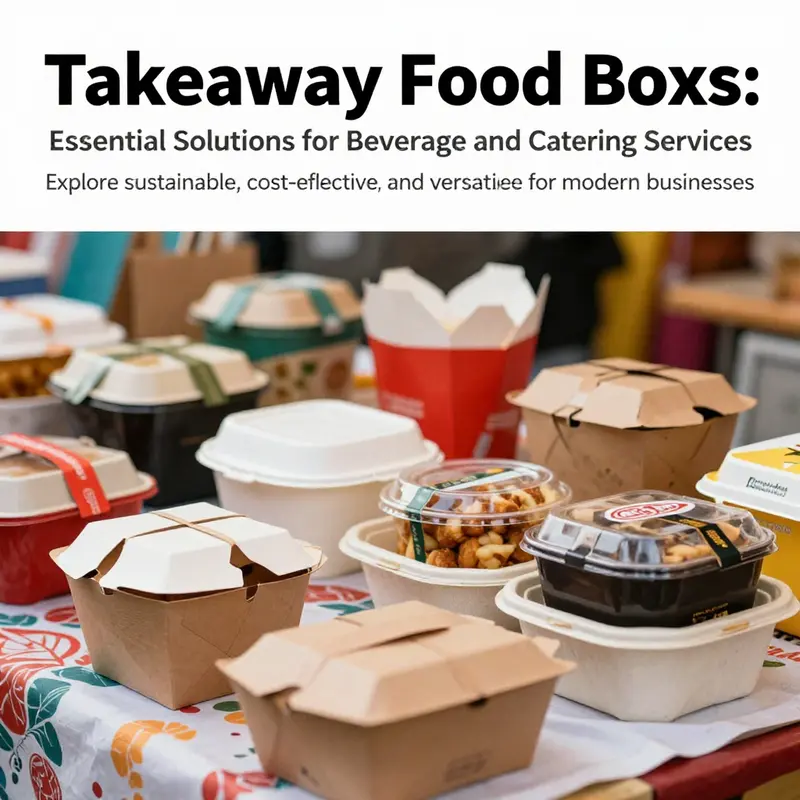
As the global food service industry continues to evolve, the demand for effective takeaway food boxes has become more pronounced. Whether you operate a bubble tea shop, a vibrant food truck, or manage event catering services, the packaging you choose plays a crucial role in maintaining food quality and enhancing customer satisfaction. In this guide, we will explore several dimensions of takeaway food packaging, starting with the importance of sustainability in material selection, moving to cost considerations in bulk purchasing, functionality and versatility in container options, current market trends and innovations, and finally, regulatory standards impacting the packaging landscape. These insights aim to empower your food service business by aligning packaging choices with both operational needs and consumer expectations.
Sustainability in Box for Takeaway Food: Eco-Friendly Materials and Their Real-World Impact on Freshness and Brand Value
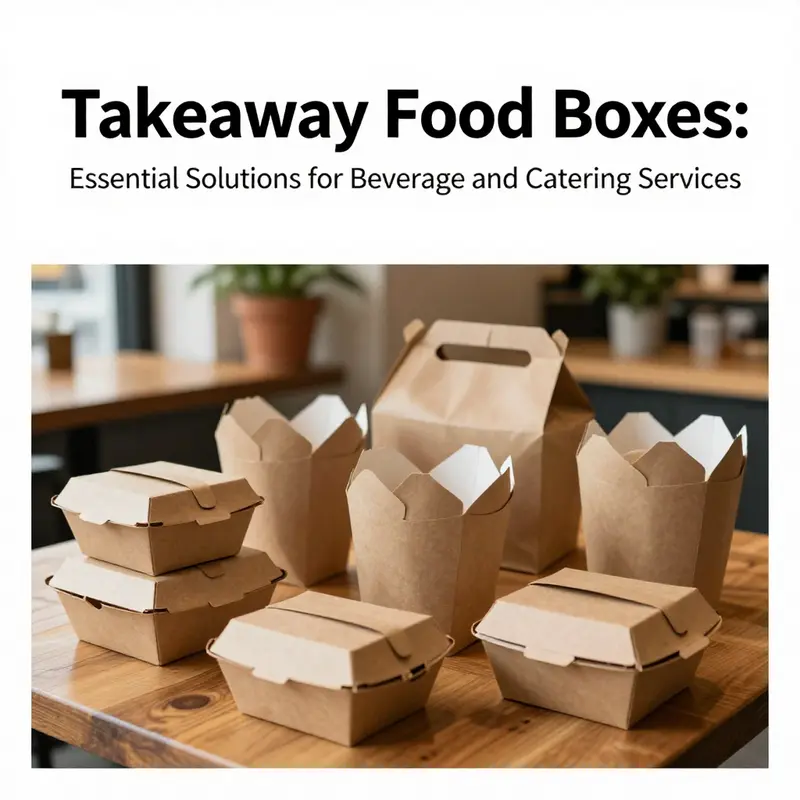
The rise of takeout culture has transformed packaging from a simple wrapper into a key moment of responsibility. As meals move from kitchen to curbside to customer doorstep, the box becomes more than a container it is a statement about how a business values the places it serves and the people who purchase its food. Sustainability in box design is not a single choice but a strategic approach that blends material science, logistics, consumer expectations, and the realities of supply chains. In many markets, customers now expect packaging to perform its core duties—protecting freshness, preventing leaks, and enabling easy transport—while also respecting the planet. This shift is more than a trend; it reflects a growing awareness of how every layer of packaging contributes to waste streams and recycling systems. The most effective sustainability efforts arise when operators choose materials that align with how customers actually use takeout boxes and how communities can responsibly recover or reuse them. The result is a packaging ecosystem that does not force a trade off between convenience and care for the environment, but rather demonstrates that both can coexist in a practical, scalable way.
Within this landscape, material choice becomes a balancing act between performance, cost, and end of life. Reuse and durability sit alongside recyclability and compostability, and each option brings its own set of considerations for a restaurant or delivery service. Reusable plastics such as extruded polystyrene and reusable polypropylene offer the possibility of multiple uses, which can dramatically reduce waste when a box is returned or repurposed in a closed loop. The lifecycle perspective here matters: a container that is sturdy enough to withstand several trips, resist leaks and heat, and survive cleaning cycles can outperform many single use alternatives in a full environmental accounting. However, the practicality of reuse depends on the operational system in place. In some cases the cost and logistics of collecting and sanitizing reusable containers may limit their feasibility to specific business models or local networks. In others, a hybrid approach emerges where durable reusable options accompany a quick, compostable or recyclable line for ordinary customers, ensuring that even single use remains lightweight and compatible with prevailing recovery programs. This nuanced view helps avoid the pitfall of opting for a material solely because it sounds greener without considering the day to day workflow that makes sustainability real.
On the horizon, biodegradable and compostable materials are expanding the set of available choices without sacrificing the core requirements of protection and convenience. Bamboo and bagasse derived from sugarcane fiber have gained attention for their renewability, relatively low embodied energy, and potential to decompose under the right conditions. Bagasse, in particular, has earned recognition for being cost effective while delivering the necessary stiffness and barrier properties for many takeaway formats. The appeal lies not only in materials science but in the integration with established waste streams; bagasse and similar fibers can be designed to work with municipal composting or industrial facilities, reducing the chance that packaging ends up in landfill. Yet for all their promise, these materials require careful consideration of local infrastructure and consumer behavior. For example, compostability is meaningful only when facilities exist to process the material, and consumer participation in the composting system is critical to achieving the intended environmental benefits. In practice, these dynamics mean that the best choice is often a contextual one, tailored to regional recovery capabilities and the shapes and sizes most commonly used by a business.
Stainless steel boxes stand out as a premium, durable option that aligns closely with a reuse paradigm. They are inherently robust, food safe, and non porous, which makes them resistant to stains and lingering odors that can plague plastic alternatives over time. The corrosion resistance and ease of cleaning of stainless steel support a long term use profile that can significantly lower waste when adoption is scaled across customer families and institutional accounts. In markets where customers are accustomed to reusing containers or where a takeout program is linked to a rewards or deposit system, stainless steel can deliver a compelling balance of hygiene, performance, and environmental benefit. The trade off is typically the higher upfront investment and the need for a robust reverse logistics or deposit framework to keep the reuse loop efficient. Yet where these conditions exist, the environmental payoff accumulates with each additional reuse, making stainless steel a meaningful component of a broader sustainability strategy rather than a stand alone solution.
The conversation around eco friendly options often circles back to the humble kraft paper box—an emblem of sustainability for many operators. Kraft paper, when sourced from responsibly managed forests and manufactured with energy efficient processes, offers a compelling mix of strength, printability, and end of life simplicity. A large portion of the market has gravitated toward compact, recyclable, and compostable designs that align with municipal waste streams. The beauty of kraft based packaging is its versatility; it lends itself to a range of formats from burger boxes to pizza carriers and salad bowls, while supporting branding through natural textures and customizable finishes. The environmental story here grows clearer as supply chains shift toward renewables and as consumer demand for transparent sourcing intensifies. The result is not merely a better box but a packaging choice that communicates a business ethic to customers with every meal. In practical terms this means operators can lean into designs that are not only functional but also aligned with circular economy objectives, reducing the risk of packaging becoming waste that cannot be recovered.
For businesses evaluating these options, the decision invariably blends cost, performance, and access to the supply chain. Bulk purchasing remains a compelling route for many small and mid sized operators who need predictable pricing and consistent quality across thousands of units. The marketplace features a spectrum of suppliers offering customizable, bulk ready options that can be tailored with logos, color schemes, and messaging while still meeting environmental standards. This is where partnerships with packaging providers become strategic, not simply transactional. A well chosen supplier can deliver packaging that supports operational efficiency—containers that stack, seal reliably, and withstand the rigors of transit while still being feasible to dispose of or recover in appropriate waste streams. The choices made at this level ripple outward, shaping how a business communicates its values to customers and how it participates in broader sustainability initiatives within the neighborhood economy.
An important note about consumer behavior concerns the link between packaging design and perceived sustainability. The best materials in the world cannot fulfill their potential if recovery is rare or confusing. Clear labeling, simple disposal instructions, and visible commitment to responsible sourcing help close the loop between what arrives on a customer’s doorstep and what happens next. In many communities, even recyclable or compostable designs perform poorly if consumer participation is low or if local facilities cannot accept certain materials. This is why a holistic approach matters: selecting materials that align with local waste management realities, investing in consumer education about proper disposal, and collaborating with waste partners to ensure end of life outcomes. When customers experience packaging that protects their food, respects the environment, and aligns with their own values, brand trust grows. The packaging becomes part of an overall customer experience rather than a separate afterthought, reinforcing brand integrity across delivery, dine in, and take home experiences.
Within this framework, the role of design is not limited to aesthetics. It includes the tactile experience of unboxing, the practicality of stacking and transporting, and the clarity of disposal cues. The potential of the packaging ecosystem lies in its ability to adapt to different meal types and service models without compromising environmental goals. For example, a box that performs well in hot, saucy dishes will differ from one designed for cold, crunchy items. Each scenario benefits from a material strategy that considers barrier properties, weight, moisture management, and the ease of cleaning or recycling after use. The end game is a system in which sustainability is built into every decision, from raw material selection to the way a customer repurposes a container after consumption. A practical look at kraft based options and their design variants illustrates how these ideas translate into real world choices that balance performance and responsibility.
For a closer look at disposable kraft paper bowls and their design variants, see the resource: disposable-700ml-kraft-paper-bowl-take-out-octagonal-rectangle-paper-bowl. This example highlights how packaging can combine natural materials with functional shapes to meet the demands of both operator and consumer while keeping an eye on end of life. And while the focus here is on material options, the broader message remains constant: sustainability is most effective when it integrates with everyday operations and the local waste ecosystem. For more detailed information on sustainable packaging materials and their environmental performance, refer to the EPA guidance on eco friendly packaging materials: https://www.epa.gov/sustainability/eco-friendly-packaging-materials. In this way, the box for takeaway food becomes a practical instrument for delivering freshness, safety, and responsibility in equal measure.
Bulk Buying Smarter: How to Cut Costs and Increase Value with Takeaway Food Boxes
Bulk buying smarter turns packaging from a routine purchase into a strategic advantage for any business relying on takeaway food boxes. Buying in volume lowers the per-unit cost, but true savings come from pairing scale with careful supplier selection, forecasting, and design choices. This chapter walks through the practical levers operators use to maximize value while protecting quality, brand and sustainability goals.
Start with clarity on volume and variety. Know weekly and monthly box usage for burgers, pizzas, salads, soups, and mixed orders. Separate slow-moving SKUs from high-turn items. That allows targeted bulk buys for the latter and smaller, flexible orders for the former. Forecasts do not need to be perfect. They should be grounded in recent sales, seasonal patterns, and any planned promotions. When forecasts are realistic, suppliers can offer better pricing and faster turnaround, because they see consistent demand.
MOQ and price breaks determine how attractive bulk purchasing will be. Many manufacturers set minimum order quantities that unlock per-piece discounts. These thresholds justify production runs and reduce manufacturing waste. Evaluate supplier price curves rather than single-point quotes. Ask how unit price changes at incremental volumes. Small increases in order size can yield disproportionate savings once you cross manufacturing steps.
Material and construction choices influence cost, performance and brand perception. Kraft paper and recyclable board deliver good strength at moderate cost. They also align with sustainability priorities increasing among consumers. Grease-resistant coatings and leak guards add functionality but raise unit price. Decide which features are essential for food safety and which are optional embellishments. Often a clean, minimalist white or kraft finish keeps costs low while offering a canvas for branding and customization.
Customization affects the bottom line in predictable ways. Full-color printing, hot stamping, and bespoke shapes increase tooling costs and per-unit prices. However, simple logo printing or a single-color stamp often gives most of the marketing benefit for a fraction of the cost. When customizing, combine long runs of base stock with periodic small runs of premium-printed items timed to promotions. This hybrid approach balances brand visibility with fiscal discipline.
Shipping and logistics often erase apparent savings from low unit prices. Always build freight, duties, insurance, and inland transport into landed cost calculations. Larger volumes are cheaper per box to ship, but they may push a supplier into different shipping categories with higher absolute freight. Negotiate consolidated shipping or warehouse transfers to reduce per-piece freight. If you manage several kitchens, centralized delivery with cross-docking can reduce total logistics spend.
Storage and inventory management convert bulk buying into usable savings. Assess on-site storage capacity honestly. Overstock leads to damage, pest risk, and clutter. Understock leads to emergency orders at premium prices. Implement simple inventory triggers tied to lead time and safety stock. For example, maintain enough inventory to cover average lead time plus two or three days of buffer. Rotate stock and store boxes off the floor in dry conditions to protect integrity.
Quality control at scale prevents costly surprises. Request samples before committing to large orders. Inspect for material weight, seal strength, and food contact safety. Ask suppliers for certifications that match your regulatory needs. For recurring orders, schedule occasional inspections or third-party QC checks. A marginally higher unit cost is often justified when it reduces returns and customer complaints.
Supplier selection is about more than the lowest quoted price. Reliability, lead times, communication quality, and ethical sourcing matter. Prefer suppliers who offer clear pricing tiers, sample programs, and transparent production timelines. Where possible, aim for partners that can scale with you and offer flexible MOQ options. Establishing longer-term agreements can unlock better prices and priority production during peak seasons.
Negotiate intentionally. Price is one lever; so are payment terms, packaging, and mixed-product discounts. Ask suppliers about discounts for prepayment, consolidated SKUs, or multi-product orders. Many vendors will reduce price for annual commitments or staged deliveries. Seek to trade a lower unit price for a longer contract only if your demand forecast supports it without risking waste.
Assess the total cost of ownership. Compare suppliers using a full-cost lens, not just unit price. Include storage costs, order frequency, waste rates, shipping, and customization amortization. For example, a cheaper box that tears or absorbs grease may increase reorders and refunds. A more durable, slightly costlier box that reduces breakages and improves customer perception will often have a lower true cost.
Sustainability plays a growing role in buyer decisions. Compostable and recyclable materials can command a price premium. But they also create marketing and operational benefits. Eco-friendly packaging reduces disposal friction for customers. It can improve relations with municipalities and add to your brand story. Factor these intangible benefits into ROI calculations, especially if sustainability contributes to higher customer loyalty or premium pricing.
Operational tactics amplify savings from bulk buys. Centralize ordering across outlets to achieve higher combined volumes. Share storage between locations when possible. Use promotional cycles to predict volume spikes and time large orders for just before those peaks. Finally, treat packaging as part of your product mix. Bundled promotions—such as meal deals including branded boxes—can justify upgraded packaging costs while driving incremental revenue.
For food-service businesses, choosing a supplier that balances price and adaptability is ideal. Bakeries, restaurants, and meal-prep services often share needs for strength, food safety, and branding potential. Those with high churn benefit most from standard-sized, recyclable pizza and meal boxes available at bulk pricing. Smaller operators can explore pooled buying groups or cooperative orders to meet MOQ thresholds without excessive storage demands.
Implement a repeatable decision framework: measure consumption, set reorder points, request tiered quotes, test samples, and pilot a larger order. Track results and refine forecasts quarterly. This disciplined cycle turns episodic purchasing into a margin-saving system. It also reduces the risk of waste and ensures packaging choices remain aligned with operational realities and brand strategy.
Choosing the right mix of boxes helps balance cost and customer experience. Standard, white recyclable meal boxes give many businesses a low-cost, customizable base. Kraft options add perceived value for sustainable brands. Premium features and custom printing should be reserved for higher-margin items or promotional periods.
When done correctly, bulk purchasing is not merely cheaper buying. It becomes part of a larger efficiency program that improves service, protects margins, and supports brand goals. Test, measure, and negotiate. Build relationships with suppliers who share your operational horizons. That approach converts purchase volume into real, lasting value for your takeaway food operation.
disposable octagonal box for restaurant food kraft paper packaging
External reference: https://www.alibaba.com/product-detail/Large-size-white-color-recyclable-paper_1600753828417.html
From Simple Carriers to Smart Systems: The Functional Evolution of Takeaway Boxes
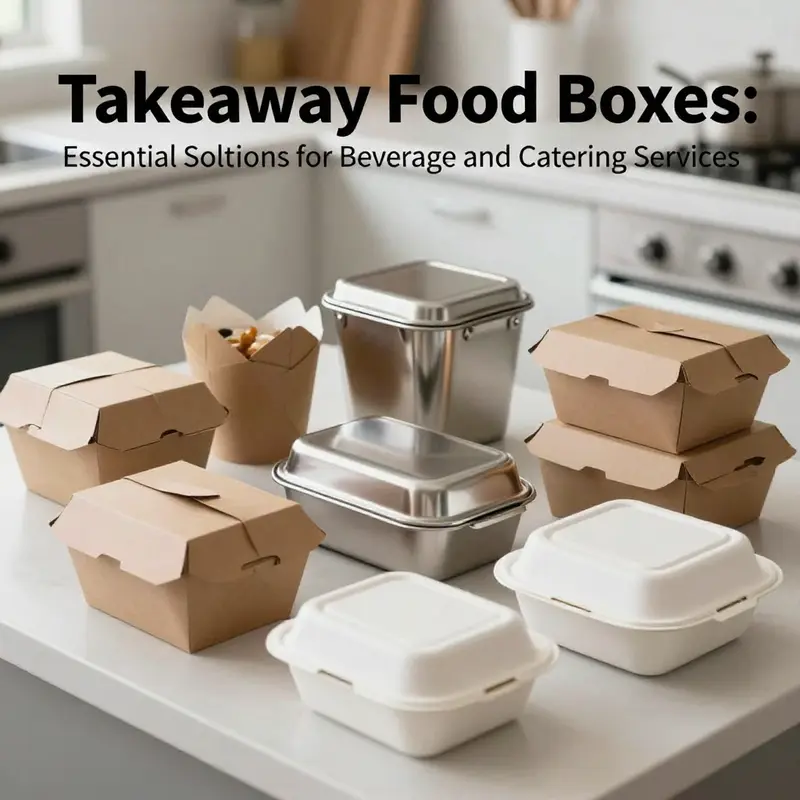
The box that carries a meal from stove to steaming plate in a customer’s hands is more than a container; it is a critical moment in the dining experience. Takeaway boxes have evolved from mere wrappers into purposeful systems that safeguard freshness, enable efficient handling, and reflect a brand’s values. The journey begins with basic, economical paperboard shells that prioritize quick assembly and stacking efficiency. These lightweight structures excel when the goal is to move dry or wrapped foods—sandwiches, salads, and baked goods—without adding excessive cost to the operation. They are a practical fit for high-volume environments where speed at the point of sale matters as much as price. Yet these simple boxes come with tradeoffs: they can lack reliable leak resistance, and their lids may not seal as tightly as operators would like, which can affect the perceived security of the contents during transit. In nested forms, they optimize space in storage and during shipping, but the absence of robust seals can challenge delivery reliability in real-world conditions. The beauty of this basic tier lies in its straightforwardness and low per-unit cost, which makes it a dependable backbone for many casual dining formats where margins are tight and speed is paramount.
As operators seek better organization of meals and components, segmented containers offer a purposeful upgrade. They deliver order by keeping elements separate, a feature that resonates with bowls, pasta plates, and multi-component salads. The primary value is clarity: sauces stay where they belong, dressings remain in a discreet pocket, and toppings retain their texture. Yet segmentation often comes with its own caveats. Liquids demand additional sealing strategies to prevent seepage, and the more complex the lid system, the harder the container can be to clean and reuse. This is where material choices matter; some plastics and foams may warp when faced with very hot oils or moist ingredients, complicating transport and presentation. Still, the ability to present a composed, fork-ready meal without liquid mingling warnings a new standard for takeout service. The result is a container family that allows operators to tailor packaging to the dish—one container that accommodates a rice bowl and another that embraces a layered salad—without sacrificing the speed and efficiency of the takeout workflow.
Beyond these basics and their modest upgrades lie more advanced solutions that address temperature regulation, structural resilience, and broader sustainability goals. Foam takeaway boxes, for instance, provide exceptional thermal insulation, helping hot entrées stay hot and cold items stay cool during transit. This insulation is a practical advantage for fries, hot entrees, and meals planned for longer delivery windows, yet it sits at a crossroads with environmental considerations. Expanded polystyrene can pose challenges for composting and end-of-life disposal, so operators must balance performance with waste management strategies. Corrugated carton boxes, on the other hand, bring strength and shock absorption to heavier or more fragile items. Their dual-layer construction can protect delicate components during rough handoffs or imperfect urban transit, reducing breakage and the need for costly replacements. The evolving selection of materials thus reflects a broader design philosophy: packaging should shield, but also align with a restaurant’s sustainability commitments.
In the most advanced corners of the market, durability and reusability take center stage. Leakproof stainless steel storage containers offer a durable, reusable solution that can be employed for adult meals and even baby foods, extending the lifecycle of packaging and reducing single-use waste. These systems are often paired with modular inserts and stackable designs to maximize kitchen and delivery fleet efficiency. While stainless steel options demand higher upfront investment and careful care in cleaning, their long-term economics can tilt favorably for operators serving large volumes or emphasizing circular-use models. The overarching thread is clear: the functional spectrum of takeaway boxes now extends far beyond containment. It encompasses insulation, portion integrity, ease of handling, branding potential, and lifecycle impact.
The environmental dimension has grown from a nice-to-have feature to a central criterion in packaging decisions. Biodegradable and recyclable options—particularly those made from kraft paper and similar renewables—are being integrated into mainstream offerings. Eco-conscious engineering now guides material selection, structural design, and end-of-life considerations in tandem with performance needs. Compostable kraft paper boxes, for example, promise a lower environmental footprint when paired with composting streams, while still delivering the rigidity required for reliable stacking and transport. This alignment between performance and sustainability supports operators who want to demonstrate accountability to customers who increasingly value responsible packaging. The subtle shift is not only about what the box can do, but what its lifecycle says about the brand.
Branding and customization have become inseparable from functionality. Modern takeaway packaging serves as a mobile storefront, signaling quality and taste through color, texture, and print. Custom printing options enable a restaurant to imprint logos, illustrations, or messaging that reinforce the dining experience long after the meal is consumed. This capacity to blend function with form expands the box’s role from a passive carrier to an active ambassador for the cuisine. For operators seeking bulk efficiency, scalable formats allow for massive rollouts without sacrificing the ability to tailor the look and feel of the packaging. While the focus remains on protecting food, retailers increasingly recognize that a well-branded container can deepen loyalty and encourage repeat orders. The practical implications are clear: robust performance and compelling aesthetics can coexist, and their synergy helps differentiate a brand in a crowded market.
Operationally, the platform for packaging must integrate smoothly with kitchen workflows, storage, and delivery logistics. Basic containers excel where speed and simplicity are paramount. They are easy to stock, quick to assemble, and require minimal training for staff. Segmented and insulated formats demand more planning in the kitchen and in transit, but they deliver on the promise of better quality and a cleaner consumer experience. Reuse and recycling considerations further shape choices, inviting operators to map the entire lifecycle of the packaging—from procurement to collection at the delivery destination. In this sense, the packaging decision is not merely about one meal; it is a statement about how a business manages resources, communicates with customers, and treats the environment.
Within this evolving landscape, a practical rule of thumb emerges: choose packaging that is fit for the dish, reliable in transit, and aligned with the business’s sustainability and branding goals. A simple dry-fill container may still be the right choice for a quick sandwich, while a multi-component bowl might demand a segmented design with a sealed liquid barrier. For hot, oily, or sauce-heavy dishes, insulation and leak resistance become essential features, even if the unit costs rise slightly. When the aim is to minimize waste and maximize reuse, stainless steel or other durable, recyclable options deserve careful consideration, especially for operators exploring subscription models or meal kits that return packaging to reuse streams. In the end, the functionality and versatility of box for takeaway food hinge on a balanced calculus: performance, cost, handling, and environmental responsibility must be weighed in concert to deliver a dependable, attractive, and sustainable meal experience.
For practitioners who want to see these principles in a real-world frame, a converging thread runs through the literature: the market is moving toward solutions that integrate temperature control, component separation, and material science with a commitment to responsible end-of-life options. This is not a single trend but a set of design choices that increasingly work together to protect flavor, preserve texture, and reinforce a brand’s values in the eyes of the consumer. The takeaway box, once a modest carrier, has become a highly engineered element of the dining ecosystem, capable of elevating the meal from plate to portable experience while signaling care for the planet.
As the industry continues to innovate, the interplay between performance and sustainability will guide future developments. New composites, smarter insulation, and modular designs promise even greater versatility without sacrificing safety or convenience. The next chapters will explore how customization, regulatory considerations, and consumer expectations intersect with these engineering decisions, charting the path toward containers that are not only functional but also responsible and resonant with today’s sustainability-minded diners.
For a broader context on current standards and best practices, see the Takeaway Box Guide.
Internal reference: For more on eco-friendly packaging choices, you can explore kraft paper takeaway packaging options that emphasize sustainability without compromising usability: kraft paper takeaway packaging.
External resource: Takeaway packaging standards and best practices are discussed in depth in industry literature, such as the Comprehensive Takeaway Food Packaging Guide. See https://www.foodservicepackaging.org/takeaway-boxes-2026 for a broader framework of performance, safety, and environmental considerations.
From Kraft to Stainless: Redefining the Takeaway Box Through Sustainability, Durability, and Brand Identity
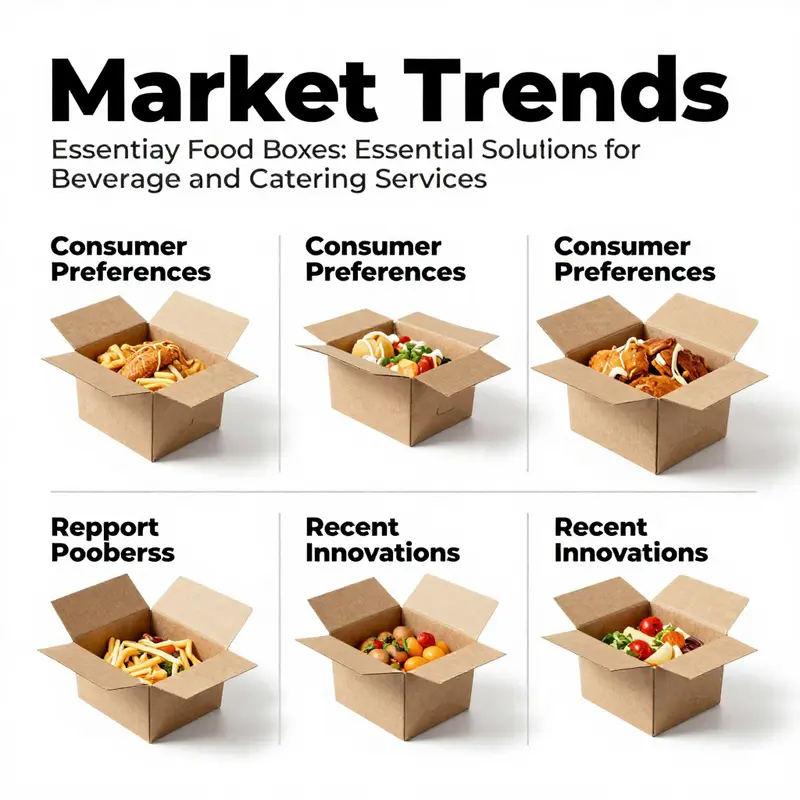
The takeaway box has long lived in the shadows of the meal it carries, a quiet but indispensable companion to every bite. As cities swell and delivery becomes a daily routine, packaging design has moved from simple containment to a strategic interface between brand, sustainability, and the consumer experience. The modern takeaway box must protect warmth and texture, restrain grease and moisture, and travel through crowded streets without spilling the story inside. Yet it also has to tell a story of responsibility. In a landscape where eco-conscious choices are a visible differentiator, many operators view packaging not as a disposable expense but as a statement about values and future readiness. The research landscape confirms this shift: urbanization and rising disposable income in emerging economies fuel demand for convenient, ready-to-go meals, while a broader consumer culture increasingly grades packaging by its environmental footprint. The result is a packaging ecosystem that prizes materials that are renewable or recyclable, designs that minimize waste, and options that can be customized to reinforce a brand without compromising performance.
At the heart of this evolution is a clear preference for eco-conscious packaging. Consumers want materials that are sustainable, food-safe, and capable of reducing the lifecycle impact of a meal. Kraft paper and other recyclable boards are commonly favored for their perceived environmental integrity. But sustainability today is not only about compostability; it is also about design for reuse, durability, and end-of-life convenience. In practice, many operators seek packaging that can withstand the rigors of afternoon heat, long-distance delivery, and occasional rough handling, all while staying compliant with food safety standards. This has encouraged a broader exploration of materials and coatings. Biodegradable coatings and barrier treatments address concerns about moisture and leaks, expanding the application of paper-based boxes beyond simple dry items to items with sauces or soups. The prospect of compostability at end of life remains compelling, yet the practical realities of supply chains, waste streams, and consumer behavior require a balanced approach that blends compostable options with robust performance and clear disposal instructions. The result is a diverse menu of choices, each aligned to different segments of the market depending on budget, volume, and environmental goals.
Within this spectrum, durability has emerged as a rising priority. Paper-based boxes serve well for many standard applications, but their limitations—such as leak risk and lid instability during transit—have driven manufacturers to innovate. A growing segment of the market explores coatings that improve moisture resistance and seal integrity without sacrificing recyclability. In parallel, some operators are turning to premium, more durable materials that can better preserve heat and structure. Stainless steel, for example, offers remarkable heat retention and physical resilience. It resists deformation, does not leach chemicals, and can be reused many times, aligning with circular economy ambitions. Such durable options are especially appealing for high-volume delivery, corporate catering, and brands that emphasize eco-friendliness through reusable solutions. While metal may not replace disposable boxes across all segments, it represents a forward-looking path that signals a commitment to longevity, hygiene, and brand stewardship. The challenge lies in balancing weight, cost, and user convenience, as heavier containers can affect delivery efficiency and fuel use. The industry response is to blend durability with smart design—stackable forms, secure locking mechanisms, and intuitive handling features that reduce the likelihood of spills or mishaps during transport.
Design innovations now foreground functionality and sustainability in equal measure. The best designs are lightweight, easy to assemble, and capable of withstanding high volumes without compromising the customer experience. For dry or wrapped foods, traditional paper and cardboard boxes continue to be popular due to their cost efficiency and familiar feel. Yet these boxes face real constraints around leak resistance and lid security. To address these, manufacturers are developing better sealing systems and employing biodegradable coatings that enhance barrier properties while keeping disposal manageable. The trend toward better sealing is not just about preventing leaks; it is about preserving the integrity of the food, including aroma and texture, during the trip from kitchen to couch. In parallel, there is a push toward simple, scalable customization. Custom printing, brand colors, and even playful artwork can transform a plain container into a mobile billboard, increasing brand visibility at the moment of consumption. This customization, however, must be compatible with recycling streams, which means inks and coatings need to be carefully chosen to minimize contamination.
A particularly interesting dimension of the current wave of packaging design is the tension between minimalism and expressiveness in branding. Clean-label trends and heritage-inspired branding push operators toward packaging that reflects authenticity in both materials and presentation. Consumers are showing renewed interest in minimally processed foods and traditional ingredients, which translates into packaging that communicates simplicity and trust. The packaging becomes a conversation starter about what is inside the box, reinforcing a brand narrative that emphasizes natural materials, transparent sourcing, and responsible manufacturing. In this context, even packaging used for meals with plant-based or heritage-inspired ingredients can reinforce the consumer perception of healthfulness and authenticity through its design language. The ability to convey a story about sustainability—whether through fiber choices, compostable coatings, or reuse programs—has become a demand as strong as the demand for reliability and heat retention.
Beyond the box itself, the ecosystem supporting takeaway packaging is evolving. Platforms offering bulk purchasing play an important role for small and mid-size operators seeking cost-effective, scalable solutions. The economics of packaging are becoming more nuanced as the cost of materials, labor, and shipping interact with the need for sustainability. In response, suppliers are experimenting with modular systems that can be adapted to varying menu formats, seasonality, and promotions. The ability to customize at scale—without compromising performance or increasing waste—has become a differentiator for businesses intent on keeping tomorrow’s customers loyal. And as brands look to weave packaging into their broader sustainability narratives, they are increasingly interested in options that can be reused, repurposed, or recovered after use. This has spurred innovations in return-and-refill programs, incentives for customers to recycle, and collaborations across the supply chain to optimize end-of-life outcomes.
For operators who want to balance cost with performance, the market offers a spectrum of approaches. Basic disposable options in recyclable cardboard or heat-resistant plastics address everyday needs at a low initial cost, making them attractive to high-turnover environments. Meanwhile, premium lines in stronger materials deliver enhanced durability and brand prestige, catering to businesses that emphasize luxury or long-distance delivery. A notable design solution within this spectrum is a robust, leak-resistant package that can securely hold sauces and moist fillings while maintaining structural integrity. Such designs are particularly relevant for pizzas, sandwiches, and multi-item orders where packaging integrity is essential for the customer experience. A representative design approach in this category emphasizes reliable seals, robust hinge mechanisms, and intuitive opening experiences that reduce the chance of spills and product damage during shaking or vibration on the road. This is not merely a functional improvement; it is a direct contributor to customer satisfaction, return rates, and the likelihood of repeat orders.
As consumer expectations evolve, so too does the language of packaging effectiveness. Health and authenticity remain prominent, guiding choices toward materials and processes that align with clean-label trends and minimal processing narratives. The rise of plant-based or traditional ingredients influences packaging aesthetics and messaging, with brands seeking to align their container design with the perceived purity of their ingredients. The packaging then becomes a quiet ambassador for the product—an impression reinforced every time a customer reaches for a lid or peels back a sleeve. In an increasingly competitive landscape, the ability to offer both visual appeal and practical performance is essential. The best boxes do more than hold a meal; they reinforce trust in the brand, support the sensory experience of the food, and participate in sustainable consumption patterns.
Looking ahead, the takeaway box market is poised for continued transformation through ongoing innovation. The balance between sustainability, durability, and branding will define the leaders in the space. Emerging research suggests that lifetime value and product performance will be weighed against the environmental footprint of the packaging material itself, guiding choices that optimize both operational efficiency and ecological responsibility. Companies will increasingly test and refine coatings, barrier technologies, and assembly methods to reduce leakage, improve heat retention, and simplify handling for delivery personnel. The market is not static; it is a living interface between consumer expectations and manufacturing capability. For readers seeking a deeper look at technical standards, performance benchmarks, and market projections extending to the next decade, a comprehensive market report offers detailed insights and forecasts.
To illustrate a concrete example of how a design choice translates into practical benefits, consider a packaging option that combines lightweight composition with a reliable sealing mechanism. Such a design can significantly reduce instances of spills during transport, contributing to better food quality on arrival and higher customer satisfaction. It can also support branding through high-visibility printing while remaining compatible with recycling streams. The entrepreneurial takeaway is clear: invest in packaging that does more than just contain. Choose forms that speak to sustainability, reliability, and brand identity, and align those choices with the practical realities of your delivery model. This alignment is what will sustain growth in a market where convenience, responsibility, and authenticity increasingly dictate consumer preference. The future of takeaway boxes will continue to hinge on how well they reconcile these sometimes competing requirements, balancing the need for fast, affordable service with the imperative to protect the planet and the integrity of the meal inside.
For readers who want to explore the topic in greater depth and with broader market metrics, the following external resource offers technical standards, performance benchmarks, and long-range projections that complement the narrative above: https://www.cognitivemarketresearch.com/reports/takeaway-box-market ROI, Size & Trends 2026-2033. And for hands-on exploration of packaging options that embody the discussed design principles, brands and retailers can reference practical examples such as disposable octagonal box for kraft paper packaging.
Beyond the Lid: Navigating Health, Safety and Environmental Rules for Takeaway Food Boxes
Regulatory awareness shapes every choice about takeaway food boxes. From raw material selection to on-shelf claims, regulatory frameworks protect consumers and guide manufacturers and food businesses. This chapter explains the practical requirements that matter most, and how operators can balance hygiene, user safety, and environmental responsibility.
Food contact materials must be safe. Regulators demand that nothing in a container migrates into food at harmful levels. In the European Union, the legal basis is a regulation that requires materials to be safe and not transfer constituents to food. In the United States, equivalent provisions appear under the law governing food, drugs, and cosmetics, with specific rules on allowable substances and migration limits. These rules mean manufacturers need documented evidence. Raw-material specifications, migration and compositional testing, and traceable supply chains are standard expectations.
Testing is both chemical and functional. Chemical testing measures the potential for substances to move from packaging into food. Functional testing verifies performance during real use. For takeaway boxes this includes leak tests, seal integrity under pressure, stacking tests, and temperature trials for refrigeration and reheating. Design features can influence safety. For example, transparent windows often compromise seals and increase contamination risk. Containers with robust locking lids, constructed from materials like polypropylene or polyethylene terephthalate, generally perform better for transport and reheating. Choosing a secure structure reduces returned meals, spills, and cross-contamination.
Materials matter beyond their mechanical strength. Paper and cardboard lined with functional barriers are popular for sustainability reasons. However, barrier coatings, inks, and adhesives must all comply with food-contact rules. When claiming compostability or biodegradability, businesses must ensure third-party certification supports those claims. Misstating end-of-life behavior can result in regulatory action and reputational damage. Similarly, claims about recyclability must reflect local infrastructure. A packaging piece that is technically recyclable is not truly recyclable if local systems do not accept it.
Environmental rules now shape material choice as decisively as hygiene laws. Several jurisdictions have enacted restrictions on non-biodegradable single-use plastics. Those policies push suppliers and food businesses toward renewable materials, recyclable metals, or reusable systems. Aluminum containers, for example, are attractive for thermal performance and recyclability. Vacuum-sealed and retort-style packaging can extend shelf life, reduce food waste, and sometimes meet regulatory preservation criteria. But more advanced options often cost more. Businesses must weigh those costs against compliance obligations and consumer expectations.
Operational compliance requires both documents and daily practices. Food businesses should maintain up-to-date technical files for each packaging SKU. Files typically include material safety data, migration and functional test reports, supplier declarations of compliance, and certificates for any environmental claims. On the operations side, staff training is crucial. Teams should handle packaging to protect seals and avoid contamination. Packaging storage must ensure dry, clean conditions and prevent pest access. Traceability also matters: batch numbering and supplier records help with recalls or quality investigations.
A risk-based approach helps prioritize actions. High-fat or acidic foods promote migration more than dry foods. Hot, greasy meals are more likely to interact with packaging. If your menu includes such items, choose barriers and test specifically with representative foods. Functional tests should replicate real-world handling: repeated stacking during delivery, vibrations in transit, and reheating in microwave or conventional ovens if products are marketed as microwavable. Labels should instruct consumers on safe reheating and disposal.
Labeling and consumer information also fall under regulation. Required declarations vary by market but usually cover safe use instructions, temperature limits, and, where relevant, end-of-life guidance. If a box is microwave-safe, the claim must be supported by testing. If a product is compostable, state whether it requires industrial composting or can break down in home compost. Specific language helps consumers use and dispose of packaging correctly, reducing misuse and regulatory risk.
Supply chain diligence reduces compliance gaps. Vet suppliers for testing capabilities and process controls. Request certificates that detail testing standards and methodologies. Confirm that inks and adhesives are food-contact compliant. When using custom-printed boxes, verify that printing processes do not introduce non-food-contact materials into inner surfaces. When buying in bulk, insist on representative sample testing and periodic revalidation, especially when raw-material suppliers change.
Beyond compliance documents, standards provide practical testing roadmaps. International standards guide packaging validation and sterility where relevant. Referencing recognized standards helps structure testing programs and supports regulatory claims. Pair standard-based testing with local regulatory review to cover jurisdictional nuances.
End-of-life considerations increasingly carry legal weight. Some regions restrict single-use plastic items and set targets for recycled content in packaging. These rules affect material selection and cost planning. When planning a switch to more sustainable boxes, map local waste streams. If compostable boxes are collected separately and processed, claims hold. If local composting is unavailable, recyclable materials may deliver better environmental outcomes. Businesses should avoid greenwashing and document the evidence behind environmental statements.
Practical steps for operators are straightforward. First, select materials that meet food-contact rules for your market. Second, require supplier documentation and independent test reports. Third, run functional tests that reflect actual use. Fourth, label clearly with safe use and disposal instructions. Fifth, maintain technical files and review them when formulations or suppliers change. Finally, train staff in handling, storage, and customer guidance.
Design choices can improve both safety and sustainability. A sturdy kraft paper box with an effective barrier layer may combine compostability outside the barrier with safe food contact. Similarly, leakproof features and locking lids can allow a lighter material to perform like a heavier one, lowering material use while maintaining safety. Custom printing can boost brand visibility, but testing must ensure inks remain compliant.
Compliance is dynamic. Regulations evolve and enforcement focus shifts. Businesses should monitor regulatory updates and industry guidance. Regular audits and re-testing help prevent surprises. Engage technical experts when developing novel materials or making bold environmental claims. Conservative claims and robust evidence reduce legal and reputational risks.
Balancing safety, cost, and sustainability is the challenge for modern takeaway packaging. Meeting hygiene and migration requirements cannot be traded for environmental benefits. Likewise, sustainability strategies must preserve food safety. By combining tested materials, sound design, documented supply chains, and clear labeling, businesses can provide takeaway boxes that protect consumers and the planet.
For a concise source on food contact material rules in the European Union, see the European Commission guidance on food contact materials: https://ec.europa.eu/food/safety/foodcontactmaterials_en
For a practical example of a recyclable and paper-based takeaway product, consider a disposable octagonal kraft paper box that pairs barrier performance with compostable substrates: disposable octagonal kraft paper box.
Final thoughts
In today’s rapidly changing food service landscape, the choice of takeaway food boxes extends far beyond mere functionality. By prioritizing sustainability with eco-friendly materials, making cost-effective bulk purchases, ensuring versatility in packaging designs, keeping abreast of market trends, and adhering to regulatory standards, businesses can enhance their offerings while meeting the environmentally conscious demands of consumers. The insights presented here provide a roadmap for food service operators aiming to optimize their takeaway packaging strategy and ensure their products remain in the hearts and hands of customers. Embrace the opportunities within the takeaway food box market and let your packaging tell your brand’s sustainability story.