
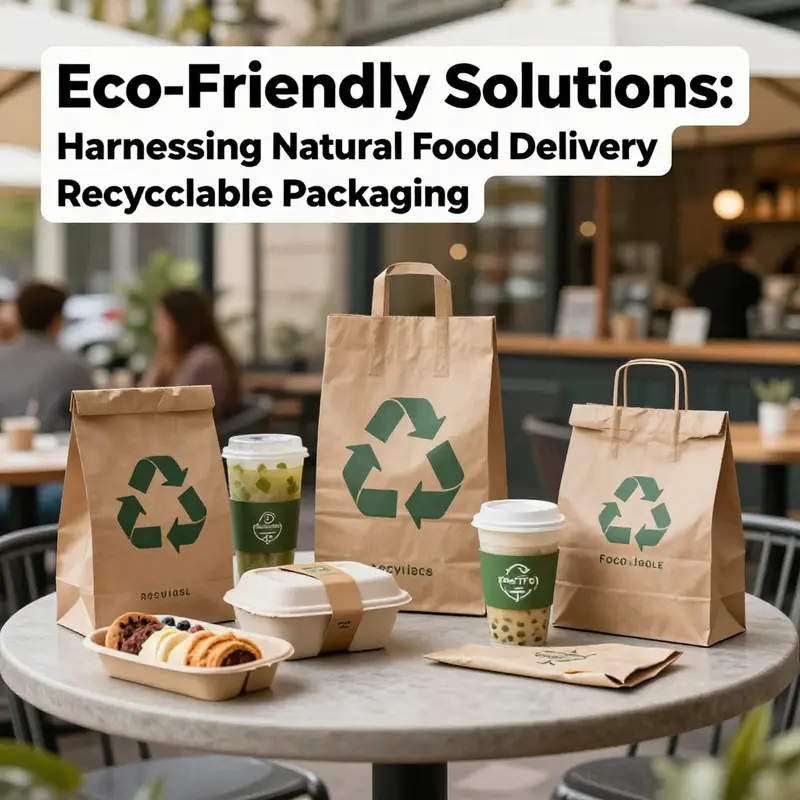
As the world increasingly turns its attention to sustainability, the food service industry faces a unique opportunity to embrace change through natural food delivery recyclable packaging. This shift is more than just a trend; it is a vital step towards reducing environmental impact and aligning with consumer preferences for eco-friendly solutions. This article will delve into the importance of these practices, highlighting how they contribute to sustainable operations. Following that, we will discuss the latest innovations in packaging materials that not only meet these needs but also enhance performance. Finally, we will address the challenges businesses face in implementing these sustainable packaging options and explore practical solutions. By understanding each aspect, businesses in the realm of bubble tea shops, restaurants, food trucks, catering services, and corporate procurement can effectively navigate the transition to more eco-conscious operations.
Closing the Loop: How Natural, Recyclable Packaging Reframes Sustainable Food Delivery
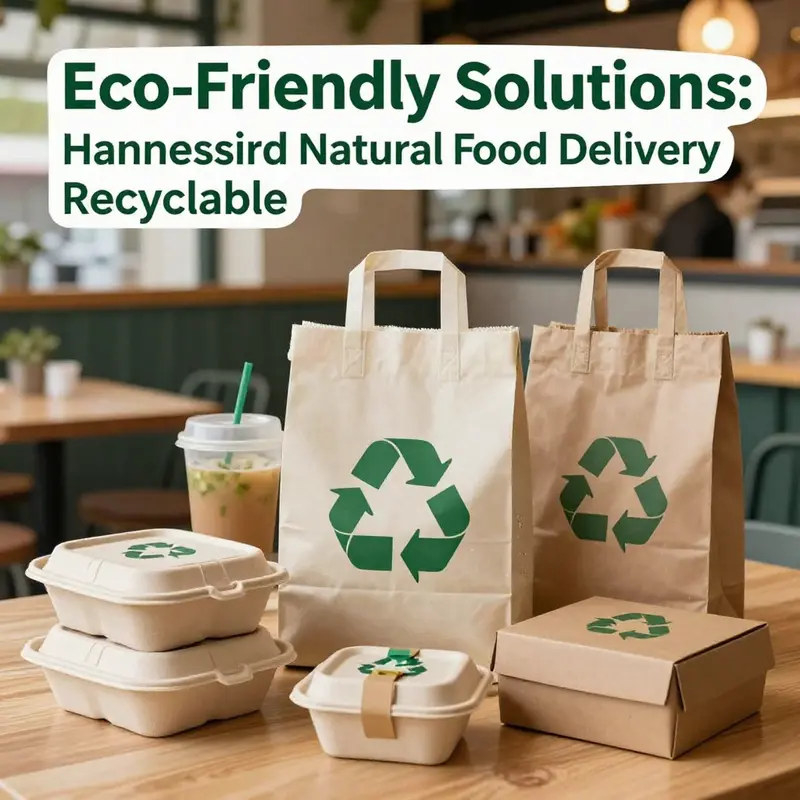
Every delivered meal is part of a wider system, one that begins with raw materials and ends with the waste that returns to the earth or to a recycling facility. The arc of natural food delivery recyclable packaging is not simply about choosing a greener box; it is about aligning material science, consumer behavior, and policy incentives to keep resources circulating. The shift toward plant-based, compostable, or recyclable packaging reflects a growing understanding that packaging is a stage in the life cycle of a product, not an afterthought. It is an argument for responsibility at scale—one where the materials used to carry, protect, and present food are chosen not only for performance and cost but for compatibility with circular economy principles. The core idea is straightforward: if packaging can be produced from renewable inputs, designed for reuse or easy recycling, and disposed of correctly, it should contribute to reducing greenhouse gas emissions and conserving finite resources. Yet the road from concept to widespread practice is shaped by real-world constraints, including disposal infrastructure, consumer habits, and regulatory landscapes that increasingly punish wasteful single-use plastics while rewarding materials that can re-enter the economy after a single use.
Natural packaging options draw from a family of materials that can be sourced renewably, degrade under the right conditions, and, in many cases, be reprocessed into new products. Cardboard and paper, for example, are classic choices that leverage forests managed with sustainability in mind. Where more specialized needs arise, molded fiber packaging made from bagasse or other agricultural byproducts offers a combination of rigidity, heat resistance, and compostability. These attributes matter for the hot foods that define modern delivery—the steaming bowls of noodle soups, the crisp-edged slices of pizza, the moist and delicate pastries that travel from kitchen to doorstep. The appeal of these materials lies not just in their origin, but in their function: they can shield food, maintain a desirable temperature, and minimize wetting or sogginess that would compromise a meal’s quality. In practice, this means designing packaging to handle the journey—end-to-end—from the moment a restaurant fills a box to the moment a consumer places it into a home compost bin or a municipal recycling stream.
At the heart of sustainable packaging is the circular economy: a model that treats materials as valuable resources to be kept in use rather than discarded. Natural and recyclable packaging supports this model by offering pathways for materials to reenter the economy after use. Paper and cardboard, for instance, can be re-pulped and refabricated into new paper products, while certain biodegradable plastics can break down under industrial composting conditions to become compost that nourishes soil. The emphasis is on designing for recovery: clear, accurate labeling that assists sorting, easy separation of components, and compatibility with existing waste management systems. When consumers can sort packaging correctly, the recovery rate goes up, contamination drops, and the likelihood that a packaging stream will be diverted from landfills increases significantly. Such outcomes are not merely aspirational; they are increasingly measurable as municipalities refine their recycling and composting programs and as corporations adopt standardized labels and across-the-board disposal guidelines.
Take, for example, the practical considerations of molded-fiber packaging derived from bagasse, a byproduct of sugarcane processing. Bagasse-based containers deliver remarkable strength for their weight and cleanly support hot foods, which is essential for takeout service. They also boast renewable credentials since bagasse is a byproduct rather than a primary harvest, reducing waste upstream in agricultural supply chains. From a performance perspective, these materials often resist moisture better than one might expect, which translates into less sogging of the exterior and a more premium feel for customers. Yet even with these advantages, the lifecycle reality remains nuanced. Food residue on packaging can complicate both recycling and composting streams. A clean, dry box may be recyclable through municipal programs, but a greasy, food-soiled one is more likely to require industrial composting facilities where conditions are controlled and optimized for biodegradation. The implication is clear: disposal literacy matters as much as material choice. Consumers, restaurants, and waste streams all share responsibility for ensuring that the packaging completes its intended lifecycle.
The adoption of natural, recyclable packaging is also a response to policy signals and market expectations that have intensified in recent years. Governments worldwide are tightening restrictions on single-use plastics, extending producer responsibility schemes, and raising standards for labeling and sorting. In this environment, packaging that can be recovered, repurposed, or composted under regulated conditions shifts from being a niche option to a strategic obligation for food-service operators. The market has responded accordingly. Restaurants and delivery services are increasingly seeking packaging that aligns with sustainability goals while meeting the practical demands of a high-volume business: barrier performance, heat retention, stackability for efficient transport, and cost parity with conventional options. The challenge is not simply to replace one material with another but to design a system that preserves food quality, reduces waste, and supports a closed loop in the supply chain. The forward motion here is gradual and iterative, built on pilot programs, shared benchmarks, and the emergence of standardized disposal guidelines that ease the path for retailers and consumers alike.
Labeling and consumer education form an essential, sometimes underappreciated, layer of this strategy. When packaging carries clear instructions about whether it should be recycled, composted, or sent to disposal, and when these instructions are aligned with local waste-management capabilities, recovery improves markedly. The Complete Guide to Sustainable Packaging emphasizes that sorting accuracy not only enhances recovery rates but also minimizes contamination in recycling streams. This matters because contaminated streams can undermine the value proposition of recycling programs, turning what should be a resource into waste. For businesses, transparent labeling reduces miscommunication and helps ensure that customers feel confident in their disposal actions. For communities, it translates into cleaner streams and more predictable processing costs. The governance of packaging is becoming as important as its material composition because the system into which the packaging is introduced has a life that extends beyond the packaging itself.
In this broader context, the relationship between packaging and carbon footprints becomes more intricate. While switching to natural materials reduces dependence on fossil fuels and can lower the energy intensity of production, the full environmental impact depends on multiple variables: the source of the feedstock, the energy mix in manufacturing, transportation distances, and the availability of end-of-life infrastructure. Life cycle assessments in this field show that, when properly integrated with efficient waste systems, plant-based or recycled-content packaging can lower overall emissions. But this is not universal. In regions with weak composting infrastructure or where recycling streams are poorly managed, the benefits may be diminished. That is why a coupled approach—material innovation, robust labeling, and investment in waste-management capacity—is essential for delivering genuine environmental improvements. The goal is not a moral argument alone but a practical one: packaging that reduces waste, protects food, and integrates with a community’s waste system in a way that is resilient to the uncertainties of supply chains and consumer behavior.
The industry’s collective move toward natural, recyclable packaging is inseparable from consumer expectations. Many people now view sustainability as a baseline standard rather than a premium feature. They want packaging that aligns with a broader ethical stance—one that respects forests, promotes soil health, and supports local circular economies. Brands that embrace these values, even when faced with higher upfront costs or logistical complexities, often gain loyalty and trust. The research landscape supports this trend: market insight and policy analysis increasingly link consumer choice to packaging attributes that signal environmental stewardship. The end-to-end story matters as much as the packaging itself. A box that looks sturdy and feels premium can enhance perceived value, while its lifecycle transparency invites customers to participate in the packaging’s journey, reinforcing a sense of shared responsibility between business and consumer.
The practical implications for a takeout operation are clear. The menu, the packaging design, and the logistics network must be considered in concert. A business might prioritize a single, robust packaging family that can handle different food types—from hot soups to cold salads—without compromising performance. The materials should be sourced from renewable or widely recycled streams, with suppliers who can provide documentation of sustainable practices and consistent supply. The packaging should be adaptable to existing sorting facilities and capable of performing under varied transport conditions, from the humid climate of a coastal city to the dry heat of a continental interior. The decision to adopt a natural, recyclable packaging approach also influences supplier relationships, branding, and even restaurant design. It encourages a shift toward closed-loop thinking, where packaging is collected, cleaned when appropriate, and reintroduced into production cycles, or diverted to composting with minimal contamination.
To illustrate how these ideas converge in practice, consider the concept of a disposable octagonal packaging option designed for kraft paper packaging. While it may simply appear as a practical vessel for a meal, it embodies the principle of designing for recovery and reuse. If a restaurant uses such a box and provides clear disposal guidance, the consumer can help maintain the integrity of the recycling stream or composting stream. The packaging then becomes part of a broader ecosystem that values material integrity, efficient waste processing, and transparent communication about end-of-life options. In other words, the journey of a meal becomes a microcosm of the circular economy in action—an everyday instance of a system designed to minimize waste and maximize resource recovery. For readers who want a tangible example, see an illustration of an octagonal kraft paper packaging option here: disposable octagonal kraft-paper packaging option.
Despite the promise, challenges persist. Contamination remains a primary obstacle to high-quality recycling streams and efficient composting facilities. A greasy pizza box or a sauce-splashed soup container can derail an otherwise virtuous packaging choice. The answer lies in a blend of better labeling, consumer education, and targeted infrastructure improvements. Municipal programs need to be equipped to handle a broader range of materials; industrial facilities must be prepared to process compostable items that require specific conditions to break down. Meanwhile, brands can contribute by investing in packaging that performs under real-world conditions yet remains compatible with recovery systems. This synergy is essential because the environmental benefits of natural packaging are maximized only when the system surrounding the packaging—collection, cleaning, sorting, and processing—works smoothly and efficiently. It is not enough to switch materials; the entire lifecycle must be optimized, and this requires collaboration across the supply chain, local governments, and the community of customers who choose the brand.
From a business perspective, the economics of natural, recyclable packaging continue to mature. Material costs, processing expenses, and the price of certified, responsibly sourced inputs are part of a dynamic equation. Companies are exploring strategies that combine bulk procurement, supplier co-development, and waste-management partnerships to create scalable solutions. Some operators are piloting closed-loop models in which packaging is collected, sanitized if needed, and returned for reuse in a controlled system. Others are prioritizing recycling or composting where infrastructure is robust, ensuring that the packaging has a clear, accessible end-of-life path. In both cases, risk management involves ensuring that the packaging maintains performance standards—maintaining temperature, resisting grease, and staying intact during transit—while also aligning with environmental goals. The balance is delicate: a material that excels at heat resistance but is less recyclable may serve well in the short term, while a highly recyclable option with modest heat tolerance might be favored for certain meal categories. The best path often lies in material innovation that expands both performance and end-of-life options, delivered through transparent communication with customers about how to dispose of packaging properly.
To sustain momentum, policy guidance and certification schemes come into play. Programs that recognize compostable materials versus recyclable ones help clarify choices for businesses and consumers. Standardized labeling reduces confusion and improves sorting accuracy, which directly affects recovery rates. In tandem, ongoing research into lifecycle impacts helps stakeholders refine the trade-offs between different material families. The dialogue between researchers, policymakers, manufacturers, and retailers is essential to ensure that natural, recyclable packaging continues to improve and becomes more accessible to small and mid-sized operators. The ultimate objective is to create a reflex where sustainability considerations are integrated into every decision—from supplier selection to packaging design to end-of-life communications—so that the act of delivering a meal becomes a reliable, scalable mechanism for reducing waste and emissions rather than a contributing factor to them.
The broader implications for the food delivery ecosystem extend beyond the packaging itself. Sustainable packaging is a signal of environmental stewardship that can strengthen brand narratives, influence investor confidence, and contribute to a more resilient business model. When consumers recognize that a restaurant cares about the lifecycle of what it uses to deliver meals, they may reward that stewardship with loyalty and advocacy. This is not about preaching to customers but about inviting them to participate in a shared effort to align convenience with responsibility. For operators, the payoff can show up in reduced waste handling costs, enhanced compliance with evolving regulatory standards, and positive differentiation in a crowded market. The dependability of natural, recyclable packaging grows as the ecosystem expands: more suppliers, more waste-management infrastructure, and more customer awareness converge to create a virtuous cycle rather than a one-off substitution.
In sum, the importance of natural food delivery recyclable packaging in sustainable practices rests on its ability to be more than a convenient alternative. It offers a practical pathway to reduce environmental impact across the lifecycle of a meal, from feedstock to end-of-life. By emphasizing renewable materials, enabling recovery, and fostering consumer literacy about disposal, this packaging approach supports circularity and resilience in the food-delivery sector. It also challenges all stakeholders to think systemically: to design, collect, and process packaging in ways that keep resources circulating and to communicate clearly so customers become active participants in the transition. The momentum is real, the science is advancing, and the regulatory and market signals converging across regions are strengthening the case for natural, recyclable packaging as a standard rather than an exception. The journey toward fully integrated sustainable packaging is iterative and collaborative, but it is progressing in a direction that aligns the economics of delivery with the ethics of stewardship and the physics of materials that return to life rather than mounting up as waste. As the system evolves, it will continue to redefine what it means to deliver a meal responsibly—one package, one disposal decision, and one circular loop at a time.
External research and policy developments further illuminate this path. Evidence from Nature Food underscores the critical role of packaging in global pollution and greenhouse gas emissions, reinforcing the need for systemic improvement across the supply chain. Clear labeling and consumer education, highlighted in industry guides, expedite proper sorting and reduce contamination in recycling streams. Together, these insights validate the ongoing shift toward natural, recyclable materials and provide a roadmap for continued innovation and collaboration across the sector. For readers seeking a foundational perspective on the environmental implications, see the study that informs many of these considerations: https://www.nature.com/articles/s43016-020-00148-7.
From Plant Fiber to Smart Labels: Practical Innovations in Recyclable Natural Food Delivery Packaging
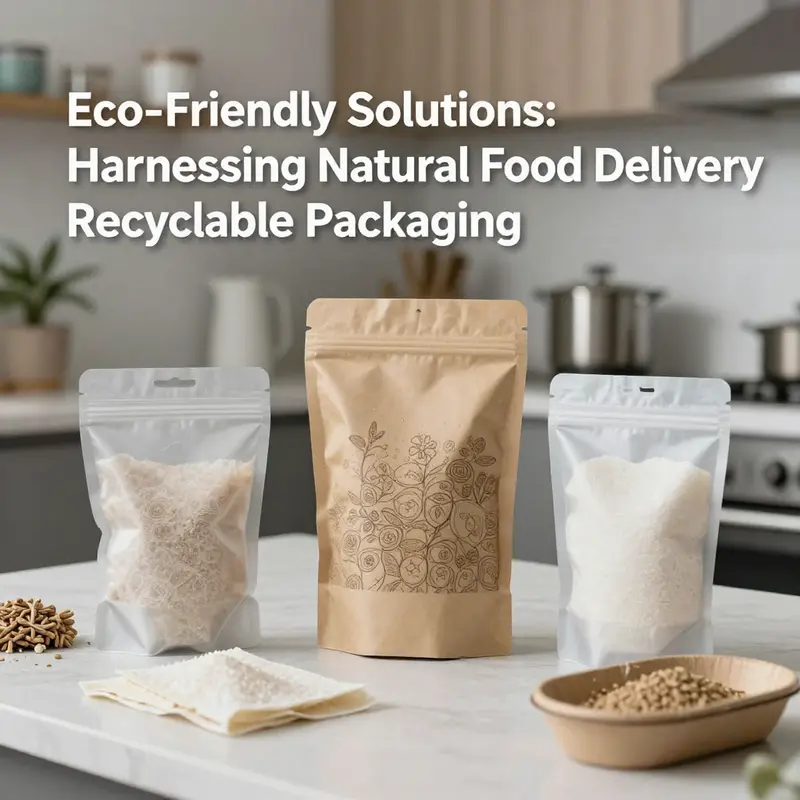
Material and system innovation are reshaping food delivery packaging, turning single-use containers into components of a circular food economy. Across the delivery chain, designers, material scientists, logistics teams, and waste managers are converging on solutions that balance food protection, thermal performance, and disposal clarity. The result is a new generation of packaging that relies on renewable feedstocks, smart surface treatments, and digital cues to guide end-of-life choices so that more material returns to useful cycles rather than landfills.
Most of the momentum centers on materials sourced from plants and byproducts. Sugarcane bagasse, cornstarch derivatives, bamboo pulp and molded fibers extracted from sustainably managed forests offer a reliable starting point. These substrates bring structural strength and heat tolerance. They resist collapse under the weight of a loaded meal and can survive the bumps and vibrations of last-mile delivery. Importantly, when managed correctly they break down under composting conditions, which reduces long-term environmental impact compared to petroleum-based plastics. Yet raw material choice is only half the story. Innovations in surface engineering and manufacturing have closed critical performance gaps that once limited adoption.
Coatings and barriers now enable paper and molded fiber to hold sauces and oils without synthetic plastic liners. Researchers and manufacturers have developed water- and grease-resistant coatings based on polysaccharides, protein formulations, and bio-based waxes. These coatings mimic the barrier performance of plastic while remaining compatible with recycling or industrial composting. Some utilize cellulose nanofibers applied in thin layers to create a high-performance barrier. Others deploy plant-derived polymers that cross-link during curing to resist moisture. The upshot is packaging that feels and behaves like the containers consumers expect, yet does not contaminate paper recycling streams in the same way traditional polyethylene linings do.
Molded fiber uses the byproduct of sugarcane processing to create rigid, heat-resistant containers. It is ideal for items served hot, such as baked goods or full meal trays. The manufacturing process forms complex shapes without adhesives or multi-material laminates, which improves recyclability. Advances in molding techniques have improved edge definition and sealing tolerances, enabling more reliable lids and closures. Innovations in pulping and pressing now achieve consistent wall thicknesses, reducing material use while preserving strength. These improvements make molded fiber a practical, scalable choice for food delivery operations seeking both performance and end-of-life acceptability.
Bioplastics such as polylactic acid (PLA) and newer families like polyhydroxyalkanoates (PHA) also play a role. PLA, derived from fermenting plant sugars, can perform as a transparent film for windows and lids or be formed into rigid cups. PHA, produced by engineered microbes, is compostable in a wider range of conditions, including some home compost setups. Commercial development continues to lower production costs while improving thermal and mechanical performance. Many producers now combine molded plant fibers with compostable biofilms to create hybrid packages that are both leak-resistant and industrially compostable.
A persistent challenge is contamination: food residue and mixed materials complicate recycling and composting streams. Innovations address this on two fronts. First, products are designed for discrete disposal streams. Simplified designs avoid bonded laminates and mixed materials that necessitate manual separation. Adhesives are chosen to be water-soluble or enzymatically degradable so that separation happens naturally in processing. Second, manufacturers and platforms are improving communication to consumers and waste handlers. That is where smart labeling systems have become essential.
Smart labels use QR codes, short URLs, or digital watermarks embedded in packaging print to provide clear disposal instructions tailored to local services. Scanning a code can reveal whether a container belongs in the curbside recycling bin, an industrial composting stream, or a specialized recovery program. In regions with variable infrastructure, labels adapt in real time to provide the correct guidance. Digital labeling reduces confusion and improves diversion rates, particularly when paired with rewards or feedback loops that encourage proper disposal.
Beyond labels, packaging design itself can simplify sorting. Visual cues such as color-coded tabs, embossing that identifies material type, or tactile ridges signal to both consumers and sorting machines how to handle a package. These markers help automated sorting technologies separate compostable items from recyclable paper or rigid plastics. Software tools used by sorting facilities increasingly read digital watermarks printed across package surfaces. Those watermarks transmit detailed material data, enabling robots and optical sorters to make informed decisions at high throughput.
Thermal performance is another area of active innovation. Food must remain safe and appealing through the delivery window. Natural fibers are inherently breathable, which helps prevent sogginess but can reduce heat retention. Layered constructions, corrugated insulating pockets, and thin bio-based foams have been integrated into designs to maintain temperature without relying on fossil-based foams. Corrugated liners and structured lids create insulating air gaps. These features keep hot items hot and crisp items crisp, while still permitting the package to be compostable or recyclable.
Lightweighting is being applied carefully. Removing unnecessary heft reduces transportation emissions and material use. Yet designers avoid undermining structural integrity. Finite element modeling and real-world drop testing ensure that lighter packages still protect food during handling. New adhesives and locking mechanisms reduce the need for additional tapes or plastic tamper seals. Where closures are required, compostable films or engineered mechanical interlocks replace single-use plastic components.
Manufacturing technologies are also evolving. Thermoforming of molded pulp now achieves smoother surfaces and tighter tolerances, enabling snap-fit lids and leak-resistant designs. High-speed molding presses coupled with water-savings systems lower process footprints. Additive manufacturing is used in prototyping to accelerate iterative testing, allowing designers to trial dozens of geometries quickly. Coating applications have adopted roll-to-roll deposition and plasma treatments to apply thinner, more uniform barrier layers that use less material and cure faster.
On the operations side, closed-loop collection pilots are proving the viability of recovering used packaging from delivery customers. Some platforms and restaurants trial bagged collection points where customers deposit used containers for pickup. Others partner with local composting facilities to create subscription-based takeback services. These pilots highlight two realities: collection logistics need to be simple for users, and processing facilities must be accessible. Where municipal composting is limited, centralizing collection and providing transport to industrial composters creates viable routing options.
Supply chain integrations are forming as well. Packaging producers are coordinating with delivery platforms to align specifications. When a platform standardizes on a narrow set of container types, sorters and composters can optimize processes. Standardization improves economies of scale and simplifies consumer messaging. It also allows procurement teams to negotiate better pricing, addressing one of the major barriers to adoption: cost parity with conventional plastic.
Life cycle analysis (LCA) underpins responsible decision-making. LCAs that compare a compostable molded fiber box to a petroleum-based plastic container consider feedstock cultivation, manufacturing energy, transport emissions, and end-of-life processing. While natural materials often show lower carbon footprints, specifics vary. For example, long transport distances for bulky plant-fiber packages can reduce their advantages. That reality drives innovation toward localized feedstock sourcing and manufacturing. Using regionally available agricultural residues minimizes haul distances and supports local economies.
Standards and certifications guide both procurement and consumer trust. Certifications that verify compostability under industrial conditions, or recyclability within specified municipal frameworks, help buyers make confident choices. Innovations in certification now include traceable markers embedded in packaging inks. These markers can be read by processing equipment to verify compliant material during sorting. Certifications evolve alongside testing protocols to reflect real-world facility capabilities rather than laboratory-only conditions.
As adoption grows, new performance frontiers emerge. Antimicrobial and active packaging technologies are being adapted to natural substrates. Plant-derived antimicrobial coatings extend shelf life and reduce food waste during delivery. Active packaging may absorb oxygen or moisture to preserve freshness. Developers prioritize solutions that do not interfere with compostability or recyclability. When active functions are necessary, they are implemented using materials that either biodegrade safely or remain easily separable from the main substrate.
Edible packaging and single-ingredient films offer long-term promise for specific use cases. Edible films made from proteins or polysaccharides can hold dry condiments or snack items. While not suitable for all meals, these options eliminate disposal entirely where practical. Meanwhile, research into enzymatically degradable adhesives and inks seeks to make separation and processing even simpler within composting and recycling facilities.
Despite progress, barriers remain. Inconsistent municipal infrastructure undermines the effectiveness of compostable packaging. Without industrial composters, some compostable materials do not break down fully in landfill conditions. Recycling contamination remains a practical threat: a grease-soiled paper tray can render a load of recyclables unusable. Overcoming these issues demands systems thinking—aligning product design, labeling, collection, and processing.
Behavioral nudges and clear labeling reduce consumer error. When labels combine concise disposal icons with a QR code that links to local guidance, compliance improves. Rewards for correct disposal—discounts or loyalty points—have raised diversion rates in pilots. Transparency from platforms on the fate of returned packaging builds trust. When customers know that a returned container entered an industrial composter or a closed-loop washing system, they feel their actions matter.
Economics will shape the pace of change. Unit costs of natural and compostable packaging have declined with scaling. Still, purchasing teams weigh that price premium against waste management savings and brand value. Many operations find that a modest premium is justified by customer preference and reduced regulatory risk. Regulations that restrict single-use plastics also accelerate investment. When policies require alternatives, manufacturers accelerate deployment to meet new demand.
Designers and procurement teams can take practical steps now. Choose materials matched to menu items and local disposal options. Favor single-material constructions over bonded laminates. Test packaging in real delivery cycles to assess thermal and structural performance. Add smart labels that link to local disposal guidance. Pilot collection or partner with existing composters to ensure end-of-life processing. Measure diversion rates and life cycle impacts to refine choices.
The trajectory ahead is clear. Incremental and systemic innovations are steadily eliminating the trade-offs that once divided sustainability and functionality. As coatings, labeling, and collection infrastructure improve, natural, recyclable packaging will become cost-competitive and operationally practical for wide adoption. The combined effect reduces landfill contributions, lowers lifecycle emissions, and feeds materials back into productive systems—advancing a true circular model for food delivery packaging.
For an accessible overview of sustainable packaging principles and industry practices, consider this resource: https://www.dhl.com/global-en/home/insights/sustainability/eco-friendly-packaging.html
For a real-world example of a waterproof, delivery-ready paper container, see the waterproof paper bowl with lid referenced here: waterproof paper bowl with lid.
Rethinking the Takeout Loop: Building a Resilient, Circular Path for Natural and Recyclable Food Packaging
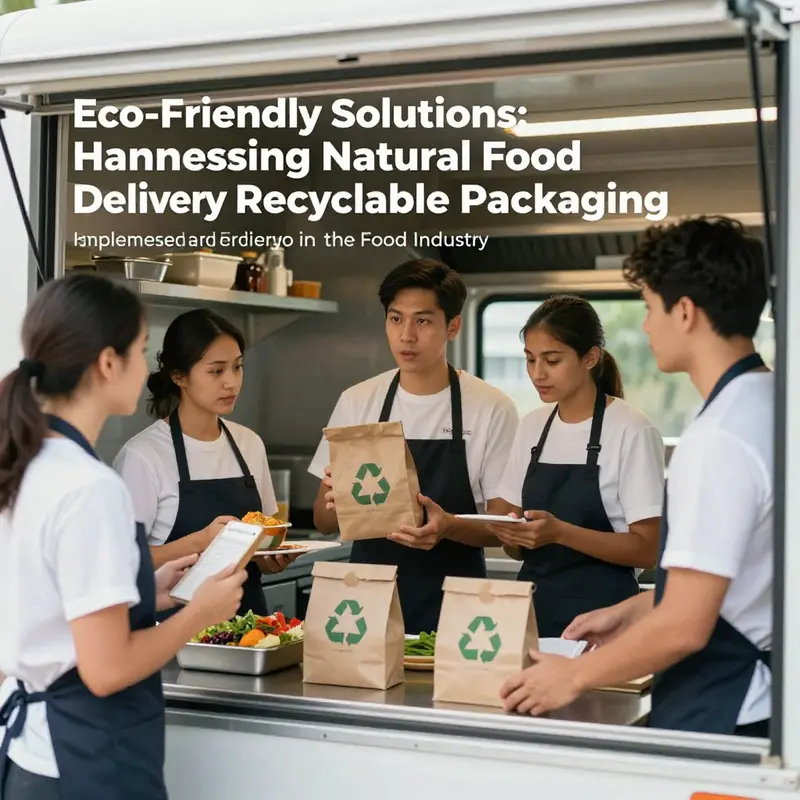
The rush of convenience that drives modern food delivery comes with a companion challenge: how to wrap and transport meals in a way that keeps them safe, hot, and intact without leaving a lasting scar on the planet. Natural food delivery recyclable packaging promises a more responsible path, yet its rollout is far from simple. The chapter that follows threads together the material science, the economic realities, and the evolving waste-management landscape to illuminate how a holistic approach can turn rhetoric into practice. It is a narrative not just about materials, but about systems—how the packaging we choose shapes delivery outcomes, consumer behavior, and the very architecture of the circular economy that modern societies claim to want. In this light, every hot pizza box, every noodle container, and every soup cup becomes a node in a larger conversation about waste, value, and responsibility.
At the heart of the challenge is material performance. Biobased and compostable options have advanced rapidly since their early, fragile iterations. Today, plant-based plastics such as polylactic acid and paper products with bio-based coatings offer a pathway beyond petrochemicals, but they do not always deliver the same level of barrier protection, mechanical strength, or thermal resilience as conventional plastics. A delivery scenario frequently encounters heat, moisture, grease, and rough handling. A sauce that leaks during transit or a lid that loosens in a carrier can mean not only a disappointing customer experience but also food safety concerns. The consequences are magnified in a high-volume, time-sensitive business where hundreds or thousands of meals leave the kitchen every hour. The practical implication is that a true sustainability transition cannot rely on a single material or a one-size-fits-all solution; it must align with the expected use case, the type of cuisine, and the duration of transit.
There is also a nuanced interplay between moisture resistance and compostability. Packaging designed to be composted industrially may struggle in municipal settings, where not all facilities accept compostable packaging or have the capacity to manage contamination from food waste. Conversely, a box that is clean and dry may be technically recyclable in a local program but loses its value if a consumer disposes of it with organics instead of recycling. This misalignment between labeling, consumer understanding, and real-world waste-management infrastructure undermines the very rationale for natural, recyclable packaging. The result is a paradox: well-intentioned packaging can end up in landfills, undermining the environmental benefits that the materials promise. The challenge, then, is not only to develop better materials but to design a system that makes the end-of-life pathway clear, practical, and scalable.
The economics of sustainable packaging add another layer of complexity. In many markets, the raw materials and processing steps for biobased or recycled-content packaging remain more expensive than traditional plastics. When margins are tight and orders are priced to win customers, businesses can view the premium for eco-friendly packaging as a barrier rather than a bridge to a different future. Yet the cost picture is not static. As demand grows, economies of scale begin to bite, and innovations in conversion technologies reduce per-unit costs. Early-stage material science breakthroughs, such as mushroom-based mycelium composites or seaweed-derived films, may eventually achieve performance parity at cost-competitive levels. The challenge for decision-makers is to align investment in new packaging with a long horizon in which waste reductions, brand differentiation, and potential regulatory incentives translate into measurable value for the business.
Infrastructure is often the most underappreciated barrier. Even if a material is technically compostable, recyclable, or reusable, the success of its impact depends on the surrounding waste-system. In many regions, there is no standardized, nationwide recycling or composting framework that can readily absorb novel packaging streams. A package labeled compostable may be accepted in some industrial facilities but rejected in others, or sent to landfills if filtration, sorting, or collection is inadequate. The result is inconsistency and fragmentation, which complicates logistics for food-service operations that operate across multiple municipalities or countries. Moreover, contamination from food scraps, oils, or sauces can render a batch of packaging unsuitable for recycling or composting, increasing losses and undermining the circular story.
Against this backdrop, what does success look like? It is not merely a new material that performs well in a lab test. It is a chain of decisions that preserves performance, reduces waste, and creates a viable business model. It requires material innovations that can withstand real-world use while staying compatible with end-of-life pathways that are widely accessible. It demands policies that incentivize producers to design for discard or reuse, rather than design for disposal alone. It calls for coordinated consumer education that clarifies how to dispose of packaging and why those choices matter. And it invites industry players to rethink how packaging travels through the system—from the kitchen to the customer to the recycler or compost facility—and back into new products or materials.
A useful way to frame the discussion is to recognize that breakthroughs will rarely come from a single lever. Instead, progress emerges from iterative improvements across materials science, waste-management infrastructure, and business models. On the material side, there is momentum around stronger, more functional biobased options that do not trade away compostability or recyclability. Mushroom-based packaging, derived from mycelium, offers a surprising combination of strength and biodegradability. Seaweed films bring moisture resistance with a fully compostable end-of-life. Advanced paper composites aim to close the gap with barrier properties that previously depended on synthetic coatings. Bagasse, a byproduct of sugarcane processing, remains a standout for molded fiber packaging because it is renewable, offers good heat resistance, and can be engineered for hot foods without sacrificing structural integrity. These innovations are not magic bullets, but they expand the design space, enabling more nuanced decisions about which material to use for a given dish, a given distance, and a given disposal route.
But material choices alone cannot deliver a circular outcome. Collaboration across sectors becomes essential. Governments can provide the regulatory scaffolding that nudges the system toward shared standards and performance criteria, while industry players—restaurants, packaging suppliers, and waste-management companies—can align incentives to reduce environmental impact. Policy tools such as Extended Producer Responsibility (EPR) encourage manufacturers to internalize end-of-life costs and to invest in take-back schemes or recycling streams that would not occur absent regulatory pressure. The rationale is straightforward: when the responsibility for the packaging’s fate rests with the producer, there is a stronger incentive to design for reuse, cleaning, and efficient collection. In practice, EPR can fund local and regional infrastructure upgrades, enabling smoother paths from consumer disposal to material recovery.
Consumer education completes the triangle. If customers misunderstand whether a container is recyclable, compostable, or suitable for home versus industrial composting, the packaging can fail to deliver its intended environmental advantage. Clear labeling, consistent disposal guidance, and visible signage at the point of purchase and within delivery instructions help ensure that end-of-life decisions align with the system’s capabilities. Education must be practical and actionable: simple steps, such as rinsing containers when appropriate, separating certain streams, and respecting local facility requirements, can significantly improve outcomes. The aim is not to shame or burden customers but to empower them with knowledge that makes sustainable choices effortless and reliable.
From a design perspective, the opportunity lies in packaging that works with the realities of kitchen workflows and delivery routes. For hot takeout items, the barrier to performance is higher, and so is the potential payoff for robust barrier properties and heat tolerance. A key design principle is modularity: packing that adapts to a range of foods and is easy to seal, stack, and transport without sacrificing insulation or moisture control. This approach also translates into improved efficiency in kitchens and delivery fleets, where standardized components can reduce waste and simplify training. At the same time, packaging must remain gentle on the planet—minimizing energy-intensive production steps, selecting renewable feedstocks where feasible, and ensuring recyclability or compostability under realistic, widely available conditions.
To illustrate how these threads come together, consider the broader implications of a closed-loop or returnable packaging model. In such a system, a restaurant or delivery service might partner with a packaging supplier and a waste-management provider to implement a reusable or easily recyclable solution. Containers could be collected after use, cleaned, and returned for refilling. This model reduces material consumption per meal over time and shifts the packaging business toward service-like economics, where the emphasis is on durability, reliability, and lifecycle performance rather than single-use sales. The challenge here is operational: collecting and reprocessing packaging at scale, ensuring quality control, and maintaining clean streams that meet regulatory standards. Yet where this model takes hold, the environmental payoff can be substantial, with waste streams shrinking and the resource loop tightening around a smaller set of durable, purpose-built components.
Embedded in these strategic shifts is the reality that customers want convenience without compromising their values. Brands that can demonstrate genuine progress—clear metrics of waste reduction, transparent sourcing of materials, and visible commitments to improving local waste-infrastructure—build a stronger relationship with their patrons. The consumer is increasingly attuned to the symbolism and substance of packaging choices: not every dish needs an overbuilt barrier, but every meal deserves a packaging solution that respects safety, fosters trust, and contributes to a cleaner environment. The most effective approaches align packaging with customer expectations, so the transition feels seamless rather than coercive. Some operators experiment with distinctive, reusable containers or with labeling that communicates the end-of-life pathway in plain language. These tactics, carefully integrated into the dining experience, reinforce a narrative of responsibility without eroding the convenience that customers expect.
In practice, these shifts will unfold unevenly across the global landscape. Some cities with robust recycling and composting infrastructure will be early adopters, while others will require policy support, investment in facilities, and cultural change. The transitional period may feature a mix of approaches within a single restaurant network: some locations using molded fiber and bagasse-based solutions for hot foods, others piloting seaweed films for chilled salads, and still others exploring mushroom-based packaging for specialty items. The common thread is resilience—the capacity to adapt packaging choices to local waste capabilities while maintaining customer satisfaction and operating efficiency. As this mosaic of approaches coalesces, the industry will gather data, refine specifications, and demonstrate the lifecycle benefits of natural, recyclable packaging in real-world conditions.
One concrete bridge between material innovation and waste-system readiness is the careful selection of partners and products that speak to end-of-life realities. For instance, a food-service operator might choose to deploy a range of packaging options that align with varying degrees of disposal infrastructure in the markets they serve. A simple, clean, dry box might be recycled where programs exist, while one designed for industrial composting might be used in locations with that capacity. In line with this, the field recognizes a need for more standardized labeling and a better understanding of how different streams interact in mixed-waste facilities. In the meantime, a pragmatic approach often involves a blend of materials and a clear communication strategy to guide customers toward the appropriate disposal or recycling stream. Within the spectrum of choices, one option—the disposable octagonal box kraft paper packaging—illustrates how a well-designed, compostable-compatible container can be integrated into a broader system: a sturdy, visually distinctive box that protects contents, reduces leakage, and remains compatible with several waste streams. For those curious about a practical example, a widely accessible reference demonstrates how such packaging choices appear in real-world product lines and how they could be integrated into a circular model. disposable octagonal box kraft paper packaging.
As the industry accrues experience, a more nuanced picture will emerge of which combinations of materials and containment strategies deliver the best performance within acceptable costs. The conversation, therefore, should remain anchored in evidence, not aspiration. Life-cycle assessment, supplier audits, and waste-flow analyses will play an increasingly central role in decision-making. When a company evaluates a packaging option, it needs to consider not only the embodied energy and emissions of the material but also the downstream handling requirements, the likelihood of contamination, and the feasibility of return or recycling programs. This holistic view helps prevent unintended consequences, such as inadvertently increasing energy use in processing or creating bottlenecks in collection streams.
Crucially, the path forward is not a single grand reform but a sequence of smaller, well-executed steps that accumulate into meaningful impact. Start with materials that exhibit robust heat resistance and mechanical strength while maintaining end-of-life flexibility. Choose coatings that balance moisture barriers with recyclability or compostability. Invest in clear, customer-facing disposal guidance and refine labeling so that end-users understand how to participate in the system. Build partnerships that align incentives across the supply chain, waste-management providers, and local governments to develop consistent standards and shared infrastructure. Finally, adopt business models that reflect a lifecycle mindset—models that reward durability, reuse, and efficient recovery rather than short-term sales of disposables.
In sum, the shift toward natural, recyclable packaging for food delivery is not simply a material substitution exercise. It is a transformation of how food travels from kitchen to customer and back into the material loop. The most successful implementations will be those that harmonize material properties with real-world use cases, align economic incentives with environmental outcomes, and actively engage the public in end-of-life decisions. The path is complex and context-specific, but it is navigable. The emerging ecosystem—comprising innovative materials, policy instruments, collaborative waste-management arrangements, and consumer education—offers a coherent framework for moving beyond single-use myths toward a genuinely circular practice in the food-delivery sector. In this context, every packaging choice becomes part of a conversation about value, responsibility, and the kind of future that can be delivered with every meal. The journey is ongoing, and its success will be measured not only by the packaging’s performance in transit but by the degree to which it materially reshapes waste flows, reduces environmental impact, and reinforces trust between brands and the communities they serve. For those seeking deeper context on environmental impacts and challenges in food packaging waste, refer to the Nature Food perspective on the issue, which provides a broader scientific lens on waste streams and circularity. https://www.nature.com/articles/s43016-020-00149-5
Final thoughts
In essence, the transition to natural food delivery recyclable packaging is not merely a change in materials, but a significant movement toward sustainability that resonates deeply with modern consumers. By understanding its importance, embracing innovations, and confidently addressing challenges, businesses in the food service industry can leverage these sustainable solutions to not only reduce their environmental footprint but also enhance their reputation and service offerings. Each step taken in this direction contributes to a healthier planet and a more responsible industry, paving the way for the future.