
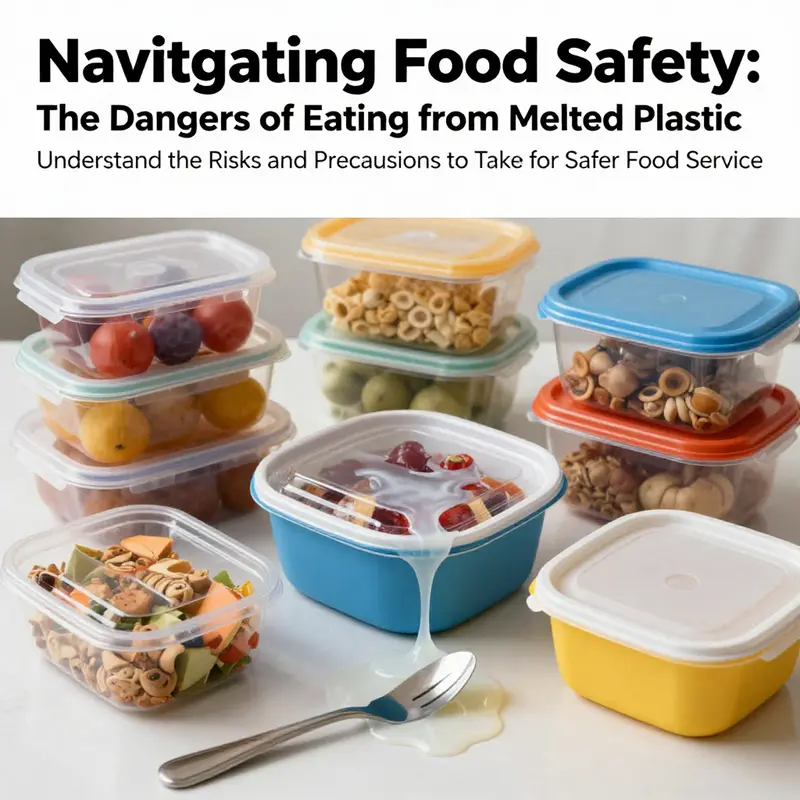
As food service professionals, it’s essential to prioritize safety and well-being in your operations, especially when it comes to packaging and serving food. One common risk that often goes unrecognized is the consumption of food that has been stored or heated in melted plastic containers. This article explores the significant health risks associated with eating food from melted plastic, the chemical compounds that can leach into food, the types of plastics and their safety profiles, immediate steps to take when contamination occurs, and the long-term effects of consuming such contaminated food. Together, these chapters aim to provide a comprehensive understanding of why it’s crucial to avoid food from melted plastic containers, protecting both your staff and customers alike.
When Plastic Melts into Your Meal: Health Hazards and What to Do
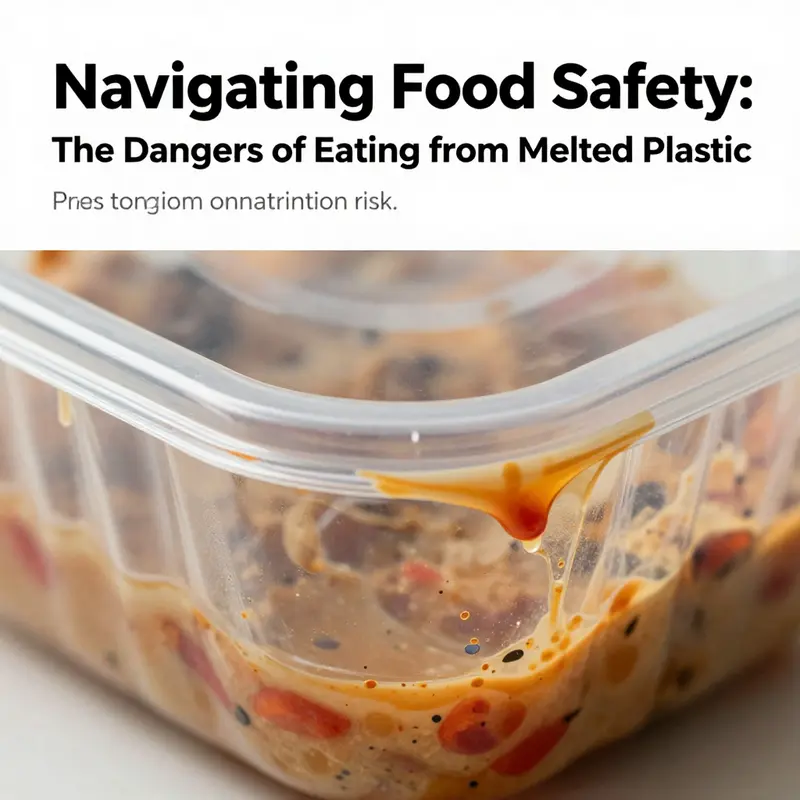
When plastic softens, warps, or melts near food, the result is not just an ugly mess. Heat can break down plastic polymers and free chemical additives. Those additives and fragments can migrate into food. Eating food that sat in a melted plastic container therefore carries both immediate and long-term health risks.
Plastic is not a single substance. It is a family of polymers combined with stabilizers, plasticizers, flame retardants, colorants, and other additives. Under normal conditions these components remain bound inside the polymer matrix. Under high heat, the matrix weakens. Additives and fragments then leach into the food. Chemicals commonly implicated include bisphenol A (BPA), phthalates, and styrene. Even plastics labeled “BPA-free” can contain other bisphenol analogs, such as BPS or BPF, which behave similarly in the body.
The health effects from consuming food contaminated by melted plastic fall into two broad categories: acute poisoning and chronic exposure. Acute effects are often obvious. They may include nausea, vomiting, abdominal pain, diarrhea, headache, and dizziness. These symptoms can appear quickly after ingestion, especially when large amounts of melted plastic particles or concentrated leachate are consumed. In most mild cases, supportive care and hydration resolve symptoms. When symptoms are severe or persist, medical evaluation is necessary.
Chronic effects are subtler and more concerning for public health. Many plastic additives act as endocrine disruptors. They can mimic or block hormones and interfere with signaling. Over time, low-dose exposure—particularly during sensitive windows such as fetal development, infancy, and puberty—can increase the risk of reproductive problems, neurodevelopmental differences, metabolic disorders, and certain cancers. Evidence from animal and epidemiological studies links long-term exposure to changes in fertility, altered timing of puberty, and increased risk for hormone-related cancers.
Recent experimental research highlights additional risks. A 2025 study from Ningxia Medical University exposed animal models to leachate from heated disposable takeout containers. The exposed animals showed cardiovascular damage, including structural changes in heart tissue and metabolic markers tied to heart failure. Although animal studies do not translate directly to humans, they do raise plausible mechanisms and suggest that even short-term exposure under high temperatures may harm the heart.
Microplastics and volatile organic compounds (VOCs) add further layers of risk. Melting can shed tiny plastic particles. Those microplastics may pass through the digestive tract or translocate into tissues. Their physical presence can trigger inflammation. VOCs released during heating contribute to systemic toxicity and may be inhaled during the process as well. Together, chemical toxicity and particle-mediated inflammation create a complex hazard profile that is still under active research.
Children, pregnant people, and those with chronic illnesses are especially vulnerable. The developing fetus and young child have rapidly dividing cells and immature detoxification systems. Low-dose endocrine disruptors during development can cause lifelong consequences. For people with heart disease, the cardiovascular effects observed in research underscore additional concern. For all vulnerable groups, minimizing exposure is the prudent approach.
Not all plastics pose equal danger, but the differences can be subtle. Polypropylene (PP) and certain polyethylene (PE) formulations tolerate higher temperatures and are less likely to leach some additives when used as intended. Still, even these plastics can release chemicals once they deform, crack, or melt. Polystyrene (PS) and polyvinyl chloride (PVC) are more likely to release styrene and other harmful substances when heated. Single-use containers are particularly risky; they are not designed for repeated heating or prolonged contact with hot food.
Because the risks can be invisible, the practical rule is simple: do not eat food that has been in contact with melted plastic. Even if the container seems only slightly softened, or if you scraped visible fragments away, contamination may have already occurred. The safest action is to discard both the food and the container.
If you suspect you—or someone in your care—consumed food from a melted plastic container, take these steps. First, stop eating the food. Save a sample of the food and the container if possible; this may be useful for medical evaluation. Monitor for early symptoms: gastrointestinal upset, headache, or unusual fatigue. For mild symptoms, rest and fluids may suffice. For severe symptoms, such as persistent vomiting, chest pain, difficulty breathing, or neurologic changes, seek emergency medical care. If the exposed person is pregnant, an infant, or has underlying heart disease, contact a healthcare provider early. Your local poison control center can offer immediate guidance on symptom management and whether testing or treatment is warranted.
Prevention matters more than treatment. Adopt practical habits that reduce the chance of plastic melting near food. Never microwave single-use containers, whether they are foam, thin plastic, or containers not explicitly labeled microwave-safe. Avoid placing plastic containers directly on hot stove elements, hot pans, or in ovens intended only for ceramic or metal bakeware. When heating food in a microwave, transfer it to a microwave-safe glass or ceramic dish. When packing hot or oily foods for transport, use alternatives designed for heat and grease resistance.
Safe alternatives are affordable and convenient. Glass, ceramic, and stainless steel do not release plastic additives when heated. Durable food-grade silicone is heat-stable for many home uses, though it can retain flavors and should be high-quality and food-grade. For single-use or takeout situations, coated paper bowls and containers can offer a lower-risk option. If you need disposable packaging for hot foods, consider switching to a coated kraft paper bowl designed for hot soups and takeout; these are engineered to handle heat without melting or leaching plastic. For example, a disposable kraft paper bowl for food packages with lid provides a safer single-use alternative for hot soups and meals and avoids direct contact with melted plastic. Choose products that are explicitly rated for hot foods and grease resistance.
Manufacturers sometimes label containers as “microwave-safe,” but labels can be misleading. “Microwave-safe” usually means the container will not warp or melt at typical microwave temperatures. It does not guarantee the container will not leach chemicals under certain conditions, like repeated heating, high-fat foods, or prolonged storage of hot contents. Reusing disposable containers increases the chance of degradation. Err on the side of caution: if a container is discolored, warped, or cracked, stop using it.
Regulatory bodies provide useful guidance about food-contact materials. These authorities set limits and testing requirements, but science is evolving and knowledge gaps remain. When in doubt, prefer containers that are inert under heat, such as glass or stainless steel. For everyday use, keep a few microwave- and oven-safe glass containers on hand. They perform well for both storage and reheating, and they avoid leaching risks entirely.
Long-term risk reduction also involves reducing reliance on potentially harmful plastics across daily life. Simple measures include avoiding microwaving food wrapped in plastic wrap, not putting plastic water bottles into hot cars, and minimizing the use of plastic containers for fatty or acidic hot foods. Advocate for safer packaging in your community and for clearer labeling from food vendors. Small choices add up when they protect children and reduce chronic exposure for entire households.
The science linking melted plastic contact to specific diseases continues to develop. Animal studies and mechanistic research point to cardiovascular damage, endocrine disruption, and inflammatory responses. Epidemiological studies show associations between plastic-associated chemicals and metabolic, reproductive, and developmental outcomes. Given those signals, the precautionary approach is justified: avoid eating food that has been stored or heated in melted or damaged plastic. Discard contaminated food, choose safer materials for heating and storage, and consult medical help when exposure is suspected.
For authoritative guidance on plastics and food contact materials, consult regulatory resources such as the U.S. Food and Drug Administration’s guidance on plastics and food contact materials: https://www.fda.gov/food/food-contact-materials-ingredients/frequently-asked-questions-about-plastics-and-food-contact-materials
When Plastic Melts: How Chemicals Move from Containers into Your Food
Plastics are useful because they are light, cheap, and durable. But those advantages depend on a stable molecular structure. When heat softens or melts a plastic container, that structure breaks down. Bonds between polymer chains loosen. Additives and small molecules that were once locked in place can migrate out. That migration is called chemical leaching, and it is the central reason you should not eat food from a melted plastic container.
When a container melts, the risk of leaching rises sharply. Heat speeds the movement of molecules. Scratches, old wear, and repeated washing make plastics more permeable. Even plastics labeled as “microwave-safe” can leach if they are degraded or are exposed to temperatures above their rated limit. Some plastics resist heat better than others. Polyethylene (PE) and polypropylene (PP) are more heat-tolerant. PP often withstands temperatures up to about 200°C (392°F). But tolerance is not immunity. Extremely hot oil, direct flame, or prolonged heating can still damage them.
Not all migrating substances are the same. Many plastics contain chemical additives. Those additives make plastic flexible, durable, or clear. Common examples include plasticizers, stabilizers, flame retardants, and colorants. Among the chemicals that have raised health concerns are bisphenols and phthalates. Bisphenol A (BPA) once dominated consumer awareness. Manufacturers replaced BPA in many items with alternatives such as BPS and BPF. These substitutes can still mimic hormones. Studies show they may act as endocrine disruptors under certain conditions. Heat increases the likelihood that these molecules will leave the plastic and enter food.
Other types of plastics pose different hazards. Polyvinyl chloride (PVC) can contain phthalates that make it flexible. Polystyrene (PS), often used in single-use foam containers, can release styrene monomers. Some of these compounds are linked to long-term harms, including cancer risk and reproductive or developmental effects. The level of risk depends on how much of these chemicals reach your food and how often you are exposed.
Particle contamination is another concern when a container melts. Melted plastic can shed tiny fragments or microplastics directly into food. Those particles can carry the chemical additives with them. Microplastic ingestion is an emerging area of research. Early findings show microplastics can cause low-grade inflammation and other subtle biological responses. When those particles are coated with leached chemicals, they become vectors for chemical exposure.
Short-term exposure after eating food from a melted container can cause immediate symptoms for some people. Nausea, vomiting, stomach pain, and diarrhea have been reported in acute cases. Headaches or dizziness can also occur. These symptoms are more common if volatile compounds are present or if large amounts of melted plastic were consumed. Long-term, lower-level exposure is harder to measure but can affect hormonal systems and increase chronic disease risk. For that reason, public health authorities urge caution.
Deciding whether to keep or discard food that was in a melted container requires a practical assessment. If the plastic melted into the food, toss the food and the container. If the container only slightly softened but smelled of plastic, discard both. Heat-damaged plastics are unpredictable. Even small amounts of leached chemicals could concentrate in fats and oils. That means greasy foods and high-fat dairy can carry more of the chemicals.
If a plastic lid warped but did not touch the food, the risk may be lower, yet still present. Factors that matter are temperature, contact time, and the food type. Hot, fatty, or acidic foods increase chemical migration. Prolonged storage in a warm place does the same. When in doubt, err on the side of safety and throw it out.
Glass offers a reliable contrast to plastic. It is inert at high temperatures. Glass does not contain plasticizers or bisphenols. When you heat food in a glass container, you do not introduce those classes of contaminants. Borosilicate glass is particularly resistant to thermal shock, making it safe for ovens, microwaves, and dishwashers. Tempered glass is also robust. Choosing glass for reheating and storage removes one pathway for chemical exposure.
If glass is not available, choose alternatives carefully. Paper and cardboard containers with proper food-grade linings are common. Many takeaway operations now use kraft paper bowls with lids designed for hot foods. Those containers often rely on renewable fiber and are labeled for high-temperature use. A disposable kraft paper bowl with lid can be a safer short-term option for hot takeout. However, check that the lining is food-safe and that the container suits hot, greasy foods. Some paper products use polyethylene or similar coatings. Those coatings can also be problematic when exposed to very high heat.
Preventive habits reduce the chance of chemical migration. Do not place plastic containers directly on stovetops or open flames. Avoid microwaving food in single-use plastics or old plastic containers. Use glass or ceramic for reheating whenever possible. Replace plastic containers that show scratches, clouding, or warping. Even if a container still looks intact, repeated heating and washing can make it more likely to leach chemicals.
When buying new food storage, look for containers rated for the temperatures you intend to use. Labels such as “microwave-safe” or “dishwasher-safe” describe typical resistance, not an absolute guarantee. Be cautious with vague claims about safety. Some producers market products as “BPA-free.” That reduces exposure to BPA specifically, but it does not eliminate other potentially harmful additives. Consider the overall material and intended use instead.
In professional or commercial settings, follow specific safety standards. Food-service operations should avoid reheating in single-use plastic containers. Use approved heat-resistant materials. Train staff to inspect containers for damage. A melted or deformed container should be discarded immediately, along with its contents.
If you suspect you’ve eaten food contaminated by melted plastic and you feel ill, seek medical advice. Acute symptoms may need treatment. If a large quantity was consumed, inform a healthcare provider about the exposure. For non-urgent concerns, document the incident. Note the container type, the food, and the conditions that led to heating or melting. That information can help clinicians assess risk.
On a population level, reducing routine exposure matters. Public health agencies track chemicals used in food-contact materials. They set limits and review studies to decide what is safe. Still, science evolves. Some chemicals once considered safe have been replaced due to new evidence. That uncertain landscape favors reducing avoidable exposures, especially for pregnant people, infants, and children, who are more vulnerable to endocrine-disrupting chemicals.
Practically speaking, the safest course when plastic melts is simple and direct. Discard contaminated food and the damaged container. Switch to glass or certified heat-resistant alternatives for reheating and storage. Prefer containers designed for repeated high-heat use. If you need a disposable option for hot foods, consider a verified kraft paper bowl with a lid that is meant for hot takeout. That choice can reduce your dependence on plastic and minimize leaching risks.
Understanding how plastics behave helps you make better choices. Heat changes plastic at a molecular level. Additives and monomers can move into food when that happens. The amount transferred varies, but the presence of potentially harmful chemicals is a real concern. Avoiding melted plastic in contact with food prevents both immediate and long-term risks.
For a detailed overview of the science behind chemical migration in plastics, see the Johns Hopkins review of chemical leaching in plastics. For an accessible alternative to heated plastic containers, consider using a disposable kraft paper bowl with lid designed for hot foods: https://greendispopack.com/product/disposable-kraft-paper-bowl-for-food-package-with-lid/.
External reference: https://www.jhsph.edu/research/centers/environmental-health-sciences/research-topics/chemical-leaching-in-plastics.html
From Melt to Mouth: Understanding Plastics, Heat, and the Real Risks of Reheating Food
When you reach for leftovers snuggled into a plastic container, the question surfaces with blunt urgency: can you eat this if the container has melted? The instinct to salvage a meal is strong, but the science behind heating plastics tells a different story. Plastic is not a passive wrapper. Under heat, its molecules shift, and additives designed to give plastic certain properties can loosen their grip and migrate into anything they touch. The moment plastic softens, the barrier between food and the chemical world begins to degrade. The safer answer is simple and uncompromising: if a container melts, discard both the container and the food and start anew with something heat-stable and non-reactive. The risk isn’t just about a sour taste or odd texture; it involves the potential transfer of substances that can disturb your body’s balance and, in some cases, contribute to longer-term health concerns.
To appreciate why melted plastic is a problem, it helps to understand that not all plastics respond to heat the same way. Some resins carry higher resistance to heat and are labeled for microwave use, but even these labels come with caveats. Polypropylene (PP), often labeled as code 5, is generally more heat-stable than many other plastics and is commonly considered safer for reheating when the product explicitly bears a microwave-safe designation. Yet the label is not a universal shield. If a container is thin, scratched, or worn, or if the food contains fat or oil, a host of chemical travelers may begin to migrate. By contrast, plastics such as polyethylene terephthalate (PET, code 1), polyvinyl chloride (PVC, code 3), and polystyrene (PS, code 6) are more likely to release substances when heated. PET is not designed for reuse or heating, PVC often contains plasticizers like phthalates, and PS can break down with heat to release styrene, a potential carcinogen. The takeaway is not that every container labeled as microwave-safe is dangerous, but that heat changes the likelihood of chemical migration, and plastic containers not expressly designed for heating are especially risky.
Chemistry under heat is rarely dramatic in isolation; it’s a function of time, temperature, and the specifics of the container and food. Migrants can migrate more readily into fatty foods, since fats can dissolve hydrophobic additives more easily. Temperature amplifies this effect; brief exposure at lower heat can be less risky than prolonged exposure at higher temperatures. Additives themselves matter. Some are intended to improve rigidity, flexibility, or shelf life, but when heated they can migrate as fragments of their own design. That is why the precautionary principle—avoid heating containers not explicitly labeled for it—remains the most reliable guide. Even when a container appears to have merely softened, the actual depth of change in its microstructure may be sufficient to open a pathway for chemicals to seep into the meal. The risk is not merely a short-term discomfort. Repeated exposure to certain substances in plastics has drawn attention for potential endocrine-disrupting effects and, in some contexts, associations with long-term health concerns. The body processes these substances differently based on age, health status, and genetic factors, so the same exposure may affect people in distinct ways.
As a practical matter, cultural norms around quick meals, leftovers, and plastic packaging can complicate decisions. People often assume that if a container can be heated, it’s safe. The reality is more nuanced. If the container is a thin, disposable takeout type that lacks a microwave-safe label, it’s best to assume it should not be heated. The safer path is to transfer the food to a heat-resistant glass, ceramic, or stainless-steel dish before reheating. This simple switch removes the central risk vector—the container itself—and reduces the chance of any plastic-derived compounds migrating into food. In many cases, this requires only a small act of preparation: a quick transfer before the microwave or stovetop reheating, followed by a careful check for any unusual odors or textures after heating.
In the broader context of safety, it’s worth noting that the safer plastics are not a guarantee of absolute safety. Even polypropylene, when used in microwaves, should be used only if clearly labeled as microwave-safe and if the container remains in good condition. Scratches, cracks, or signs of wear can create microenvironments where leaching is more likely. The regulatory landscape, too, is nuanced. Agencies evaluate migration limits and set thresholds for what’s considered acceptable exposure, but these assessments are based on controlled conditions and standardized foods. Real-life cooking scenarios vary—foods with higher fat content or acidic components, different heating durations, and repeated use of containers beyond their intended lifespan—all of which can push actual exposure beyond those standard limits. This is why practical guidance emphasizes caution, common-sense food handling, and a preference for heat-stable, non-reactive vessels for reheating.
For people who want to minimize exposure proactively, there are clear, replicable actions. First, whenever you are reheating, choose containers designed for heating with explicit microwave-safe labeling. If you can’t verify the label or if the container shows wear, refuse to heat it. Second, keep a habit of transferring leftovers to a reheating-safe vessel before you heat them, particularly for leftovers with high fat content, sauces, or gravies. Third, favor materials that don’t shed or leach at high temperatures. Glass and ceramic bakeware and containers, as well as stainless steel suitable for reheating, are reliable choices that avoid the chemical-leaching and particulate concerns associated with melted plastics.
The idea of safer packaging also relates to how meals are served in everyday life. In many takeout and home-meal contexts, transitional materials can help bridge convenience with safety. For those managing home kitchens or small-scale food operations, investing in durable, heat-safe containers can reduce the risk of accidental contamination and waste. There is also a practical consideration: damaged or melted containers can shed not just harmful compounds but tiny plastic fragments that may adhere to or mingle with food. While it can be unsettling to imagine micro-particles in a meal, the precautionary response remains straightforward—discard any food that has contacted melted plastic and run the container through proper disposal rather than attempting to salvage the meal.
If you have already eaten a portion of food from a melted container and start to feel unwell, observe for symptoms such as nausea, vomiting, abdominal pain, diarrhea, or headaches. These symptoms can arise from a variety of causes, but the possibility of chemical exposure warrants attention. In the event of persistent symptoms or severe discomfort, seeking medical advice is sensible. When uncertain, contacting a local poison control center or a healthcare professional can provide guidance tailored to your situation. The broader health implications of exposure to certain plastics are a topic of ongoing study, but the consensus remains robust on one point: prevention is more reliable than remediation. Do not rely on instinct or hope that a small amount of exposure is harmless; err on the side of caution and discard.
For those seeking practical alternatives that align with both health and environmental concerns, safe reheating practices go hand in hand with mindful packaging choices. If you want a convenient, heat-appropriate solution for leftovers, consider transferring the meal to heat-safe glass or ceramic containers before reheating. This preserves the integrity of the food while eliminating the risk of leaching from the original container. Additionally, explore takeout packaging options that use compostable or recyclable materials, like kraft paper-based bowls and trays. These options not only minimize exposure risks but also align with broader environmental goals. For instance, you can find disposable kraft paper take-out bowls designed for safe handling and serving, which preserve the sensory qualities of the food without introducing additional plastic-related hazards. disposable kraft paper take-out bowl represents one strand of that safer packaging landscape.
The environmental narrative around plastic use further underscores the practical wisdom of avoiding heated plastic whenever possible. Plastics contribute to pollution and resource consumption throughout their life cycle, from production to disposal. Reducing reliance on heated plastic containers not only lowers exposure risks but also diminishes demand for materials that persist long after their usefulness ends. A growing awareness of these environmental dimensions has encouraged households and businesses to adopt alternatives that are easier to recycle, reuse, or compost. In this sense, the choice to transfer leftovers to alternative vessels for reheating ticks two boxes at once: it protects health and supports a more sustainable approach to meal-hosting and takeout culture.
Ultimately, the question of whether you can eat food from a melted plastic container does not hinge on a single factor. It is the sum of how much heat was applied, how long the container was in contact with the food, the type of plastic, the presence of additives, and the nature of the food itself. The safest, most consistent answer remains clear: discard the melted container and the food. When possible, reheat and serve using heat-stable, non-plastic vessels. When packaging decisions are involved, opt for materials proven to resist the thermal stress of heating and to do so without releasing harmful substances into meals. These practices protect your immediate health while also supporting broader efforts toward safer consumer products and more sustainable packaging systems. If you want to explore how to pair safe reheating with responsible packaging more deeply, you can consult authoritative guidance on food-contact materials and their safety profile, including references like the official FDA resource on plastics and food contact materials. It provides details on what kinds of plastics are more or less suitable for heating and how regulatory bodies assess safety across different contexts.
For further context on safe, heat-appropriate packaging options and how they fit into everyday meal routines, consider exploring resources that discuss durable, take-out-friendly alternatives like kraft paper bowls and related packaging solutions. The shift toward safer packaging choices is not only about immediate health concerns but also about reducing environmental impact and supporting responsible production practices over time. By choosing to heat foods in appropriate vessels and by selecting containers designed to withstand heat without leaching, you contribute to a safer, healthier dining environment for yourself and those around you.
External reference for authoritative guidance: https://www.fda.gov/food/food-contact-materials-ingredients/frequently-asked-questions-about-plastics-and-food-contact-materials
What to Do Right Away If Your Food Was in a Melted Plastic Container
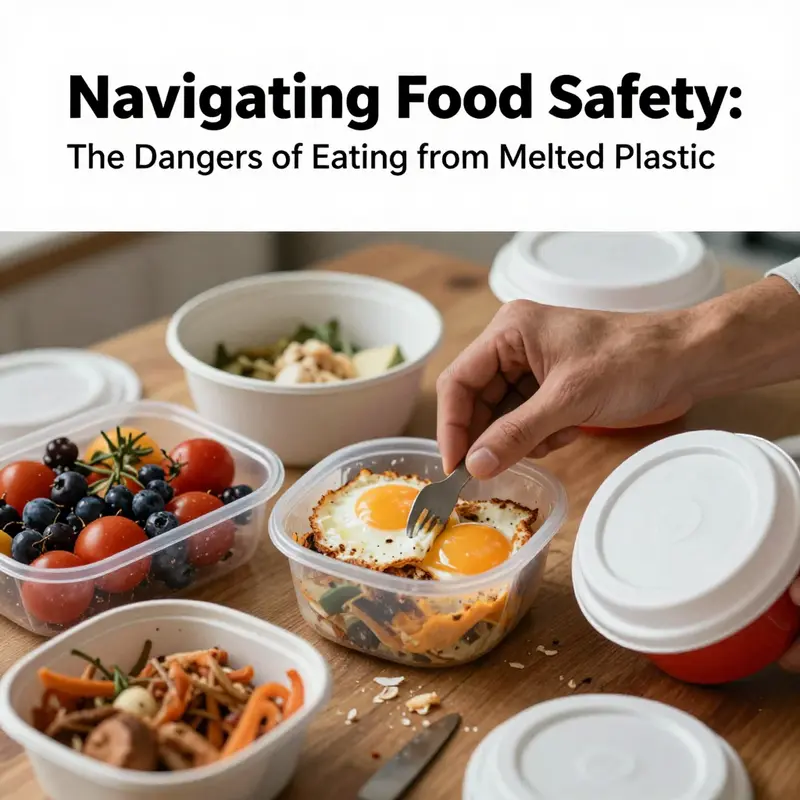
Immediate actions matter. If a plastic container melts while holding food, treat the situation as potentially hazardous. Heat alters plastic’s structure and can release chemicals into food. Those chemicals may be invisible, odorless, and undetectable by taste. Acting quickly and deliberately reduces health risks and prevents further damage to appliances or the kitchen environment.
First, stop the heat source. If the melting occurred on a stove, turn the burner off and move any nearby items away from the area. If the incident happened in a microwave, open the door and switch the unit off. Do not continue cooking or reheat food in the same appliance. Stopping the appliance immediately limits further degradation of the plastic and prevents airborne fumes from concentrating in the room.
Ventilate the space. Open windows and doors to let fresh air in, and turn on exhaust fans if available. Some melted plastics release irritating or harmful fumes when heated. Good ventilation reduces inhalation exposure and disperses any volatile compounds more rapidly. Keep pets and children out of the kitchen until the source of fumes is cleared.
Do not taste or eat the food. Even if the meal appears only lightly affected, do not assume it is safe. Chemicals such as bisphenol A (BPA), phthalates, and other additives can leach into food when plastic softens or melts. These substances can disrupt hormones and have other toxic effects. Throw the food away rather than trying to salvage it, and seal it in a disposable bag before placing it in an outside bin if possible.
Protect yourself when handling contaminated items. Wear heat-resistant gloves, and use tools like tongs or spatulas to move the destroyed container and food waste. Avoid direct skin contact with melted plastic. If plastic has fused with cookware or stove surfaces, allow the appliance to cool before touching it. Handling hot, softened plastic can cause burns and spread contamination to skin, cloth, or countertops.
Contain the mess. Place soiled disposables and melted material into a sturdy bag. If plastic bits are stuck to utensils or cookware, isolate those items for cleaning or disposal. Do not put contaminated cookware back into regular dish storage until you are confident it is free of plastic residue and chemical odor. If a nonstick pan or other easily ruined cookware has plastic fused to it, consider discarding it since cleaning may not remove absorbed chemicals.
Assess the appliance for damage. Carefully inspect the stove, microwave, or other equipment for melted components, warped surfaces, or residues. Do not run the appliance again until you are sure nothing remains that could reignite or degrade further. If controls, knobs, or gas lines look compromised, shut off gas at the supply and call a qualified technician. Avoid DIY repairs to gas fittings or electrical components after a melting event.
Clean the area once it has fully cooled. Use a mild dish detergent and warm water to wash counters, cookware, and removable stove parts. When a residue is brittle, lift it gently with a wooden or silicone scraper. If residue remains sticky, soak affected parts in warm, soapy water until the plastic softens and can be removed safely. Put on gloves and work carefully to avoid inhaling fumes released by warm plastic during cleaning.
If plastic is fused to a cooktop, do not scrape or sand aggressively. Harsh scraping can damage surfaces and create many small particles that are harder to remove. For glass or ceramic cooktops, let the unit cool completely and use a specialized scraper designed for those surfaces. Follow the manufacturer’s cleaning instructions to avoid voiding warranties or causing permanent damage.
Sanitize thoughtfully. After physical debris is removed, rinse surfaces thoroughly. Use hot water and a standard household cleaner to remove residual oils or odors. For cookware you intend to keep, boil water in the pot for several minutes and discard it. Rewash the pot with detergent and inspect for lingering smells. If a chemical or plastic odor persists, retire that cookware rather than risking future food contamination.
Dispose of contaminated food and plastic properly. Seal refuse in a strong bag to prevent small flakes from contaminating other waste. If you are concerned about local disposal rules, follow municipal guidance for non-hazardous household waste. Do not attempt composting or recycling of melted plastics; contamination renders them unsuitable for recycling streams. Label the disposal bag if others in your household handle trash, so they know about the risk.
Know when to seek medical advice. If anyone inhaled dense fumes, experienced a burning throat or eyes, or developed nausea, dizziness, or headaches, move them to fresh air immediately. Wash any skin that contacted melted plastic with soap and water. For severe or persistent symptoms, contact your local poison control center or seek emergency medical care. If a child, pregnant person, or someone with chronic health conditions consumed food that may have been contaminated, call a medical professional for tailored guidance.
Document the incident if needed. If the melting occurred in a rented home, a shared kitchen, or a commercial setting, take photos of the damaged container and appliance. This documentation can help when explaining the incident to landlords, managers, or technicians, and it creates a record should you need to reference the event later for health or safety reasons.
Consider replacing affected cookware. Plastic penetration is not always visible. Heat can cause certain chemicals to embed in porous cookware materials or degrade protective coatings. If you find any cookware with a lingering chemical odor or visible damage from melted plastic, replace it. Disposable alternatives designed for single use and heat resilience can serve as short-term replacements after such incidents.
To reduce future risk, choose heat-appropriate containers. Avoid reheating food in single-use plastic containers or in plastics not labeled microwave-safe. For reheating, use glass, ceramic, or labeled heat-resistant containers. If you use disposable options often, consider switching to sturdy paper-based takeaway bowls with lids. These serve well for one-time use and lower the chance of plastic melting into hot food; for an example of a robust option, see disposable kraft paper bowl for food package with lid.
Take preventive steps in your routine. Keep plastics away from direct heat. Store lids and plastic containers separately from pots and burners. Train household members on safe reheating practices, and label containers you intend to reuse in the microwave. A small habit change lowers the chance of repeating an unpleasant melting event.
If the melted plastic incident occurred on a gas stove, double-check for lingering hazards. Turn off the stove and ventilation. If you suspect any damage to gas lines, pilot lights, or valves, avoid using the appliance until a professional inspects it. Smell of gas or hissing sounds require immediate evacuation and a call to your gas provider or emergency services.
Finally, think long term about exposure. A single, small ingestion may not cause lasting harm, but repeated or heavy exposure to certain plastic additives can have cumulative effects. Prioritize safe alternatives and cautious handling going forward. If you remain worried about possible chemical exposure, mention the event to your physician. They can advise monitoring or testing if clinically indicated.
For step-by-step advice on safely removing melted plastic from stove burners and related cleaning methods, consult a dedicated removal guide that covers tools and techniques. https://www.safetyscience.org/stove-plastic-removal-guide
Hidden Consequences: The Long-Term Health Toll of Eating Food from Melted Plastic
Eating food that has been in a melted plastic container is more than a single unpleasant mistake. Over time, even small exposures to chemicals released from heated plastics can reshape the body’s biology. This chapter traces how those chemical and physical insults accumulate. It explains the specific systems most affected and offers practical steps to lower long-term risk.
When plastic softens or melts, its internal bonds break. That change can free chemicals and tiny particles into food. Many of those compounds act on the body in subtle, persistent ways. Some mimic hormones. Others cause oxidative stress. Some lodge in tissues and stay there for years. The result is not always an immediate illness. Often it is a slow progression toward chronic disease.
Chief among the chemical threats are endocrine disruptors such as bisphenol A (BPA) and certain phthalates. These molecules can bind to hormone receptors and change cellular signaling. When they mimic estrogen or interfere with androgen pathways, they can alter reproductive function, fetal development, and metabolic regulation. Repeated exposure, even at low levels, can increase risk of reproductive problems, fertility decline, and developmental delays in children exposed in utero or early life. Research links long-term exposure with higher rates of insulin resistance, obesity, and fatty liver disease. Those outcomes arise because hormonal disruption rewires how the body stores fat and handles glucose.
Beyond hormone mimicry, other molecules released from heated plastic are damaging in different ways. Styrene, which can be emitted from polystyrene containers, is a suspected carcinogen. Chronic exposure to small amounts has been associated with nervous system effects and elevated cancer risk. Many plasticizers and additives cause oxidative damage in the liver. The liver is the body’s primary chemical processing organ, and it bears the brunt of constant exposure. Over years, the liver’s ability to detoxify weakens as cellular injury accumulates. Fat builds up in liver cells, inflammation follows, and scarring can develop. This pathway explains how repeated ingestion of contaminated food may contribute to non-alcoholic fatty liver disease and eventual fibrosis.
The digestive tract itself is vulnerable in immediate and long-term ways. Melted plastic may shed tiny fragments into food. Those fragments can cause physical irritation. Small, sharp pieces can abrade mucosal linings, causing micro-injuries in the esophagus, stomach, and intestines. Repeated microtrauma increases susceptibility to infection and can foster chronic inflammation. Plastic particles also occupy space in the gut. They do not break down like food. Over time, this foreign material can impair the gut’s ability to absorb nutrients, disturb microbiota composition, and interfere with normal digestive enzymes. That combination raises the risk of malabsorption, nutrient deficiencies, weight loss, and weakened immunity.
The gut’s microbial community may be particularly sensitive to plastic exposure. Plastic surfaces can harbor biofilms and promote the growth of opportunistic bacteria. Ingested fragments may carry bacteria into the digestive tract, raising infection risk. Chronic shifts in microbiota composition can influence immunity and systemic inflammation. Emerging research suggests a connection between altered microbiota and metabolic disorders, mood changes, and autoimmune conditions.
Immune and allergic consequences also deserve attention. Some additives in plastic act as allergens or immune stimulants. Repeated exposure can lead to sensitization. People can develop contact reactions, respiratory symptoms, or food-related immune responses. In rare cases, severe allergic reactions may occur. More commonly, long-term exposure manifests as low-grade inflammation that worsens other chronic conditions.
A particularly worrying feature of many plastic-derived toxins is their tendency to bioaccumulate. They persist in tissues like fat and liver. Over years, levels rise even when daily exposures are small. That cumulative burden increases long-term risk more than any single exposure event. Epidemiological evidence links chronic low-level exposure to higher rates of certain cancers, endocrine and metabolic disorders, and reproductive harm. Animal models confirm similar patterns: low-dose, repeated exposure often produces more profound long-term effects than a one-time large dose.
Certain groups face higher long-term risk. Developing fetuses and young children are most vulnerable because their tissues and organs are still forming. Older adults and people with preexisting liver disease or metabolic conditions have lower detoxification reserve. Pregnant people, those with compromised immune systems, and workers with repeated occupational exposure to plastics should take particular care. Lifestyle factors like high-fat diets and alcohol use can amplify the harm. Fat stores act as reservoirs for lipophilic toxins, prolonging exposure.
Because the danger accumulates, prevention matters more than cure. The simplest and most effective measure is to avoid heating food in plastic. Use glass, ceramic, or stainless steel containers when cooking, reheating, or storing hot food. Do not microwave disposable containers or plastic packaging. Check labels: containers designed for repeated microwave use are usually safer, but safety is never absolute. “BPA-free” labels reduce a specific risk but do not guarantee the absence of other harmful substitutes. Choose packaging made for food contact and avoid single-use plastics for hot foods.
Storage habits also influence long-term exposure. Avoid leaving plastic bottles or containers in direct sunlight or hot cars. Heat accelerates chemical migration. Choose water and beverage containers made from glass or stainless steel when possible. When shopping, favor products with minimal plastic contact, especially for oily or fatty foods, since many plastic chemicals are fat-soluble and transfer more readily into oily foods.
If you discover that food was in a melted plastic container, err on the side of caution. Discard the food and the container. Avoid tasting it to check for contamination. If you or a family member ate such food and now have persistent symptoms—nausea, abdominal pain, dizziness, or new allergic signs—seek medical advice. Tell your clinician about the exposure so they can evaluate appropriately. In most cases a single exposure causes no long-term harm. But if you have ongoing symptoms or are part of a high-risk group, clinical follow-up and, in some cases, laboratory testing for liver function or specific toxin levels may be warranted.
On a broader level, reducing overall exposure to plastic-derived toxins requires choices at home and in the marketplace. Limiting consumption of highly processed foods and packaged snacks lowers the baseline burden. Where takeout or packaged food is unavoidable, prefer containers designed for food contact and avoid reheating in the original plastic packaging. For businesses and institutions, switching to safer disposable options can reduce public exposure; for example, compostable or kraft paper food bowls with secure lids offer a better alternative for hot foods. Consider a practical swap for everyday use by choosing a reliable disposable kraft paper bowl for food package that is heat-resistant and designed for hot items.
Finally, monitoring and advocacy matter. Public health agencies set guidance and limits for food contact materials. Stay informed about new research and updates to guidelines. Support policies that restrict harmful additives and require transparent labeling. Encourage food vendors to adopt safer packaging and reheating practices.
The long-term effects of eating food from melted plastic are real and measurable. Harm comes not only from obvious toxins but from a complex cascade of hormonal disruption, liver injury, gut damage, immune modulation, and cumulative tissue accumulation. Small, wise changes in how we heat, store, and choose food containers can dramatically reduce lifelong risk. For authoritative guidance on food contact materials and safety recommendations, see the FDA’s resource on food contact materials: https://www.fda.gov/food/food-contact-materials
Final thoughts
In conclusion, the safety of the food served in your establishment is paramount. Understanding the dangers of consuming food from melted plastic containers is not only crucial for protecting your customers but also for maintaining the integrity of your business. Food service professionals must stay informed on the types of plastics used in food containers and strict protocols must be implemented to prevent scenarios involving melted plastic. By prioritizing food safety, you ensure both customer satisfaction and trust in your service.