
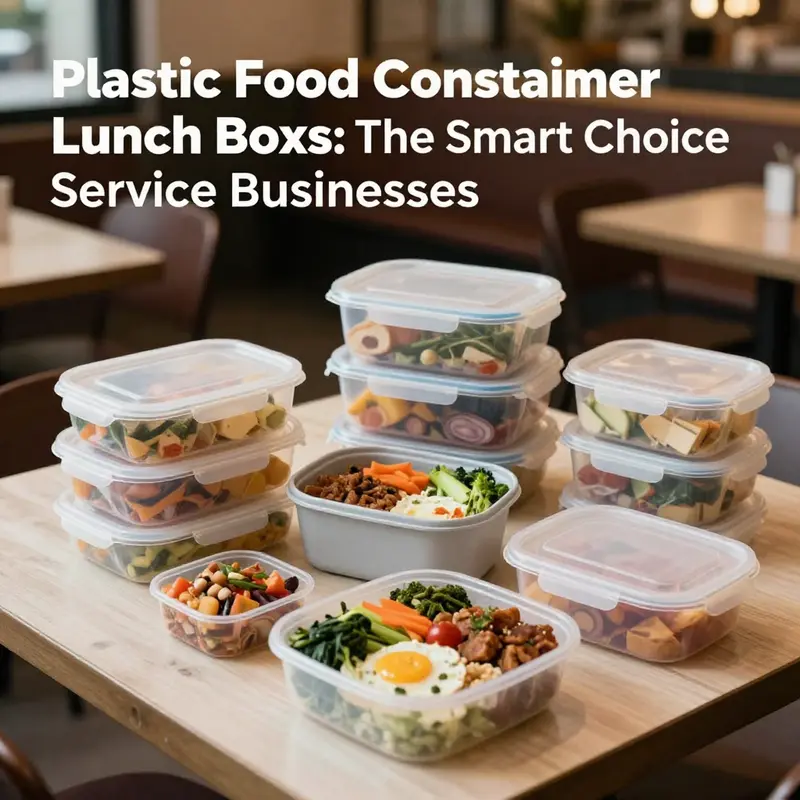
In the competitive landscape of food service, plastic food container lunch boxes have become essential assets for businesses ranging from bubble tea shops to catering services. These containers not only provide a reliable solution for meal storage but also enhance convenience and food presentation, making them ideal for takeaway and on-the-go dining. As we delve into the chapters, you will discover how the composition and safety of these containers meet strict industry standards, explore diverse customization options that cater to branding needs, and see the strides the industry is making towards sustainability. Pricing dynamics further indicate how these containers can fit budgets while meeting various operational demands. Lastly, understanding the comparative advantages of plastic containers over metal alternatives can help businesses make informed decisions about their packaging strategy.
Holding Health in Hand: The Chemistry, Safety Standards, and Informed Choices Behind Plastic Lunch Boxes
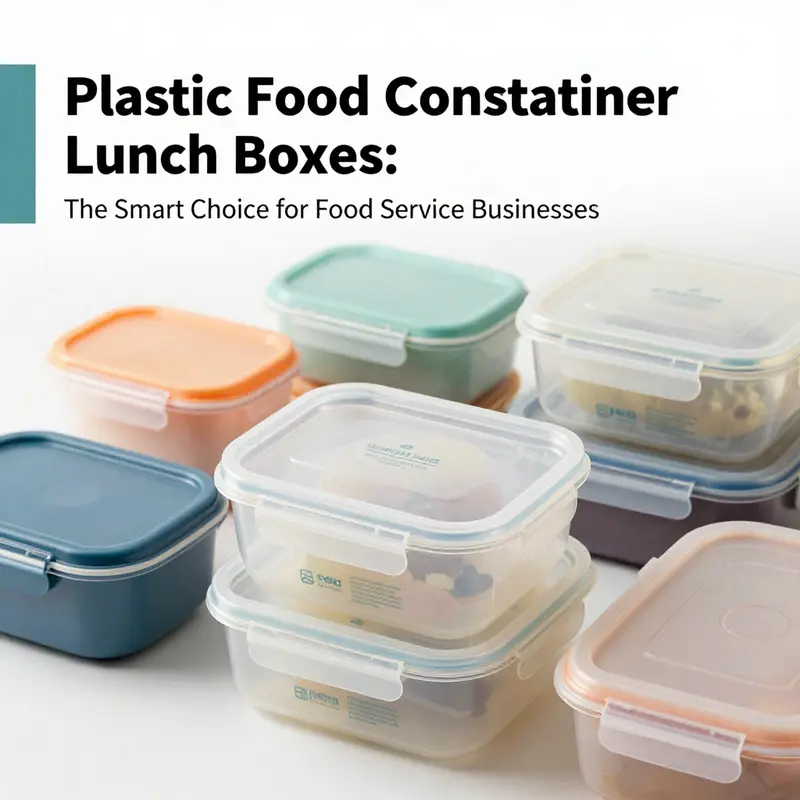
Plastic food container lunch boxes are a familiar sight in kitchens, offices, and carryalls, valued for their light weight, stackability, and practical versatility. Yet beneath their everyday utility lies a careful balance of polymer science, regulatory guardrails, and evolving consumer expectations. This chapter traces the core materials, the safety frameworks that govern them, and the choices that readers—whether home cooks, small-food businesses, or curious shoppers—make when selecting containers for hot, cold, fatty, or acidic foods. The aim is not to champion one material over another, but to illuminate how composition translates into real-world performance, safety, and value, so decisions can be made with confidence rather than assumption.
Foremost among the commonly used polymers is polypropylene, better known to many as PP. This material is a workhorse for reusable and microwave-safe containers because of its robust heat resistance, which typically allows reliable use up to around 160°C (320°F). PP’s chemical inertness means it resists leaching under ordinary culinary conditions, and most products labeled as BPA-free and food-safe are PP-based. The durability and impact resistance of PP make it a popular choice for meal prep and takeout packaging that must survive everyday handling, stacking, and repeated cycles of cooling and reheating. Yet no material is entirely neutral in every scenario: the way a PP container is used—what foods are stored, for how long, and at what temperatures—can influence its performance and the perceived safety of the stored contents.
Another widely used workhorse is polyethylene terephthalate, or PET. PET is lauded for its clarity and strength, characteristics that make it ideal for retail-ready, single-use containers for salads, ready-to-eat meals, and similar applications. Its barrier properties against moisture and gases help keep foods fresh for shorter durations and preserve appearance. PET’s recyclability is a strong plus in a sustainability-minded marketplace, with many containers carrying the widely recognized recycling code #1. However, PET is generally considered appropriate for cold or room-temperature foods and is not recommended for repeated high-heat use, as degradation and potential quality changes can accrue with repeated heating and long-term exposure.
High-density polyethylene, or HDPE, brings rigidity and chemical resistance to the lineup. Its durability and UV resistance make HDPE containers well-suited for long-term storage and more demanding mechanical use. Leaching risk is low when used for typical food storage, and HDPE is often chosen for its sturdy feel and chemical compatibility. But its lack of transparency and limited suitability for microwaving under many conditions can steer users toward other materials when visibility or reheating in a microwave is a priority.
Polystyrene, or PS, is a familiar material in many disposable takeaway containers. Its lightweight, insulating properties contributed to its long-standing popularity in quick-service packaging. However, PS can pose leaching concerns—particularly with hot, fatty, or acidic foods—and is generally not recommended for microwave use or extended storage. As a result, PS is increasingly seen as better suited for short-term, post-purchase consumption rather than long-term meal storage, reheating, or repeated reuse.
These materials illuminate why the market offers a spectrum of options rather than a monolithic solution. Each polymer brings a set of strengths and trade-offs that shape performance in culinary, logistical, and environmental contexts. The consumer-friendly labels that frequently accompany these products—BPA-free, food-safe, microwave-safe—signal that manufacturers have considered safety, but they do not replace the need for informed usage. The science behind migration—the movement of trace chemicals from container into food—underpins many of those labels. It is a reminder that safety is a process, not a certificate one reads once and forgets.
Global safety standards formalize that process. In the United States, the Food and Drug Administration (FDA) oversees food-contact materials and sets expectations around chemical migration into foods. The core idea is straightforward: any material designed to touch food should not release substances in amounts that could impair safety or quality under normal use. In the European Union, the European Food Safety Authority (EFSA) performs a parallel function, with additional limits on certain additives and substances that have raised concerns in other contexts. Beyond national frameworks, reputable manufacturers align with international standards such as ISO 22000, which speaks to food safety management, and EU Regulation (EC) No 1935/2004, which governs the hygiene and safety of materials intended for food contact.
With these frameworks in mind, labels like “food-safe,” “microwave-safe,” and especially “BPA-free” gain resonance but warrant careful interpretation. The term BPA-free, for instance, has become a consumer touchstone, yet it does not automatically guarantee overall safety, as many substitutes used in its place require independent evaluation to ensure they do not pose new risks under typical cooking, reheating, and storage conditions. The bottom line is that safety hinges on the complete system—a product’s material composition, its design, how it is used, and how it is cleaned and stored—rather than on a single label alone.
To help readers make sense of this landscape, consider how the performance of these materials translates to daily use. In a practical sense, when you need to keep meals warm for several hours in an office or during a commute, plastic containers offer a degree of passive insulation that helps resist ambient heat and maintain temperature. Yet when active cooling is involved—such as leveraging ice packs to keep lunch cold—metal containers often outperform plastics due to superior thermal conductivity, a distinction echoed by researchers and practitioners in materials science. This points to a key takeaway: the choice of container should flow from the intended use. A hot-lunch scenario may favor a sturdy PP or HDPE vessel with a well-sealed lid, while a cold-meal scenario or a need for durable reuse might align better with PET or HDPE depending on the design and reuse intentions.
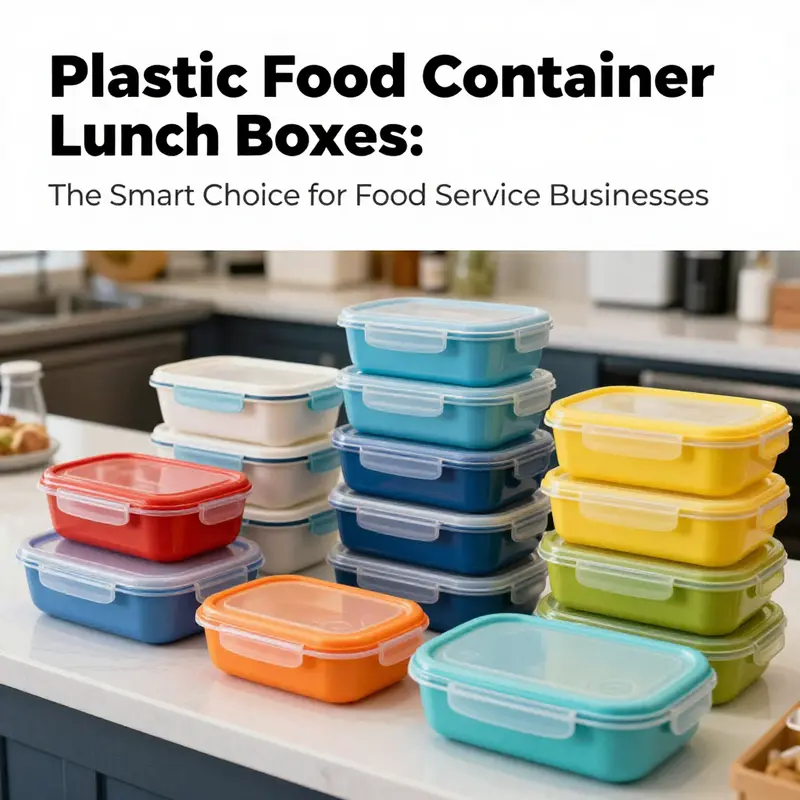
The market also recognizes the importance of design features beyond the polymer itself. Shape, lid quality, and sealing mechanisms all influence safety, ease of use, and sanitation. Rectangular and stackable designs dominate for space efficiency, while some suppliers offer customization options that extend to logos, colors, and precise dimensions to fit particular meal-prep workflows. In wholesale contexts, MOQs can be substantial, which reflects how the market segments its offerings to food-service operations, school cafeterias, catering outfits, and larger-scale takeout services. The interplay between material choice and design becomes especially important when considering cleaning and reuse plans, as repeated washing can affect surface integrity and any coatings that are part of the container’s inner surface.
Beyond strict safety and performance, the broader conversation is increasingly about stewardship. Eco-conscious innovations have grown alongside traditional plastics. Clear, recyclable options remain prevalent, and biodegradable alternatives are beginning to appear in pockets of the market, though they are less common and sometimes dependent on specific industrial composting infrastructures rather than home composting. The trend toward sustainability has not erased the trade-offs; for many buyers, the decision hinges on a balance between recyclability, durability, and safe usage across typical temperature profiles. In this context, readers may encounter a spectrum of packaging alternatives—ranging from recyclable plastics to eco-friendly paper-based options—that offer different benefits and constraints depending on the meal, setting, and end-of-life considerations. In particular, for readers exploring non-plastic packaging alternatives, the broader packaging ecosystem includes solutions such as kraft-paper bowls and takeout boxes in various configurations, which you can explore through industry offerings dedicated to sustainable restaurant packaging. For readers curious about eco-friendly packaging options, see octagonal kraft paper packaging for restaurant food.
As the dialogue around plastic usage evolves, so too does consumer literacy. Understanding the labeling ecosystem helps people navigate the choices without fear. Look for clear indicators that align with your intended use: food-safe certification, explicit microwave-safety guidance, and a transparent migration profile supported by credible testing data. Consumers should also consider what happens after use. Recyclability codes, local waste-management capabilities, and the practicalities of cleaning a container before recycling all influence the container’s true environmental footprint. These considerations matter not only for households but also for businesses that deploy large volumes of lunch boxes. The economics of disposal, the logistics of cleaning and reuse, and the feasibility of recycling programs all shape the real-world sustainability of packaging choices.
Ultimately, the landscape of plastic lunch boxes is not a simple dichotomy between good and bad materials. It is a nuanced ecosystem where chemistry, regulation, use-case scenarios, and end-of-life considerations intersect. A PP-based lunch box may endure daily reheating and provide reliable performance, yet its ultimate safety and environmental footprint depend on how a particular product is designed, stored, and disposed of. PET can deliver clarity and recycling efficiency, but its suitability for repeated heating must be weighed against the intended use and the food’s composition. HDPE offers strength and chemical resilience, while PS, though lightweight and insulating, invites heightened scrutiny for hot or prolonged storage. The reader’s task is to translate these material narratives into practical decisions—choices that safeguard health, fit lifestyle needs, and align with responsible packaging practices.
For those seeking additional context on regulatory foundations and practical guidance, the FDA provides comprehensive resources on food-contact materials and migration. This chapter has aimed to translate those principles into tangible considerations for everyday life, without losing sight of the broader regulatory and environmental realities. In a world where meals are frequently stored, reheated, and transported in containers, informed choices empower safer handling, better food experiences, and a more sustainable packaging future.
External reference for regulatory context: https://www.fda.gov/food/food-contact-materials
null
null
Rethinking Convenience: The Environmental Footprint and Future of Plastic Lunch Boxes
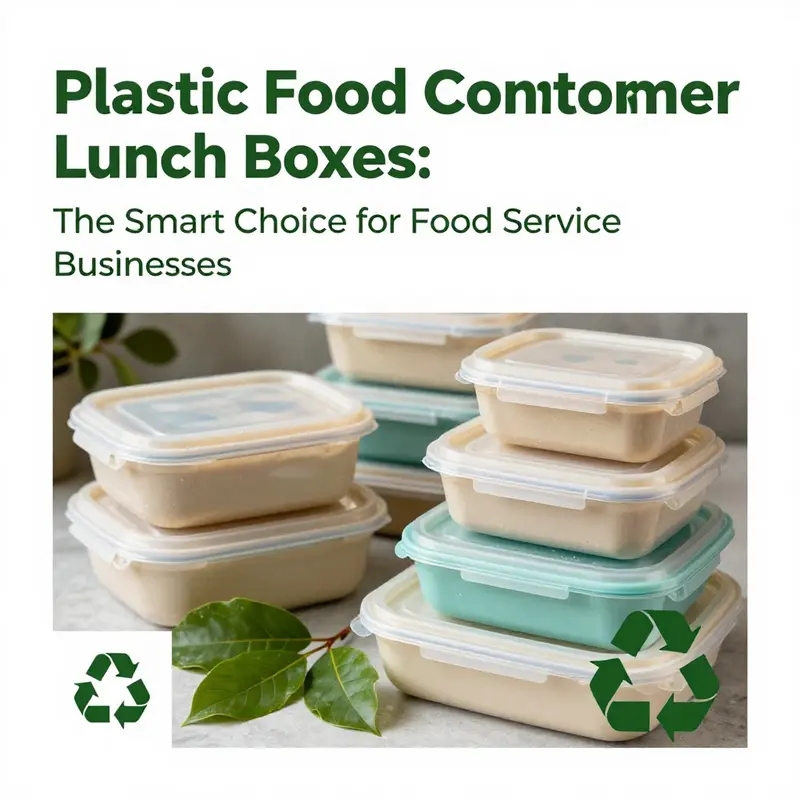
Plastic lunch boxes have become a quiet backbone of modern life. They accompany busy mornings, lunch breaks, and late-night meal prep, delivering lightness, durability, and a familiar ease of use. Yet beneath their everyday utility lies a more complex story about resources, emissions, and end-of-life outcomes that shape the broader conversation about sustainability in food packaging. The lifecycle of these containers begins with their materials and the energy required to transform crude feedstocks into finished, food-safe products. PET, the resin most commonly associated with disposable lunch boxes, offers strength and recyclability, but those benefits only partly translate into environmental advantages once the entire lifecycle is accounted for. The real question is not whether plastic can hold a sandwich or a salad, but how its production, use, and disposal contribute to the planet’s resource use and waste streams over time. In this light, the conversation shifts from simplicity and convenience to a more nuanced understanding of sustainability that incorporates production footprints, distribution networks, consumer behavior, and end-of-life infrastructure.
Production is the first ripple in a process with global reach. The extraction of fossil fuels for raw materials, the energy intensity of polymer synthesis, and the emissions generated at each manufacturing stage all accumulate in a chain that ends with what seems to be a modest consumer product. Even when a container is labeled as safe for food contact, the environmental costs behind that safety do not vanish at the checkout counter. In many regions, the energy mix used to power plastic facilities, the transportation required to move resin and finished goods, and the containment of process effluents all contribute to greenhouse gas emissions that extend beyond the kitchen table. These emissions become more significant when scaled to billions of units produced annually, a figure that underscores the broad environmental reach of the plastic lunch box segment rather than its everyday practicality. Disposal and end-of-life considerations follow closely, and they raise questions about how well current systems can manage the products once they have fulfilled their brief, daily role.
The fate of a typical disposable container after use depends heavily on local waste management practices. In many parts of the world, plastic takes-out containers end up in landfills, where the material can persist for hundreds of years. Even when recycling streams exist, contamination, separating residues, and inconsistent collection can undermine gains. A comprehensive multi-indicator analysis shows that while recycling is technically feasible for PET and similar polymers, the actual recycling rate remains disappointingly low on a global scale. The benefits of recycling hinge not only on the technical ability to recover the material but also on robust collection systems, reliable sorting facilities, consumer participation, and a steady demand for recycled resin. When any one of these components falters, the loop fractures and the environmental dividend diminishes. The result is a paradox: a material designed to preserve food can contribute to waste and pollution if the systems to reclaim it are fragile or underdeveloped.
This paradox has propelled interest in alternatives that promise better end-of-life outcomes, with the most discussed being PLA bioplastics. Marketed as a more sustainable option, PLA is derived from renewable resources such as corn starch or sugarcane and touted for its compostability. However, a rigorous 2025 study examining mainstream disposable lunch boxes suggests that PLA does not inherently outperform traditional plastics on overall environmental impact when the full lifecycle is considered. The raw material extraction, processing, and energy required to convert bio-based feedstocks into packaging remain resource-intensive. Moreover, proper industrial composting infrastructure is often a prerequisite for achieving the claimed end-of-life benefits, and in many regions such infrastructure is sparse or unevenly distributed. Without it, PLA can behave much like conventional plastics in the waste stream, negating the anticipated environmental advantages. This finding does not condemn bioplastics outright, but it does highlight a crucial insight: sustainability claims frequently rest on context, particularly the presence of appropriate waste-treatment networks that can support composting and material recovery.
Against this backdrop, a broader design philosophy has emerged—zero waste lunch boxes. These systems aim to minimize environmental harm across every component, pushing beyond the single-use paradigm to embrace durability, repairability, and end-of-life stewardship. Zero waste packaging often leans on reusable containers crafted from materials that can endure repeated use with minimal ecological footprint. It also emphasizes compostable, non-toxic materials for any components that are not designed for reuse and seeks to align supply chains with a circular economy model wherein materials are retained, reused, or safely returned to the earth. The central idea is not merely to swap one material for another, but to rethink how products are sourced, used, and finally discarded, shaping a packaging ecosystem that closes the loop rather than perpetually feeding waste streams.
The January 2026 research synthesis adds a crisp nuance to this conversation: the most meaningful gains in sustainability arise from the intent and integration of systems, not from isolated material choices alone. Zero waste concepts demonstrate their strength precisely because they seek systemic change—integrating material selection with business models, consumer behavior, and waste-management infrastructure. When a system is designed to encourage reuse and to channel end-of-life waste into controlled recovery streams, the environmental advantages can compound across cycles and scales. The take-home message is not that one material is always superior to another, but that the highest-value outcomes come from aligning production practices with end-of-life realities, and from choosing packaging that fits within a broader circular framework rather than a linear, disposable narrative.
For brands and institutions looking to navigate these trade-offs, the implications extend beyond a single product line. Designing for recyclability means selecting materials and colors that facilitate efficient sorting, reducing dyes and additives that contaminate recycling streams, and communicating clearly with consumers about proper disposal. It also means recognizing the limits of current infrastructure and choosing packaging strategies that harmonize with local waste systems. In some markets, strong reuse programs can deliver immediate environmental benefits by extending the life of a container and reducing the demand for virgin resin. In others, partnerships with recyclers or composters may open pathways to higher recovery rates and clearer end-of-life outcomes. The practical challenge is to balance performance and cost with ecological responsibility, acknowledging that a solution that works brilliantly in one city may falter in another without supportive infrastructure and consumer participation.
Design choices, while not a panacea, still carry meaningful weight. A shift toward systems thinking invites a broader conversation about the kinds of packaging that best serve both people and the planet. When a product is designed for reuse, its value is amplified through continued use, and the environmental cost of its initial creation can be distributed over many cycles. When a product is designed for recycling, its end of life becomes less about waste and more about resource recovery. The crucial question becomes how to connect these choices to real-world behavior and to the policies and facilities that can sustain them. In this sense, the plastic lunch box story is less a straightforward tale of a single material and more a case study in how society negotiates the trade-offs between convenience, safety, cost, and planetary health.
For readers who are exploring alternatives that align with circular goals, some packaging ecosystems showcase how different materials can complement each other. A practical path forward combines durable, reusable containers with recyclable or compostable components where reuse is not feasible. In doing so, brands can move toward a hybrid approach that optimizes for each setting—retail take-away, office meal programs, and home meal-prep ecosystems—without abandoning commitments to safety and practicality. An example of this approach can be found in the broader family of eco-friendly packaging decisions that includes kraft-based, paper-like options designed for take-away contexts. For brands seeking alternative packaging that aligns with circular goals, exploring the range of eco-friendly kraft solutions eco-friendly kraft paper bowl options can illustrate how paper-based packaging complements reusable strategies. This kind of exploration helps illuminate how consumer-facing choices, supply-chain design, and waste-management infrastructure interlock to deliver tangible environmental benefits.
Ultimately, the environmental story of plastic lunch boxes is not a single verdict but a spectrum of possibilities shaped by material science, policy, market dynamics, and everyday habits. The evidence gathered over years of study supports a cautious, context-aware stance: plastics can offer efficiency and safety, but their environmental advantages depend on a robust, systemic approach to production, use, and end-of-life management. The most promising pathways combine durable reuse where feasible, together with selective recovery and responsible disposal where reuse is impractical. They also require transparent communication about capabilities and limitations, enabling consumers to participate meaningfully in the lifecycle choices that determine a packaging system’s overall footprint. As the field evolves, the dialogue between scientists, designers, policymakers, and users will be essential to shaping packaging futures that honor both convenience and environmental integrity.
External resource for further reading: https://www.sciencedirect.com/science/article/pii/S0956053X2400215X
How Price, Production and Preference Shape the Plastic Lunch Box Market
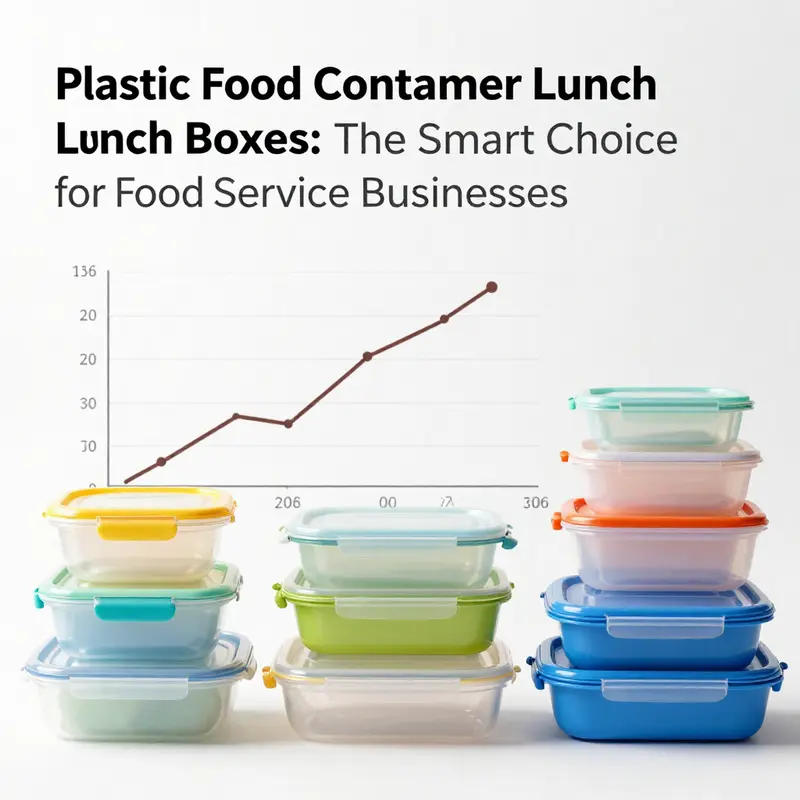
The economics behind plastic food container lunch boxes are driven by more than sticker price. Raw materials, production methods, certification demands, customization and shifting consumer priorities create a dynamic pricing landscape. Understanding how these factors interact helps buyers choose wisely and helps manufacturers position products that meet both cost targets and market expectations.
At the most basic level, material choice sets the floor for cost. Containers made from food-grade polypropylene (PP) or polystyrene (PS) have different raw-material footprints. PP typically offers better heat resistance and durability, while PS can be cheaper in thin, disposable forms. Resin prices fluctuate with global petrochemical markets, which introduces volatility. When resin costs climb, so do unit prices; when they fall, manufacturers that run high-volume production can pass savings on to buyers. Recycled-content plastics and specialty additives that guarantee BPA-free or stain-resistant properties add to costs, but they also respond to clear buyer demand for safer, longer-lasting containers.
Manufacturing method is the next major cost determinant. Thermoforming and injection molding are common techniques. Injection molding requires higher initial tooling expenditure but yields precise parts and low per-piece labor cost once production is established. Thermoforming has lower tooling costs but may be less repeatable at very tight tolerances. For disposables, high-speed thermoforming with large production runs creates razor-thin margins; per-piece pricing can fall dramatically with scale. Example price points in the market reflect this: some basic disposable microwave-safe containers can be available at fractions of a dollar, while reusable, certified containers command several times that amount. The mathematics are straightforward: tooling amortized over millions of pieces yields low unit cost; tooling amortized over thousands yields high unit cost.
Order quantities and packaging amplify those effects. Minimum order quantities (MOQs) for customized lines are often set to justify tooling and setup costs. Many suppliers set MOQs in the tens of thousands for bespoke printed or color-matched lids and bases. Bulk packaging optimized for sea freight—cartons sized to fit pallet patterns—reduces per-unit freight and handling costs. A typical bulk carton packed for export might measure around the size and weight that supports efficient palletization; buyers who can accept full-carton shipments enjoy lower landed cost per unit than those needing small, frequent shipments.
Market segmentation is clear and stable. One segment is the low-cost, high-volume disposable market. Buyers in this space prioritize unit price above almost everything else. Restaurants, catering operations, and event services buy at scale and accept limited reuse. Competition is intense and price-sensitive, and margins are thin. Manufacturers in this lane chase higher throughput and lower material usage per part. Small design tweaks that reduce material or speed cycle time can produce meaningful profit lifts at scale.
On the other side, the reusable and premium segment emphasizes durability, safety certification and multi-use convenience. These containers are often BPA-free, tested to international food-safety standards, and engineered for microwave, dishwasher, and freezer compatibility. That functionality adds cost but creates a different selling proposition: lower cost per use over time and alignment with sustainability-minded purchasing policies. Pricing in this segment reflects those benefits; buyers who purchase by the pallet still see per-piece discounts, but raw unit prices are markedly higher than for single-use molded containers.
Customization plays a central role in value capture. Firms that offer OEM and ODM services let customers emboss logos, specify lid types, or add leakproof seals. Custom colors and artwork help foodservice chains differentiate their brand at takeout scale. But customization drives MOQs and setup fees. For many suppliers, printed or molded branding requires a minimum of several thousand to tens of thousands of units. For small businesses, the trade-off is between paying a premium for small custom runs or buying generic stock and losing a branding opportunity.
Regulation and certification pressure have direct pricing consequences. Certification to recognized standards and third-party testing increase production costs, but failing to meet buyer expectations risks losing sales. Many foodservice buyers now require proof of food-grade materials and independent testing. Testing protocols, record-keeping and traceability add operational cost, and suppliers typically pass those costs along. The result is a market where safety-labeled, certified containers sit in the mid-to-upper price bands while uncertified mass disposables occupy the bottom.
Sustainability trends are reshaping price perception and long-term demand. Clear, recyclable disposable containers and higher-quality reusable plastics have both seen stronger interest. Biodegradable alternatives exist but remain a niche because of higher raw material and processing costs. For organizations that measure total cost of ownership, reusable containers often win out: the upfront premium is offset by repeated use and reduced need for frequent replacement. For single-use contexts where logistics dictate disposability, recyclable clear containers that fit existing recycling streams are preferred because they minimize waste footprint without wholesale operational change.
Logistics and global supply-chain factors also press on price. Freight rates, port congestion, tariff regimes and lead times influence landed cost. Suppliers offering reliable lead times and consolidated packaging reduce buying friction for bulk purchasers. During periods of supply constraint, buyers with longer planning horizons can lock lower prices through forward purchases; spot buyers often pay markups. Shelf-stable and slow-moving SKUs suffer less from time-sensitive price swings than specialty, seasonally demanded items.
For buyers, evaluating price requires more than unit cost comparison. Total cost of ownership, including reuse life, cleaning and storage, disposal or recycling cost, and brand impact, paints a fuller picture. A slightly higher unit price for a reusable, certified container may represent significant savings over a year when weighted by the number of uses. Conversely, a very low-cost disposable solution might be the lowest-cost choice when reusability is impossible or when regulatory frameworks demand single-use hygiene.
For manufacturers, balancing the two market poles is a strategic choice. Competing on raw price requires lean operations, scale, and often commodity-grade materials. Competing on quality and sustainability requires investment in certification, design and traceability systems—and typically a higher price point. Many manufacturers choose to operate in both segments, using separate production lines or facilities to protect brand reputation while capturing volume in the disposable lane.
Practical tactics help both buyers and sellers navigate the pricing landscape. Buyers should request itemized quotes that separate tooling, testing, unit production and freight; this makes negotiation more transparent and reveals where savings are possible. Sellers should offer tiered pricing that reflects MOQs and points of margin sensitivity, and should present life-cycle cost comparisons for reusable offerings. For sustainability-minded procurement, consider pilot programs that quantify reuse cycles and compare them to the cost and waste profile of disposables. Small adjustments—like slightly larger order sizes or accepting standard colors instead of custom hues—often generate disproportionate savings.
Finally, alternatives and cross-category thinking matter. Some buyers moving away from plastics explore certified paper-based takeout solutions that still meet durability and barrier needs. For buyers and manufacturers comparing options, reviewing the economics of paper bowls or kraft salad bowls can reveal different trade-offs in cost, brand fit and waste management. For an example of those alternatives, see disposable kraft paper bowls.
As the market continues to bifurcate between low-cost disposables and higher-margin reusables, the winners will be those who align production economics with clear value propositions. Buyers who match purchase specifications to actual use cases pay less over time. Manufacturers who invest strategically in either high-volume efficiency or trusted, certified quality will capture the respective segments. For rules, standards and guidance on food-contact materials that often underpin certification decisions, consult authoritative regulatory resources such as the FDA guidance on packaging and food-contact substances: https://www.fda.gov/food/packaging-food-contact-substances-fcs.
Freshness in Transit: Weighing Plastic Lunch Boxes Against Metal Alternatives for Everyday Meals
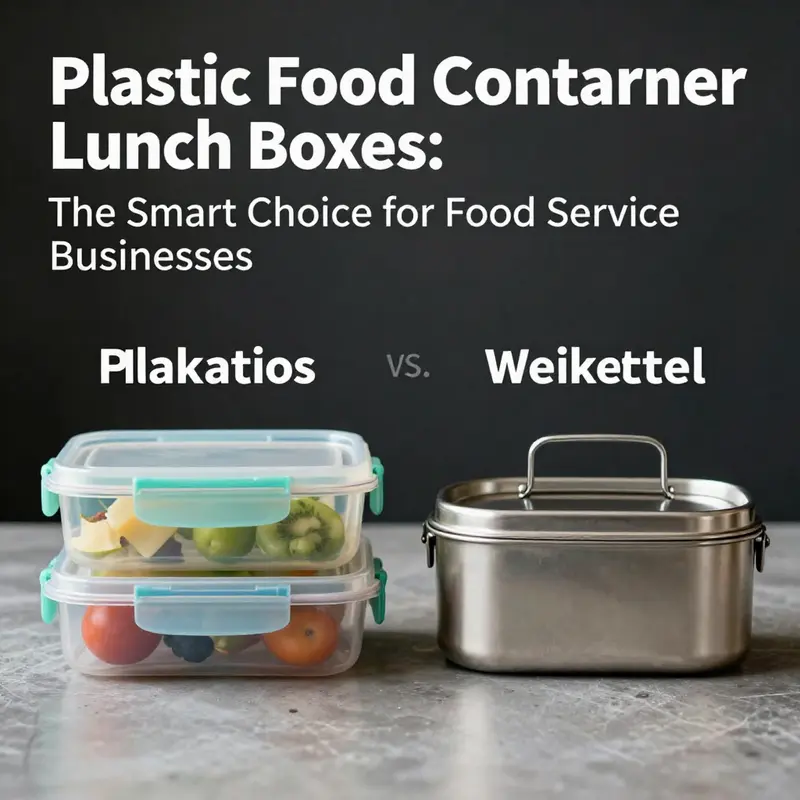
The choice between plastic and metal lunch boxes is not a single decision about material taste or aesthetics. It is a practical calculus about how meals are stored, transported, heated, and enjoyed across different days and environments. In the everyday rhythm of work, school, travel, and errands, the container you choose becomes an active partner in preserving flavor, texture, and safety. Plastic lunch boxes, widely adopted for their lightness and affordability, have transformed meal prep and on-the-go dining. They are typically made from food-grade polymers such as polypropylene or similar materials designed for contact with food. They are often marketed as BPA-free and microwave-safe, which reinforces their role in quick reheating and convenient reheats at the office or at home. Yet, when you look closely at real-world use, the trade-offs become clearer: the same properties that make plastic attractive can also raise questions about temperature stability, long-term safety, and hygiene.
When we talk about keeping food safe and fresh, temperature control emerges as a foundational concern. Bacteria multiply rapidly in the so-called danger zone, and the ability of a container to resist ambient heat or cold directly impacts food safety on hectic days. Stainless steel, a common metal choice for lunch boxes, typically offers superior thermal conductivity compared with most plastics. This means that with an ice pack, a metal container can absorb and transfer heat more efficiently, enabling quicker cooling. When hot meals are involved, metal’s performance also shines, especially in insulated designs that pair a vacuum seal with metal walls to preserve heat for several hours. In domains where long-lasting warmth is essential, such high-end metal configurations can maintain internal temperatures for half a day or more. By contrast, basic plastic designs generally provide modest passive insulation. They can hold heat reasonably well for a while, but their walls are thinner, and their conductivity varies with the formulation. In practice, a plastic lunch box may keep meals warm for a shorter window, and once an ice pack has melted, the surrounding heat can penetrate more quickly, accelerating a return to room temperature. The result is a difference in how long a meal remains within the optimal temperature range, and consequently how fresh it tastes when unpacked after a commute.
This difference translates into more than taste. Material integrity and long-term safety are central to the hygiene profile of any lunch container. Stainless steel is chemically inert and non-porous. It does not absorb oils, food residues, or odors, and it resists leaching under typical household use. Plastic, even when of high quality, can be semi-porous. Repeated use, washing, or exposure to heat can introduce micro-scratches that trap residues and odors. Over time, these microstructures can become subtle reservoirs for microbes or volatile compounds, raising concerns about bacterial colonization and flavor carryover. In addition, prolonged exposure to heat—such as microwaving or dishwasher cycles—can degrade some polymers. This degradation may alter the surface or release trace chemicals into food, a prospect that has prompted continued scrutiny from environmental and food-safety experts. The upshot is that while plastic lunch boxes deliver cost efficiency and lightness, their hygiene profile deserves attention, especially for households with frequent reheating, acidic foods, or high-heat usage.
Durability is another axis where the two materials diverge in meaningful ways. Metal lunch boxes, notably stainless steel, tend to be far more resistant to physical abuse. They withstand drops, the knocks of daily commutes, and the jostling of backpacks with a reliability that plastics often struggle to match. The rigidity and strength of metal make it a sensible choice for children or people who travel through crowded transit systems. However, durability has a cost: metal containers are heavier and can be less forgiving in terms of flexibility or fit in tight spaces. Plastic, by contrast, is lightweight and adaptable. It can be more forgiving if dropped, sometimes bending instead of breaking, and it often comes in a wider array of shapes and sizes. Yet this flexibility can come at the expense of long-term structural integrity. Repeated bending, heavy impacts, or extreme temperature swings can lead to warping, cracks, or leaks. This susceptibility to damage means that long-term replacement may be more common with plastic boxes, even as initial price points remain attractive. The practical takeaway is that users must balance portability and resilience against the expected conditions of use, whether that means daily backpack transport, kids’ school lunches, or professional travel.
Moisture and air control further differentiate the two materials, shaping both the perception of freshness and the practical risk of spoilage. Metal’s non-porous surface provides a consistent barrier to moisture and gas exchange, which helps prevent odor transfer and condensation in the interior. In contrast, plastic, despite advances in sealing technology, can harbor tiny permeations over time. When a container seals imperfectly or when condensation forms inside, the potential for microbial growth or unwanted flavor transfer increases. For salads, cut fruit, or dairy-inclusive meals, such subtle effects can accumulate across repeated uses. The seal itself matters as well. A sturdy closure paired with a gasket can mitigate leakage and limit interior moisture exchange, but even the best seal cannot fully eliminate the differences that arise from material porosity, wall thickness, and overall design. The practical implication is simple: effective sealing is a necessary complement to the material choice, and a robust seal with a solid gasket can extend the window in which a plastic container keeps food at an acceptable quality level.
Environmental and hygiene considerations round out the comparison. Stainless steel is highly recyclable and designed for repeated use with minimal chemical cleaning requirements. Its durability, when paired with careful care and proper cleaning, translates into a lower per-use environmental impact over the long run for households and institutions that reuse containers many times. Plastic, while offering low upfront costs and lightness, raises concerns about waste generation and potential microplastic pollution if disposed of or degraded. In some contexts, innovations are expanding the eco-conscious spectrum, with recyclable plastics and biodegradable options entering the market. Yet these options vary widely in availability, cost, and performance, particularly under hot or wet conditions. The shift toward sustainability has nudged both materials to evolve: plastics face heightened scrutiny for end-of-life handling, while metal designs continue to emphasize longevity, repairability, and recyclability as core selling points. The hygiene angle also intersects with cleaning rituals. Metal containers often tolerate more aggressive washing cycles and can withstand higher temperature cleaning without degrading, whereas plastics require adherence to care instructions to preserve their integrity and reduce odor retention.
With these realities in view, how should a consumer or business decide which route to favor? The answer is not simply to pick the cheapest option or the lightest one. It is about aligning container properties with the intended use. For rapid reheating of a home-cooked meal or a quick lunch at the office, a sturdy plastic lunch box may deliver the best balance of convenience, cost, and acceptable temperature preservation for short intervals. When the goal is to transport hot meals through a long commute, or when the meal will be exposed to fluctuating outdoor temperatures, an insulated metal design—ideally with a vacuum-sealed profile—presents a stronger guarantee of stability. If the priority is odor control and long-term cleanliness, metal’s inert surface offers clear advantages, while plastics can perform well for light-use scenarios with careful care and timely replacement. For those who value versatility and customization, plastic continues to offer beneficial options, particularly in shapes and sizes that fit busy, modular lifestyles. Yet the trade-off remains: durability and long-term safety in metal versus initial cost and portability in plastic. A nuanced choice emerges when reminding oneself that neither material is a universal solution; both can be appropriate in different contexts.
To bring the decision into everyday practice, consider the tasks at hand: counting the days until the next grocery trip, planning meals for a week, or organizing lunches for a classroom or an office. If the routine involves frequent reheating, acidic sauces, or prolonged exposure to warmth, it may be prudent to lean toward metal for the long haul and augment with a reliable, reusable ice pack when cold preservation is needed. If the priority is light weight, budget sensitivity, and a penchant for compact storage, high-quality plastic containers can efficiently bridge the gap, provided they are used within their design limits and replaced as needed to maintain safety and hygiene. A simple, practical framework emerges: match the temperature and duration requirements of the meal with the container’s thermal behavior, respect the material’s health and cleanliness profile, and weigh the trade-offs in durability and environmental impact against budget and lifestyle.
For readers who want a tangible reference as they navigate these choices, it helps to consider the broader ecosystem of take-out and meal-prep solutions. In the same way that other reusable and disposable food-safety options are evolving, the landscape continues to diversify. An example of practical take-away packaging options helps illuminate general principles without getting mired in specific brands. If you are curious about alternatives like disposable paper-based bowls, there is a related resource that discusses take-out formats and sustainability considerations, including a disposable kraft paper bowl option for various dining contexts. This reference can provide additional perspective on how packaging materials interplay with consumer habits and environmental considerations, complementing the core discussion about plastic versus metal lunch boxes. For a deeper analysis of how metal and plastic compare in real-world food preservation, see reputable industry discussions that examine freshness, leaks, and safety across a range of use cases.
Final thoughts
Plastic food container lunch boxes stand out as a cost-effective, customizable, and safe solution for food businesses aiming for efficiency and sustainability. With increasing environmental concerns, these containers are also adapting to eco-friendly practices, making them a suitable choice for both entrepreneurs and consumers alike. By understanding the composition, customization options, pricing dynamics, and comparative benefits of these products, businesses can make informed choices that enhance their service offerings while protecting the planet. In a marketplace that continues to demand innovation and responsibility, plastic food container lunch boxes are here to stay as a crucial element in the food service industry.