
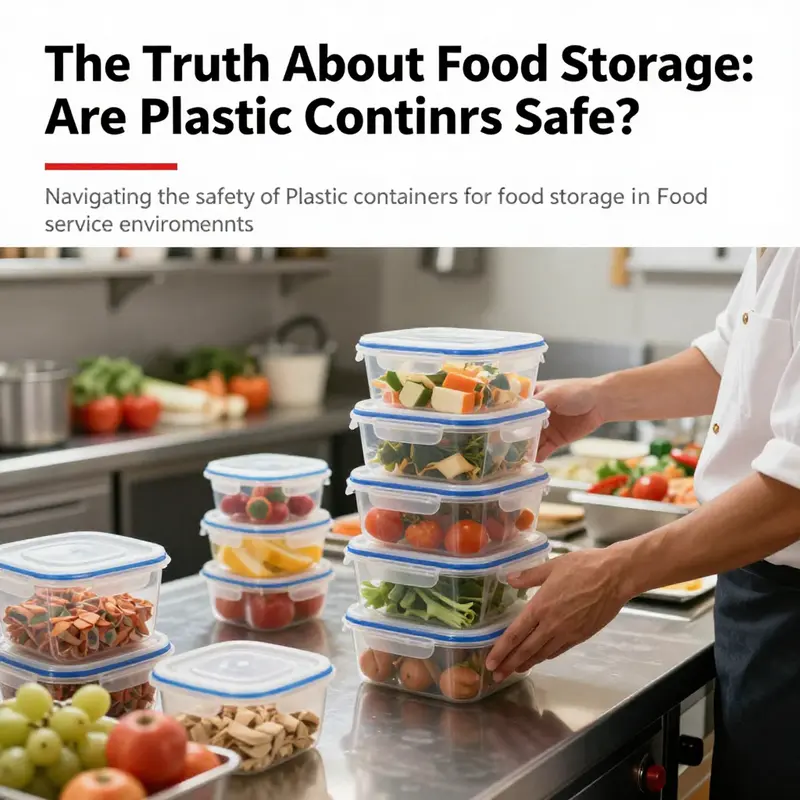
Food storage safety is paramount in the food service industry, encompassing the practices of bubble tea shops, restaurants, food trucks, and catering services. With increasing concerns around health and sustainability, understanding the implications of using plastic containers for food storage is essential. This article delves into the safety of plastic containers, breaking down the materials, temperatures, and food types that influence their usability. By exploring these critical aspects, we aim to illuminate best practices for ensuring food safety while meeting operational needs.
Between Convenience and Caution: A Deep Dive into Safe Food Storage in Plastic Containers
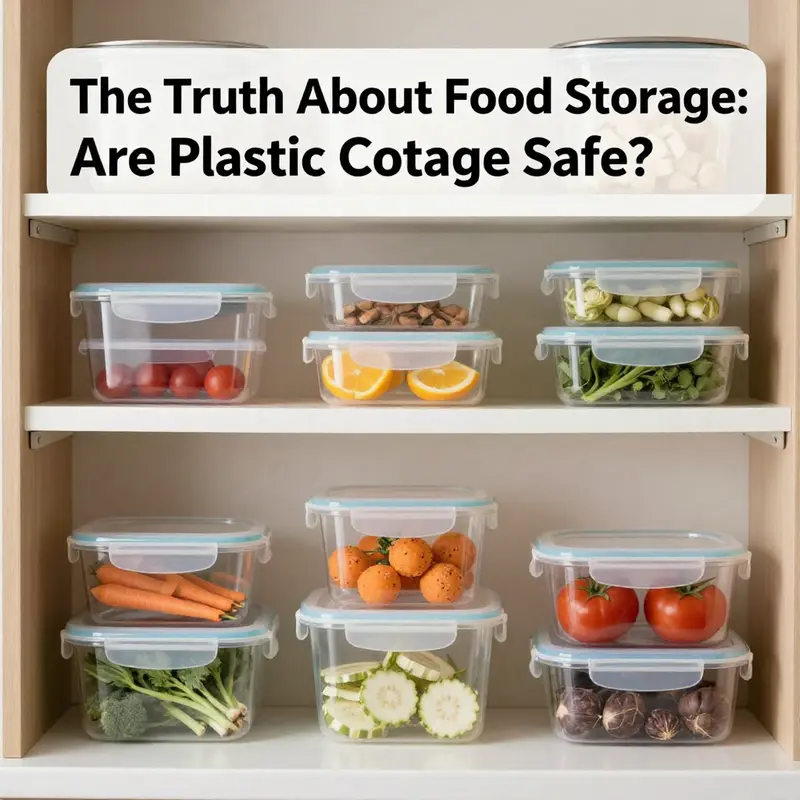
Storing food in plastic containers has become a routine part of daily life. It is convenient, versatile, and familiar. Yet safety concerns persist. The core question is not simply whether plastic can touch our food, but how, when, and for how long it does so. The answer rests on a combination of factors: the type of plastic, the temperature of the contents, the duration of storage, and the nature of the food itself. Taken together, these elements create a nuanced landscape. When approached thoughtfully, plastic storage can be safe for certain uses, but it risks releasing unwanted substances under other conditions. The path to safety lies in understanding how plastics interact with food and in applying practices that minimize risk while preserving freshness and quality.
At the heart of this topic is the idea that not all plastics are created equal. The most practical guidance starts with choosing containers that are explicitly designed for food storage. These are labeled as food grade and are intended to come into contact with food without releasing problematic substances. A crucial shorthand many households know is the recycling code, the small number inside a triangle that appears on the bottom of most containers. This code is not a license to use any plastic for any purpose, but it helps distinguish how suitable a container is for food contact and whether it may tolerate heat or prolonged storage.
Among the codes, some are better suited for cold or short term use, and others are designed to withstand higher temperatures. The number 1, for instance, refers to PET or PETE—common in single use bottles. These containers are generally not appropriate for long term storage or heating. They can be excellent for beverages in the moment, but they are not the best choice for leftovers awaiting more than a brief period. The number 2, HDPE, is widely used for milk jugs and various rigid containers and is typically safe for cold food storage. It offers a sturdier barrier against leaks and is more forgiving when used in cool storage. The number 4, LDPE, appears in some wrap films and bags and can be useful for short term cold storage, but it is not designed to endure heat. The number 5, PP, polypropylene, has emerged as one of the safer and more versatile options for food storage. It is commonly used for reusable containers and yogurt cups and can often be microwave safe if the container is specifically labeled for that purpose. The three numbers to watch out for are 3, 6, and 7 for many everyday uses: PVC, PS, and various other plastics can contain or release harmful substances under certain conditions, particularly with food contact. Phthalates and bisphenol A, or BPA, are among the concerns historically associated with these materials, and while some manufacturers have shifted away from BPA, substitutes may carry their own risks. The bottom line is to favor containers that are clearly marked as food grade, reusable, and, when heating is involved, explicitly labeled as microwave safe. The specifics of each material matter, and the code provides a concise guide to understanding those specifics without sacrificing everyday practicality.
Temperature is not just a number on a thermometer; it is a key variable that can shift the behavior of plastics in contact with food. The moment hot or warm food is placed into certain plastics, the dynamics of chemical migration can change. In practice, this means never putting hot food directly into a plastic container that is not rated for heat. Even if a container is deemed suitable for cold storage, exposure to heat can cause some of the plastic components to loosen or migrate into the food. This migration tends to increase with higher temperatures and with longer storage times. The guidance is simple and practical: allow hot foods to cool to room temperature before transferring them to plastic, and do not rely on plastic containers to keep food hot. If you plan to reheat leftovers, use containers explicitly labeled microwave safe, and even then, avoid heating at high temperatures or with lids that are not designed for microwaving.
The type of food matters as surely as the temperature does. Fatty, oily, and acidic foods can influence the stability of the plastic and the rate at which any additives might migrate into the food. Fatty foods can soften certain plastics and potentially accelerate the degradation process. Acidic foods, such as tomato sauce or citrus-based marinades, can also interact with plastics in ways that promote leaching, especially when storage is prolonged. This does not imply that every fatty or acidic item will become dangerous overnight, but it does suggest that long term storage of such foods in non glass or non ceramic containers should be approached with caution. Raw meats and fish present their own set of concerns. When raw proteins are stored in plastic containers, there is a heightened risk of cross contamination if the container is not impeccably clean, especially when freezing and thawing cycles are involved. Plastic can be sturdy and convenient, but it can also harbor bacteria in scratches or micro-cracks created by washing and handling. The practical takeaway is to favor glass or ceramic for raw meats and fish, particularly if you anticipate storing them for more than a day or two or if you plan to reuse the container after multiple wash and freeze cycles.
Long term storage and repeated use introduce another layer of risk. A basic rule of thumb is to avoid reusing single-use containers for any extended storage. Containers designed for one use can develop micro-scratches and clouding over time. These imperfections can trap bacteria and provide micro pathways for chemical migration. Over time, these containers can warp or crack, further complicating cleaning and increasing risk. The recommendation, then, is to retire older containers with the same care you would give a worn knife or a cracked cutting board. Replace them when they show signs of wear, and when in doubt, choose more durable options that either resist staining and scratching or are easier to sanitize thoroughly.
In practice, people often balance convenience and caution with a mix of containers. For short term storage of cold foods, sturdy high quality plastics can be useful, provided they are labeled appropriately. For hot foods or long term storage, glass or ceramic options offer greater peace of mind because they are inert, do not break down in the same way as certain plastics, and are generally easier to clean and sanitize without leaving residues or odors behind. This is not a blanket condemnation of plastic storage; it is a call to use the right tool for the right job. If plastic must be used, choose containers that are labeled as food grade, ensure they are suited for the temperatures involved, and be mindful of how long food remains in them. A practical habit is to portion out leftovers into smaller containers to reduce the total storage time in plastic and to minimize the barriers to thorough cleaning.
The considerations above are complemented by the realities of daily life. Families cook in bulk and portion meals for the week, friends share meals, and takeout often comes in plastic containers. The occasional use of a plastic container for cold, short term storage is not a crisis, but it is important to avoid habits that maximize risk. For example, do not store highly acidic sauces or rich fatty leftovers for days in a plastic container that is not tested for heat or long term use. Do not rely on plastic for reheating at high temperatures or for cooking directly in the oven or on a stovetop. And do not reuse containers that have been used for non foods or chemical products, even if they appear clean. Cleanliness matters, but it is not the only safeguard; the integrity of the container itself matters as much as the hygiene standard you maintain.
A broader, often overlooked factor is what happens when plastics are stressed by time. With repeated washing, freezing, and thawing, micro-scratches can accumulate. These scratches may not be visible, but they can alter the barrier properties of the container and create micro-environments where bacteria find it easier to hide and thrive. That is another reason why the lifespan of a container matters. When you start noticing scratches, cloudiness, or a warped shape, it is time to retire the container. The threshold of replacement will depend on use, but replacing plastic containers every few years, or sooner if there is noticeable wear, is a prudent practice.
The upshot is a layered assessment. Plastic does not universally equal unsafe, nor does glass automatically guarantee safety in every scenario. The safest overall approach, particularly for hot, fatty, or acidic foods, is to prioritize glass or ceramic when feasible. These materials are inert under a wide range of conditions and can be cleaned thoroughly without concerns about lingering odors or residues. They also do not absorb flavors or odors the way some plastics can, an advantage when you are storing diverse foods. Plastic, on the other hand, remains a practical option for many everyday tasks: cold storage of mixed dishes, portioning sandwiches or snacks, and convenient microwaving when the container is explicitly labeled as microwave safe. The key is to match the container to the task—short term, cold, low risk foods can be managed with properly chosen plastic; higher risk scenarios call for alternatives.
To guide everyday practice, a concise set of rules emerges from the broader discussion. First, filter choices through the lens of the food’s temperature, composition, and storage duration. Use food grade plastic containers and be mindful of the code on the bottom. If heat is involved, rely on microwave safe labeling and avoid containers that are not designed for heating. Second, be conservative with foods that are fatty or acidic or stored for extended periods. In those cases, glass or ceramic storage becomes a safer default. Third, never reheat food directly in an old or scratched plastic container, and never reuse single use containers for long term storage. Fourth, keep a regular replacement schedule for plastic containers. When you see scratches, cloudiness, cracks, or warping, retire the container. Fifth, implement clean handling routines, including separate cutting boards and utensils for raw and ready to eat foods, to minimize the risk of cross contamination in any storage approach.
In the end, the choice between plastic and non plastic storage is not a single decision but a spectrum of risk management. Plastic provides convenience and versatility, and with careful selection and mindful handling, it can be a safe tool for specific tasks. The better strategy for many households is to reserve plastic storage for short term cold storage and everyday portioning, while turning to glass or ceramic for hot foods, fatty or acidic items that need longer or more careful storage, or situations requiring thorough sanitization. This balanced approach respects the realities of modern life while prioritizing health and safety for the whole family.
For readers who are curious about safer, non plastic storage options that fit everyday life, consider durable take away options such as kraft paper bowls with lids. These alternatives can be a practical complement to your kitchen routine and can help reduce reliance on plastic for certain tasks. durable take-away kraft paper bowls with lids.
If you are seeking further reading and a broader scientific perspective on the topic, a detailed review from a reputable medical library provides a thorough overview of chemical leaching, plastics chemistry, and the influence of temperature, acidity, and storage duration on migration. This resource delves into how various additives and monomers can migrate into food and how shifts in regulations and manufacturing practices aim to minimize risk. External resource: https://www.ncbi.nlm.nih.gov/pmc/articles/PMC7589633/ .
In sum, the safety of storing food in plastic containers hinges on thoughtful choices and disciplined usage. Prioritize food grade materials, respect temperature guidelines, minimize storage duration for risky foods, and don’t hesitate to switch to glass or ceramic when the situation calls for utmost caution. By approaching storage with a clear sense of when plastic is acceptable and when alternatives are wiser, you can preserve both the safety of your meals and the peace of mind that comes with mindful preparation.
Material Matters in the Pantry: How Plastic Types Shape Safety for Food Storage
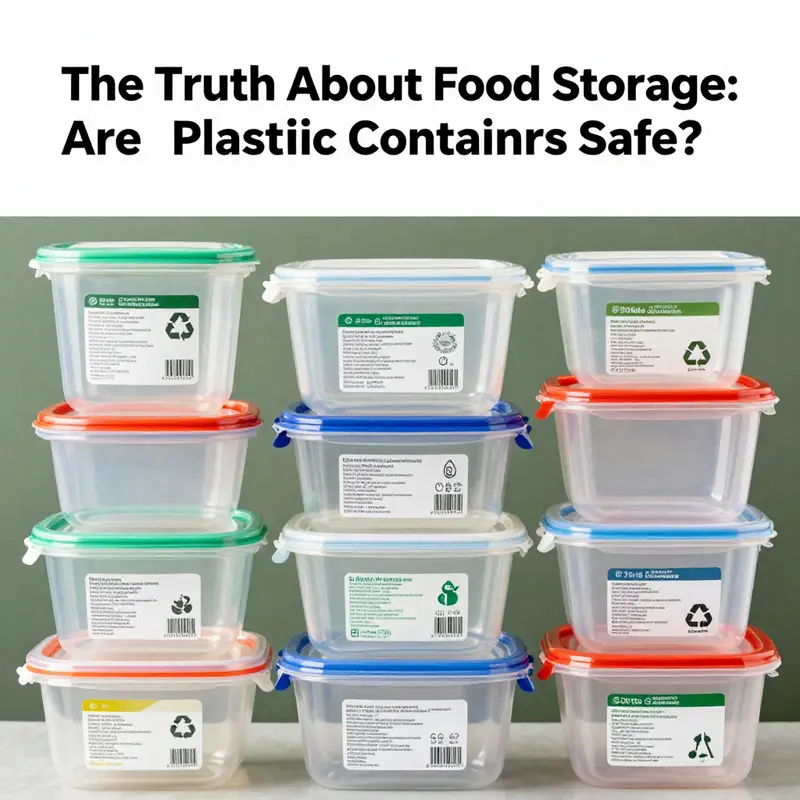
When people ask whether it is safe to store food in plastic containers, they are really asking about the chemistry of everyday materials that touch our meals. The answer is not a blanket yes or no, but a careful balance of what the container is made from, how hot the food is, how long the food stays stored, and what kind of food it is. The human body is resilient, yet it is also averse to unnecessary exposure to chemicals that can migrate from packaging into food. The terms we hear—leaching, migration, and the occasional worry about BPA or phthalates—are not just arcane jargon. They describe real processes at the interface between plastic and food. The central idea is straightforward: choose food-grade plastics, use them correctly, and know their limits. In practice, this means understanding the main plastic families commonly used for food storage and the conditions under which they perform safely. It also means recognizing when plastic is not the best choice and when glass or ceramic might be the safer option, especially for certain foods or storage durations. The long view is clear: safety improves when we pair the right material with appropriate use, rather than assuming any plastic is equally suitable in all situations. The conversation begins with types. Plastics used for food storage range from everyday bags to reusable containers, and each type has a set of properties that determine its suitability for cold storage, heating, or long-term preservation. Polyethylene (PE) and Polypropylene (PP) sit at the heart of consumer storage, with HDPE (a type of PE) frequently found in sturdy jars and milk jugs, and PP prized for its higher heat resistance. Then there is the infamous trio often flagged in discussions about safety—PVC, PS, and the “other” category that includes various polymers. The distinctions matter because each polymer is built from different monomers, each with its own propensity to interact with foods under different circumstances. When we discuss safe storage, we must talk about two fundamental dimensions: the material’s chemistry and the conditions of use. The chemistry is about composition and safety labels. The use conditions are about temperature, duration, and food type. The two together determine the likelihood of migration, or the movement of additives or small molecules from the plastic into the food. The most important starting point is to rely on food-grade plastics designed and labeled for food contact. Labels and recycling codes tell a practical story about what the container is intended to carry and how robust it is under typical kitchen conditions. These codes are not mere trivia; they are a guide to safety and performance. Take PET or PETE, for example. This is the workhorse for single-use bottles and some types of lightweight packaging. It excels at holding beverages for short periods and under cool conditions, but it is not designed for long-term storage or heating. Reuse is generally discouraged because repeated exposure to stressors—mechanical, chemical, or thermal—can contribute to physical breakdown and disintegration of the polymer matrix. A single number, the familiar recycling code inside a triangle, simplifies a complex reality into a practical rule: not all plastics are meant to stand up to the same use. In the same way, HDPE (code #2) is widely accepted as safe for cold storage. It is denser, more rigid, and more resistant to moisture migration than some other polymers, attributes that help in keeping foods fresh in the fridge and freezer when used correctly. It is also less likely to shed volatile compounds into foods under normal refrigerated conditions, which makes it a reliable default option for a wide range of containers and jugs. LDPE (code #4), common in wraps and some flexible bags, demonstrates safety for short-term cold storage; however, it is less suitable for heat exposure. The flexibility that makes LDPE ideal for wrapping can be a liability when it comes to high temperatures, since the risk of deformation and potential chemical migration increases as heat rises. Then there is PP (code #5), a standout in the safety conversation. Polypropylene is among the most reliable plastics for food contact, prized for its ability to withstand higher temperatures without significant deformation. It is widely used for microwave-safe containers and reusable boxes because it maintains structural integrity at temperatures that would soften or distort other plastics. For many households, PP is the stalwart choice when reheating leftovers or packing lunches that will be warmed at the office or school. From a safety perspective, PP is notable for its low tendency to leach chemicals into food, particularly when used within its intended temperatures and duration. By contrast, PVC (#3) carries a heavier burden of caution. The vinyl family has historically been associated with plasticizers such as phthalates and, in some formulations, other additives that may migrate into foods under certain conditions. While some PVC formulations claim food-contact safety under specific standards, many health authorities advise avoiding PVC for hot foods or long storage periods due to the potential for migration of harmful compounds. PS (code #6) and the “other” category (#7) contain their own caveats. PS, especially in its expanded foam form that many people associate with takeout cups, can release styrene when exposed to heat or acidic foods. While approved for some food-contact uses, its safety profile becomes less favorable for long-term storage or heating, and it is generally advised to minimize contact with fatty or acidic foods in PS containers over time. The “other” category is a catch-all for non-standard polymers and blended materials. These materials may have unpredictable properties, and many carry warnings about heating or high-temperature use. In practice, the safest approach with the “other” category is heightened caution and a preference for well-established, clearly labeled plastics when you expect to store or heat food. Beyond the polymer family and the label codes, a broader rule of thumb governs safety: never heat food in containers not explicitly labeled as microwave-safe. Even when a container is claimed to be microwave-safe, the lids or seals may not perform as well when exposed to microwaves, and some additives can migrate if the container is sealed with a non-microwave-safe lid. The interplay of heat and plastic is delicate; small changes in temperature can shift the balance between stability and migration. Temperature is, in many respects, the controlling variable. A hot pastry or a steaming bowl of soup may look harmless on the plate, but when poured into a plastic container, the heat can drive chemical migration that would not occur at room temperature. As a general practice, hot foods should not be placed directly into plastic containers. Let the food cool to room temperature before sealing it for storage. The rationale is simple: at higher temperatures, the molecular motion within the polymer increases, which can loosen the bonds that bind additives to the plastic matrix. The result is a higher potential for substances to migrate into the food. This constraint is particularly important for those who rely on plastic containers for meal prep and quick reheating. It is not just about safety data sheets; it is about practical kitchen reality. If you plan to reheat leftovers, select containers specifically labeled as microwave-safe and ensure the entire package—container, lid, and any fasteners—are designed to withstand the intended heating. Even then, remove the lid or vent it to allow steam to escape; pressure build-up can cause unexpected leaks or plastics to deform. The kinds of foods you store matter as well. Fatty, oily, and acidic foods deserve extra caution because their chemical composition can accelerate the breakdown of plastics. Fatty foods have a known propensity to facilitate the migration of certain additives and plasticizers from the polymer into the food. Acidic foods, from tomato sauces to citrus-based dressings, can increase the extractability of certain chemicals. In practice, this means that keeping dishes like creamy sauces, fried items, or tomato-based sauces in long-term plastic storage can elevate the risk of chemical migration compared with storing those same foods in glass or ceramic. This is not a universal indictment of plastic; rather, it is a call for thoughtful pairing of container and content. For high-fat or acidic foods, the safer approach is to transfer to glass or ceramic containers if you anticipate long storage times or higher temperatures. Raw meats and fish present an additional safety consideration: plastics are convenient, but cross-contamination risks remain if a container is not impeccably clean and properly separated from ready-to-eat foods. The surface texture of some plastics can shelter bacteria in micro-scratches, scratches that are difficult to fully sterilize with routine washing. Although many plastics are manufactured to resist bacterial growth to a degree, they are not immune to it. In the kitchen, the cycle of use—wash, dry, store, rewash—creates opportunities for micro-environmental changes around the container. Glass, with its non-porous surface and ease of sterilization, becomes a sensible alternative for raw meat portions or any item that will be stored for an extended period. It is also worth noting a practical point about reuse. Single-use containers are not designed to endure repeated cycles of washing, temperature shifts, and mechanical stress. Reusing a takeout container, even if it seems pristine, can lead to micro-damage that invites microleakage or microbial harboring. The best-practice rule is simple: avoid reusing single-use containers for long-term storage, particularly for hot or fatty foods. When containers show wear—scratches, cloudiness, warping, or seams that look stressed—replacement is the prudent choice. The cumulative effect of small damages can erode the barrier characteristics of the container and increase the likelihood of chemical migration or bacterial colonization. The overarching guidance is practical and balanced: you can store food in plastic containers, but do so with an understanding of the material’s limitations and the specific context of your storage. For everyday use, a few core principles are worth repeating. Use durable, food-grade, reusable containers, and aim for PP (code #5) when possible because of its favorable heat resistance and chemical stability. Avoid containers made from PVC (#3), PS (#6), or “other” (#7) shrouded in ambiguity about additives and leaching potential. Be mindful of the food type; acidic or fatty foods, or long storage periods, prompt closer inspection and a more conservative choice—consider switching to glass or ceramic for those scenarios. And never store hot foods in plastic; always allow cooling before transferring to a storage container, and only microwave when the container is explicitly labeled microwave-safe and used according to the product’s instructions. In addition, keep an eye on the condition of your containers. Deterioration from scratches, cloudiness, or warping compromises both hygiene and barrier performance. When in doubt, replace parts rather than risk unseen migration or contamination. The culinary challenge, then, is not simply about avoiding plastics but about choosing the right material for the right purpose. If your goal is maximum safety for hot, fatty, or acidic foods, glass or ceramic containers often represent the simplest, most reliable alternative. They do not leach under heat, are easier to sterilize, and tend to withstand repeated use without the subtle degradations that can accompany plastics. Yet plastics meet a practical need in many kitchens: convenience, lightness, and cost. The best approach is to treat plastic as a versatile tool grounded in safety. Read labels carefully, use containers designed for food contact, respect temperature and duration limits, and match the container to the type of food you are storing. For those who want to explore non-plastic options or to minimize potential risks, there are viable paths worth considering. For instance, non-plastic alternatives such as glass, ceramic, or certain metal options offer benefits for specific storage scenarios, especially where heating or long storage is involved. If you are curious about alternatives to plastic storage, see how many households are embracing paper-based or other packaging solutions as part of a broader effort to reduce exposure to certain chemicals. disposable kraft paper bowl page The choice, in the end, is about thoughtful stewardship of your food and your health. It is about understanding the trade-offs and making informed decisions aligned with how you actually store, reheat, and consume your meals. The science behind these decisions is not a cryptic set of lab results; it is a practical guide that translates into safer habits at home. For those seeking an authoritative regulatory lens, the FDA maintains a comprehensive database that outlines the safety assessments and regulatory statuses of materials used in food packaging and storage. This resource provides context for what is considered acceptable for food contact in various circumstances, reinforcing the idea that safety is a moving target shaped by ongoing research and policy. External resource: FDA Food Contact Substances Database. https://www.fda.gov/food/food-contact-materials/fda-food-contact-substances-database
Heat, Fat, and Acid: Reading How Temperature and Food Type Shape the Safety of Plastic Food Storage
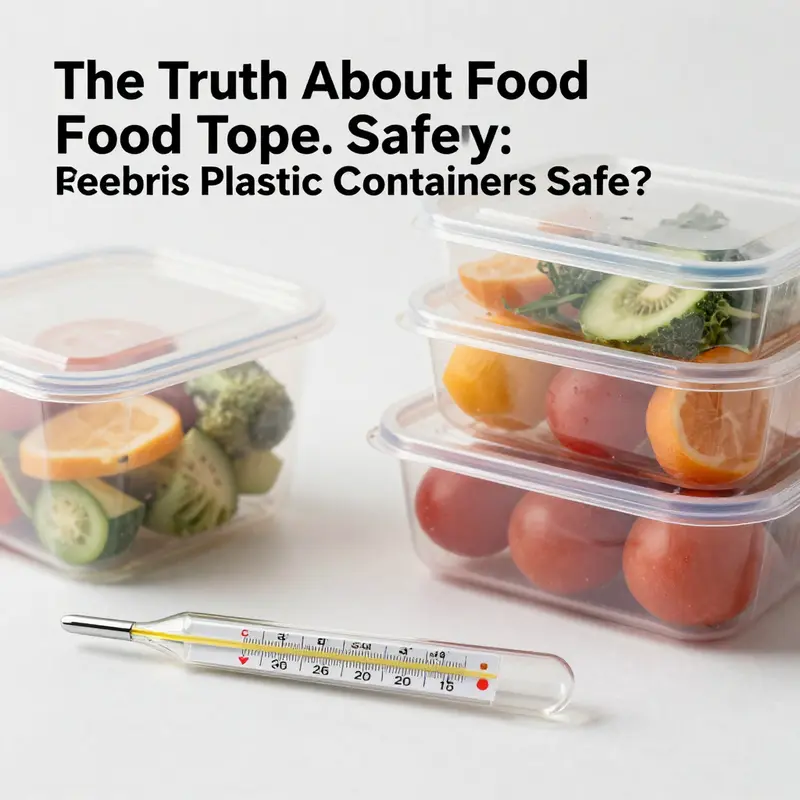
Choosing where to store food is not merely a preference; it is a negotiation between heat, chemical composition, and the plastic’s own chemistry. The decision to use plastic containers for food storage rests on a careful balance of factors that include how hot the food will be, how long it sits in the container, and what kind of food is being stored. When we look closely at this balance, the story becomes more nuanced than a simple yes or no. It is a story of design, chemistry, and everyday practice, all working together to determine whether a plastic container keeps food safe or becomes a source of unwanted risk.
At the heart of the matter is the material itself. Plastics used for food storage come in a family of resins that behave differently under heat and in contact with different foods. Some are labeled as food-grade and carry clear guidance about what they can be used for. The codes and labels are not mere bureaucratic clutter; they reflect scientific determinations about stability, migration of additives, and the kinds of conditions a container can safely endure. When a container bears the number two on the resin code, for example, it is HDPE, a polymer known for strength and relatively low temperature stability. It is commonly used for cold storage and is regarded as reasonably safe for such use. A container with number four, LDPE, shares some of these characteristics but is typically even more flexible and widely used for wraps and bags intended for short cold storage. Number five, PP, polypropylene, has become a staple in many reusable containers and lids because it can withstand higher temperatures and is often marketed as microwave-safe. In contrast, containers made from PVC (#3), PS (#6), or the “Other” category (#7) raise more concerns about chemical migration, especially when heat or acidic foods are involved, and they are generally discouraged for food contact in the home kitchen.
These distinctions matter because the risk of chemical migration increases with heat and with the presence of certain food types. Temperature acts as a kind of accelerator in the migration process. When hot food or hot liquids are placed directly into a plastic container, the thermal energy can encourage the leaching of additives such as certain plasticizers or stabilizers that help keep the polymer flexible. While modern food packaging regulations restrict the levels of such migrations, the practical takeaway is simple: do not heat food in plastic unless you are certain the container is explicitly labeled as microwave-safe and designed to withstand heating. Even then, the lid and other components in contact with food should be considered. The container may be labeled microwave-safe, but if it is used in a microwave without the appropriate lid or if other components are not designed for heat, the risk remains.
The influence of temperature extends beyond outright heating. Dishwashers, hot dishware, and even warm storage environments can raise the temperature of the container and surrounding food. The higher the temperature reached and the longer the exposure, the more opportunity there is for chemical migration to occur. In practice, this translates to a simple guideline: avoid exposing plastic containers to heat for extended periods or at high temperatures. Let hot foods rest and cool down to safer levels before transferring them into plastic storage, and whenever possible choose containers explicitly designed for hot use when heat is unavoidable. In short, hot is not a default safe condition for plastic storage; it is a special case that requires appropriate labeling and careful handling.
Food type matters as well because the interaction is not equal for all foods. Some substances in food interact more aggressively with plastics than others. Fats and oils, for instance, can act like solvents in small amounts, softening the polymer matrix and encouraging migrants to escape into the food. If a high-fat sauce, fried dish, or oily dressing sits in a plastic container for a long period, the risk of migration can rise compared to storing a low-fat, nonacidic food for the same duration. This is not just theoretical. The chemical properties of fatty or oily foods can facilitate the leaching of additives or breakdown products from certain plastics more readily than water-based foods or sugars. Acidic foods—think tomato sauce, citrus juice, or vinegar-based dressings—also tend to enhance the potential for interaction between the food and the container. In such cases, choosing a container that is known to be stable in contact with acids is prudent. When in doubt about how a particular food will behave in a given container, the safest default is to transfer to glass or ceramic for storage of long durations or for foods that are likely to challenge the polymer’s stability.
All of these considerations—temperature, food composition, and container design—interlock with one more practical concern: the container’s condition. A container that is cracked, cloudy, warped, or heavily scratched is more than a cosmetic issue. Physical damage creates microenvironments on the surface where bacteria can cling and where the polymer matrix can be more susceptible to degradation. Fine scratches can harbor bacteria and may also become pathways for more rapid migration of additives under heat or with fatty foods. The implication for daily practice is straightforward: inspect plastic containers regularly, discard ones that show visible wear, and replace older containers that have become cloudy or discolored. The age of a container matters because the accumulated exposure to heat, light, and repeated use can alter the polymer’s properties and increase the likelihood of unwanted migration.
In practical terms, what does this mean for how we store food? First, lean toward containers that are explicitly labeled as food-grade, reusable, and, when appropriate, microwave-safe. The resin family that tends to perform most consistently in everyday use includes HDPE (#2), LDPE (#4), and PP (#5). These materials are generally more chemically stable under typical kitchen conditions than others. Yet even with these resins, the safest course is to avoid exposing them to high heat for extended periods. Let hot food cool before sealing it in a plastic container, and consider transferring hot items to glass or ceramic for heating or long-term storage where possible.
Second, be mindful of the food type. Fatty, oily, and acidic foods deserve special consideration. If you plan to store a high-fat sauce or a tangy vinaigrette for more than a short period, consider glass or ceramic as the storage medium. For lighter, nonacidic, low-fat leftovers, a sturdy PP or HDPE container used within its intended temperature range may suffice, but never rely on long storage in plastic as a default. Remember that the goal is not perfection but a prudent balance between convenience and safety, a balance that respects both the chemistry of plastics and the realities of daily life in the kitchen.
Another practical angle emerges when we consider reuse. Containers designed for one-time use, such as many takeout boxes, should not be repurposed for long-term storage. The structural integrity of these containers is not designed to withstand repeated heating, washing, and aging, and microcracks can form where bacteria hide or where small amounts of migrants migrate more readily. Replacing worn containers on a regular cycle—before wear becomes severe—reduces risk and supports safer storage habits. This is not simply about avoiding a single chemical exposure; it is about maintaining a reliable barrier between the food and any potential leachants. In the presence of heat or acidic conditions, that barrier can be compromised more quickly than we might expect.
All of these considerations weave together into a central takeaway: plastic containers can be a safe, convenient option when used with care, but they demand respect for their limitations. The most reliable safety comes from using containers that are designed for food contact, paying attention to temperature, and choosing the container type that aligns with the food in question. When the situation involves hot foods, high-fat contents, or highly acidic ingredients, glass or ceramic storage becomes a safer default. The decision is not simply about a label or a number; it is about the actual conditions under which the container and the food meet, and how those conditions influence the chemical dialogue between polymer and plate.
To take this understanding a step further, consider how packaging options fit into broader practices of safe food storage. For instance, a shift toward paper-based or other nonplastic packaging for certain meals can reduce reliance on plastic in everyday use, while still accommodating the need to transport and store foods efficiently. For those curious about alternative packaging options, one example of how packaging design can respond to safety concerns is discussed in practical terms through a range of box and bowl configurations that emphasize barrier properties and recyclability. Such packaging choices underscore the importance of design in protecting food quality while minimizing potential downside from material migration. If you would like to explore a packaging option that emphasizes paper-based solutions, you can review resources like disposable-octagonal-box-restaurant-food-kraft-paper-packaging to see how packaging designers are framing safe, convenient takeout and storage choices beyond plastics.
When a reader looks for guidance grounded in science, it helps to anchor recommendations to a coherent understanding of how temperature and food composition interact with plastics. The general pattern is clear: higher temperatures, longer exposure, and foods with higher fat or acidity increase the potential for chemical migration. The safer path is to minimize these interactions whenever possible, choosing containers that are known to perform well under the intended conditions, and favoring glass or ceramic when heat or long storage is involved. This approach does not deny the usefulness of plastic; rather, it respects the material’s limitations and aligns storage practices with what science suggests about migration and stability.
For readers who want a deeper dive into the science behind these recommendations, the broader literature on plastic food container safety provides detailed examinations of how migration occurs and which materials are most robust under common kitchen conditions. In particular, reputable sources emphasize the relative stability of HDPE, LDPE, and PP under normal use and caution against high heat and prolonged contact with fatty or acidic foods. The points raised here reflect a growing consensus in the field that practical safety emerges from a combination of material choice, appropriate use, and ongoing attention to container condition. A thorough review of the underlying research can be found in established scientific resources, which discuss how heat and food type influence the safety profile of plastics used in food contact.
As a closing reflection, the central aim of this chapter is not to prescribe a single universal rule but to equip readers with a framework for evaluating plastic storage choices in everyday life. Temperature is a gatekeeper, determining how much chemical migration is possible. Food type—its fat content, acidity, and overall chemical characteristics—acts as a co-pilot, steering the interaction toward safer or more hazardous outcomes. When both factors align unfavorably, safer alternatives such as glass or ceramic become not just preferable but prudent. When both factors align favorably and the container is labeled for the intended use, plastic storage can be a practical option that supports a busy, modern kitchen.
For readers seeking more practical, app-friendly guidance, integrating these principles into daily routines can start with small steps. Always check the container’s labeling before use, especially for heating, freezing, or long-term storage. Avoid reusing single-use containers for long-term storage, and replace cracked or cloudy containers promptly. Keep hot foods separate from raw products to avoid cross-contamination, and when in doubt about a particular combination of food and container, opt for a safer alternative and a different storage vessel. Over time, these small adjustments accumulate into a safer, more predictable storage system that respects both the science and the practical rhythms of everyday cooking. For those who want further reading on packaging materials and safe storage practices, see the external reference below which offers a detailed examination of the science behind migration and stability in plastic storage.
External resource for deeper science: https://www.ncbi.nlm.nih.gov/pmc/articles/PMC7396852/
Final thoughts
Choosing the right storage solution can greatly affect the safety and quality of food served in any food service establishment. Understanding the types of plastics, the importance of temperature management, and each food’s specific requirements can guide operators in effectively using plastic containers. For enhanced safety and quality assurance, considering alternatives like glass or ceramic may often be worthwhile. Ultimately, adhering to best practices ensures that customers receive the highest quality food while maintaining their health and safety.