
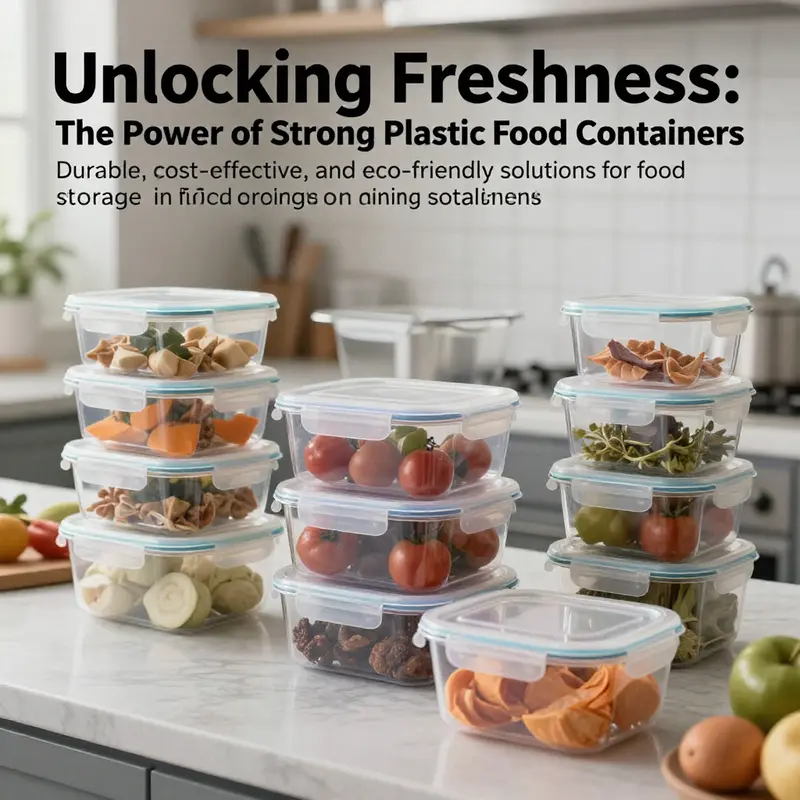
Food service businesses today face the dual challenges of maintaining food quality while efficiently managing their supply chains. An essential tool in this endeavor is the use of strong plastic food containers. These versatile containers not only ensure the freshness and safety of stored food but also contribute significantly to operational efficiency. In this article, we will explore the durability of these containers, their economic impact on food storage, the environmental considerations of their use, and how consumer preferences are shaping their design and functionality. Each chapter will provide insights that help you understand how strong plastic food containers can enhance your service offerings and align with sustainability goals.
Endurance in Every Seal: A Deep Dive into the Durability of Strong Plastic Food Containers
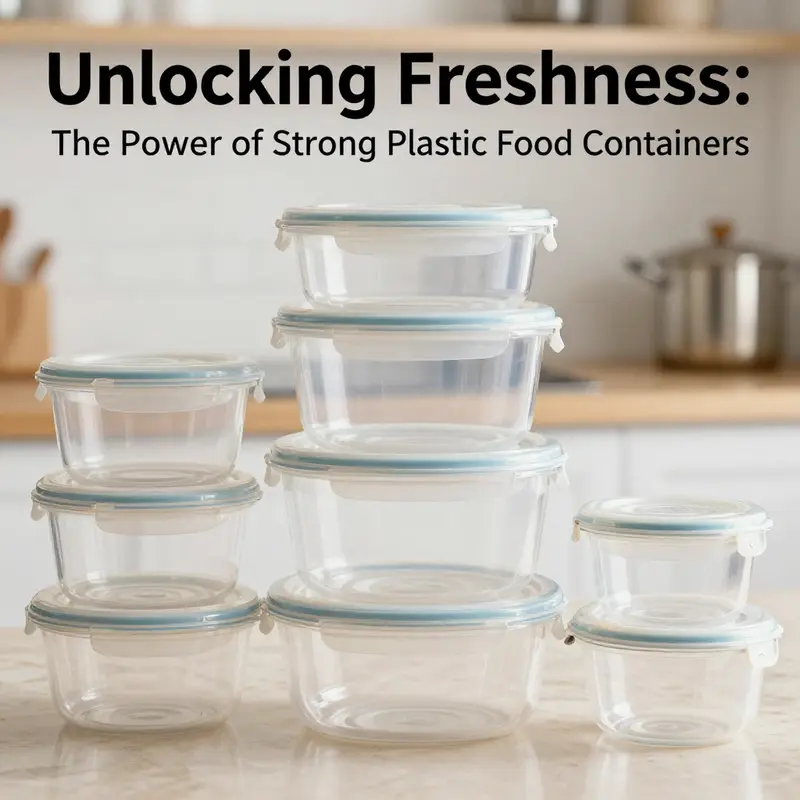
Durability is often discussed in terms of will and warranty, yet when you actually reach for a storage solution, durability becomes a quiet, constant partner in the kitchen. Strong plastic food containers are more than just receptacles for yesterday’s leftovers; they are designed to endure daily rituals, from the careful snap of a clip-lock lid to the unspoken choreography of stacking and washing. In practical terms, durability means the container resists cracking when bumped in a crowded cabinet, maintains its shape through repeated cycles of freezing and thawing, and preserves the integrity of the seal so that freshness stays put. The core of that durability rests on two intertwined choices: material composition and thoughtful design. When these align, the container not only survives but sustains food safety, reduces waste, and supports a kitchen’s workflow in ways that are easy to overlook until a seal gives way or a dish leaks at a critical moment. The conversation about durability, therefore, begins with what the container is made from and how it is intended to be used across the spectrum of home and professional environments.\n\nAt the heart of most durable options lies a family of plastics chosen for strength, resilience, and food safety. Polypropylene, commonly labeled as PP and identified by the recycling code #5, stands out as a workhorse for long-term storage. Its heat tolerance is a practical blessing, withstanding temperatures up to about 120°C (248°F). This makes PP containers suitable for reheating, a routine in meal-prep cultures where hot foods are divided into portions and returned to the fridge or freezer. The ability to tolerate repeated heating, without significant deformation or the release of harmful substances, translates into real-world reliability. It is not merely a matter of surviving a brief microwave stint; it is about withstanding the rhythm of daily life—the on-again, off-again usage that characterizes family kitchens and busy commercial prep lines alike. Other durable options in the same family of materials include high-density polyethylene (HDPE, #2) and low-density polyethylene (LDPE, #4). These materials share an emphasis on safety for food contact and resistance to cracking, while offering their own sets of physical properties that suit different container shapes and lids. In each case, the emphasis remains on food-grade quality and the absence of substances that could migrate into food under typical conditions. However, not all plastics are equal in this regard, and there is a meaningful distinction to be made with polycarbonate (PC, #7). PC has historically been used for some containers because of its clarity and strength, but its use is increasingly questioned because it can contain Bisphenol A (BPA). When heat or stress is involved, BPA-containing PC can release compounds that raise health concerns for some consumers. The contemporary standard in both consumer and many institutional settings is to choose BPA-free labeling and to verify certifications that attest to food-grade safety. The message is simple: durability without safety is a liability, and the most robust containers are those that openly declare their safety credentials.\n\nThe practical durability of a container also relies on the synergistic relationship between material choice and design. A robust container is more than a single thick wall; it is about how that wall behaves under stress, how the lid interacts with the base, and how the seal protects against air and moisture ingress. A secure, airtight clip-lock seal is a familiar feature that matters as much for longevity as for freshness. When a seal maintains its elasticity and integrity through hundreds of cycles, the food inside remains safer and the container remains usable. The design intention is to minimize gaps where water and odors could creep in and to ensure that even after frequent opening and closing, the lid remains aligned with the body. In a well-designed system, the lid’s clip mechanism distributes pressure evenly around the perimeter, reducing the likelihood of warping that can compromise a seal. Clear lids are not merely about aesthetics; they enable quick visual checks of contents, reducing the need to repeatedly handle the container and thereby limiting wear on the seal. The stackability of many durable containers is another practical advantage. When a set of containers is designed to nest or nest and stack securely, it supports efficient storage in both home kitchens and professional back rooms. Stackable designs minimize the risk of accidental tipping, reduce cabinet clutter, and contribute to a more orderly workflow—an understated form of durability that translates into real-world resilience.\n\nYet even the sturdiest materials and clever clip-locks confront the inexorable realities of daily use. A life in constant contact with human habits inevitably introduces wear. Frequent exposure to high temperatures—whether from microwaving, hot foods, or heated dishwashing cycles—can, over time, contribute to the softening and eventual embrittlement of certain plastics. The literature and practitioner experience converge on a practical rule of thumb: while heat resistance is a critical attribute, exceeding recommended heating times or temperatures accelerates aging. For polypropylene, while the material tolerates high temperatures, prolonged or repeated heating beyond recommended guidelines can cause gradual deformation, especially near the rim or along the seal line. For PC-containing containers, the thermal stress can not only degrade the material but also increase the likelihood of BPA migration under certain conditions. Thus, the mindful use of heat—following manufacturer guidelines for microwave or oven use—matters as much as the material’s inherent strength.\n\nA second axis of durability concerns how containers withstand cleaning routines. The kitchen is a harsh environment for plastics, and cleaning methods can either extend life or accelerate wear. Gentle hand washing with a soft sponge and mild detergent is often the best regimen for preserving both surface integrity and seal performance. Abrasive tools, such as steel wool or hard-bristled scrubbers, can scratch the surface, creating microscopic crevices that harbor bacteria and become reservoirs for odors and stains. These micro-scratches also create potential sites for chemical interactions with lingering residues, possibly increasing the risk of leaching if the container’s surface has already aged. When dishwashers are used, the heat and detergents—especially in the lower rack where heat exposure tends to be greatest—can hasten warping and discoloration. This is not a universal verdict against dishwasher use; rather, it underscores the importance of understanding each container’s specific guidance and ensuring that dishwasher cycles are compatible with the material. In practice, a policy of gentle washing and thorough air drying tends to maximize lifespan. Air drying not only reduces residual moisture that can compromise seals but also minimizes deformation risks that aggressive drying cycles can impose on the lid or walls.\n\nThe signs that a container has begun to age can be subtle at first and alarming when visible. Micro-scratches might emerge as faint lines that catch the light. Over time, these scratches can deepen, especially with heavy use and frequent cleaning, becoming more than cosmetic and potentially affecting the container’s seal. Discoloration, cloudiness, or yellowing signals chemical changes in the material, sometimes indicating oxidation or contamination. An oleaginous odor that persists despite thorough washing points to absorbed residues or degraded material that can compromise taste and safety. The ultimate warning is seal failure: a lid that no longer fits snugly or a clip that has become stiff, cracked, or permanently deformed signals compromised freshness protection. When any of these signs appear, safety considerations take precedence. Replacing the container is a sensible precaution, not a sign of wastefulness. The decision to retire a container rests on a careful assessment of material type, usage frequency, cleaning practices, and, crucially, visible condition. A high-quality, food-grade container can serve for many years with proper care, but aging is a natural counterforce to even the strongest plastics. In practice, there is no universal expiration date; rather, there is an ongoing calculus based on how often the container is used, how it is maintained, and what its surface and seal condition reveal about its structural integrity.\n\nFrom a business perspective, durability takes on an economic and logistical dimension. For commercial kitchens or retailers, the consistency of a storage system across batches and shipments matters as much as its performance in safety tests. Sourcing containers in bulk—from reputable suppliers and, where possible, from wholesalers who ensure uniform quality across all batches—reduces the risk of leakage, compromised seals, or uneven dimensions that could complicate stacking and inventory management. In peak demand periods—such as holidays or promotional campaigns—the consequences of poor sealing or brittle components extend beyond food waste to operational disruptions. A consistent lineup of sturdy containers means fewer returns, fewer safety incidents, and a smoother workflow for crews who must handle hundreds or thousands of portions. It is in this context that the choice of material, the integrity of the seal, and the predictability of performance become a chain of value, linking the consumer’s daily needs to the business’s efficiency and reputation. The practical takeaway is that durability is not a one-off attribute but a lifecycle consideration, tied to how a container is used, cleaned, and inspected over years of service.\n\nIn conversation with the broader ethical and environmental dimensions, durability also intersects with sustainability. The environmental calculus favors durable, reusable solutions over disposable alternatives, provided that the durable option is indeed safe and properly maintained. Materials labeled as BPA-free and certified for food contact address legitimate consumer concerns about chemical migration, particularly under heat. Recyclability remains a key consideration for the end of life, even for containers with impressive longevity. The best practice is to select products that clearly communicate their recyclability pathways and to follow local recycling guidelines for plastics. This alignment of safety, durability, and environmental stewardship helps kitchens—whether in homes or services—build storage systems that minimize waste while delivering reliable performance.\n\nAs you move through the choices, the design and the material together tell a story about how a strong plastic container will behave in the everyday theatre of meals, leftovers, and seasonal menu planning. The 12-piece sets mentioned in consumer narratives often illustrate the practical breadth of durable storage: a variety of shapes and sizes that accommodate different food types, with transparent lids for quick visibility and a design that makes stackable storage intuitive. These features, though ordinary, contribute to a durable routine: fewer broken pieces, a reduced tendency to polarize cabinet space, and a steadier workflow in busy kitchens. The real measure of durability, though, remains in the day-to-day moments—when a chef slides a container from the fridge, finds a lid that still seals, and knows the contents will stay safe and fresh. That is the quiet strength of well-made plastic storage: it forgives a lot of minor mishaps, but it never compromises on safety when used within its design limits.\n\nFor readers who seek to understand durability beyond generic claims, a careful reading of material standards and testing performance can be illuminating. Technical specifications that describe temperature ranges, chemical resistance, and seal longevity offer a more objective map of what to expect from a given container. They help distinguish between containers that are robust enough for daily use and those that are better suited for lighter-duty tasks. While no single specification can capture every scenario—varied foods, frequency of use, differences in washing practices, and the way temperatures cycle through a freezer and a microwave—the right combination of material choice, seal design, and proper care creates a durable storage system that is both safe and dependable. In the end, durability becomes less about heroics and more about predictable performance across a kitchen’s daily rhythms. It is the quiet reliability of a container that resists warping after a night in the freezer, that remains clear and non-oxidized after repeated washing, and that keeps its seal intact after thousands of openings and closings. That is the essence of strong plastic food containers in practice: durable, safe, and ready to support a kitchen’s needs without drawing attention to themselves—until you notice them performing flawlessly every day.\n\nExternal reference: For a deeper dive into material standards, technical specifications, and performance insights that back up these considerations, see the external resource at https://www.plasticcontainers1000kg.com/overview-material-standards-technical-specifications-performance-insights/.
Sealed for Profit: The Economic Currents Driving Strong Plastic Food Containers in Modern Food Storage
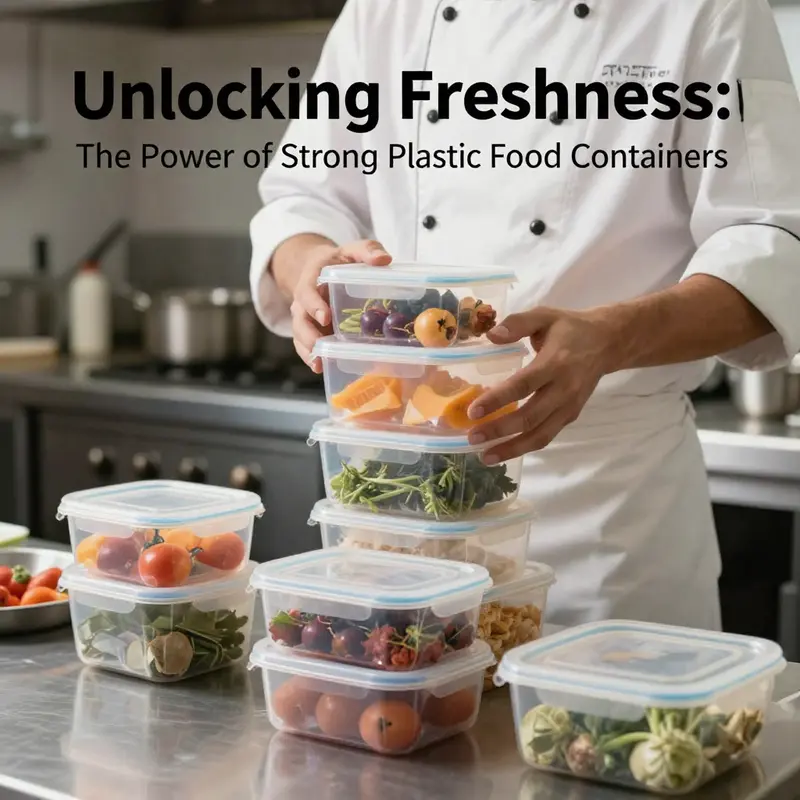
The economics of strong plastic food containers unfold not merely in their price tags but in the logistics, scale, and reliability they enable across kitchens big and small. These containers, crafted from high-quality, impact-resistant plastics such as polypropylene and high-density polyethylene, have evolved from convenient storage aids to essential components of industrial and household workflows. Their value rests on a trio of advantages: durability, cost-efficiency, and the ability to preserve product quality through demanding cycles of washing, freezing, and repeated use. When a restaurant relies on tight cold chains and a meal-prep routine that stretches across a week, every container is a line item in the ledger of operational efficiency. The economic story here is not about a single product but about a system in which a robust storage solution reduces waste, cuts labor costs, and improves throughput, all while keeping food safer and more consistent from one shift to the next.
Market forecasts frame the broader financial impact with a clear trajectory. The global plastic food storage container market is projected to grow from roughly USD 10.5 billion in 2024 to about USD 15 billion by 2033. That ascent signals more than rising demand for containers themselves; it reflects a shift in how food businesses manage inventory, portion control, and distribution. Plastic’s dominance—nearly half of the market share—stems from its low production costs, light weight, and the ease with which manufacturers translate raw materials into scalable, standardized products. For large-scale food producers, the economics of scale matter as much as the product specifications. A design that can be mass-produced, with consistent tolerances and reliable seals, reduces the risk of leakage and spoilage, which in turn protects margins during peak demand seasons when batch sizes swell and the pressure on storage facilities intensifies.
The cost perspective extends beyond the purchase price. Strong plastic containers are lighter than glass or metal alternatives and endure the rigors of transport and handling with less risk of breakage. This translates into lower shipping costs and reduced capital tied up in inventory damage. The lightweight nature of plastic also yields savings in energy consumption during handling and warehousing. In many supply chains, a modest reduction in the average weight of an entire container fleet can accumulate into significant annual savings on fuel and labor. For businesses operating through distributors and wholesalers, bulk procurement becomes a lever for negotiating closer to cost parity with other packaging modalities, while still delivering the performance demanded by modern kitchens. In the retail and food-service environment, this translates into more predictable monthly spend, better budgeting for promotions, and a steadier supply of stock that supports on-time service.
The customizable dimension of plastic storage solutions adds another layer to the economic equation. Manufacturers can tailor shape, size, color, and even branding to meet market expectations or retailer requirements. This customization supports product differentiation without compromising the core benefits of the container: a secure, airtight seal that minimizes air and moisture ingress. The ability to integrate OEM services from high-volume producers—such as facilities capable of producing up to a million pieces per week—gives brands a reliable pathway to mass-market distribution. When a business can specify dimensions to fit specific shelves, stackability to optimize warehouse space, and branding cues that strengthen consumer recognition, it reduces waste and accelerates shelf turnover. The efficiency gains from such customization ripple through the entire supply chain, enhancing brand image and contributing to a more seamless customer experience.
A key technical consideration in this economic fabric is the preservation of food quality during transit. Food-grade materials and non-reactive properties are essential to minimizing spoilage and ensuring that products reach customers in a consistent state. Even as the market benefits from the thermal insulation and sealing performance of polystyrene-based clamshells and similar formats, the broader sector increasingly valorizes safer materials that reassure consumers and regulators alike. In this sense, the economic advantage of plastic is twofold: it enables cost-effective packaging and, when properly engineered, helps maintain quality that reduces waste and returns. The interplay between cost, performance, and quality is why plastic remains central to many commercial kitchens and delivery services, where every bag, box, or tub is a small, cumulative contributor to profitability.
To appreciate how these containers function within the supply chain, consider the end-to-end flow from production to table. A manufacturer producing a line of takeaway containers can design for compatibility with existing lines of sealant clips and lids, ensuring compatibility with automated filling and sealing systems. The result is a streamlined manufacturing process that minimizes downtime and maximizes throughput. In turn, distributors recover value through consistent batch-to-batch performance, reducing the likelihood of returns or customer complaints related to leakage or compromised seal integrity. The synergy between production efficiency and distribution reliability is where the economic impact becomes most tangible. A batch that seals well and stacks neatly saves warehouse space, lowers handling costs, and improves delivery times, which, over time, converts into measurable improvements in cash flow and bottom-line results.
Beyond the factory floor, there is a broader strategic dimension associated with branding and customer engagement. Plastics offer a versatile canvas for logos, colors, and brand messages, enabling retailers and food-service operators to reinforce identity at every consumer touchpoint. This branding capability translates into perceived value, which, in turn, supports premium pricing of certain lines or enhanced loyalty programs. The economic logic here rests on customer recognition and repeat purchases; packaging that communicates quality can reduce price elasticity for a given product and increase overall basket size. The availability of OEM services, particularly in high-volume markets, enables businesses to scale brand-driven packaging without sacrificing performance. A Guangdong-based operation, for instance, can produce large quantities with tight tolerances, ensuring that each container aligns with a retailer’s specifications while maintaining uniformity across millions of units. In markets where competition is intense and margins are slender, this kind of scale-driven branding translates into meaningful gains in market share and profitability.
However, the story is not unblemished. The long-term economic outlook for plastic containers must reckon with concerns about health, safety, and sustainability. Research and public discourse have spotlighted chemical leaching risks, especially when plastics are exposed to heat, acidic foods, or repeated use. Even BPA-free formulations have prompted questions about estrogenic activity under certain conditions. These concerns have spurred regulatory scrutiny and consumer demand for safer packaging alternatives, such as glass, which pose their own economic calculations. Dr. Sarah Thompson of Johns Hopkins Bloomberg School of Public Health has highlighted non-reactive materials as the safest option to prevent chemical migration. Her perspective underscores a looming tension: the industry’s current savings in upfront costs may be offset by potential healthcare and environmental liabilities in the long run. Economic models of the future will need to account for this dynamic, weighing immediate cost savings against the possibility of higher compliance costs, remediation liabilities, or shifts in consumer preference toward safer materials.
For businesses, this means a cautious but opportunistic approach to packaging strategy. The current economic advantage of strong plastic containers will persist as long as manufacturers can deliver consistent performance at scale and at reasonable cost. Yet the horizon may tilt toward more advanced materials or hybrid solutions that maintain durability while reducing risk. In the near term, continued investment in quality control, test protocols, and traceability becomes essential. Ensuring airtight seals, preventing leakage, and maintaining clarity in transparent lids all contribute to lower waste rates and higher customer confidence. Firms that invest in robust supplier relationships, effective quality assurance programs, and transparent communication about material safety will better weather regulatory changes and evolving consumer expectations.
The practical takeaway for decision-makers is to view strong plastic containers as a strategic asset rather than a mere commodity. They enable leaner operations, faster throughput, and more precise inventory control, all of which have clear effects on costs and profits. The best papers and pallets of containers are those that align with the business’s operational tempo, from bulk purchasing through UK wholesalers to ensure consistency across lots, to a consistent packaging design that minimizes handling challenges. One way to illustrate this is through the practical integration of branding and form: a container line that fits a retailer’s shelving and an OEM partner’s production cadence can unlock economies of scope, allowing a company to scale its offerings without sacrificing performance at the point of use. As a result, the economic impact of these containers is best understood as a living ecosystem—one that links raw material choice, manufacturing efficiency, branding strategy, supply chain resilience, and consumer safety into a coherent value proposition.
For readers seeking a direct, practical tie-in to related packaging approaches that are gaining traction in parallel with plastic containers, consider exploring options in eco-friendly recyclable materials. In particular, one internal resource discusses the potential of pulp-based cup holders and similar packaging solutions as part of a broader shift toward more sustainable, recyclable options within takeaway packaging. This connection highlights a strategic approach for firms that want to balance cost and safety with environmental responsibility, without sacrificing the essential efficiency benefits that plastic storage solutions bring. See the linked resource for a deeper look at how such materials are positioned in the market and how brands are incorporating them into their packaging portfolios: eco-friendly-recyclable-pulp-2-4-cups-coffee-take-away-cup-holder.
In sum, the economic impact of strong plastic food containers in the food storage landscape rests on their ability to combine reliability, scalability, and cost discipline with the flexibility required by today’s diverse food-service environments. They are not a static piece of equipment, but a dynamic driver of efficiency, with a ripple effect that extends from factory floor to consumer storefront. As the industry navigates health considerations, regulatory signals, and rising sustainability expectations, the path forward is likely to feature a careful blend of continued plastic use where it makes sense and thoughtful transitions to safer or greener packaging where warranted. The underlying math remains persuasive: reduce waste, shorten lead times, optimize space, and increase throughput, and you bolster the profitability and resilience of food storage operations across sectors.
For authoritative insights into the current market dynamics and projections, see the external market forecast referenced in the research: Market forecast to 2033. https://www.marketsandmarkets.com/Market-Reports/plastic-food-storage-container-market-76723256.html
Durable Yet Dilemmatic: The Environmental Footprint of Strong Plastic Food Containers and the Route to Greener Storage
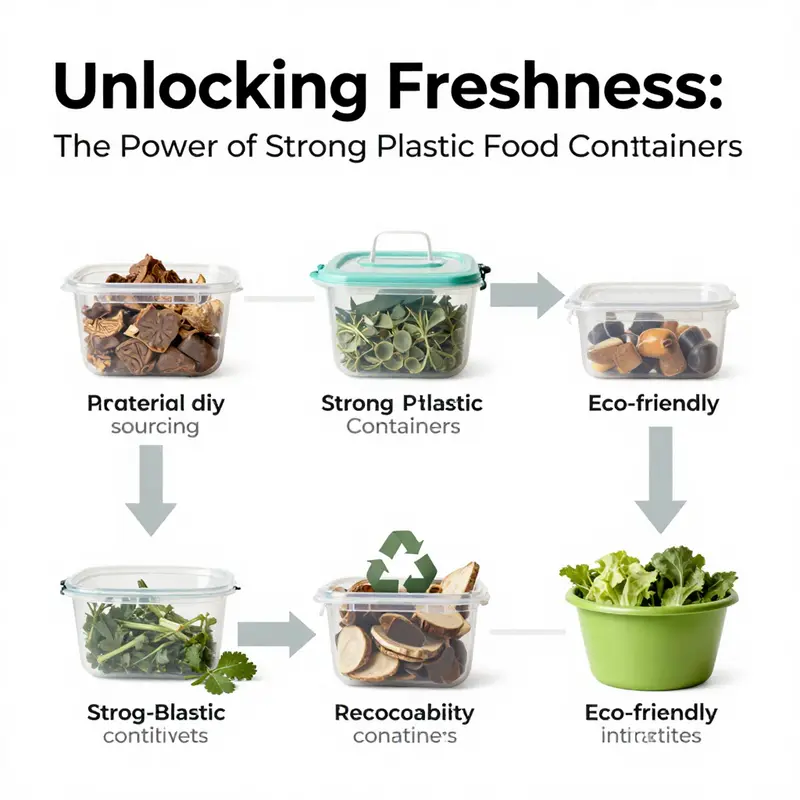
Durable plastic containers have become a quiet backbone of modern kitchens, enabling efficient meal prep, predictable portioning, and dependable refrigeration. Yet beneath their reputation for practicality lies a set of environmental considerations that demand careful attention. When we talk about strong plastic food containers, we are really weighing two intertwined questions: what they can do for our daily routines and what their production, use, and end of life do to the broader environment. The materials most commonly employed—propylene polymer (PP), high-density polyethylene (HDPE), and sometimes polyethylene terephthalate (PET)—are chosen for their resilience and safety. They resist cracking under impact, tolerate repeated washing, and maintain their shape through cycles of freezing and thawing. In practical terms, these plastics fulfill a clear consumer need: containers that keep leftovers fresh, meals organized for the week, and ingredients protected from leaks. The secure, airtight clip-lock seals that often accompany these containers further reinforce that usefulness by preventing air and moisture ingress, a feature that helps preserve food quality over time and reduces food waste. In that sense, the value proposition is not merely convenience; it is a form of food security within a busy household or a bustling kitchen operation.
But the very traits that make strong plastic containers appealing also complicate the environmental calculus. The environmental considerations of durability are not simply a matter of whether a product lasts; they hinge on the full lifecycle from production to end-of-life management. The materials in question—PP, HDPE, and PET—are technically recyclable in many contexts, yet real-world recycling rates remain uneven. Contamination during sorting, inconsistent recycling infrastructure, and consumer confusion about disposal methods can all depress the rate at which these materials re-enter the circular economy. In addition, the presence of multi-layered or mixed-material components can complicate recycling even further. For example, laminates used in some vacuum-sealing solutions, while excellent for long-term moisture and oxygen barrier performance, render products nearly impossible to recycle. The consequence is a tension between the long utility life of a single container and the difficulty of reinserting that container into productive use at end of life. This tension is not merely academic; it manifests in regional disparities in recycling capacity, and in the pressure points of waste management systems that must handle large volumes of durable plastics during peak demand periods such as holidays or promotional events. These realities push manufacturers, retailers, and consumers to rethink what “durable” really means when the goal is to minimize environmental harm over the container’s entire lifespan.
A closer look at the ecological challenges reveals a deeper set of dynamics. Plastic waste persistence is not a theoretical concern. Even when containers are disposed of properly, the materials can persist in ecosystems for centuries. In many regions, the recycling rate for PP and HDPE is higher than for other plastics, but it remains far from universal. Contamination—food residue, bits of other plastics, or improper sorting—can degrade the quality of recyclate and render batches unrecoverable for mechanical recycling. The situation is more acute for polystyrene (PS), often found in foam containers and packaging, which presents both recycling difficulties and potential health concerns when heated. While it is possible to recycle some PS, it is less common, more energy-intensive, and frequently treated as a lower-priority stream in recycling programs. These challenges are echoed in the broader carbon footprint associated with plastic production. The manufacturing processes for PP, HDPE, and PET rely heavily on fossil fuels, and the energy intensity translates into greenhouse gas emissions across the supply chain. The result is a lifecycle with substantial upfront environmental costs that must be offset by gains during use and, ideally, by efficient end-of-life recovery.
The lifecycle discussion naturally extends to materials that complicate recycling yet offer protective performance. Multi-layered structures—where plastics are laminated with nylon or other polymers—can create formidable barriers to recycling. Such constructions pin a higher resource demand on the system because they effectively remove the material from conventional recycling streams. Even when a container is used for an extended period and demonstrates clear functional benefits, the ultimate fate of that container may be restricted by the realities of post-consumer processing. This has driven a broader industry shift toward sustainability that does not rely solely on longer use life, but also on reimagined end-of-life pathways and alternative materials. A growing segment of the market has begun to pivot toward reusable storage solutions made from stainless steel or glass, which offer exceptional durability and the potential for lower lifetime environmental impact if used consistently and for many years. These options, while sometimes associated with higher upfront costs, can reduce waste through repeated cycles of use. Parallel to that, the development of bioplastics and other advanced materials promises to expand the feasible landscape for greener storage, though such innovations come with their own set of performance, supply, and composting considerations that must be navigated carefully. Closed-loop recycling systems, where products are consistently fed back into the production stream to become new containers, also represent a strategic direction that aligns with a more circular economy. In practice, this means building supply chains and municipal programs that can reliably collect, sort, and reprocess plastics into high-quality feedstock for new products, rather than letting them slip into landfills or low-value waste streams.
Against this backdrop, practical recommendations emerge for both consumers and businesses aiming to minimize environmental impact without sacrificing necessary performance. First, where possible, selecting materials with higher recycling rates and established end-of-life pathways is a prudent starting point. PP and HDPE are among the more widely recycled plastics, and choosing containers made from these polymers can align daily storage practices with broader waste-management realities. It is also worth considering the heating and usage guidelines. Heating polystyrene or combining PS with repeated microwaving can raise concerns about health and safety, alongside serving as a reminder that not all plastics are equally appropriate for every purpose. When a container is used in a microwave or exposed to heat, selecting materials rated for such use—while still mindful of end-of-life considerations—can help balance consumer needs with safety and ecological concerns. In the same vein, avoiding multi-layered laminates that resist recycling and opting for simpler, single-material constructions can simplify end-of-life processing and improve recyclability in practice.
Another lever lies in supporting brands and suppliers that embed recycled content into their containers or that participate in take-back or closed-loop programs. By prioritizing products that incorporate post-consumer recycled content, buyers contribute to demand that reinforces material recovery and reduces the need for virgin feedstock. This is not only a matter of environmental benefit but also of signaling market preference for systems that value long-term material viability over short-term convenience. In parallel, businesses can pursue practical waste-reduction strategies within their operations. This includes establishing clear disposal guidelines for staff, educating customers about proper recycling channels, and implementing in-house reuse or return programs where feasible. A thoughtful approach to sourcing can also lead to lower environmental impact. For example, when a large organization requires bulk procurement of containers, it can push suppliers toward more sustainable packaging specifications and more robust quality control that minimizes leakage and damaged goods—factors that indirectly reduce waste and the energy spent per unit of usable product.
The conversation about greener storage does not end with the choice of a container alone. It rests on a broader preference for systems that support circularity and minimize waste across the supply chain. For readers who are curious about concrete alternatives to traditional strong plastic containers, there is a growing array of options designed to meet the needs of households and commercial kitchens alike. Among these, kraft paper-based take-away and salad bowls illustrate a practical path toward recyclable, compostable, or otherwise lower-impact servingware in many contexts. For a tangible example of how such options are presented in the market, consider the following take-away solution that blends disposability with recyclability: disposable take-away paper kraft salad bowl. This kind of product demonstrates how product formats can be redesigned to align with recycling and composting streams, while still meeting the functional demands of food service—from leak resistance to stackability and ease of handling. Even as plastic storage remains indispensable in certain settings, the integration of recyclable or compostable alternatives within a broader strategy helps shift the environmental footprint over time toward a more sustainable equilibrium.
In this sense, the environmental considerations surrounding strong plastic food containers are neither simple nor absolute. They require balancing the advantages of durable, reliable storage with a thoughtful assessment of end-of-life outcomes and system-level efficiencies. The path forward is not a single silver bullet but a portfolio of strategies: choosing polymers with established recycling infrastructures, avoiding materials with low recyclability in high-volume applications, supporting advances in bioplastics and alternative materials, and investing in closed-loop or reuse-oriented models wherever possible. The real-world impact of these choices hinges on coordinated efforts across manufacturers, retailers, waste-management entities, and consumers, each playing a role in shaping procurement decisions, usage patterns, and disposal behaviors. As populations grow and food systems intensify, the demand for storage solutions will continue to evolve. The challenge will be to reconcile that demand with a robust commitment to environmental stewardship, ensuring that the benefits of durable storage do not come at the expense of the planet. For readers seeking to deepen their understanding of recycling pathways and best practices beyond individual product choices, external resources provide broader context and guidance that can inform everyday decisions and policy considerations alike.
External resource: https://www.epa.gov/smm/plastic-food-container-recycling-what-you-need-know
Durable, Responsible Storage: How Consumer Trends Shape Strong Plastic Food Containers
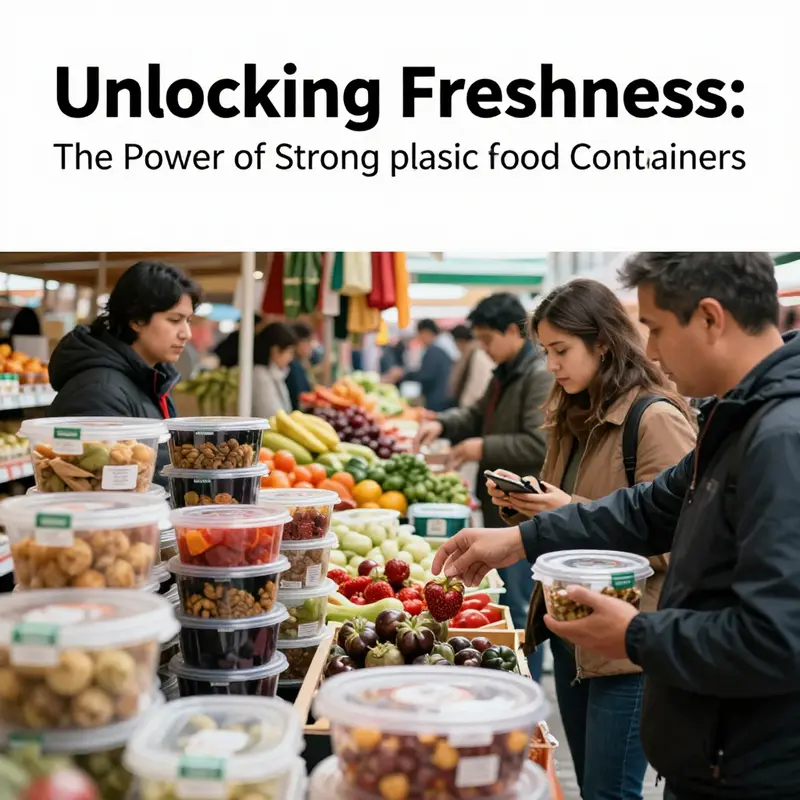
The rise of durable, strong plastic food containers mirrors a broader shift in how people approach meals, storage, and everyday logistics. These containers are not mere vessels; they are interfaces between a busy life and the food people want to keep safe, fresh, and convenient to carry. In households and professional kitchens alike, the need for reliable storage that can withstand repeated use, multiple wash cycles, and the rigors of transport has never been clearer. As consumers look for more than a seal and a lid, they demand containers that perform consistently, minimize waste, and align with evolving ideas about health, safety, and the environment. The conversation around strong plastic containers thus sits at the intersection of durability, convenience, and responsibility, a nexus that shapes what manufacturers design and how retailers present products to a discerning public.
At the heart of consumer demand is convenience, a practical response to increasingly on-the-go lifestyles. The appetite for ready-to-eat meals, meal kits, and rapid delivery services has expanded the market for durable, stackable, and easy-to-carry containers. When people buy these products, they expect more than a simple box; they expect packaging that travels well, keeps contents intact through transit, and fits neatly into kitchen routines. The result is a market that rewards form as much as function. Containers must be strong enough to survive drops and rough handling yet light enough to be portable. They must seal tightly to preserve flavor and limit moisture exchange, which is critical for items destined for refrigeration or freezer storage and for meal-prep regimes that rely on portioned, ready-to-go portions. In practical terms, that means designs with clip-lock seals that snap firmly into place, robust walls that resist cracking and warping, and lids that stay transparent so users can see what is inside without opening the box. The emphasis on visibility matters; consumers want to confirm contents at a glance, reducing the need to rummage through the fridge and minimizing the risk of unnecessary exposure to air that can degrade quality.
These functional expectations have a direct impact on material selection. The most common choices—polypropylene (PP) and high-density polyethylene (HDPE)—offer a compelling balance of strength, chemical resistance, and versatility. PP is prized for its rigidity and resilience in freezing and dishwashing cycles, while HDPE provides excellent toughness and chemical resistance, a quality valued in containers that hold dairy, condiments, or other pantry staples. The inherent properties of these materials make them well-suited to multi-use applications, yet they also shape how consumers perceive safety and sustainability. In a market increasingly attentive to chemical leaching and health concerns, many manufacturers emphasize food-grade standards and the absence of BPA. The shift toward BPA-free formulations underscores an important consumer expectation: packaging should not just perform; it should reassure. Labels that convey safety, recyclability, and compliance with food-contact regulations help build trust at the shelf and in the home, where families rely on packaging to support safe food handling and storage.
Sustainability sits alongside convenience as a central consumer driver. Even as demand for durable plastic containers grows, shoppers voice a clear preference for packaging that reduces environmental impact. PET, widely used in clamshells and ready-meal trays, is lauded for its clarity, strength, and recyclability. HDPE remains popular for durability and chemical resistance, with its trade-off in transparency often accepted in exchange for improved performance in dairy and condiment applications. The narrative here is not a simple choice of one material over another; it is a nuanced balance between performance and responsibility. Consumers want containers that are strong enough to endure repeated washing and heat exposure but also lightweight and recyclable. The debate around sustainability is not limited to end-of-life considerations. It also encompasses the life cycle of the product—from raw material extraction and manufacturing energy use to recycling infrastructure and consumer disposal behavior. In this context, the industry has made strides in designing containers that are easier to recycle, labeling them clearly as recyclable where appropriate, and guiding users toward proper disposal. This alignment with eco-conscious values is not merely a marketing posture; it reflects a broader societal shift toward responsible consumption and waste reduction.
Heated and microwavable capabilities further illustrate how consumer expectations have pushed packaging design forward. In households and food-service settings, the ability to heat meals directly in containers reduces steps and enhances convenience. Traditional plastics had heat limitations, but ongoing engineering improvements have yielded formulations and geometries that tolerate higher temperatures safely. The ability to go from storage to eating without transferring contents to another dish appeals to busy families and professionals alike. Yet this functionality is balanced against safety considerations and material stability. Containers must withstand repeated temperature changes without warping, cracking, or releasing undesirable compounds. Hence, the industry often tests a container’s performance across freezing, thawing, and heating cycles, ensuring that the seal remains airtight and that any expansion or contraction does not compromise structural integrity. This emphasis on performance and safety resonates with consumers who use containers not just for single-week storage but for long-term planning, leftovers, and bulk-prepped meals.
From the business perspective, consistency in quality across bulk purchases and across batches matters deeply. When a restaurant or catering operation commits to a certain line of strong plastic containers, it is making an investment in reliability. Bulk sourcing through wholesalers, when done with attention to material quality, surface finish, and closure integrity, helps ensure that every unit in a batch behaves the same way in terms of seal performance and resistance to leakage. Leaks and discomforting odors are not merely cosmetic issues; they reflect data points that can disrupt service levels and undermine brand confidence during peak demand periods such as holidays or promotional events. For food-service operators, the ability to stack containers efficiently, store them in cool or humid environments, and quickly retrieve them for meal service translates into tangible gains in workflow efficiency. In parallel, retail packaging decisions reflect the same priorities: shoppers want to purchase a container that can travel home without leaking, be stored in a shallow kitchenette drawer or a larger cabinet, and survive repeated use in the freezer or fridge. The promotional narratives around these products increasingly link durability with reliability, presenting a consistent performance story that complements the consumer’s personal testing in the home.
Amid these trends, the social and ethical dimensions of packaging cannot be ignored. Consumers—especially younger generations—place a premium on transparency about materials and processes. They expect proof that packaging is food-grade, free of harmful additives, and designed with end-of-life considerations in mind. This expectation drives not only how containers are marketed but also how they are manufactured. Companies align their practices with documented material standards, publish clear labeling, and participate in industry conversations about safety and sustainability. In this environment, a strong plastic container becomes a symbol of a careful balance: a product that performs under real-world conditions while respecting the limits of the planet. Health-conscious consumers look for containers that minimize potential chemical exposure during heating and storage, while eco-conscious shoppers seek evidence of recyclability and reduced material footprint. The resulting design language emphasizes not only robust walls and secure clip-locks but also thoughtful choices about wall thickness, lid design, and surface finish, all aimed at optimizing both user experience and end-of-life outcomes.
The consumer trends described here also illuminate how design and material choices ripple through the broader packaging ecosystem. Pet materials that offer high clarity and good barrier properties may be favored for visibility and storage appeal, even when their transparency is partially traded off for greater durability. Conversely, HDPE’s resilience lends itself to heavy-duty, reusable contexts where long-term performance is paramount. The balancing act between heat resistance, seal integrity, and recyclability reflects an industry that is increasingly data-driven. Companies collect performance data from real-world use—how long a seal lasts through cycles, how well a container performs when dropped, how effectively it withstands microwave heating—then translate these findings into material selection, wall thickness, and clip-lock geometry. Consumers, in turn, respond to the tangible benefits: fewer leaks, longer product life, easier stacking, and less waste generated through failed storage solutions. When a household or a kitchen operation reports reliable performance, the confidence translates into repeat purchases, brand loyalty, and a willingness to invest in a set of containers designed to handle a full spectrum of storage tasks—from fresh produce to prepared meals.
The trends also underscore the growing role of education and guidance from manufacturers and retailers. Clear, accessible information about material safety, heat tolerance, and recycling options helps consumers make informed choices. Labeling that communicates BPA-free status, dishwasher compatibility, and recyclability can reduce uncertainty and empower better decision-making. In a field where consumer expectations continue to evolve, education becomes an essential pillar of trust. This educational effort must be supported by robust quality control across supply chains, ensuring that all containers meet stated standards, perform consistently in diverse environments, and stand up to the rigors of busy kitchens. The synergy between consumer education, material science, and supply-chain discipline ultimately strengthens both the consumer experience and the competitive positioning of manufacturers.
The social dimension of strong plastic containers extends into the realm of accessibility and inclusion. As households vary in size and routine, the availability of a range of sizes and shapes helps ensure that all users can find appropriate solutions for themselves. Easy-to-open lids, ergonomic grips, and intuitive seal mechanisms contribute to a more inclusive packaging landscape, where people of different ages and abilities can handle storage tasks with confidence. At the same time, a thoughtful approach to ergonomics can reduce spill risk and waste, reinforcing the practical value of robust, well-engineered containers. While the core narrative centers on durability and safety, it is the combination of these attributes with user-centered design that defines the modern consumer experience. The container becomes more than a storage tool; it becomes a trusted component of daily routines, a dependable ally in meal planning, and a reliable partner in sustainable living.
Looking ahead, the trajectory suggested by current consumer preferences points to a continued refinement of materials and forms. Expect ongoing innovations in temperature-tolerant formulations, more efficient sealing mechanisms, and smarter design guidelines that optimize both stackability and shelf footprint. The push for recyclability will likely accelerate, with more packaging options engineered for easier separation and higher recyclability rates. While these developments will require investment in technology and process improvements, they promise a future where strong plastic food containers deliver enhanced performance without compromising health or environmental values. In a marketplace characterized by rapid change, consumer trust will hinge on observable, repeatable outcomes: containers that keep food fresh, withstand the test of time, and align with a growing global commitment to responsible consumption. As customers become more discerning, the best-performing containers will be those that combine rigorous testing with transparent communication, offering clear assurances about safety, durability, and end-of-life options while continuing to deliver the everyday practicality that makes storage simple and reliable.
For readers seeking a broader context on market dynamics and standards that shape these materials, industry analyses offer valuable external insights. These resources illuminate how consumer demand translates into material choices and product development, reinforcing the link between everyday packaging decisions and long-term industry trends. disposable kraft paper bowls provides a useful perspective on how alternative materials are positioned in the market alongside strong plastic options, highlighting the parallel quests for sustainability and performance that guide modern packaging decisions. This reference helps frame how shoppers interpret packaging claims and how manufacturers translate those expectations into tangible product features. The broader market analysis enriches the narrative by showing how the growth rate and regional differences shape product portfolios, supplier strategies, and investment priorities across the years ahead.
External reading and data on this topic frame the consumer trends within a larger market context. For those who want a deeper dive into market demand, the article series and reports that track plastic food containers across key end markets offer detailed perspectives on growth drivers, regulatory influences, and material economics. External sources underscore the importance of aligning product design with evolving consumer preferences while navigating the practicalities of production, distribution, and waste management. By examining these dynamics, readers can better appreciate why manufacturers invest in durable materials, why retailers highlight safety and sustainability, and why consumers increasingly expect packaging to perform reliably, be easy to use, and support responsible choices. External links provide a bridge from everyday use to macro-level industry insights, helping readers connect personal experience with the structural forces shaping the packaging landscape.
External reading: https://www.marketsandmarkets.com/Market-Reports/plastic-food-containers-market-159483718.html
Final thoughts
Strong plastic food containers present a multitude of benefits for businesses in the food industry, ranging from enhanced durability and cost savings to addressing environmental concerns and meeting consumer demand. By integrating these containers into your operations, you can improve food storage efficiency, ensure food safety, and enhance your sustainability credentials. Embracing strong plastic food containers is not just a smart operational decision; it’s a step toward a more responsible and customer-friendly food service environment.