
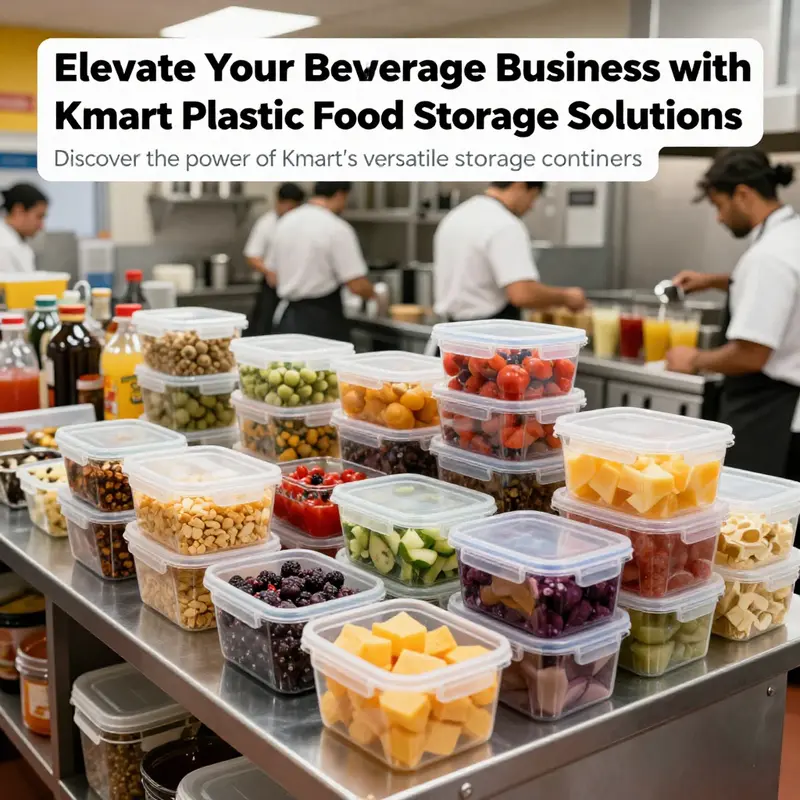
In the dynamic world of food and beverage service, efficiency and organization are crucial. Kmart’s plastic food storage containers offer an excellent solution for bubble tea shops, restaurants, food trucks, and catering services by marrying functionality with affordability. Qualitative insights into these containers reveal their role in simplifying food storage and preparation processes. From their key features to maintenance practices, this article breaks down how Kmart’s offerings can benefit your business. We’ll also delve into comparative analyses, exploring how Kmart stacks up against other brands in the market, and uncover sustainable, eco-friendly alternatives to traditional storage solutions. By the end, you’ll understand how Kmart can fit into your operations seamlessly, ensuring your beverages and food items are stored safely and efficiently.
null
null
Seeing Clearly: How Kmart’s Plastic Food Storage Containers Shape Everyday Australian Kitchens
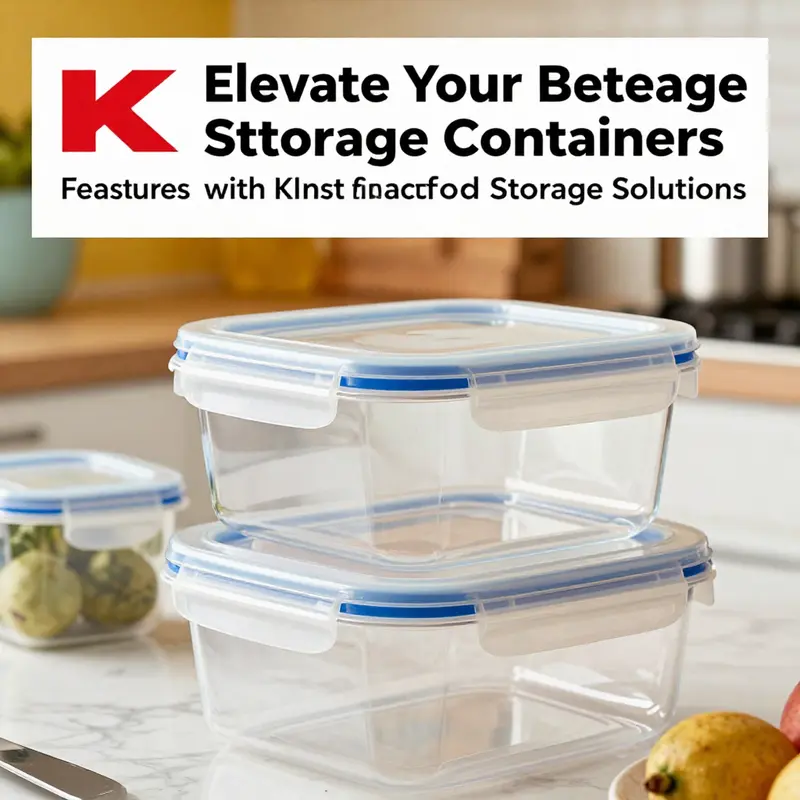
Plastic storage containers have become quiet workhorses in countless Australian homes, turning clutter into order and days of mealtime into a series of simple, repeatable routines. Within this landscape, Kmart’s line of plastic food storage containers stands out not just for its accessibility but for a design logic that prizes safety, visibility, and space efficiency. The containers are crafted to meet the everyday needs of households that juggle work, school, and family meals, where the goal is to keep food fresh, organized, and easy to reach. Their appeal rests on a balance between practical features and approachable pricing, making reliable storage something many households can count on rather than a luxury item they casually skip. In a market saturated with options, the value of simple, well-constructed containers becomes a kind of kitchen literacy: the ability to see what’s inside at a glance, to stack neatly without sacrificing access, and to maintain flavors and textures with minimal effort over the course of a week, or even longer.
A central feature of Kmart’s plastic storage is safety, anchored by the use of BPA-free materials. This choice matters not only for health considerations but for peace of mind during everyday use. Food storage is, for most families, a near-daily activity, and the idea that the container itself could alter the taste or safety of what’s inside is something that many households want to avoid. BPA-free plastics reduce concerns about chemical migration, particularly when containers are used for hot leftovers or when they’re repeatedly exposed to the warm humidity of a kitchen after a meal. Yet safety is not presented as a single checkbox but as part of a broader design philosophy that emphasizes long-term usability. The materials chosen are lightweight enough to handle without strain but durable enough to withstand the rough, repeated handling that meals and grocery runs necessitate. The transparency of the plastic is not merely a cosmetic feature; it is a practical tool that helps families quickly identify contents without popping lids or guessing at what’s stored inside. When a busy week demands control over portions and meal planning, being able to see at a glance whether the rice is fresh or whether the pasta is still in good shape can reduce waste and save time.
Another cornerstone is the airtight seal. A lid that snaps into place with a tight, food-safe gasket creates an effective barrier against leaks and spills, a small but consequential advantage for anyone who carries meals in bags or lunchboxes. This is especially valuable for leftovers that might travel from the fridge to the microwave to the plate with minimal fuss. An airtight seal also supports freshness, a practical benefit when bulk prepping for the week or storing pre-portioned ingredients. People often worry about the sogginess of vegetables or the loss of texture in bulk storage, but a well-designed seal helps maintain moisture balance and minimize freezer burn, particularly for items like frozen sauces or chopped vegetables. The practicality extends beyond the kitchen: when containers pair with well-fitting lids, the risk of dangerous spills in transit is reduced, which adds a layer of convenience for families on the go.
The stackable design further amplifies the user-friendly narrative. Australian kitchens vary in size, and counter space is frequently at a premium. Containers that stack neatly—without requiring a heavy lift to place one on top of another—help conserve space in fridges, pantries, and cupboards. A modular approach to storage has a concrete payoff: meals can be planned around what’s visible and accessible, reducing the cognitive load of meal prep. Stackability also supports those moments when grocery shopping and weekly planning intersect. When a shopper returns home with a fresh haul, the ability to reorganize shelves quickly, fitting more items into the same footprint, translates into tangible time savings. This is why the design language around these containers often emphasizes uniform shapes and compatible dimensions; the goal is not merely to contain but to harmonize with the architecture of a modern kitchen.
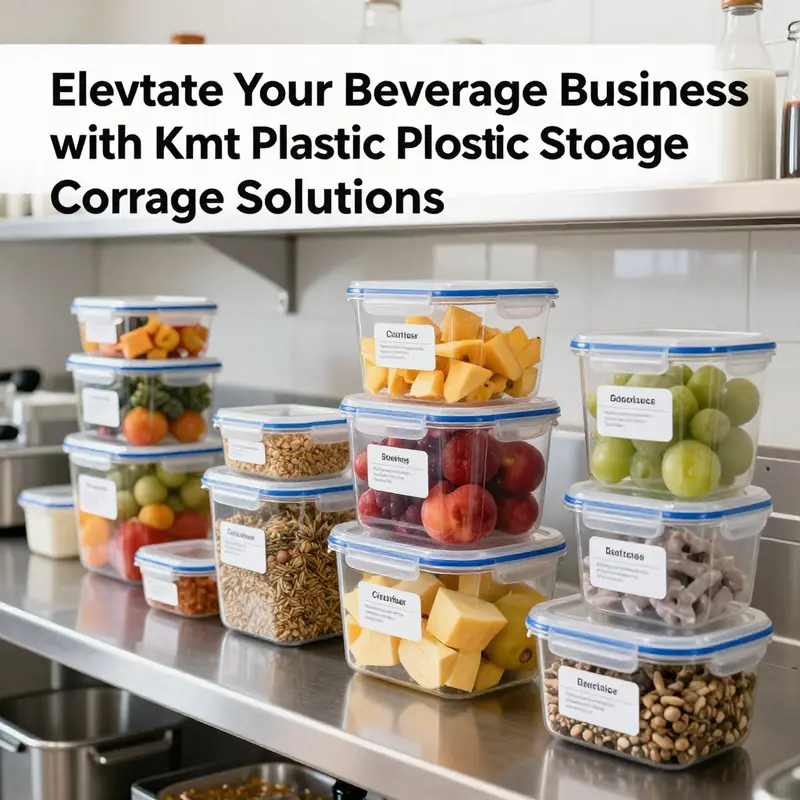
Design clarity is another meaningful attribute. The clear, transparent plastic makes contents legible without removing lids. This helps limit repeated opening and closing, a small habit that, in aggregate, can extend freshness and reduce the risk of contamination. The interface between user and product matters: a container that invites a quick glance rather than a rummage through an opaque interior is inherently more humane in daily routines. Clear designs also assist in meal preparation and portion control, letting cooks quickly gauge a mix of ingredients or visually confirm how much has been stored. The variety of sizes and shapes—ranging from round to rectangular—allows users to tailor storage to the nature of the food. Round containers can be handy for soups or stews, while rectangular or square options are efficient for stacking with fewer wasted gaps on shelves. The availability of multiple dimensions means that a pantry can be organized with a logic that mirrors the way food is prepared, stored, and consumed.
The practical versatility of these containers extends to compatibility with common household workflows. Many models are microwave-safe and freezer-safe, enabling straightforward meal-prep processes: thawing, reheating, and portioning can occur within the same vessel without transferring contents to other containers. This reduces the number of dishes to wash and minimizes the risk of cross-contamination. Yet the degree of compatibility can vary by product, so the guidance to check specific product details is not incidental but essential. Dishwasher safety is another consideration. While some variants tolerate regular dishwasher cycles, others may endure warping or distortion of lids after repeated exposure to high temperatures. This nuance matters because it shapes maintenance routines: opting for hand washing for sensitive lids or using top-rack cycles can extend the life of the set. As families become more attuned to saving time and reducing wear and tear on kitchen items, following these practical care tips helps preserve the integrity of the containers and their seals.
With these functional anchors in place, usage patterns naturally emerge. For dry staples—rice, pasta, flour, sugar—clear plastics provide a visible inventory system that supports meal planning, reduces waste, and minimizes trips to the pantry to hunt for missing ingredients. For leftovers and batch-cooked meals, the combination of airtight lids and easy visibility encourages portioning into consistent sizes, which can simplify planning for lunches and week-night dinners. The versatility extends to fresh produce, where a breathable lid that still maintains a degree of barrier protection can help extend shelf life, while preventing the container from becoming a storage trap for odors or moisture. The practical synergy of these features—safety, seal integrity, visibility, and space efficiency—creates a storage ecosystem that can adapt as a household’s routines shift with the seasons, school terms, and holiday periods, without requiring a constant wholesale purchase or a complicated setup.
Sustainability considerations are also woven into this narrative, even as plastic remains a dominant material in many households. For some, the instinct is to reduce single-use plastics; for others, plastic containers offer durability and reusability that can be more sustainable over time when used conscientiously. To complement the rigid storage, Kmart also points households toward reusable options like beeswax wraps and resealable bags. These alternatives address broader concerns about waste and environmental impact while preserving the convenience of a well-organized kitchen. The takeaway is not to demonize plastic but to contextualize its use within a broader approach to sustainable living: use durable, well-made containers for routine storage, pair them with reusable wraps where practical, and remain mindful of washing, drying, and reusing cycles to maximize longevity and minimize waste.
Beyond the kitchen, these containers encourage a disciplined approach to cooking and leftovers, a habit that can influence the rhythm of family life. When containers are easy to store, identify, and care for, they invite experimentation: batch cooking on Sundays, portion-controlled lunches for the week, and the flexible rotation of staples that keeps meals varied without added complexity. In this light, the value proposition extends from mere containment to an operational philosophy—a philosophy where organization, safety, and efficiency reinforce each other and free cognitive energy for other daily decisions. The chapter’s throughline is clear: these containers are more than vessels; they are a practical framework for modern living, designed to fit the rhythms of Australian households and to support the daily acts of planning, cooking, and sharing food.
For readers seeking concrete compatibility and product specifics, a direct exploration of current ranges on the official Kmart Australia website can provide up-to-date information on available sizes, shapes, and safety certifications. While the core features described here capture the enduring logic of the line, real-world choices depend on the exact model and its intended use. The broader point remains intact: durability, safety, and space-efficient design empower a household to keep food fresh and meals on track, with a level of simplicity that keeps kitchens calm rather than cluttered. As a chapter weaving together materials science, design pragmatism, and everyday practicality, the discussion points to a larger pattern in modern home ware: when storage solutions foreground clarity and reliability, they do more than protect food; they support the routines that sustain daily life.
External resource: https://www.kmart.com.au
null
null
null
null
Rethinking Clear Containers: Sustainable Futures for a Major Australian Retailer’s Plastic Storage Line
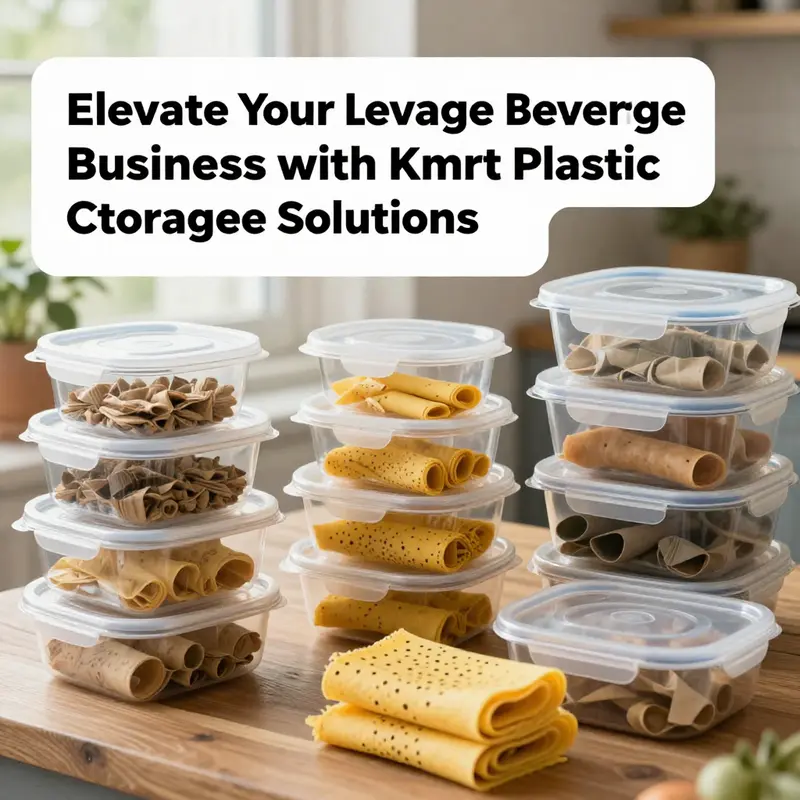
Clear, stackable, and seemingly simple, the plastic food storage containers that populate Australian kitchens are more than just boxes with lids. They embody a pragmatic approach to daily life: they keep dry goods dry, leftovers fresh, and meals portable. For households, these containers deliver visibility; a transparent wall means content can be identified at a glance, reducing the temptations of impulse rummaging and wasted food. Airtight seals protect flavors and guard against spills, while modular, stackable shapes maximize tight pantry corners and compact cupboards. In the hands of everyday users, such practicality has translated into routine reliance. Yet as awareness of environmental footprints grows, the same containers are increasingly measured not only by their convenience but by their life cycle. The retailer in question has built a broad, dependable lineup that emphasizes durability, ease of maintenance, and reasonable price points. The designs often lean toward white, transparent plastics that emphasize clarity and cleanliness, and they are positioned as durable options for freezer storage, meal prep, and bulk dry goods. Still, the dominant material reality—petrochemical-based polymers—casts a long shadow across the story. The materials endure, but so do questions about end-of-life options, recyclability, and the energy embedded in their manufacture. The tension between utility and sustainability is not a critique of functionality alone; it is a reflection of consumer expectations that storage systems should be both dependable and responsible. In this context, the trajectory of sustainable packaging becomes not a sidebar but a central driver shaping what comes next for the retailer’s plastic storage line. The current lineup offers a reliable baseline: clear, leak-resistant, and designed to withstand repeated use. However, the limitations are equally clear. Lids, for instance, can warp after repeated dishwasher cycles, a reminder that mass-market plastics are often pushed to the limits of their service life in ordinary kitchens. Not all containers are adapted to freezer conditions, and certain varieties can carry flavors from one use to the next, a concern for households that routinely refrigerate or store strongly scented foods. These practical caveats matter because they influence how households vet and retire containers, thereby affecting overall waste. The everyday experience of using these products intersects with broader concerns about plastic pollution and resource consumption. Sustaining a bright, accessible storage system requires more than the occasional dishwasher-safe label; it demands thoughtful attention to how materials are sourced, how they perform across diverse kitchen tasks, and how they can be phased out or repurposed as consumer preferences evolve. The chapter thus situates the retailer’s containers within a wider ecosystem of packaging innovation, where the most compelling advances are likely to emerge not from a single product upgrade but from a cohesive shift in materials, design, and consumer behavior. The urgency around this shift is amplified by credible visions for the future of packaging—visions that imagine materials derived from renewable feedstocks, engineered to match or exceed the barrier properties and mechanical strength of conventional plastics, while offering end-of-life pathways that minimize environmental impact. In exploring these possibilities, it is important to acknowledge that sustainability is not a monolith; it is a tapestry of trade-offs. Biobased plastics, for example, may offer advantages in terms of reduced fossil fuel dependence, but they also require clear labeling and robust infrastructure to ensure they are recycled or composted appropriately. Similarly, a shift toward fully compostable or edible packaging would require customers to change habits around disposal, yet it promises to dramatically reduce waste streams if implemented at scale. The conversation around innovative materials is not merely theoretical. Researchers such as environmental scientists and materials engineers are pointing to promising directions—for instance, starch-based and protein-based polymers, and even seaweed-derived films—that can deliver moisture and gas barrier properties alongside compostability. The challenge, of course, is translating laboratory breakthroughs into mass-market products that can be produced at price points accessible to a broad audience, while maintaining compatibility with existing kitchen workflows. In a marketplace where price, convenience, and performance compete for attention, the retailer’s strategy must balance immediate usability with long-term stewardship. The path forward could be imagined in several complementary directions. First, integrating bio-based materials into the core line—containers made from renewable polymers that are compatible with existing recycling streams—could preserve the user experience while reducing the environmental footprint. Such an approach requires not only a retooling of supply chains but also a careful communication strategy to help consumers understand how to dispose of or recycle the new materials. Second, designers could pursue modularity and longevity by improving lid engineering to resist warping and by extending warranties, reinforcing consumer confidence that longer service life translates into less waste overall. Third, the brand could experiment with hybrid systems that allow continued use of durable containers alongside supplementary, more sustainable options for specific tasks—be it dry storage, wet storage, or hot- or cold-therapy uses—without forcing a single, one-size-fits-all packaging solution. To illustrate the practical dimension of this transition, one might envision a tiered offering that preserves the strengths of the familiar transparent, stackable format while introducing variations that address environmental considerations. For dry staples such as rice, pasta, flour, and nuts, the emphasis could shift toward reusable, recyclable, or compostable cores that minimize end-of-life impact. For leftovers and meal-prep dishes, antimicrobial or odor-resistant properties could be pursued through safe additives or surface treatments that do not complicate cleaning or compromise safety. And for households that frequently shuttle foods between the kitchen and the fridge, freezer, or lunch bag, durable, food-safe interfaces that resist odor transfer would prove particularly valuable. The business case for such evolution is not purely ecological; it also aligns with consumer desires for products that support a circular economy and responsible consumption. As households become more attuned to waste reduction, they increasingly seek durable goods that can be repaired, repurposed, or rehomed rather than discarded after a single life cycle. This consumer mindset aligns well with strategies for a major retailer to cultivate sustainability credence without sacrificing the convenience that has historically driven sales. A practical bridge between current practice and future possibility can be found in complementary products and behaviors. Where the core storage containers remain an anchor, households can pair them with reusable beeswax wraps or silicone lids to reduce reliance on disposable wraps and single-use films. The combination of rigid containers with flexible, reusable accessories creates a modular sustainability toolkit that preserves user experience while expanding the range of disposal options. For readers who crave concrete examples of greener packaging concepts, the broader conversation across the packaging field offers tangible directions. The idea of edible or compostable coatings, thin yet robust barrier films, and bio-based plastics that perform as well as their petroleum-based counterparts is increasingly credible. A thoughtful design philosophy that prioritizes end-of-life clarity—clear labeling, compostability indicators, and recycling instructions—can help ensure that consumer choices translate into real environmental benefits. The retailer stands to benefit from this clarity as well. Transparent labeling reduces confusion at the curbside and helps build trust among shoppers who want to minimize their footprint. In some markets, customers are willing to pay a small premium for products that demonstrate a commitment to sustainability if they can be confident in the chain of custody from production to disposal. To the extent that the retailer communicates these commitments effectively, it can preserve brand integrity while expanding its appeal to environmentally conscious households. The conversation about sustainable packaging is not a defeatist tale of limits; it is a narrative of evolution that honors practicality and responsibility in equal measure. It is about reimagining a familiar storage format so that it remains useful today while becoming kinder to the planet tomorrow. The opportunity is not to abandon the virtues that have made these containers a kitchen staple but to enhance them with materials and practices that reduce waste, extend product lifespans, and clarify disposal options. The practical steps—investigate bio-based alternatives, reinforce lid durability, clarify freezer-compatibility and odor-control, and pair core products with reusable accessories—can be pursued incrementally. Each small expansion broadens the set of choices available to consumers without disrupting everyday routines. For readers seeking concrete, implementable points of reference, one can consider exploring cross-material possibilities and supplier collaborations that bring new solutions to shelves without sacrificing compatibility with existing kitchen habits. The shift from a purely petrochemical baseline toward more sustainable packaging paradigms is not instantaneous; it unfolds through gradual integration of better materials, clearer labeling, and smarter design choices that collectively reshape how households store, preserve, and finally dispose of food. In this evolving story, the retailer has a pivotal role: it can act as a catalyst for change by curating a transition path that preserves daily ease while opening doorways to greener alternatives. As households experiment with small but meaningful changes—like selecting denser, more durable containers and using a combination of lids and wraps designed to minimize waste—the cumulative effect can be significant. The broader industry narrative that supports this transition, including ongoing research into starch-based polymers, seaweed-derived films, and protein-based plastics, provides a roadmap for what is possible. The coming years could see a convergence of utility, affordability, and sustainability that makes responsible choices as natural as grabbing a transparent box from the shelf. For readers who want to explore related, practical options beyond rigid containers, the conversation can be enriched by examples of eco-friendly take-away packaging and recyclable storage alternatives that demonstrate how materials science and consumer behavior can align. A practical bridge to these ideas is the concept of using recyclable or compostable paper-based storage aids in tandem with durable containers, enabling households to gradually reduce plastic use while maintaining the organization and accessibility that storage systems provide. In closing this exploration, it is clear that sustainable packaging innovations are not a distant dream but a set of near-term opportunities that can be integrated into existing product lines with careful design, clear consumer guidance, and strategic partnerships. The path forward invites continued experimentation with bio-based materials, smarter lid engineering, and a diversified toolkit of storage solutions that respect both daily convenience and environmental responsibility. External research underscores that these developments are part of a global shift toward packaging that supports health, safety, and environmental stewardship without compromising performance. For a deeper dive into the research shaping these possibilities, see the external resource: https://www.sciencedirect.com/science/article/pii/S2666750124000379. And for practical, consumer-facing examples of recyclable, compostable, and reusable storage alternatives that align with a sustainability mindset, you can explore more about kraft paper storage options at this link: kraft paper food storage bowls.
Final thoughts
Kmart’s plastic food storage containers present an excellent opportunity for beverage businesses seeking effective, affordable, and practical storage solutions. Their features, ease of use, and reliable maintenance practices make them ideal for restaurants, catering services, and food trucks alike. This article has provided insights into not only the advantages of these containers but also how they compare to competitors, paving the way for informed procurement decisions. Moreover, with options for sustainable storage solutions, operators can maintain not just efficiency but also responsibility towards the environment. Adopting Kmart’s storage options can prove pivotal in enhancing operational efficiency while making a positive contribution to the planet.