
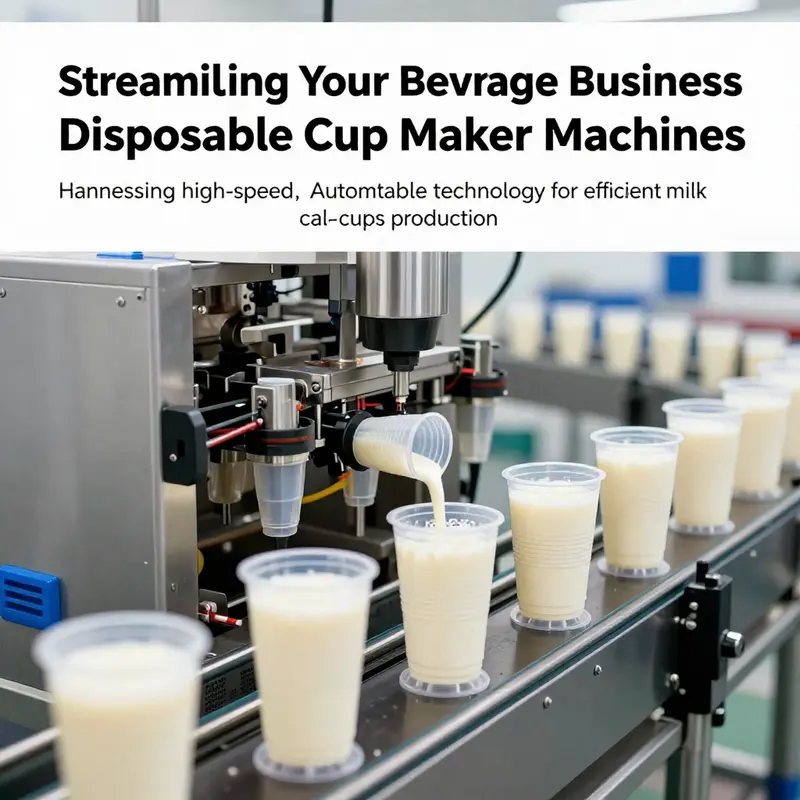
For bubble tea shops, restaurants, food trucks, catering services, and event planners, having a reliable method to produce disposable milk cups is essential. As disposable options trend upwards alongside a commitment to hygiene, understanding the role of plastic cup making machines becomes vital. These machines promise high-speed production, automation benefits, material versatility, strong market demand, and custom solutions. As we delve into each chapter, you will discover how these machines can transform your beverage service operations and meet the evolving needs of your clientele.
Racing Throughput: How High-Speed Plastic Cup Machinery Powers Disposable Milk Cup Production
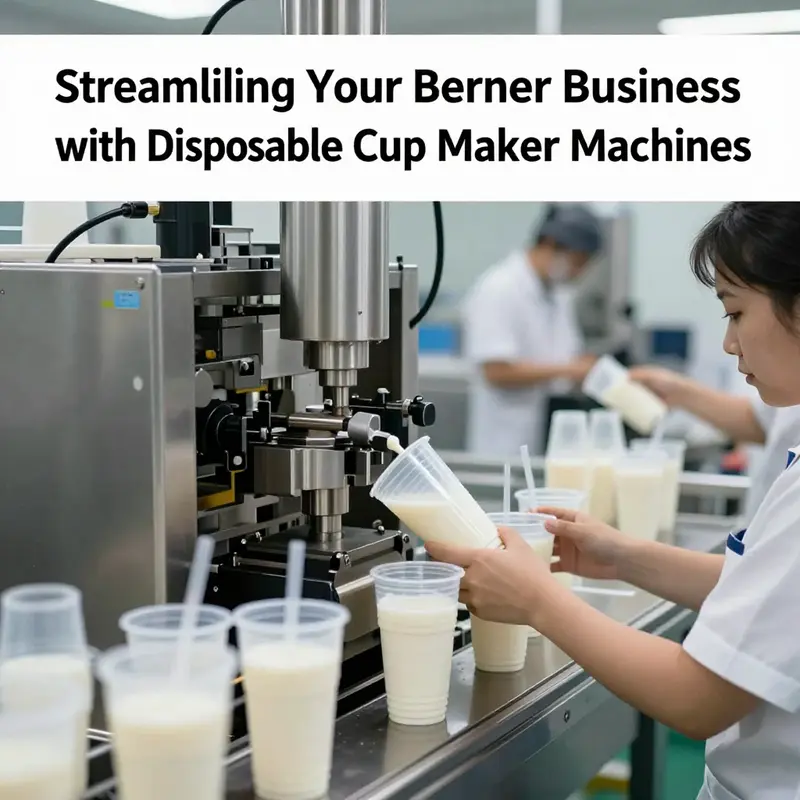
In the dairy and beverage supply chain, the demand for clean, hygienic, on-the-go packaging has turned the production line into a decisive competitive factor. Modern factories rely on fully automatic thermoforming lines that move from sheet feeding to formed cups, then through cooling and stacking with little human intervention. The goal is not merely to create a cup, but to do it with consistent wall thickness, tight tolerances, and hygienic handling that preserves milk’s freshness from the moment the filling line seals the cup to the moment it reaches a shelf. The chapter that follows examines the core logic of these machines, how their high-speed capabilities are realized in everyday production, and why the combination of speed, automation, and material flexibility matters for brands aiming to scale.
A thermoforming line for disposable milk cups begins with a sheet feed, where rolls of PP or PS are unwound and aligned. The sheet material is heated to a forming temperature, then a vacuum or pressure-assisted process pulls the cup shape from the film, trimming flash, and transferring the formed article to a cooling zone. The entire cycle—feeding, shaping, cooling, and stacking—occurs with a level of synchronization that would have seemed miraculous two decades ago. Today, PLC-controlled interfaces monitor temperature profiles, clamping forces, and cycle timings, ensuring repeatability across thousands of pieces per hour. The beauty of automation lies in its quiet redundancy: if a sheet is misfed or a mold segment drifts, the system can pause and adjust, capturing errors before they cascade into waste. This is not a single device but a synchronized orchestra where each module knows its cue and responds instantaneously.
On the speed front, top-tier lines report outputs that range from roughly 30 to 35 cycles per minute, depending on the cup diameter, wall thickness, and the intricacies of the lid or rim design. In practice, a 180–220 milliliter milk cup might complete its cycle in the same sweep as a smaller or larger variant, but the margins shift with the material’s viscosity and the cooling rate. Larger cups require more cooling time, slightly reducing cycle tempo, while thinner walls can shorten the cooling phase if the design tolerances permit. Operators, therefore, balance speed against stability. The most advanced systems marry high cycle rates with robust quality control, using sensors to detect bulges, micro-cracks, or nonuniform walls. In high-volume dairy plants, even modest gains in cycle time translate into millions of cups per month, altering production plans, pricing, and promotional campaigns.
The automation stack includes sprinklings of modern control philosophy: programmable logic controllers orchestrate servo-driven feeders, precisely timed vacuum pulses, and the pace of the forming stations. An auto-stacker compiles finished cups into neat stacks, ready for the next process stage or for palletization. Cooling is not an afterthought but a designed interval; clever cooling channels and air handling reduce heat-induced deformation and retain the circular geometry necessary for reliable filling and capping. Because the cups must be hot enough to avoid warping but not so hot as to lose their edges, vacuum strength and platen pressure are tuned to each cup geometry. Such tuning is part of the mold memory system, a feature that automatically stores mold settings for quick changeovers. When a line switches from one cup size to another, the memory recalls the exact clamp force, forming temperature, and vacuum schedule for that mold, enabling production lines to adapt in minutes rather than hours. The presence of CE and ISO certifications in many machines reflects not only safety but the rigorous process controls that support consistent mass production, traceability, and worker protections.
From a materials perspective, the spectrum remains broad. The most common polymers—PP and PS—offer the rigidity required for hot beverages and the thin walls that keep packaging costs down. PET, PVC, and its derivatives find use in specialized lines where transparency or specific barrier properties matter. The rising interest in eco-friendly options, including PLA and other bio-based materials, adds a dimension of sustainability that manufacturers can leverage without sacrificing performance. Thermoforming coupled with vacuum systems yields fast cycle times because the forming tool can define the cup’s geometry in one stroke while cooling channels lock in the shape. The result is an output profile that can eclipse older stand-alone processes by a substantial margin, often 20 to 30 percent faster when the line is optimized for the chosen material and cup design. For instance, high-throughput configurations can reach tens of thousands of cups per day, a scale aligned with large retail distributions and contract manufacturers serving dairy and beverage brands. While speed is essential, the process remains sensitive to resin quality, sheet gauge uniformity, and mold wear; even minor deviations require prompt maintenance to avoid scrap. For designers, this means spec sheets must reflect the friction between wall thickness, heat resistance, and mold geometry.
Manufacturers frequently need a line that can be retooled for different cup sizes or even multi-cavity molds for offset shapes, such as shallow yogurt cups or uniquely curved rims. A robust mold memory system helps here, mitigating downtime when switching between SKUs. The market’s insistence on customization is not vanity; it is a response to retailers’ demand for branding opportunities and consumer convenience. Even with the same machine family, a small change in the heel or the bead can transform the consumer experience from a spill-prone cup to a lid-secured solution. Materials that are too rigid can crack under rapid handling, while overly flexible sheets bend during stacking and filling. Therefore, operators optimize the blend of resin, thickness tolerance, and rim geometry to ensure reliable sealing, stacking, and downstream compatibility with filling lines. In practice, this means embracing a balanced approach that values both speed and compatibility with other packaging line components, from cap applicators to labelers.
Sustainability remains central to decision-making. While PP and PS are widely used, plant managers increasingly look at blends, recyclability, and end-of-life considerations. PLA-based cups can support compostable or home-compostable programs where local infrastructure exists, but the processing conditions for thermoforming and the disposal pathways differ from conventional plastics. The choice of material, then, becomes less about the optics of stiffness and more about lifecycle implications, cost stability, and the supplier’s ability to guarantee consistent supply. High-speed lines must also be energy-conscious, integrating efficient drive systems and heat recovery where possible. The economics of scale come into play as well: the incremental cost of a faster cycle must be weighed against the capital expenditure for more advanced servo-driven feeding and more sophisticated mold-memory capabilities. In markets with strict hygiene and traceability requirements, the added value of automated defect detection, real-time process analytics, and remote monitoring becomes a decisive factor in ROI.
Where these lines truly deliver is in their integration with the broader packaging and distribution ecosystem. The ability to produce cups at consistent quality under hygienic conditions reduces downstream waste and helps fill lines run smoothly in dairies, beverage co-packers, and contract manufacturing facilities. A line that can switch quickly between sizes without sacrificing throughput is a strategic asset when demand fluctuates by season or by brand promotions. Operators benefit from clear alerts and automations that guide preventive maintenance, ensuring that every cup remains within spec as batch sizes scale upward. In this context, packaging buyers often seek suppliers capable of offering a coherent ecosystem—from printed or unprinted lids to compatible sleeves and take-away containers—so that the entire family of products can be synchronized on a single line. For those exploring packaging options beyond plastics, see this eco-friendly alternative: eco-friendly printed-logo cold beverage paper cup with lid.
As the demand for disposable cups continues to rise, the differentiator for many brands lies not just in the machine’s speed, but in the reliability of the process, the predictability of changeovers, and the confidence that the lines will maintain consistency from dawn to dusk. The future of high-speed cup production will likely be defined by both incremental improvements in materials and smarter automation, including data-driven optimization and predictive maintenance. The combination of robust vacuum forming, precise cooling, and efficient stacking creates a repeatable platform that supports a wide array of cup designs, enabling milk, yogurt, coffee, and juice products to reach markets quickly and with minimal energy waste. The lesson is simple but powerful: speed without control yields variability, whereas speed with automation yields scale.
External reference: https://www.alibaba.com/product-detail/Disposable-Plastic-Cup-Making-Machine-30-cycles-min_1601457856941.html?spm=a2700.1.w5000010.1.6f5c5d1aXKqRjD
Precision in Motion: How Automation Elevates Throughput, Hygiene, and Versatility in Plastic Cup Making for Disposable Milk Cups
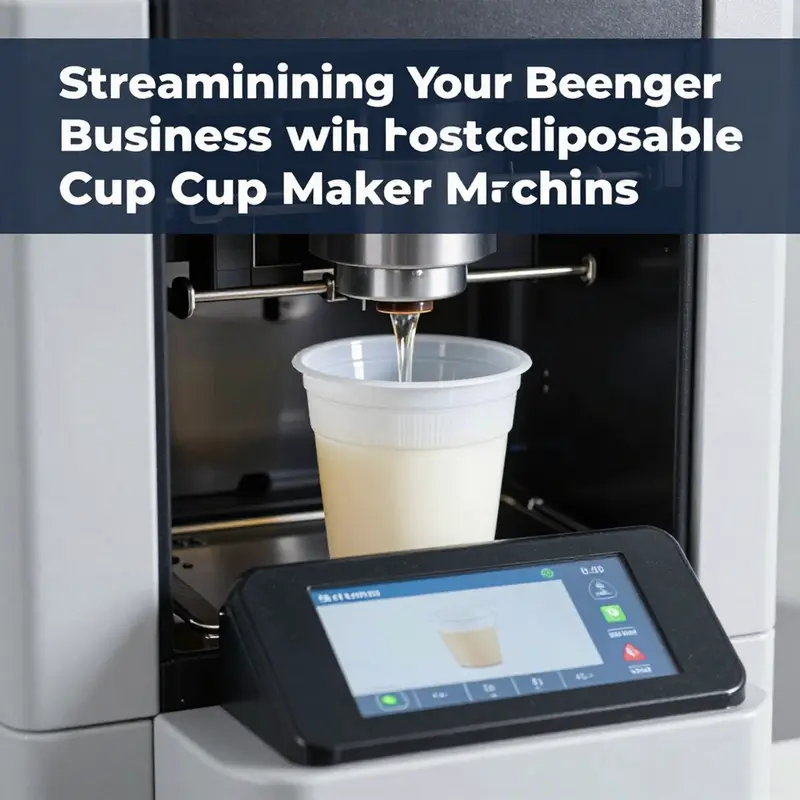
A plastic cup making machine designed for disposable milk cups is not merely a faster press; it is a tightly integrated, automated ecosystem where control software, servo-driven mechanics, and hygienic design converge to meet the exacting demands of modern beverage packaging. At the heart of this ecosystem lies integrated automation that harmonizes every stage of production. Programmable logic controllers (PLCs) coordinate heating, forming, cutting, and stacking with a level of precision that mirrors the rigidity of a well-tuned production line. Intelligent digital temperature controllers continuously monitor the heating zones, adjusting power delivery in real time to maintain stable melt behavior and film pliability. This enables consistent wall thickness and airtight seals, which are essential for preserving freshness and preventing leaks in milk cups during handling and transportation. The predictability that comes from such closed-loop control translates into fewer scrap parts, less batch deviation, and a noticeably smoother run that reduces downtime and troubleshooting during long shifts or round-the-clock operations. In practice, operators notice that recipe changes, material substitutions, or minor process tweaks no longer require lengthy retuning cycles. The machine remembers the optimum parameters, so changeovers become rapid and repeatable, a feature often described in factory floors as a mold memory or parameter memory system. The benefit is not only speed but reliability; a stable process reduces the risk of hot spots, warping, or misalignment which might compromise the seal integrity of the milk cups.
Material handling and feeding are another pillar of automation that underpins high throughput and low waste. Modern lines employ high-precision servo motors paired with planetary gear reducers to move sheets or films with exacting positional accuracy. As the material enters the forming section, servo-driven feed drives maintain consistent tension and alignment, minimizing slippage and edge defects. This precision is crucial when forming cups that require clean edges and uniform base profiles, especially for downstream processes like lidding or labeling where every millimeter counts. In addition to positional accuracy, servo control helps dampen vibrations and reduces mechanical wear, extending the life of forming tools and reducing maintenance interrupts. The feeding subsystem also enables rapid material changes with minimal downtime, supporting a variety of plastics—from standard polymers to more eco-friendly options—without sacrificing precision or yield.
The mold operation itself is the core of the forming process and benefits enormously from automation. A cam-driven linkage system powered by a high-torque servo motor provides the smooth, fast, and highly repeatable movements needed to open and close molds with exacting timing. The form-and-cut cycle must align precisely with the material feed to produce a tight, airtight cup that can withstand sealing pressures during pasteurization or cold storage. A well-tuned servo-driven mold system ensures consistent forming temperatures and dwell times, reducing variability in cup geometry and surface finish. The result is a product with reliable wall thickness and a stable base, capable of forming even complex geometries required for certain cup designs without sacrificing cycle speed. The engineering challenge here lies in balancing speed with control: higher torque and faster actuation must be tempered by smooth acceleration and deceleration curves to avoid transient misfeeds or edge distortion. Modern automation solves this by integrating servo drives with digital feedback from encoders, enabling real-time corrections on every cycle.
Automatic stack and ejection complete the cycle by removing finished cups from the formation area and organizing them for downstream processing. An efficient stacker accelerates throughput by presenting finished cups in uniform stacks that feed directly into labeling, filling, or packaging lines. Ejection systems are designed to minimize contact with the hot or freshly formed cups while maintaining cleanliness to minimize contamination risks. The combination of quick, reliable stack formation and clean ejection is essential when production runs demand thousands of cups per hour. The automation profile of stackers and ejectors often includes programmable top-plate timing and synchronized drop mechanisms, ensuring that cups land in the correct orientation for subsequent operations. This orchestration of forming, cooling, stacking, and ejection is what transforms a set of machines into a seamless manufacturing line capable of sustained high-speed performance.
Quality assurance is integrated into every step of the automated cycle. Vision and sensor systems provide real-time feedback for positioning, orientation, and presence checks. Photoelectric sensors verify that each cup is correctly formed and in the proper orientation before continuing to the next stage, safeguarding against misfeeds that could cause mislabels or spillage later in the line. Some configurations even deploy UV light or surface sterilization stages within the process flow, elevating hygiene standards for food-grade packaging. While UV sterilization is not a substitute for proper cleanliness in every corner of a factory, it adds an additional layer of protection against surface contaminants that might arise during handling. The overarching aim is to deliver consistently compliant cups with minimal human intervention, so operators can focus on monitoring, maintenance, and adjustment rather than manual production tasks.
The user interface and monitoring system further emphasize seamless automation. A clean, intuitive human-machine interface (HMI) presents critical parameters—temperature profiles, cycle times, material type, and line speed—at a glance. Operators receive real-time alerts when a parameter drifts outside tolerance or when a component requires maintenance. This visibility supports proactive upkeep, reducing unplanned downtime and extending equipment life. Data logging becomes a natural extension of automation, enabling trend analysis across shifts, batches, and material lots. With this data, operations teams can optimize recipes, predict wear on forming surfaces, and plan preventive maintenance without interrupting production. The result is a line that not only runs efficiently but also evolves through data-driven improvements.
From a broader perspective, the automation features described here are designed to deliver scale without sacrificing quality or hygiene. A high level of automation minimizes direct human contact with the forming area, reducing contamination risks in a market where consumer expectations for safety are uncompromising. At the same time, the automation stack supports flexibility. By supporting multiple materials and cups sizes, the line can adapt to changing brand needs or regulatory requirements without expensive retooling. Quick-change tooling, aided by memory-based settings, allows a plant to switch among formats with minimal downtime. This flexibility is increasingly important as brands pursue faster time-to-market for new products or seasonal promotions, all while maintaining the stringent standards demanded by dairy packaging and cold-chain logistics.
Aesthetics and functionality also converge in automation design. The molding and cooling cycles are tuned to achieve uniform surface finishes that take well to labeling and decoration, while also maintaining structural integrity. The purity of the forming process is complemented by sanitation features such as clean-in-place (CIP) pathways and integrated filtration for air and process cooling systems. These design choices help ensure that the line remains compliant with food safety guidelines and reduces the risk of product recalls due to packaging defects. The cumulative effect is a manufacturing system capable of producing large volumes of disposable milk cups with a consistent profile, closed tolerances, and predictable quality,
All of these automation elements—control accuracy, material handling, mold precision, stack and ejection, integrated quality assurance, and a user-friendly interface—work in concert to deliver a manufacturing solution that can meet rising demand for hygienic, convenient, disposable packaging. The capability to run at high speeds, maintain tight tolerances, and support rapid changeovers positions a modern milk-cup production line as a resilient asset in the food and beverage packaging ecosystem. When a plant considers the economics of scale, automation becomes more than a convenience; it becomes a competitive differentiator that enables brands to offer reliable packaging that preserves product integrity, while reducing labor costs and waste. For teams looking to understand broader packaging strategy, this combination of automation features also supports sustainable objectives by enabling tighter control over material usage and by accommodating eco-friendly plastics where appropriate, without compromising throughput.
To connect this discussion to practical sourcing and broader packaging ecosystems, it can be helpful to explore related packaging options and how automation layers interact with downstream processes. For example, a well-integrated line may coordinate with a take-away paper cup system that handles branding and lids, ensuring a consistent handoff from plastic to paper-assisted packaging when a brand strategy calls for hybrid or mixed-material packaging. See the discussion on disposable take-away paper cups with custom logos and lids for context on how branding and packaging design intertwine with automated production. disposable take-away paper cup with custom logo and lid. For additional technical context on automated forming equipment and high-speed output, industry overviews and supplier resources provide in-depth specifications and case studies that illustrate how these automation features translate into real-world performance. External references can offer design considerations, safety standards, and maintenance best practices that complement the chapter’s focus on automation excellence in disposable milk cup production. External resource: https://www.alibaba.com/product-detail/High-Speed-Automatic-Plastic-Cup-Making-Machine_1600481973681.html?spm=a2700.19128589.0.0.7d6b5c5fQyLlYt
Material Alchemy in Thermoforming: How Resin Choices Shape Disposable Milk Cup Production
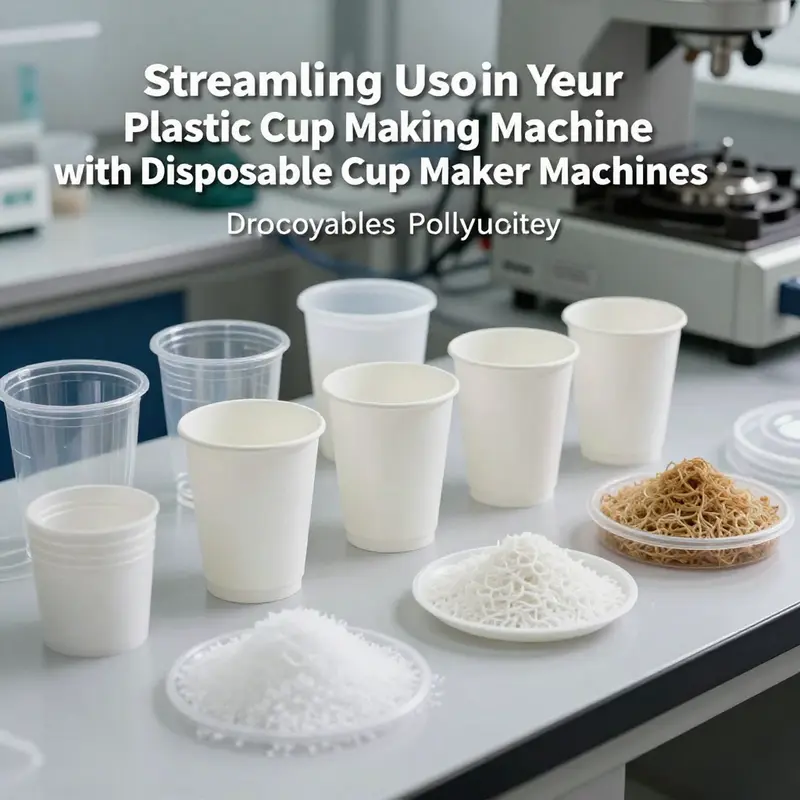
Materials are the quiet engine behind every high-speed plastic cup making machine for disposable milk cups. The thermoforming platform—the heart of the line—translates heat, pressure, and vacuum into a precise cup shape. Yet the resin that fills the sheet or roll stock ultimately dictates how smoothly that translation occurs. In a fully automatic system, where an auto-stacking unit shoulders the cadence of output and mold memory speeds up changeovers, the material itself sets the ceiling and the rhythm of production. When a plant approaches scale, the choice among PS, PP, PET, and the more eco-oriented options becomes less about a single cup and more about how the entire line behaves under stress, how cleanly it releases from the mold, how well it seals against the elements, and how it aligns with the brand’s packaging narrative.
Polystyrene, or PS, has long been a workhorse for disposable cups that demand clarity and a low upfront cost. The transparency of PS gives milk cup interiors a clean, glossy surface that helps showcase product quality. In thermoforming terms, PS softens to a predictable draw, and its rigid structure supports crisp rims that resist deformation at the point of stacking. For producers chasing a fast cycle, PS often pairs with steady heating profiles and straightforward mold geometry, which reduces downtime during routine changes. Yet the cost advantage of PS must be weighed against its relatively lower heat resistance. When hot beverages are part of the mix, the machine must run at carefully tuned temperatures to avoid softening rims or warping that could compromise seal integrity. This caution feeds directly into the control logic of the forming process—precise platen temperatures, uniform curtain heating across the sheet, and uniform draw pressure to prevent thinning at the cup walls.
Polypropylene, or PP, brings a different balance of properties to the table. Its chemical resilience and higher heat resistance are assets when a milk cup must withstand warmer contents or steam in a café environment. PP’s toughness translates into stronger rims and a more durable cup body, which can permit slightly bolder or thicker walls without sacrificing cycle efficiency. For the thermoforming machine, PP often demands a slightly different heating regime compared with PS, enabling a stable forming window that sustains wall integrity through exceeding the mold’s geometry. The trade-off is that PP can be more resistant to draw, requiring careful calibration of vacuum profiles and mold temperatures to avoid thinning or pinholes near the cup mouth. In a high-speed line, this means a careful balance of feed rate, pre-heating uniformity, and the synchronization of the thermoforming station with the downstream automation—the auto-stacker and the conveyor’s pacing. When PP is chosen for hot-drink cups, the design of the internal surface finish and the edge geometry becomes a subtle but essential factor, influencing gripping reliability and the consistency of the cup’s release from the tool.
Polyethylene terephthalate, or PET, is prized for its strength, clarity, and barrier performance. PET’s barrier against moisture and gases can extend shelf life and preserve flavor—qualities that matter even for milk-based beverages. From a machine perspective, PET often requires a precise heat-soak and draw schedule to realize its strengths without introducing stress cracks or thickened rims. The high rigidity of PET cups supports stiff rims that resist deformation during stacking, which complements the auto-stacker’s cadence. PET’s transparency also makes post-form inspection straightforward, enabling inline quality checks that catch surface defects or misformed rims before the cups leave the forming zone. However, PET can be more sensitive to heat-induced warpage if the forming window is not tightly controlled, so the form, fill, and seal ecosystem relies on a carefully tuned heating matrix, mold geometry that respects flow fronts, and a vacuum system calibrated to prevent sagging while maintaining crisp, consistent edges.
Material choices also intersect with the broader materials ecosystem that a modern plastic cup making machine can accommodate. In some lines, a facility explores PLA or other bioplastics as a path toward sustainability. PLA promises reduced carbon intensity and a lower reliance on fossil-based feedstocks, aligning with a broader packaging narrative that many brands seek today. Still, PLA’s performance envelope often differs from traditional plastics. It can require tighter process windows and careful handling to prevent deformation under heat, and it may demand different recycling or composting streams that affect the end-to-end packaging solution. These considerations ripple back to the machine’s control software, which must accommodate alternate heating curves, material thickness tolerances, and mold cooling strategies to maintain consistent production without compromising cycle times.
Beyond the raw resin, the machine’s architecture amplifies or damps the influence of material properties. The feedstock—whether sheet or roll stock—must feed smoothly into the heating zone, where uniform heating is critical to avoid uneven draw. The upper and lower molds must form a geometry that respects the intended cup design while delivering a reliable release. The cutting tools that separate the formed cups from web or sheet rely on clean shearing forces; any material inconsistency can lead to burrs or seam defects that disrupt downstream stacking. In this context, the mold memory system—engineered to store mold settings for quick changeovers—becomes a pivotal asset. When a new cup size or material variant enters production, the system can recall precisely tuned temperatures, vacuum levels, and dwell times, reducing downtime and preserving the line’s aggressive cycle pace. For a line capable of up to 35 cycles per minute, even small misalignments in a material’s response can accumulate as lost throughput, so memory-driven changeovers are not a luxury but a necessity.
The interplay between material choice and machine design naturally raises questions about quality and safety. Food-contact standards, certifications, and routine inline tests anchor production in the realm of dependable, repeatable outcomes. The combination of a compliant resin, a robust heating system, precise molds, and a responsive vacuum network translates into cups that perform consistently in real-world conditions. Surface integrity matters for clean release, interior smoothness supports easy cleaning and good product presentation, and edge strength preserves integrity during handling and stacking. In practice, producers must monitor not only the external dimensions but also internal surface finish and wall thickness uniformity—dimensions that are intimately tied to material behavior and process controls.
Sustainability remains a thread that weaves through every material decision. While the industry increasingly explores bioplastics and recycled content, the feasibility of incorporating these materials into high-speed thermoforming lines depends on process compatibility and end-of-life considerations. PLA and other bio-based resins are appealing for their lower perceived environmental impact, yet their real-world performance in a hot, fast-moving cup line requires careful testing. The aim is not only to produce cups that meet safety and performance standards but also to minimize waste, enable recycling where feasible, and support a packaging ecosystem that brands can responsibly communicate to consumers. In this light, material choice becomes a strategic lever rather than a mere cost category.
For readers exploring broader packaging ecosystems, it’s instructive to see how packaging formats beyond plastic cups intersect with the same supply networks. For example, a supplier profile in the paper-based segment illustrates how design choices and process considerations differ yet share foundational concerns with plastic cup formation—material behavior under heat, mold accuracy, and automated stacking reliability. This broader perspective helps manufacturers map risks and opportunities across their packaging portfolios, recognizing that a line optimized for one material can be tuned or reconfigured to accommodate others with the right fit of temperature control, mold geometry, and automation choreography. https://greendispopack.com/product/disposable-700ml-kraft-paper-bowl-take-out-octagonal-rectangle-paper-bowl/ During transitions, the memory of established process parameters remains a valuable anchor, guiding both throughput and quality as material roles shift on the line.
From an operational standpoint, the end result—how well the cup preserves contents, how facile it is to stack and ship, and how it aligns with consumer expectations—depends on harmonizing resin properties with machine dynamics. The heating elements must deliver uniform softening without scorching or uneven draw. Molds must be precisely shaped and cooled to maintain dimensional accuracy. Cutting tools must yield clean rims that tolerate stacking and handling. And the entire loop—from raw resin to the auto-stacker’s cadence—must be tuned so that the line consistently delivers cups meeting exacting specifications while maintaining a healthy yield. When these elements converge, even at high speeds, the line will produce cups that perform as reliably as they look, with material choices reinforcing the intended brand story—from clarity and premium feel to warmth and resilience. For readers seeking a concise overview of the thermoforming principles that underpin these operations, a general resource on thermoforming provides a useful context: Thermoforming overview. https://en.wikipedia.org/wiki/Thermoforming
Rising Throughput and Sustainable Demand: The Economic Pulse of Plastic Cup Machinery for Disposable Milk Cups
A steady drumbeat underpins the market for plastic cup forming equipment used in disposable milk cups. The rhythm comes from evolving consumer preferences that prize convenience, hygiene, and price, and from manufacturers who must translate those demands into lines that run reliably at high speeds. In this landscape, the value of modern thermoforming systems lies not only in their ability to shape cups quickly, but in their capacity to integrate material flexibility, energy efficiency, and real-time data. When a line can switch between polypropylene, polystyrene, PET, and increasingly eco-friendly options like PLA without sacrificing cycle time or quality, it becomes a strategic asset. The resulting chord is one of higher throughput, lower waste, and more predictable production—a combination that keeps brands competitive as demand for single-use packaging grows across dairy, yogurt, juice, and ready-to-drink markets. The narrative is not merely about speed; it is about how automation, materials science, and intelligent maintenance converge to create a culture of performance where every minute counts and every gram of plastic is optimized for value rather than excess.
In the Chinese market, the scale of this transformation is evident. The domestic market for plastic cup forming equipment reached approximately 6.85 billion RMB in 2023, with a projected compound annual growth rate of about 6% to 7% through 2030. By 2025, researchers anticipate the market surpassing 8.2 billion RMB. This trajectory reflects a robust pipeline of demand from the food and beverage sector, especially dairy products packaged in single-serve cups, along with yogurt and other portion-controlled refreshments. The rise of e-commerce and the demand for hygienic, disposable packaging further amplify the need for automated lines that deliver consistent quality at scale.
The market dynamics are reinforced by the end-user ecosystem. Food and beverage manufacturers are expanding their packaging footprints to meet the needs of modern consumption patterns, where single-serve cups enable precise portion control, faster service, and reduced handling. The dairy segment, in particular, has become a steady driver for cup-forming capacity, as brands seek to align packaging with shelf-stable or refrigerated product strategies. This demand is not isolated to China; globally, convenience-driven channels, including vending and take-away services, spur demand for reliable, high-speed lines that can accommodate a variety of cup shapes and sizes while maintaining margins. The result is a global market for plastic cup forming machinery that is increasingly characterized by versatility, digital intelligence, and low-energy operation.
Technology has become a central differentiator. Modern lines emphasize high automation with auto-stacking and integrated handling that minimizes manual intervention. Capable of speeds reaching up to 35 cycles per minute, these machines deliver throughput that supports large-scale production without compromising consistency. A core feature is the mold memory system, which stores mold settings for rapid changeovers. This capability is essential in a market where cup sizes and cup designs evolve with consumer tastes and regulatory requirements. The equipment’s ability to process multiple materials—PP, PS, PET, and increasingly PLA—reflects a practical embrace of sustainability without surrendering performance. For operators, this means shorter downtime between product runs and fewer setup errors when switching materials or formats.
Beyond hardware, the intelligent layer embedded in contemporary lines reframes maintenance from a reactive chore into a strategic discipline. Remote monitoring, predictive maintenance, and data analytics enable operators to anticipate wear, schedule downtime at optimal moments, and optimize energy use. Digital tools such as data dashboards and remote alerts reduce the risk of unscheduled stops, while ensuring product quality remains within tight tolerances. The industry’s embrace of digitalization is not only about uptime; it also supports process optimization, waste reduction, and traceability—critical in meeting increasingly stringent quality and environmental standards.
Regulatory and environmental pressures now shape the performance envelope of cup-forming lines as much as market demand does. In China, the regulatory push toward reducing plastic waste has accelerated the adoption of biodegradable and compostable materials, including PLA. The 2019 Solid Waste Pollution Prevention and Control Law, along with other policy measures, has spurred manufacturers to design equipment that can handle alternative materials and laminated structures, while still achieving the lightweight, rigid cups that customers expect. This regulatory context elevates the importance of material compatibility and process control in line design. Machines that excel at handling PLA or other bio-based polymers, with appropriate temperature profiles and anti-wan corrosion features, become more valuable as eco-conscious packaging becomes a differentiation lever. The industry is learning that sustainable choices can coexist with high throughput, as new materials and optimized process windows drive both environmental compliance and economic efficiency.
Globally, the market context reinforces these local dynamics. The broader plastic processing machinery market is forecast to rise from about $24.63 billion in 2026 to roughly $38.07 billion by 2034, a CAGR of about 5.6%. This expansion signals strong international demand for equipment that can deliver consistent output across diverse substrates and regulatory regimes. It also points to a growing ecosystem of suppliers, service providers, and technology partners who push continuous improvement through concepts like Industrial Internet of Things (IIoT), digital twins, and Equipment-as-a-Service models. Such offerings expand the value proposition of cup-forming lines from a one-time machine purchase to a bundled, lifecycle-oriented solution that includes maintenance, upgrade paths, and remote optimization services. In a market where uptime is money, these digital-enabled models matter as much as the hardware itself.
Economic impact follows closely on the heels of technological and regulatory change. The market’s growth supports investment in smarter plants, more skilled labor, and new capacities for design and testing. It is a driver of innovation across related segments—from material suppliers and mold makers to automation integrators and service providers. In practice, this translates into stronger downstream demand for engineering talent and more sophisticated supply chains. A leading supplier in the regional ecosystem reported a substantial rise in net profit in 2025, a reflection of strong demand from downstream clients and the successful adoption of new technologies aligned with green standards. While individual company outcomes vary, the trend clearly signals a healthier, more dynamic manufacturing sector drawn to the efficiency and resilience of digitally empowered, sustainable cup production lines.
The economic logic also extends to business models that monetize uptime and performance. As digital capabilities become more accessible, manufacturers and packaging brands explore service-based arrangements that align payments with performance outcomes. Remote monitoring, predictive maintenance, and configuration management reduce risk for buyers while creating stable revenue streams for suppliers. This shift toward performance-centric models complements the ongoing push for sustainability, because efficient, well-maintained lines consume less energy, generate less waste, and require fewer raw materials per cup—benefits that resonate with corporate sustainability goals and cost-of-goods reductions alike.
In this evolving landscape, the path to successful scale hinges on balancing speed, flexibility, and responsibility. Operators must plan for a spectrum of needs: rapid changeover to accommodate product diversification, robust material compatibility to capitalize on evolving packaging trends, and a proactive stance toward environmental compliance. The right line is one that can absorb future policy shifts and material innovations without sacrificing productivity. It is a line that supports a factory’s journey toward lean manufacturing, traceability, and continuous improvement, while enabling brands to meet the growing appetite for convenient, hygienic, and responsibly packaged dairy products.
For readers seeking a practical illustration of how sustainability and performance come together in packaging design, consider resources that highlight eco-friendly cup components and holders. See the discussion on eco-friendly recyclable pulp-based cup solutions as a glimpse into how packaging formats evolve in tandem with forming technologies, materials science, and consumer expectations. eco-friendly recyclable pulp 2-4 cups coffee take-away cup holder.
External resource: for a broader synthesis of market and technology trends shaping plastic cup molding and related equipment, refer to the China Plastic Cup Molding Machine Market Analysis Report 2025–2030 at https://www.baijiahao.baidu.com/s?id=1798249775927554822&wfr=spider&for=pc. This external source offers deeper data on regulatory timelines, regional demand, and technology trajectories that complement the narrative above.
Customization and Versatility in Plastic Cup Making Machines for Disposable Milk Cups
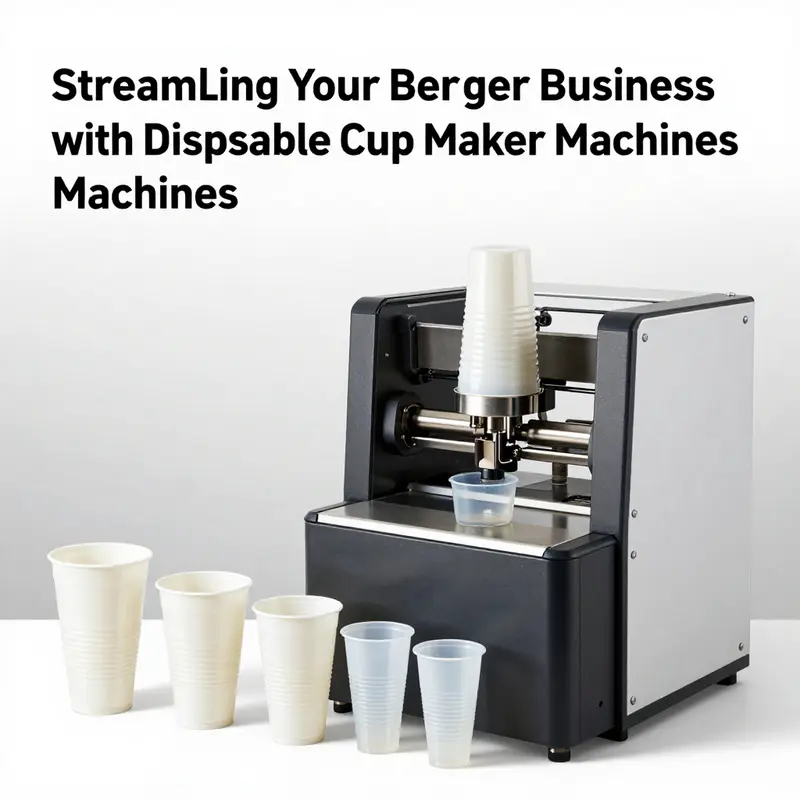
In the world of disposable milk cups, a machine is more than a metal press; it is a flexible platform that translates a brand’s vision into a consistent, hygienic product. Modern plastic cup making systems are engineered with customization at their core, because today’s packaging needs span a spectrum—from economical single-use cups to premium containers with branded patterns and specialized features. The central challenge is not merely to produce cups quickly, but to produce the right cups—across materials, shapes, and finishes—without sacrificing speed or quality. Brands increasingly demand packaging that can support a range of beverages and applications while carrying a distinctive visual identity. In response, machine builders have designed equipment that adapts to material properties, design constraints, and downstream processes, turning a single production line into a versatile platform for many cup formats.\n\nA foundational aspect of customization is material compatibility. Modern systems handle polymers such as PP, PET, PS, and biodegradable options like PLA. Each material brings its own physics: melting points, rigidity, and internal stress behavior that influence how a cup forms, flanges, and seals. To accommodate these differences, suppliers implement precise control logic for heat and pressure. For example, a customized roller configuration paired with tailored temperature curves can produce a uniform flange on a robust PET cup, while gentler heat and pressure preserves the integrity of PLA during forming. This balance between aggressive forming and material sensitivity is essential when the aim is to maintain shape stability through cooling, stacking, and handling while keeping warp and yield losses low.\n\nThe ability to remember and reuse mold settings is another pillar of customization. Modern machines employ a mold memory approach that stores the exact parameters associated with each cup size and material family. When a line switches from one size to another, the system retrieves the stored settings, guiding the servo motions, platen pressures, and flange heights with minimal manual intervention. The benefit is faster changeovers and fewer misruns during the transition. Even modest adjustments—varying flange height or tightening a seal for a higher-density PET cup—become routine, reducing downtime and human error in busy production environments. In addition, certification-ready features, such as CE and ISO-compliant safety and quality controls, reinforce confidence that these changes will not compromise product integrity or worker safety as the line adapts to new tasks.\n\nThe mechanical heart of customization is complemented by the broader workflow that connects forming with downstream processes. Modern lines are designed around an integrated forming-flanging-output-counting rhythm. Upstream, the cup is shaped, then guided into a flange operation that defines the cup’s final mouth geometry and rigidity. Downstream, the cups are automatically counted and stacked or transferred to packaging lines with minimal handling. The whole sequence is orchestrated to minimize transfer damage, which is especially important for high-strength polymers or delicate biodegradable materials. By eliminating manual transfers between stations, the line reduces abrasion and surface defects, a key factor in preserving optical clarity for transparent plastics and maintaining the pristine surface required for downstream decoration.\n\nThis level of integration matters because the market increasingly expects one machine to perform multiple roles. A capable line can switch from producing cold-drink cups to versioning lids, or even to a small batch of sauce cups and dessert containers, all on a single platform without retooling chaos. Such flexibility is a strategic asset when brands launch limited-edition packaging or seasonal campaigns. The ability to adapt on the fly gives manufacturers a competitive edge, enabling them to test new formats, materials, or geometry without committing to expensive capital expenditures for separate lines. It also means that a single, standardized set of upstream and downstream interfaces—feeding from a central control system—can support a family of products, reducing the total cost of ownership over the product’s life cycle.\n\nBeyond core forming and flanging, digital customization has begun to redefine what “made to measure” means in cup production. Integrated digital printing systems can decorate cups with high precision, offering full-bleed or selective patterning at remarkable speeds. Eco-friendly inks—chosen for compatibility with the resin used in the cup and for environmental considerations—are increasingly capable of matching the speed of the forming line. In some configurations, printing happens inline, allowing a brand to apply a design while the cup is forming, then proceed directly to packing. The result is a more compact footprint, faster time-to-market, and better alignment between decoration and geometry. When brands want to unleash limited-edition motifs—think a starry sky or seasonal branding—the combination of high-precision printing and precise forming ensures that the graphics align cleanly with the cup’s edge, text, and surface contours. This is not mere aesthetics; it is a way to capture consumer attention and convert packaging into a storytelling device that enhances shareability and recall.\n\nThe chapter’s emphasis on customization would be incomplete without acknowledging sustainability considerations that shape material choices and process parameters. While PP and PET remain staples for their barrier properties and clarity, there is a growing tension between durability and environmental responsibility. Biodegradable and compostable options like PLA present an appealing path forward, but their different thermal and mechanical behavior requires careful control. Custom resins and adaptive cooling strategies help reconcile durability with compostability, ensuring that a cup can survive the rigors of transport and handling while meeting end-of-life expectations. In practice, this means modulating the forming pressure, adjusting the heat profile, and selecting flange geometries that optimize strength for PS or PET while keeping PLA processing gentle enough to avoid premature crystallization or sagging during cooling.\n\nAnother dimension of customization is partitioning the production into predictable, repeatable segments that support batch and SKUs with minimal downtime. The mold memory system, the ability to recall a size-specific recipe, and the automatic changeover routines combine to reduce waste and rework. In highly automated lines, operators can program a sequence of sizes and materials, allowing the line to run a mixed batch with minimal manual intervention. This capability is particularly valuable for beverage programs that rotate flavors or introduce new cup sizes to accommodate different marketing initiatives or regulatory requirements. The smoother the changeover, the faster a brand can respond to market signals, test new configurations, and protect its margins in a competitive landscape.\n\nThe broader implications of customization extend to branding strategy as well. Although the core focus of these machines is material handling and geometry, the end-to-end solution increasingly embraces customization as a service—designing packaging around a brand’s story, color palette, and consumer engagement goals. A line that can handle customized forms, integrate digital decoration, and seamlessly hand off to packaging reduces the lag between concept and shelf. It allows a brand to iterate on packaging in a way that was previously cost-prohibitive, enabling experiments with new cup silhouettes, grip textures, or internal features like measurement marks for accuracy in consumer use. In short, customization and versatility are not just production features; they are strategic levers for differentiation, resilience, and speed to market in the disposable packaging sector.\n\nFor practitioners seeking a concrete example of how these principles translate to real-world applications, consider the emphasis on versatile cup formats and integrated features that facilitate branding. The same line that can form a standard cold-drink cup may also produce sauce cups, dessert bowls, or fast-food containers, each with its own flange geometry and surface finish. The ability to accommodate these variations without redesigning the core equipment accelerates product introductions and reduces capital risk. As competition intensifies and consumer preferences shift toward convenience and customization, the role of such adaptable machinery becomes central to sustaining growth in the disposable packaging ecosystem. External knowledge of manufacturing practices and equipment builders supports this view, underscoring the importance of integrated solutions and the ongoing refinement of control strategies to keep pace with how packaging needs are evolving in a crowded market. For more on how real-world implementations balance design ambition with engineering practicality, consult industry documentation and supplier resources that detail the interplay between material science, actuation, and automation. https://www.znzmachinery.com/
Final thoughts
The integration of a plastic cup making machine stands to significantly enhance operational efficiency in beverage service businesses. By ensuring high-speed output, leveraging automation, and utilizing a variety of materials, beverage providers can not only meet consumer demand but also tailor their offerings for a unique customer experience. Ultimately, investing in such technology not only supports productivity but also aids in making eco-conscious choices with materials. As you evaluate options, consider how these machines can align with your business goals, enabling you to serve your clientele more effectively.