
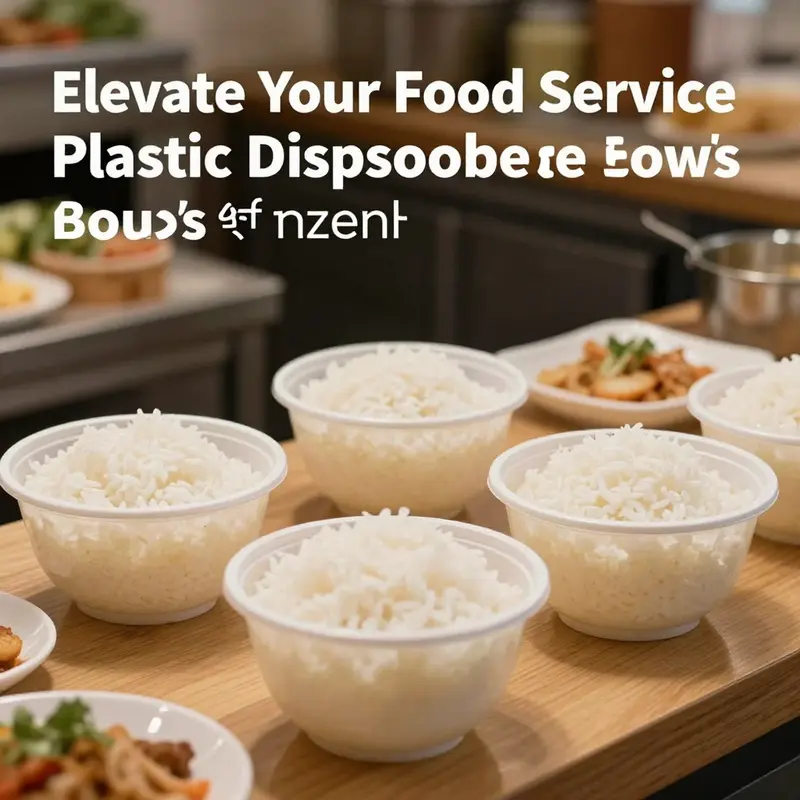
In the competitive landscape of food service, the right tools can make all the difference. Smart and Final’s plastic disposable rice soup bowls with lids provide an ideal solution for ensuring freshness and convenience. Made primarily from durable materials such as polypropylene (PP) and polystyrene (PS), these bowls balance functionality with cost-effectiveness. This article explores their construction, advantages, potential limitations, and best uses, particularly for bubble tea shops, restaurants, food trucks, catering services, and corporate procurement teams. By understanding these elements, businesses can enhance their service offerings and meet customer demands effectively.
Built to Contain: Materials, Lid Science, and Construction Choices for Disposable Rice and Soup Bowls at Smart and Final
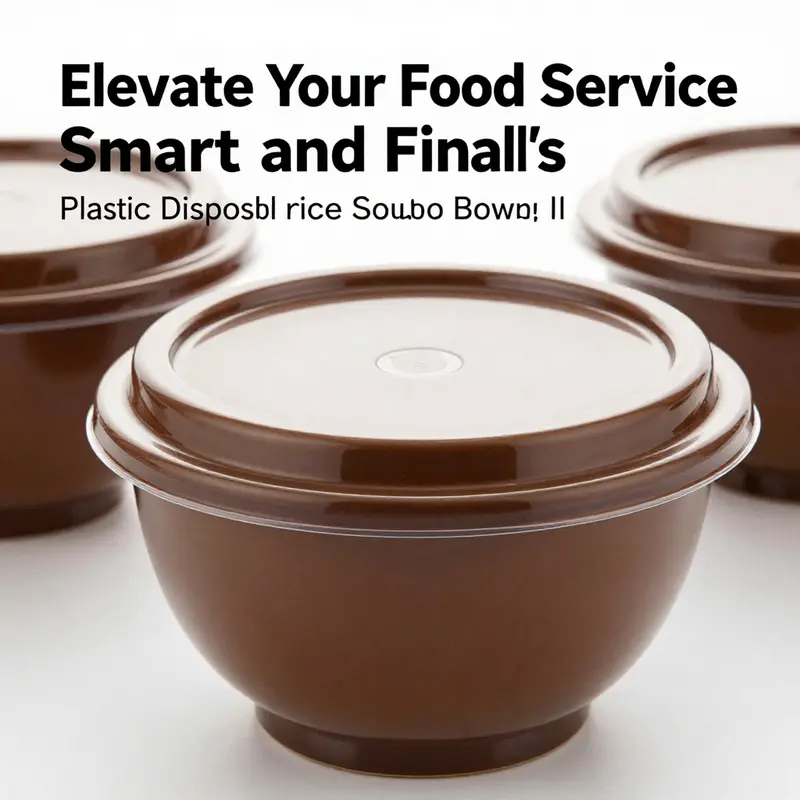
Material choices and construction details shape every performance aspect of a disposable rice or soup bowl. For Smart and Final—where durability, food safety, transportability, branding, and cost intersect—understanding the trade-offs between conventional plastics and newer bio-based constructions is essential. This chapter examines the materials most commonly used, how lids and seals are engineered, the manufacturing and finishing steps that determine real-world performance, and the practical environmental and regulatory constraints that influence selection.
The two material families that dominate the market are food-grade polypropylene (PP) and paper-based substrates reinforced with moisture barriers such as polylactic acid (PLA). Each offers distinct strengths and limitations when it comes to heat resistance, leak containment, printability, and end-of-life outcomes. Food-grade PP is a thermoplastic prized for heat tolerance and toughness. In properly formulated grades it resists deformation at typical serving temperatures, performs well under microwave reheat cycles, and withstands oily or saucy contents without swelling. These properties make PP bowls a natural fit for hot soups, curries, ramen, and rice dishes meant to be reheated in the container. A bowl molded from PP can be thin and lightweight yet retain impact resistance, which reduces breakage during transport and handling.
Paper-based bowls with a thin PLA or PET coating are an increasingly common alternative. The paper core—often kraft paper or recycled paperboard—delivers rigidity and a tactile, premium look. A thin polymer coating applied to the interior and sometimes the exterior creates a moisture and grease barrier that prevents rapid sogginess when holding liquids. PLA coatings bring the marketing advantage of being derived from renewable resources, and under industrial composting conditions they can biodegrade, unlike traditional petroleum-based plastics. However, the compostability claim depends on proper sorting and access to industrial composting facilities; in many municipal waste streams these bowls will still enter landfill or be incinerated if not properly managed.
Lid design is as consequential as the bowl material itself. A lid must create a reliable seal, withstand internal steam pressure, and allow for stacking during storage and transport. Common approaches include snap-fit rims, interlocking flanges, and flexible bead seals. For PP bowls, lids are typically molded to match the bowl flange precisely, producing an airtight and leak-resistant closure. A well-designed lid resists popping open when a hot item cools and contracts; it also minimizes spillage when containers are stacked or jostled in a delivery bag. Paper bowls paired with PET or clear plastic lids often use a tight friction fit or a separate sealing lip. Some designs incorporate a ventable tab or a resealable membrane, allowing steam release during reheating while still maintaining a mostly secure closure for transit.
The manufacturing process and finishing touches determine whether the theoretical benefits of a material translate into reliable performance. Thermoforming and injection molding are the dominant shaping processes for PP. Thermoforming can produce thin-walled bowls in high volume with consistent wall thickness and smooth rims for sealing. Injection molding is used for thicker-walled, more rigid bowls where dimensional accuracy around the lid interface is critical. For paper-based bowls, the process typically involves die-cutting and forming paperboard blanks, applying a polymer coating or lamination, and heat-forming or gluing seams. Seam quality on paper bowls matters: poor folding or weak adhesive can lead to leaks under pressure or long holding times.
Surface finish and printability also influence choice. PP offers a clean, glossy surface that receives spot colors and heat-transferred branding well. However, getting rich, saturated prints requires careful material selection or pre-treatment of the surface. Paper-based bowls offer superior print fidelity directly on the paper face, enabling full-color branding and tactile finishes such as matte or kraft textures, which many consumers associate with sustainability and quality. Customization in high volumes is both feasible and cost-effective, enabling Smart and Final to offer co-branded or seasonal designs. When pairing bowls with lids, manufacturers must consider the visual alignment between bowl printing and lid clarity—clear lids make contents visible and can be a selling point for fresh soups and salads.
Functional considerations extend to stackability and logistics. Bowls intended for high-volume retail and foodservice environments are engineered to nest compactly. Nesting reduces warehouse and in-store footprint, lowering shipping costs and simplifying shelf stocking. Lids are often stackable as well and may be supplied in sleeves or nested stacks. Design tweaks such as tapered sidewalls, reinforced rim geometry, and anti-slip features allow bowls to stack without sticking together, which minimizes labor time during dispensing. Durability during stacking is critical: weakened rims or poorly shaped flanges can deform under pallet loads, compromising the lid seal later.
Barrier performance—both thermal and moisture barrier—is a central construction criterion. Thermal insulation can be enhanced by adding double walls, corrugated structures, or insulating sleeves. For single-wall PP bowls, wall thickness and bowl geometry contribute most to heat retention and user comfort. Paper bowls often rely on coating thickness and paper grammage for performance; higher paperboard weight increases stiffness and hot-hold capability, but also increases cost and material usage. For wet or oily dishes, the integrity of the internal barrier layer determines whether the bowl can be used for extended holding times or multiple reheats.
Safety and compliance are non-negotiable. Materials must meet food-contact regulations, resist migration of harmful substances at expected temperatures, and avoid off-odors or flavors. Food-grade PP typically complies with major regulatory frameworks for microwaveable containers, but polystyrene and certain blends can fail migration tests at elevated temperatures. PLA coatings must meet food safety criteria and be free from contaminants introduced during the coating process. Certifications such as EU food contact compliance and RoHS attest to material suitability, while forest stewardship certifications for paper cores speak to sustainable sourcing. These certifications influence procurement decisions in retail chains where regulatory due diligence and consumer transparency are priorities.
Environmental factors increasingly steer material selection. PP has the advantage of being recyclable in communities with appropriate sorting infrastructure, but recycling rates vary dramatically. Lightweight PP bowls can be excluded from recycling streams due to food contamination or mixed-material construction. Paper bowls with PLA coatings present a trade-off: they reduce reliance on fossil feedstocks and are technically compostable, yet the thin polymer layer can contaminate paper recycling and requires separate composting routes to realize environmental benefits. Lifecycle thinking pushes retailers to evaluate the full chain—from raw material extraction and manufacturing energy use to end-of-life scenarios—rather than relying on single-label claims.
Cost considerations remain practical realities. PP bowls are generally low-cost in high volumes and deliver predictable performance, which suits value-driven product lines. Paper-based bowls command a premium for perceived sustainability and improved shelf appeal. Cost differences show up not only in unit price but also in logistics: heavier paper bowls increase freight costs and shelf weight, while PP’s lighter weight reduces transport emissions per unit. Procurement teams must balance unit economics against brand positioning and regulatory exposure.
Quality control and testing protocols close the loop between design intent and on-shelf performance. Typical tests include leak and tilt tests, steam and microwave trials, rim fit assessments, stacking load tests, and aging trials that simulate long hold times at elevated temperatures. Sensory checks for odor and flavor transfer are important for both PP and coated paper. Traceability in the supply chain—batch numbers, material certificates, and third-party lab reports—supports rapid corrective action if nonconformances emerge. For chains that scale across regions, harmonizing specifications across suppliers prevents variability that could degrade the customer experience.
Choosing the right bowl and lid construction for Smart and Final is not a single-variable decision. It requires balancing microwave stability, leak resistance, printability, stackability, sustainability credentials, and cost. PP bowls bring robust reheating and leak performance with broad recyclability potential where infrastructure exists. Paper bowls with PLA or PET coatings offer stronger sustainability messaging and attractive print options, but demand careful end-of-life planning and compost access to deliver on environmental claims. Lid geometry and fit are where performance is won or lost; a high-volume brand depends on lids that seal reliably across temperature cycles and handling conditions.
For buyers and category managers, a practical approach is to define performance priorities by application. Meal kits and reheatable entrees may favor food-grade PP; ambient or cold salads and short-hold hot items benefit from high-quality paperboard bowls with clear lids. Wherever possible, specify test criteria—leak thresholds, stacking load, reheat cycle counts—and require material and environmental certifications. Consider piloting new constructions in selected stores to assess logistical and consumer feedback before broad rollout.
Sourcing decisions will continue to evolve as materials science improves and municipal waste systems adapt. Manufacturers are refining compostable coatings and mono-material laminated papers to reduce the complexity of recycling streams. Meanwhile, developments in recycled-content PP and better sorting technologies can close the loop for traditional plastics. The most resilient procurement strategy blends immediate operational needs with a roadmap toward improved sustainability, prioritizing clear labeling and consumer instruction so bowls and lids are disposed of correctly.
For a practical example of a kraft paper bowl designed specifically for food packaging and paired with a lid, see this disposable kraft paper bowl with lid option for reference: https://greendispopack.com/product/disposable-kraft-paper-bowl-for-food-package-with-lid/. For technical specifications and a product comparison that informed parts of this chapter, consult this supplier listing that outlines material, coating, and microwave safety claims: https://www.goldsupplier.com/product/32-oz-custom-printed-round-disposable-rice-paper-soup-bowl-cup-takeaway-kraft-paper-salad-container-ramen-pasta-bowl-with-lid-20251019
Overall, the construction of disposable rice and soup bowls with lids for Smart and Final is a systems decision. It calls for aligning material science, lid engineering, manufacturing quality, and end-of-life planning so the finished package protects the food, supports branding, performs in transit, and meets evolving sustainability expectations.
null
null
Hidden Costs: Health, Environmental, and Practical Limits of Disposable Plastic Rice and Soup Bowls with Lids
Understanding the Limits Behind Convenience
Plastic disposable rice and soup bowls with lids deliver clear, immediate benefits: convenience, leak resistance, and low cost per item. Yet beneath those advantages lie persistent and interconnected limitations. These constraints affect safety, the environment, usability, and long-term business viability. Exploring them together shows why a simple packaging choice can carry complex consequences for kitchens, delivery services, events, and households.
The most urgent concern is the risk posed when plastic containers meet heat. Many bowls are made from materials that tolerate only modest temperatures. Polystyrene degrades quickly when heated and can release styrene and other compounds. These substances are associated with health problems when ingested over time. Polypropylene, on the other hand, generally resists higher temperatures and is commonly labeled microwave-safe. That label, however, is not a blanket guarantee. Repeated reheating, uneven heating, and contact with high-fat foods can accelerate degradation. Scratches and surface wear from utensils or cleaning raise the risk of microplastic release and potential chemical migration. In short, heating repeatedly in a single-use bowl stretches the intended use and raises safety questions.
Beyond chemical risk, the physical performance of disposable plastic bowls declines with repeated use. They warp or lose shape after exposure to heat. Lids that once fit snugly can deform and fail to seal. Abrasion from washing and detergents creates micro-fissures. Those small flaws compromise leak resistance. They also increase the chance of bacterial growth in grooves that are hard to sanitize thoroughly. For operations that rely on perceived hygiene, such as food delivery and catered events, the trade-off between reusing a bowl and guaranteeing safety is fraught. Single-use design minimizes that trade-off, but it creates other problems.
The environmental impacts of disposable plastic bowls are profound and long-lived. Most such bowls do not biodegrade. They can fragment into microplastics over decades. Microplastics then disperse in soils, rivers, and oceans. They enter food chains and water supplies. Recycling systems capture only a fraction of these items. Many municipal recycling programs cannot process soiled or mixed plastics efficiently. Contamination from food residues often causes otherwise recyclable pieces to be redirected to landfill or incineration. The result is that a bowl used for a single meal may persist in the environment for generations.
Regulatory pressure on single-use plastics compounds these issues. Cities, regions, and countries are increasingly restricting disposable plastic items. Policies vary, but many target foam and thin plastics first. Businesses that depend on low-cost disposable bowls face compliance costs. They must adapt packaging and operations to new rules. Even where disposables remain legal, upcoming regulations influence supply chains. Manufacturers and distributors anticipate bans and phase-outs. They shift production toward alternative materials. This transition can raise prices and require new certifications for food safety and compostability.
Operational limitations further narrow where disposable plastic bowls make sense. They are not oven-safe. They do not substitute for cookware. They are unsuitable for high-temperature applications, such as holding molten sauces or broiling. Dishwashers that use high heat and aggressive detergents can warp or crack them. For long-term storage of highly acidic or oily foods, some plastics may interact with food components. That leads to off-flavors and discoloration, which harms customer perception of quality. Businesses that need flexible containers for hot holding, reheating, and reuse may find disposable plastic bowls inadequate.
Aesthetic and consumer perception factors also matter. Plastic bowls can look attractive when new. They come in glossy finishes and bright colors. However, their opacity can hide contents. For consumers who want to see their meals before opening, this is a drawback. Scratches and cloudy surfaces appear after minimal use. These signs of wear reduce perceived value. In contrast, clear or biodegradable alternatives often allow product visibility while conveying a more sustainable image.
The financial calculus of disposable plastics is more subtle than the sticker price suggests. Unit costs are low, especially when purchased in bulk. But hidden costs accumulate. Waste management fees, disposal contracts, and potential regulatory penalties add expense. Customer demand for greener packaging can impact brand loyalty and sales. When buyers prioritize sustainability, the cheap upfront cost of plastic may translate into lost market share. For high-volume operations, switching away from plastics can mean investment in staff retraining and new supply chains. Those transition costs should be weighed against long-term savings and reputational benefits.
Health and environmental issues drive innovation in alternative packaging. Biodegradable and compostable bowls made from kraft paperboard with appropriate linings can meet many functional needs. These products offer grease resistance, structural strength, and lid compatibility. They often support branding and customization, while significantly reducing long-term environmental impact when properly disposed of. For organizations exploring alternatives, it is worth considering products such as reinforced kraft bowls with lids. These options deliver leak resistance and heat tolerance for short-term use, though they may not match polypropylene for repeated microwave reheating.
Switching to eco-friendly bowls is not a simple swap. Compostable materials demand different end-of-life handling. They break down only in industrial composting facilities in many cases. Localized compost infrastructure varies widely, which affects real-world sustainability outcomes. Without proper sorting and facilities, compostable bowls can still end up in landfill, where decomposition slows. Changing procurement without matching disposal systems can therefore displace rather than solve environmental burdens.
Another dimension is the lifecycle carbon footprint. Producers of alternative materials may emit more greenhouse gases during manufacturing than conventional plastics. The evaluation must consider extraction, production, transportation, and disposal. Life cycle assessments help reveal these trade-offs. They guide smarter choices tailored to local waste management realities and business priorities.
Consumer behavior plays a decisive role. Single-use culture persists because it is convenient. Yet informed consumers will accept small inconveniences for visible sustainability gains. Prepaid takeout programs that encourage customers to bring reusable bowls, or deposit-return schemes for durable containers, change behavior. Those approaches cut waste but require logistics and clear communication. The alternative—mass adoption of compostable single-use bowls—requires reliable municipal composting and consistent labeling. Both pathways demand investment and coordination.
For businesses evaluating packaging, three practical questions reveal whether disposable plastic bowls remain appropriate: What temperatures will the containers face? How likely are they to be returned or reused? And what waste management options exist locally? If high temperatures or repeated reheating are common, polypropylene remains the safer plastic choice. If reuse is likely, switching to durable, washable containers is wiser. If municipal composting is established, certified compostable options become attractive.
A balanced approach often works best. Use plastic bowls sparingly for specific scenarios where their properties are uniquely beneficial. Choose polypropylene where microwave safety is essential. Reserve compostable or recyclable alternatives for cold items, salads, and low-heat foods. Combine packaging strategies with customer education and clear labeling. Inform users about microwave limits and disposal recommendations to reduce incorrect handling.
Retailers and distributors must also consider supply chain resilience. Demand for plastics may decline rapidly under new regulations. Diversifying suppliers and sourcing alternatives now reduces the risk of sudden shortages or price spikes. Packaging suppliers increasingly offer hybrid solutions: paper bowls with thin compostable linings, or paper bowls with separate secure lids. These hybrids aim to balance durability, leak resistance, and reduced environmental burden. When assessing options, request certifications for food contact safety and end-of-life claims. Independent verification helps avoid greenwashing and regulatory pitfalls.
One practical resource for businesses and food service managers is guidance on safe food contact materials. Regulatory frameworks set limits and testing requirements. Familiarity with these standards helps ensure compliance and protect public health. For authoritative guidance on the safety and regulatory requirements for packaging intended to contact food, consult the European Union’s Food Contact Materials Regulation: https://ec.europa.eu/food/safety/foodcontactmaterials_en
In some situations, suppliers of sustainable paper-based bowls provide products that closely mimic the performance of plastic. These options include leak-resistant coatings and tight-fitting lids. To explore such alternatives, review product lines that focus on kraft paper bowls with lids and strong grease resistance. For example, an option to consider is a disposable kraft paper bowl designed for food packaging that includes a compatible lid, which supports short-term hot and cold food storage while reducing reliance on non-biodegradable plastics. https://greendispopack.com/product/disposable-kraft-paper-bowl-for-food-package-with-lid/
Ultimately, the limitations of disposable plastic rice and soup bowls with lids are not isolated problems. They form a web of interrelated health, environmental, regulatory, and economic challenges. Thinking through those relationships helps food service operators make more resilient decisions. Short-term convenience must be weighed against long-term costs, both fiscal and ecological. Packaging choices can influence brand reputation, customer loyalty, and operational flexibility. They can accelerate compliance with emerging regulations or leave a business exposed to future constraints. The ideal path blends pragmatic use of plastics where they still make sense, with a strategic shift toward verified, lower-impact materials where feasible.
This integrated perspective clarifies where disposable plastic bowls fit today. They remain useful in specific contexts, but their weaknesses limit broader applicability. Businesses that plan ahead will diversify packaging, invest in proper disposal systems, and communicate clearly with customers. Those steps reduce risk, cut waste, and position operations for a regulatory landscape that favors sustainability. The decisions made now will shape the visible and invisible costs of packaging for years to come.
Sealed, Safe, and Serveable: The Role of Plastic Disposable Bowls with Caps in Modern Takeout and Event Food Service
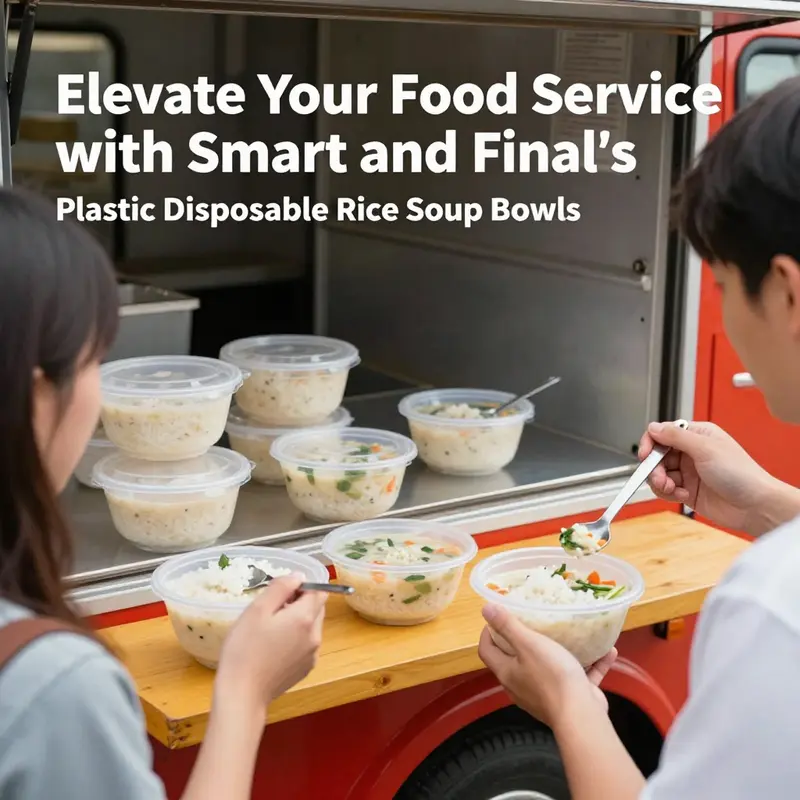
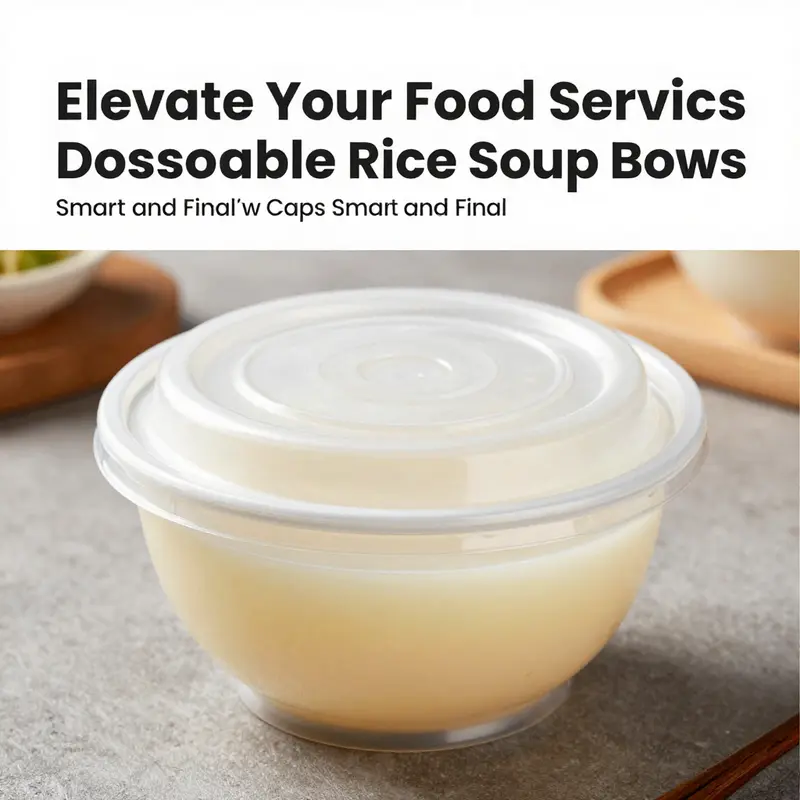
Plastic disposable bowls with caps serve as a practical workhorse in takeout, catering, and temporary food service by combining containment, convenience, and compatibility with high-throughput operations. A well-designed lid provides a tight seal that preserves aroma, texture, and temperature while preventing spills during transit; together with appropriate bowl depth and wall strength, this format supports a wide variety of dishes from soups and stews to noodle bowls and chilled salads. Material choice—most commonly polypropylene (PP) or polystyrene (PS)—shapes performance: PP offers higher heat resistance and microwave safety useful for reheating in the same container, while PS delivers a lightweight, glossy presentation better suited to cold or room-temperature foods. Operators often adopt a mixed strategy, using PP for hot, microwavable items and PS or lighter formulations for cold items or display contexts, while always aligning selection with local recycling and safety guidelines. In commercial kitchens and high-volume catering, reinforced variants resist warping and leaking during stacking and transport, enabling pre-portioning, batch processing, and reliable large-scale service. For buffets, events, schools, and pop-up programs, the lightweight, shatter-resistant nature of these bowls and their stackable lids improves presentation, hygiene, and logistics, reducing labor tied to dishwashing and streamlining distribution. Environmental and regulatory considerations increasingly influence procurement: many jurisdictions require clearer end-of-life planning, and uneven recycling infrastructures push operators to consider recyclable, compostable, or mechanically recyclable alternatives where feasible. Design refinements—optimized wall thickness, reinforced rims, and better lid fit—can reduce waste by improving durability, and stronger recycling partnerships and labeling help customers dispose of packaging correctly. The future points toward material innovations that preserve microwave safety and structural integrity while improving sustainability, and toward operational choices that balance convenience, safety, and environmental responsibility. In summary, plastic bowls with caps remain a versatile, scalable packaging option when chosen and managed with attention to dish type, reheating needs, handling conditions, and local waste-management realities, and they continue to evolve as manufacturers and operators adapt to changing performance and sustainability demands.
Final thoughts
Smart and Final’s plastic disposable rice soup bowls with lids stand out as a reliable solution for food service businesses looking to enhance customer experience while prioritizing convenience and safety. By understanding the materials, key advantages, and limitations of these products, businesses can make informed decisions that benefit both their operations and the environment. The right packaging can not only serve food but also elevate the overall dining experience, making these bowls an enduring choice for a variety of food service applications.