
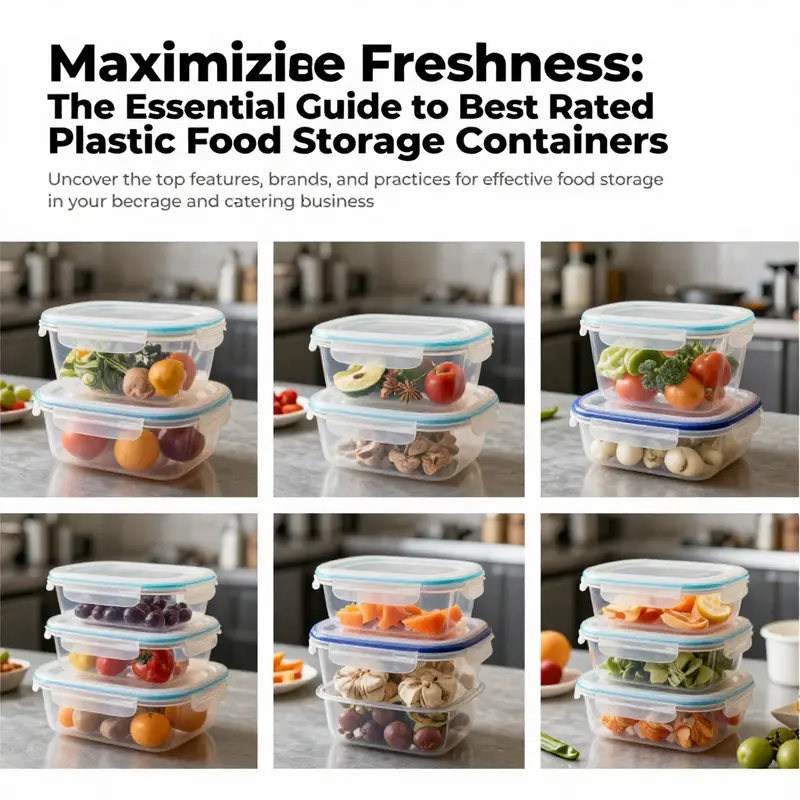
In the world of food service—whether in bubble tea shops, restaurants, or catering services—efficient food storage is paramount. The right plastic food storage containers not only keep ingredients fresh but also streamline workflows and enhance operational efficiency. This guide explores the key features that make plastic containers stand out, introduces top brands in the market, provides insights from customer reviews, shares best practices for usage, and emphasizes the safety considerations that every establishment should adhere to. By the end of this guide, you’ll be equipped to make informed decisions that elevate your food storage game.
Durability, Seals, and Smart Design: Key Features of the Best Rated Plastic Food Storage Containers
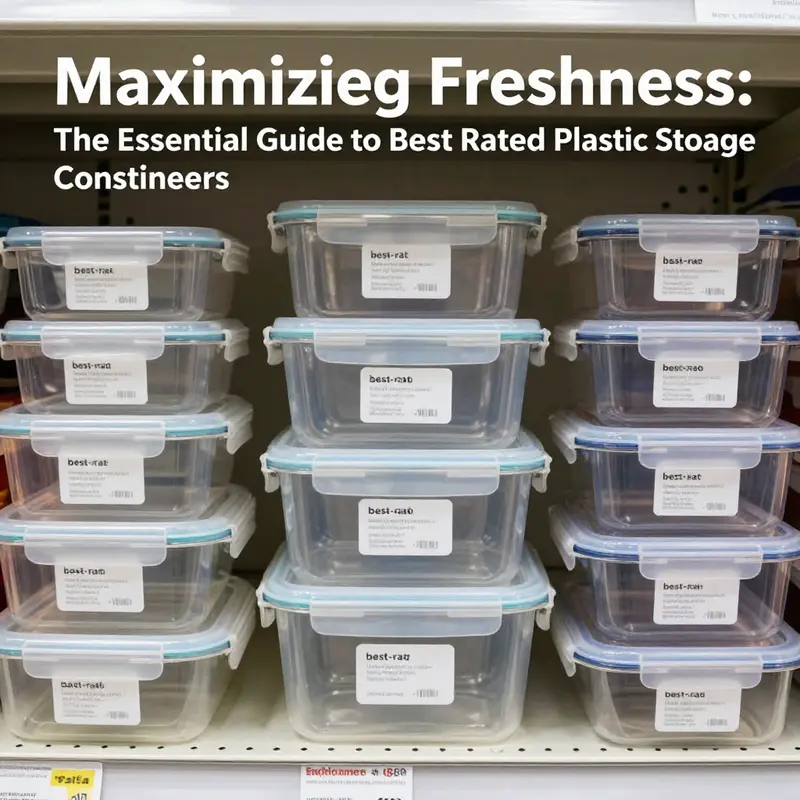
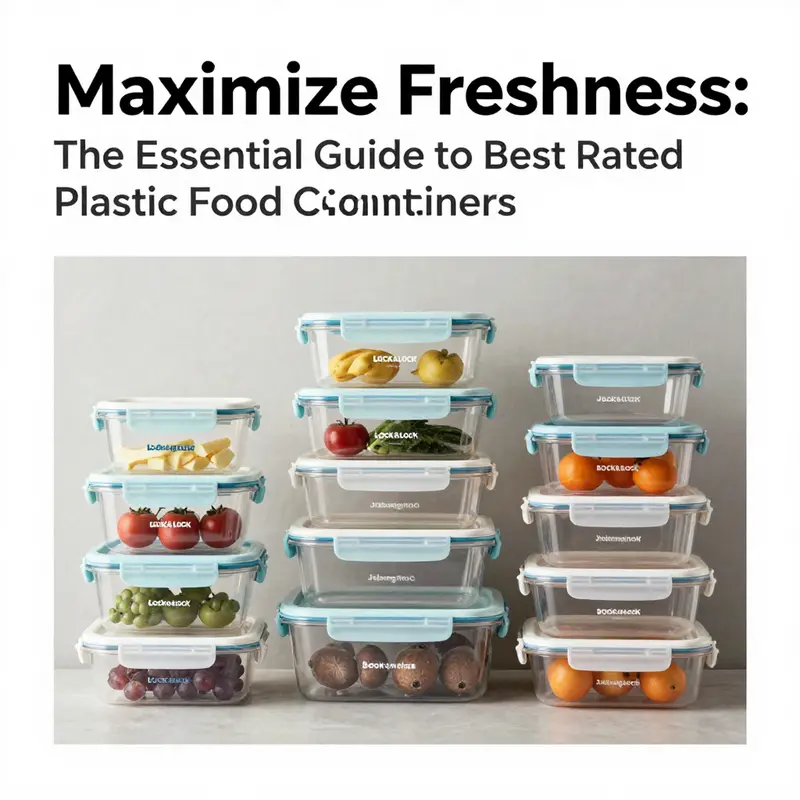
Plastic food storage containers are designed to be everyday kitchen workhorses. The best-rated sets balance durability, airtight seals, and thoughtful size variety to support batch cooking, fridge organization, and safe storage across microwave and freezer use when appropriate. Durability comes from robust plastics like polypropylene (PP) and high-density polyethylene (HDPE), which resist cracking and staining and endure regular washing. When shopping, checking resin codes helps steer buyers toward safer food-contact plastics and away from questionable ones. Airtight lids with gaskets and a secure locking mechanism protect contents from air and leaks, improving performance for liquids, sauces, and prepped meals. Smart design also means space efficiency. Stackable shapes and nested lids reduce cabinet clutter and make rotation in the fridge or freezer easier. A mix of round, rectangular, and square containers can adapt to different foods and meal-prep workflows, while consistent sealing across sizes simplifies handling. Other user-friendly details matter, too: clear visibility from the outside, easy-grip edges, and labeling space for use-by dates or contents. Dishwasher- and microwave-safe claims, when verified, further simplify daily routines and reheating. Across reviews, the best sets deliver reliability, value, and long-term convenience, not just how well they store food. Safety and long-term value matter as well. Look for materials that tolerate repeated washing and occasional heat, follow care instructions, and retire any container showing wear. For households with high-fat foods or long storage times, some people opt for glass or stainless steel for specific items, while continuing to rely on plastic for everyday use. In short, the strongest plastic storage systems combine durable materials, dependable seals, versatile shapes, and thoughtful features to support healthier, less wasteful cooking habits.
null
null
Reading the Shelf: How Customer Voices Define the Best Rated Plastic Food Storage Containers
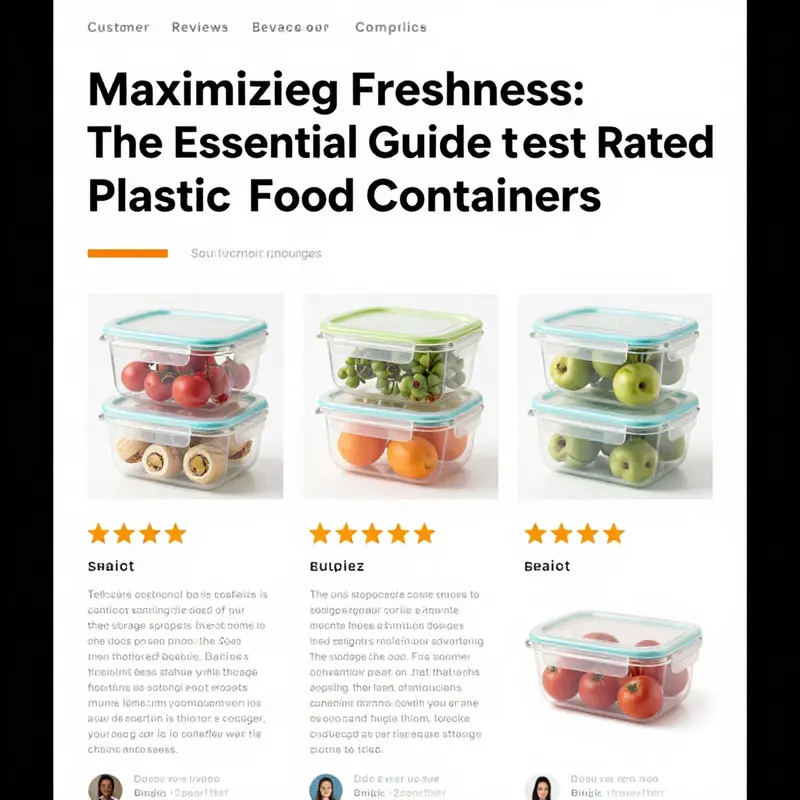
When you walk into a store or scroll an online catalog for plastic food storage containers, the claims can blur into a single promise: keep food fresh, organized, and safe with minimal effort. In practice, the best-rated options tend to share a quiet confidence rather than flashy novelty. They combine safe, durable materials, airtight sealing, and thoughtful design that supports everyday routines—from quick meal prep to long-term pantry organization. The real test, as many shoppers discover, isn’t just the advertised capacity or the clean look in a product photo. It’s the lived experience described by a chorus of careful buyers who use these containers in varied kitchens, from compact city setups to busy family homes and even professional environments. Reading those reviews, a pattern emerges: top-rated containers deliver reliable performance across several axes, and a few recurring caveats help readers separate hype from substance.
Material quality sits at the foundation. The most trusted containers are typically made from plastics recognized as safe for food contact and capable of resisting heat and chemical exposure. In practical terms, this means materials such as polypropylene and high-density polyethylene. These resins are known for their sturdiness, relatively low risk of leaching when used within recommended guidelines, and a better chance of maintaining clarity and stiffness over time. Shoppers often look for explicit signs that a product avoids questionable polymers and that it clearly labels resin identification codes. The guidance is simple: favor HDPE or PP, avoid plastics marked as more problematic for food storage, and remember that the safety of a container depends not just on the material but on how a given product is manufactured and used.
Alongside material safety comes the critical feature of airtight sealing. Airtight design is what helps reduce exposure to air, slows moisture-driven spoilage, and keeps odors contained—important for both pantry staples and bulk bags. In the most highly regarded lines, the lid design is more than a snap or a simple gasket. Some containers incorporate a patented double-gasket system or a robust seal that remains reliable after repeated opening and closing. The seal’s integrity is frequently cited in reviews as the difference between a container that simply stores and one that preserves, helping to maintain texture and flavor for longer periods. Durability of the lid, the strength of the latching mechanism, and the consistency of the seal across many cycles are repeatedly highlighted as decisive factors in a product’s long-term value.
Versatility is the third pillar. A standout set often includes a mix of shapes—round, square, and rectangular—with a design that allows easy stacking and compact storage. The value here isn’t only about fitting more into a cupboard; it’s about matching container geometry to different foods, portions, and meal-prep workflows. Reviewers appreciate mix-and-match configurations that let them segment meals by weekday or family member, or that expand or contract with the changing needs of a household. A truly versatile system also finds favor in professional settings where chefs or kitchen staff perform batch prep, portion control, and rapid turnover. In these contexts, a single set can replace several disparate containers, reducing clutter and simplifying inventory.
Cleaning and maintenance consistently surface as practical concerns in reviews. The best-rated options are judged not just by what they keep inside but by how easy they are to clean, dry, and store. Dishes that resist staining, odors, and grease buildup tend to earn higher marks, particularly for containers used with oily or acidic foods. The ease with which a vessel can be dismantled for washing, whether it’s dishwasher-safe, and how well the material holds up after repeated washes—all these details matter to daily users. Where reviews diverge, it’s often over the combination of durability and finish: some sets maintain their clarity and surface feel after months of use, while others show surface wear, cloudiness, or small scratches that accumulate with time.
Yet rating systems are imperfect mirrors of real-world performance. A handful of containers can receive exceptionally high scores while a different batch of the same brand under a separate lot experiences quality control gaps. Conversely, a product might show a strong feature set on paper but disappoint in shipping or packaging quality, leading to negative early reviews that pull down the overall rating. This is where readers learn to read beyond the star count. Consider the tone of the reviews, the consistency of reported issues, and the presence or absence of notes about fit with lids, ease of opening for arthritic hands, and compatibility with freezers or microwaves. Safety concerns—such as advice to avoid microwaving plastics not rated for heat or to inspect for wear that could lead to leaks—recur in thoughtful evaluations and deserve real attention before a purchase is made.
To navigate these layers of evaluation, many shoppers prioritize a few practical strategies. They begin with the material and sealing features already described, then assess the geometry of each option. Do the containers nest or stack securely? Are the lids interchangeable across sizes? Can the same set cover meal-prep needs for a week or more without yielding mismatched parts? These questions mirror a user story: a busy household that needs to store a week’s worth of lunches, a pantry that must tolerate seasonal variations, and perhaps a space-lconscious kitchen where every inch counts. Then, reviewers weigh the ongoing maintenance burden—how easy is it to clean, whether the seals catch on dishware, and if the product remains visually appealing after repeated use. The best choices earn points on all fronts: they feel sturdy, operate smoothly, and stay reliable under regular use.
Across the spectrum of reviews, there are also cautions worth noting. Some sets may excel in the kitchen but falter in packaging or shipping—leading to damaged items on delivery, which understandably colors the review narrative. Others may perform well functionally yet show up in less robust packaging, producing chipped corners or warped lids that quickly diminish the perceived value. For readers who care about long-term value, this pattern emphasizes a broader truth: the best rated containers are not only about what they store but also about how they arrive, how they endure, and how easily they can be maintained over years of use.
In conversations about safety and sustainability, readers often balance the appeal of durable, reusable plastics with a mindful eye toward alternatives for certain applications. The guidance remains clear: identify the safest, most appropriate material for the task, respect heat and chemical exposure limits, and consider other materials—such as glass or stainless steel—for long-term storage when appropriate. The takeaway is practical, not parochial: choose quality brands that emphasize health and safety standards, but also recognize when a different material better serves the purpose and the user’s priorities.
For readers curious about broader packaging options that complement or contrast plastic storage, the conversation can extend to sustainable take-out and storage solutions that explore the viability of paper-based or other eco-friendly formats. kraft paper take-out options offer an intriguing reference point for those evaluating where plastic truly serves best and where alternatives may be preferable for environmental or health reasons. kraft paper take-out options can be explored here: kraft paper take-out options.
As this chapter moves forward, the thread tying together the customer voice, material science, and design ingenuity remains consistent: the best rated plastic food storage containers earn their standing by delivering dependable performance that matches real-life routines. They prove their value not merely through a glossy image or a single standout feature, but through a sustained record of reliable sealing, easy cleaning, and flexible use. The reader who sifts through reviews learns to weigh both the visible benefits and the quiet trade-offs—the occasional breakage report, the rare shipping hiccup, or the review that notes an exceptionally long lifespan. In the end, the decision hinges on aligning these observable patterns with the user’s own kitchen realities, ensuring that the chosen containers help preserve the food, the plan, and the day’s rhythm.
External reference for broader context on consumer feedback patterns in this category can be found here: https://www.wayfair.com/Storage-Containers-Cabinets/pdp/Wrought-Studio-Plastic-Food-Storage-Container-Set-21-Pack-WRSTUDIO-PLAS-SET-21.html
Safeguarding Freshness: A Practical Guide to Using the Best-Rated Plastic Food Storage Containers
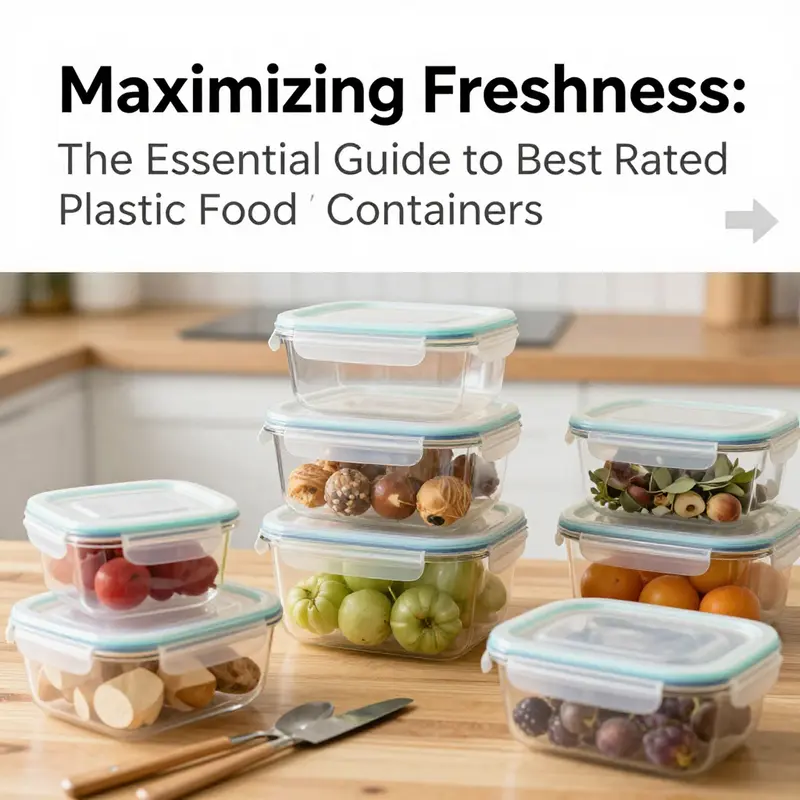
Plastic food storage containers have become more than simple boxes for leftovers; they shape how families plan meals, how flavors stay vibrant, and how kitchens minimize waste. The best-rated options in this category stand out not only for their ability to seal in freshness but for the quiet confidence they give home cooks and professional kitchens alike. To understand why they earn high marks, we can look at the core elements that consistently appear in top-rated designs: material safety, airtight sealing, versatility, ease of use, and reliability over time. When these elements come together, users experience fewer leaks, less freezer burn, and clearer organization, all of which translate into real-time benefits in busy households. The chapters that follow in this guide have emphasized these factors, and the best practices outlined here knit them into a single, enduring approach to choosing, using, and maintaining plastic storage with an eye toward health, sustainability, and long-term value.
First, material quality rests at the heart of any decision about plastic containers. The most durable and safe options are typically made from high-quality polyolefin plastics, especially polypropylene (PP) and high-density polyethylene (HDPE). These materials are favored for their ability to withstand temperature changes, resist absorbing flavors, and maintain structural integrity through repeated cycles in the dishwasher, freezer, and refrigerator. When shoppers read resin identification codes, many are tempted to scan for the lowest number. But the more practical path is to prioritize HDPE or PP, coupled with a product that clearly discloses the material and safety certifications. This approach reduces the risk of chemical migration and ensures that, even after months of use, the container remains a trustworthy vessel for everyday food.
Airtight sealing is the other pillar that separates ordinary containers from the best-rated ones. An effective lid mechanism—often featuring a robust gasket and precise interlock—creates a near-hermetic seal. The advantage is twofold: it minimizes air exposure that accelerates oxidation and slows the growth of odors and bacteria, and it also prevents leaks when transporting meals or storing liquids in the fridge or freezer. A sealed system performs best when paired with a body design that is easy to stack and resistant to warping, so the containers maintain their shape even after high-velocity drying cycles in the dishwasher. In practical terms, users benefit from food that tastes closer to freshly prepared, with less freezer burn and little to no stale aroma after days in cold storage. For meal-prep enthusiasts, the ability to portion out servings and then seal them tightly means more predictable reheating and less waste.
Versatility is the third attribute that elevates top-rated plastic containers. These products are designed to handle a spectrum of storage tasks: from marinating and meal-prep portions to bulk storing dry goods and even freezing soups or stews. A well-thought-out set offers mix-and-match configurations, so a user can create a system that fits the exact shapes and volumes of their pantry. A strong design language here emphasizes modularity without sacrificing durability; containers should nest or stack with lids on, and the lids should be easy to remove without slipping or cross-threading. In professional settings, this translates to faster prep cycles, fewer mix-ups in labeling, and a streamlined workflow that keeps kitchens organized and efficient. In family homes, it means a clear path from fridge to lunch box to school bag, without wrestling with lids or frustration about mismatched sizes.
The human factor—how people actually use and care for these containers—also determines ratings. Reviews consistently highlight reliability, ease of cleaning, and adherence to safety standards as the major drivers of satisfaction. Some products gain lower marks due to issues with lid alignment, brittle edges after heavy use, or inconsistent sealing over time. Those patterns are instructive: they remind us that the best-rated options are the ones that endure, not merely excel in initial performance. For this reason, a practical consumer approach combines reading a breadth of user feedback with a close look at warranty terms, replacement policies, and the ease of finding compatible lids when a set is damaged or misplaced. A container is more than a single purchase; it becomes part of a kitchen system that people rely on daily.
Health and safety considerations permeate every stage of this equation. Resin identification codes matter, particularly when the choice extends beyond the most common, inert packaging. The emphasis here is on avoiding plastics with higher-risk codes for long-term contact—codes that are occasionally associated with harsher chemicals or less stable performance under heat. The prudent path is to select containers whose labels clearly indicate suitability for food contact and that avoid prolonged exposure to high-fat or highly acidic foods, especially in plastics that have not proven their durability. Even when a plastic is deemed microwave-safe, the wise habit is to transfer hot contents to a glass container for reheating, especially when planning portions for long-term meal prep. This practice minimizes the potential for surface degradation and chemical migration, preserving both flavor and safety.
In everyday use, regular inspection becomes a ritual. A few scratches, cloudiness, or a slight warp may seem inconsequential, but they often signal a degradation that can compromise safety and hygiene. Micro-scratches can harbor bacteria, while cloudiness can indicate surface wear that affects seal integrity. Warping is a particular warning, as it can create gaps at the lid interface or alter how a container sits in the fridge or freezer. The simplest response is to retire any container that shows visible wear or that fails to seal snugly. The replacement decision is a balance between cost and risk: a slightly worn container might be acceptable for dry storage in a cool cabinet, but not for storing sauces in the fridge for several days.
Cleaning is another practical frontier where good containers earn their keep. Regular washing with warm, soapy water is usually sufficient. Avoid abrasive scrubs and scouring pads that can scratch the surface and create micro-texture traps for bacteria. It is also wise to inspect lids for cracks and to ensure that gasket materials stay intact and flexible. If a seal becomes brittle or a lid begins to leak, replacement is prudent. This is especially important when preparing meals for others, where the safety of the food takes precedence over the convenience of a perfect-looking set. Furthermore, if a container is destined for extended storage, it benefits from a thorough drying and a dry, cool storage location to minimize moisture that can promote mold or odor formation.
The question of glass versus plastic often comes up in conversations about long-term storage. Glass offers an almost hermetic seal when used with airtight lids and is a stalwart choice for reheating and for those who want a material with a long track record of safety. Yet plastic remains unmatched in weight, cost, and portability for many households. The best-rated plastic containers acknowledge this trade-off and provide a practical path: use plastic for everyday convenience while recognizing glass as a safer, more sustainable choice for certain long-term storage and reheating scenarios. This integrated approach respects the strengths of each material and allows cooks to tailor storage solutions to the specific foods and uses they encounter most often.
Long-term use hinges on wisdom as much as on design. The longevity of plastic storage depends on how well the containers are maintained, how they are used, and whether they are replaced when needed. If a container begins to show signs of wear that could compromise safety or hygiene, or if its seal no longer performs reliably, replacement is wiser than clinging to a compromised tool. At the same time, embracing glass or stainless steel for certain tasks—such as bulk storage of reheatable meals or acidic sauces—can offer greater peace of mind and by extension a more sustainable approach over time. The overarching message is simple: quality materials, robust sealing, mindful use, and attentive upkeep together deliver the best long-term value in any kitchen.
In sum, the best-rated plastic food storage containers deliver a practical blend of safety, efficiency, and adaptability. They empower meal planning, extend the life of ingredients, and support a disciplined approach to kitchen hygiene. By choosing containers made from HDPE or PP, prioritizing airtight lids, embracing versatility, and committing to consistent care, households can maximize freshness while minimizing risk. The research landscape for these products shows a clear through-line: design for durability, support for easy cleaning, and attention to safety standards are what turn good containers into trusted kitchen tools. Practitioners—whether home cooks or professional staff—benefit most when they treat storage as an ongoing practice, not a one-off purchase. And as food safety guidance continues to evolve, staying informed about materials, labeling, and best reheating practices remains essential. External resource: https://www.fda.gov/food/packaging-food-safety
Guarding Freshness and Health: Safety Essentials for the Best Rated Plastic Food Storage Containers
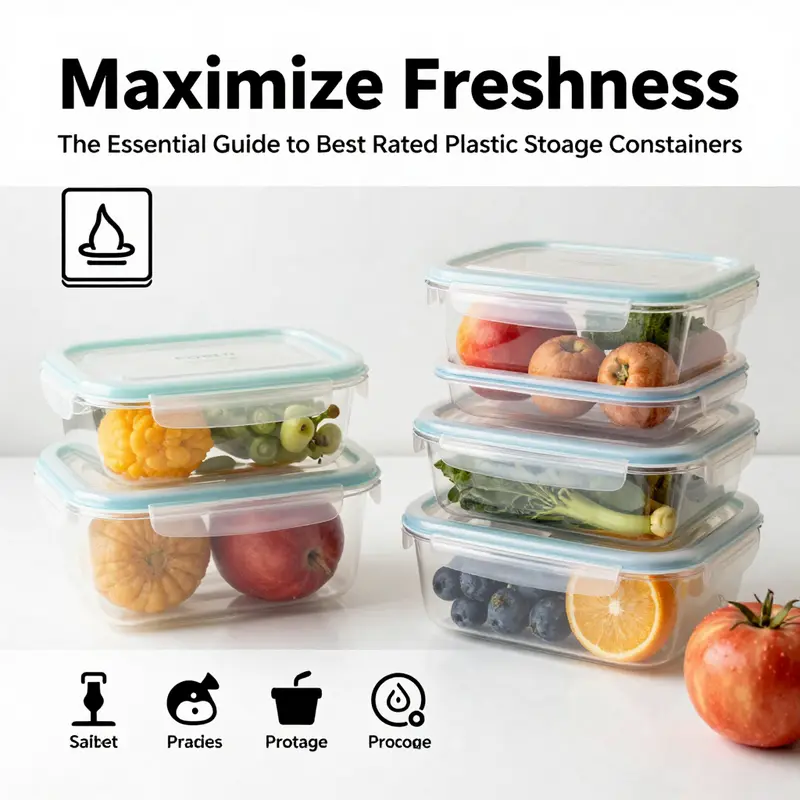
In kitchens where efficiency meets everyday nutrition, the safety of plastic storage containers becomes a practical and ongoing concern. The appeal of top-rated options lies not only in their ability to seal in freshness and organize ingredients but also in their potential to minimize health risks over time. To navigate this landscape with confidence, readers should understand the material science behind plastic storage, how resin codes guide safe choices, and what everyday practices protect both food quality and household hygiene. The goal is to choose containers that preserve taste and texture while reducing the chance of unwanted chemical interaction with food, a balance that becomes especially important for families, meal preppers, and professionals who rely on consistent portioning and reliable separation of ingredients.
At the core of this safety conversation is the material itself. The most stable, food-safe plastics are typically represented by specific resin identification codes. Codes 2, 4, and 5—corresponding to High-Density Polyethylene (HDPE), Low-Density Polyethylene (LDPE) with caveats, and Polypropylene (PP)—are highlighted in research as the most resistant to leaching under normal household conditions. HDPE is known for its durability and relatively mild interactions with foods, especially when containers are used as intended. LDPE can be a flexible option, but caution is warranted with fatty or acidic foods and with high-heat scenarios that could drive absorption or migration of substances. PP is widely favored for its heat resistance and stability, making it a common choice for everyday storage, meal-prep portions, and pantry organization. When selecting containers, looking for these resin codes can serve as a practical shorthand for long-term safety, particularly when combined with a solid lid design and a robust sealing mechanism.
Yet even a seemingly perfect resin code does not tell the whole story. A critical caveat from health-focused research concerns the presence of endocrine-disrupting chemicals. Bisphenols such as BPA, and related substitutes like BPS and BPF, have been shown to interact with hormonal systems in laboratory models. The takeaway is clear: even containers labeled BPA-free are not a guaranteed safeguard. Substitutes may display similar hormonal activity in studies, underscoring the importance of focusing on the resin type and overall container design rather than relying solely on marketing claims. In practical terms, this means prioritizing containers made from HDPE, PP, or LDPE with an emphasis on how they are used, not just what they are marketed as being free from. It also means recognizing that the safest long-term choice for many households may extend beyond plastic when feasible, especially for repeated heating or long-term storage of fatty or acidic foods.
This nuanced view of safety resonates with how people actually use storage containers. In daily life, plastic can absorb odors and stains from strong flavors such as curry, garlic, or fish. Over time, these residues can create micro-environments where bacteria and cross-contamination become more likely, even when the container seems clean. The practical response to this risk is twofold: minimize prolonged contact with highly aromatic foods inside a single container and maintain a rigorous cleaning routine that deprives residues of the chance to linger. Glass and stainless steel offer compelling odor resistance and ease of cleaning, which makes them attractive alternatives for those who prioritize long-term hygiene or plan to store items in the refrigerator for extended periods. While the best-rated plastic options can serve well for many uses, the decision to switch materials often comes down to the trade-off between convenience and maximal odor control.
In the realm of design and performance, the best-rated plastic containers tend to share certain features that amplify safety and usability without sacrificing convenience. Airtight sealing is a cornerstone—double-gasket lids that minimize air exposure help slow moisture migration and oxidation, preserving flavor and texture for longer periods. A reliable seal can also reduce spill risk and contamination from external sources, an important consideration when storing sauces, soups, or prepped meals in the fridge or freezer. Durability in the lid mechanism and the body of the container matters as well; cracked edges or warped lids can compromise the seal and accelerate wear, especially after repeated cycles of freezing, thawing, and reheating. In practice, a well-sealed container works best when paired with measured portioning and a labeling habit, so users can rotate stocks and minimize repeated opening of the same container, further reducing the chance of contamination or quality loss.
The discussion of safety inevitably leads to cautious habits that extend beyond material choices. The resin identification codes themselves are a helpful guide, but they must be interpreted in the context of use. Avoid microwaving plastic containers unless the product is explicitly labeled microwave-safe. Even then, aggressive heating or uneven heating can cause warping or localized heating that may not be anticipated by the user. Extreme temperature changes—such as transferring a frozen container directly into a hot oven or pouring boiling liquids into a cold container—should be avoided, as sudden shifts can cause stress fractures that create micro-cracks, openings for leaks, or sites for chemical migration. Regular inspection for wear is essential; a small crack or fade in color around the lid or body can indicate vulnerability to leakage and potential contamination, and replacements should be made promptly.
Practical storage practices complete the safety triangle. For long-term storage, limit contact with high-fat or highly acidic foods, which can be more aggressive toward certain plastics and may increase leaching risks, especially in older containers. When possible, store foods in original portions or plan for short-term usage to minimize the cumulative exposure of plastics to food. Cleaning is not just a routine step but a safety measure; hand washing with mild soap and warm water often preserves integrity better than aggressive dishwasher cycles for some plastics, particularly those with printed decorations or smaller parts that can harbor residues in seams. If a dishwasher is used, ensure the container is labeled as dishwasher-safe and place it on the top rack away from heat to reduce the risk of warping or chemical migration.
The chapter’s safety logic also recognizes that the marketplace offers a spectrum of choices. The best-rated plastic containers often combine an affordable price with features like airtight, snap-tight lids and a variety of sizes and shapes to suit different storage needs. The key is to evaluate whether a given container’s design supports safe handling, thorough cleaning, and reliable sealing over time, not just whether it can be listed among the best in a consumer’s eyes. For readers considering alternatives, some households opt for non-plastic options for certain uses, especially when long-term storage of staples or leftovers is anticipated. As one practical example of broad storage thinking, a non-plastic storage option can be explored through non-chlorinated, paper-based serveware and take-away packaging. For a practical look at non-plastic options, see the kraft paper bowl product page: disposable-700ml-kraft-paper-bowl-take-out-octagonal-rectangle-paper-bowl.
Integrating these considerations into everyday routines requires a measured approach to decision making. Consumers should routinely check resin identification codes when purchasing or repurposing containers, aiming for HDPE or PP as a baseline. They should avoid heating plastics not labeled as microwave-safe, and they should be mindful of signs of wear—cracks, cloudiness, or faded markings—as signals to retire a container from food use. Storing foods away from direct sunlight and heat sources also helps preserve both the container and the food inside. When possible, consider the limits of plastic and the benefits of alternative materials. Glass and stainless steel can offer superior resilience to odors, stains, and heat, though with trade-offs such as weight and cost. During meal planning and preparation, a layered approach works best: choose high-quality containers with strong lids for day-to-day use, reserve non-plastic options for long-term storage or high-heat applications, and maintain a routine of inspection and replacement as part of food safety and kitchen hygiene.
For readers seeking a broader scientific context, the health implications of plastic food containers have been explored in peer-reviewed sources, which emphasize careful material selection, the importance of resin codes, and awareness of potential endocrine-disrupting chemicals beyond surface-level labels. See the external resource for a deeper dive: https://www.ncbi.nlm.nih.gov/pmc/articles/PMC10798643/.
Final thoughts
In conclusion, choosing the best rated plastic food storage containers demands careful consideration of features, brand reliability, and safety practices. For appearance and functionality in any catering environment—from bustling restaurants to mobile food trucks—these containers make a significant impact on preserving food quality and operational efficiency. By following the best practices outlined in this guide and staying informed about safety standards, businesses can enhance their food storage systems, ensuring that ingredients remain fresh and accessible while supporting a smooth workflow.